News and analysis on Asia's robotics industry from our research desk.
Bear Robotics launched KINO-2, a demonstration-to-skill learning platform for its KR1 humanoid, at NVIDIA GTC Berlin on October 21, 2026, alongside NVIDIA's first public beta of Isaac OS and general availability of Holoscan SDK 5.0. Running on NVIDIA Jetson AGX Thor, Bear reports inference gains of roughly 4.2x to 8x for its in-house and NVIDIA Isaac GR00T models respectively, with active pilots in warehouse crate handling and supermarket returns.
At GTC Berlin on October 21, 2026, NVIDIA and Munich-based Agile Robots introduced Agile ONE SN, a reference humanoid with disclosed mechanical specifications built on NVIDIA Jetson Thor and Isaac GR00T. NVIDIA paired the hardware with a generally available Isaac Lab 3.0 training framework, a new Isaac OS real-time runtime, the Halos safety platform, a 2,000-plus-asset simulation library, a human motion dataset, and open-source DGX Station workflows, backed by a roster of more than two dozen named ecosystem partners.
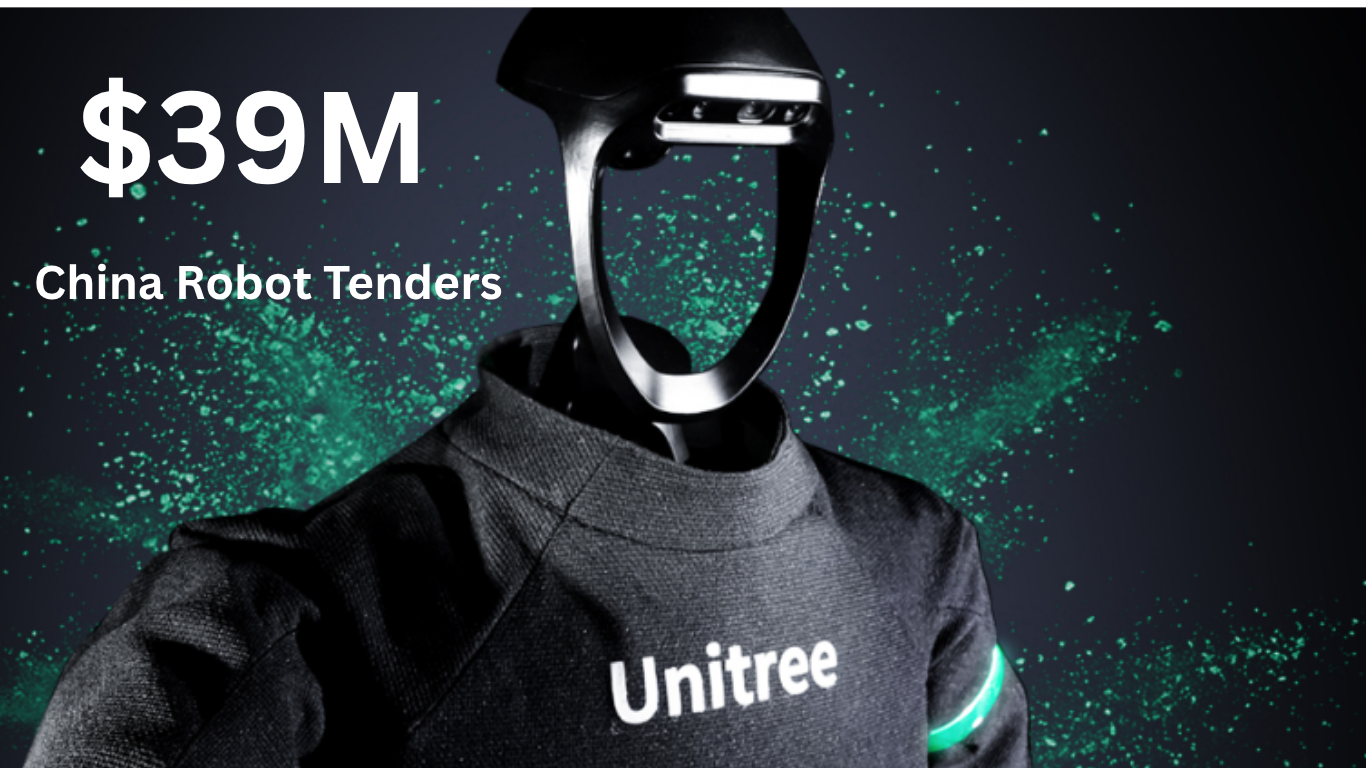
China's government procurement of humanoid robots jumped 168% to US$39M in September, but shrinking average deal sizes reveal a market still dominated by training labs and demonstrations, not factories.
Unitree told investors its three-day STAR Market rally crossed 30 percent and its rolling earnings multiple is 388 times, against a sector average near 40.
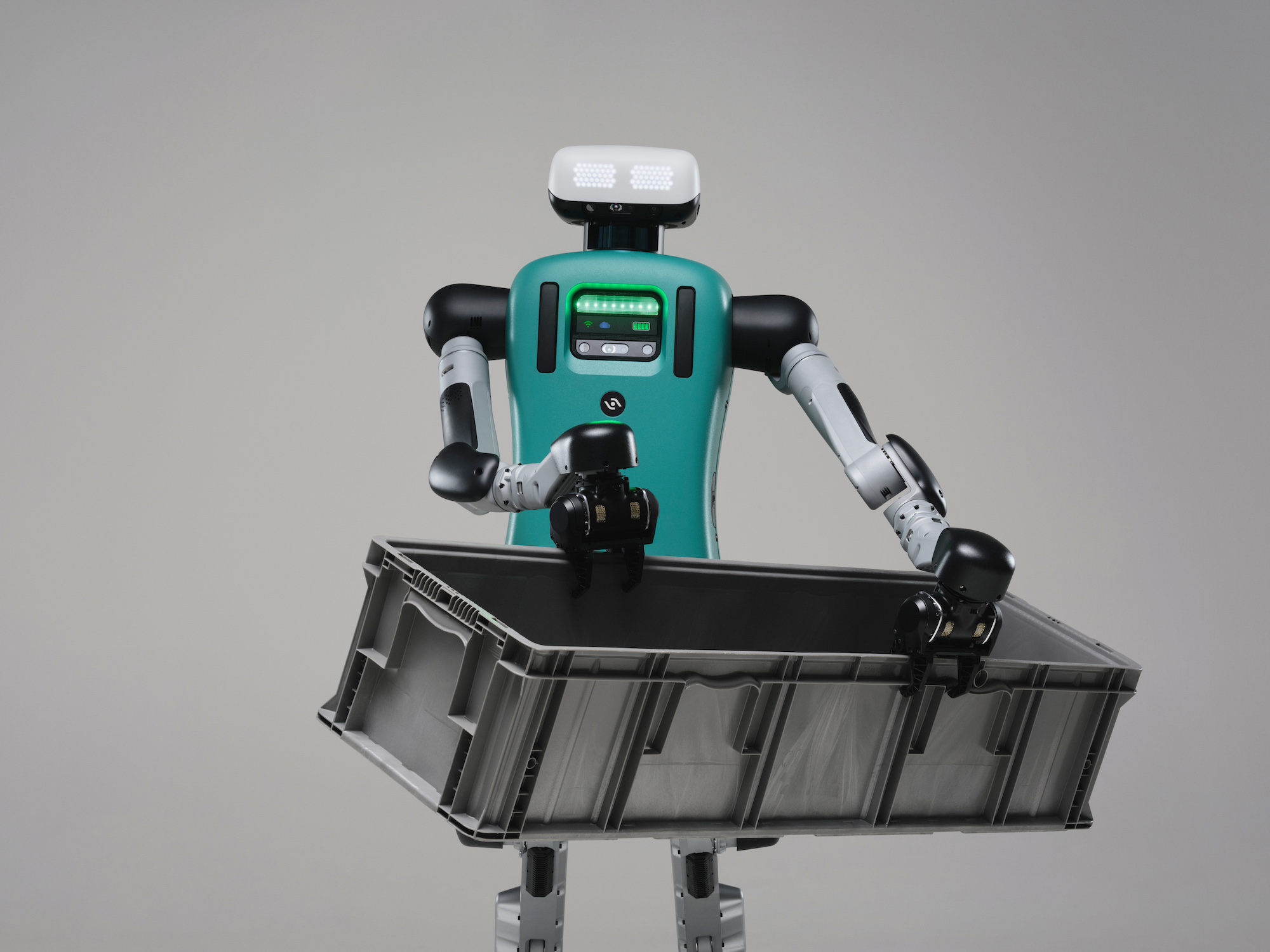
AGCO and Agility Robotics have signed a commercial agreement to pilot the Digit humanoid robot at AGCO's Hesston, Kansas, factory starting in 2027, testing humanoid automation on a discrete manufacturing line rather than a warehouse floor.
Cambridge startup Eka Robotics raised a US$150M Series A led by a16z and F-Prime for its force-sensing "Vision-Force-Action" manipulation model, betting touch, not more vision data, is what's missing from robotic grasping.
NEURA Robotics and Austrian deep-tech firm NXAI are building a working- and episodic-memory layer for NEURA's Neuron AI foundation model, using NXAI's xLSTM architecture, aimed at the reliability gap between humanoid demos and real deployment.
The U.S. Navy and GSA raised the ceiling on Gecko Robotics' hull-and-deck inspection contract from US$71 million to US$300 million just six months in, a rare sign that a physical-AI defense vendor has moved from pilot to repeatable, scaling business.
Sonora, California-based Kodama Systems raised US$7 million to expand its teleoperation and supervised-autonomy retrofit system for logging equipment, betting that terabyte-scale daily operating data will become its durable moat.
Doosan Robotics named autonomous-driving veteran Woongjun Jang as CTO and promoted Hyunsoo Kim to CSO, formally putting its Agentic Robot OS software and a new industrial humanoid program on a 2027 commercial timeline.
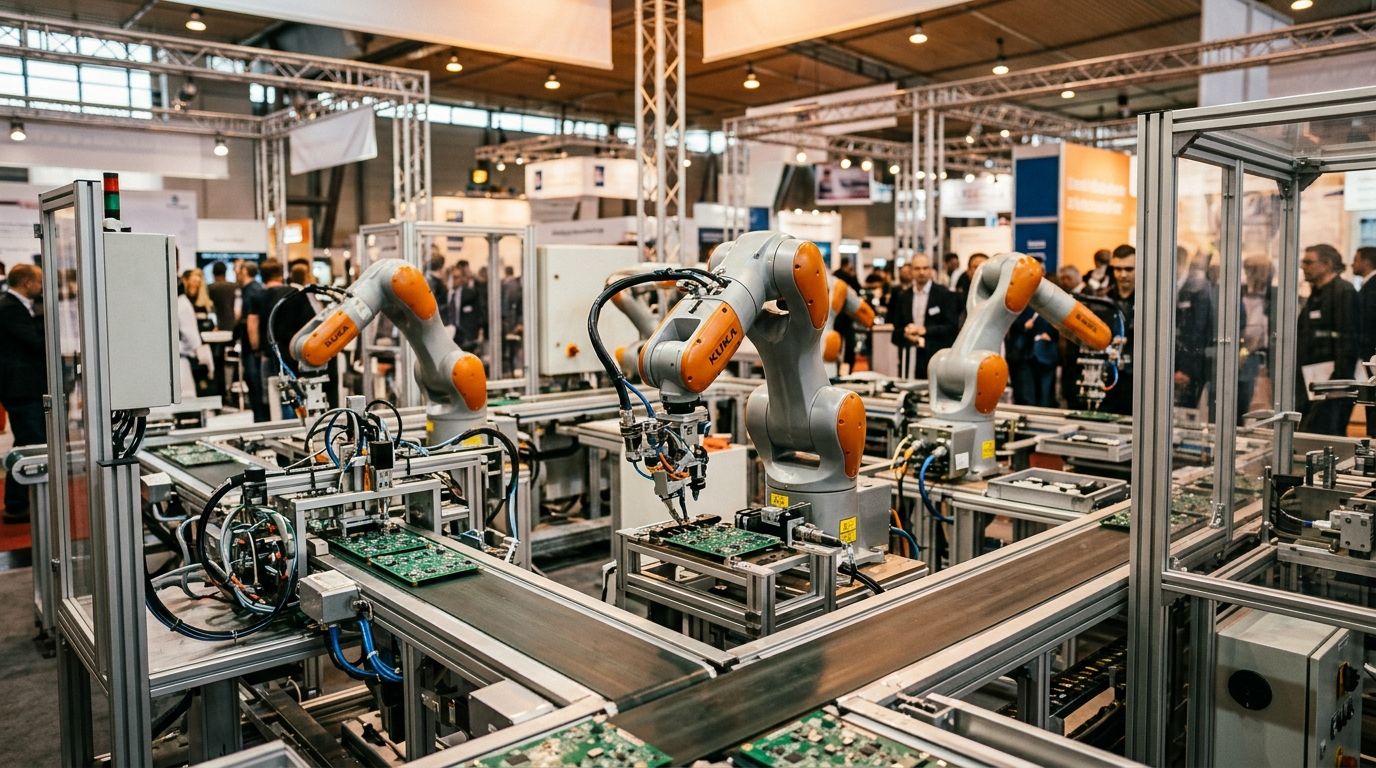
At the Shanghai industry fair, buyers asked about hours, yield, and payback. Most humanoid shipments are still not on a line.