News and analysis on Asia's robotics industry from our research desk.
Two former colleagues in Nvidia's robotics orbit are debating when robotics gets its 'ChatGPT moment.' Four unrelated events from the same week, a Micron earnings call, a Chinese technical standard, a Symbotic acquisition, and a Hong Kong training ground, suggest the debate itself is asking the wrong question.
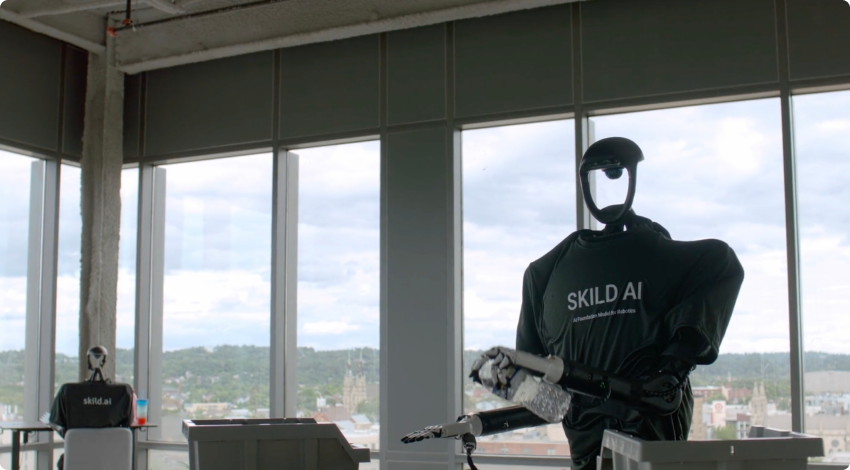
Skild AI used self-play, not human demonstrations, to train a humanoid robot to play soccer, testing whether robots can learn physical skills beyond what any human teacher could show them.
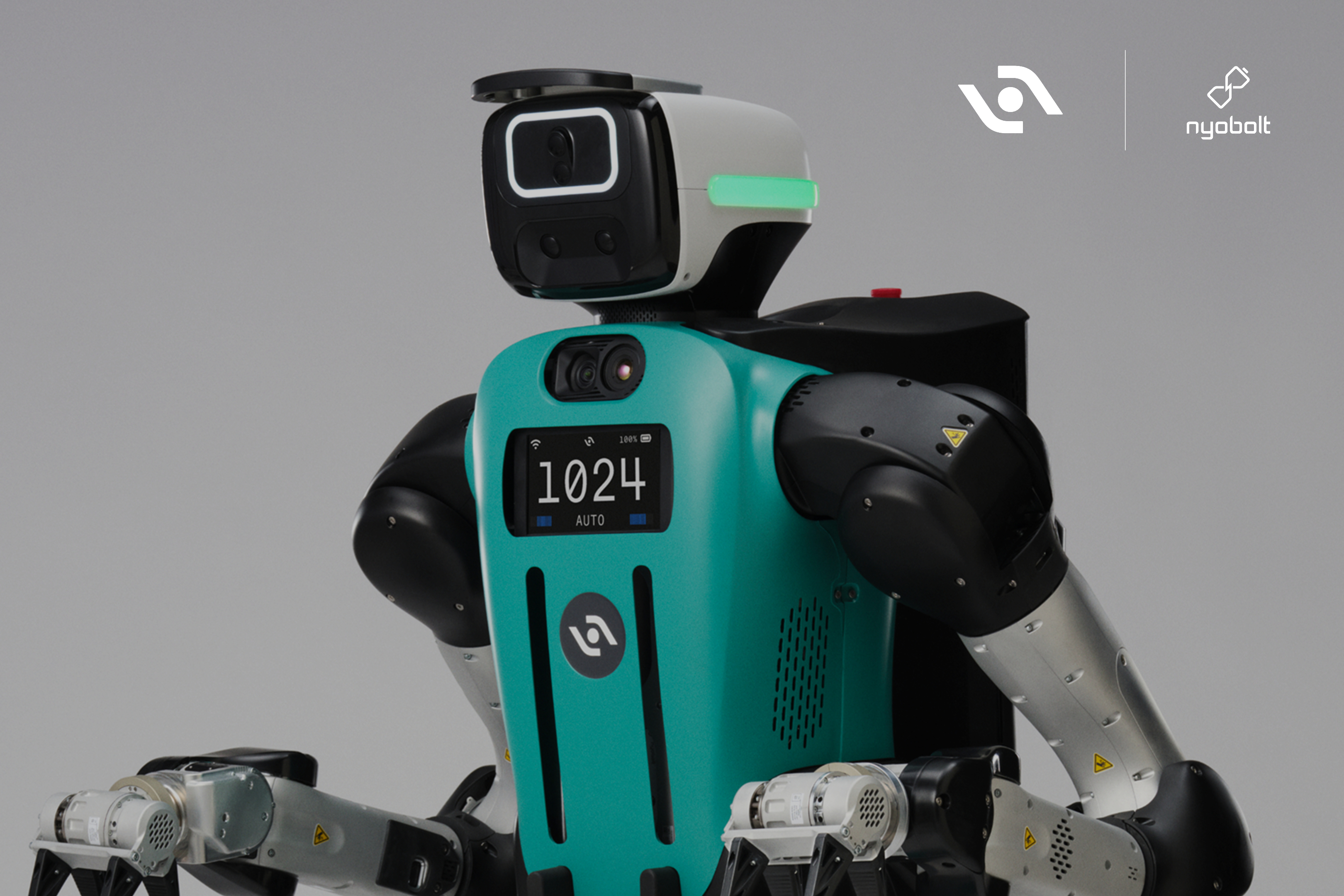
Agility Robotics just picked Nyobolt to cut Digit 5's recharge time to nine minutes, following DJI and Boston Dynamics into the same race to kill robot downtime. The real competitive edge in humanoid robotics may belong to whoever solves the charger, not whoever trains the smartest model, and the vendor math behind the headline ratios still needs floor-tested proof.
A new CMRA industry report finds that 20 mega-rounds captured 93% of the roughly US$1.19 billion raised by mobile robotics companies through Q3 2026, with Hong Kong IPOs supplying 40% of all disclosed funding.
NVIDIA's October 14 announcement of a US$250 million, five-year commitment to UK AI safety research is a compute donation, not cash, routed through NVIDIA's own Cloud Partners and reference tools to labs at Oxford, UCL, and Imperial College London whose work explicitly covers robotics and physical AI safety. This column argues that funding safety research with the donor's own infrastructure, rather than cash, creates a structural dependency that cash grants do not, and that no government has yet set a precedent requiring multi-vendor compute diversity before accepting this kind of in-kind AI safety donation.
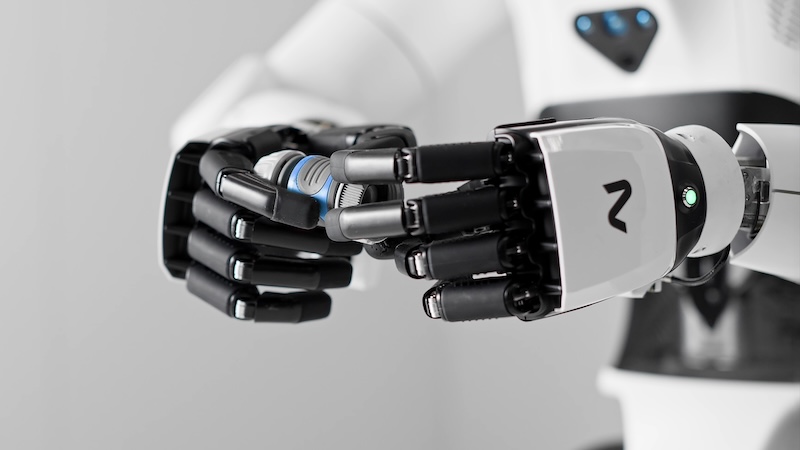
NEURA Robotics has introduced Neuron AI, a multimodal foundation model fusing vision, touch, audio, robot state and memory across five robot embodiments, staking out a vertically integrated position in the global race to build a general-purpose physical AI brain, with a live test planned at NVIDIA GTC Berlin 2026.
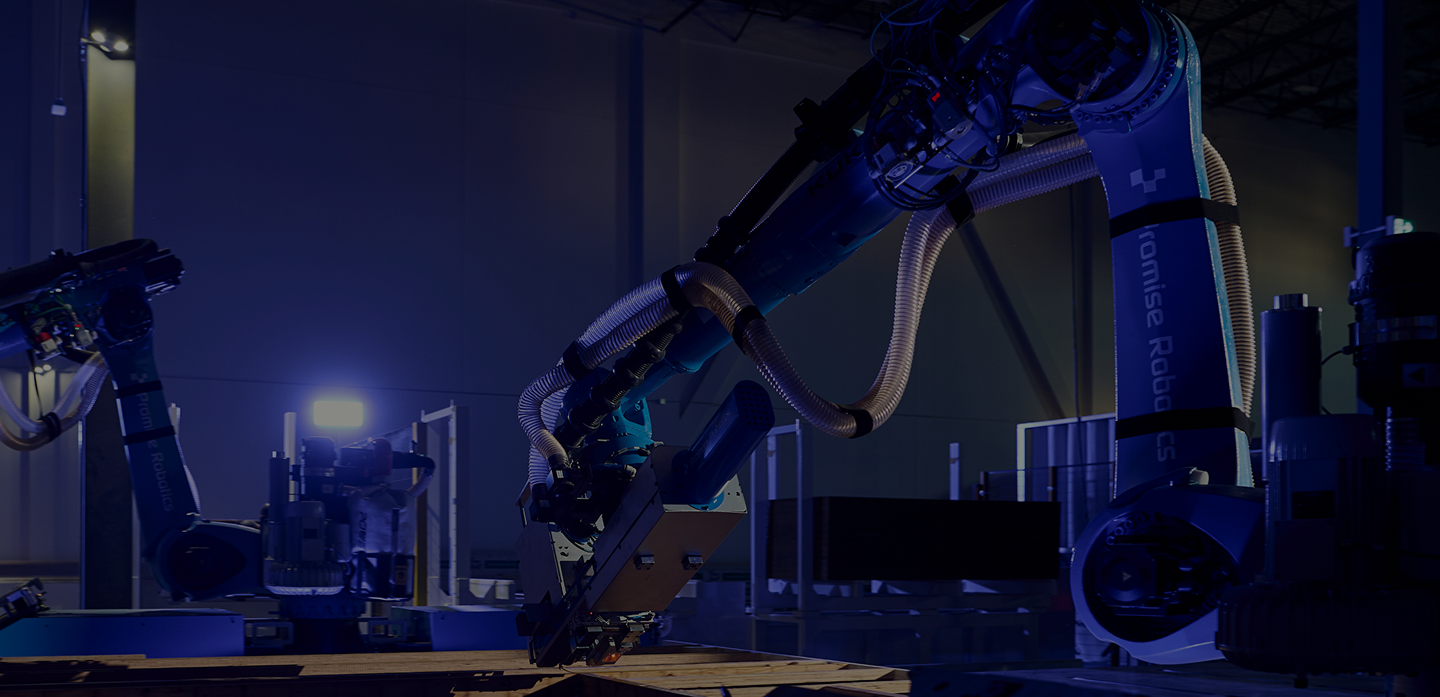
America's largest homebuilder by volume, D.R. Horton, signed a multi-year deal with Canada's Promise Robotics on October 13 to build more than 1,250 homes through a Factory-as-a-Service platform, renting robotic production capacity instead of buying robots outright. This column argues that ownership-free model, echoed in warehouse robotics deals like 1X's EQT agreement, is the real business model physical AI is converging on, and traces the construction-labor economics and platform leverage behind it.
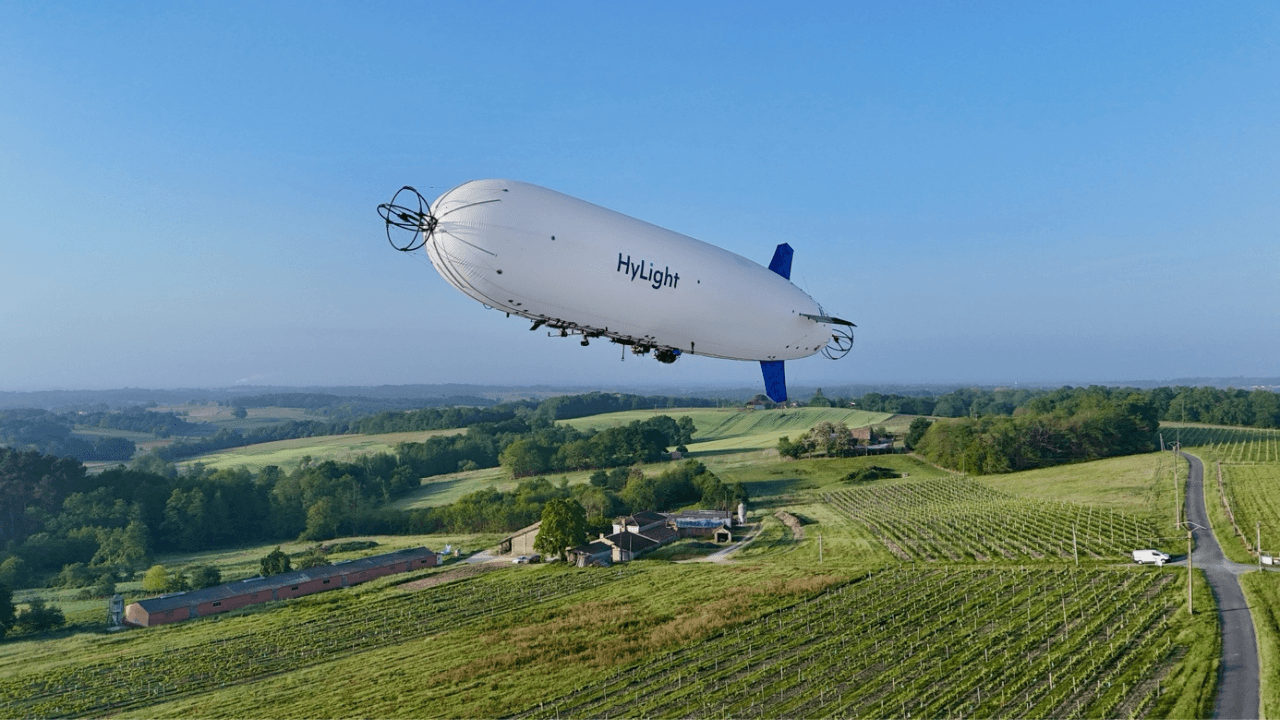
Two same-day funding rounds, Ubitium's US$14M for a universal physical AI processor and HyLight's EUR13M for autonomous inspection airships, point to a structural shift: sophisticated capital increasingly backing the enabling layer under physical AI rather than only the next humanoid or robot platform.
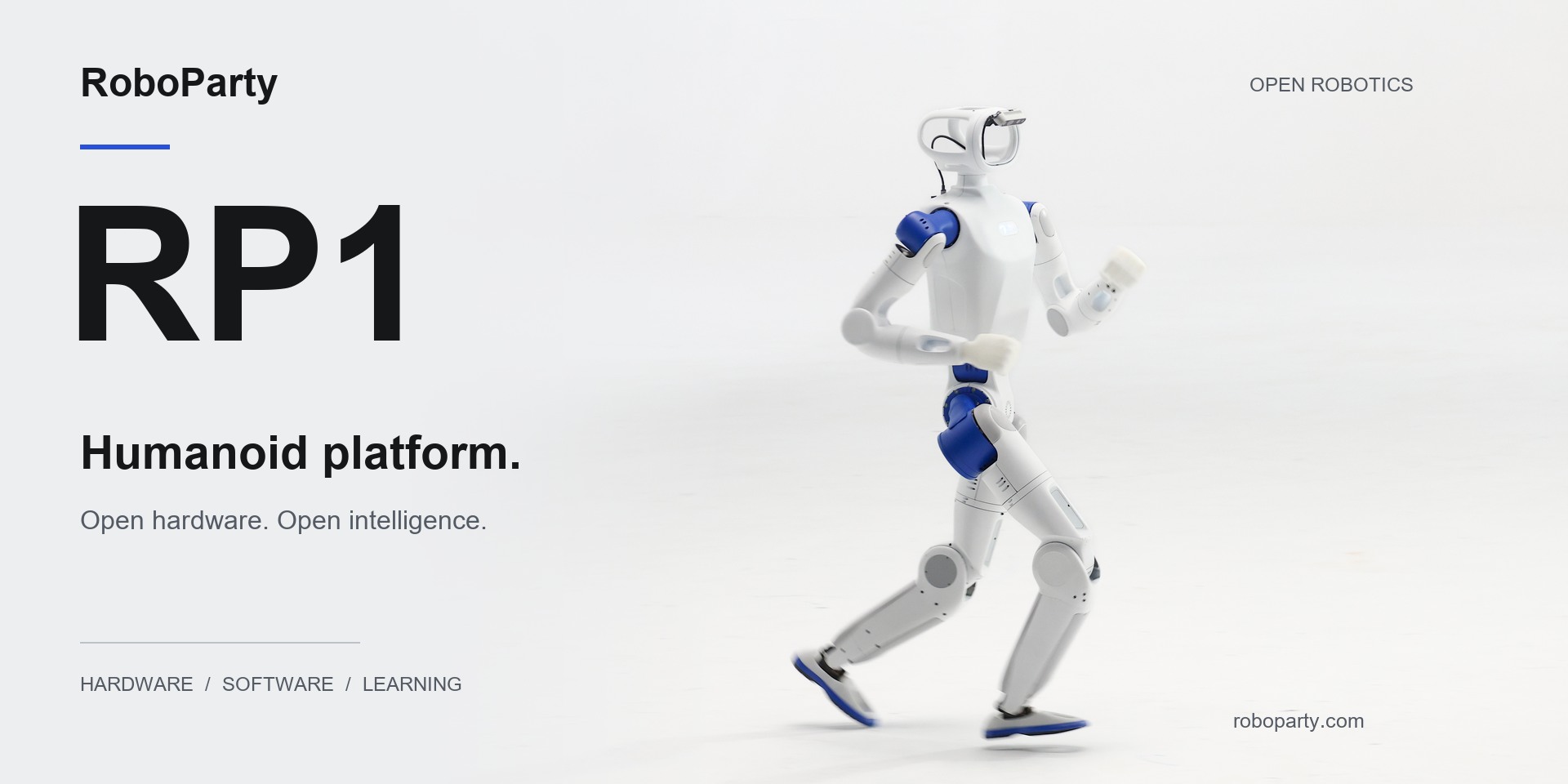
Developer community RoboParty released a complete open-source stack for its RP1 humanoid robot, including mechanical and electronic hardware files, control software and trained motion-learning policies.
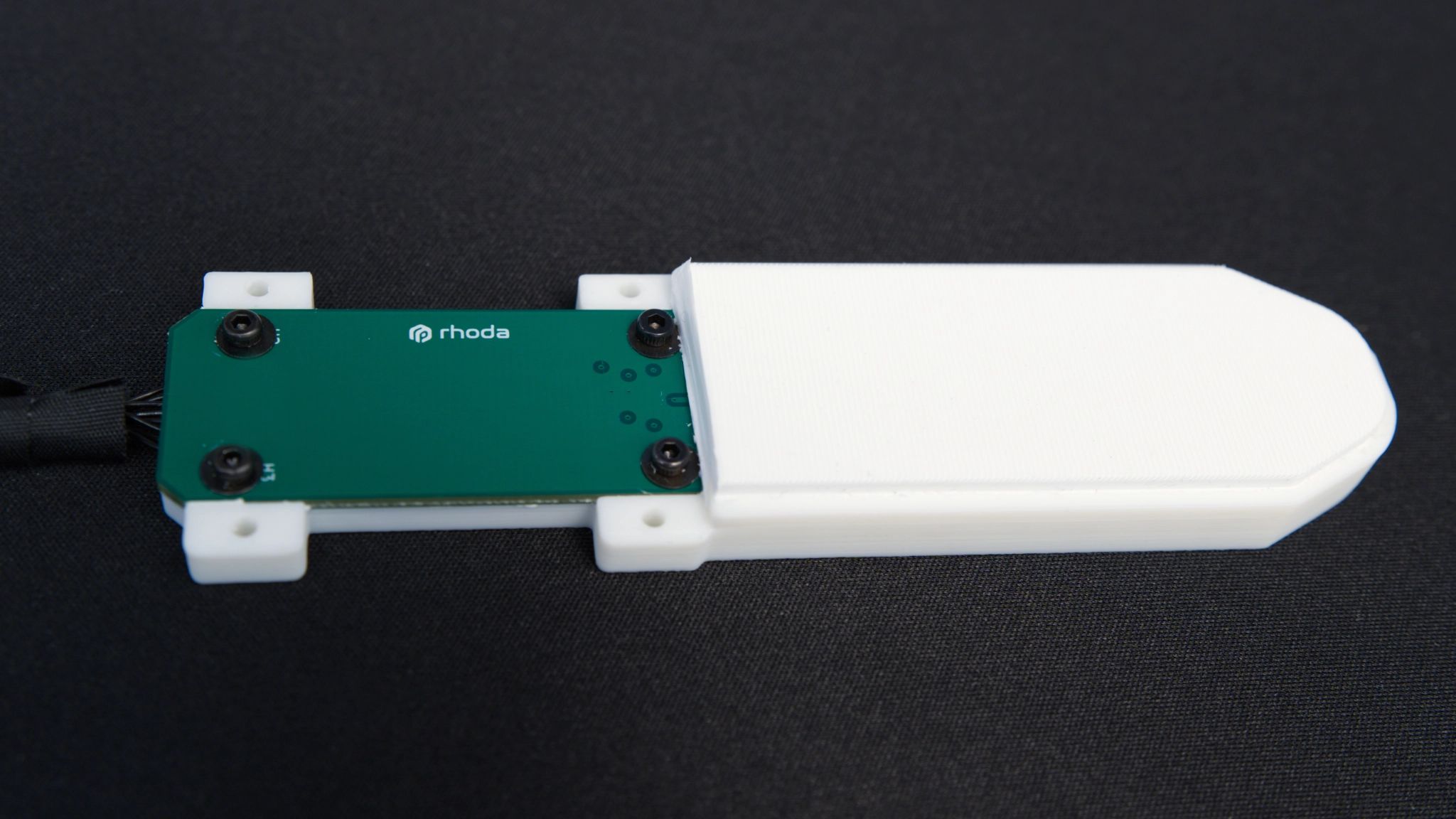
Palo Alto startup Rhoda AI demonstrated a robot finding and retrieving textured balls with its cameras blocked, using a new tactile sensor and an extended Direct Video-Action model to search by touch alone.
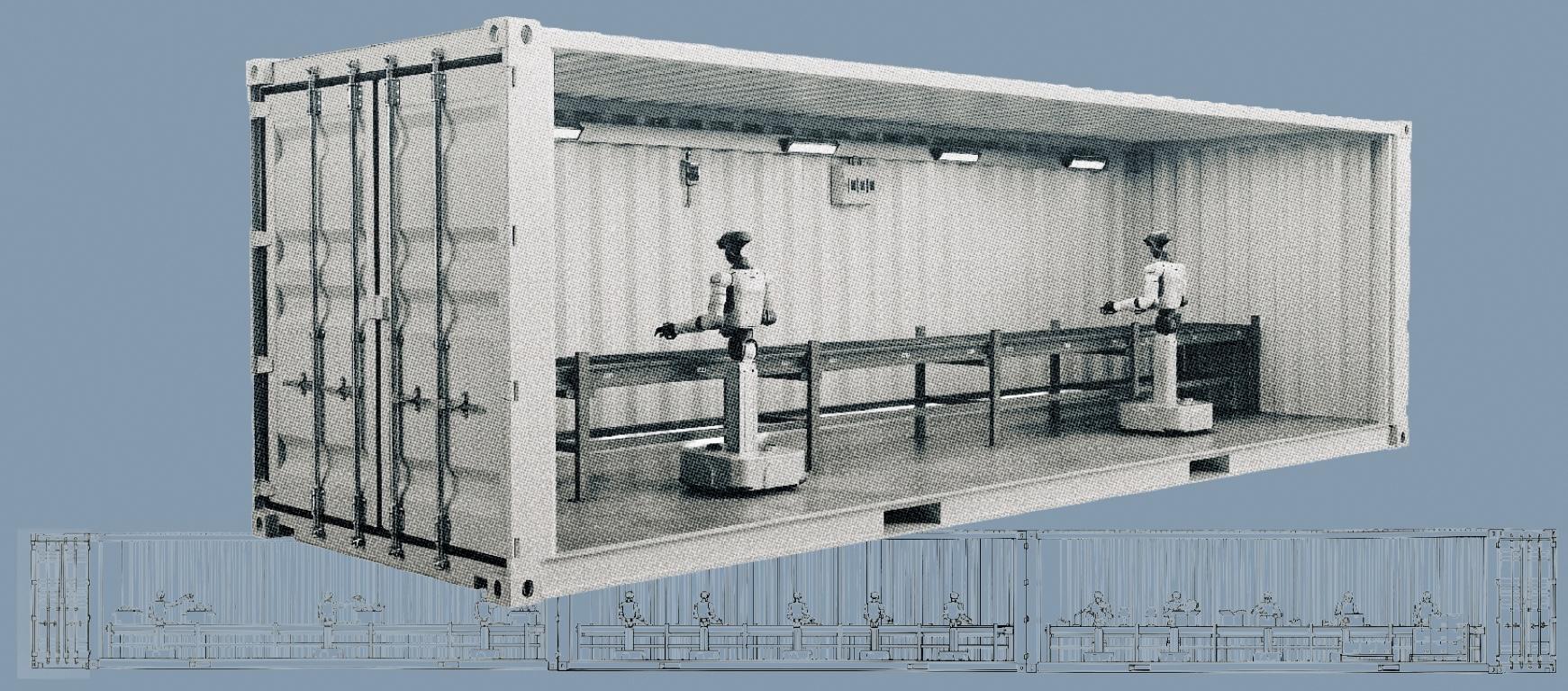
Swedish startup 120ft raised EUR576,000 to build shared microfactories, three shipping containers staffed by humanoid robots, that charge brands per finished part rather than per robot or facility.
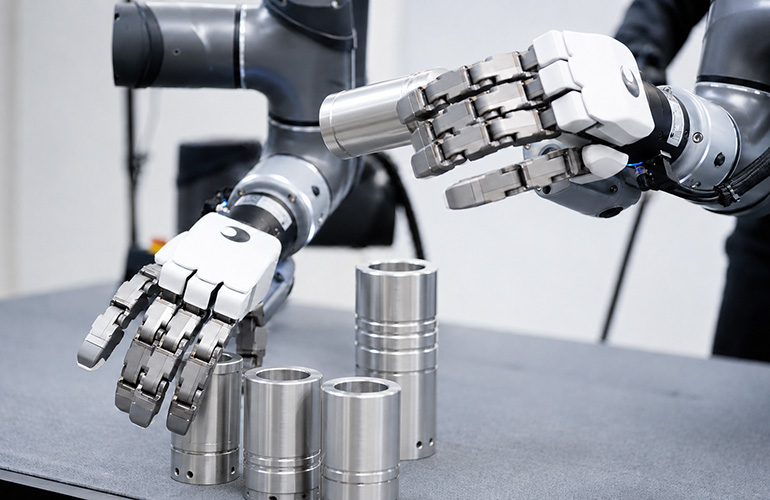
South Korea's Tesollo expects cumulative sales of its DG-series articulated robotic hands and multi-finger grippers to surpass 1,000 units by the end of 2026, backed by Samsung Venture Investment, POSCO Technology Investment, HL Mando and Daesung Hi-Tech, while it prepares a technology-track IPO with KB Securities as lead underwriter.