News and analysis on Asia's robotics industry from our research desk.
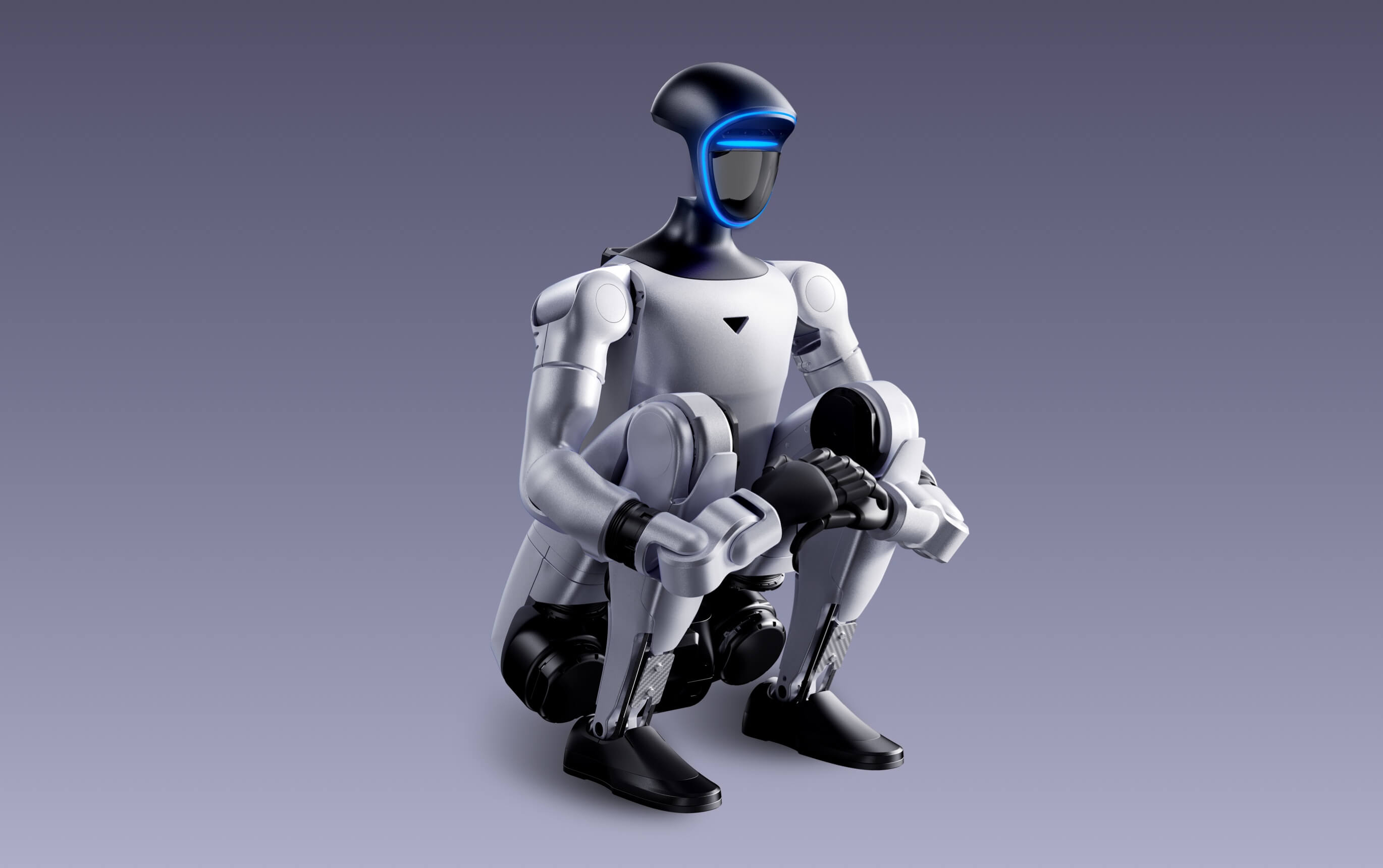
BYD's humanoid robot design surfaced in a CNIPA patent filing published October 9, two months after the automaker missed its promised August unveiling, confirming engineering progress while leaving price, production volume and a public debut still unannounced.
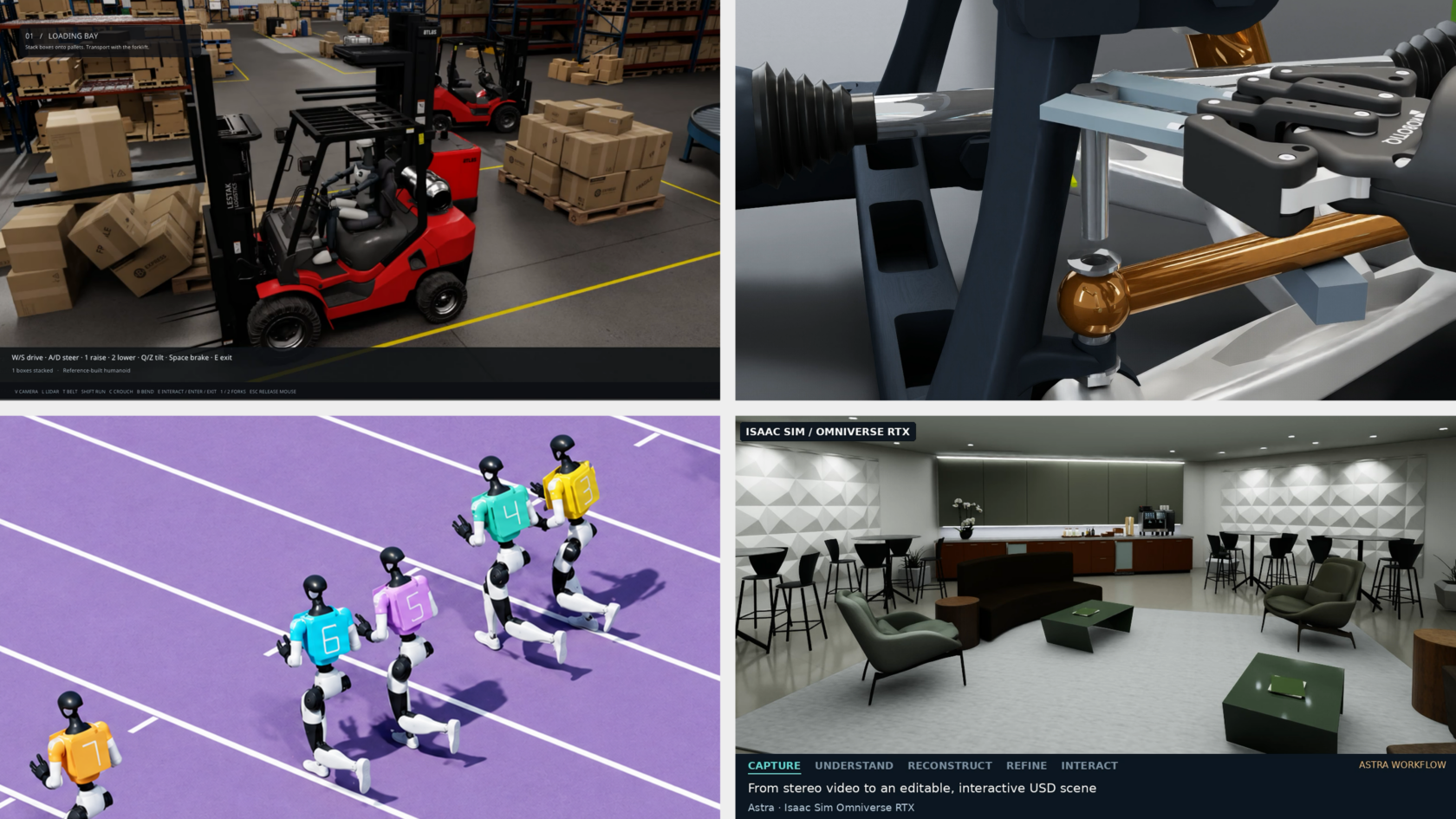
AWS, NVIDIA, and the startup Odyssey each staked out a different, incompatible bet this week on who should own the simulation layer that trains a robot before deployment, and AWS's own retreat from owning that layer outright, a year after shutting down RoboMaker, is the most telling signal of the three.
NVIDIA published developer examples of frontier AI agents building robotics simulation environments from natural-language prompts inside Omniverse, cutting simulation setup from weeks to days without any new standalone product.
Helm.ai says it has signed US$70 million in commercial contracts over the past year, with new industrial-automation and mining customers joining its core automotive base as it tests whether its unsupervised Deep Teaching approach transfers beyond cars.
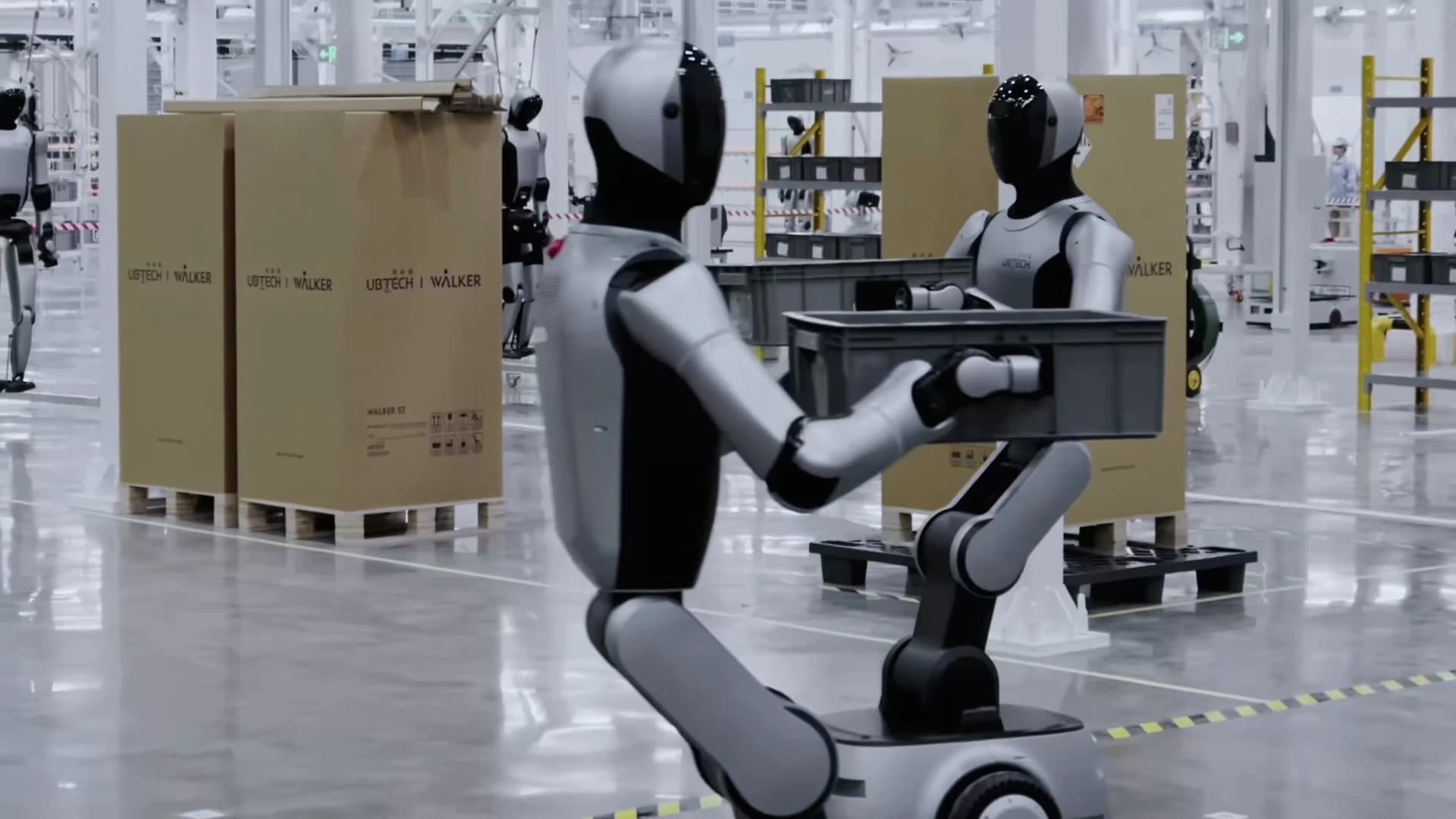
UBTECH and the FAW-Volkswagen joint venture will jointly develop and test humanoid robots for logistics applications across the automaker's China operations, a cautious testing-phase cooperation rather than a disclosed deployment.
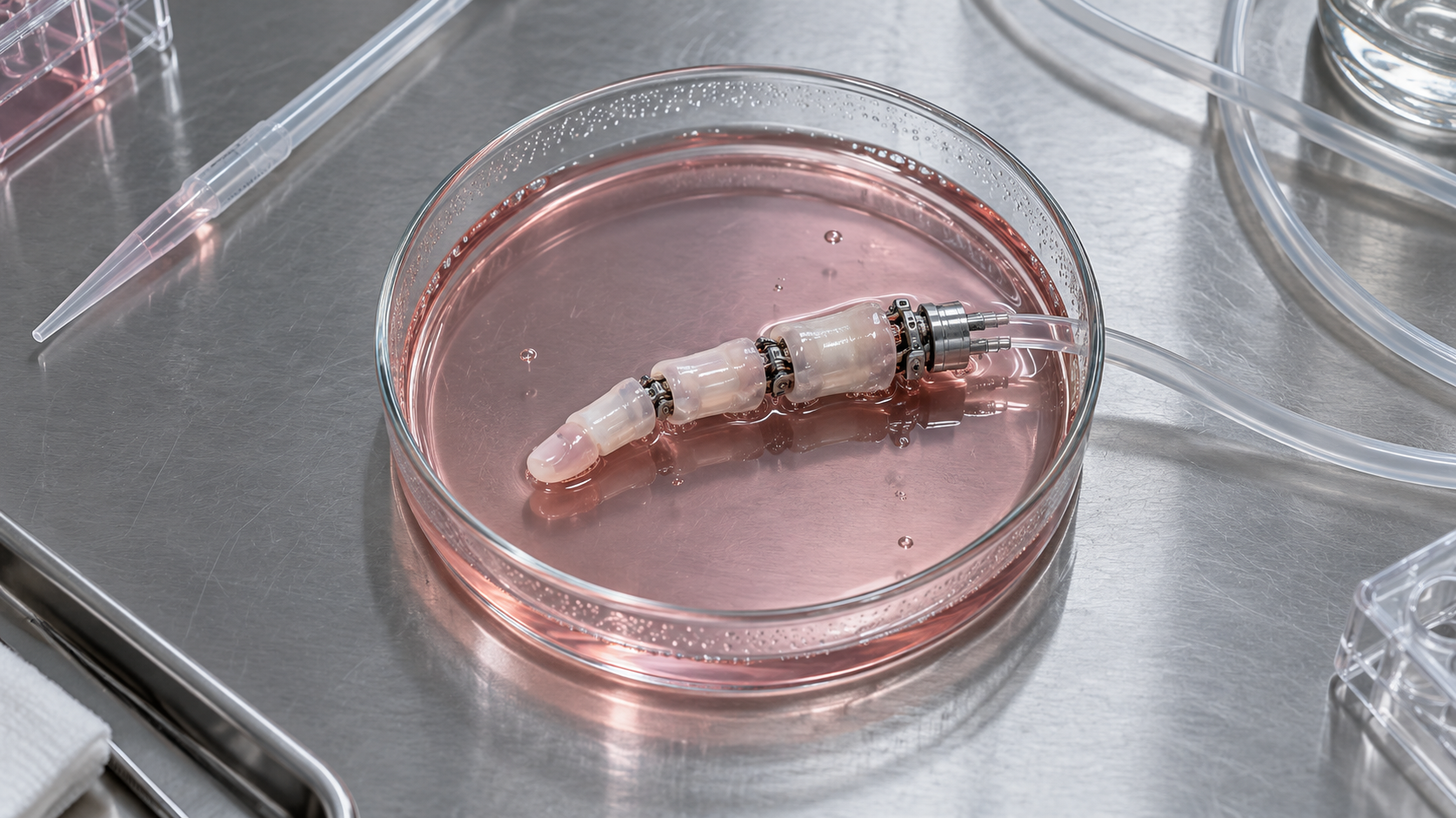
A robotic finger grew its own human skin in 2022. A robotic face learned to smile with it in 2024. Both are real, both are published, and neither can leave the culture medium. The constraint is not making the skin. It is everything skin needs in order to stay alive.
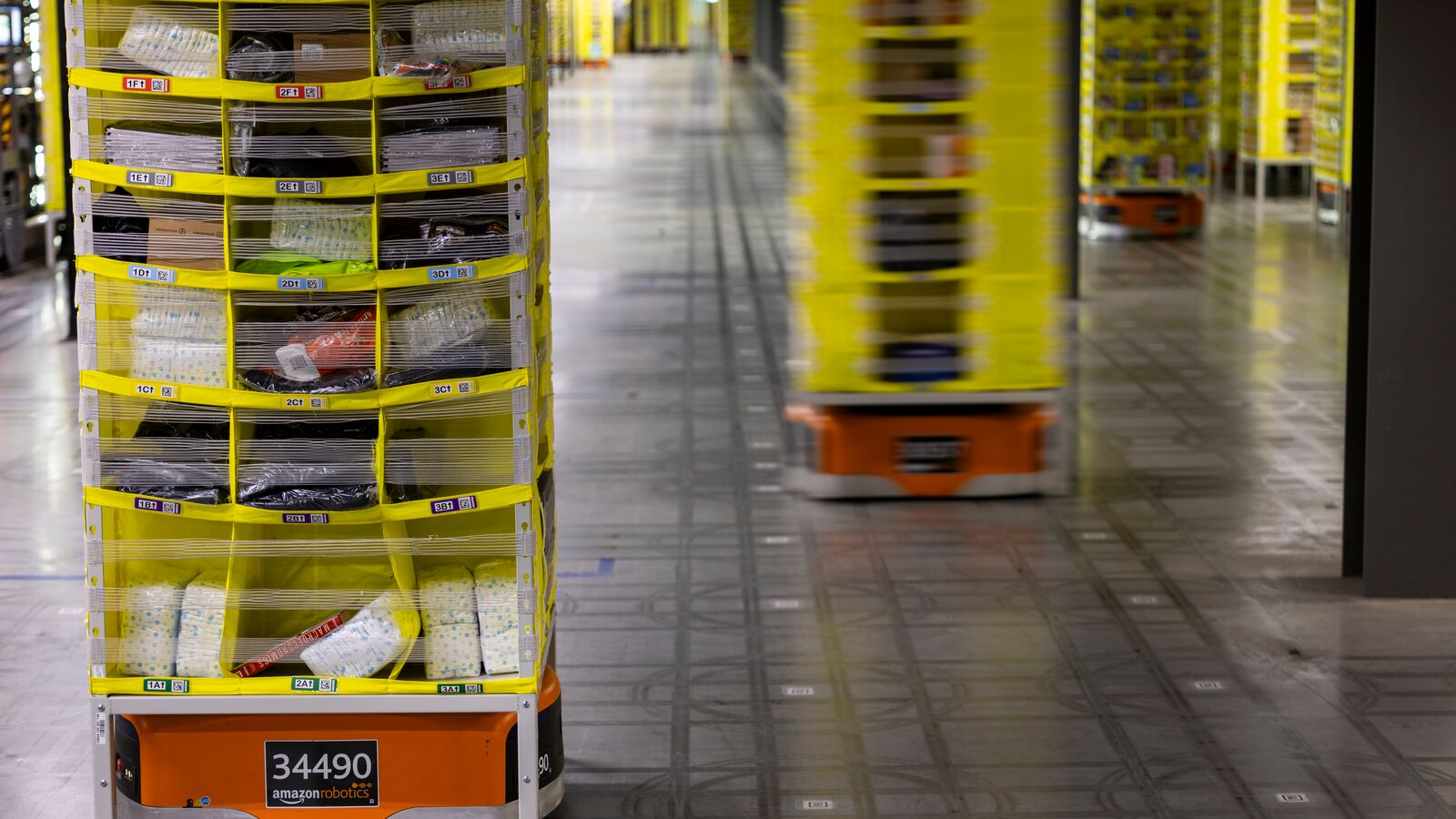
Amazon shelved its ceiling-mounted Blue Jay robot arm and cut robotics-unit jobs in early 2026, then grew its fleet to one million robots on the strength of DeepFleet, a coordination AI, not a new machine. The lesson for buyers: fleet orchestration software and maintenance staffing matter more than a dexterous robot spec sheet.
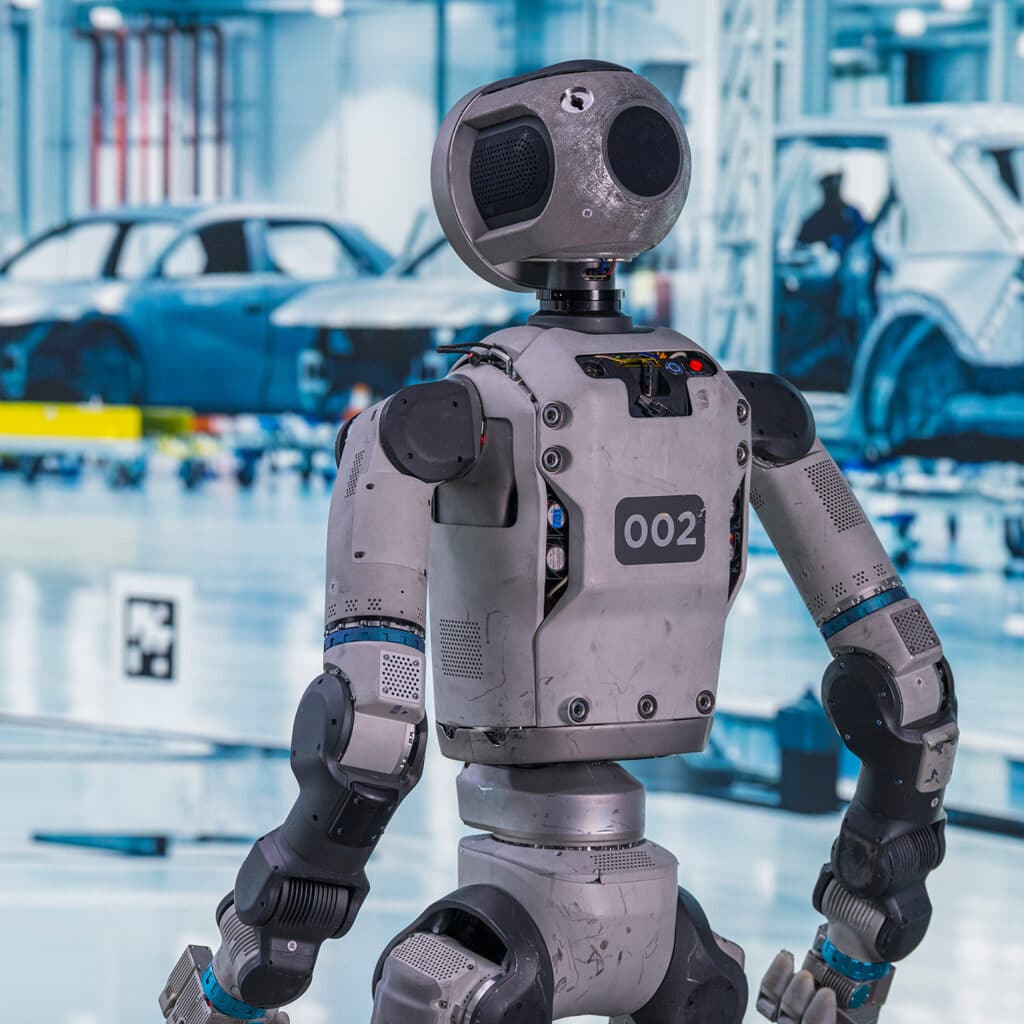
Boston Dynamics just named an Amazon AI veteran as CEO, following the same leadership pattern already used at Agility Robotics. Both bets assume the industry's hardest remaining problem is software, not the manufacturing targets these same companies have also signed up to hit.
Agility Robotics' CEO has joined Project Meridian, a MITRE-run Department of War strategy initiative, while the company works through a US$2.5 billion SPAC merger with Churchill Capital Corp XI. Both moves are fully compliant with the 2022 industry pledge against weaponizing robots, because that pledge was written to cover one mechanism only, and says nothing about advisory roles, defense-adjacent revenue, or what a newly public company discloses about either.
Kawasaki Heavy Industries will launch Home Leo, a dog-shaped AI eldercare companion robot, in fiscal 2028, alongside a separate hull-welding quadruped for shipyards, as Japan faces a projected 570,000-worker care shortfall by 2040.
Boston Dynamics named Rohit Prasad, a 12-year Amazon AI veteran who led Alexa and the Nova foundation models, as CEO effective October 7, closing an eight-month search since Robert Playter's exit.
Agility Robotics CEO Peggy Johnson was selected October 5 to join Project Meridian, a MITRE-led, Department of War-commissioned initiative studying the future of warfare over a 10- to 20-year horizon.