News and analysis on Asia's robotics industry from our research desk.
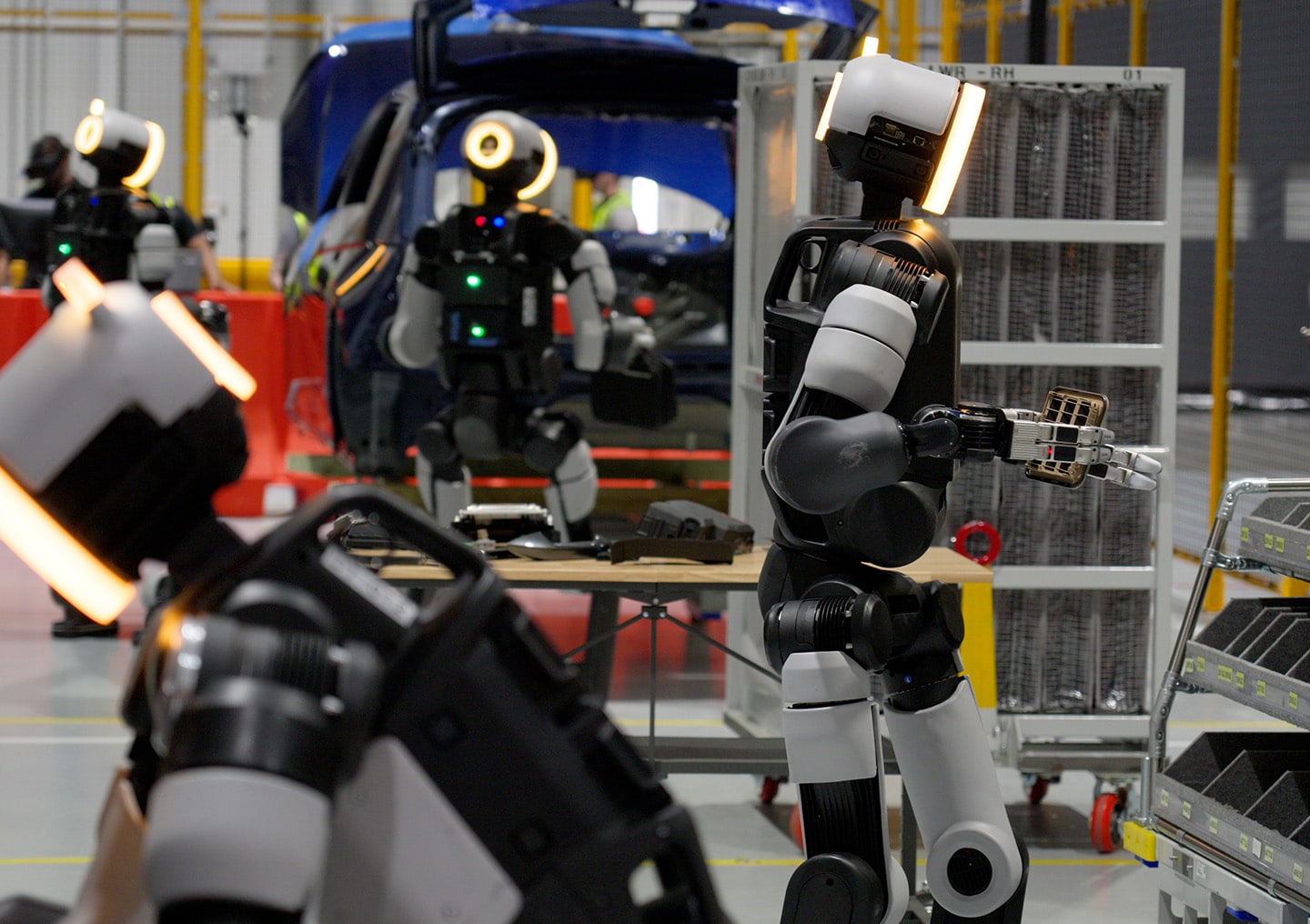
Kawasaki's own March roadmap puts full humanoid autonomy at 2040, yet October coverage says 2030. The same compression shows up at Tesla and Hyundai; only 1X is honest about how much of its robot is still human-operated.
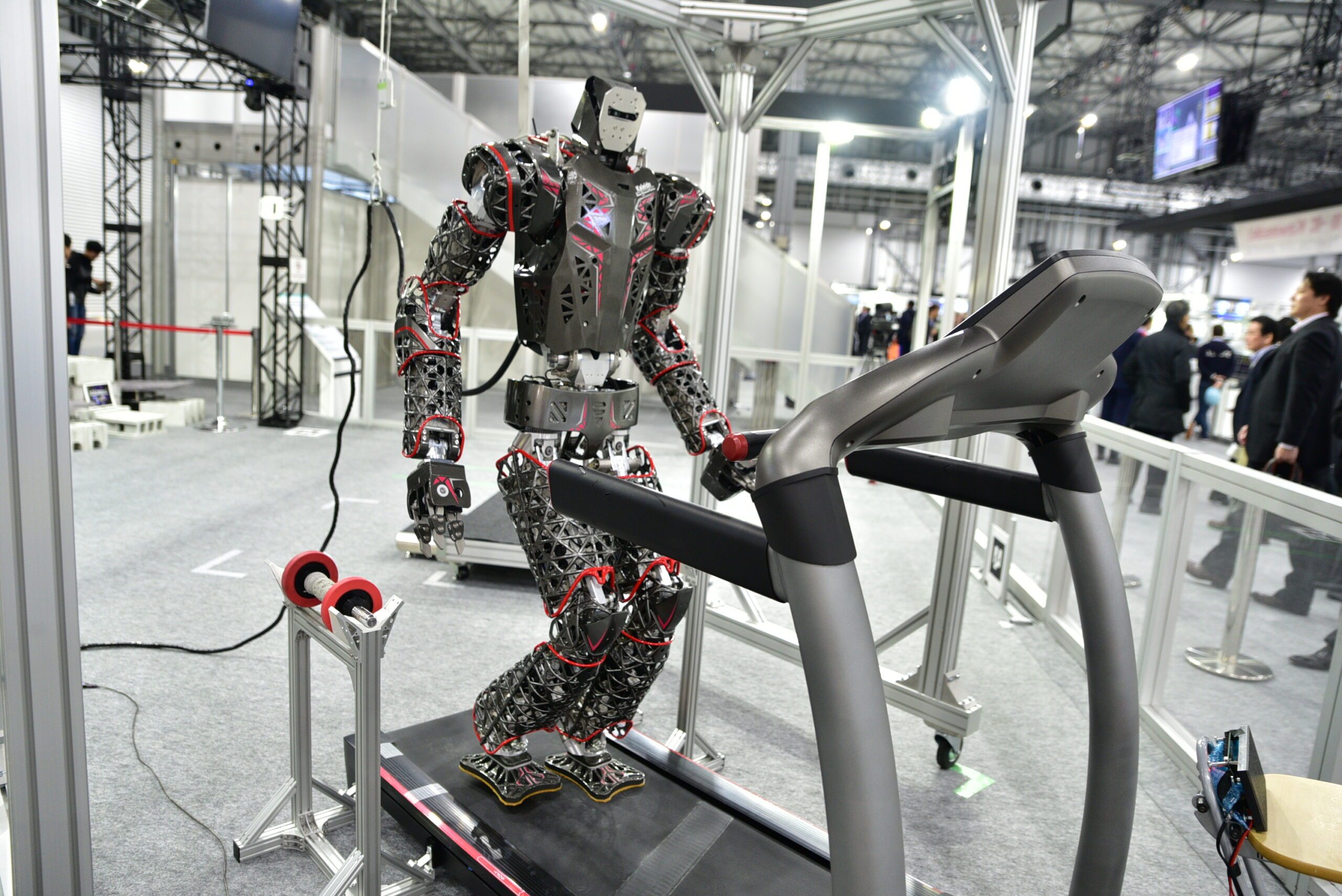
Kawasaki Heavy Industries says its Kaleido humanoid will reach full AI autonomy by 2030, roughly a decade earlier than the company's own March 2026 roadmap, powered by Japan's Noetra national physical-AI compute platform.
AutoStore's cancelled treasury shares pushed its private equity backer THL over a 25 percent disclosure threshold this week, the kind of capital-return move almost no other robotics company can currently afford, and what that gap reveals about which parts of the industry already generate real cash.
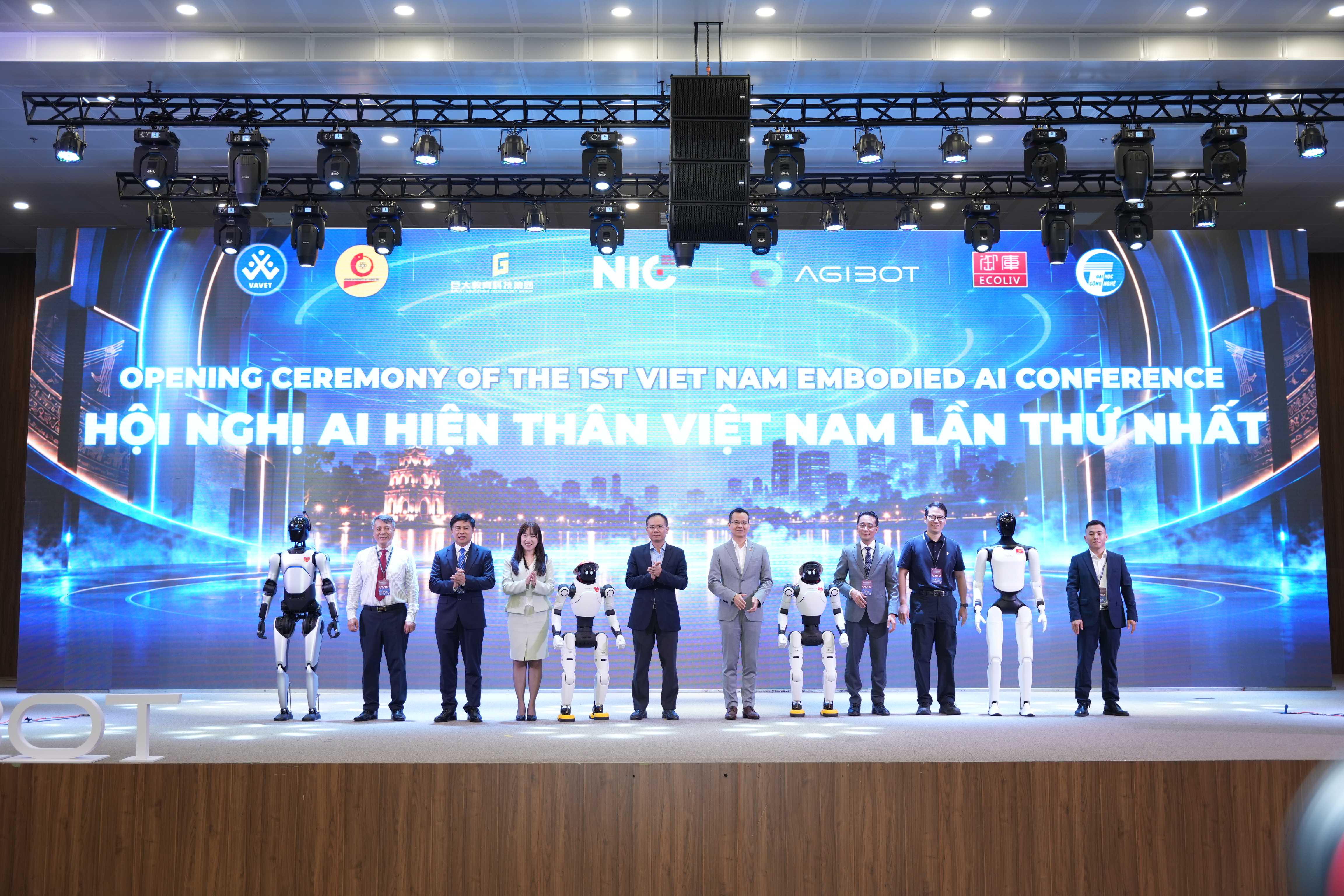
AGIBOT signed a partnership with Vietnam's National Innovation Center on October 2, launching a Robot-as-a-Service model and an education initiative at the first Vietnam Embodied AI Conference in Hanoi.
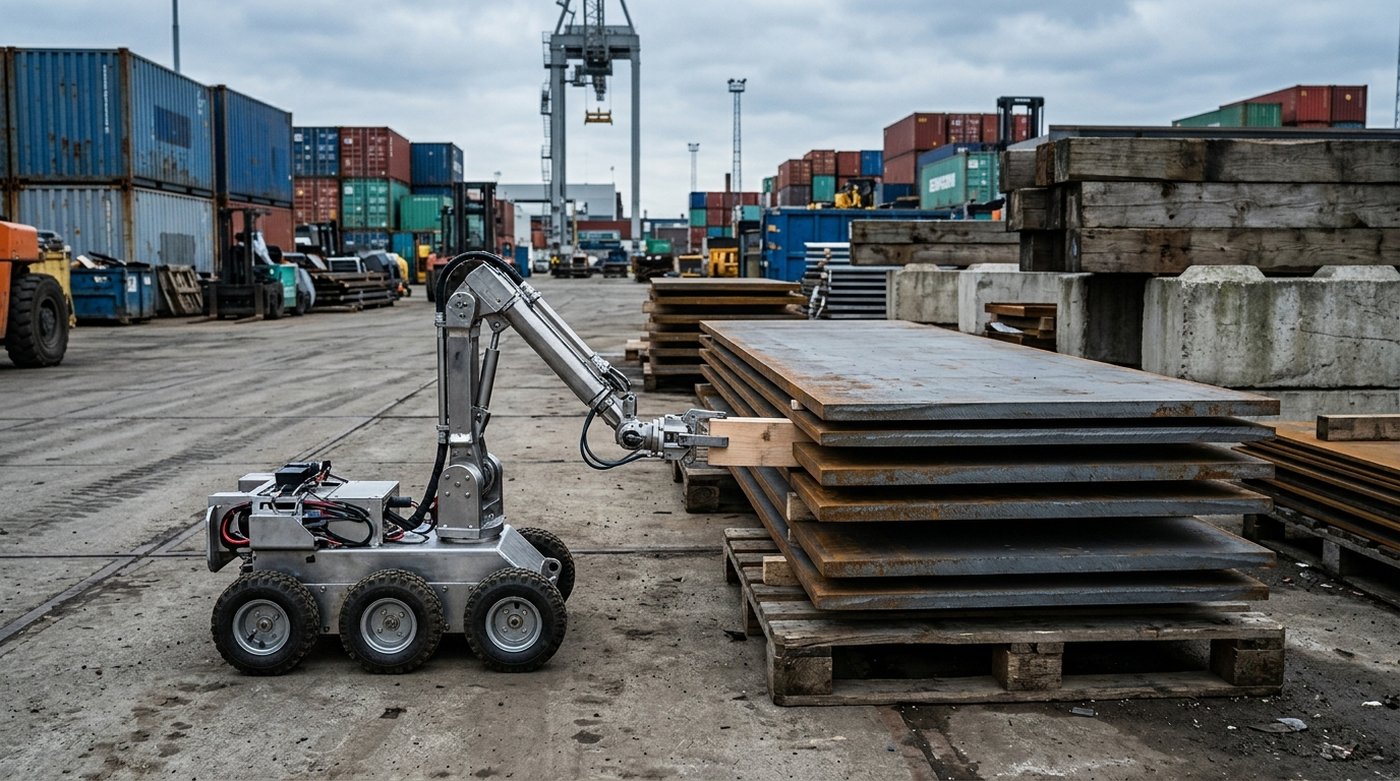
DGIST spin-off MFR won a POSCO award to place spacers between heavy plates, a shipping-yard task still done by people beside multi-ton loads.
A new open benchmark called Fiatlux puts a Unitree G1 humanoid through climbing a ladder and replacing an overhead light bulb in one continuous episode. NVIDIA's flagship GR00T N1.7 model scored statistically the same as a policy that does nothing, and even expert human teleoperation could not complete the climbing subtasks, pointing to whole-body control, not AI reasoning, as the real bottleneck.
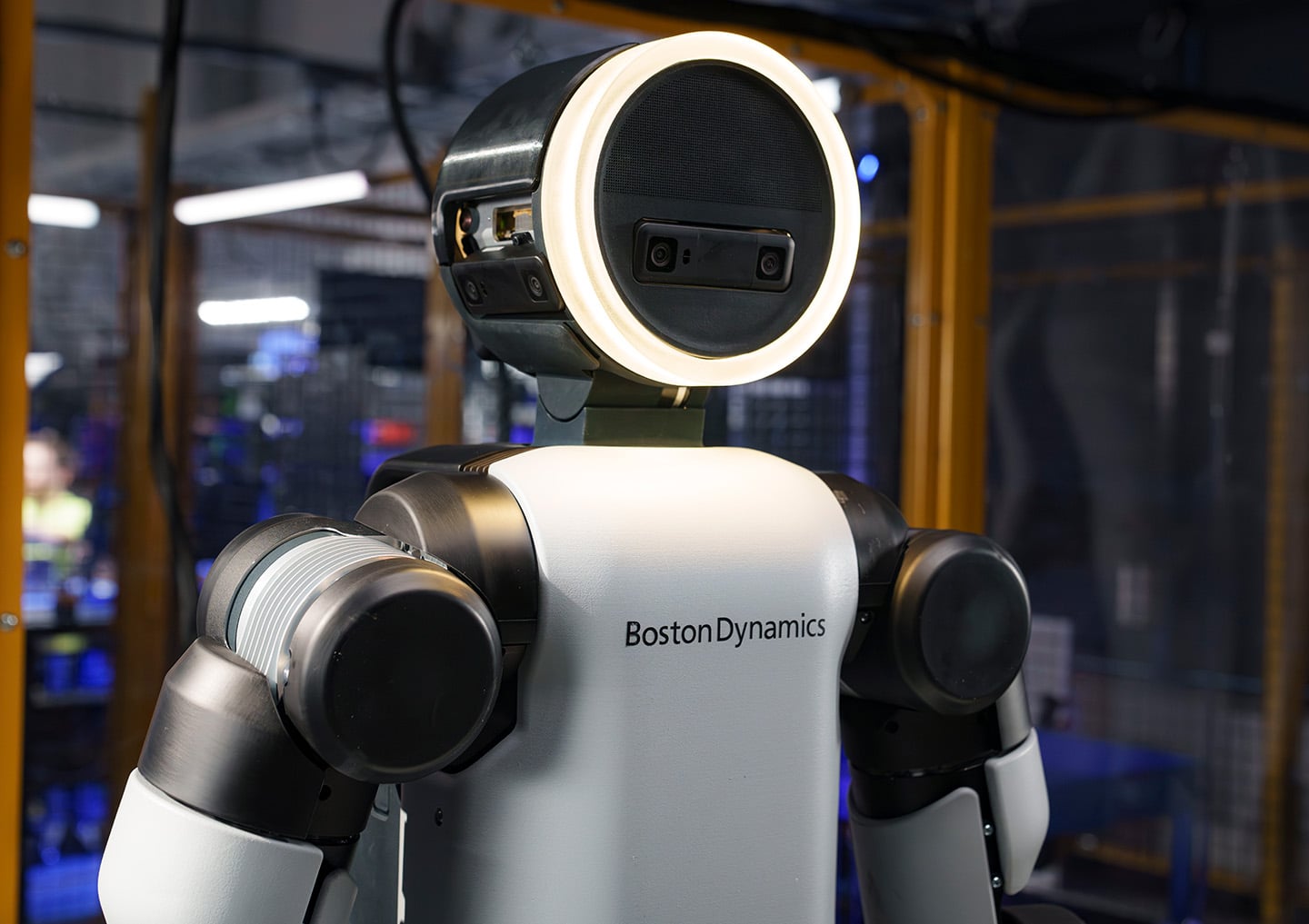
Boston Dynamics put a 13-joint, four-finger hand on Atlas. Korean business press carried the disclosure on 2 October, a day after the local reveal.
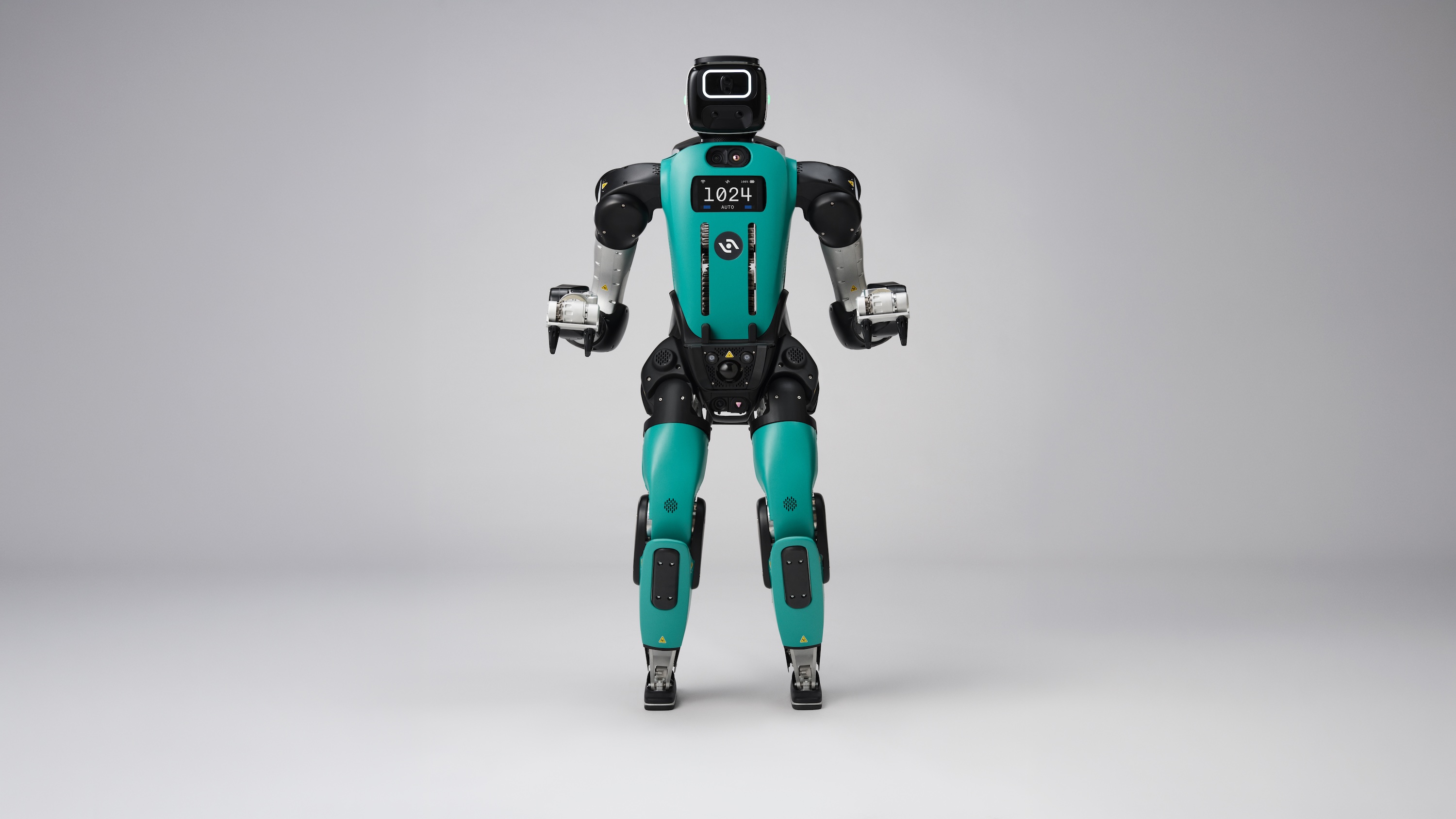
Agility Robotics and FORT Robotics signed an October 1 memorandum of understanding to extend Digit 5's three-part safety architecture ahead of its warehouse and factory deployment.
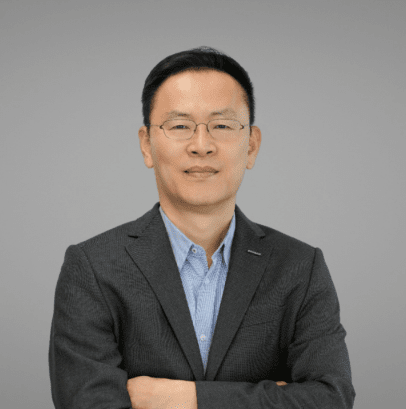
Doosan Robotics appointed Youngmin Kwon, former president of Doosan Mottrol, as CEO on October 1, as Samsung, Hyundai and Hanwha all race to build out rival robotics divisions.
Dongtu Technology unveiled what it says is the first embodied robot running on a fully domestic electronic architecture, an operating system, bus and control stack that passed adversarial safety tests robots on conventional architectures reportedly failed.
Fanuc, Yaskawa and Kawasaki are expanding US manufacturing and partnerships even though China remains roughly 20 percent cheaper to build in, betting that proximity to AI-driven capital spending matters more than unit cost for the next wave of orders.
IFR's World Robotics 2026 report shows 5.08 million industrial robots now working in factories worldwide, while humanoid robots sold only about 7,000 units in 2025, a gap procurement teams should weigh before betting budget on humanoid pilots.