News and analysis on Asia's robotics industry from our research desk.
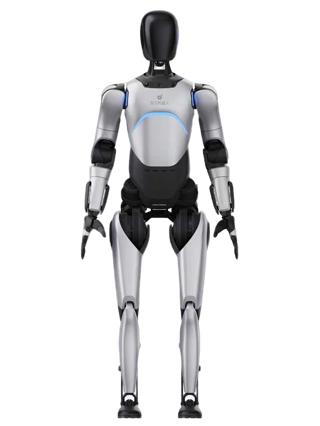
IDC data shows AGIBOT shipped over 8,600 humanoid robots in the first half of 2026, claiming roughly 35 percent of a global market that grew 432 percent year over year.
Hitachi and Agile Robots will combine factory-domain data, edge AI, HMAX Industry and a full robot stack, but disclosed no customer deployment or commercial timetable.
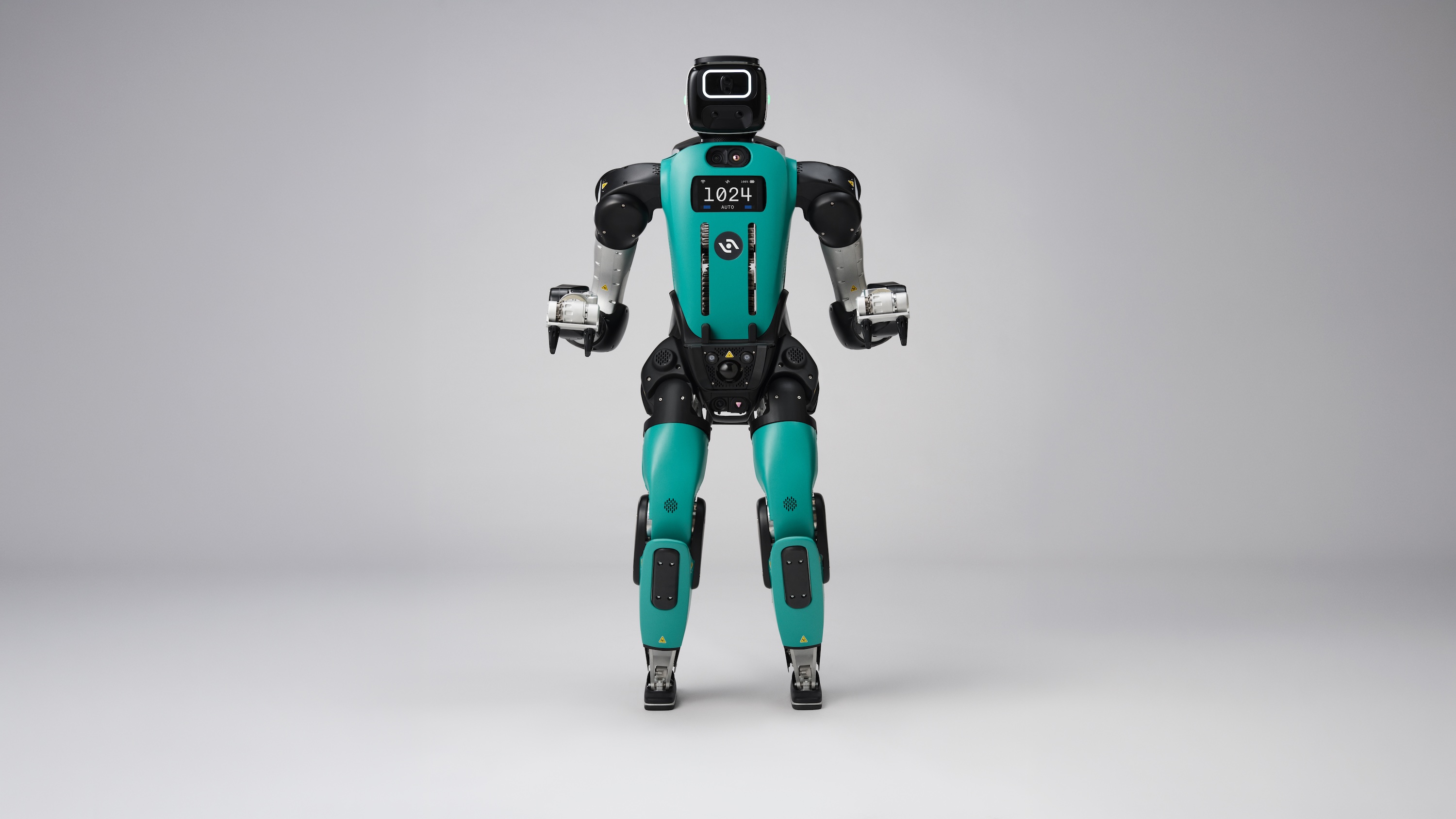
Agility Robotics named Merline Saintil, Derek Aberle and Pierre Gentin to its board as it prepares to go public through a merger with Churchill Capital Corp XI, assembling governance depth before Digit's commercial performance faces public-market scrutiny.
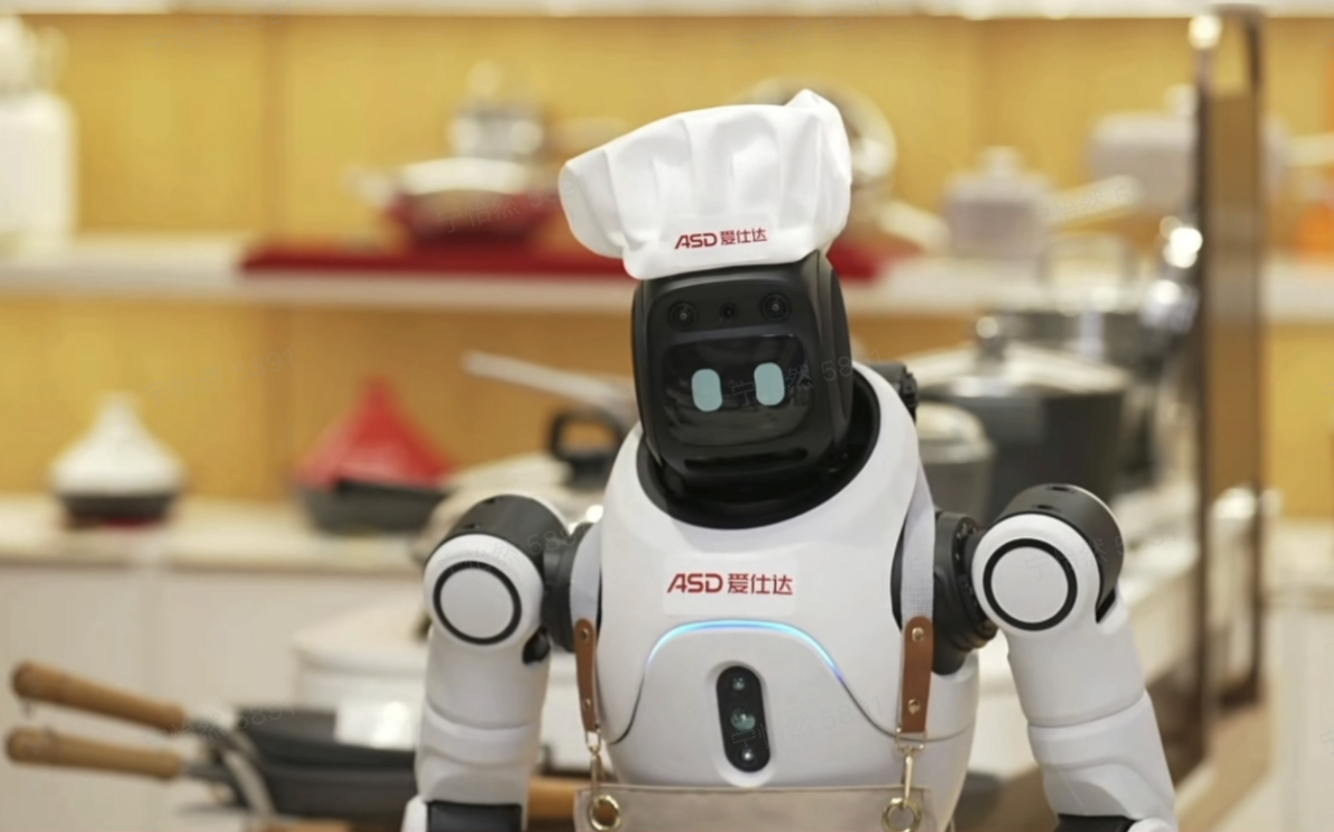
AGIBOT deployed 100 X2 humanoid robots as sales assistants across 100 ASD cookware stores in China, testing whether a humanoid can handle unscripted retail interaction at scale rather than a single repeated warehouse task.
SiMa.ai raised US$150 million at a stated US$1.45 billion valuation to scale its physical-AI software and develop next-generation edge silicon for 2028.
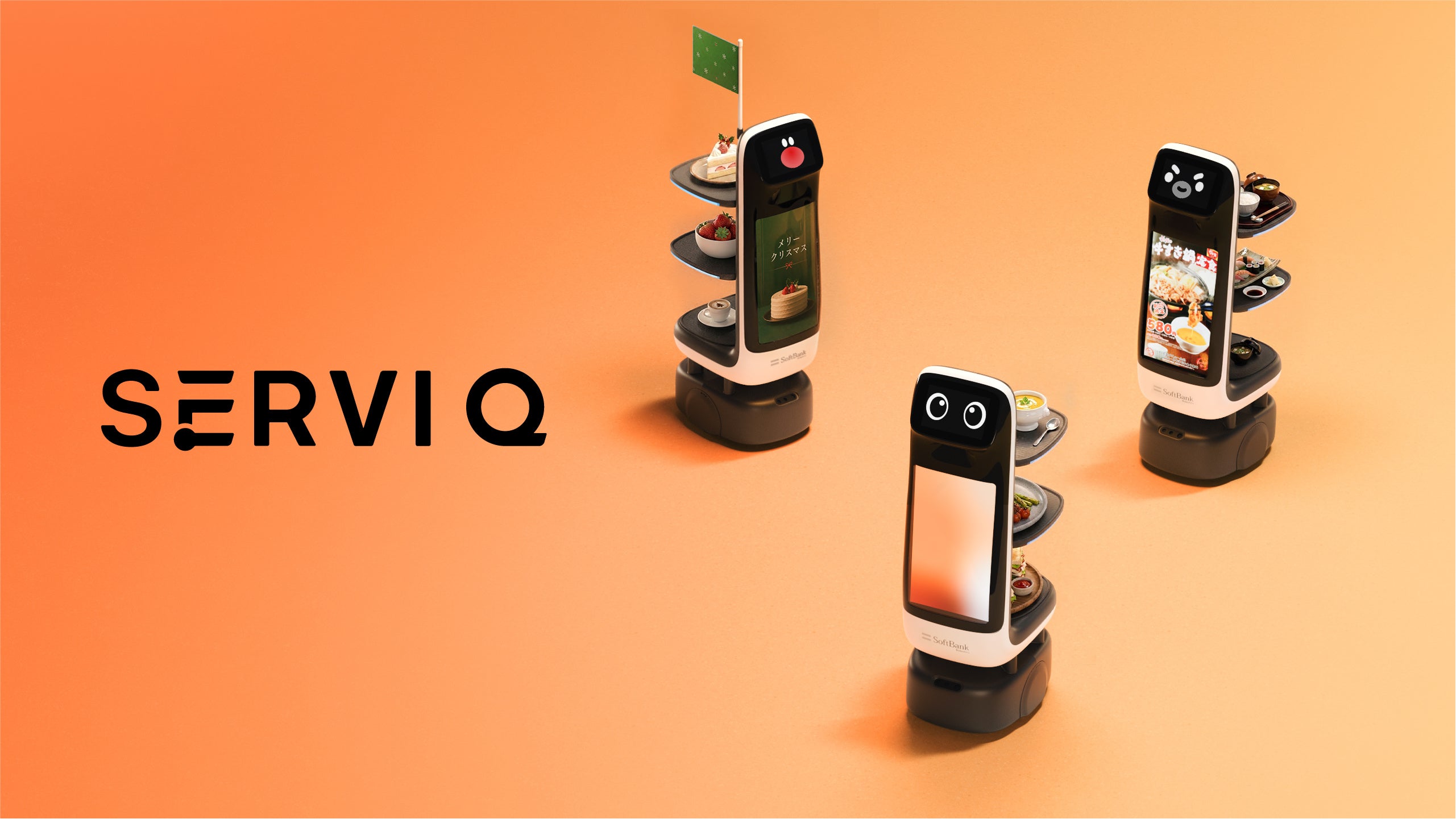
SoftBank Robotics and Bear Robotics put the Servi Q delivery robot on sale in Japan, a 35-centimeter-wide, tray-carrying machine built to fit 45-centimeter aisles and drive in reverse, aimed at narrow restaurants, hotels and care facilities that standard-width robots cannot enter.
A government-drafted bill from Rep. Han Byung-do would let Korean apartment buildings adopt delivery, parking and security robots under one national framework, replacing rules scattered across four separate laws.
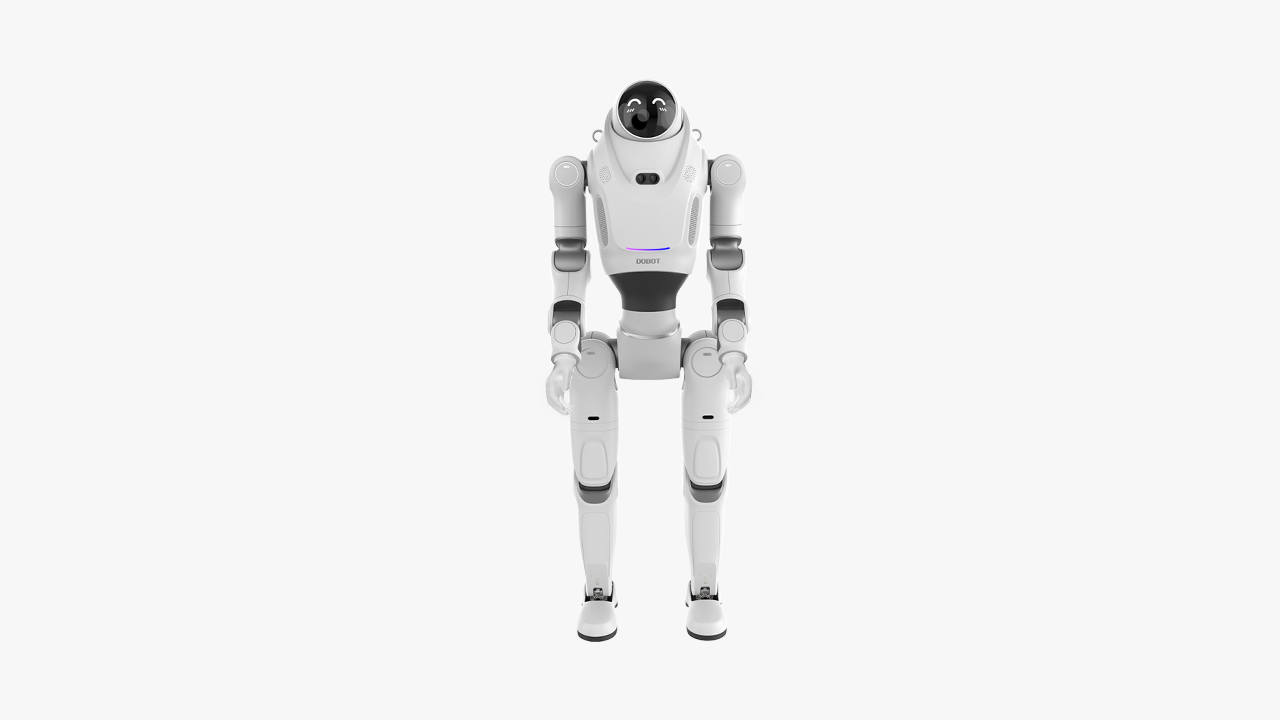
HD Hyundai, Doosan, Hanwha and DOBOT face identical humanoid-robot pressure and answer with four incompatible strategies, exposing how little the label "humanoid company" actually tells a buyer.
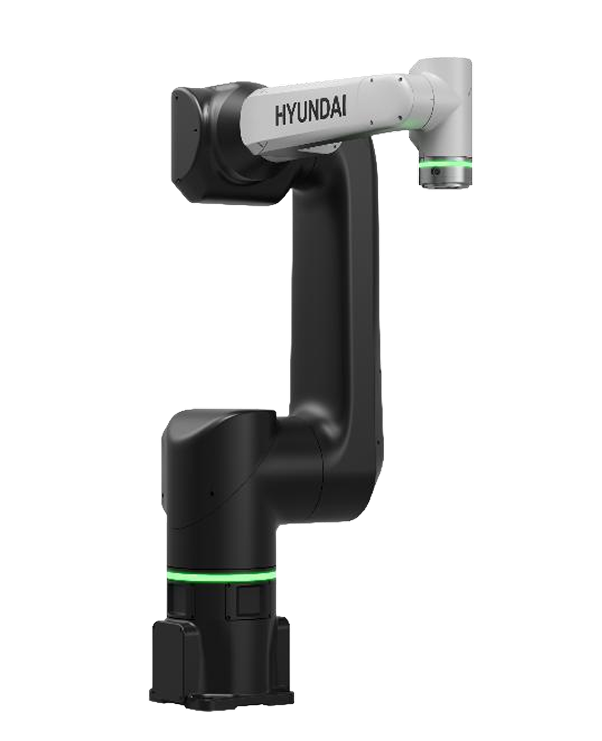
HD Hyundai Robotics' CTO says physical AI developed for its prototype humanoid will be re-engineered into its HDC collaborative robots, as the company targets over half of Korea's high-payload cobot market by 2030.
The IEEE/RSJ robotics conference opened its main program in Pittsburgh on 28 September 2026, with more than 1,900 papers and a Monday panel on turning prototypes into products.
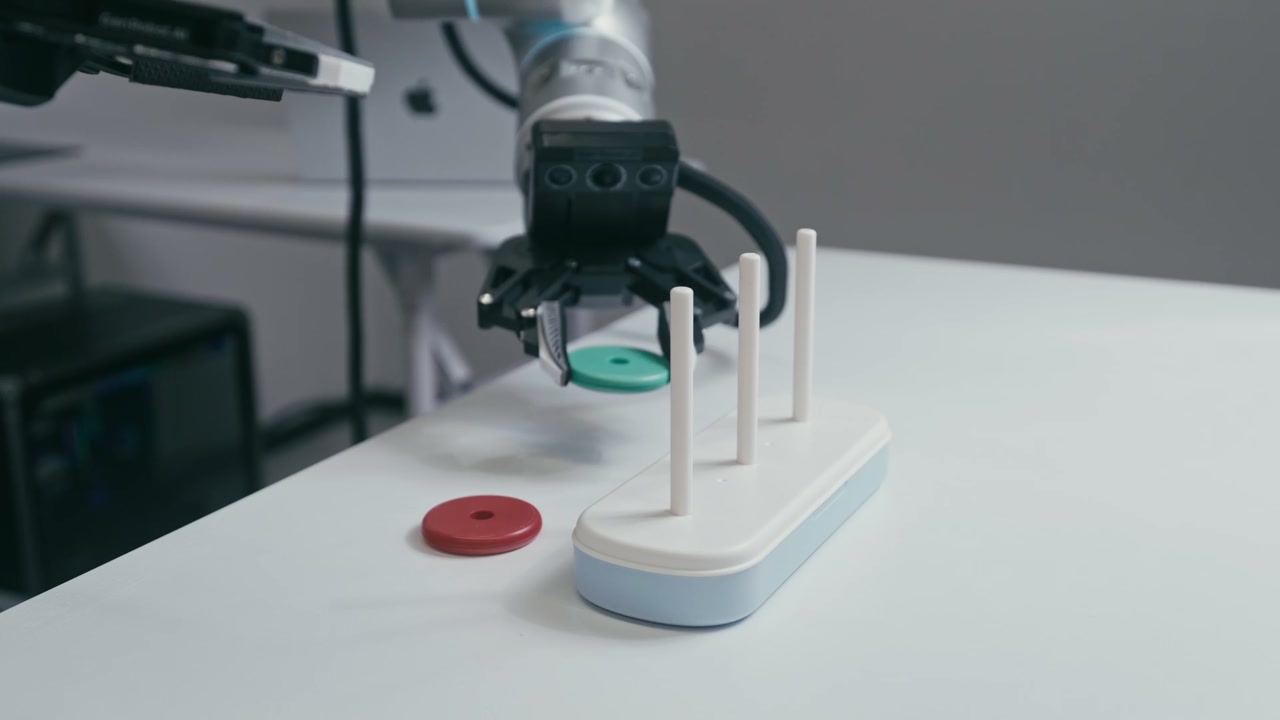
A three-month-old startup's claim to have "beaten GPT-6" on a robotics benchmark went viral unverified this week, while the benchmark's own published numbers show even the leaderboard-topping model still fails most real-world manipulation tasks against a 100 percent human baseline.
Simate, a three-month-old Beijing startup, has topped the RoboDojo robot-manipulation benchmark with a model developed using an AI-driven automated research pipeline rather than only human engineers.