News and analysis on Asia's robotics industry from our research desk.
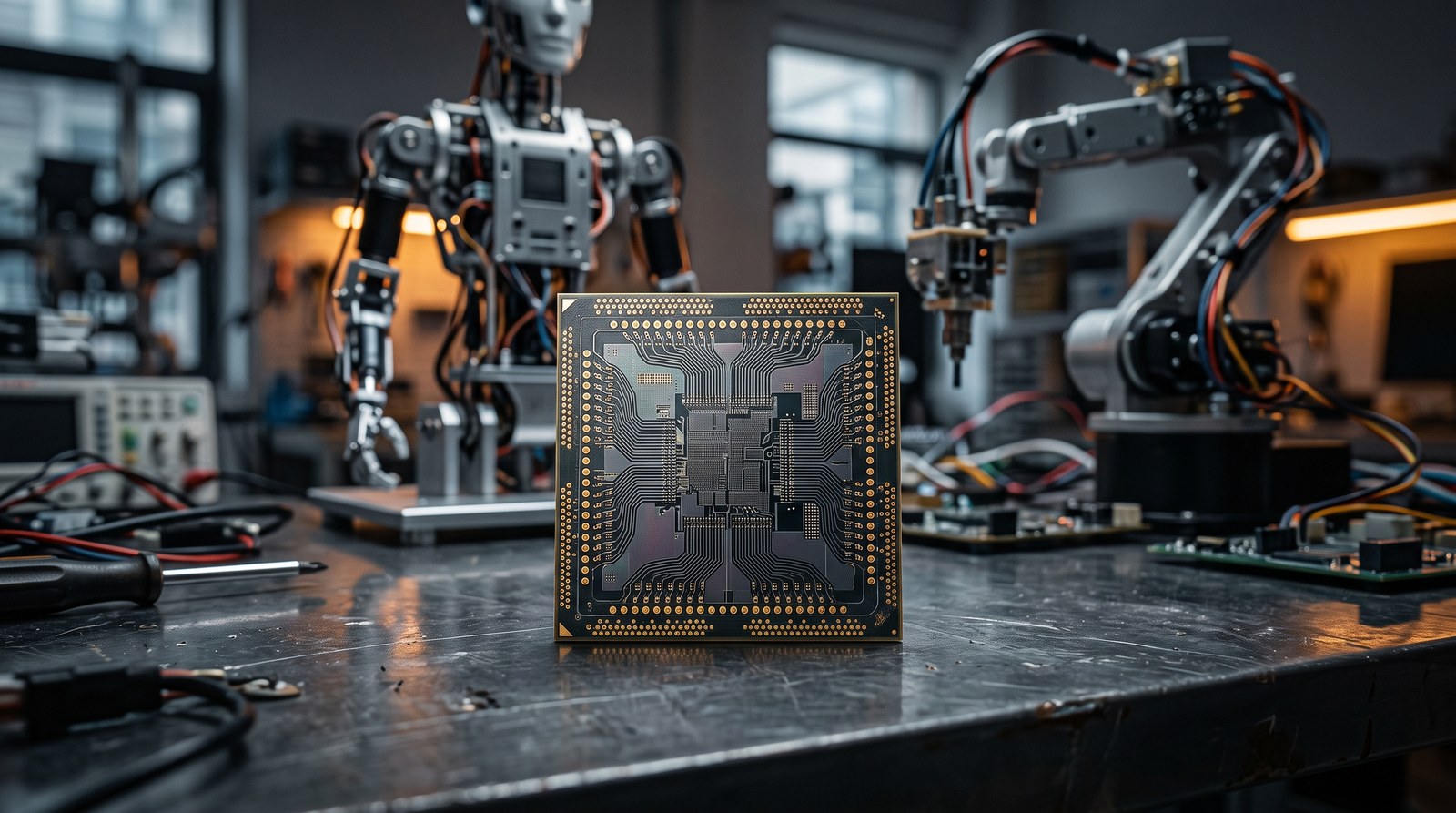
Hygon, China's listed x86 processor champion, is pushing its CPU1000 line into robotics. The robot controller is becoming a data-centre vendor's product, and buyers should read the toolchain before the benchmark.
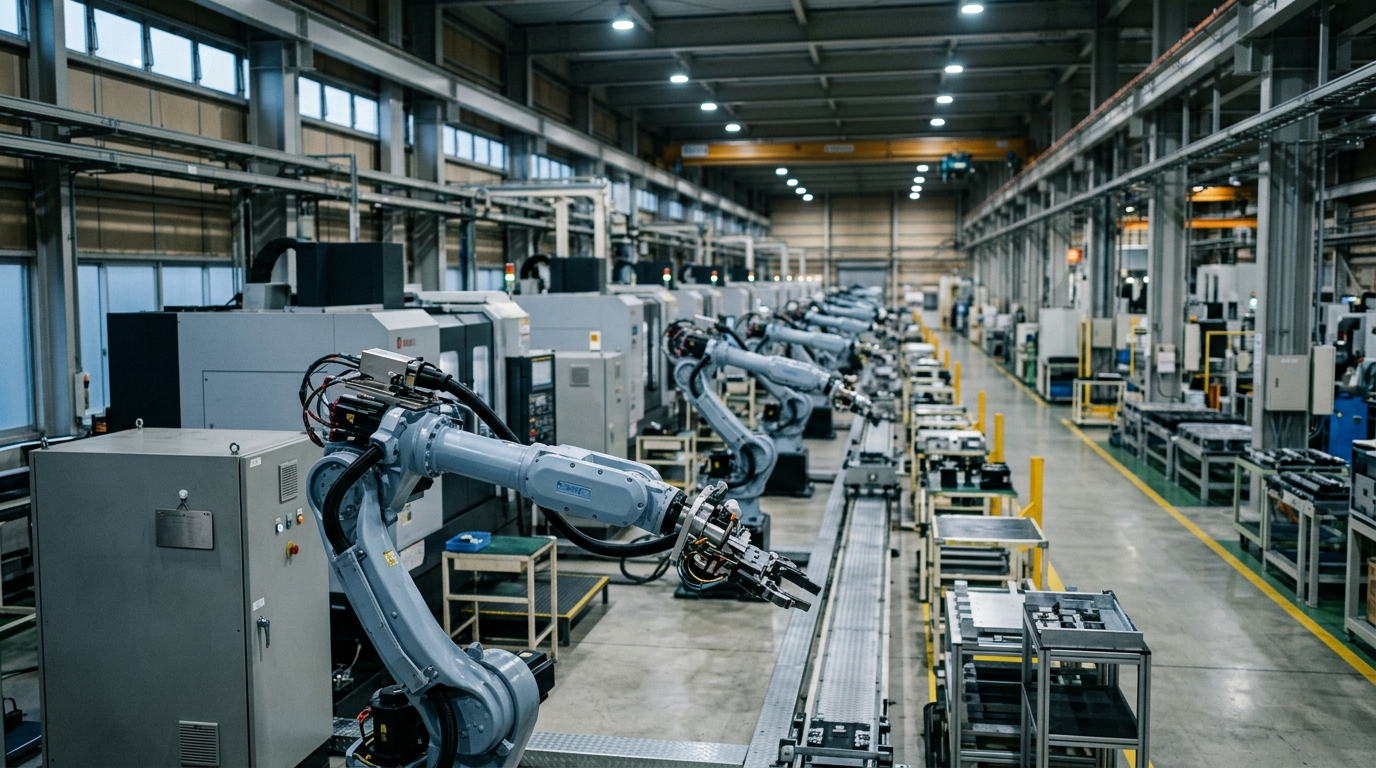
Japan will number factory machines so physical AI can train across robot and machine-tool brands. The missing layer is shared shop-floor data, not another humanoid demo.
Suzhou automation vendor RoboTechnik opened a Hong Kong H share sale of up to HK$5.18 billion, about US$660 million, for photovoltaic and silicon photonics tools, not humanoids.
G42 spent two years divesting from Chinese tech to protect its Nvidia chip access, yet Abu Dhabi's Stone Venture just led a funding round for a Chinese quadruped maker, and Qatar's fund backs a US humanoid rival. Gulf sovereign capital is splitting its China exposure by technology layer, not by country: chips face the same alliance discipline that reshaped G42, while finished robots move freely across both sides.
Suzhou-based Genisom AI closed a Series B led by UAE's Stone Venture after shipping over 15,000 industrial quadruped and wheel-leg robots into power, petrochemical, and emergency-response deployments.
RoboTechnik, the world's top silicon-photonics manufacturing-equipment supplier, launched a Hong Kong secondary listing targeting US$800 million to fund AI-infrastructure and solar-equipment expansion.
Hangzhou-based component maker Xynova previewed its dexterous-hand robot performing calligraphy and factory tasks ahead of the Fifth Global Digital Trade Expo, alongside a pharmacy-automation system.
Seven weeks after the FCC added foreign-made robots to its national-security Covered List, the only two device families cleared for exemption are a Swedish lawn mower maker and an Indian warehouse-robot startup, not the Chinese humanoid producers the rule is widely assumed to target, exposing a gap between the policy's framing and its actual early effect on buyers and vendors.
Faraday Future unveiled nine new robots and opened sales of its US$89,900 Futurist humanoid at a September 19 launch event, its clearest bid yet to prove a decade-long pivot from failed EV maker to robotics vendor can work.
Spirit AI's co-founder has set a mid-2027 deadline for a 'GPT-3.0 moment' in robot brains. The same week, a Columbia University lab, Hyundai's own RAI Institute, and an underwater-robotics team all published research on how a human should operate a robot's body, not how the robot should decide on its own. That gap, not the funding round, is the real roadmap.
At its Silicon Valley talent forum, Hyundai's leadership admitted Chinese robotics rivals are outpacing it, betting decades of engineering discipline can close the gap.
Tesla's robotics team certified three Zhejiang component makers for Optimus mass production this week, revealing how deep the humanoid's supply chain runs through China.