News and analysis on Asia's robotics industry from our research desk.
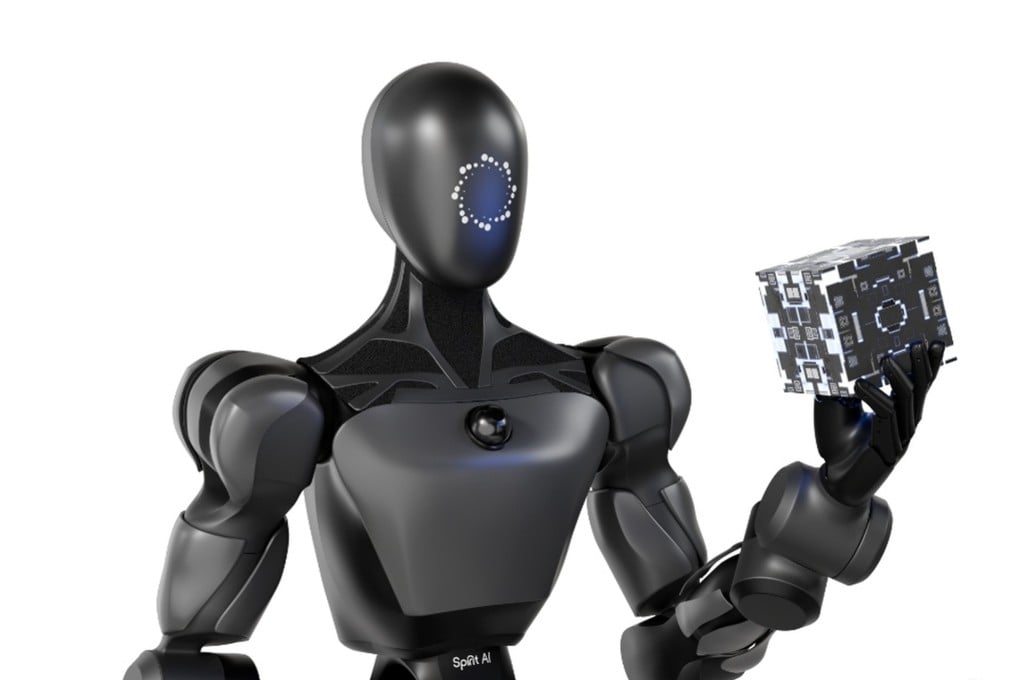
Spirit AI's wheeled Moz1 humanoids already hit 90% success on structured tasks at CATL and JD.com. Its co-founder says the real bottleneck is the robot brain, not the body, and names a 2027 deadline for closing it.
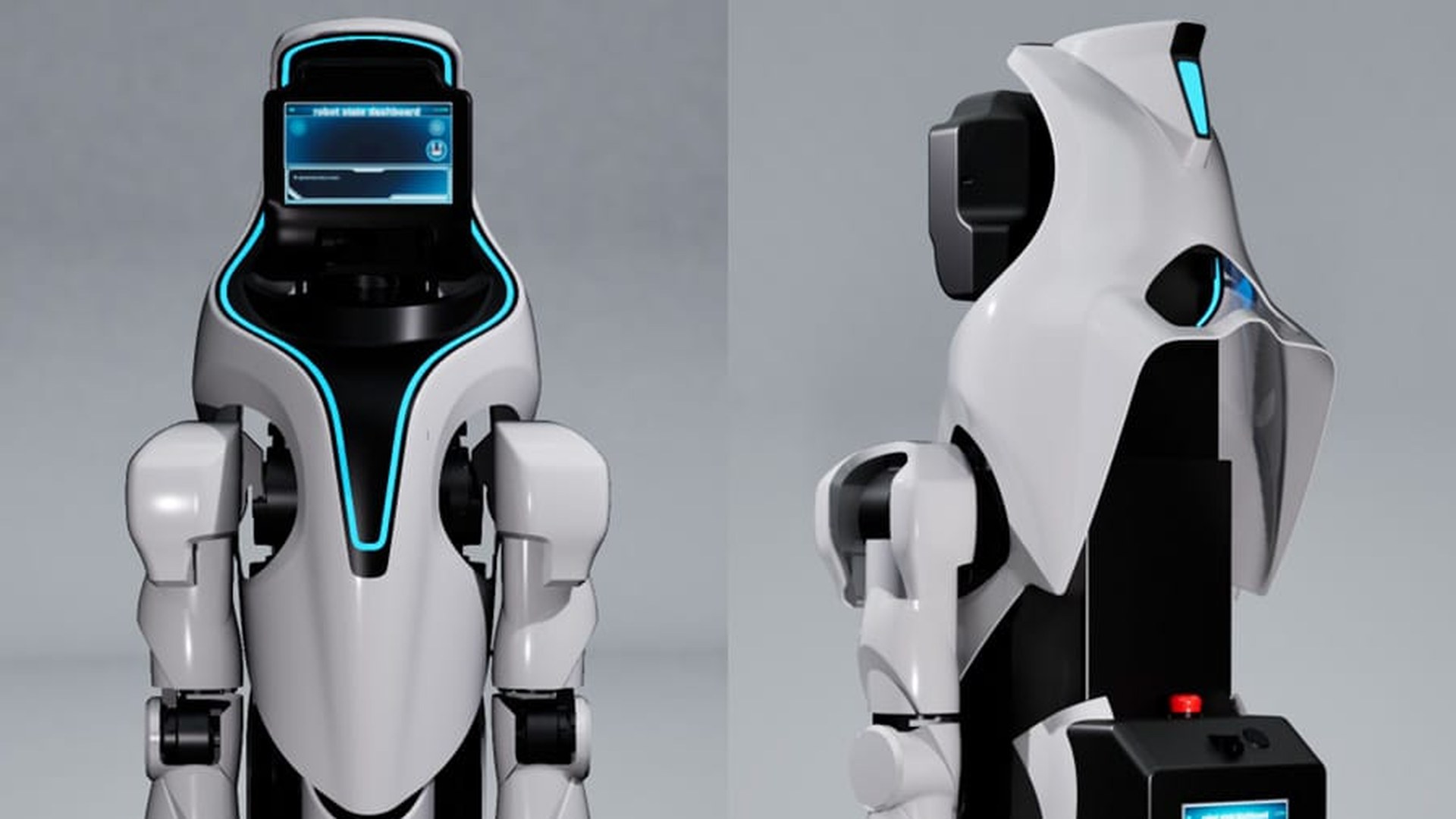
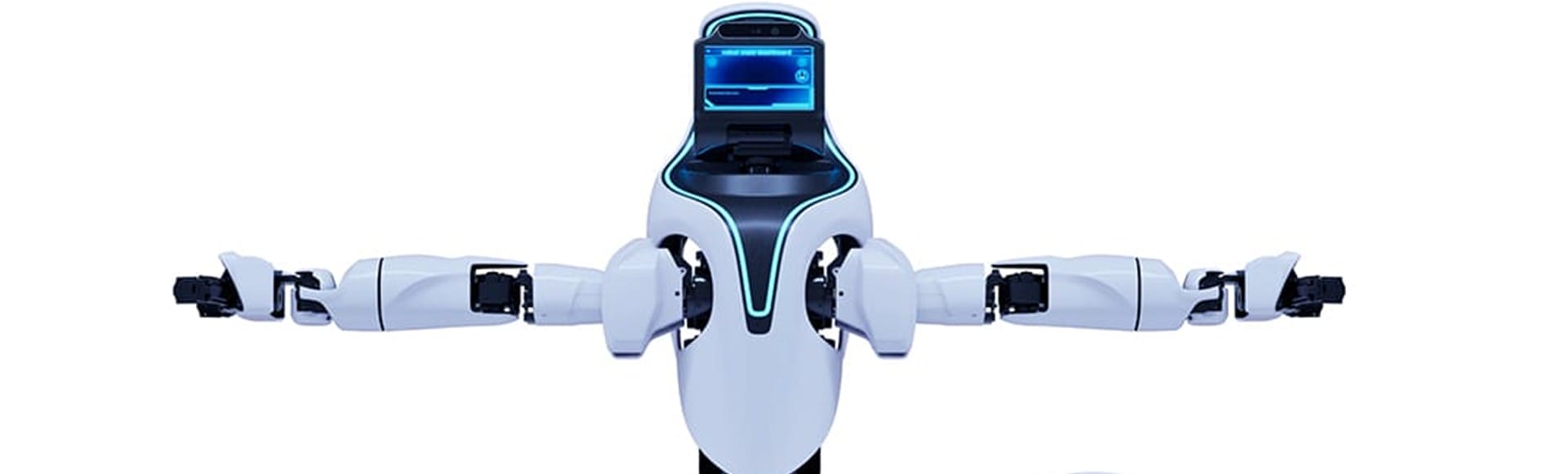
Toyota Motor will put 400,000 in-house ELEY humanoids into group plants as aging lines are rebuilt, pairing 50 kilogram wheeled robots with workers instead of buying a biped fleet.
Official supplier filings, robot-demand data, factory projects, research budgets, and policy programs reveal where capital is entering servo-enabled automation.
Toyota's 400,000-unit in-house humanoid plan, D-Robotics' US$400 million chip raise, UWANT's US$715 million Suzhou base, and Korea's government-backed Humanoids Summit all landed within a day of each other, each one a country or company choosing to own a layer of the robot rather than buy it. Southeast Asia's part in the buildout, from Philippine electronics exports to Thailand's manufacturing tax incentives, remains assembly and floor space, not a seat in setting the standards, data rules, or software layer that increasingly decide who captures the value.
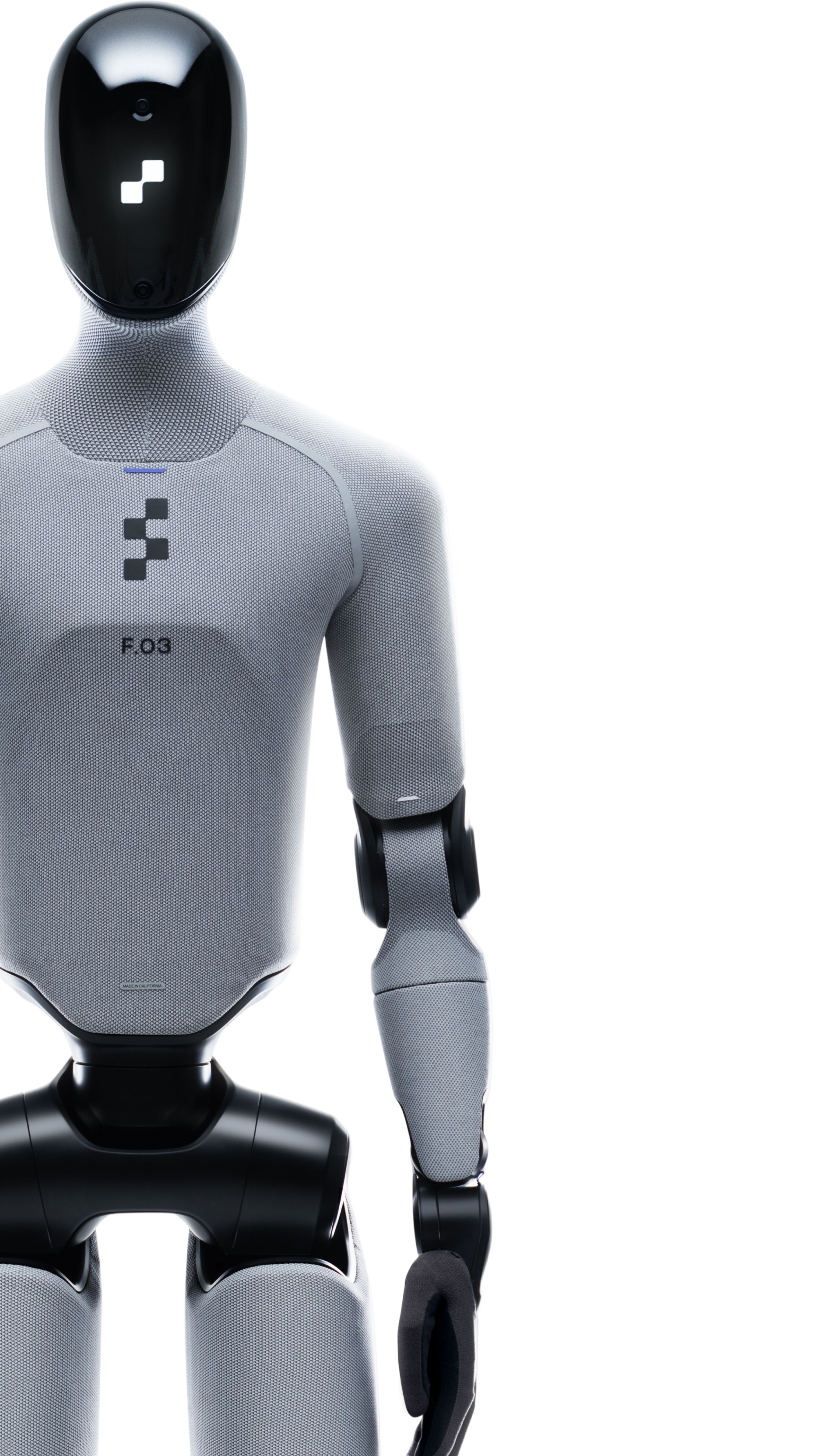
Figure AI's Helix 2.5 model raised zero-shot task success in 30 unfamiliar homes from 9 percent to 56 percent, testing what generalization really means for home robots.
South Korea's government is backing the first Seoul edition of the Humanoids Summit, spotlighting ROBOTIS, Samsung, and Hyundai's coordinated push into physical AI.
Toyota says it plans to deploy 400,000 in-house ELEY humanoid robots across its factories, a scale far beyond any single humanoid maker's shipments.
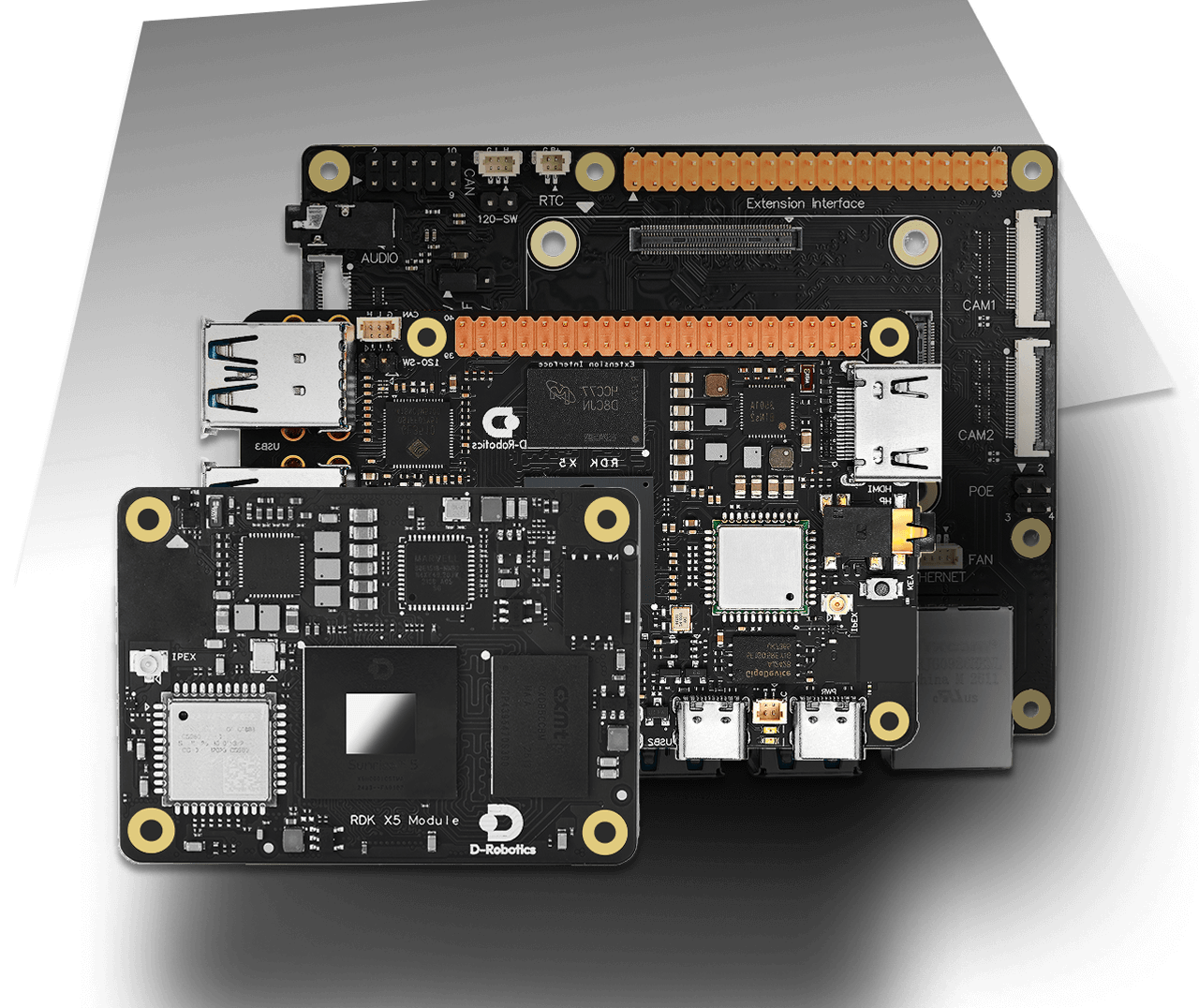
D-Robotics closed a US$400 million Series C to scale its Sunrise chips and software platform for China's embodied AI robot makers.
BRILS fixed its KOSDAQ offer at US$17.2 million, putting its modular industrial-robot strategy under a public-market test.
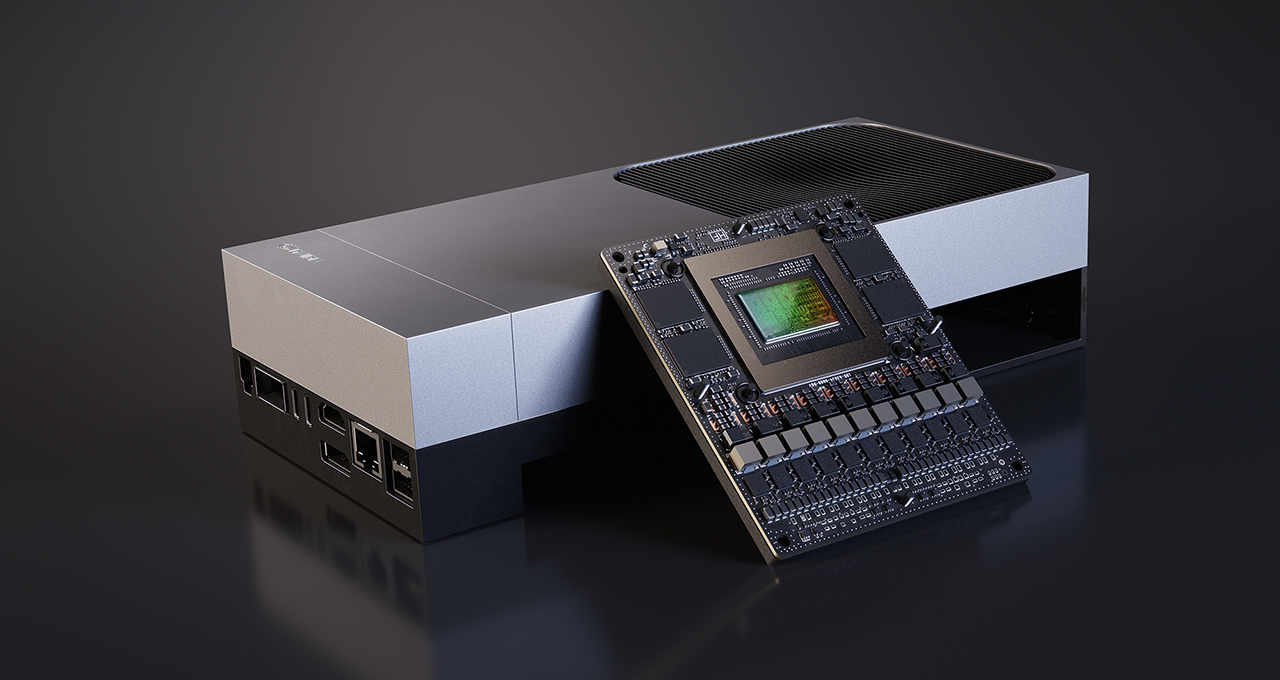
Infinigence AI, Tsinghua University, and Shanghai Jiao Tong University open-sourced APXInf, an inference engine that cuts robot control latency by 90 percent on NVIDIA's Jetson Thor chip.
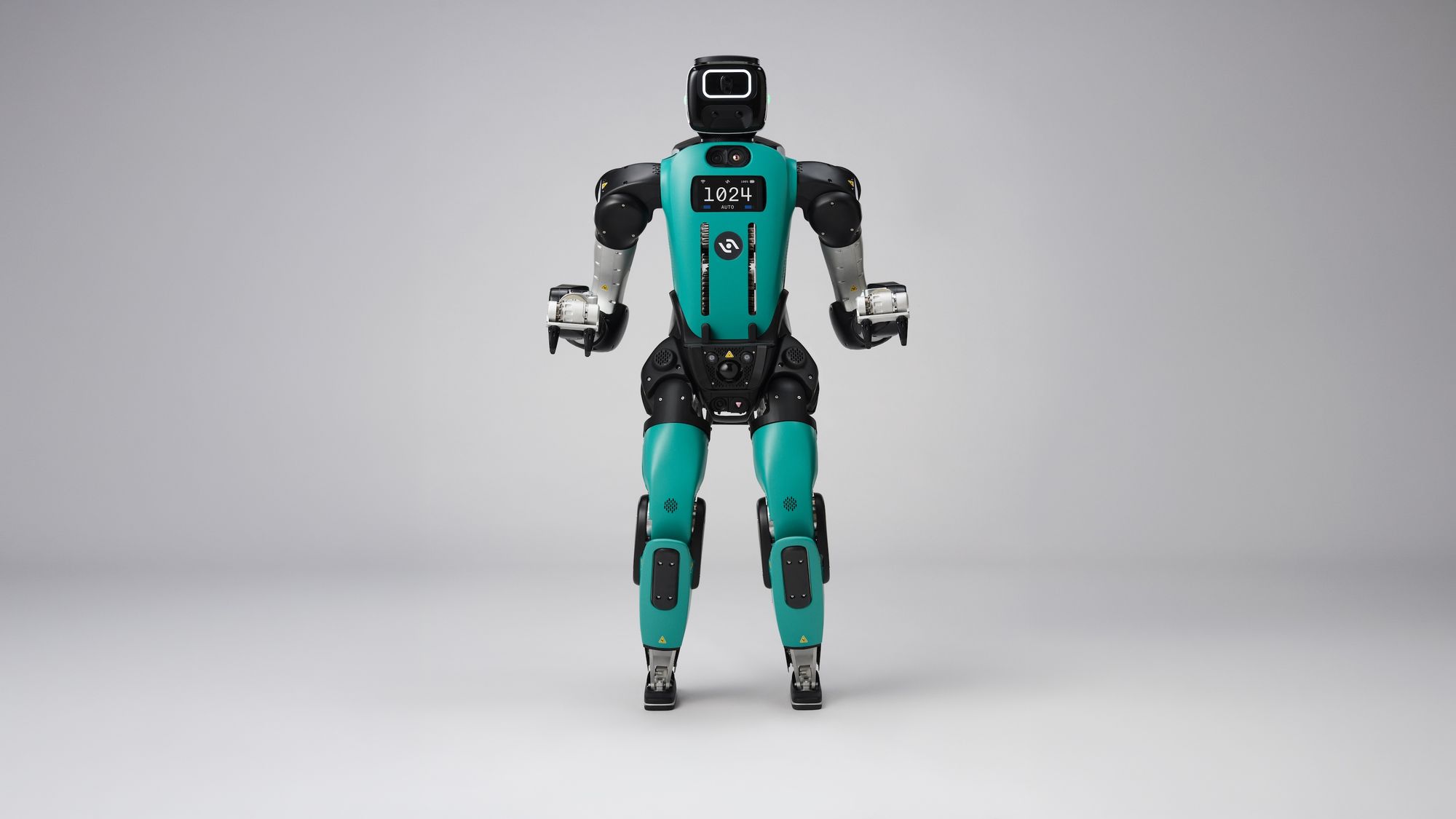
Agility Robotics unveiled Digit 5, its first humanoid engineered to work without safety cages, but the ANSI and ISO standards meant to certify that claim are still unfinished, leaving real diligence to buyers.
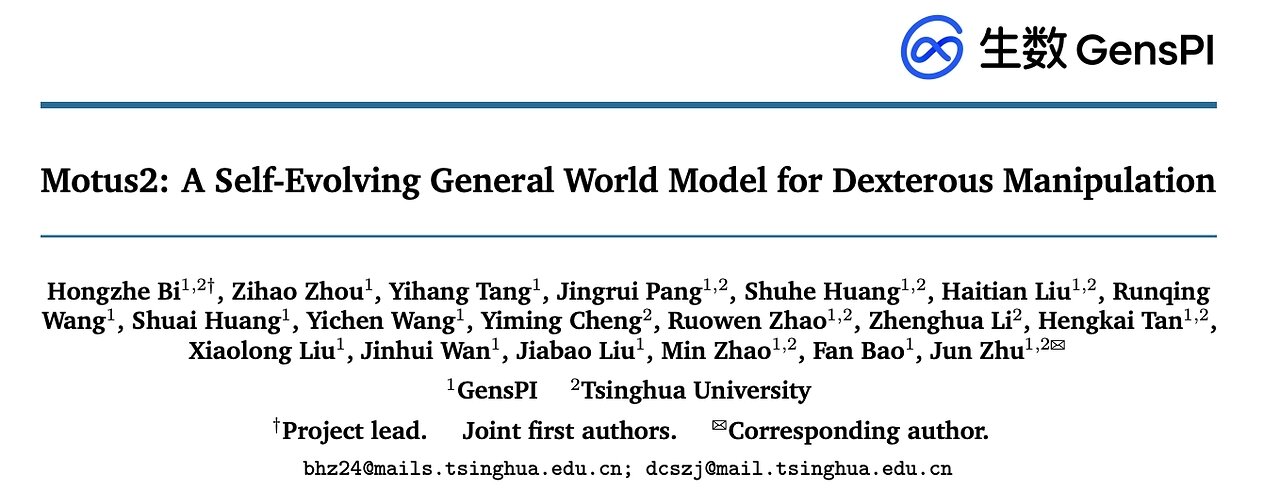
Beijing-based ShengShu Technology unveiled Motus2, a self-evolving world model that lets robots predict and grade their own actions, reaching 84 percent success across five manipulation tasks.