News and analysis on Asia's robotics industry from our research desk.
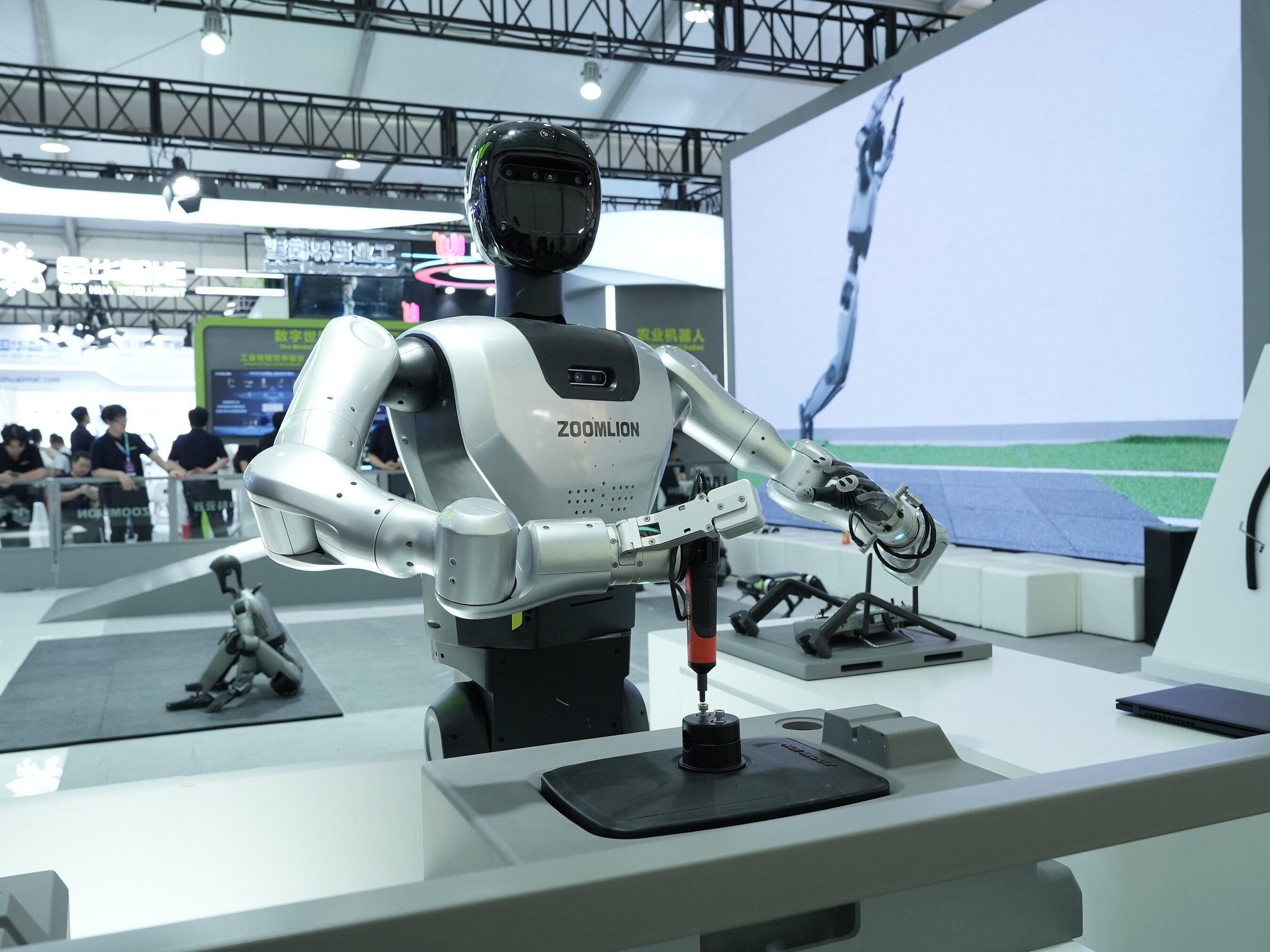
China shipped roughly 23,000 humanoid robots in the first half of 2026, but only about 5 percent operate stably on real production lines, industry data shows.
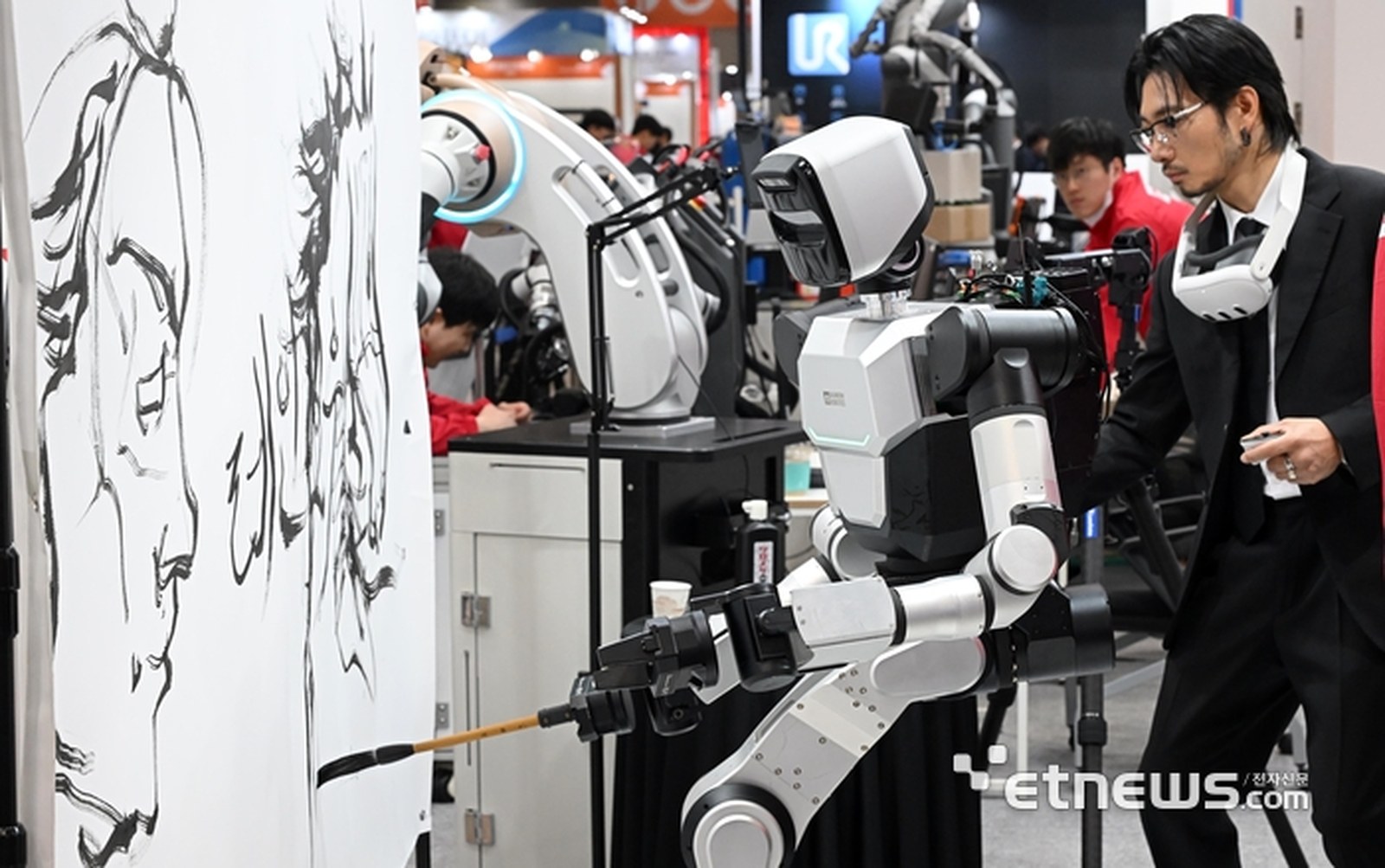
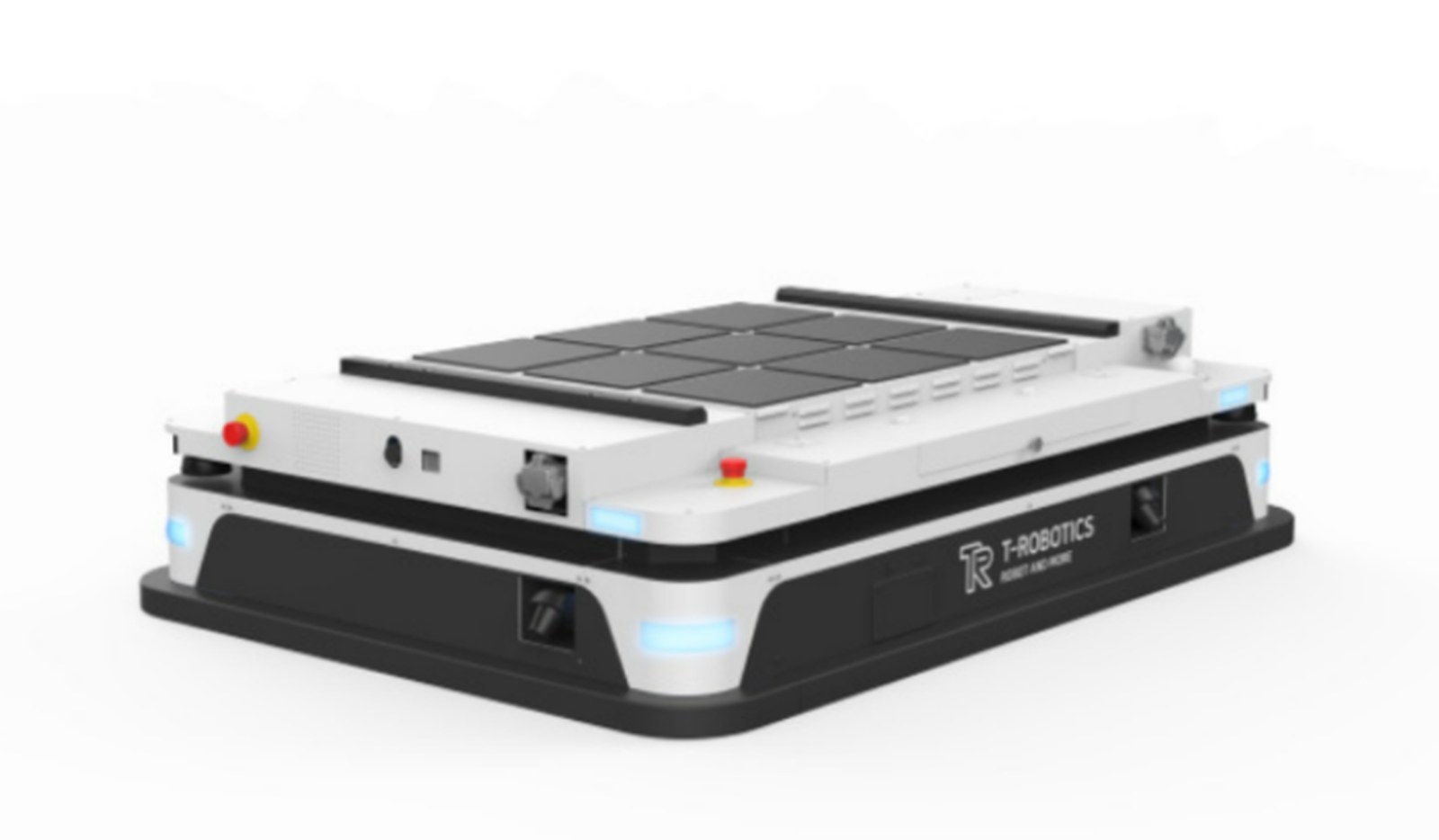
Korean humanoid and mobile-robot shipments to the United States have stalled under a July FCC covered-list rule, freezing Rainbow Robotics contracts and putting a KRW 15 billion T-Robotics AGV deal under legal review.
New foreign mobile robots need US manufacture plus 65 percent domestic content, or Department of War approval, before they can be sold. That rule now decides which Korean, Japanese, and European fleets a US plant can actually receive.
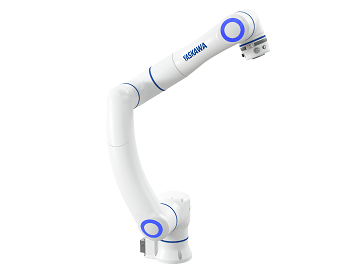
Yaskawa launched the MOTOMAN-HC12 collaborative robot, cutting arm diameter nearly 40 percent and adding torque sensing and built-in Cat6A cabling for tight-clearance cells.
Beijing's Anyverse Dynamics shipped its first K15 semi-humanoid robots to Envision's France battery plant, its first deployment inside European Union manufacturing.
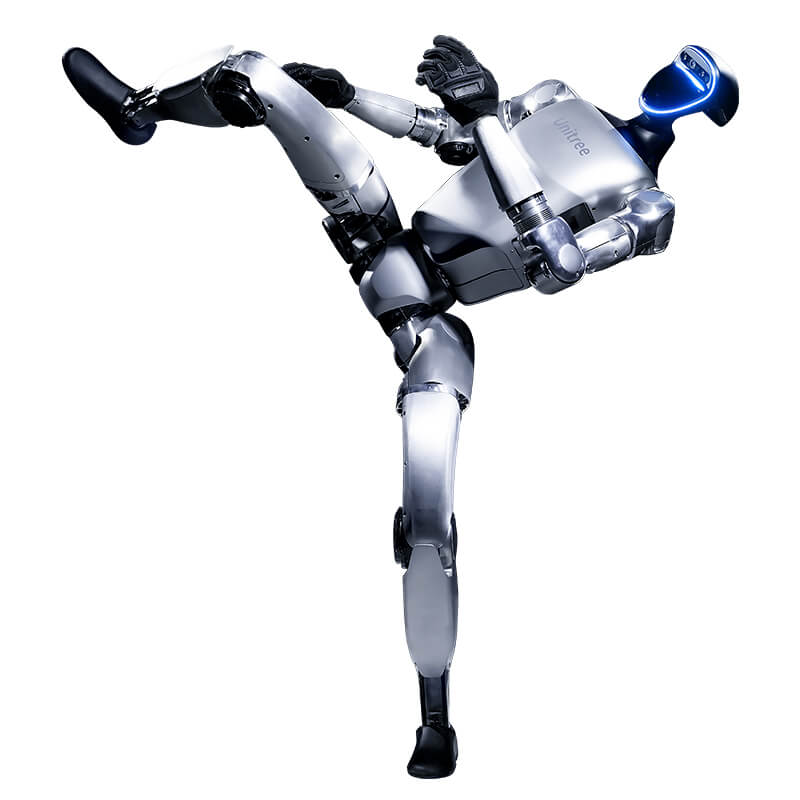
Universal Robots patched a critical, unauthenticated remote-code-execution flaw in its PolyScope 5 controller within a normal coordinated-disclosure cycle. A wormable Bluetooth exploit affecting Unitree's G1, H1, Go2, and B2 robots has gone unpatched for over a year, surviving the company's IPO and a return appearance at IFA Berlin. The gap between the two responses tracks who each company sells to, not how dangerous the machine is.
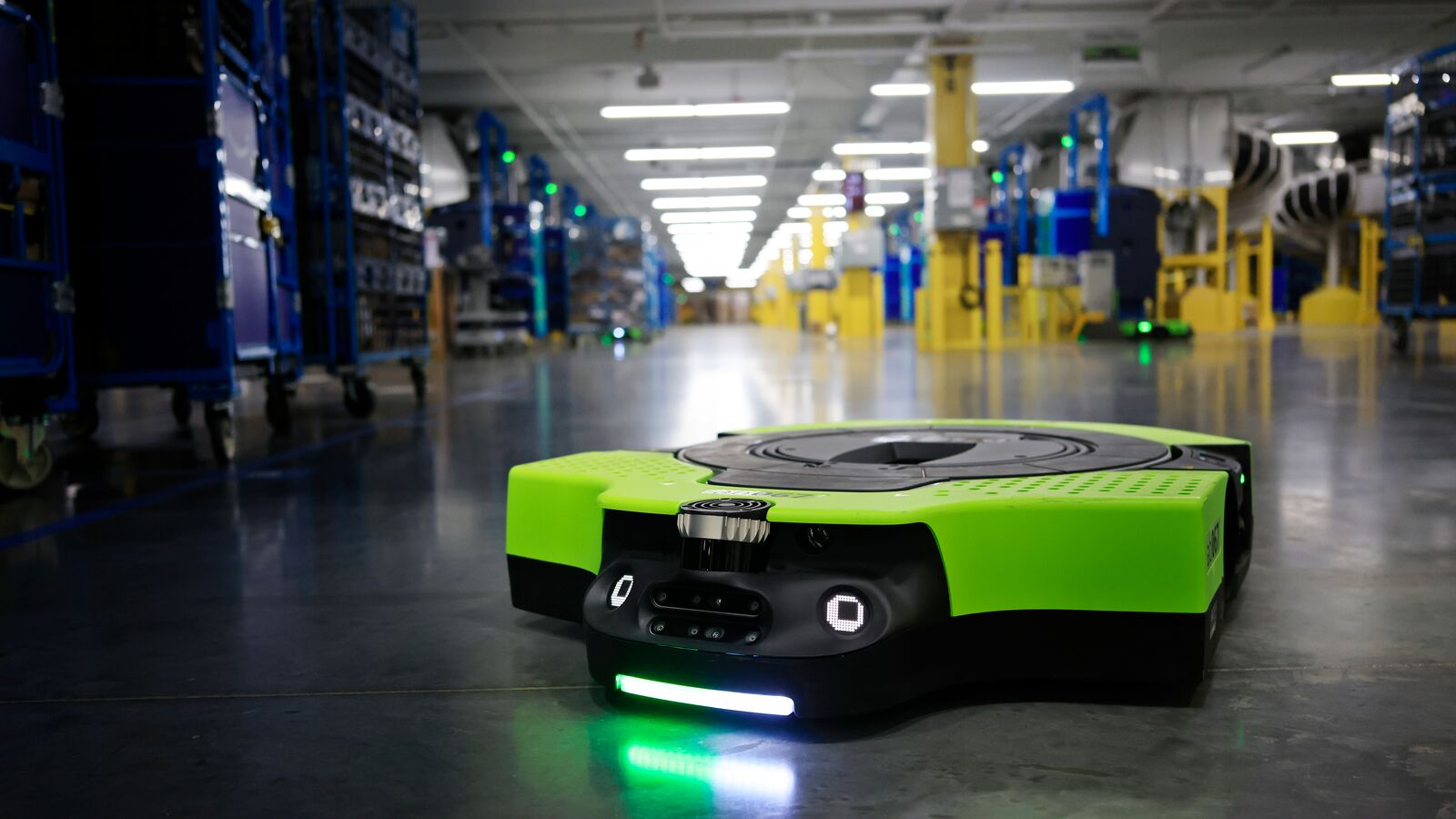
Symbotic posted US$721 million in quarterly revenue and a US$22.5 billion backlog, Amazon crossed one million deployed robots, and Locus Robotics passed seven billion picks, while humanoid deployments stay stuck at pilot scale. The physical-AI industry's attention and its actual revenue are pointed at two different kinds of machine.
Bigwave Robotics plans to direct KRW 16.46 billion, about US$12.2 million, of proposed IPO proceeds toward global and North American expansion.
Beijing’s Shijingshan center added 4D world models and light-field capture to train robots across household and industrial tasks.
FANUC's new CRX Structural Column Welding System lets one operator run four collaborative robots to weld structural steel columns on construction sites, targeting the labor shortage that has made skilled welders scarce and expensive.
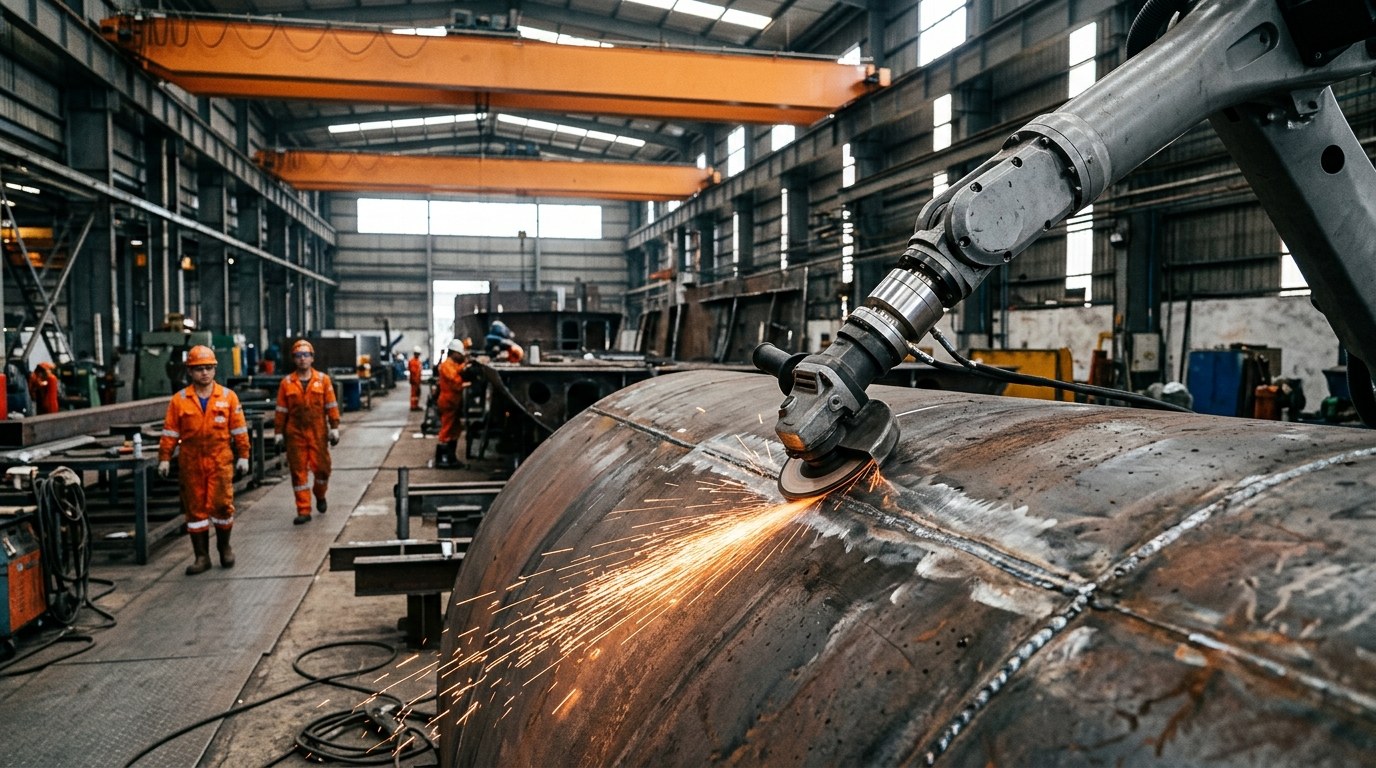
Aidin Robotics took KRW 16 billion from HD Hyundai Robotics and Samsung Venture Investment to scale force sensors and co-develop hull finishing cells, with a humanoid hand as a later product.
Skild AI says its new S1 foundation model learns unfamiliar robot tasks from a single demonstration video, hitting a 66% per-step success rate versus 9% for prior systems, as the Pittsburgh startup passes a US$100 million revenue run rate on NVIDIA's physical AI stack.