News and analysis on Asia's robotics industry from our research desk.
A BLS release and a robotics trade group's own order data both moved the same week, and both got used to win an argument neither number actually settles. Reading openings, quits, and layoffs together, alongside what the robotics industry itself is ordering, tells a more honest story about where automation actually stands.
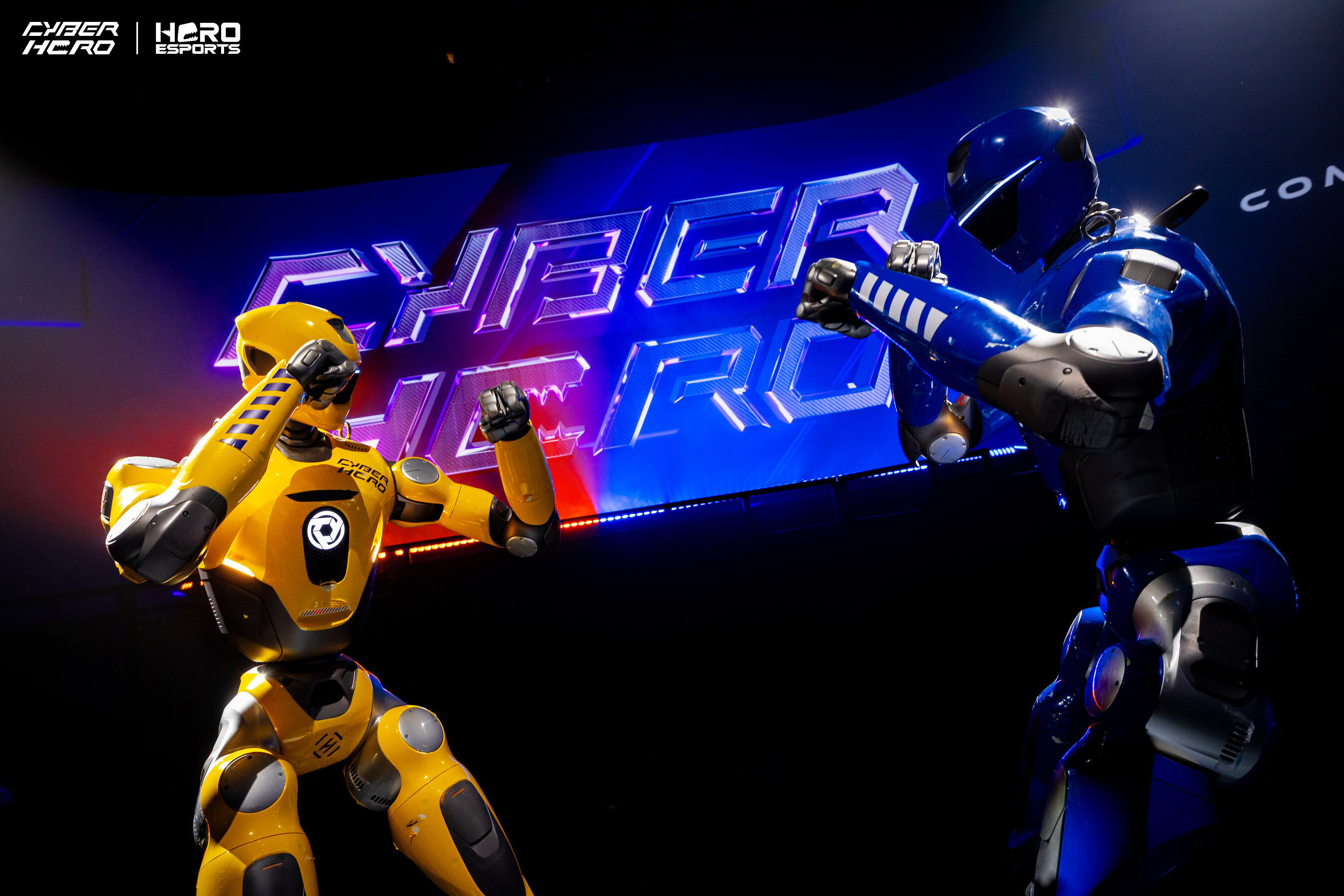
Hero Esports launched CyberHero in Riyadh with EngineAI T800 humanoids and plans an eight-city circuit built around teams, technology, and live entertainment.
Samsung SDS formally entered Robotics Transformation and plans a 2027 platform for coordinating mixed robot fleets and production equipment. The enterprise-software group brings access to more than 430 manufacturing customers but still must prove interoperability in live factories.
XPENG commissioned an automated humanoid production line and showed an IRON unit walking off after assembly. The milestone turns a July manufacturing plan into operating infrastructure, while customer economics remain unproven.
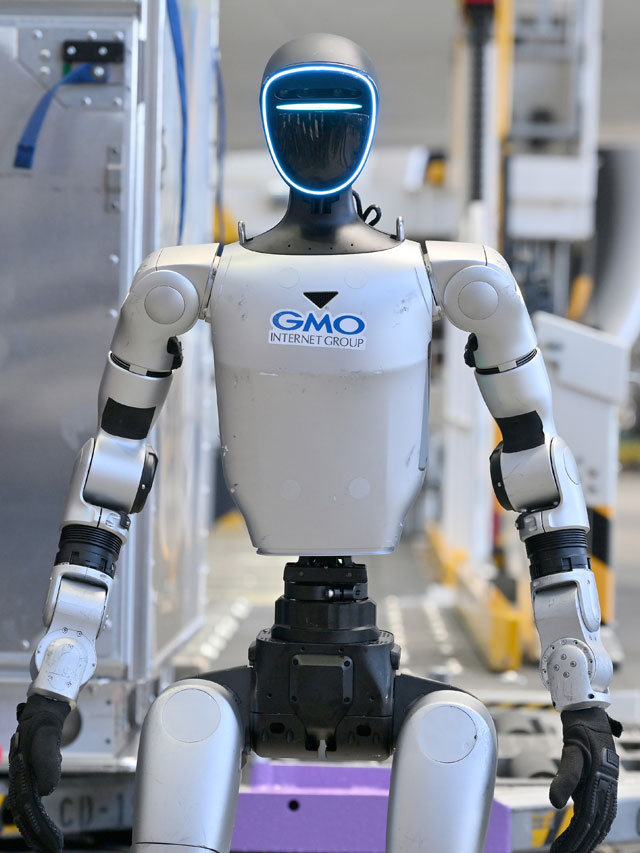
GMO AI & Robotics will launch Japan's first dedicated humanoid robot maintenance vehicle this month, a bet on field-service infrastructure that most humanoid vendors have left unaddressed as deployments scale beyond pilot programs.
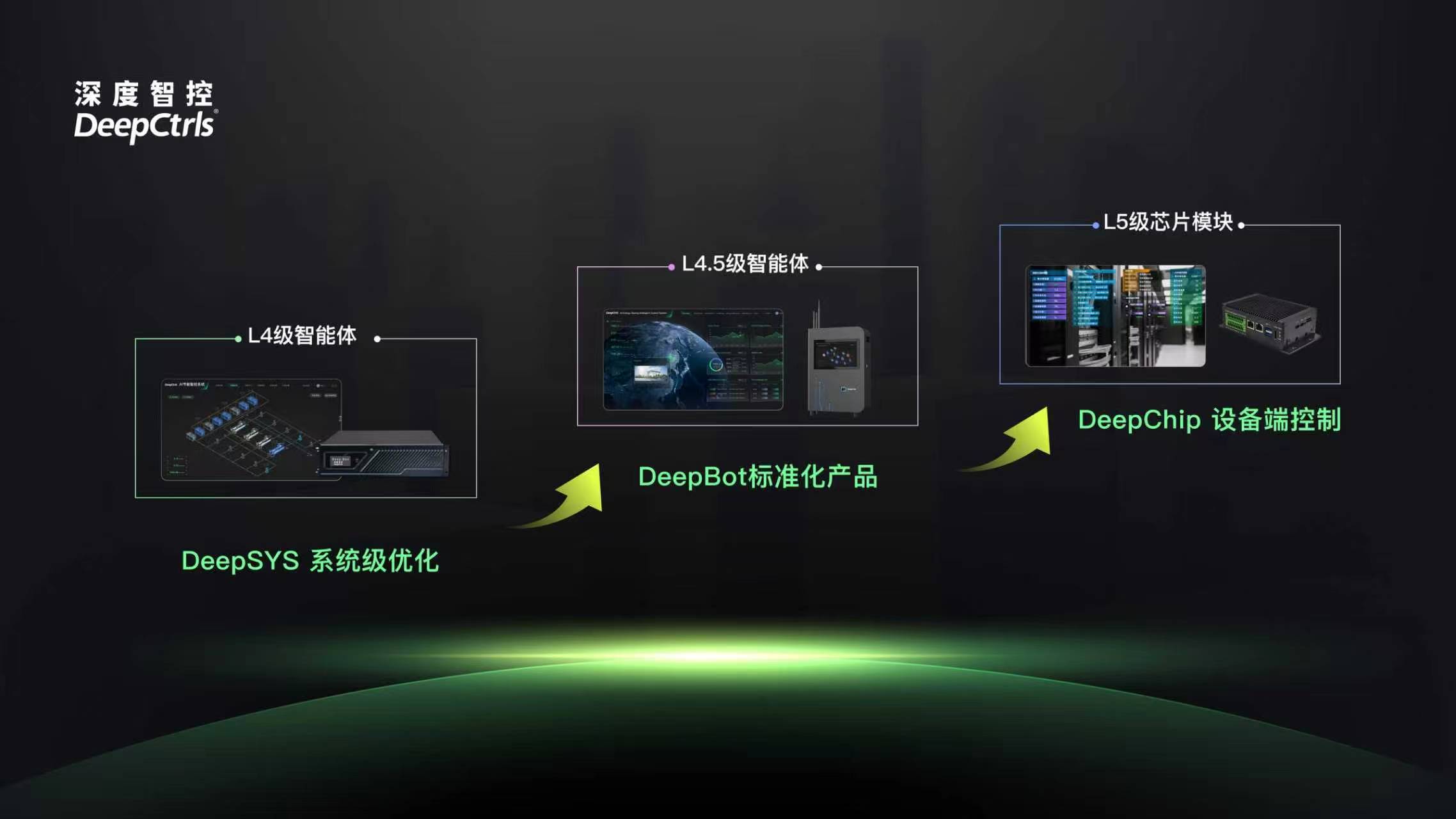
DeepCtrls, a profitable Shenzhen physical AI company selling energy-optimization software to data centers and factories, raised a B+ round led by CATL with Saudi Aramco Ventures participating, months after a JinkoSolar-led B round backed the same energy-infrastructure thesis.
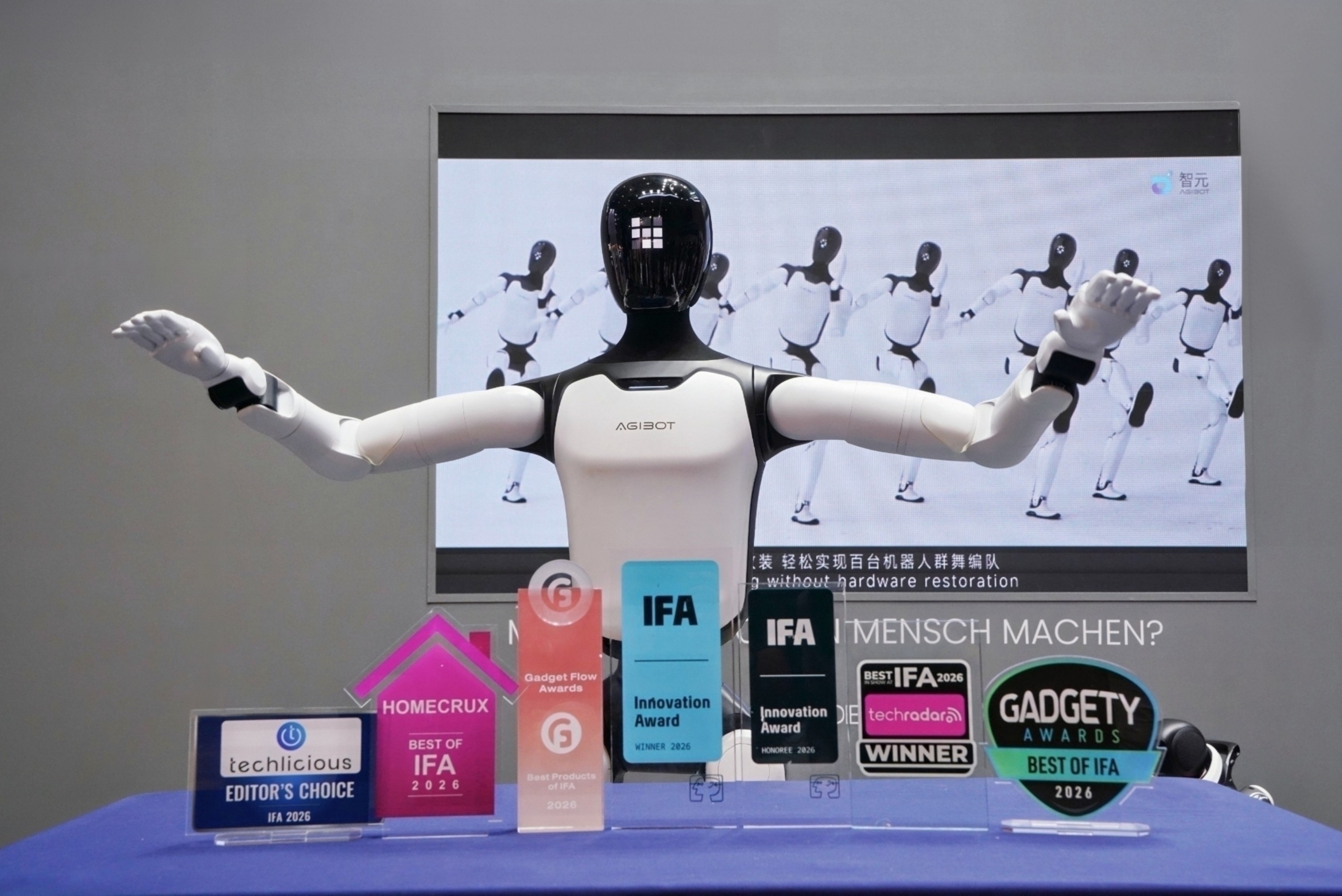
AGIBOT's A3 won IFA 2026's Innovation Award for Best in IFA Next and Emerging Technologies, with the X2 named an honoree, plus wins from TechRadar, Techlicious, Gadget Flow, and BGR, as the Shanghai humanoid maker builds consumer-facing trust ahead of hospitality and retail deployments.
A buyer-focused guide to servo motor and drive subcategories, from rotary, direct-drive, and linear motion to feedback, packaging, and emerging integrated actuators.
Haystack Robotics' US$3.95 million Series A and Jaipur Robotics' EUR4.3 million seed round both closed this week as two of physical AI's smallest financings. Read side by side, they show where specialization capital in robotics actually sits: not in the hardware, but in whoever ends up owning the data the robot generates after it ships.
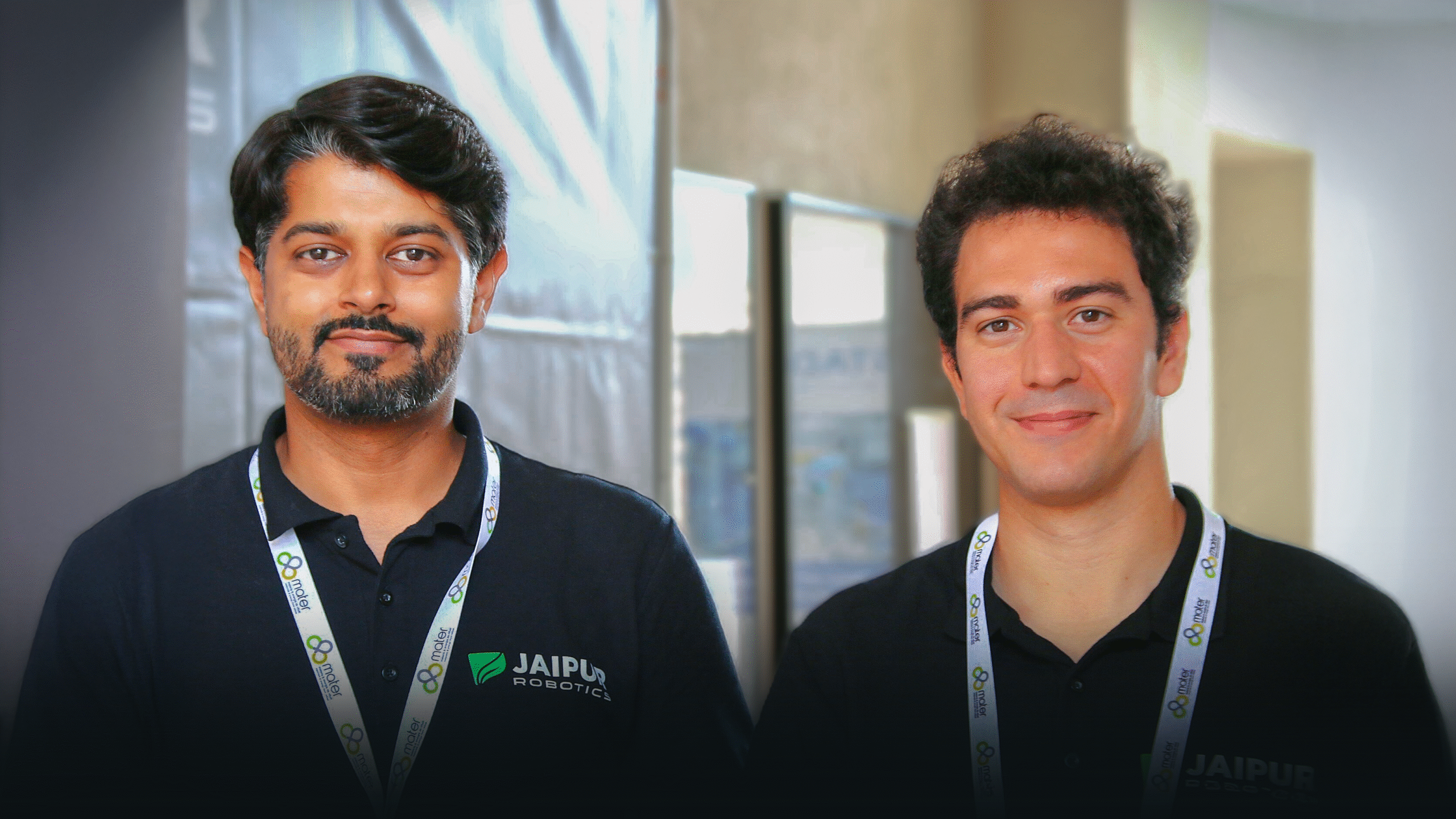
Swiss startup Jaipur Robotics raised a EUR4.3 million (US$4.6 million) Seed round to expand computer-vision hazard detection and crane automation across the world's roughly 3,100 waste-to-energy plants, most of which still run on manual inspection.
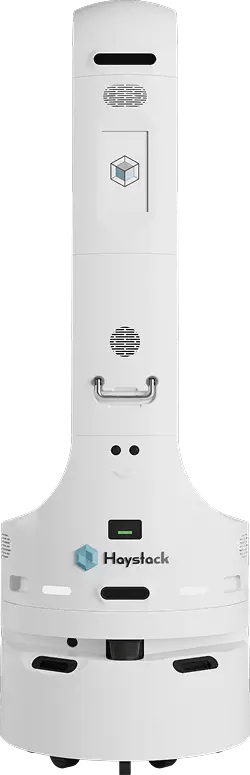
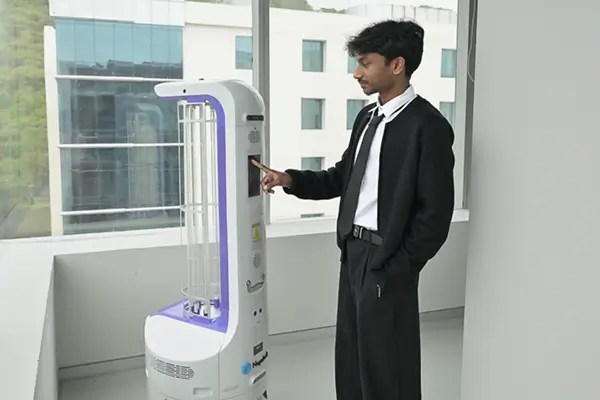
Portland's Haystack Robotics raised a US$3.95 million Series A led by an investment entity tied to healthcare utilization-management firm Agadia Systems, a payer-side backer betting its autonomous UV-C disinfection robot can cut infection-related claims, not just cleaning costs.
Six Chinese robotics companies have gone public in Hong Kong this year, with more than fifty reportedly queued behind them. The pattern owes less to Hong Kong's appeal than to matching regulatory chokepoints Beijing and Washington built on opposite ends of the same capital flow.