News and analysis on Asia's robotics industry from our research desk.
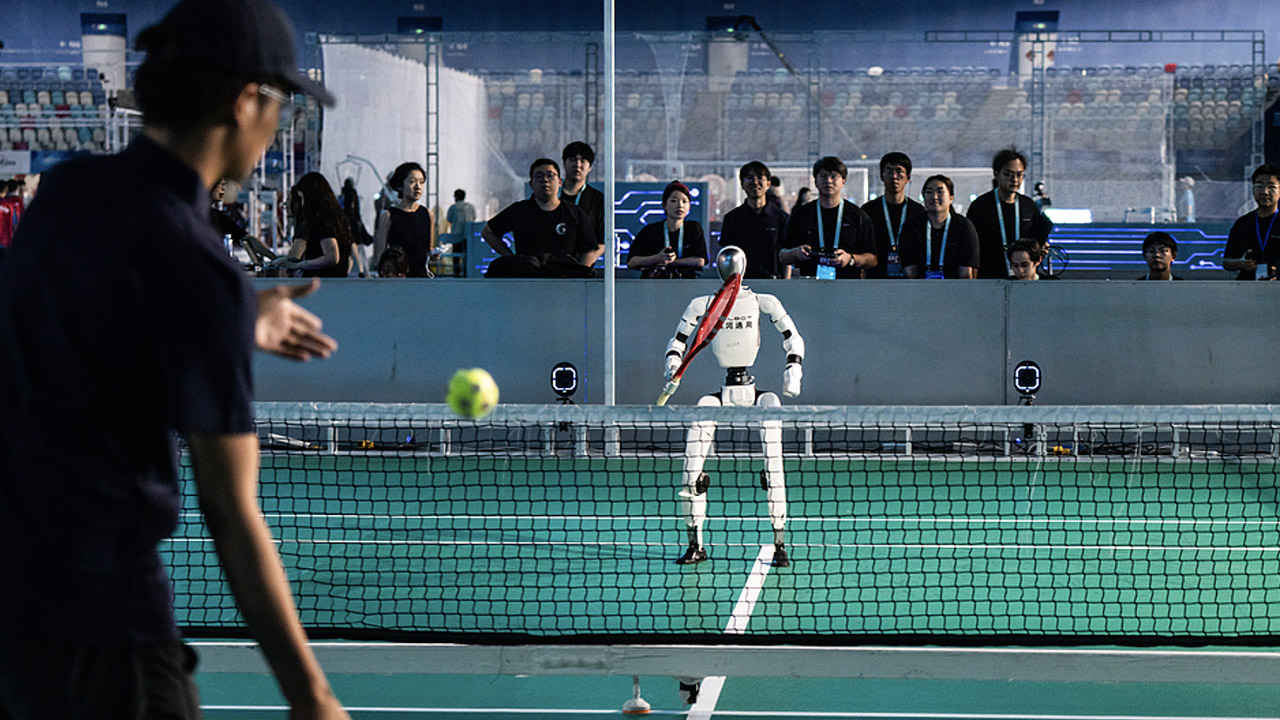
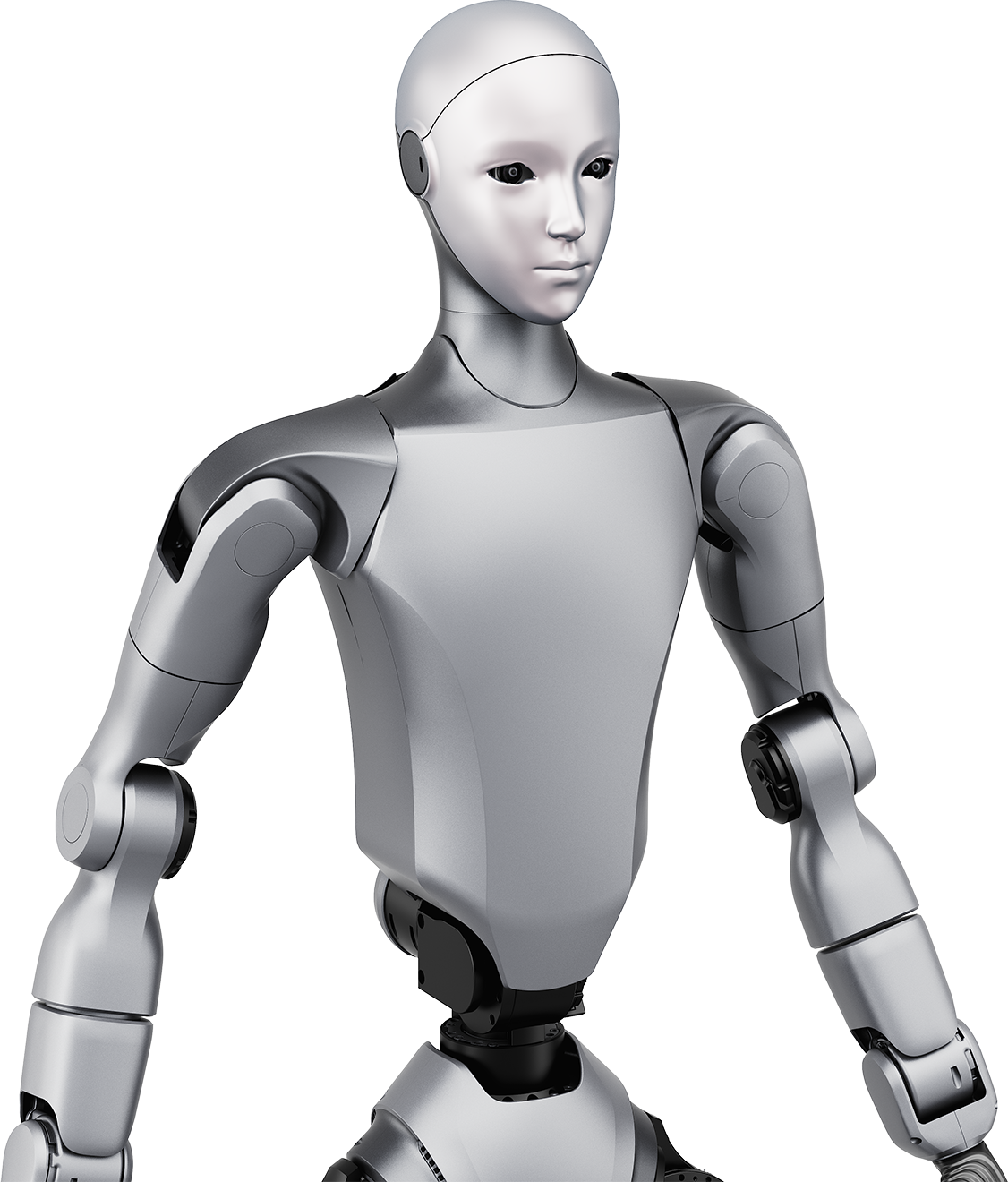
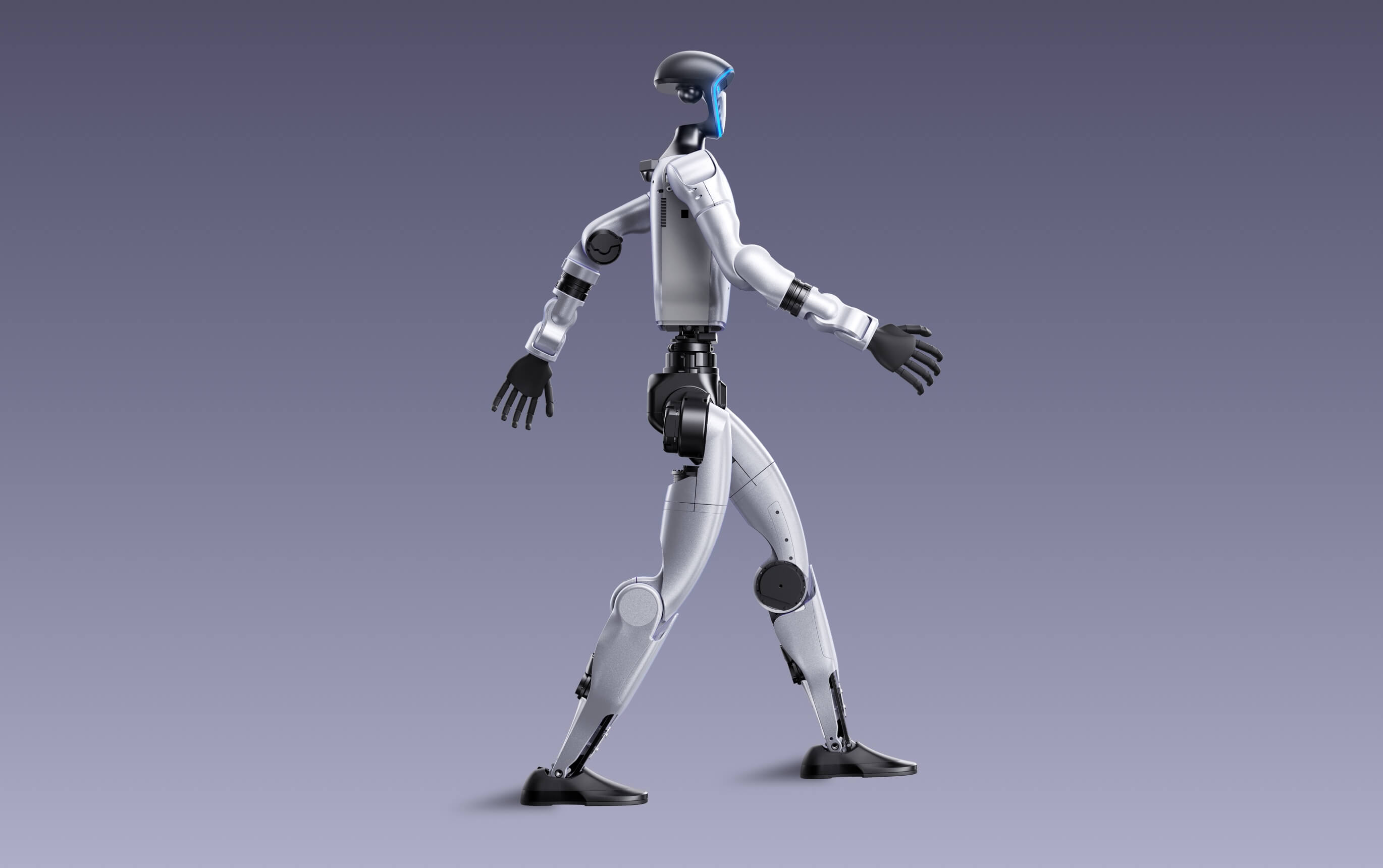
Galbot opened pre-orders for its ET1 humanoid, a bipedal robot the Beijing startup calls the first self-learning, native agentic AI system, two weeks after its WRC 2026 tennis debut.
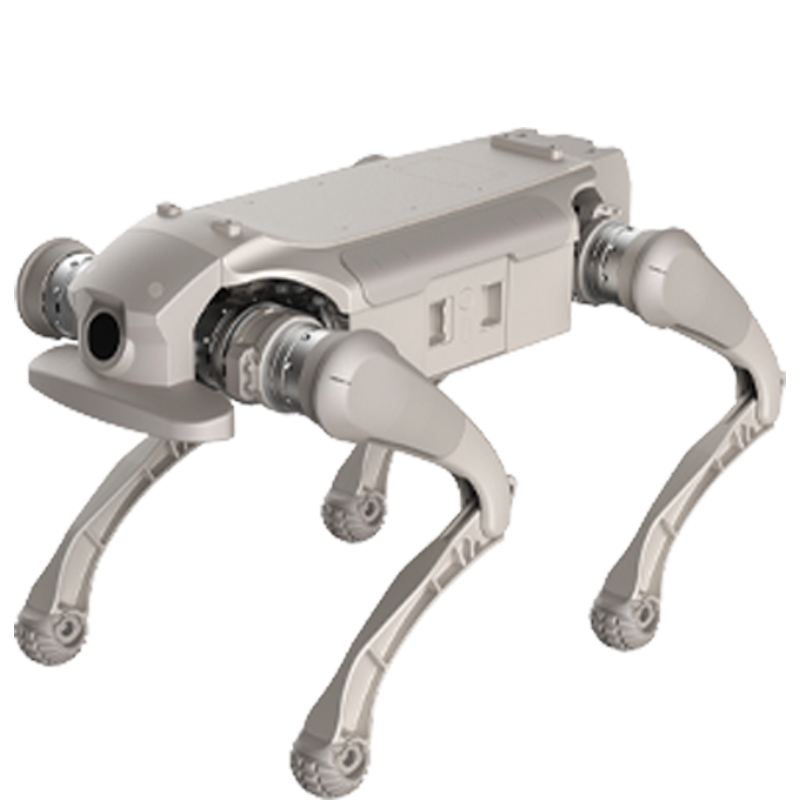
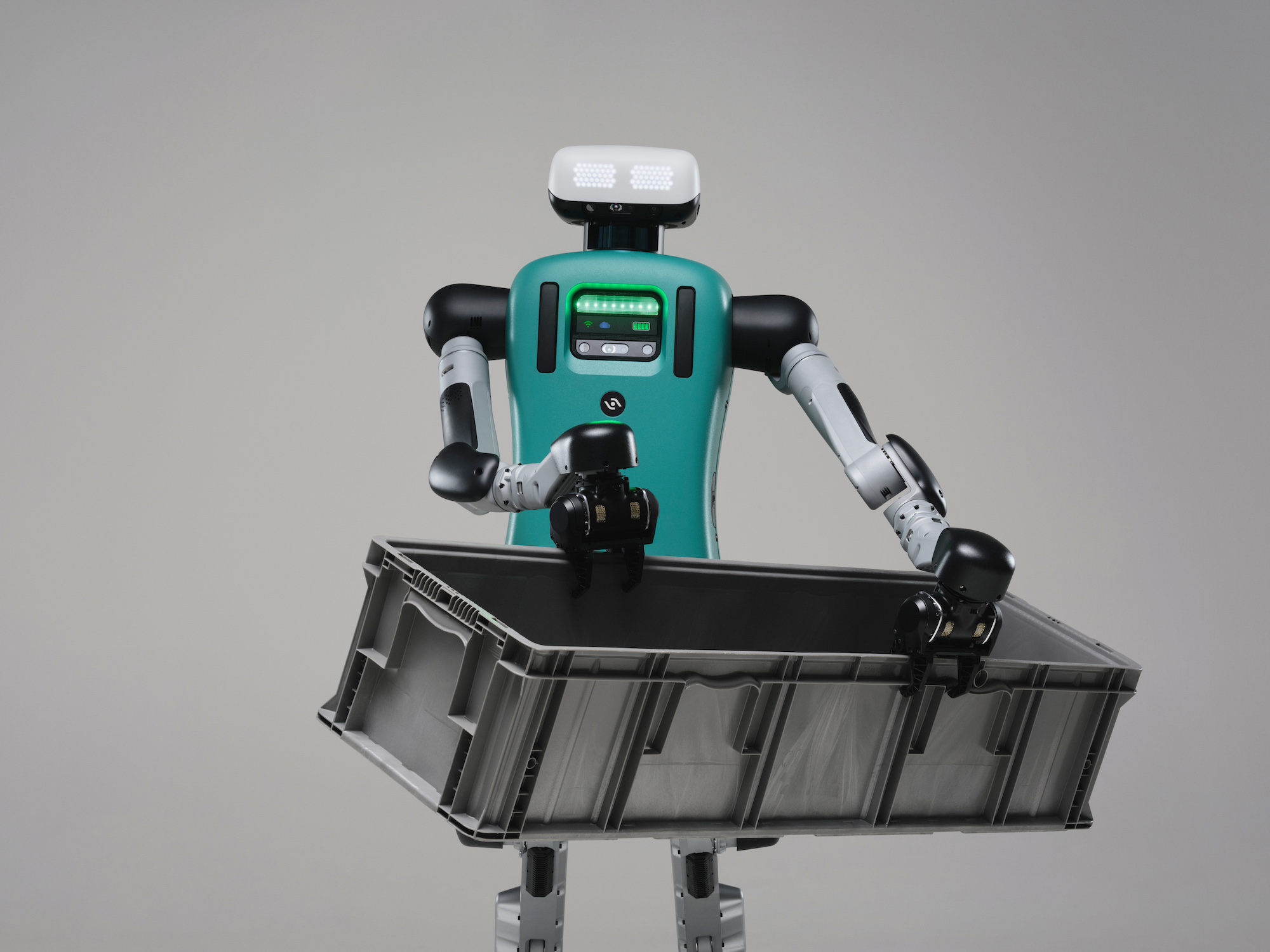
AgiBot unveiled a robot rental program spanning seven Middle East countries at LEAP 2026 in Riyadh, pricing humanoid and quadruped robots from SAR 2,000 a day as it extends the RaaS strategy it used to enter Europe and Australia.
Unitree Robotics shares fell again on Wednesday, extending a slide that has erased more than half the stock's value since its blockbuster Shanghai IPO debut, reviving scrutiny of China's STAR Market listing mechanism.
AgiBot just extended its humanoid rental program to seven Middle Eastern countries, the latest evidence that Robot-as-a-Service has become the industry's growth story. But UBTECH's newly filed H1 2026 results, the only audited numbers a major humanoid maker has published, show services revenue at just 0.6 percent of sales. Real revenue still comes from selling hardware, and Unitree's own filings tell the same story.
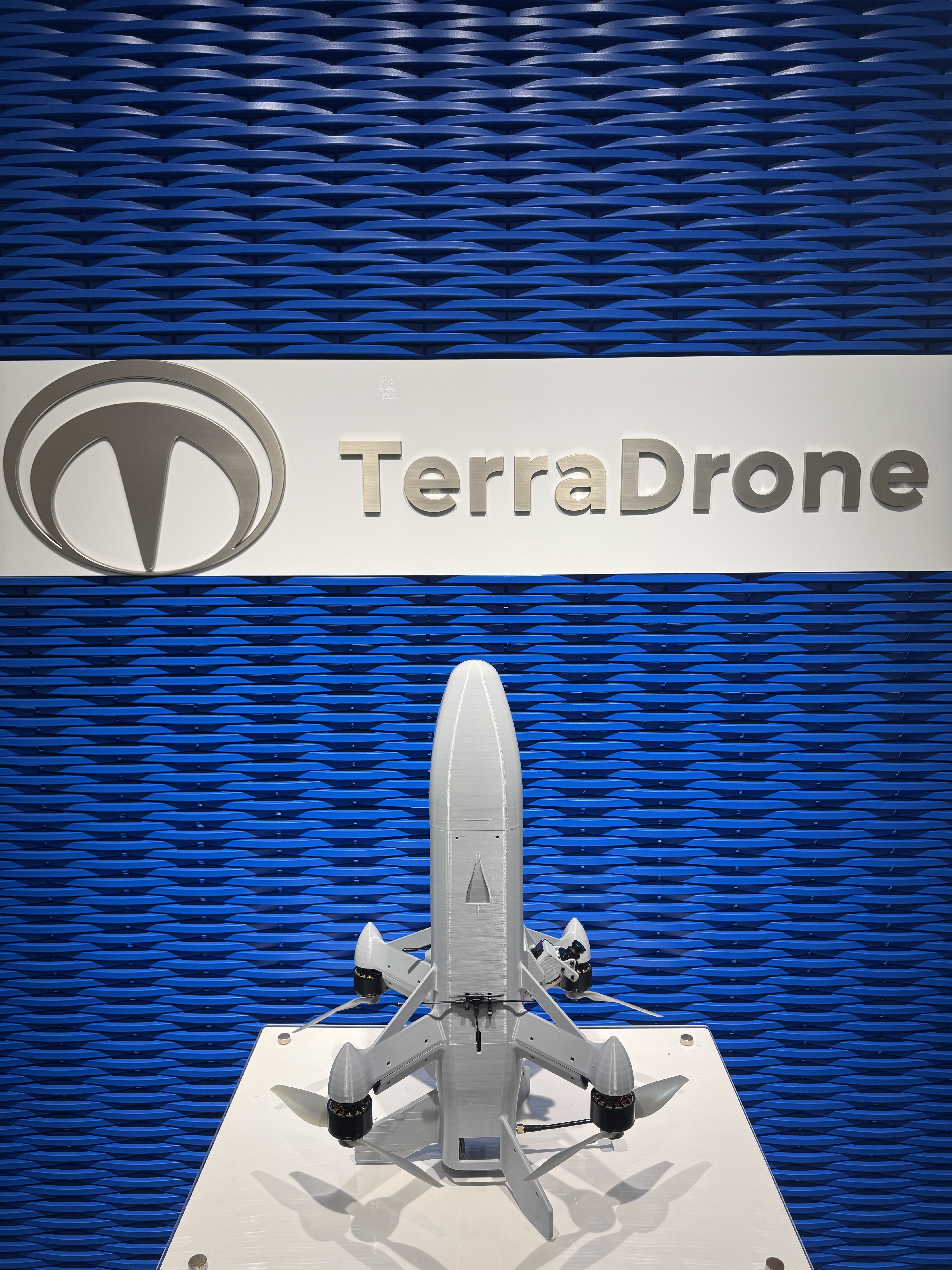
Prime Minister Sanae Takaichi told Japan's military leadership to accelerate AI and unmanned defense asset adoption, as the country's Defense Ministry requests a record $55 billion FY2027 budget for drones and AI-enabled command systems.
Researchers from Peking University and Tsinghua University built RoboGesture, a framework that generates real-time, speech-synchronized gestures for humanoid robots, tested on a Unitree G1 ahead of ECCV 2026.
A Tsinghua-led team published a reinforcement learning controller in Science Robotics that fuses vision and motion on Booster T1 humanoids, cutting ball-tracking error 46 percent and reaching a 90 percent kick rate with zero real-world fine-tuning. The platform math underneath matters as much: Booster hardware now carries most of competitive robot soccer, and the training method points at every dynamic task humanoids will face.
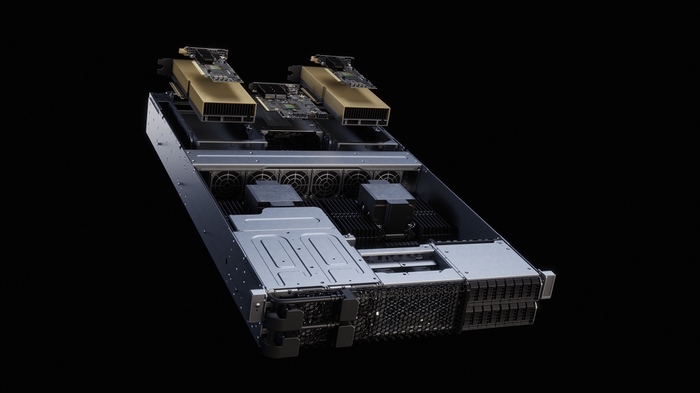
Robot foundation-model training runs on GPU clusters that need real power grids and water permits, and Malaysia's Johor corridor shows that fight is already public, with a fourteen-times gap between reserved and actual data-centre electricity demand.
Hugging Face and Pollen Robotics' $399 open-source bipedal duck robot, Microduck, sold $2.6 million in 24 hours, a viral moment for accessible, open robotics hardware that has drawn far more attention than this year's expensive humanoid platforms.
China's insurers began writing dedicated humanoid robot policies in late 2025 while US carriers filed blanket generative-AI exclusions across commercial liability policies, a quiet but decisive edge in whose robots actually get deployed at commercial scale, with a real gap for buyers in between.
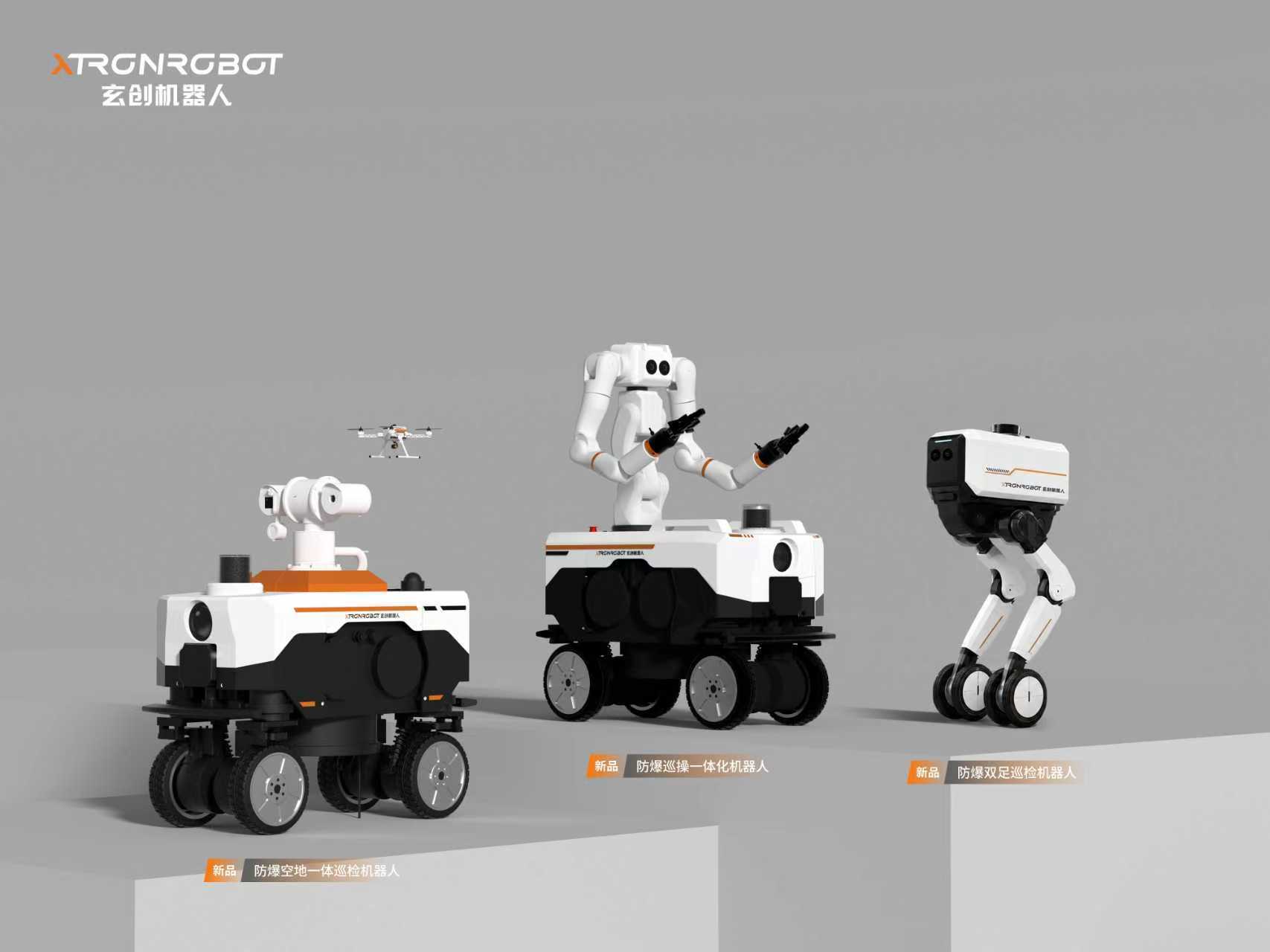
Shenzhen robotics startup XTRONROBOT has completed the first batch of a 100-plus unit order for explosion-proof inspection robots from PetroChina's Xinjiang oilfield division, backed by a new Series A1 funding round.
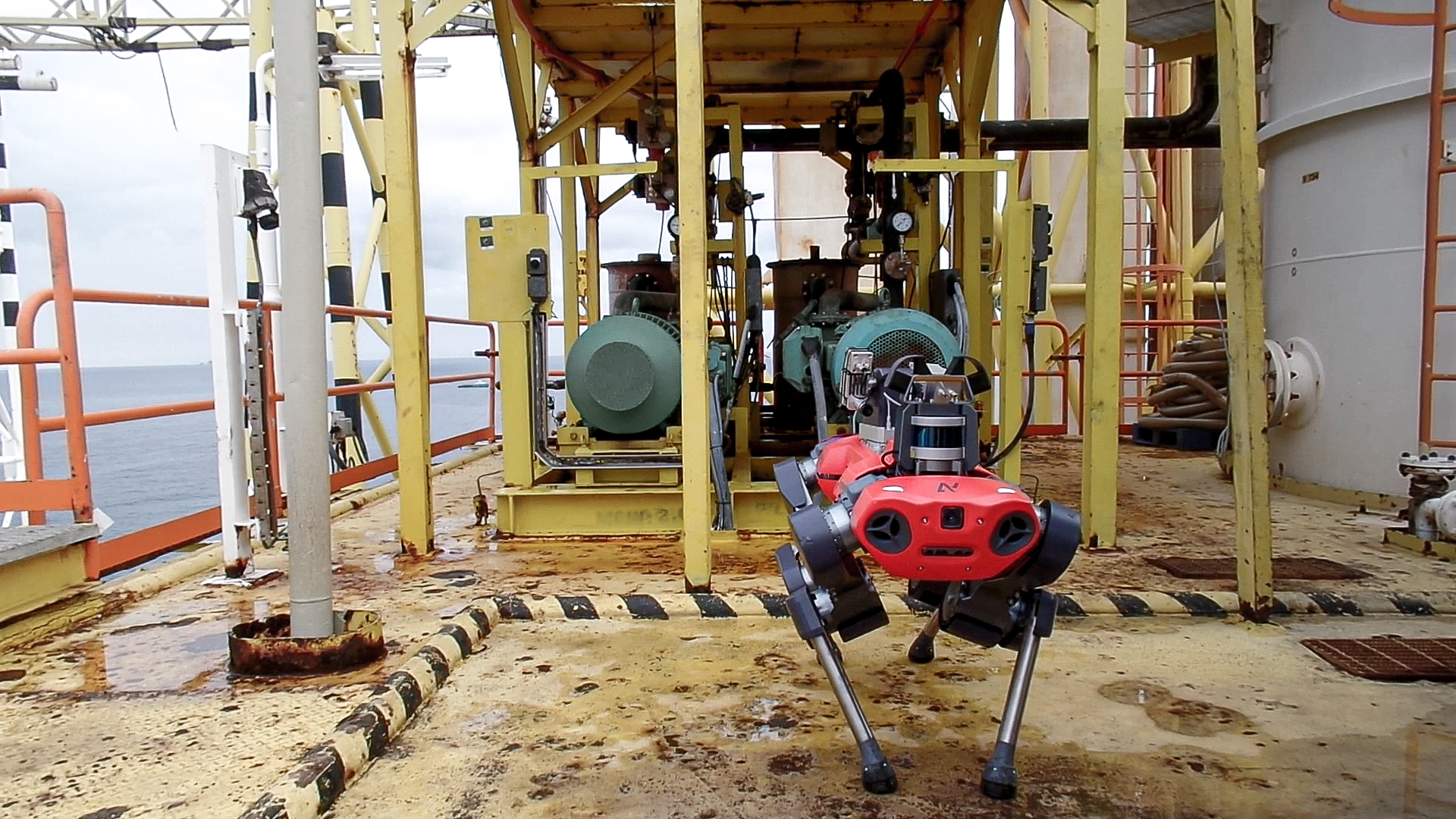
Explosion-proof robots from ANYbotics, Boston Dynamics and China's XTRONROBOT are already earning their keep in oil, gas and nuclear facilities, but the real dividing line between them isn't AI capability. It's which national safety certification each robot was built to clear.