News and analysis on Asia's robotics industry from our research desk.
Bill Gates' new essay predicts smart robots will compete with construction and hospitality workers by the end of the decade, credits China with the industry's advanced work, and proposes taxing robots like payroll to slow the shift - a policy idea economists remain split on.
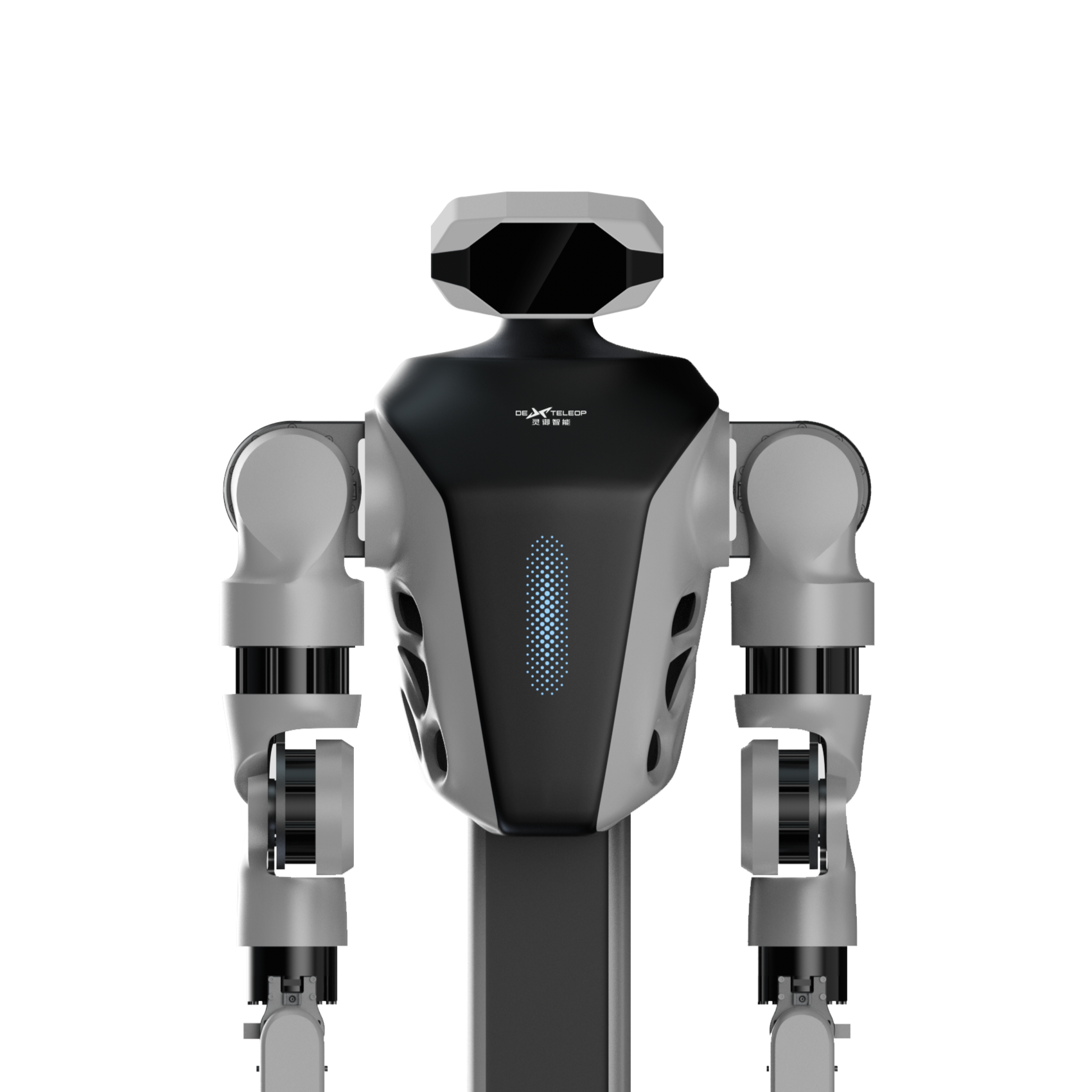
LingYu Robotics, a Tsinghua-founded infrastructure startup, closed its third funding round of 2026, betting that wheeled teleoperated robots generating force-labeled data are worth more right now than a fully autonomous humanoid.
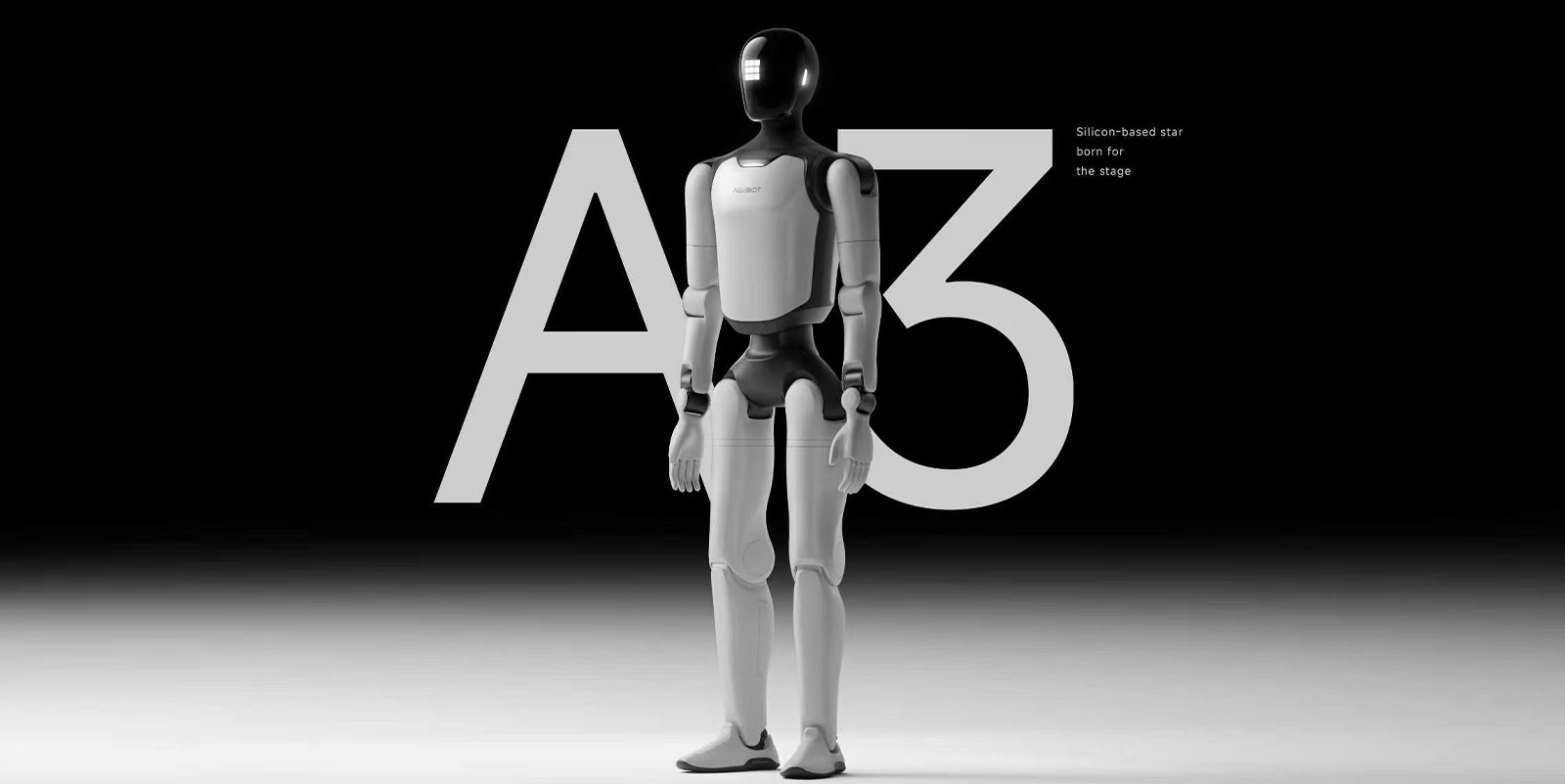
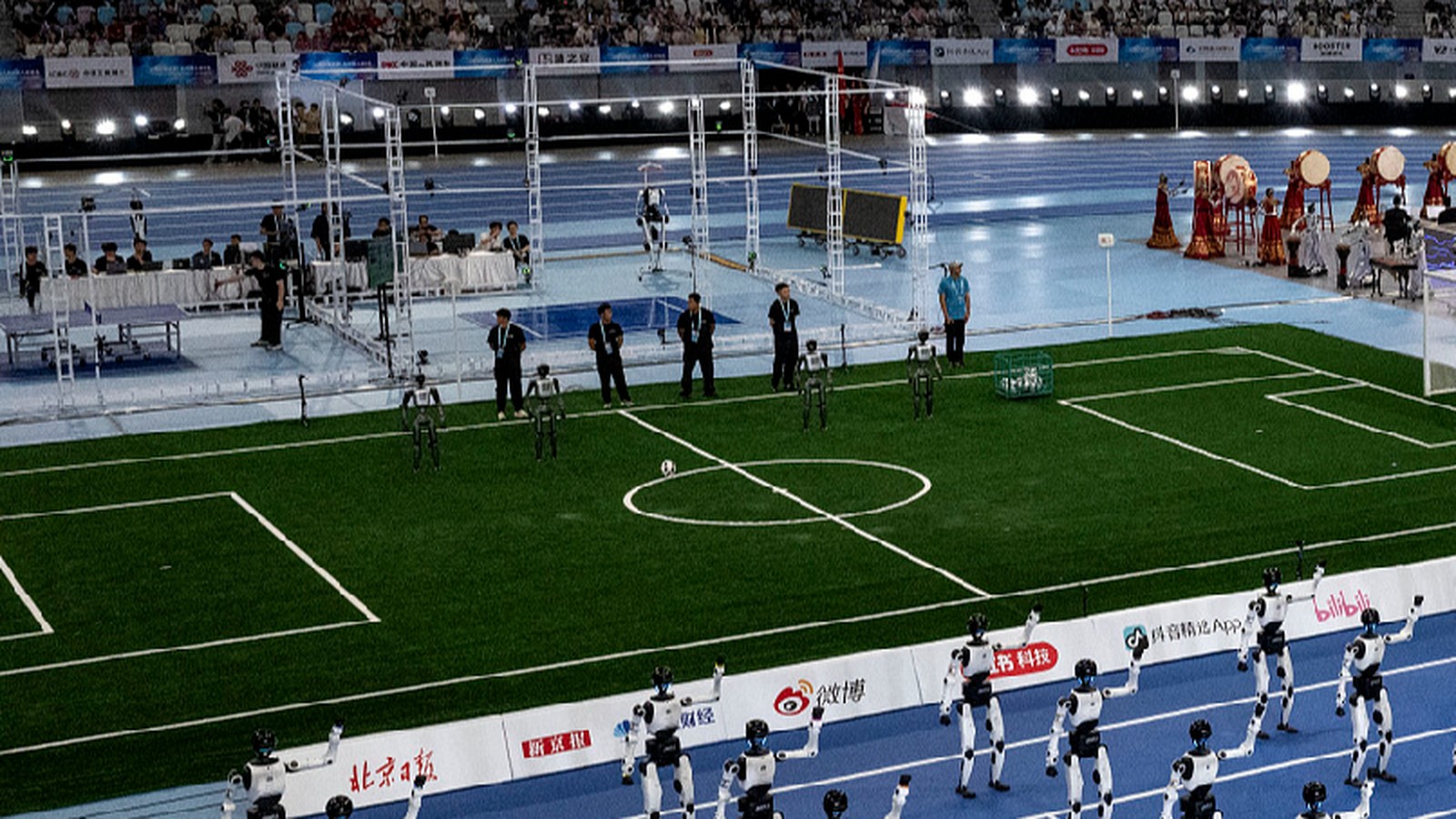
AGIBOT topped the medal table at the 2nd World Humanoid Robot Games in Beijing, winning 46 medals including 18 golds with its shipping OmniHand, X2, A3, and G2 product lines rather than one-off competition prototypes, a signal procurement teams can use when shortlisting Chinese humanoid vendors.
A survey of where robotic reducers actually go to work, grounded only in International Federation of Robotics statistics and the manufacturers' own disclosures, with the gaps in official data on China's domestic supply and humanoid-robot demand stated plainly rather than filled with commercial estimates.
Shenzhen startup Kinetix AI has assembled hardware, dexterous hands, data-capture rigs, a predictive world model, and AI training infrastructure for its KAI humanoid in about a year, a stack rival Figure needed three years to build, and it is already selling components to other robotics developers.
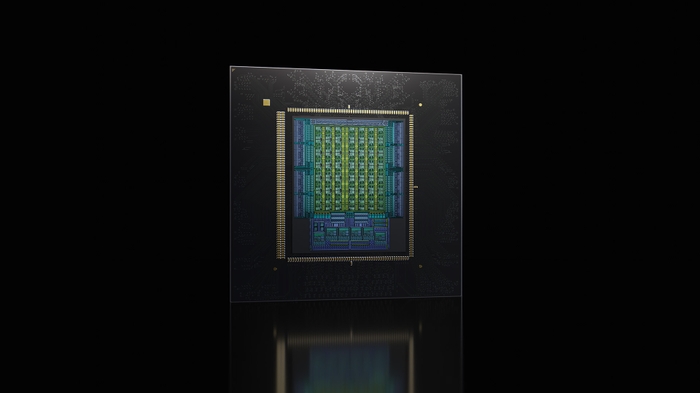
This week's NVIDIA-AWS 2-million-GPU deal, Japan's 27,500-GPU national AI factory, and NVIDIA's own vanishing robotics revenue disclosure all get filed under "physical AI." They're three unrelated businesses operating at wildly different scales, and none of them is what actually runs inside a deployed robot today: a 15-watt edge chip or a general-purpose server processor doing sensor fusion.
Singapore's refreshed AI strategy runs 41 pages. It commits over S$1 billion to public AI research. It names four national Missions covering around 40% of GDP. Embodied and physical AI appears as a named priority in exactly one clause. Three of the four Missions need machines that move.
At NASA's Johnson Space Center, operators running the Valkyrie humanoid watch its actuator temperatures. When the legs or torso get too hot, the work stops until they cool. Not the battery — the metal. The humanoid form was copied from a body that sweats. No commercial humanoid does.
Figure AI's crowdsourced data platform Index has logged 16 million contributor videos and paid out US$15 million, as the company commits over US$1 billion to data and compute, a bet that consumer-sourced physical-task video, not just robot teleoperation, is the fastest path to closing humanoid robotics' data bottleneck.
NEURA Robotics bought German cleaning-robot maker ADLATUS outright, its third mobile-robotics acquisition in under a year, as it builds a single AI platform spanning AGVs, warehouse shuttles, and cleaning robots.
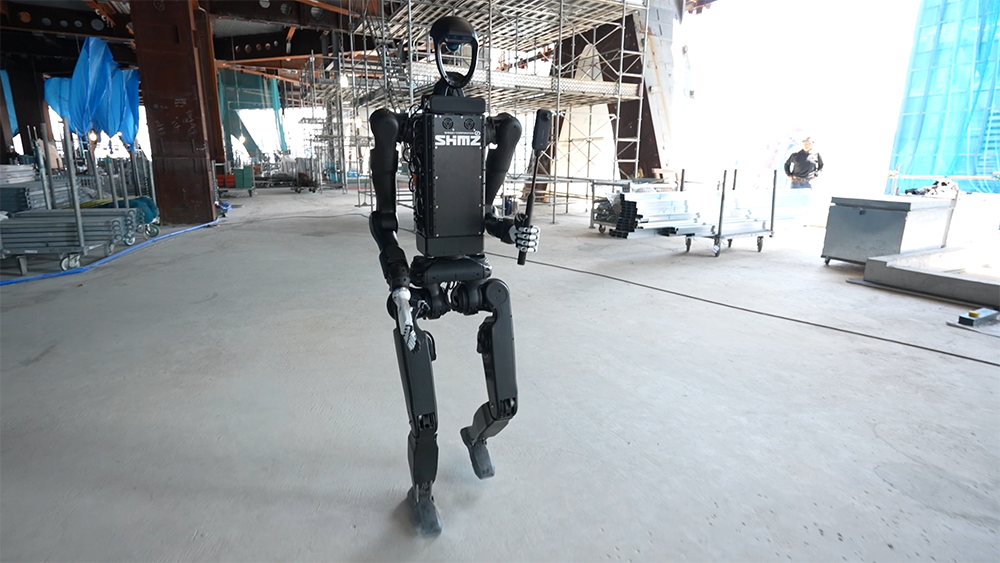
Behind the sprint-record headlines, the World Humanoid Robot Games ran roughly twenty work-scenario events across nine sectors: factory, hotel, hospital, retail, home, and emergency response. These organiser-defined tasks are the closest thing embodied AI has to an independent benchmark, but the Games still don't publish the failure and intervention data that would make results comparable across vendors.
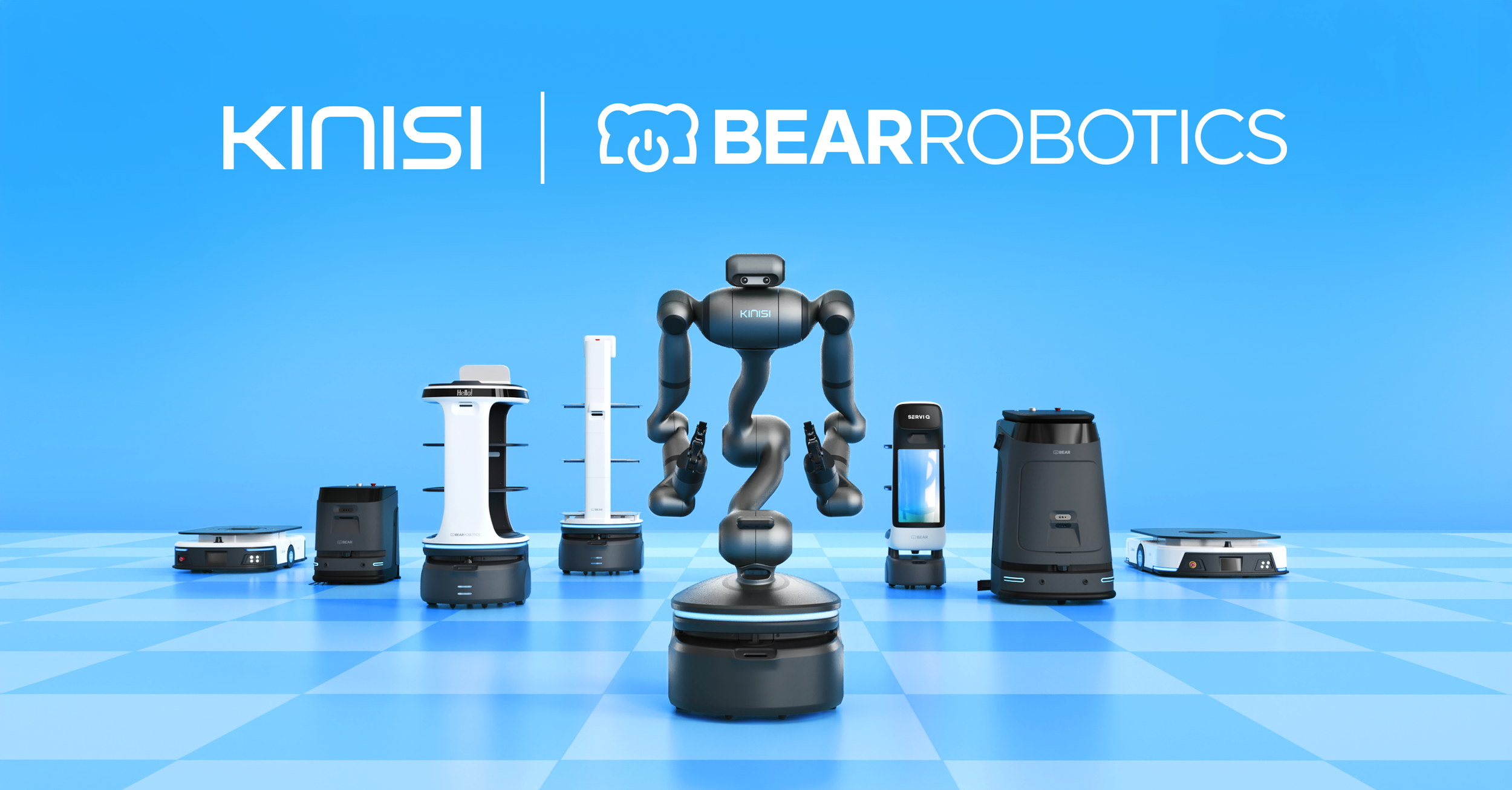
Sort 2026's physical-AI acquisitions by which side already had hardware deployed, and the humanoid is never the asset being paid up for. NEURA Robotics, Bear Robotics and Mobileye are converging on the same structure from opposite directions: buy the deployed fleet, treat the humanoid as the acquired add-on.