News and analysis on Asia's robotics industry from our research desk.
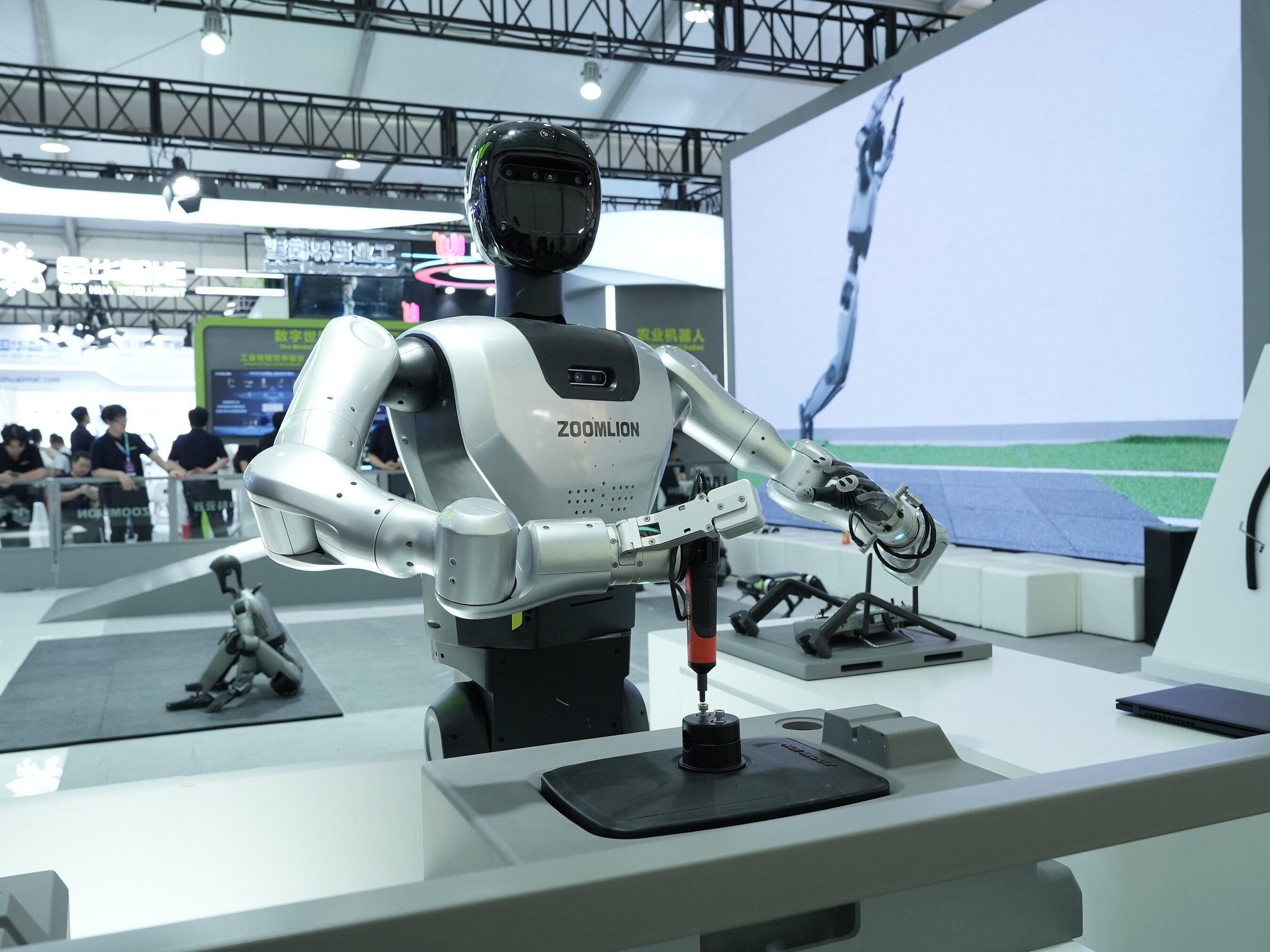
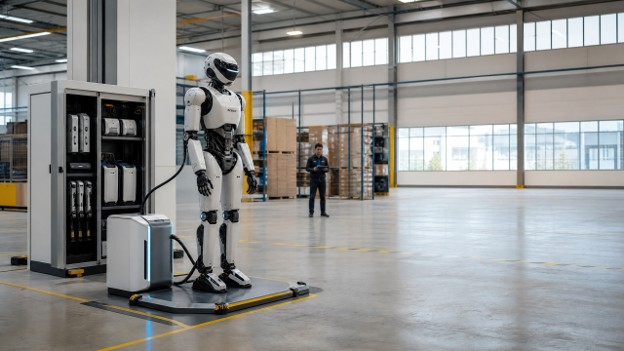
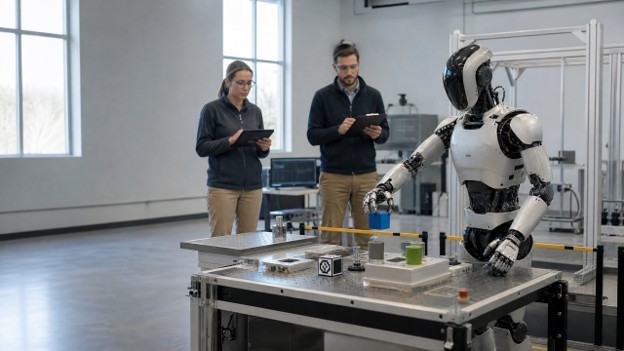
Construction-machinery group Zoomlion is showing a bipedal humanoid, a wheeled humanoid, two quadrupeds, its own joint modules, and an embodied-intelligence operating system called Robot Ops at the 2026 World Robot Conference in Beijing. The company says the robots have been validated in nearly 20 manufacturing scenarios in its own plants. The software-first approach sets it apart from other industrial incumbents entering humanoids, and leaves open whether Robot Ops is a platform others will adopt.
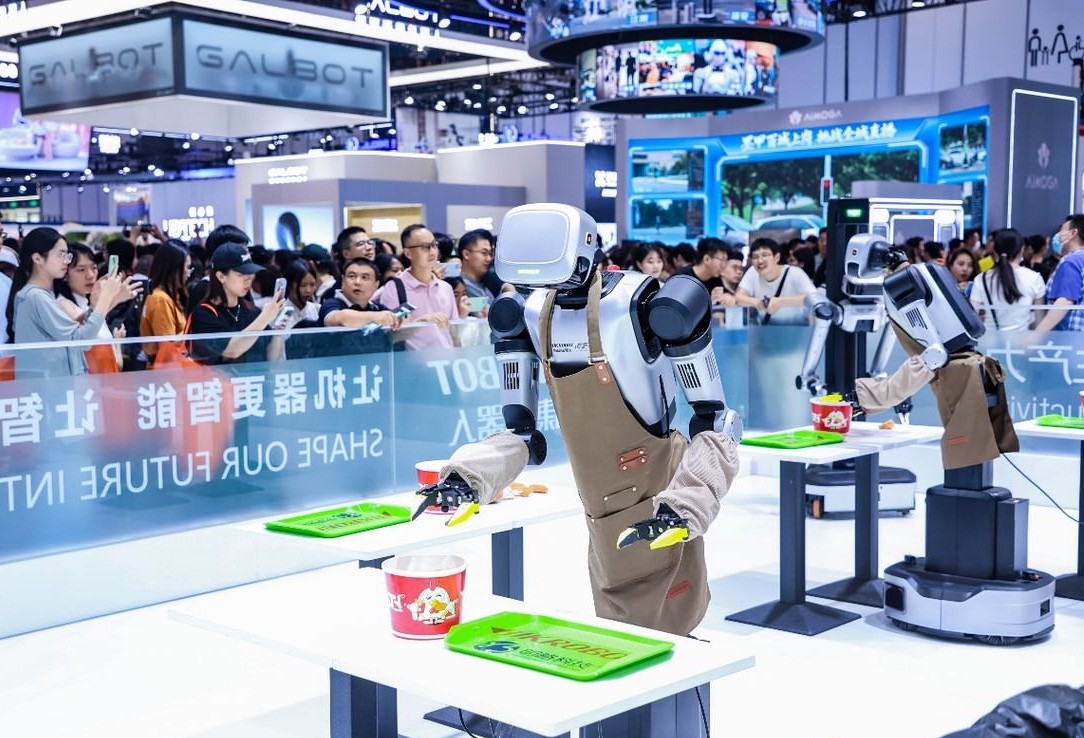
Enterprise AI firm Mininglamp Technology and Hikvision Robotics showcased autonomous service robots at the 2026 World Robot Conference, betting that fleet-coordination software, not hardware, will decide the next phase of commercial robotics.
Humanoid robotics headlines this month all quote big numbers, but shipped, deployed, and promised measure three different things. Untangled, they show real deployment is still small, and the manufacturing capacity build-out is landing in Korea, China, and the US, not Southeast Asia's electronics-assembly hubs.
xAI's Grok Bot, in early beta since August 11, is a software teammate on a persistent cloud computer with messaging, approvals, connectors, and learned routines. Read from a fleet operator's seat, it is the operating model physical robots will inherit: approval-gated autonomy, account-scoped state, and a lock-in that lives in learned routines rather than hardware. A column on why the control layer is being decided on laptops before the humanoids arrive.
Intel research finds that 60 percent of surveyed leaders expect robot fleets within five years, while only 40 percent have a formal human-robot workforce strategy. The gap is operational rather than technological.
A buyer-focused guide to the hidden costs of humanoid robots, from integration and training to maintenance, downtime, compliance, and upgrades, with a quote-normalised five-year TCO worksheet.
A practical buyer guide to humanoid-robot specifications, supplier questions, lead-time planning, safety and market-access checks, and the cost items that belong in a comparable quotation.
Gravis Robotics announced a US$200 million Series A from SoftBank to scale autonomous heavy machinery for construction, giving procurement teams a fresh test case for physical AI outside factories and warehouses.
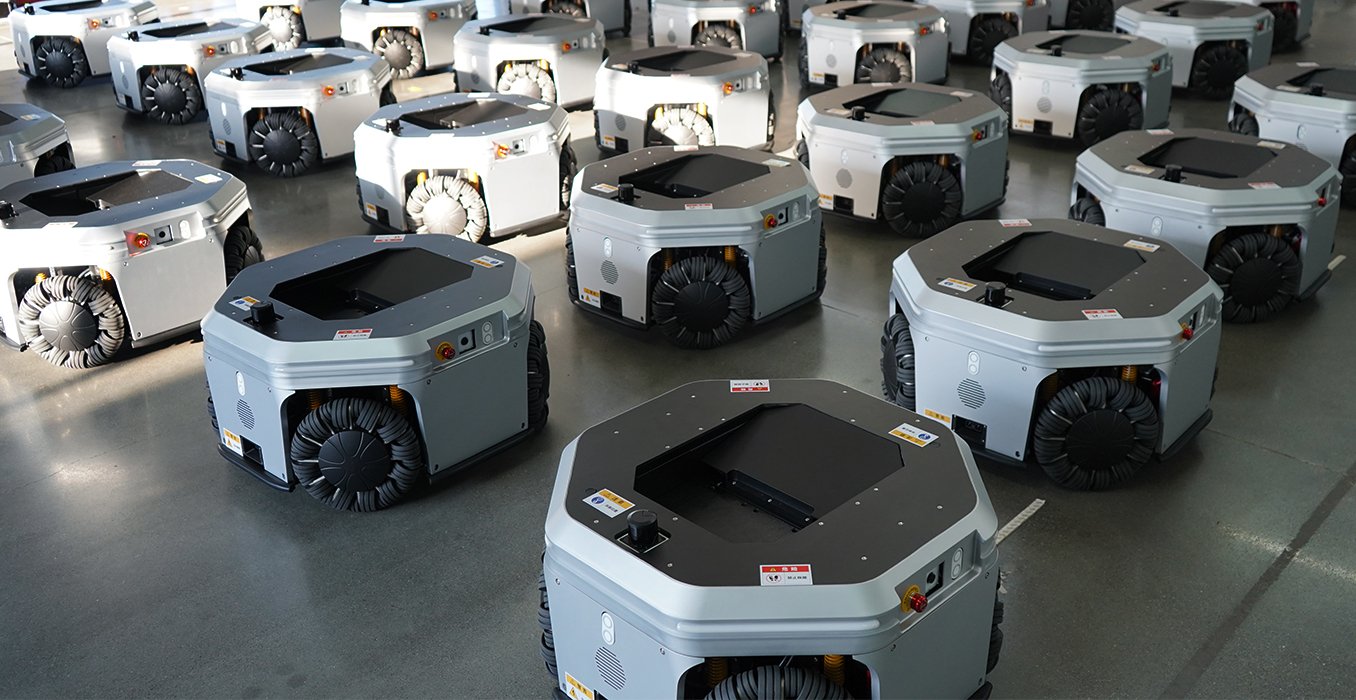
Guangdong Jiateng Robotics closed a tens-of-millions-of-yuan strategic round led by listed firm Holtek, with follow-on capital from industry funds, to scale omnidirectional chassis used under industrial robots and humanoids.
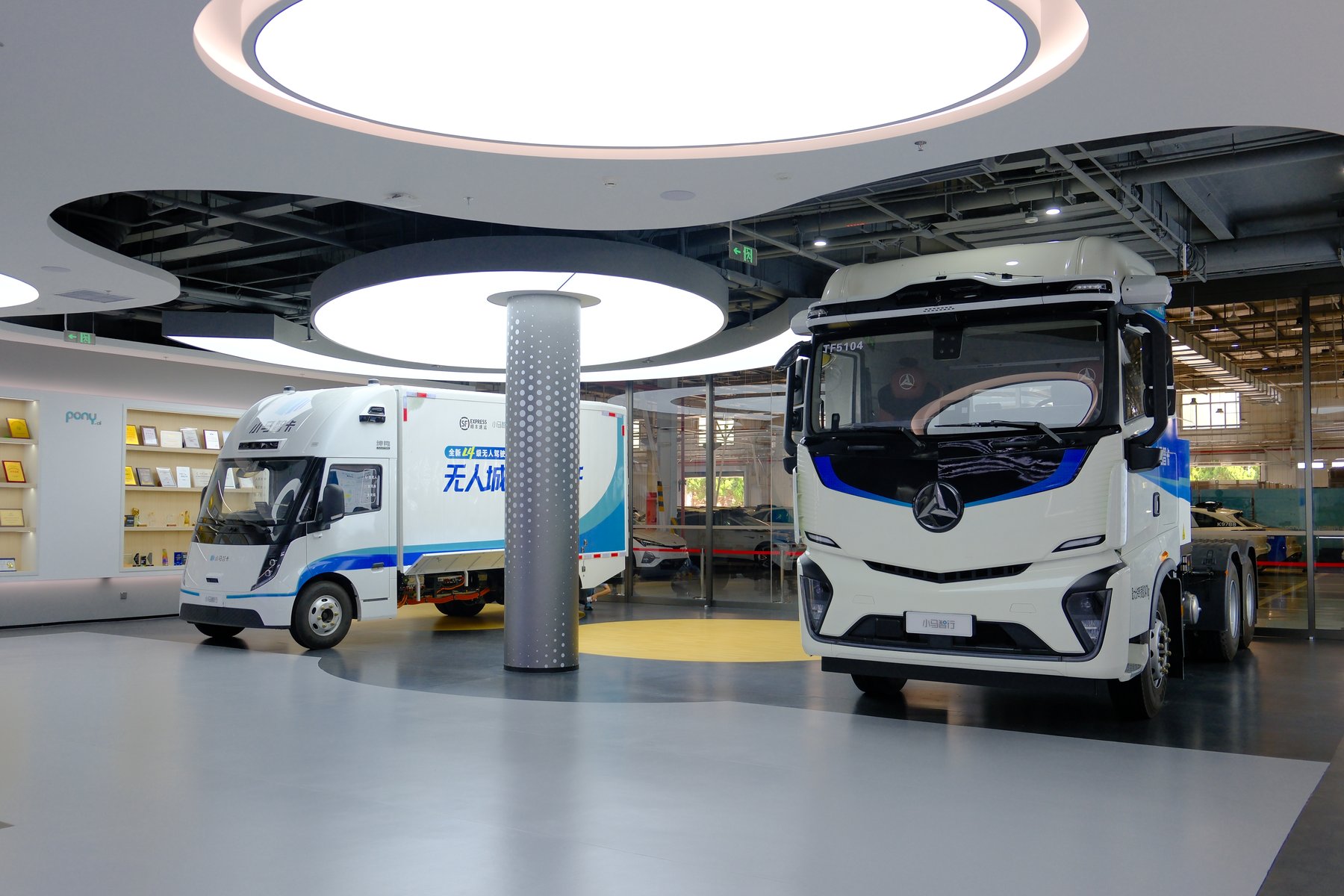
Pony AI reported second-quarter 2026 revenue of US$36.2 million, with robotaxi services up 691.2 percent to US$12.1 million, while net loss attributable to the company widened to US$59.8 million.
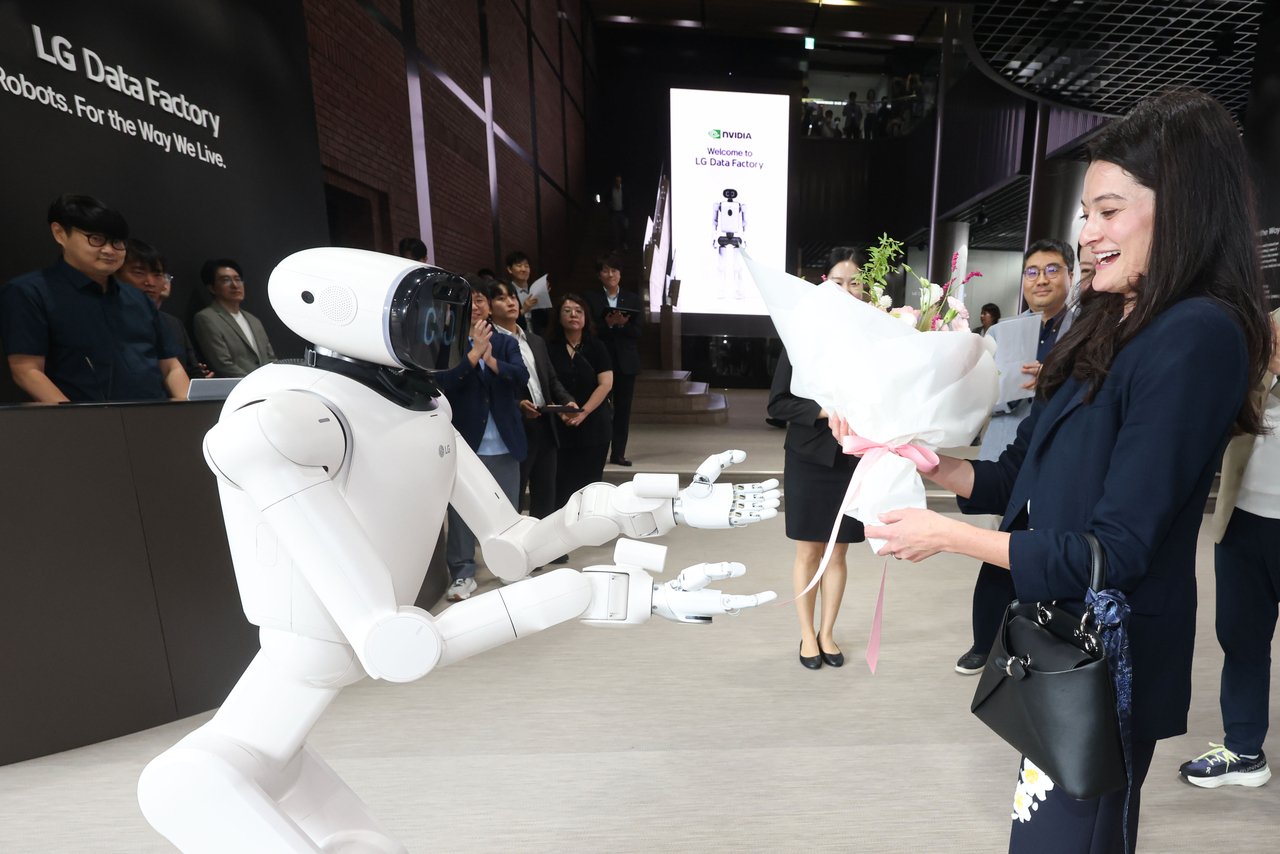
LG Electronics told NVIDIA executives in Seoul that its Yangjae data factory should produce 100,000 hours of robot training data by year end, pairing CLOiD robots with NVIDIA physical AI tools.
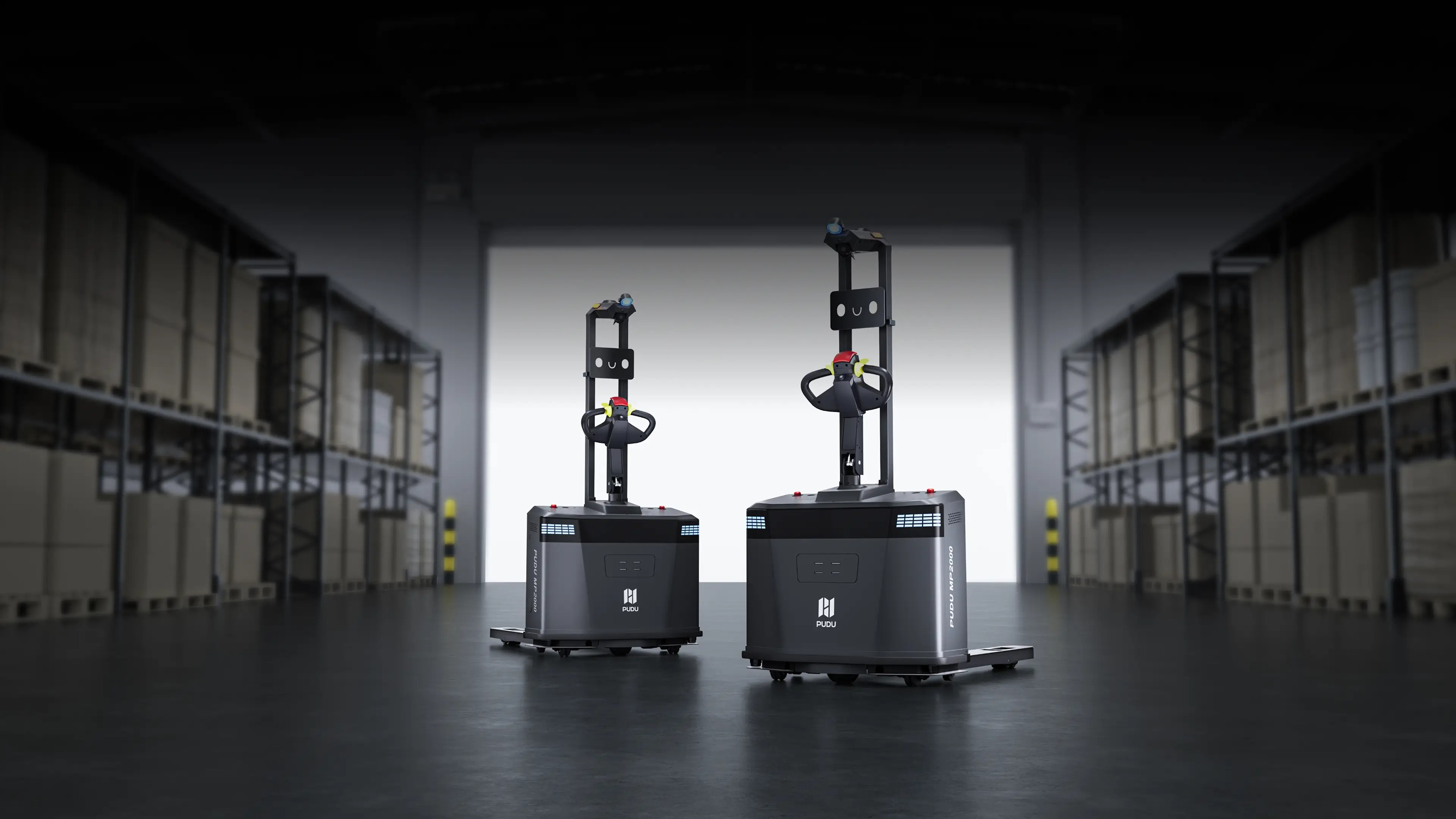
Pudu Robotics has launched the PUDU MP2000, an AI-native pallet-handling robot designed to move loads between floors in warehouses, logistics facilities, and factories. The company says the robot can carry loads of up to 2,000 kg, deploy quickly, recognize varied load carriers, and coordinate fleets even when external network connectivity is unavailable.