News and analysis on Asia's robotics industry from our research desk.
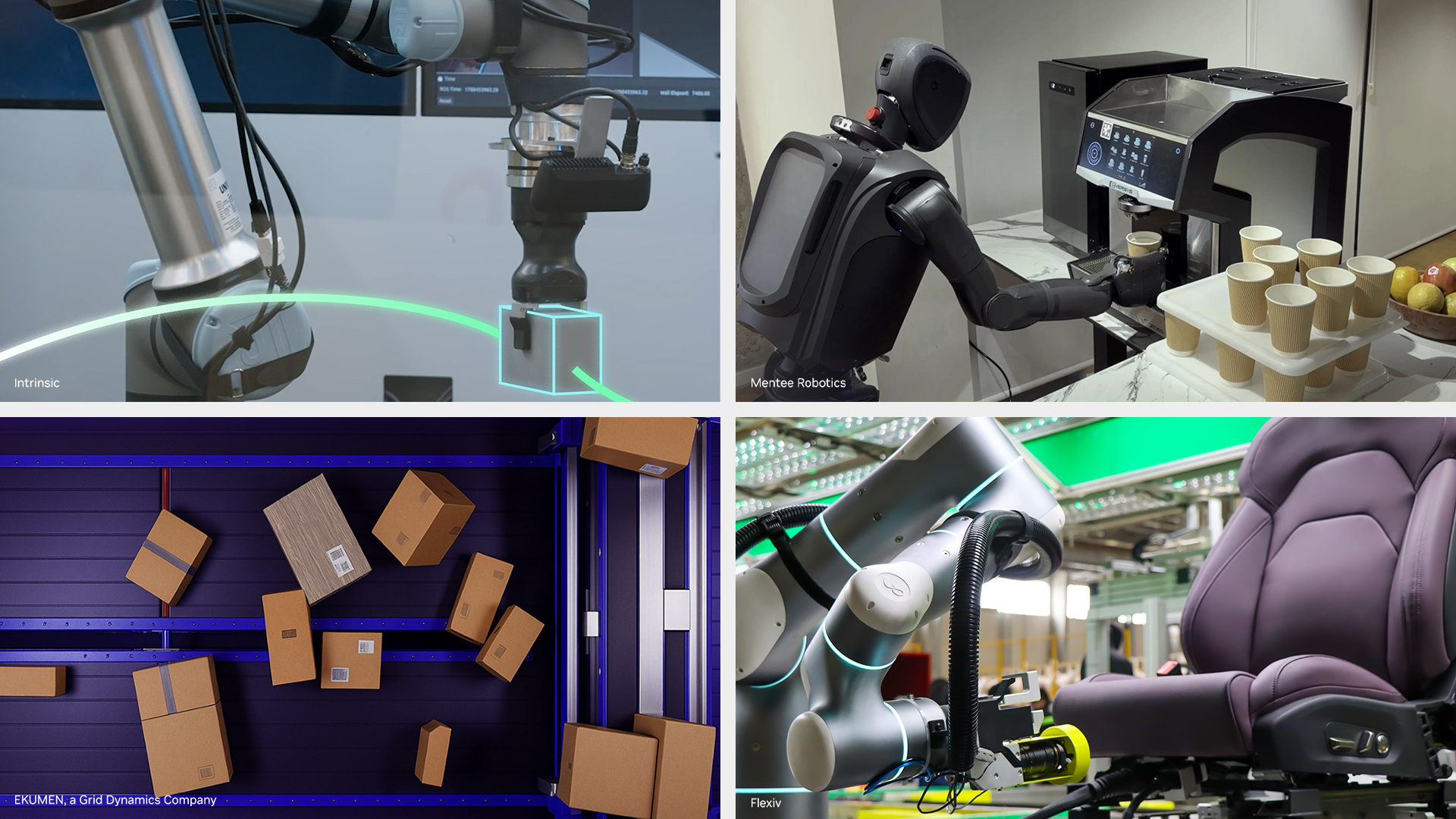
NVIDIA released Isaac ROS 5.0 with a FoundationPose library it says tracks object pose 5.5 times faster, alongside day-one integrations from fourteen companies spanning RealSense, Intrinsic, Magna, Universal Robots and ROBOTIS.
Samsung-backed Rainbow Robotics named E Tech Group as its Authorized Servicing System Integrator for US collaborative robots, giving its NSF-certified RB-N cobot line a domestic installation and warranty network in life sciences, food and beverage, and industrial accounts.
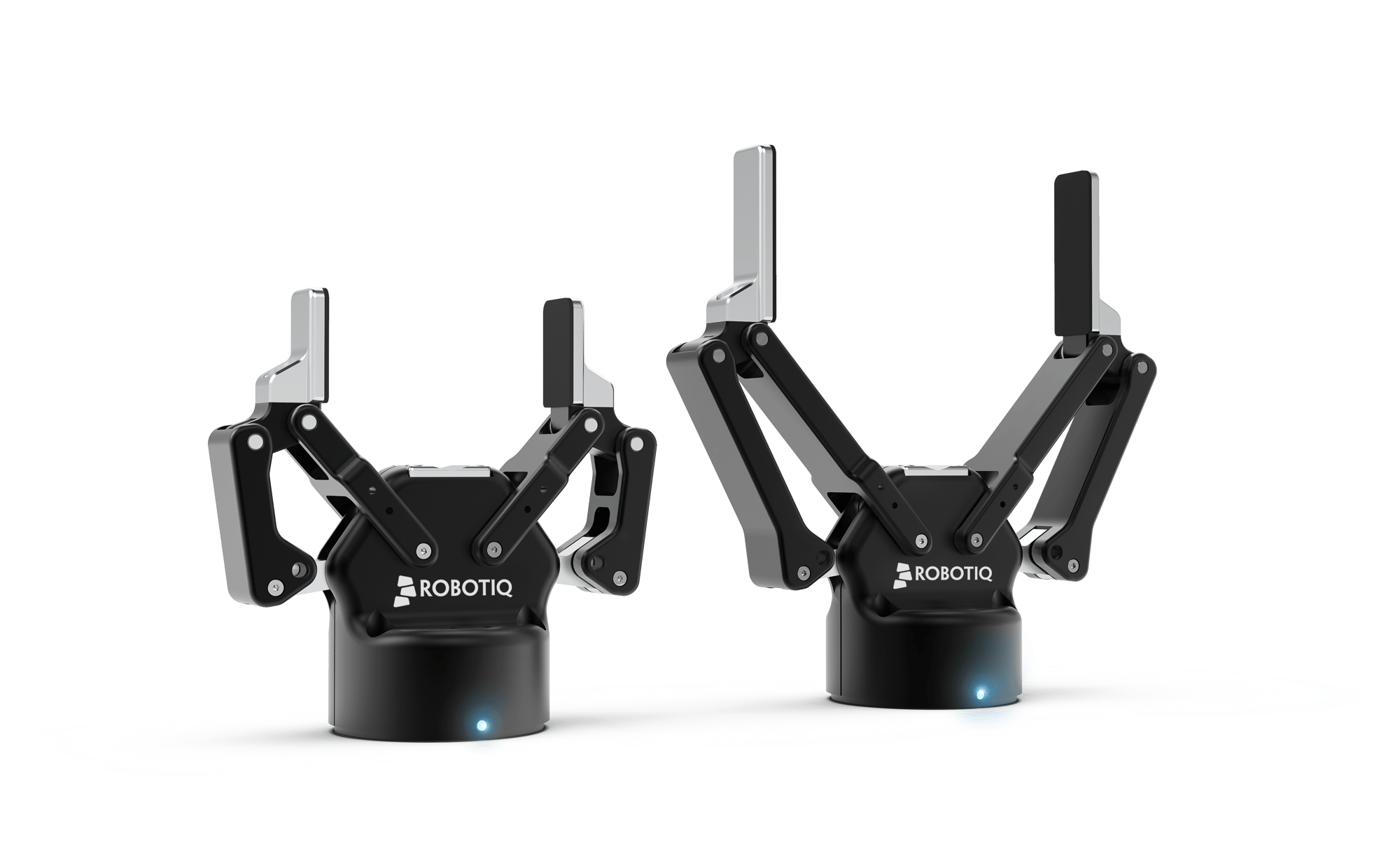
Robotiq released a C++ SDK, a company-maintained ROS 2 driver, and updated NVIDIA Isaac Sim assets with closed-loop kinematics, the first pieces of a Contact Core physical AI software layer with paid embedded-intelligence features due in Q4 2026.
RoboTechnik, the world's top silicon-photonics manufacturing-equipment supplier, launched a Hong Kong secondary listing targeting US$800 million to fund AI-infrastructure and solar-equipment expansion.
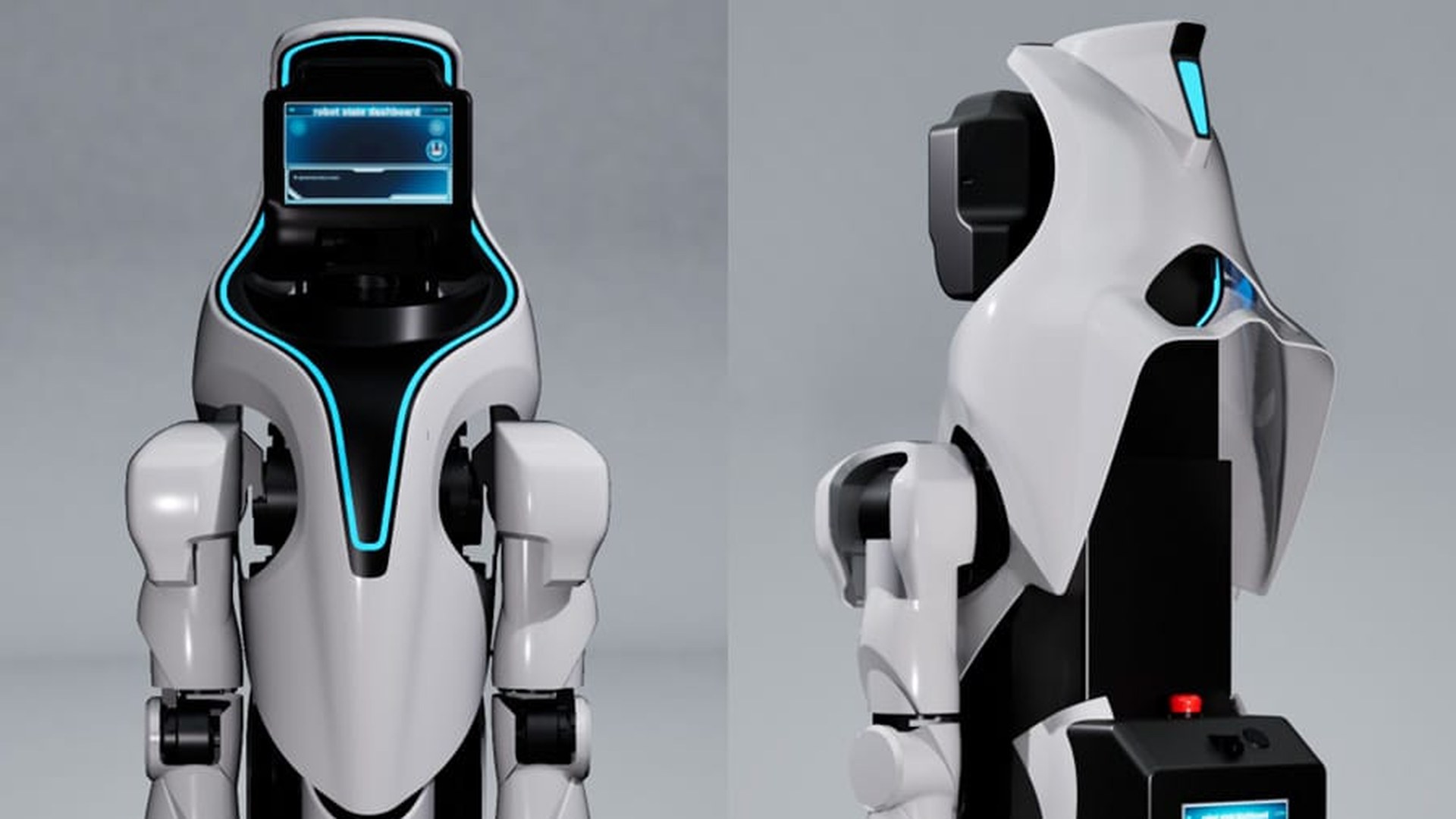
Toyota Motor will put 400,000 in-house ELEY humanoids into group plants as aging lines are rebuilt, pairing 50 kilogram wheeled robots with workers instead of buying a biped fleet.
Beijing-based ShengShu Technology unveiled Motus2, a self-evolving world model that lets robots predict and grade their own actions, reaching 84 percent success across five manipulation tasks.
Universal Robots and Yaskawa launched competing cobot platforms the same week: one wrapped entirely in "physical AI" branding, the other never using the word AI at all, revealing how selectively the industry's hottest term actually gets applied.
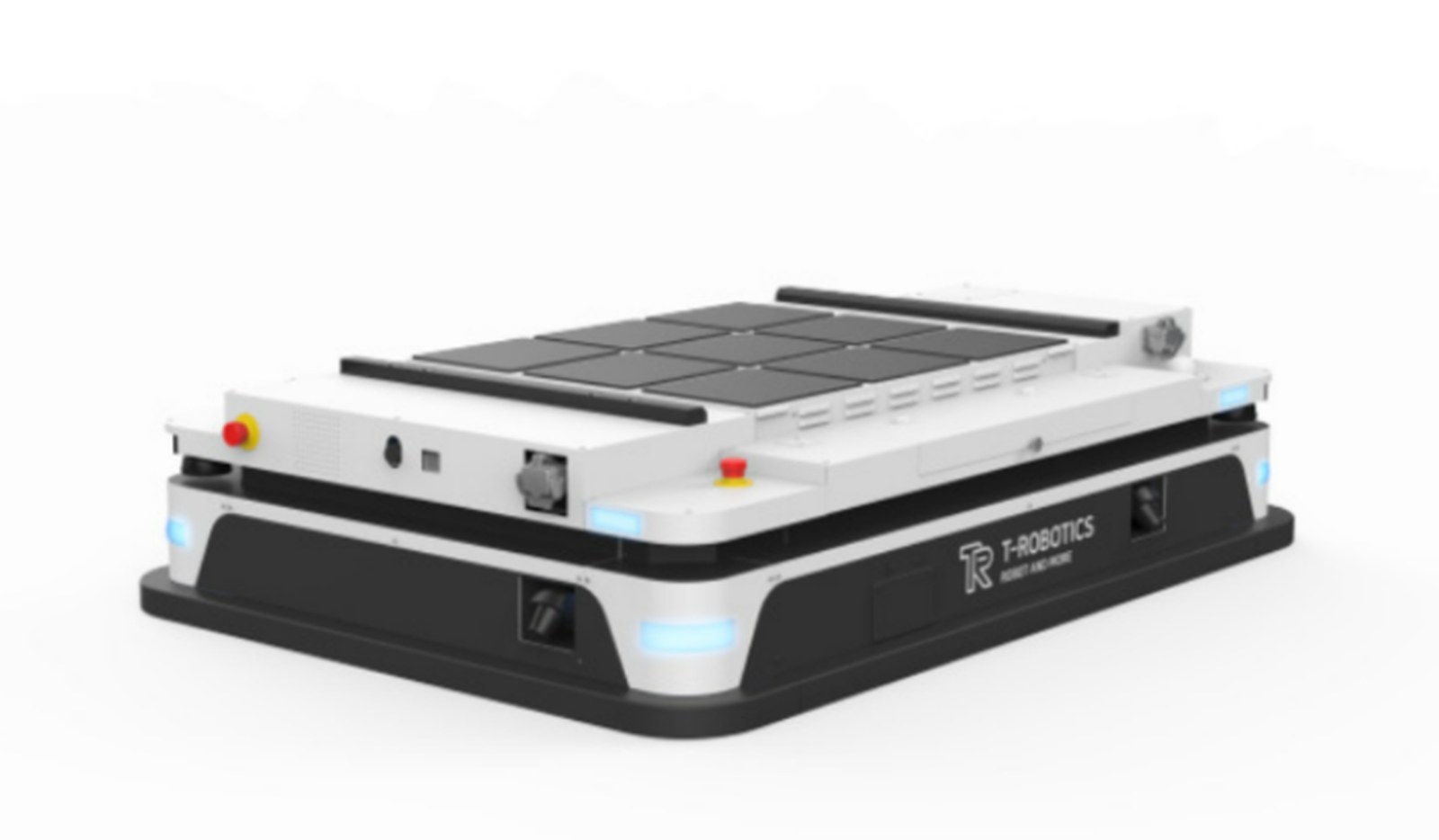
New foreign mobile robots need US manufacture plus 65 percent domestic content, or Department of War approval, before they can be sold. That rule now decides which Korean, Japanese, and European fleets a US plant can actually receive.
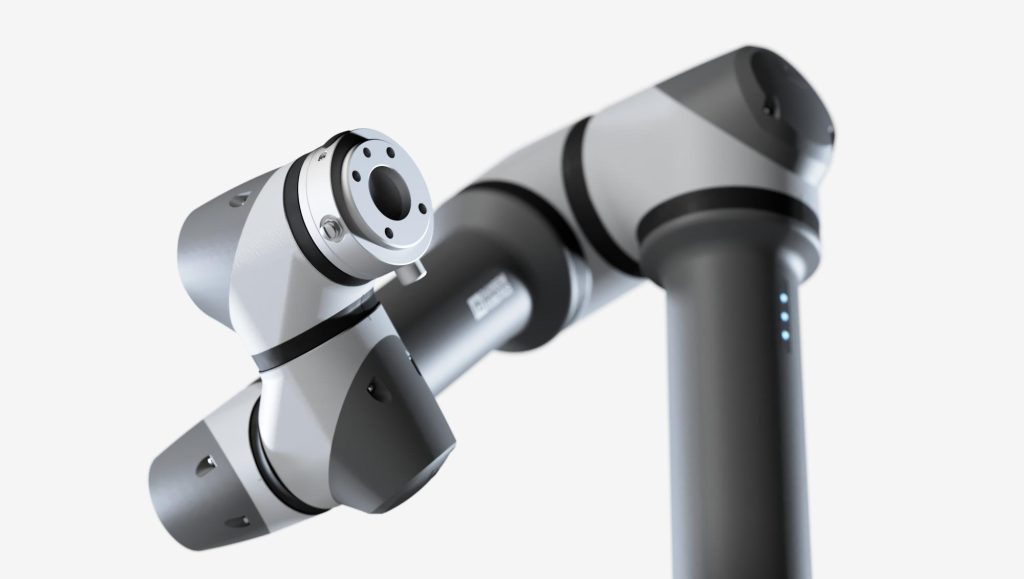
Universal Robots launched Gen 7, a ground-up redesign of its cobot controller, teach pendant and AI-ready sensing interface, alongside three new g-Series arms.
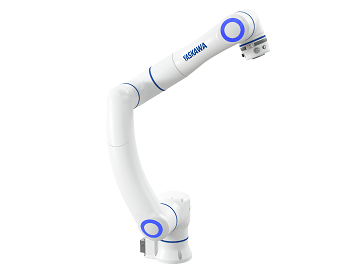
Yaskawa launched the MOTOMAN-HC12 collaborative robot, cutting arm diameter nearly 40 percent and adding torque sensing and built-in Cat6A cabling for tight-clearance cells.
FANUC's new CRX Structural Column Welding System lets one operator run four collaborative robots to weld structural steel columns on construction sites, targeting the labor shortage that has made skilled welders scarce and expensive.
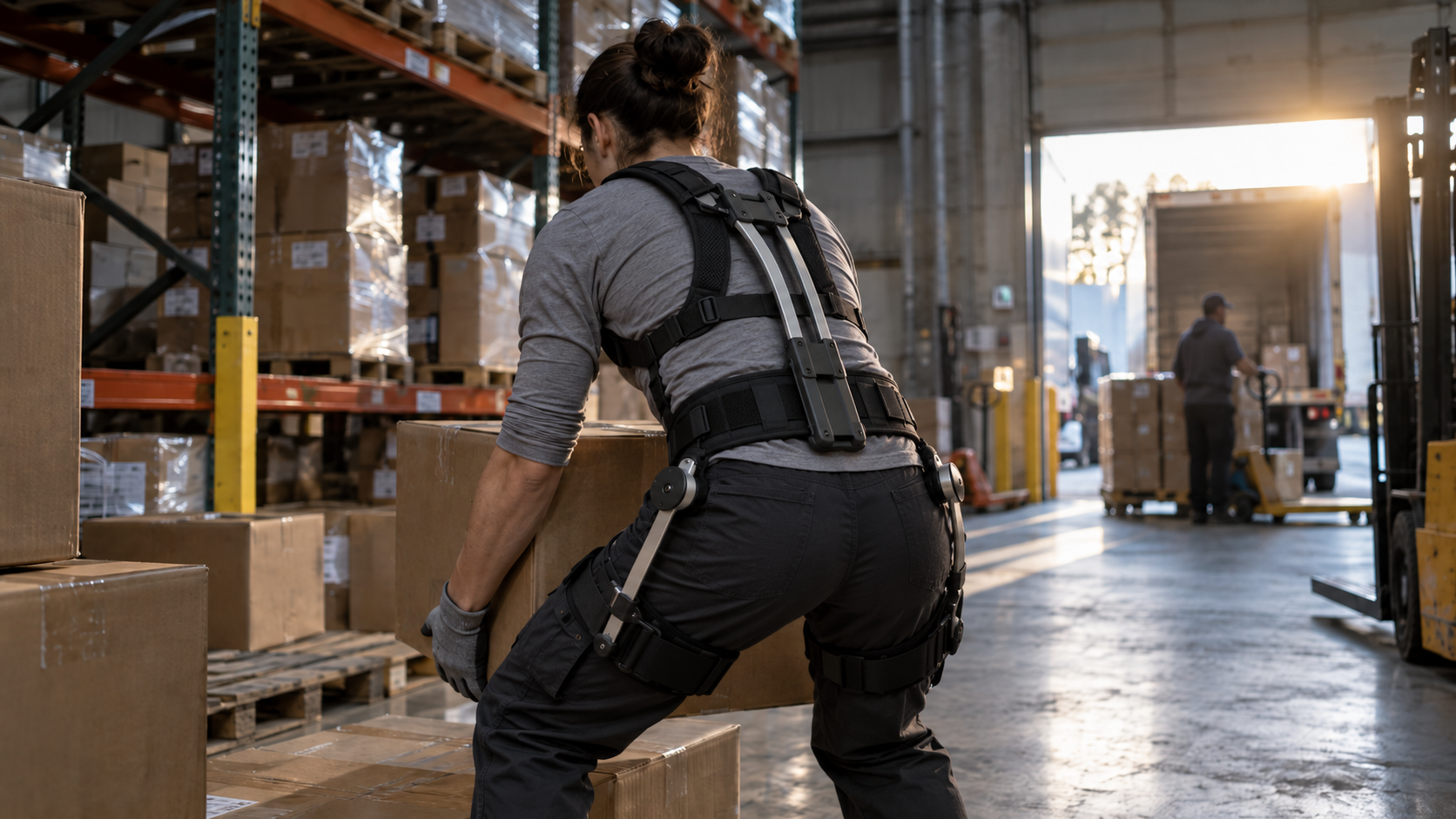
The industry says the blockers are battery life and weight. A peer-reviewed study of occupational exoskeletons found setup takes 39 to 110 steps and up to 25 minutes, failing nearly half the time. Passive exoskeletons have no battery at all. They have not reached mass adoption either. The power source is not the constraint.