News and analysis on Asia's robotics industry from our research desk.
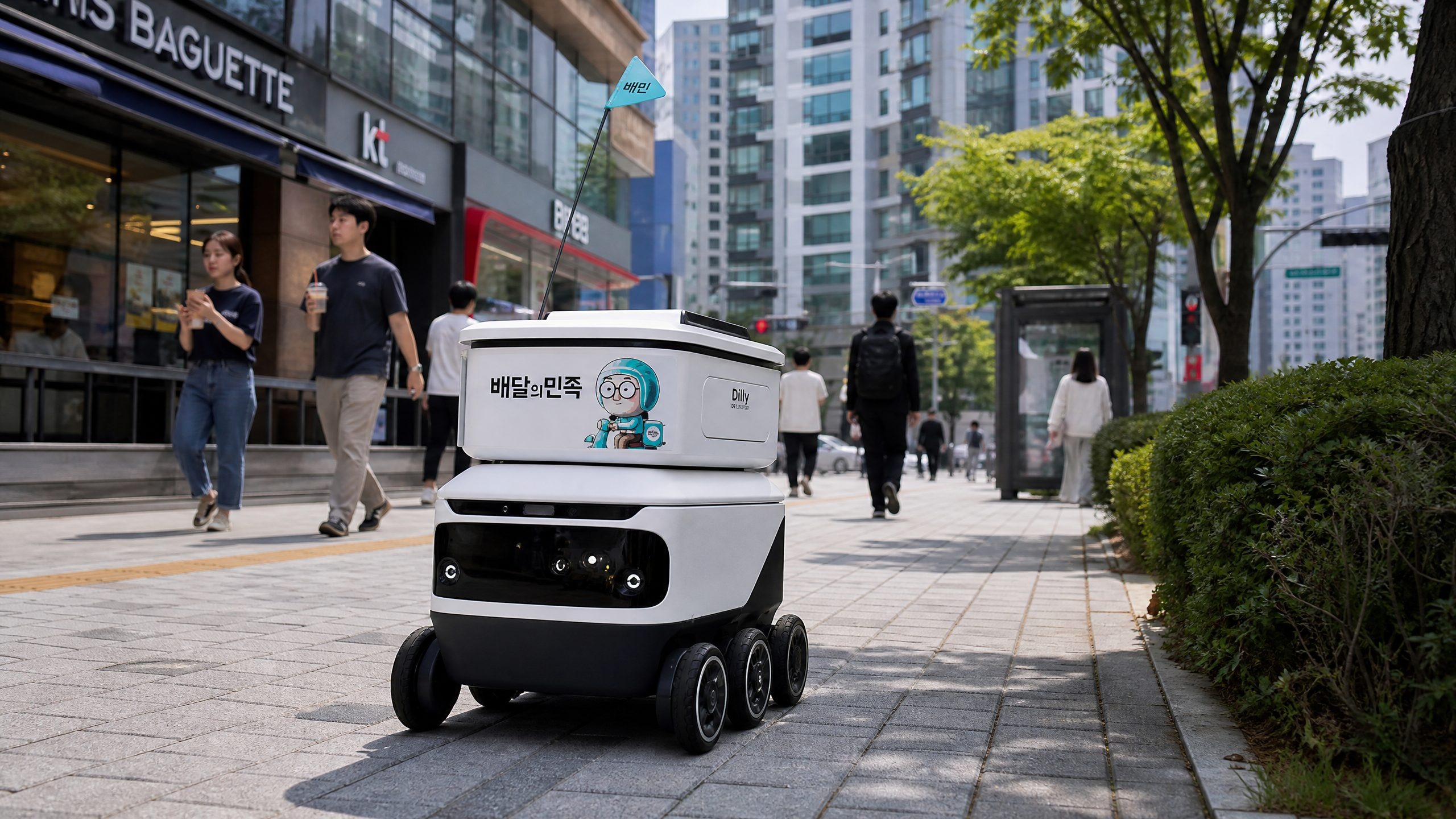
Woowa Brothers has deployed the Dilly X3-R 1.4 delivery robot in Seoul's Gangnam district, featuring an expanded polypropylene foam body that cuts weight below the 15 kg legal threshold for the faster speed class, enabling a 50% speed increase and a 240% year-on-year demand surge. The deployment comes as Baemin's parent Delivery Hero faces acquisition by Uber.
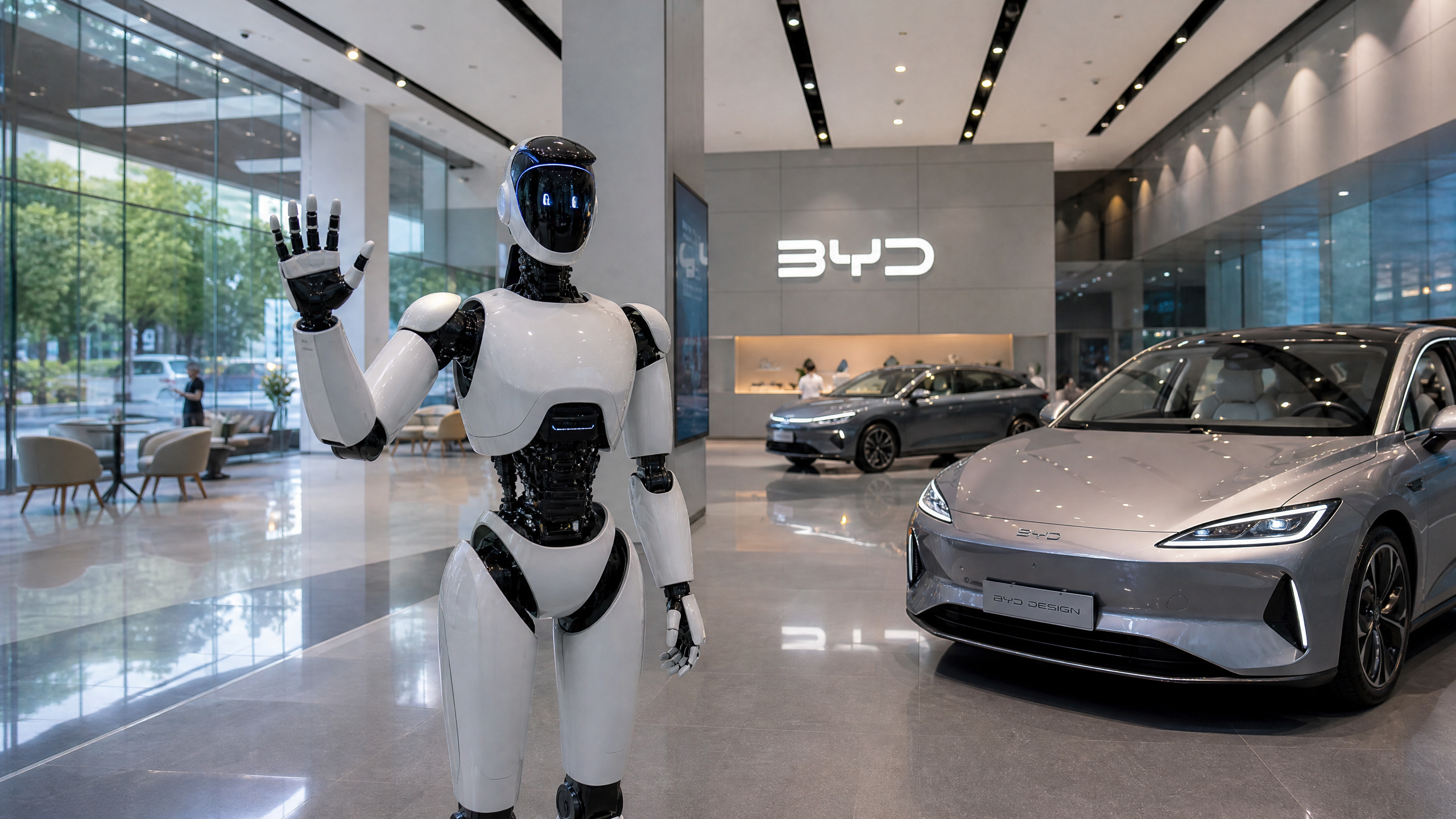
BYD, China's largest electric vehicle manufacturer, will unveil its first humanoid robot at its Di Space experience centres in Zhengzhou this month. The robot is reportedly called Xiao Di, stands 1.61 metres tall, weighs 58.5 kg, and can translate between six Chinese dialects and six foreign languages in real time. The debut comes as BYD's car business faces pressure from China's EV price war, with first-half sales down approximately 16%.
Morphi, a Shenzhen humanoid robotics startup founded in August 2025, disclosed on July 29 that it has closed an angel-round series exceeding RMB 1 billion (US$140 million) at a post-money valuation above RMB 7 billion (US$980 million). Alibaba and Tencent co-led the round, a rare joint appearance by China's two largest internet groups at the angel stage. Nine additional institutions participated, including Legend Capital, Source Code Capital, and Gaorong Capital. The company is led by ex-Huawei executives, with its CTO drawn from Huawei's autonomous driving AI leadership. It is the largest publicly disclosed first-round financing in China's embodied intelligence sector.
Naver shares jumped more than 10 percent after disclosing Nvidia will take 7.2 million new shares at KRW 204,500, a 4.5 percent stake making it a top-three shareholder. Brookfield adds up to US$9 billion as capital partner for the GAK Sejong expansion to 200 MW by 2028 on Vera Rubin and Blackwell platforms. Framed as vendor financing with equity upside and the clearest receipt yet of the sovereign-AI buildout. Robotics angle: Naver Labs’ 1784 robotics program and the AI-factory substrate for physical AI.
July 2026 exposed the missing line item in robot cost models: the negotiated human layer. Hyundai's wage reform talks, a paused 57,590 dollar school robot pilot in New York, Washington state's bounded delivery permits, and a Texas shipyard promising 10,000 jobs around its robots all show deployment economics being decided by labor contracts, permits, and community approval rather than sticker prices. Unit costs kept falling in July while the cost of permission kept rising, and the second curve is now the one buyers need to model.
DirectBooking Technology and DeepYou have announced a joint venture to build an AI-native travel platform. Despite ambitious targets for "robotic staff," the announcement lacks hardware details, capital commitments, or deployment evidence, raising questions about the gap between corporate strategy and physical robotics reality.
Robot as a Service is changing robotics from a hardware purchase into a recurring operating contract. Current deployments show that the monthly fee is only one part of the economics, alongside maintenance, local service, software, regulatory permission, uptime, and the remaining human work around a machine. The strongest RaaS offerings will be those that can price and operate this full risk stack without relying on unrealistic labor replacement claims.
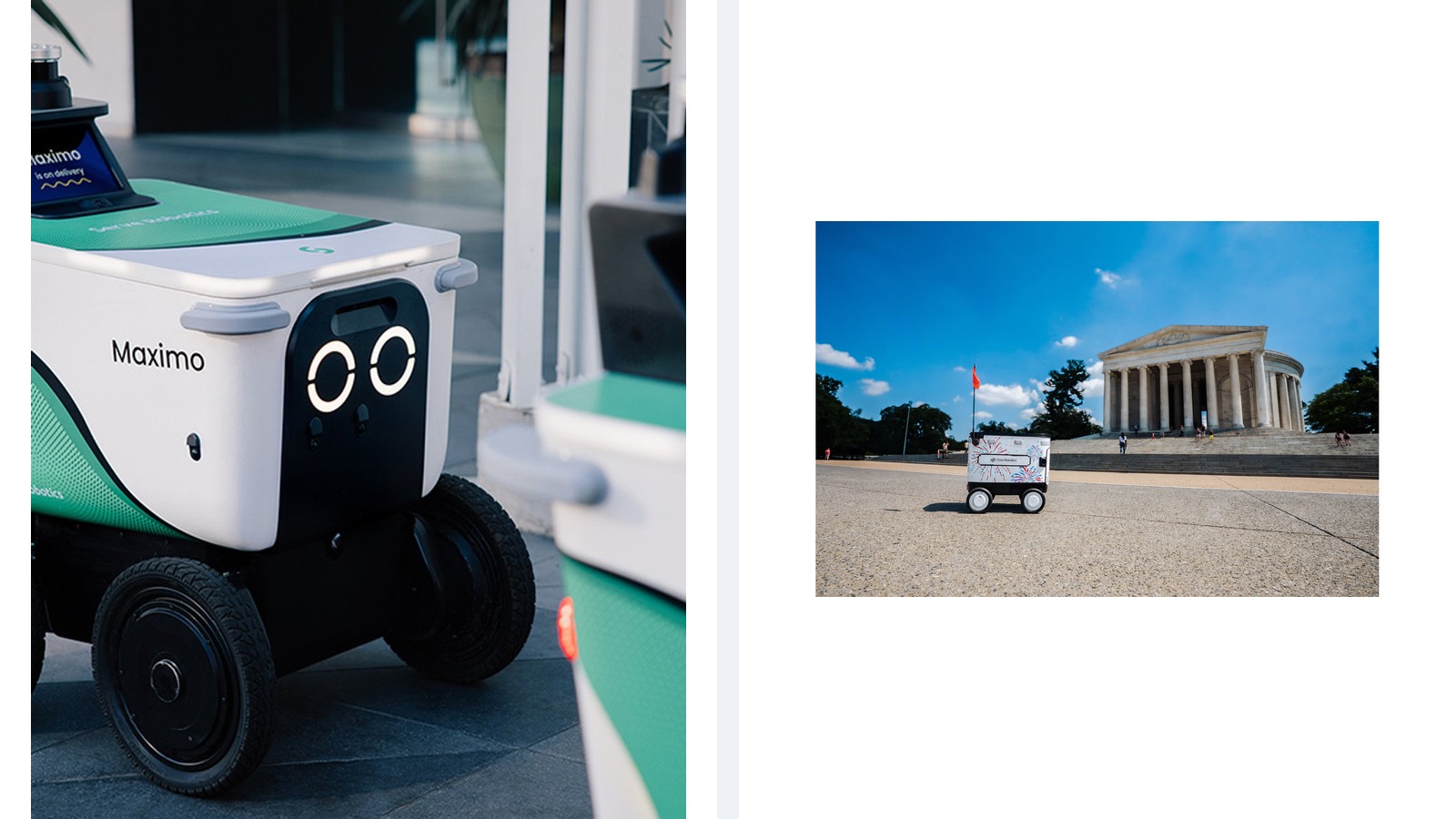
The District Department of Transportation has issued permits to Serve Robotics and Coco Robotics for sidewalk delivery operations, imposing strict fleet limits and operational zones to manage public space integration.
Boston Dynamics is piloting a new conveyor-belt accessory for its quadruped robot Spot that lets it carry packages from a delivery van and drop them at doorsteps, aiming to reduce the physical strain on human delivery drivers.
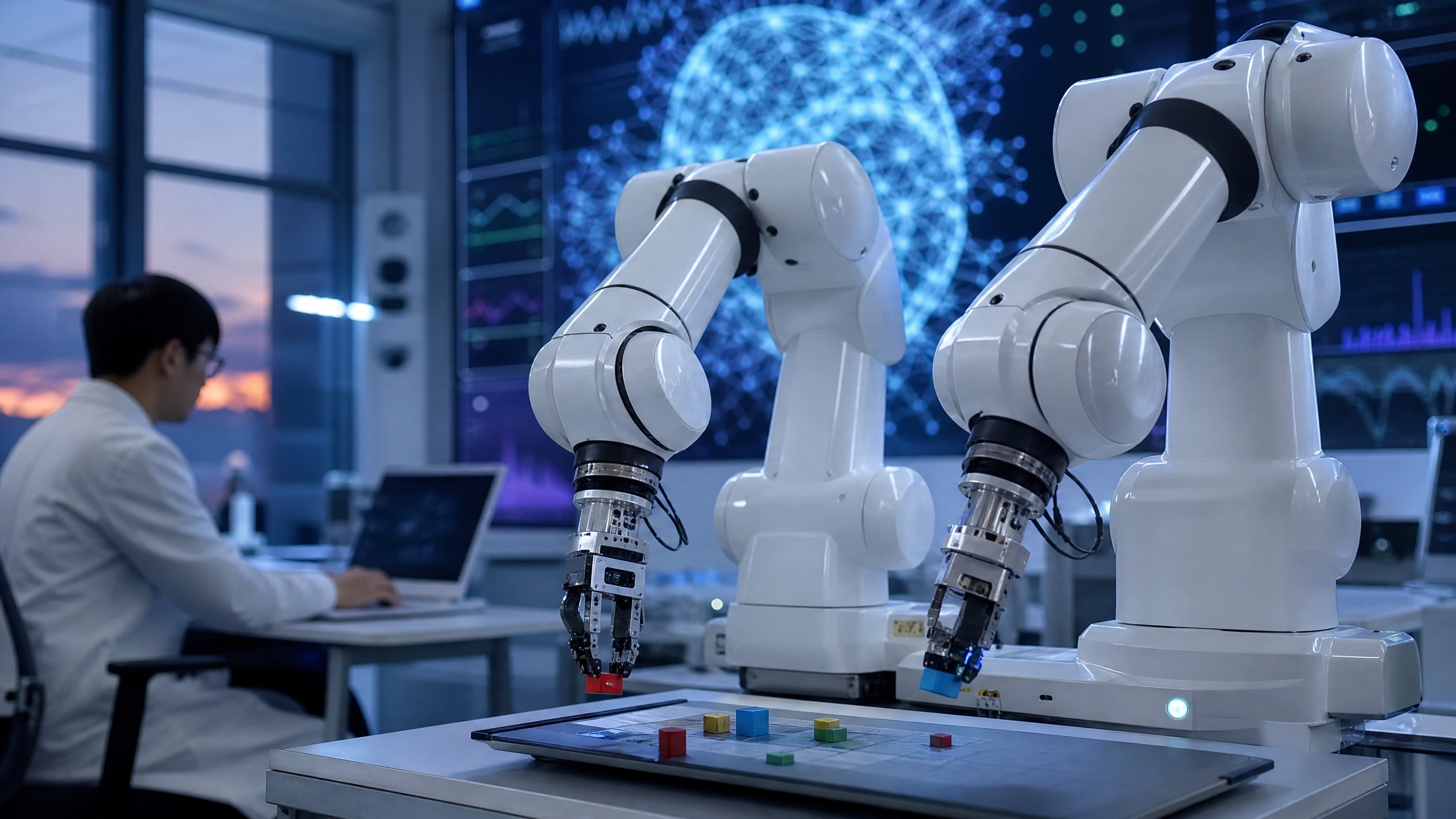
Dexmal has launched DM0.5, a 4-billion-parameter embodied foundation model that improves zero-shot robot navigation by 31 percent and cuts fine-tuning costs by 60 percent. The release targets the software bottleneck holding back robot deployment in dynamic commercial spaces.
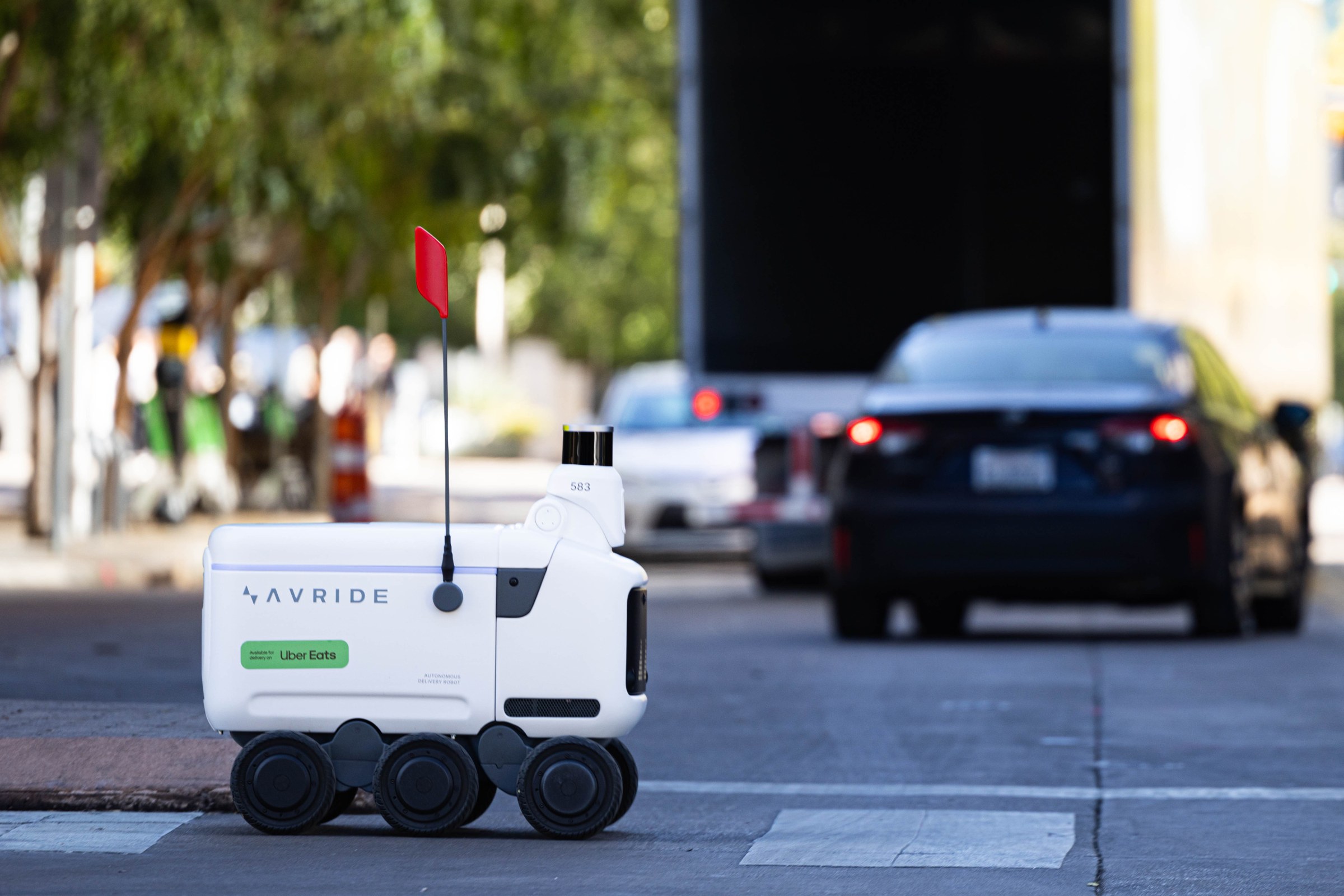
Delivery robot operator Avride has integrated cloud based vision language models into its live operations, creating an automated early warning system that flags complex edge cases for remote human assistants without adding latency to the robot's onboard driving stack.
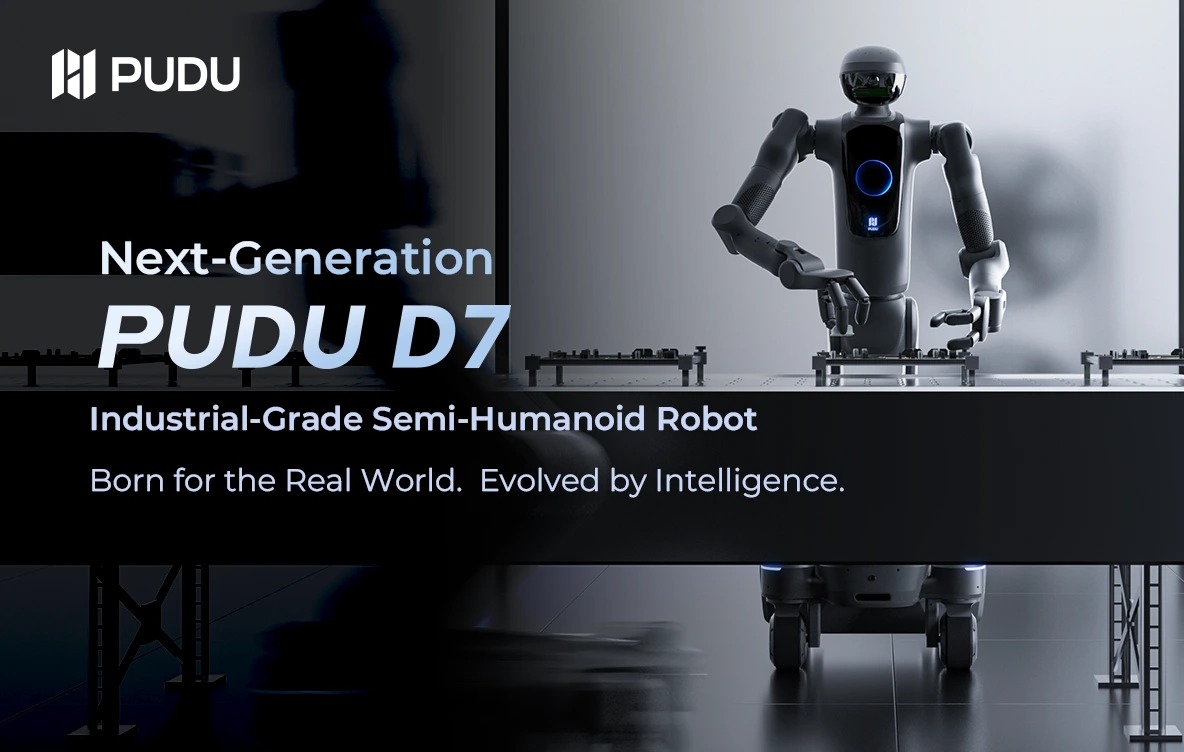
A ten year old commercial robotics company from Shenzhen has turned one of Europe's most famous alpine towns into a living laboratory for physical AI. Pudu Robotics deployed a coordinated fleet of service robots across multiple public venues in Davos, Switzerland, during the Davos Tech Summit 2026. The company is building what it calls "Robot City," a full stack system combining proprietary foundation models, multi scenario hardware, and cloud based fleet management designed to integrate robots seamlessly into human public spaces. This article explains what physical AI fleets are, why they represent the next major leap in commercial automation, how Pudu's approach differs from global competitors like SoftBank Robotics, and what this European deployment signals for the broader embodied AI ecosystem.