News and analysis on Asia's robotics industry from our research desk.
The International Federation of Robotics puts Asia-Pacific at almost 84 percent of intralogistics mobile robot origin. Interact Analysis puts China at 36 percent of mobile robot revenue, falling towards 27 percent by 2030. Both figures are defensible, and the gap between them is not a measurement error but the shape of the industry. Post 6 of our AMR and AGV series introduces the ARPI Production Leadership Layer Model, a five-layer decomposition of the value chain showing that leadership migrates down the stack: Chinese dominance is decisive at vehicle assembly, contested at safety certification and precision components beneath, and weakest at autonomy compute and systems integration above. With China now a net exporter of industrial robots, a pending Section 232 determination, and a rare earth control suspension expiring 10 November 2026, the analysis converts manufacturing geography into five distinct procurement risk types and the supplier questions that surface each one.
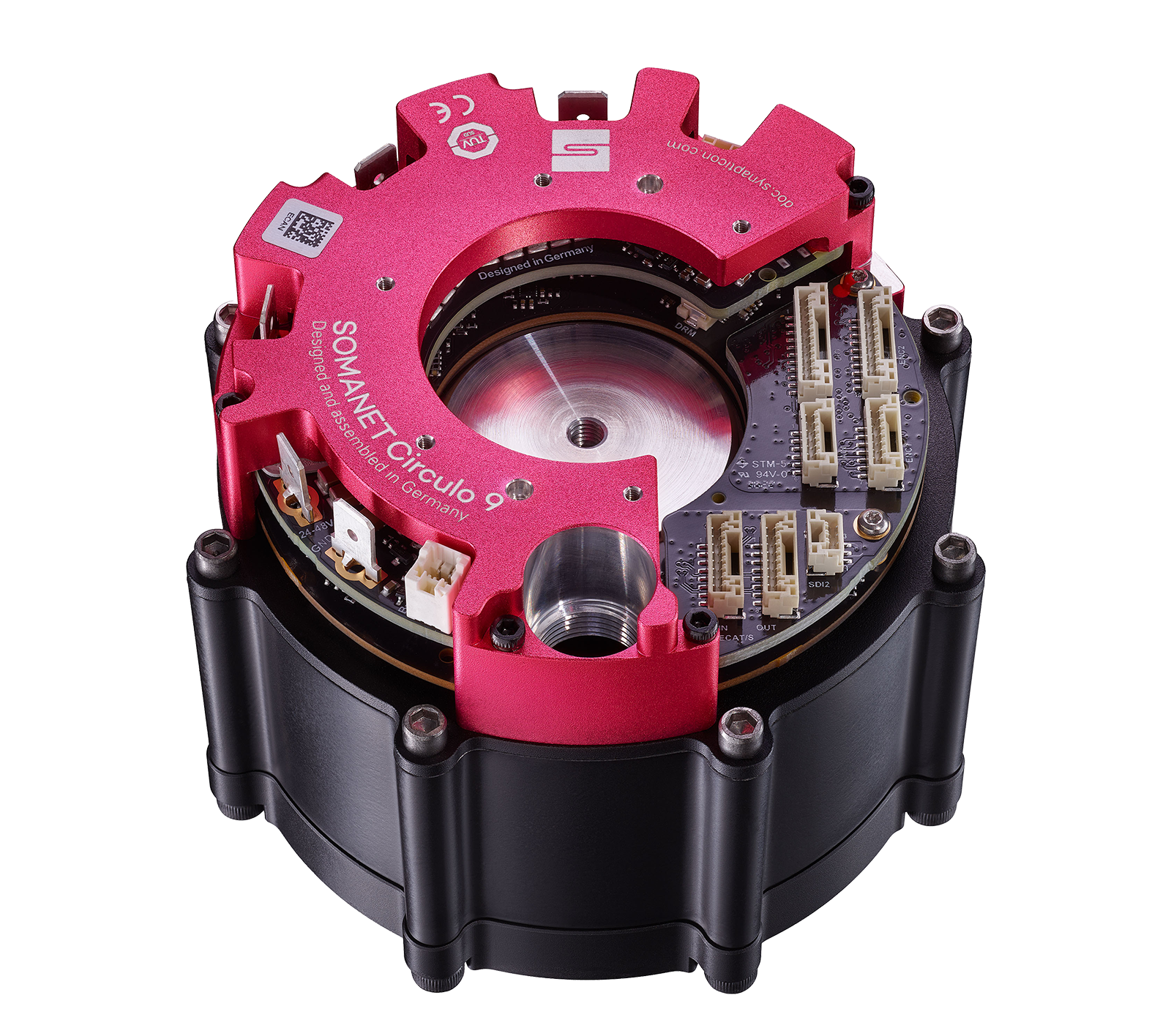
Germany's Stabilus and drive-technology specialist Synapticon announced a strategic partnership on July 29 to jointly mass-produce integrated actuators for humanoid robot joints. Small-series production begins at Stabilus plants in Europe in 2027. Large-scale output follows in North America from 2028, close to the leading humanoid makers. Actuators account for roughly half of a humanoid's material value, and Europe's automotive industrial base is now moving to claim that layer.
A teaser poster published on July 25 by the WeChat account of BYD's Di Space experience venue in Zhengzhou shows a humanoid robot silhouette and promises a debut in early August. BYD has not confirmed details, but the signal fits a documented buildup: a dedicated embodied AI team under its 15th Business Division since late 2024, executive vice president Stella Li's stated goal of putting two or three robots in every BYD store, and a planned open robot platform. The world's largest EV maker appears weeks from showing its first humanoid.
In a single day, AgiBot hired three banks for a Hong Kong IPO, Horizon Robotics borrowed US$450 million at zero interest, PsiBot became China’s 22nd embodied AI unicorn of the year on a carmaker’s money, and Washington voted to bar the Pentagon from Chinese humanoids. Read together, these are not four stories but one: the smart money in China’s robot boom has repositioned from funding deployment proof to engineering exits. This analysis traces the capital cycle from venture rounds through strategic money to public listings, examines what the rush to price the sector says about its operating reality, and identifies the signals that will mark the exit window’s closing.
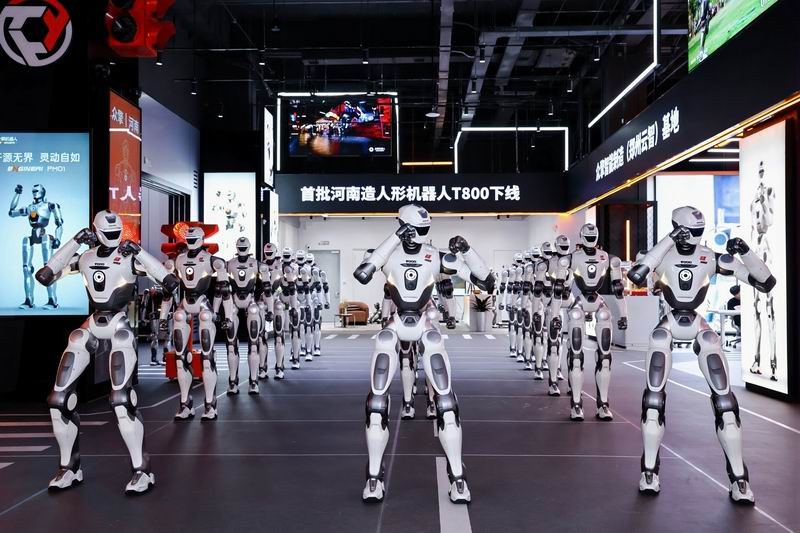
At 11:00 a.m. on July 24, the first Henan-made T800 humanoid robots rolled off EngineAI's new line in Zhengzhou High-Tech Zone, a facility that went from empty floor to functioning production in roughly two months with Henan state capital behind it. The 1.73-meter T800 targets traffic management, commercial service, industrial manufacturing, and education. The line-off makes Henan, an inland province better known for wheat and iPhones, home to three humanoid production lines assembled in under a year, and it showcases a new industrial playbook: recruit the robot brand first, then pull the supply chain inland to meet it.
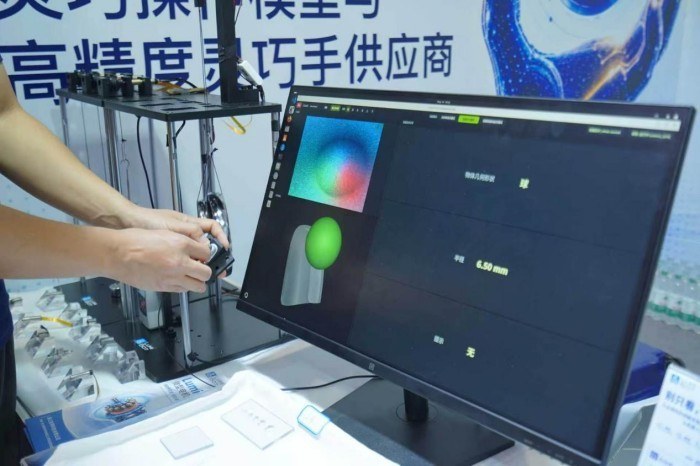
Shiyue Technology, a Hangzhou dexterous-hand startup founded just five months ago, has raised nearly CN¥100 million (about US$14 million) in angel funding co-led by ZWC Partners and Twenty Venture. The company is unusual in a crowded segment for having revenue before its Series A: its Lumi-Dex hands are already shipping, with claims of 5,000-hour continuous operation and full-palm tactile sensing at a cost-controlled price point. In a market where dexterous hands are widely seen as the bottleneck between humanoid demos and productive work, Shiyue’s operating-hours-first positioning is a bet that reliability, not anatomical fidelity, decides which suppliers survive the coming consolidation.
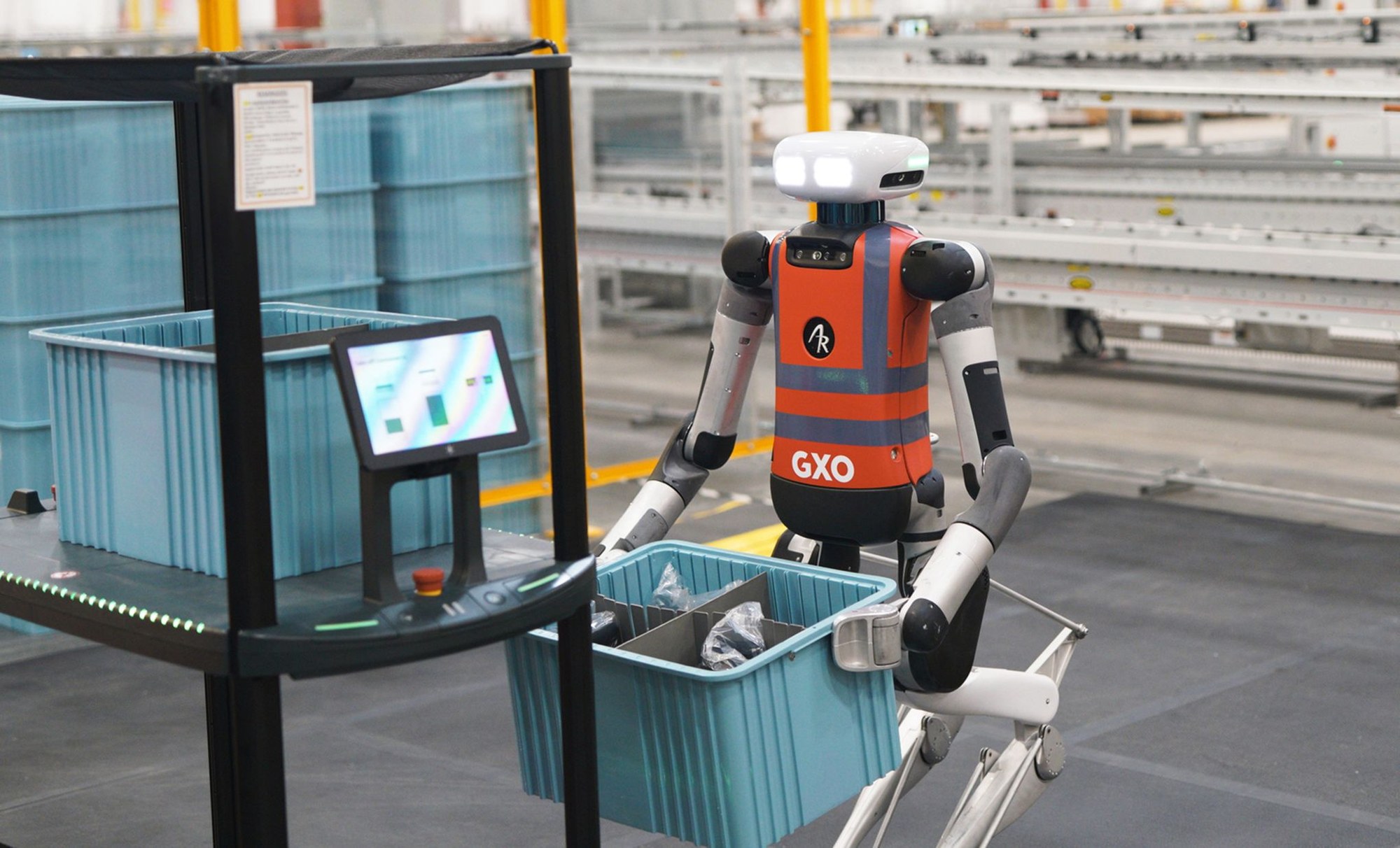
Agility Robotics has appointed Michael Beer, a former Wall Street robotics analyst and Piper Sandler banker, as chief financial officer, the clearest signal yet that its merger with Churchill Capital Corp XI is moving toward completion. The listing would make Agility the first publicly traded American humanoid robot maker, and the coming Form S-4 will give the market its first audited look at humanoid economics: what the robots cost, what they earn, and whether robots-as-a-service revenue from customers like GXO and Schaeffler can anchor a public valuation. Whatever the stock does, the disclosure alone will reset how the entire sector’s claims get priced.
MIIT’s July 20 directive places manufacturing at the centre of China’s AI programme as Beijing promotes open-source cooperation and international standards. The same scale that could lower technology costs abroad may also intensify pressure on overseas producers.
Shanghai humanoid robotics startup RoboParty has closed nearly RMB 500 million (about US$69 million) across two funding rounds, with battery giant CATL leading the latest tranche, as the company pushes its open-source bipedal robot design toward mass production.
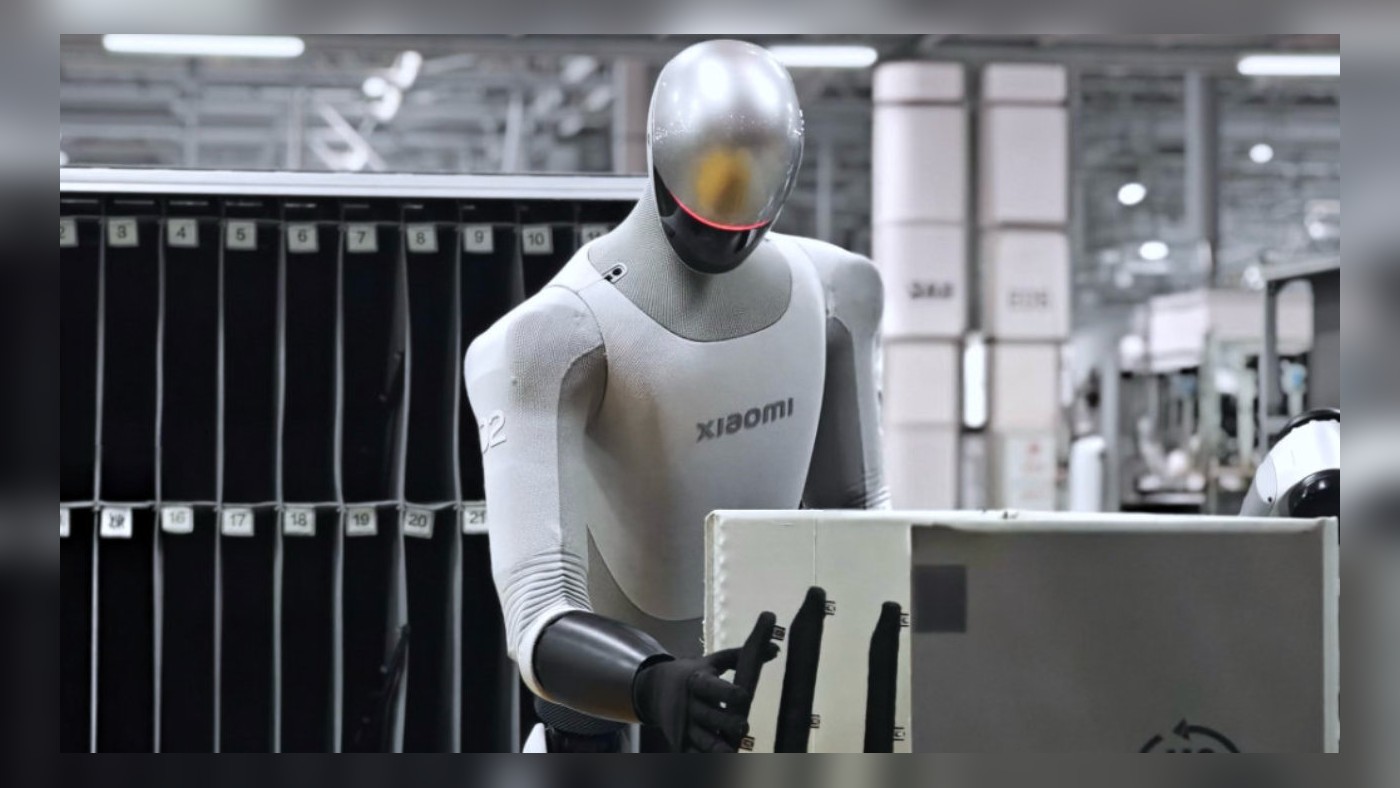
Xiaomi reports high station success rates for its humanoid robot on three automotive factory tasks, including flexible interior covers and box folding. The evidence shows bounded station progress with meaningful manipulation content, but lacks cycle, uptime, intervention, and cost data required to claim broad labor replacement.
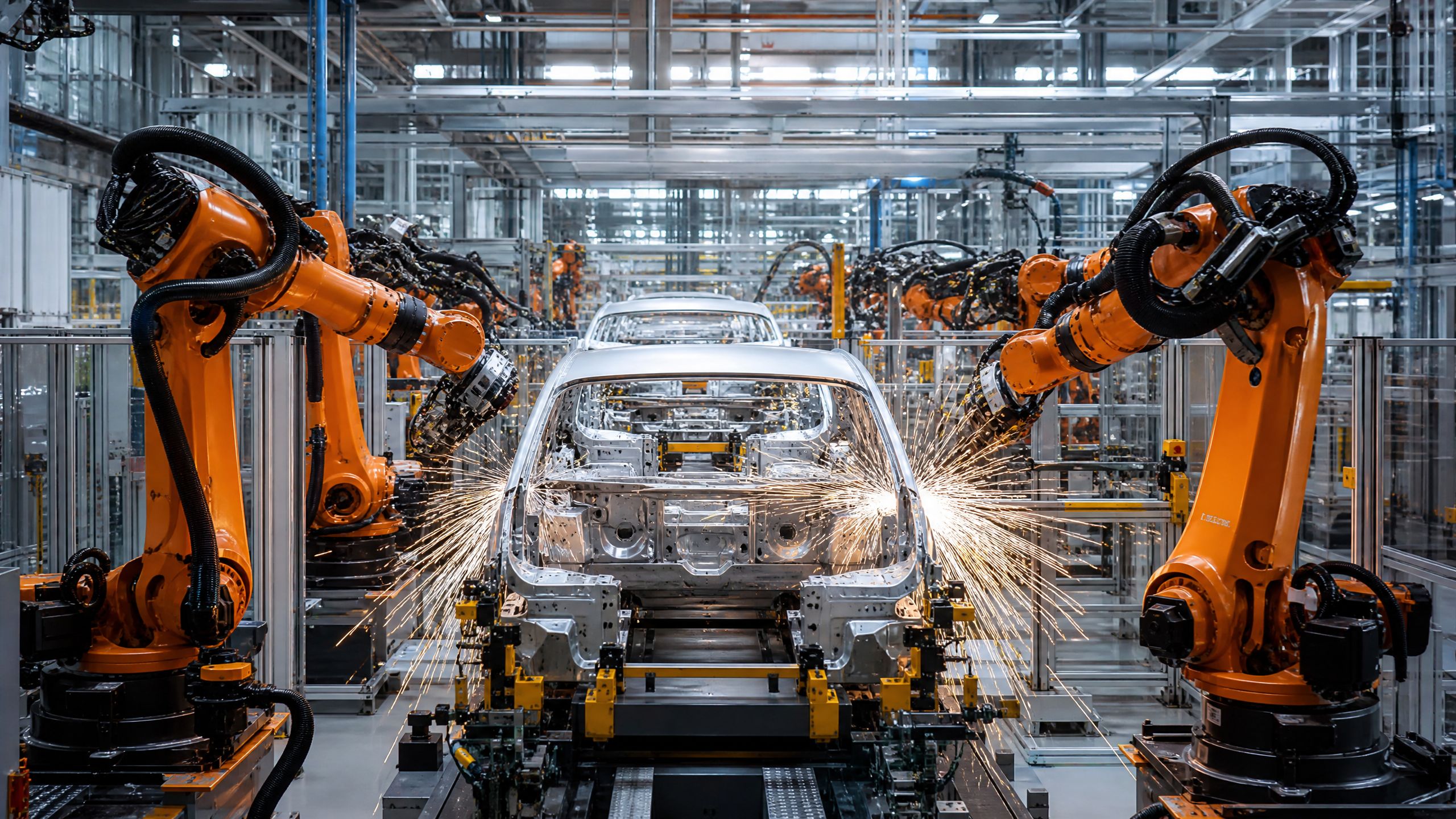
General Motors is pushing its supply chain toward near-total automation with a new maturity index, raising concerns among suppliers and labor unions about the future of manufacturing jobs.
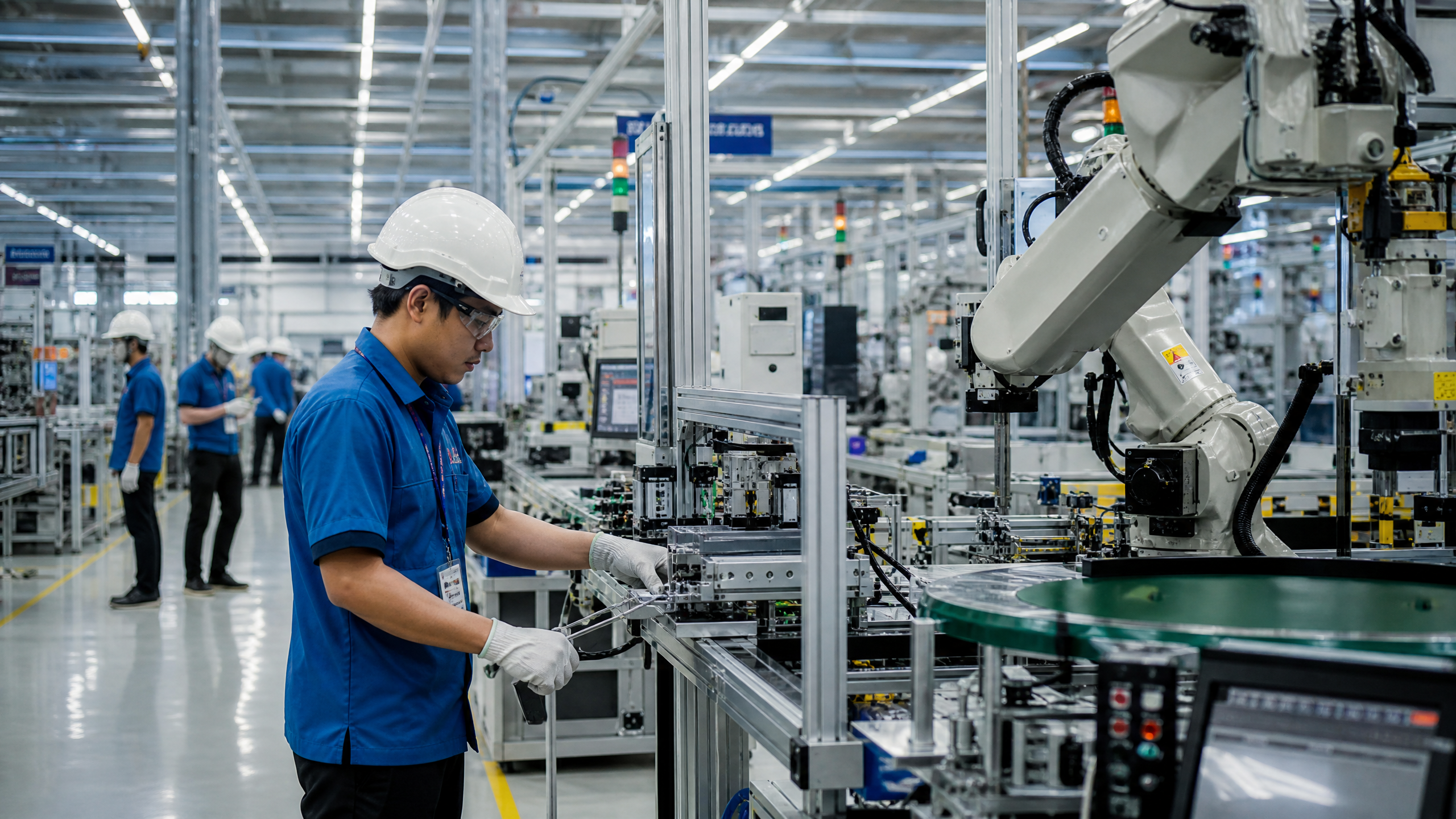
While the global robotics narrative often focuses on high-wage Western markets or China's rapid automation, Southeast Asia presents a unique and massive opportunity. As the region absorbs billions in manufacturing foreign direct investment, its specific needs—driven by eroding labor cost advantages and targeted industrial policies—demand a different class of robotics solutions. This article maps the real demand signals across ASEAN, from electronics assembly in Vietnam to agricultural automation in Malaysia.