News and analysis on Asia's robotics industry from our research desk.
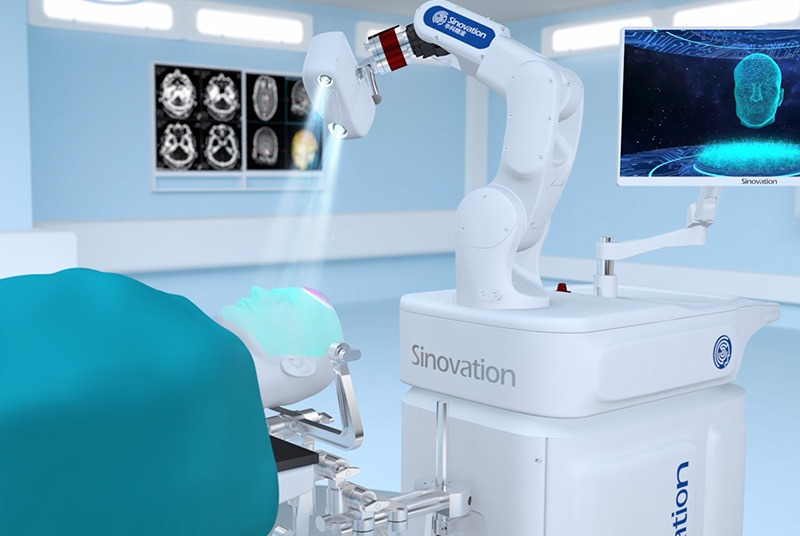
Beijing HuaKe Precision, the company behind the Sinovation SR1 neurosurgical robot, has filed for an IPO on the Shanghai STAR Market to raise about RMB 1 billion. The filing was accepted on June 30, setting the company up to become China's first pure-play neurosurgical robot stock. HuaKe holds a 53.3 percent share of China's neurosurgical robot market, has systems in more than 400 hospitals, and counts global device giant Medtronic as a 3.12 percent shareholder. For hospital buyers and medical device watchers, the prospectus opens a rare window into the real economics of surgical robotics in China.
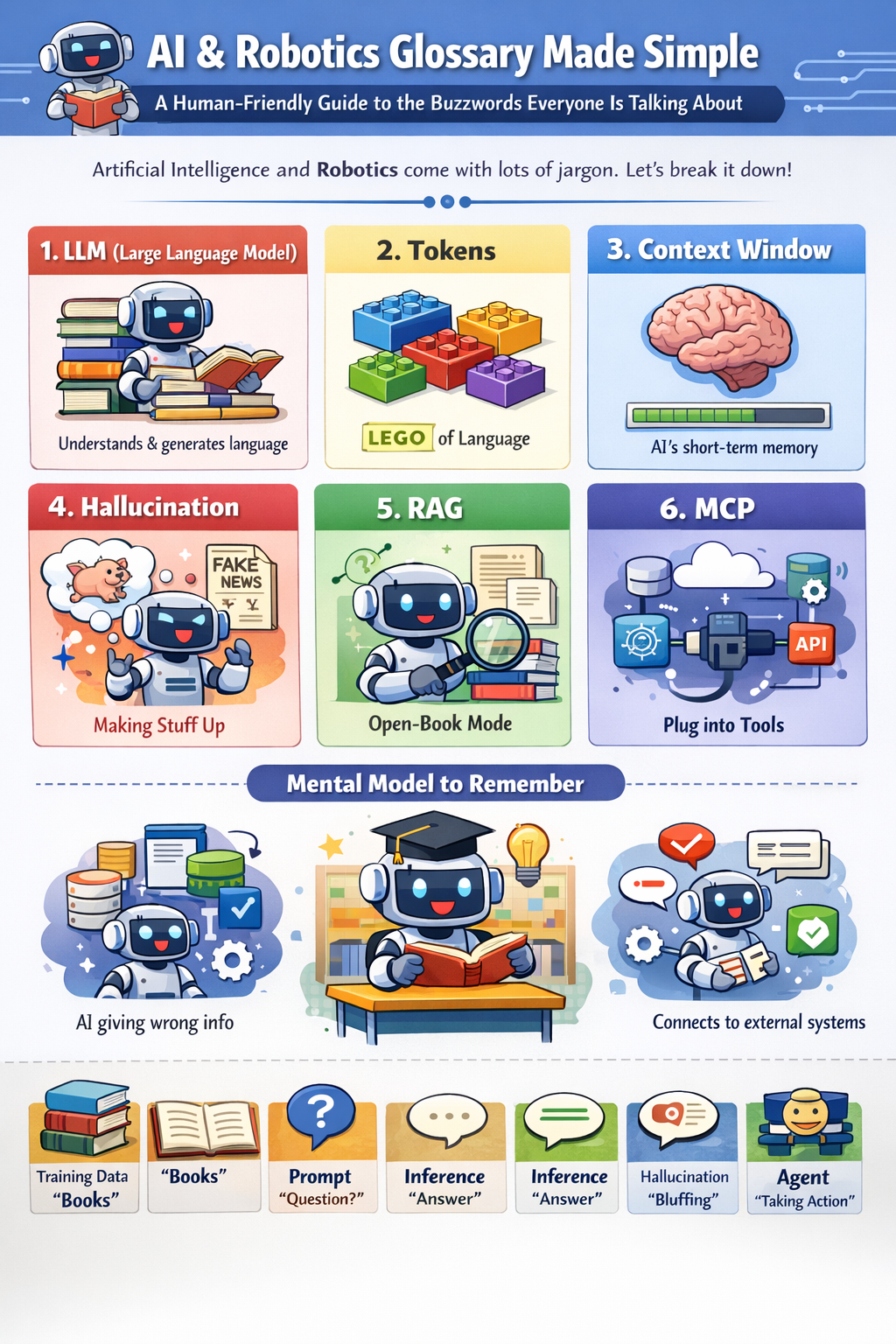
Confused by AI buzzwords like RAG, tokens, or hallucinations? This easy-to-understand guide breaks down the most important AI and robotics terms using simple explanations, real-world examples, and memorable analogies—perfect for beginners and professionals alike.
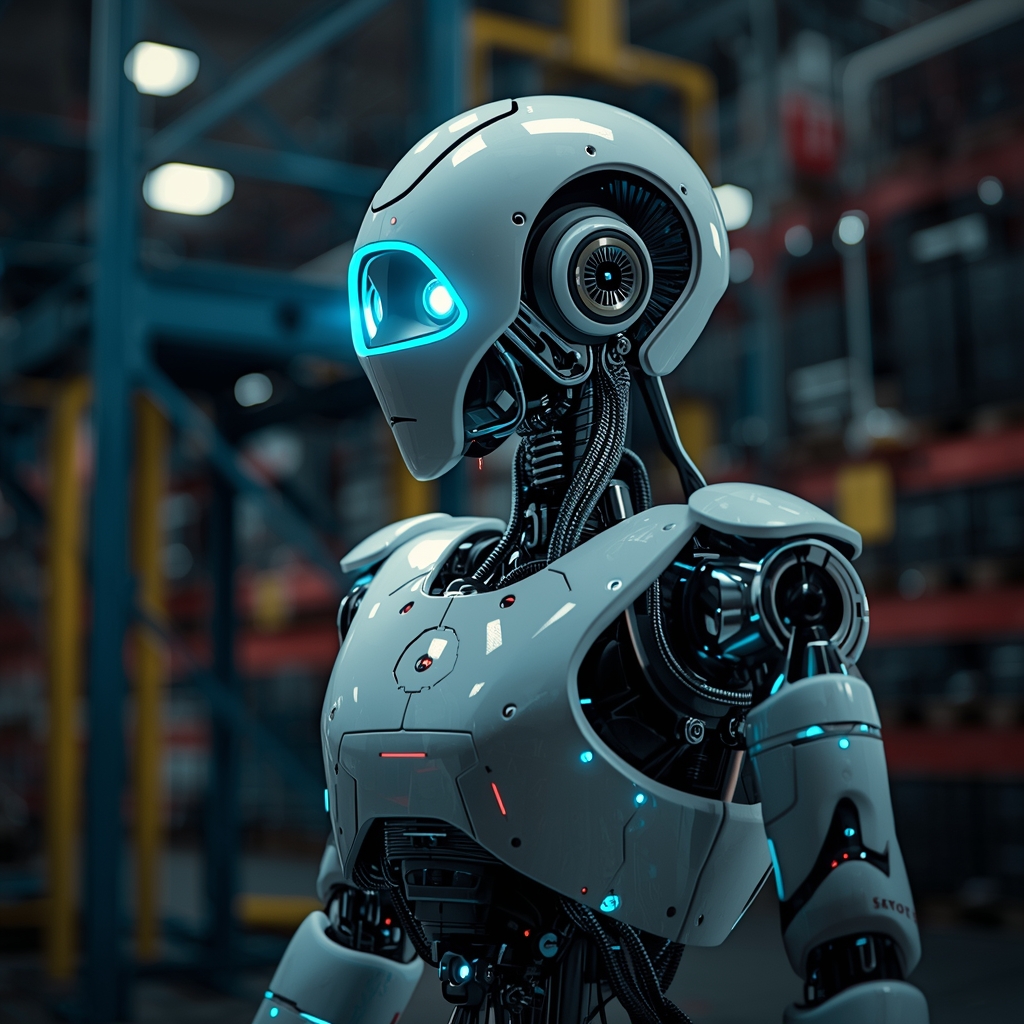
Most people think AI lives inside computers and phones. That is no longer true. The moment AI gained sensors, motors, and the ability to act in physical space, its mistakes stopped being reversible. This affects every worker, patient, infrastructure manager, and policymaker whose environment now includes a machine that can move and decide. The question no one is answering clearly enough is: what exactly is physical AI, and why does it change the stakes so fundamentally?
The industries running on AI robotics right now are not the ones in the demos. They are the ones with labour shortages, safety constraints, and operations that cannot afford to stop. The people whose decisions depend on knowing where robots are actually deployed — procurement officers, operations managers, investors, and policymakers — are regularly working from an outdated map. The question this article answers is not where robots might go. It is where they already are, why those industries adopted first, and what that pattern tells you about where they will appear next.