News and analysis on Asia's robotics industry from our research desk.
SpaceX's US$60 billion all-stock purchase of Anysphere, maker of the AI coding agent Cursor, gives one corporate family the rockets, the compute, the frontier models, and the tools engineers use to write robot software. This analysis examines what the June 16 deal means for embodied AI development, the dependency risks it creates for robotics startups, and the two-stack world now forming between the United States and China.
Global first-half humanoid shipments hit about 19,100 units, with Chinese vendors above 97 percent share and AGIBOT overtaking Unitree on volume.
Anhui reports complete humanoid-robot output above 2,600 units in the first half of 2026, after producing just over 700 units in all of 2025. Mojia Robot, incubated within Chery, reports more than 590 humanoid sales across over 60 markets during the first half. A Hefei public data-service platform is training robots in battery assembly, handling and service scenarios. The disclosed figures point to more activity, while leaving delivery, utilisation and customer outcomes unreported.
West Lake Robot says it has completed a new round led by Haiyuan Fund, taking its cumulative funding across four rounds in six months to RMB 500 million, approximately US$70 million. The company plans to direct the capital toward a whole-body unified model for humanoid robots, its self-developed general brain and a GAE embodied-avatar system. The announcement details investor support but not valuation, benchmarks, customers or commercial deployments.
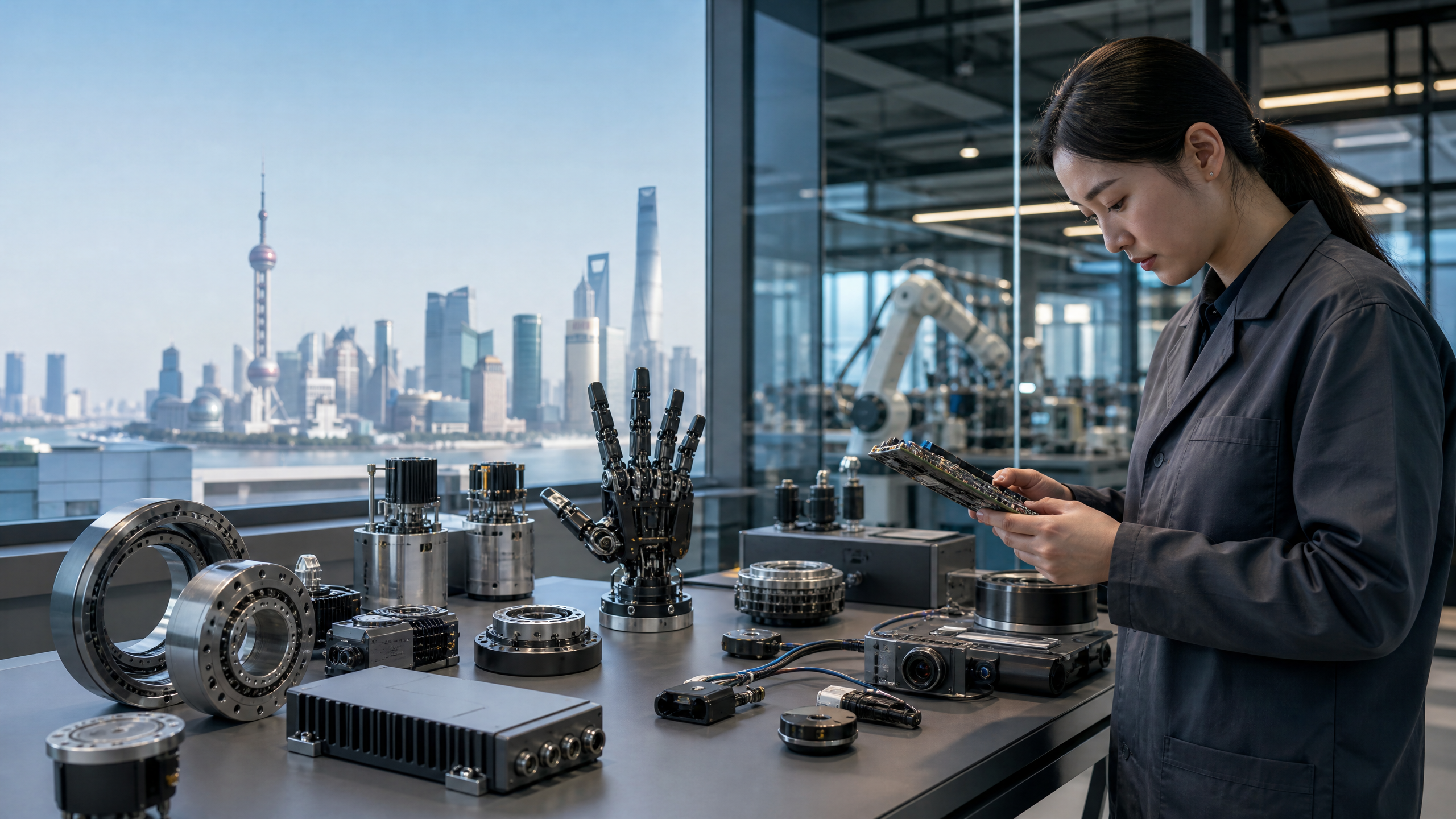
Pudong has opened a 12-day application window for enterprises commercialising embodied-AI core components. The official programme names frameless torque motors, reducers, controllers, sensors, joint modules and dexterous hands, while barring repeat support for the same product and excluding projects already backed by other public fiscal funds. The notice gives hardware suppliers a concrete policy timetable, not a guaranteed award or supplier-quality certification.
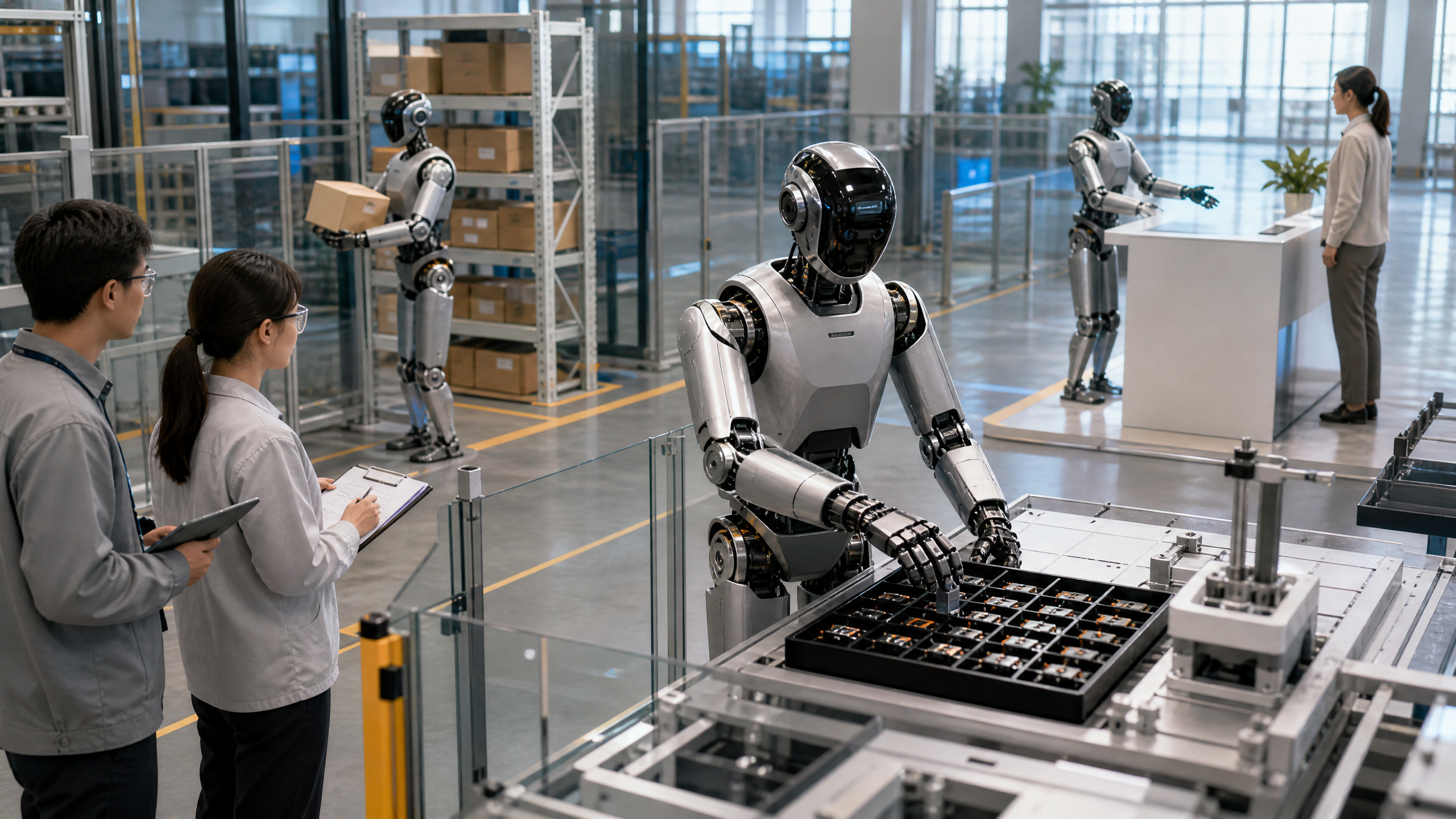
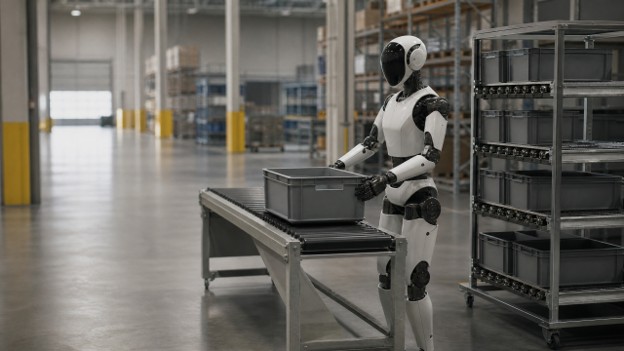
Official-source case evidence from automotive manufacturing, consumer electronics and contract logistics shows where humanoid deployment is becoming operationally testable: bounded tasks, stable interfaces, and measurable pilot gates.
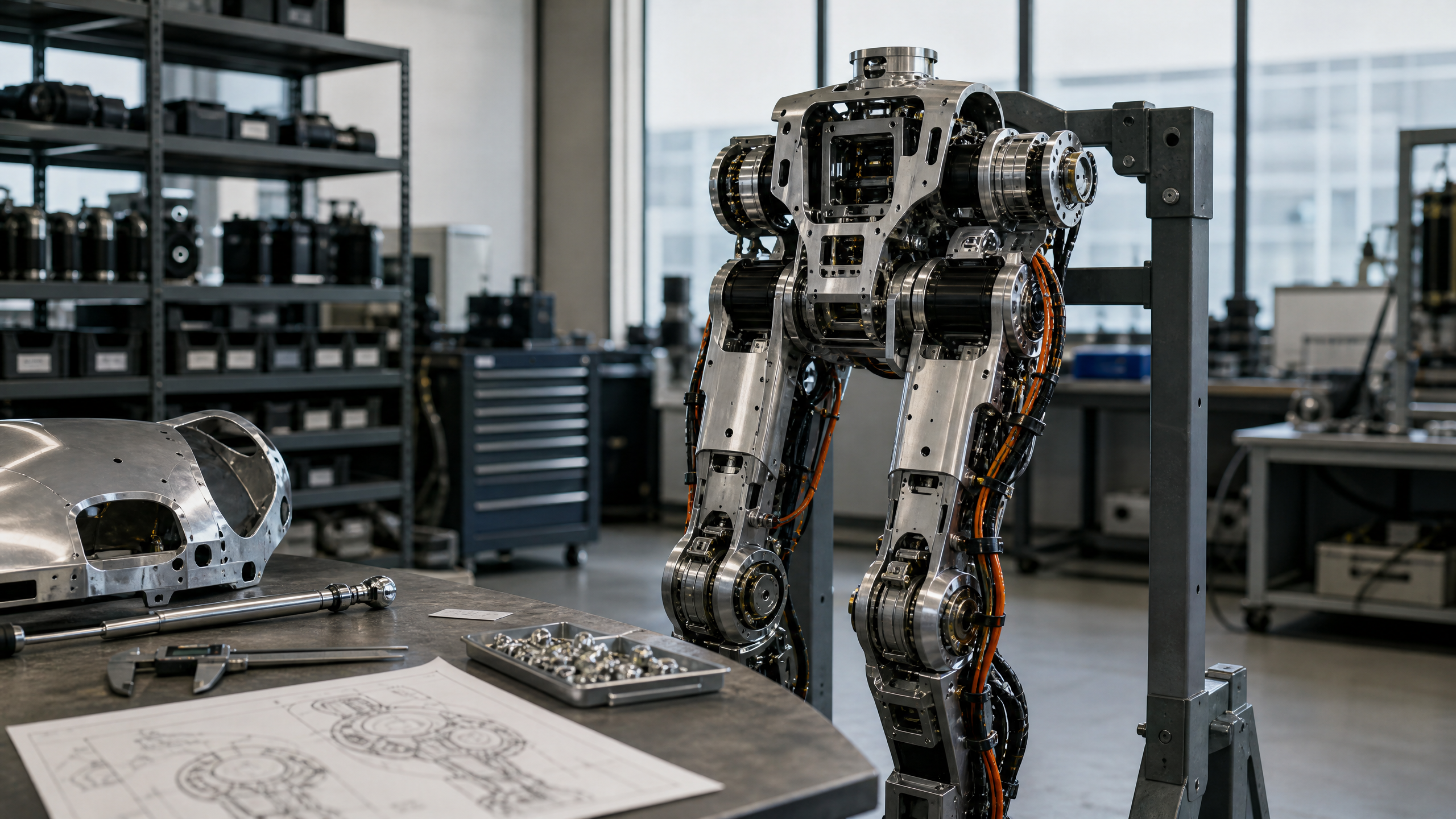
Humanoid robots are not one procurement category. This guide separates stationary upper-body systems, wheeled hybrids, bipedal industrial humanoids, and frontier whole-body platforms by mobility, manipulation, facility redesign, safety, integration, and buyer diligence.
In July 2026 the International Organization for Standardization published a method for measuring how well a legged robot walks, and stated in terms that it is not intended for verifying safety. In the same month, the first safety standard written for machines that need active control to stay upright remained at close of comment period, unpublished and uncertifiable. A humanoid buyer in 2026 can benchmark walking performance against an international method and cannot certify safety against one. Post 1 of our humanoid series builds the foundations from the official record only: the standards bodies that define the machine, the exchange filing that defines its components under regulatory supervision, and the statistical apparatus that does not yet count it. The defining property comes from a standards body rather than a supplier. A machine with actively controlled stability requires active control in order to remain balanced and could become unstable in the absence of power. An industrial arm that loses power stops. A humanoid that loses power falls. Everything commercially distinctive about the asset class descends from that fact. The article asserts no market size, no unit forecast and no price, because no official source publishes one.
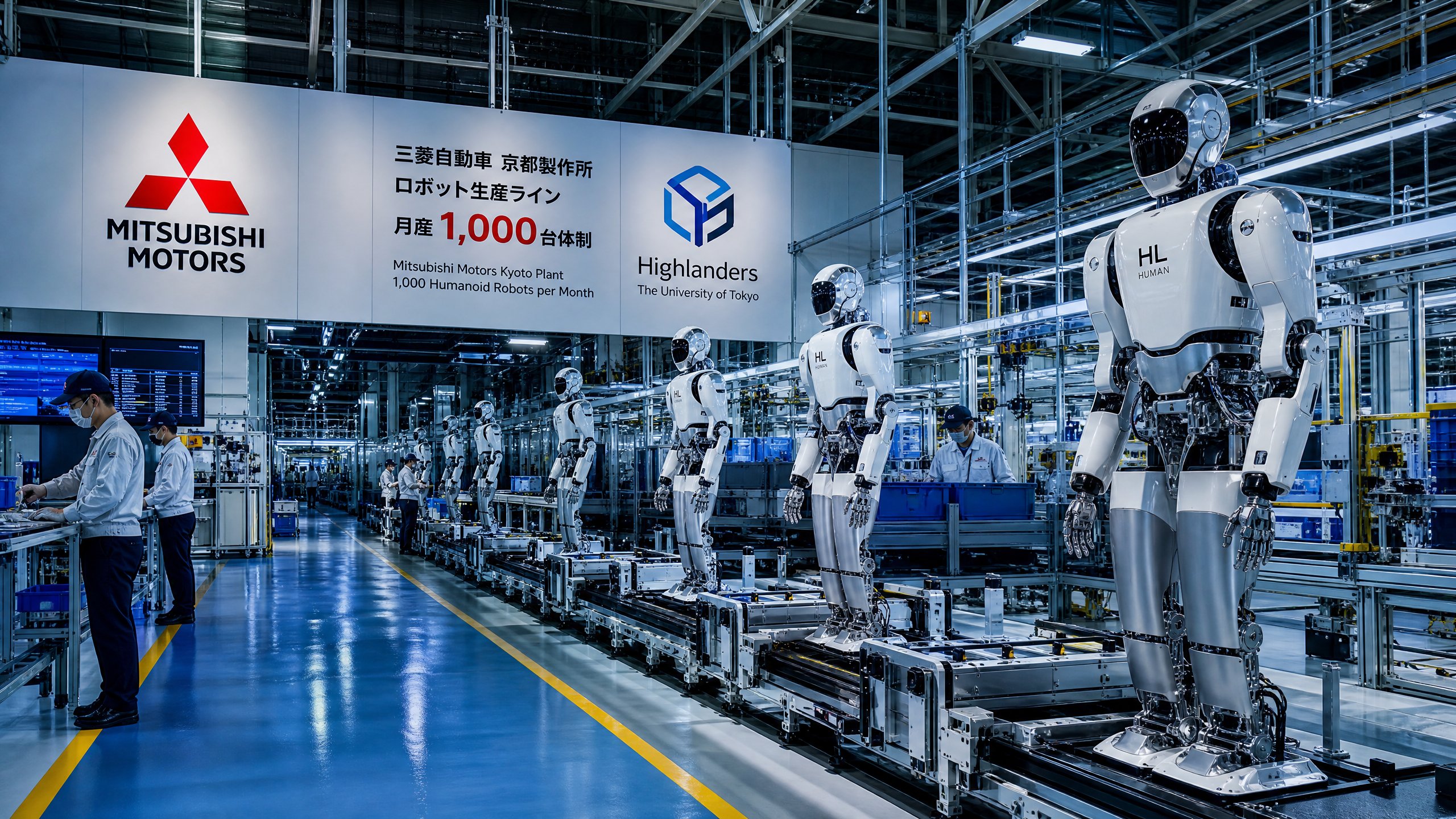
Mitsubishi Motors and University of Tokyo startup Highlanders signed an MOU to jointly develop and mass produce humanoid robots at Mitsubishi’s former Kyoto engine plant. The partners target 1,000 units per month by late 2027, with initial deployment inside Mitsubishi factories to assemble cars and build more robots.
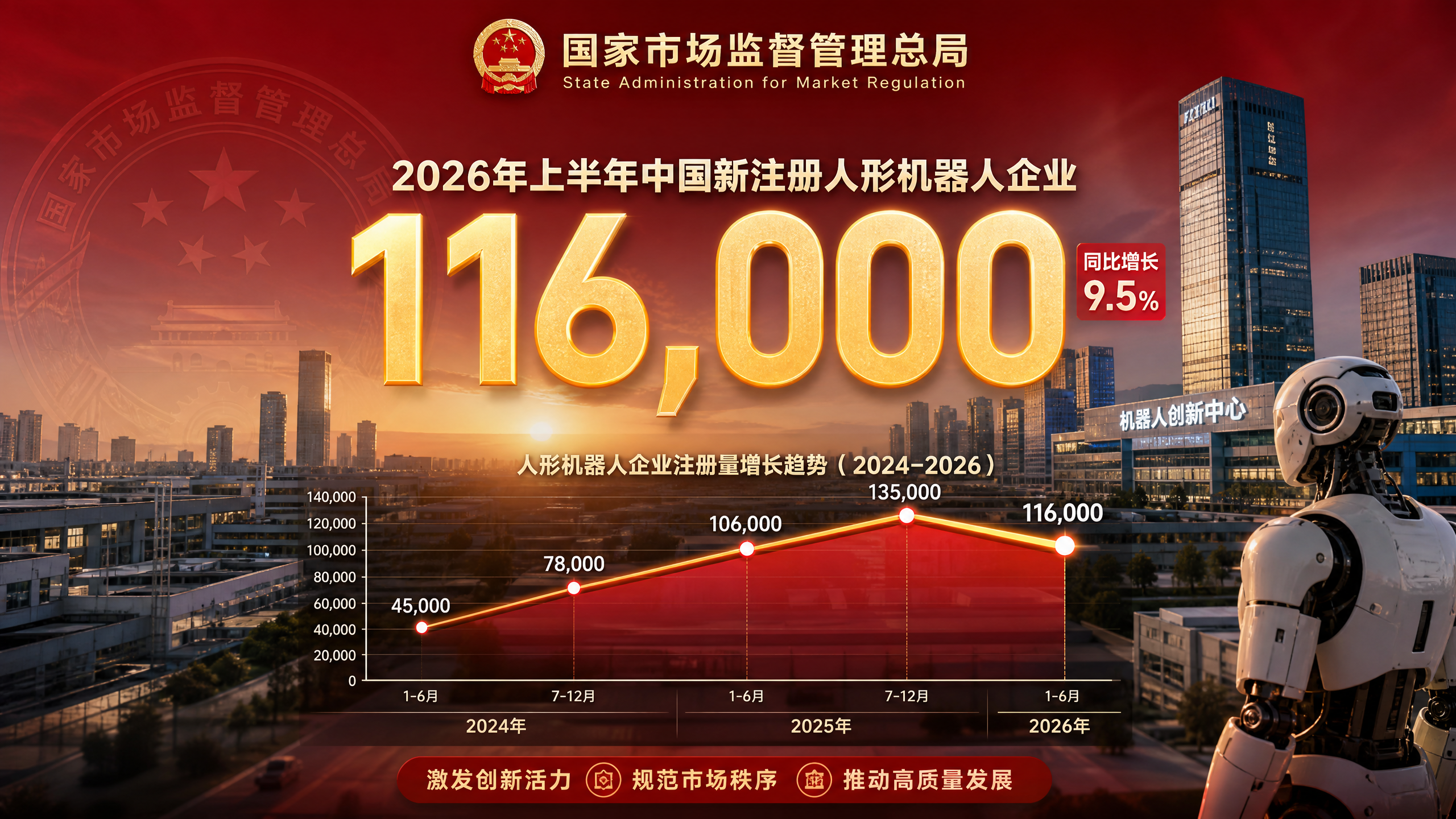
China’s market regulator logged 116,000 new humanoid robot enterprises in the first half of 2026 as funding surpassed the total for all of 2025. Shipments are projected to climb to 38,000 units this year, signaling a shift from research projects to the first wave of mass production.
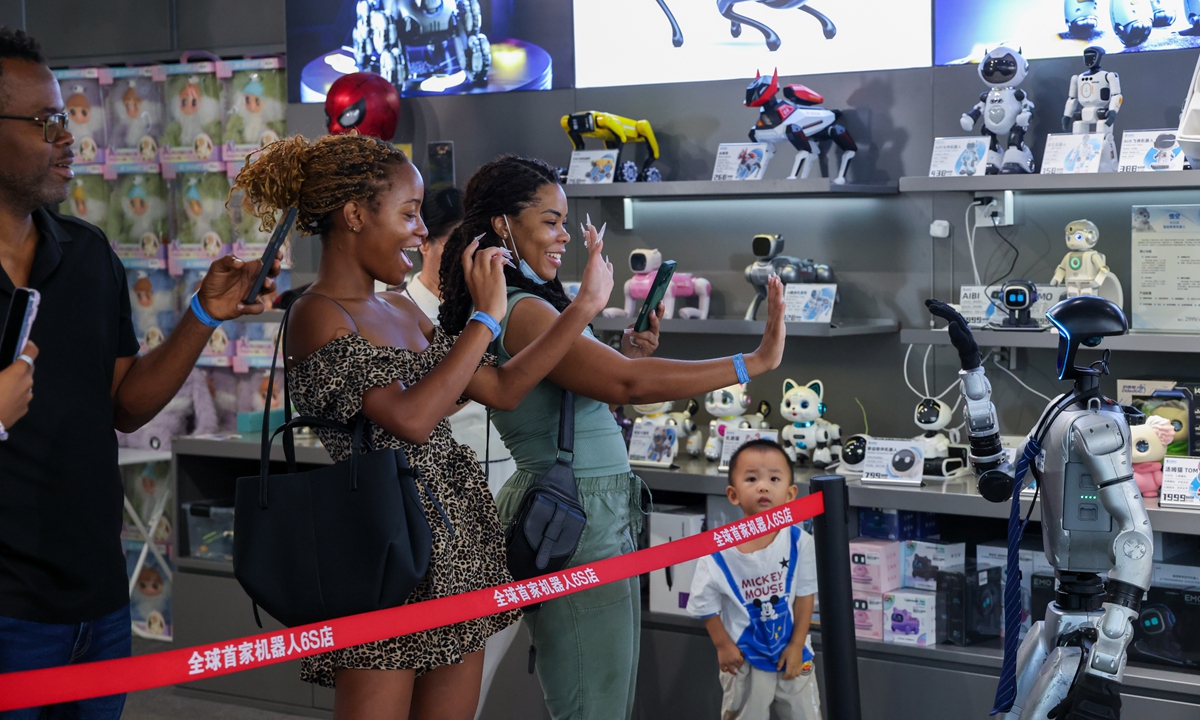
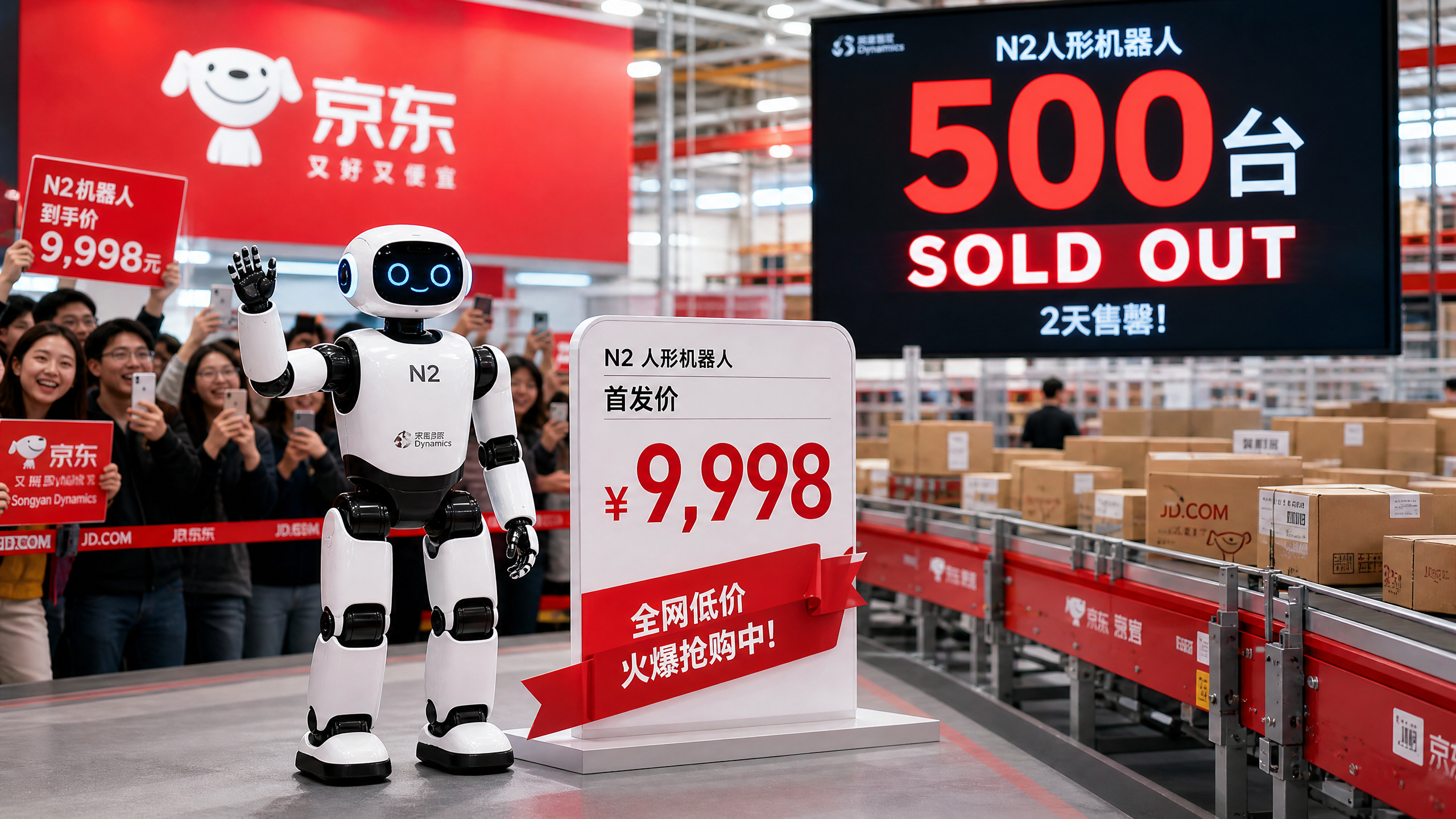
Songyan Dynamics launched the N2 humanoid at RMB 9,998 and sold 500 units in two days on JD.com. Backed by RMB 1 billion in new funding and fresh retail partnerships, the company is pushing a price war that targets broad consumer and store adoption.
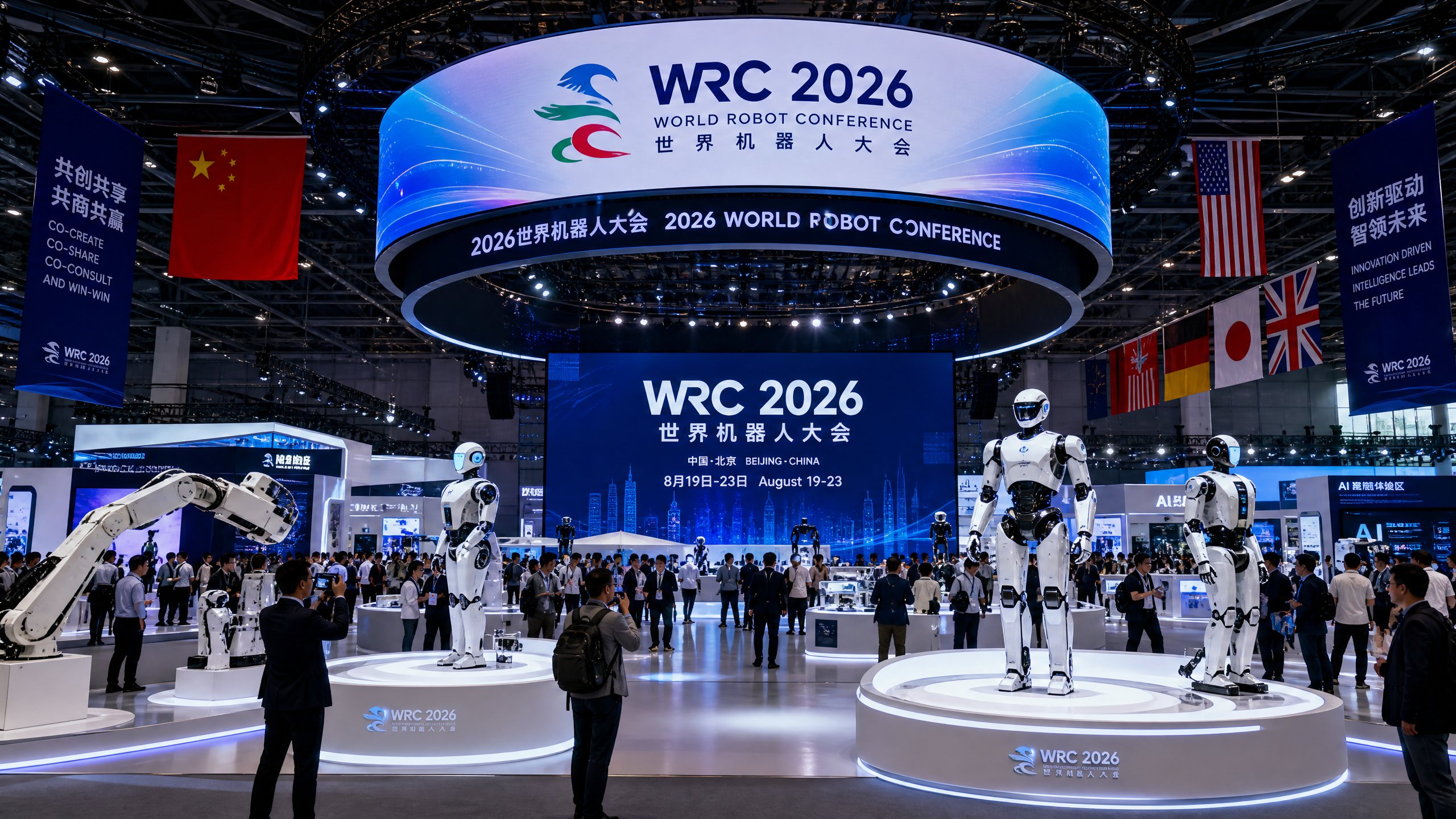
The 2026 World Robot Conference will run August 19 to 23 in Beijing with more than 300 exhibitors, over 2,000 exhibits, and at least 150 product debuts. A new application program will place mass produced humanoids and dexterous hands with external teams for real world trials.