News and analysis on Asia's robotics industry from our research desk.
China’s state assets regulator will launch a Central Enterprise Robotics Innovation Consortium at WRC 2026 and debut a dedicated SOE pavilion. Forty nine central SOEs will present twelve scenarios across heavy industries, signaling direct state backed deployment of humanoid robots as a national testing ground.
The Hangzhou Robot School at Zhejiang University's Robot Research Institute has enrolled an initial cohort of 30 humanoid robots for structured training across industrial, service, security, entertainment, medicine, and arts sectors. The facility uses physical assessments, specialized coursework, and skills certification to standardize humanoid readiness, with a parallel center in Hefei targeting 1,000 robots by 2027.
The first week of August 2026 transformed the financial landscape of embodied artificial intelligence from private speculation to public valuation. With Unitree pricing a nine billion dollar initial public offering in Shanghai and AgiBot targeting a six billion dollar listing in Hong Kong, the market is finally establishing hard benchmarks for hardware production and software reasoning.
The first week of August 2026 served as a synchronized global stress test for embodied artificial intelligence, with major convenings in Las Vegas, Beijing, Tsukuba, and Malmo evaluating different layers of the technology stack. The simultaneous focus on enterprise deployment, autonomous competition, data collection, and algorithmic efficiency indicates that the ecosystem has moved beyond localized research into coordinated global commercialization.
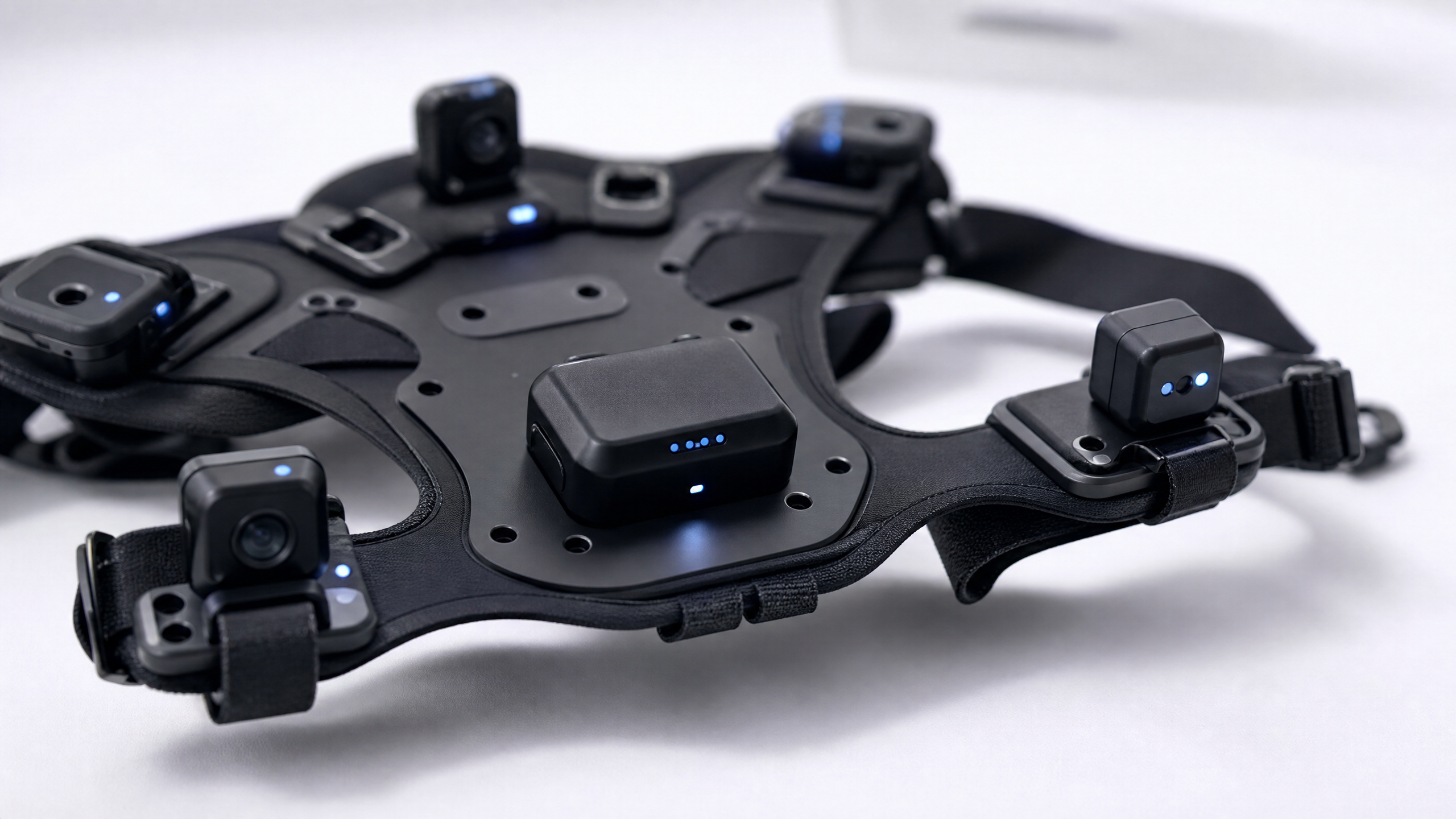
The technological focus of the robotics industry has pivoted from hardware design to data acquisition. With the emergence of dedicated physical artificial intelligence data service platforms like Maniformer and new embodied integrated development environments, the sector is acknowledging that high-quality, real-world human demonstration data is the ultimate constraint on autonomous capability.
The commercial tension in the robotics market is no longer just between the cost of human labor and the cost of automation; it is between the demand for hardware and the geopolitical restrictions on its supply. With the US Federal Communications Commission banning Chinese robots, the global supply chain is fracturing, creating massive pricing disparities and forcing rapid industrial pivots in allied nations.
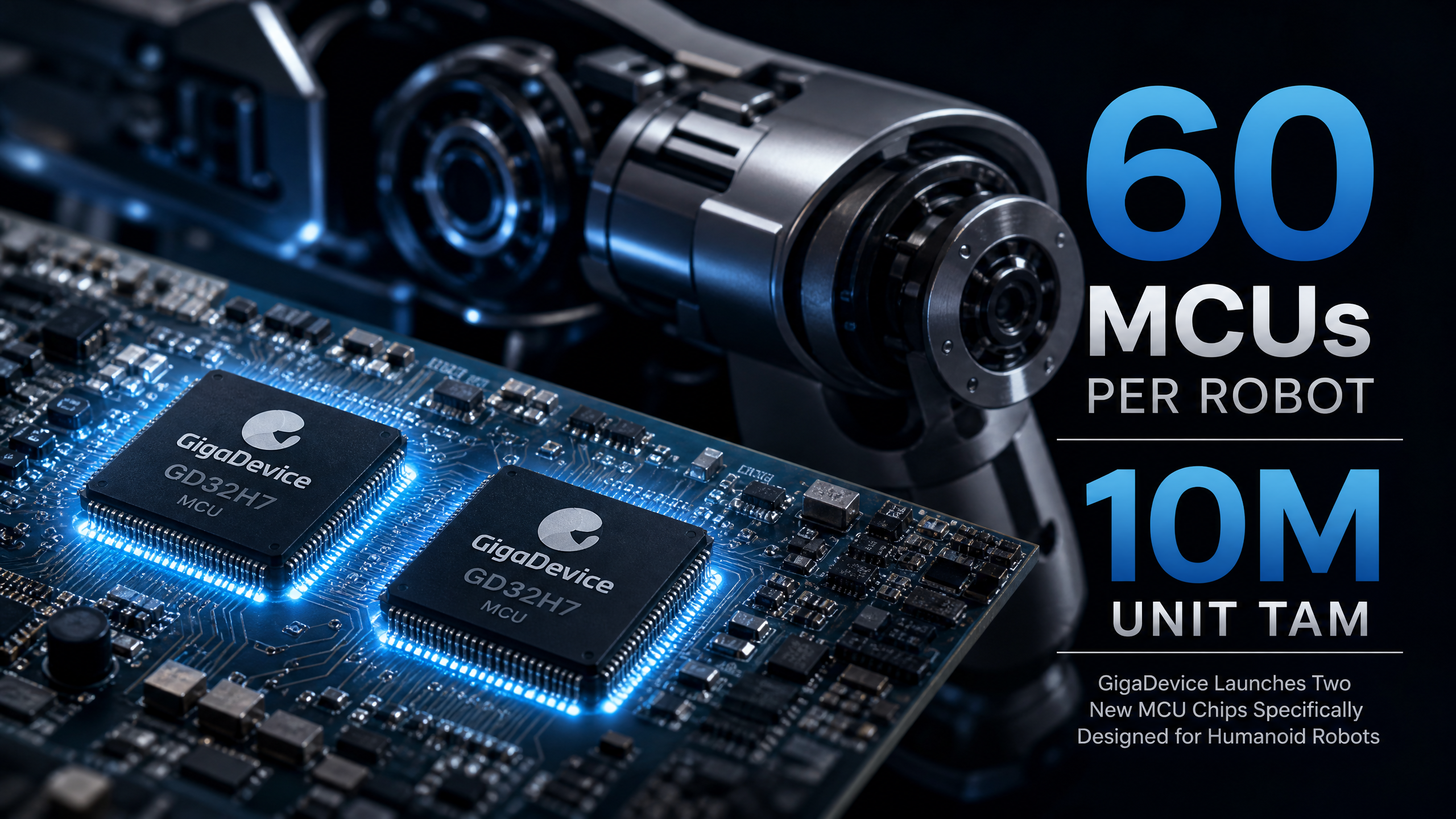
GigaDevice introduced two microcontrollers tailored for humanoids and robot dogs with claims of industrial safety, low power, and EtherCAT timing. The company projects a 2026 global market of more than 10 million MCU units for these robots, with around 60 chips needed per humanoid.
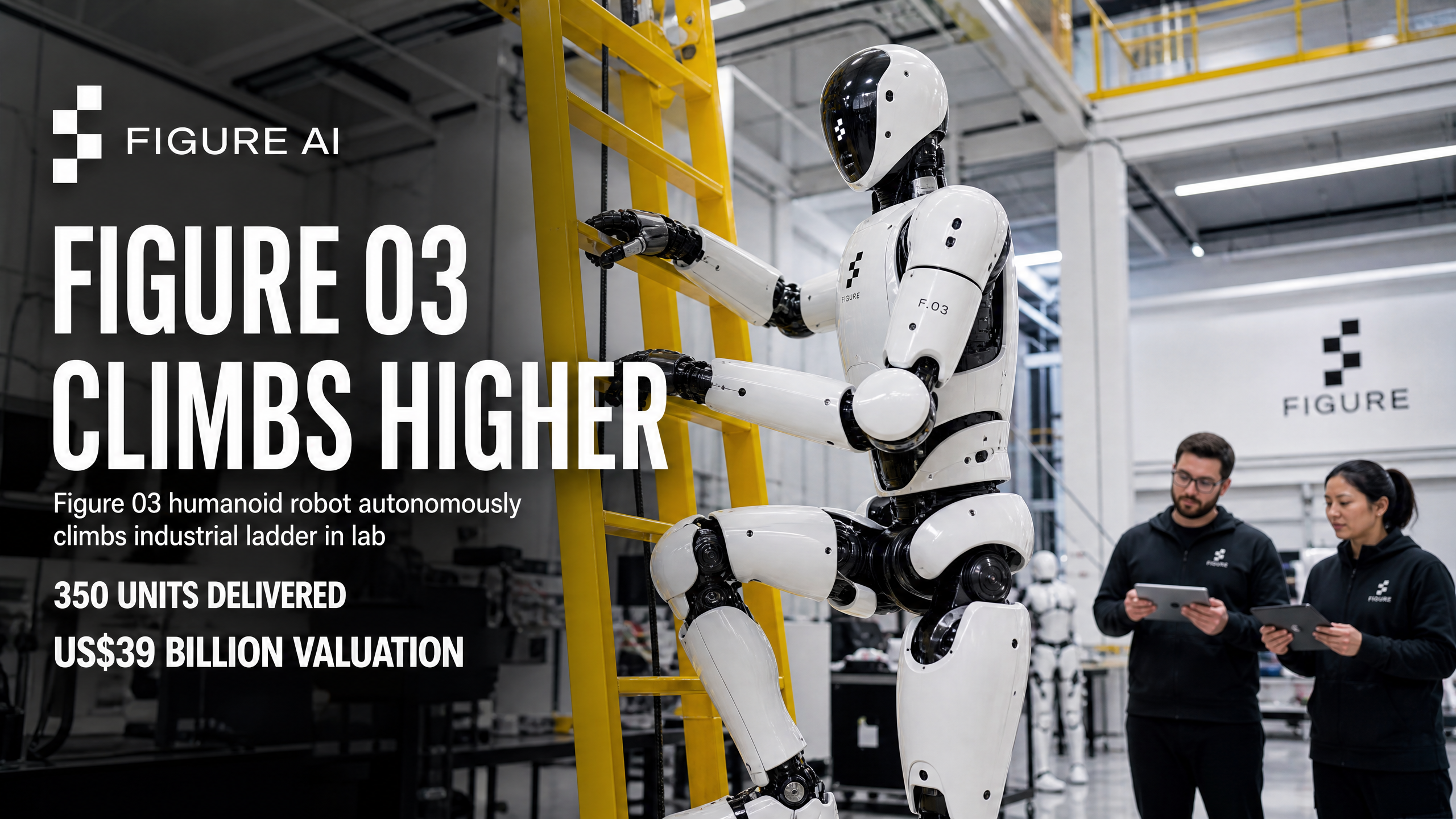
Figure AI shared a lab video of its Figure 03 robot autonomously climbing an industrial ladder and reported more than 350 units delivered as production scaled to one per hour. The Series C valuation stands near US$39 billion, signaling investor conviction in humanoid robotics as the company moves from demos to low volume production.