News and analysis on Asia's robotics industry from our research desk.
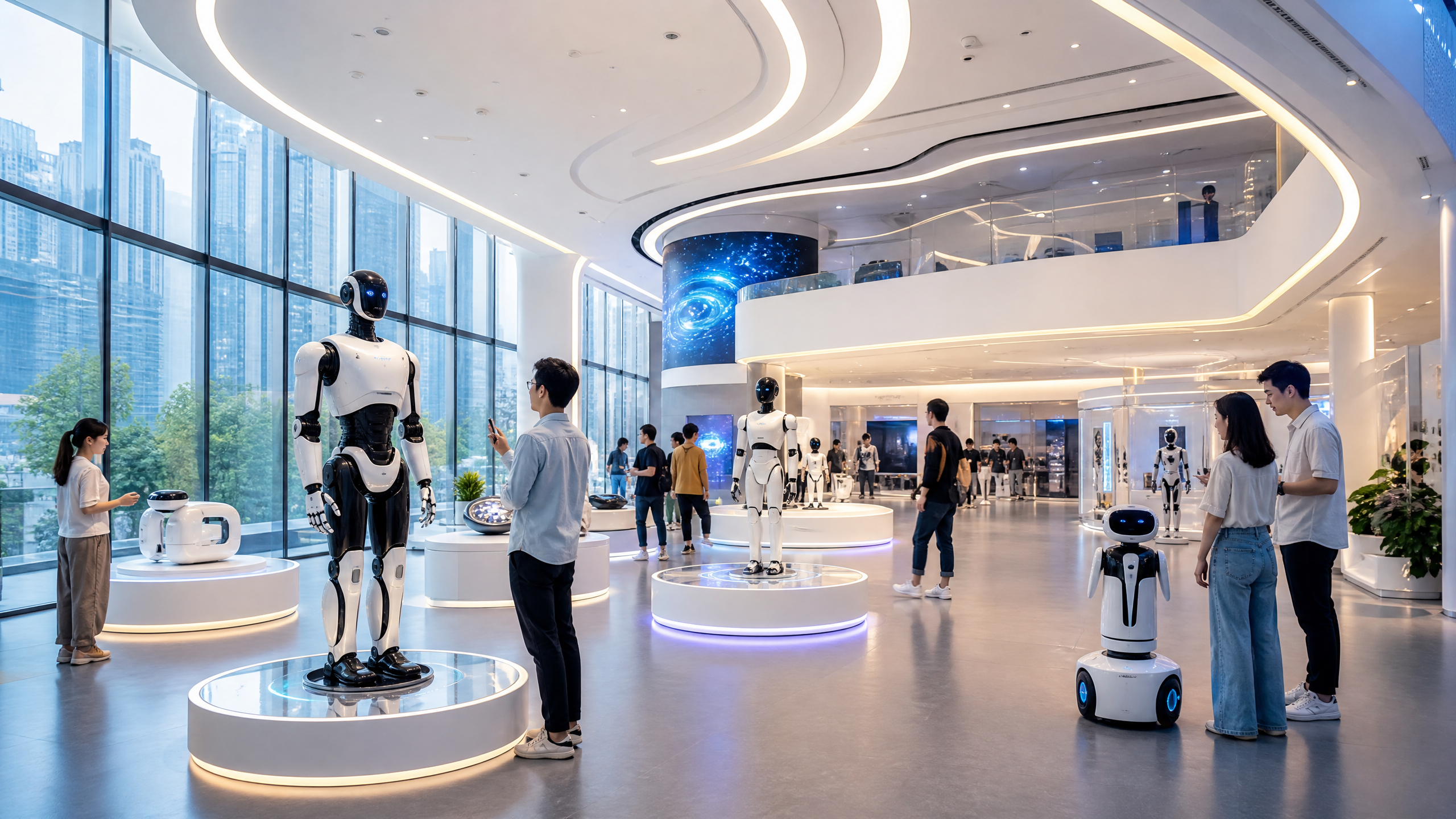
The world's first 6S offline complex dedicated entirely to robotics has opened in Shenzhen's Longgang district. Spanning over 5,000 square meters, the facility adapts the traditional automotive 4S dealership model and expands it into a comprehensive robotics hub offering leasing, personalized customization, technology demonstrations, and industrial training.
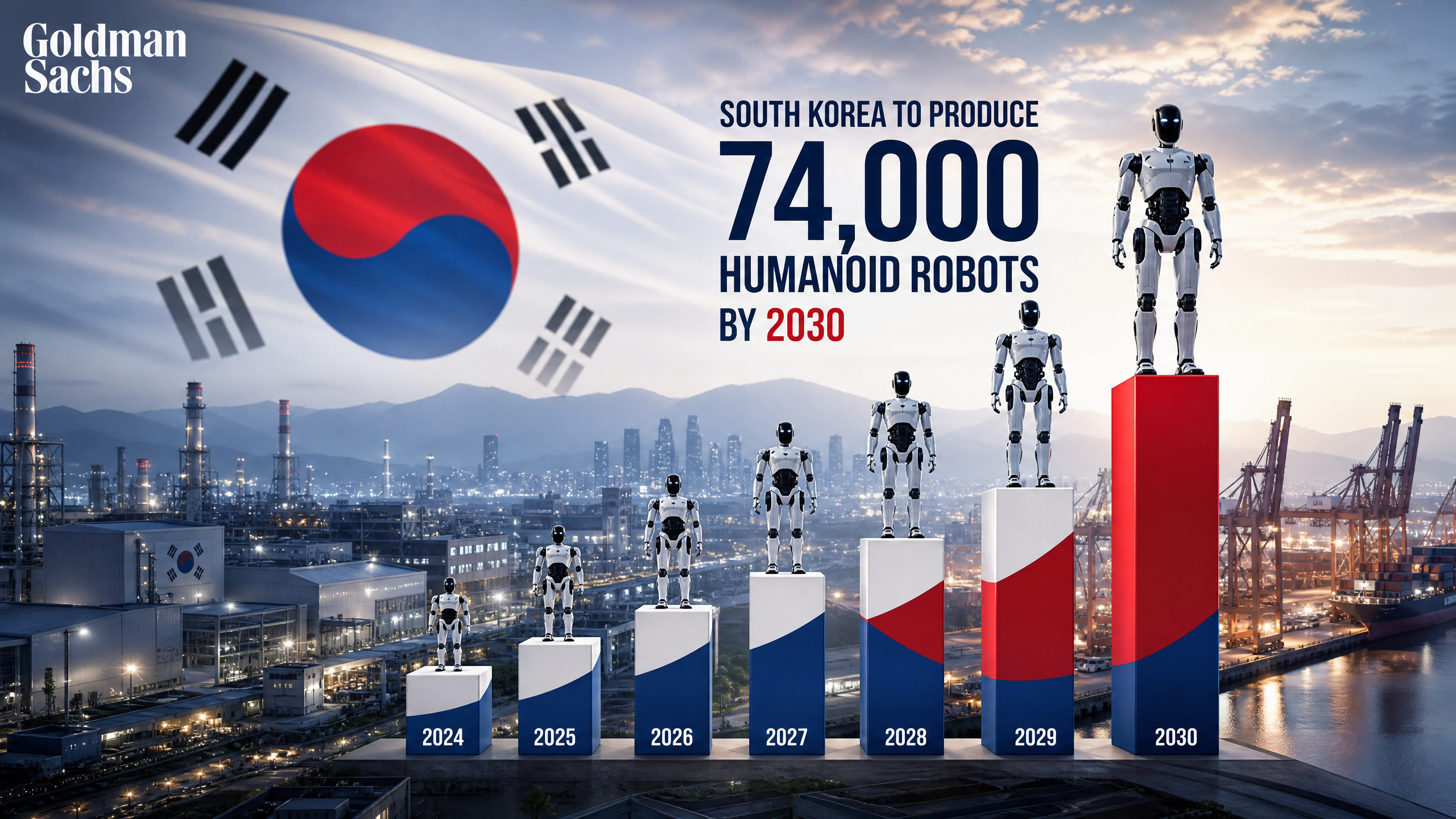
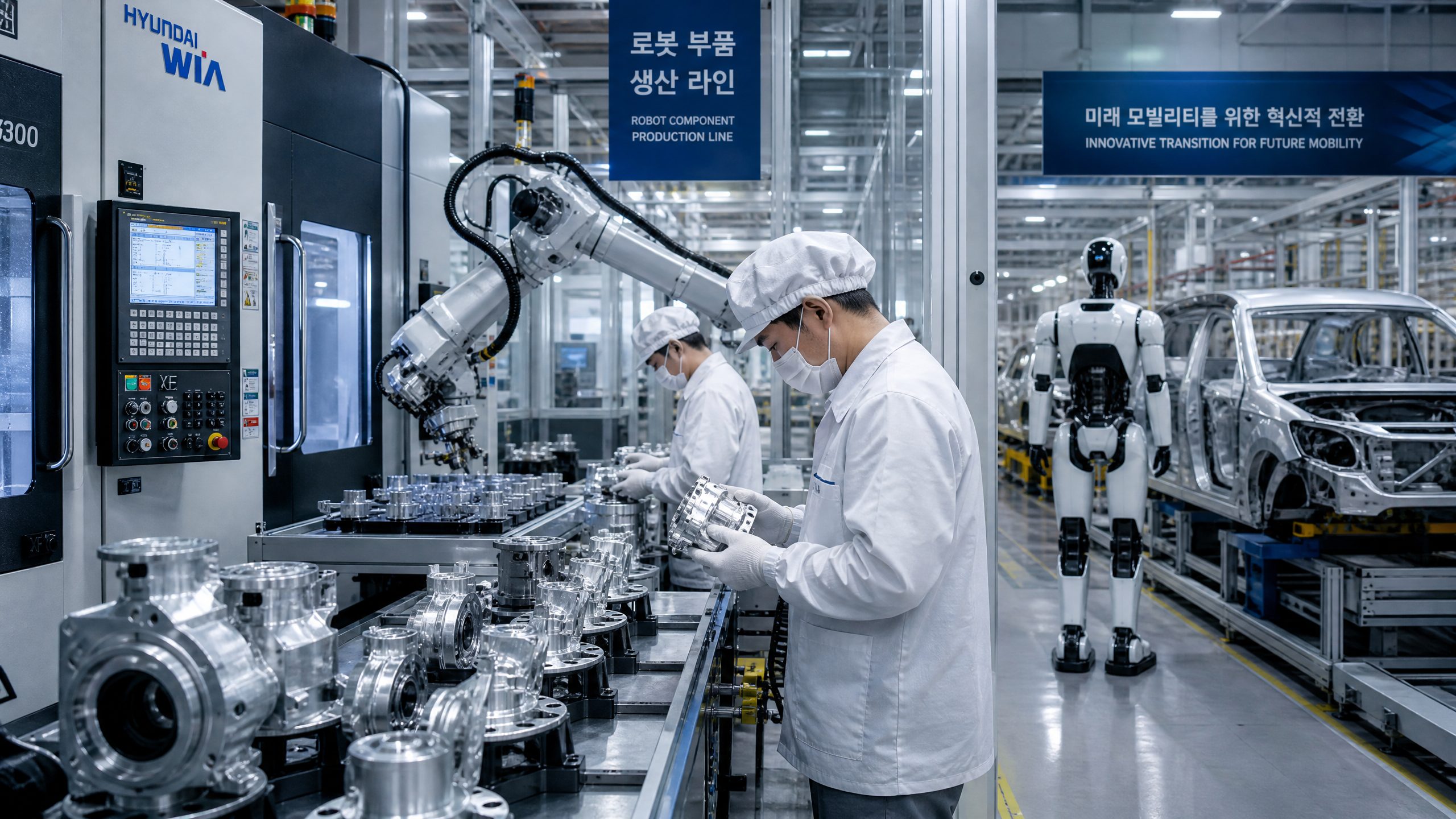
Goldman Sachs has released a report projecting that Korea will produce 74,000 humanoid robots by 2030, equivalent to 30 percent of global humanoid production, based on the country's automotive component manufacturing expertise and its position in the Boston Dynamics supply chain. The projection comes as Korean parts makers including Halla Cast and SL pivot production lines to robot components following the US FCC ban on Chinese robots.
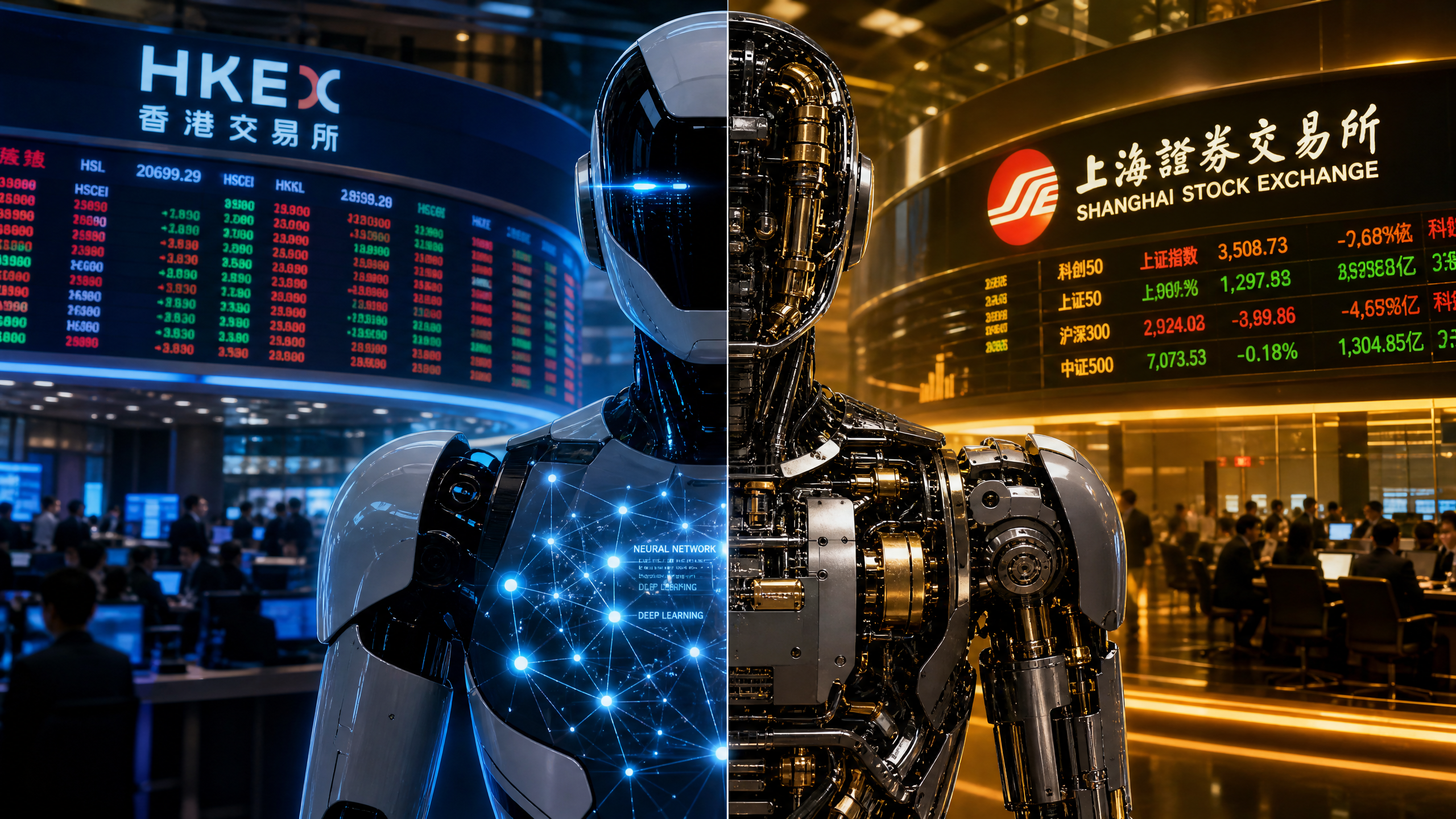
AgiBot has confirmed its Hong Kong IPO process targeting a US$4.8-6.0 billion valuation, one day before Unitree opens STAR Market book-building at US$5.85 billion. The two companies represent divergent technology philosophies -- AgiBot bets on AI-first, Unitree on hardware-first -- and the market is about to price both simultaneously.
Halla Cast, SL, and Samhyun are pivoting from automotive to robot component manufacturing as the US FCC ban on Chinese humanoid and quadruped robots creates a supply gap in the North American market. Goldman Sachs projects Korea will produce 74,000 humanoid robots by 2030, representing 30 percent of global output.
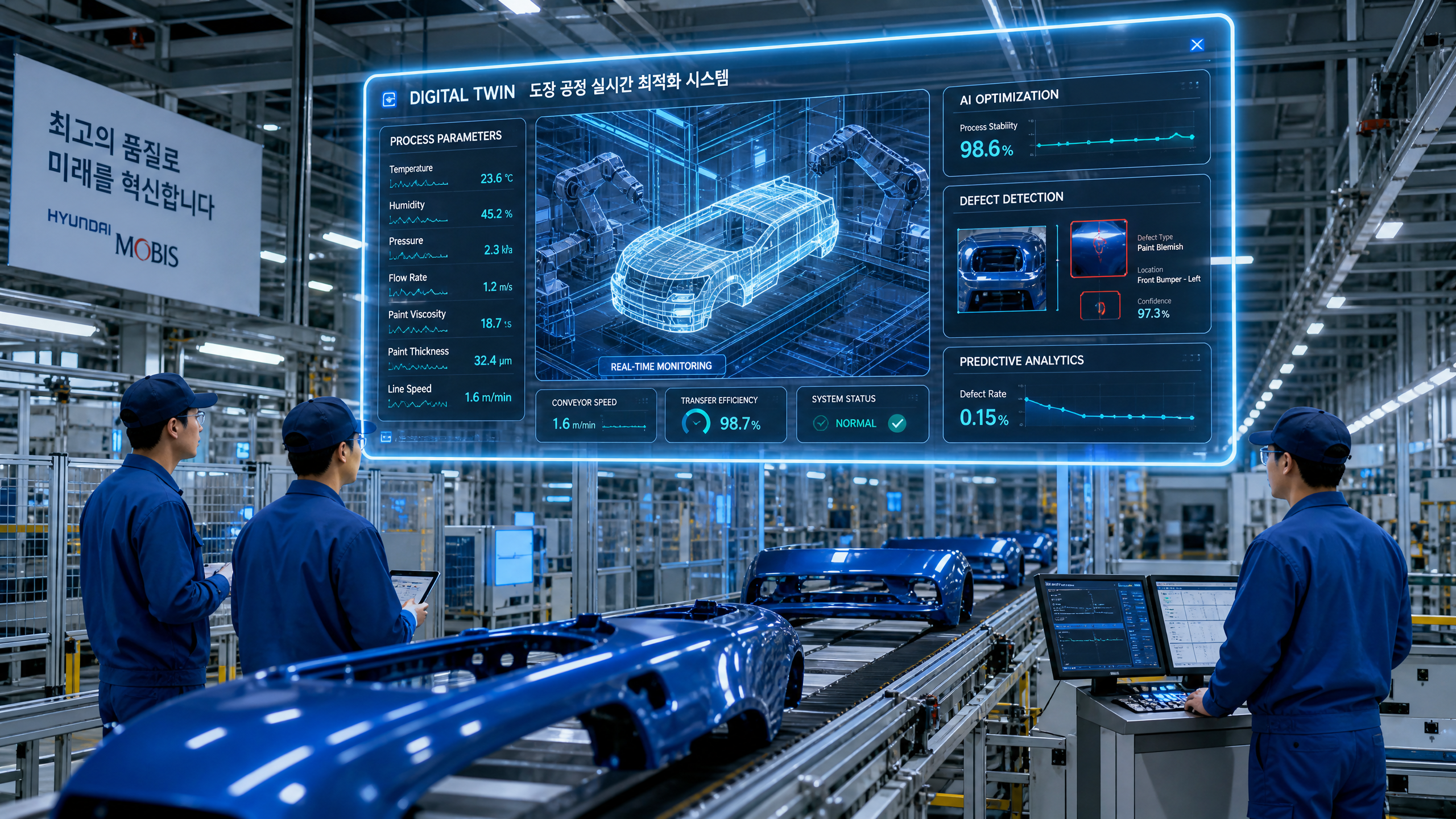
Korea Alps, a mid-sized Korean auto component manufacturer, deployed AI and digital twin technology to optimize its painting process, cutting defects 13 percent, raising daily output 5 percent to 47,250 units, and reducing new product preparation time from two months to two weeks. The company has accumulated 710,000 process scenario data points and has been designated a regional leading company under Korea's Manufacturing AI Transformation program.
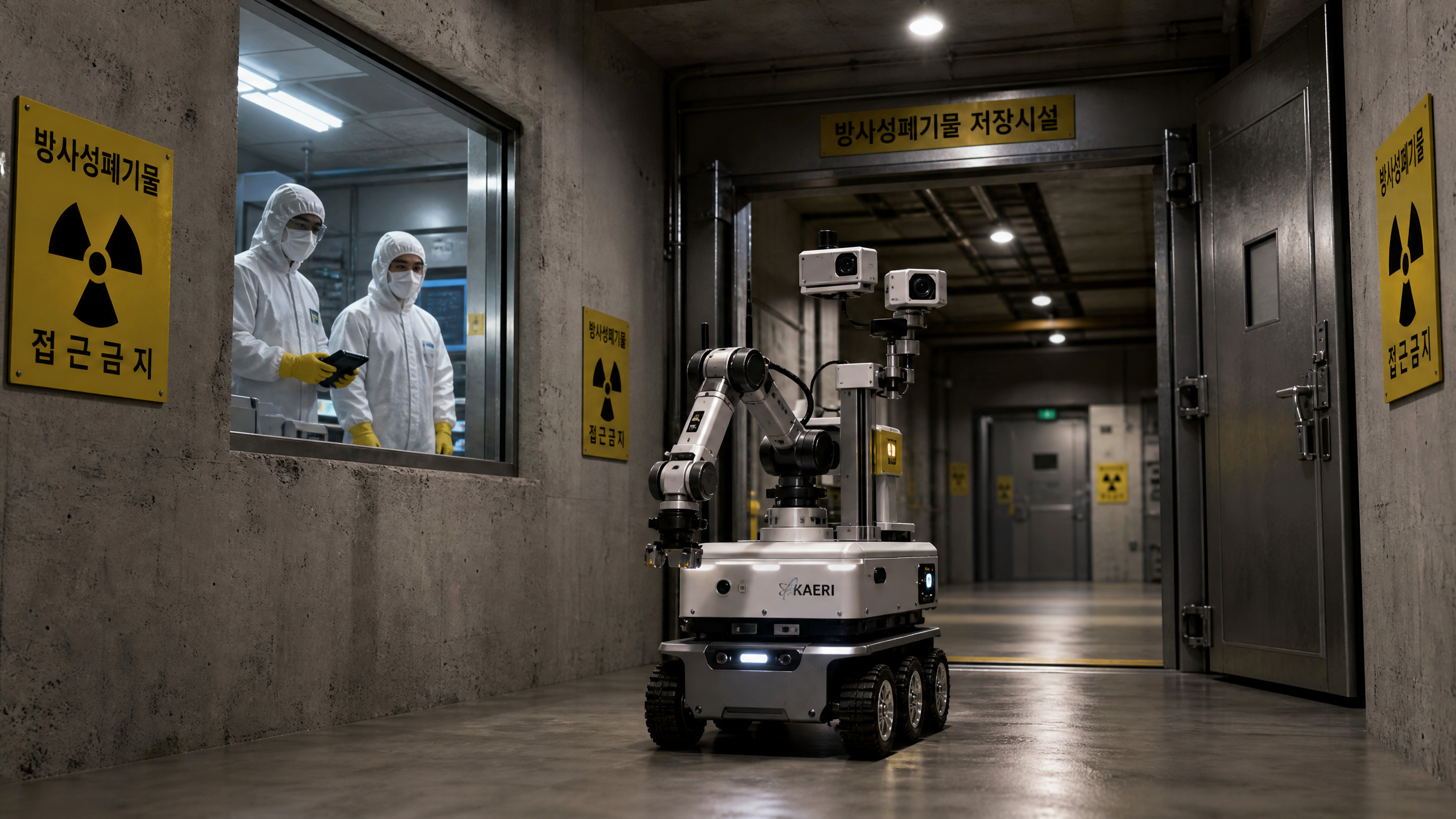
T-Robotics has signed a memorandum of understanding with the Korea Atomic Energy Environment Corporation (KORAD), Clobot, and the Gyeongbuk ICT Convergence Industry Promotion Association to deploy autonomous mobile robots and industrial robots in radioactive waste disposal facilities. The project is part of Korea's 2026 Large-scale Convergence Robot Demonstration Program and targets expansion into semiconductors, chemicals, and steel.
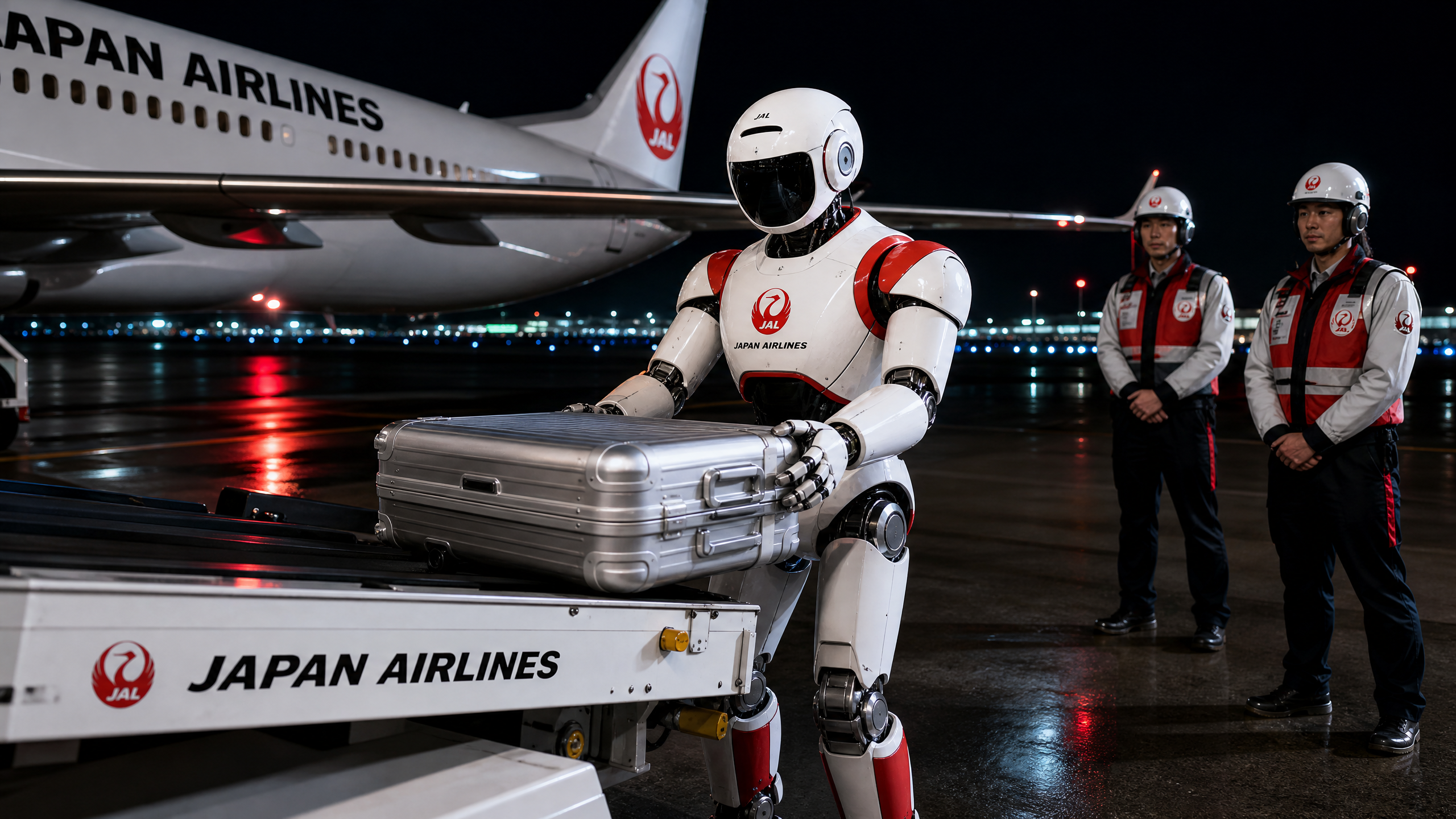
Japan Airlines has launched a two-year pilot program through 2028 deploying humanoid robots for baggage and cargo handling on the tarmac at Tokyo Haneda Airport. The trial, run in partnership with GMO Internet Group, directly addresses Japan's severe aviation workforce shortage and positions JAL as the first major Asian airline to test humanoid robots in a live airport operations environment.
The European Union's AI Act transparency and conformity assessment obligations entered full force in August 2026, extending to robotics and autonomous systems classified as high-risk AI. Robot manufacturers selling into the EU market must now maintain technical documentation, implement human oversight mechanisms, and register high-risk systems in the EU database. The rules apply to any company selling robots in the EU regardless of where the company is headquartered.
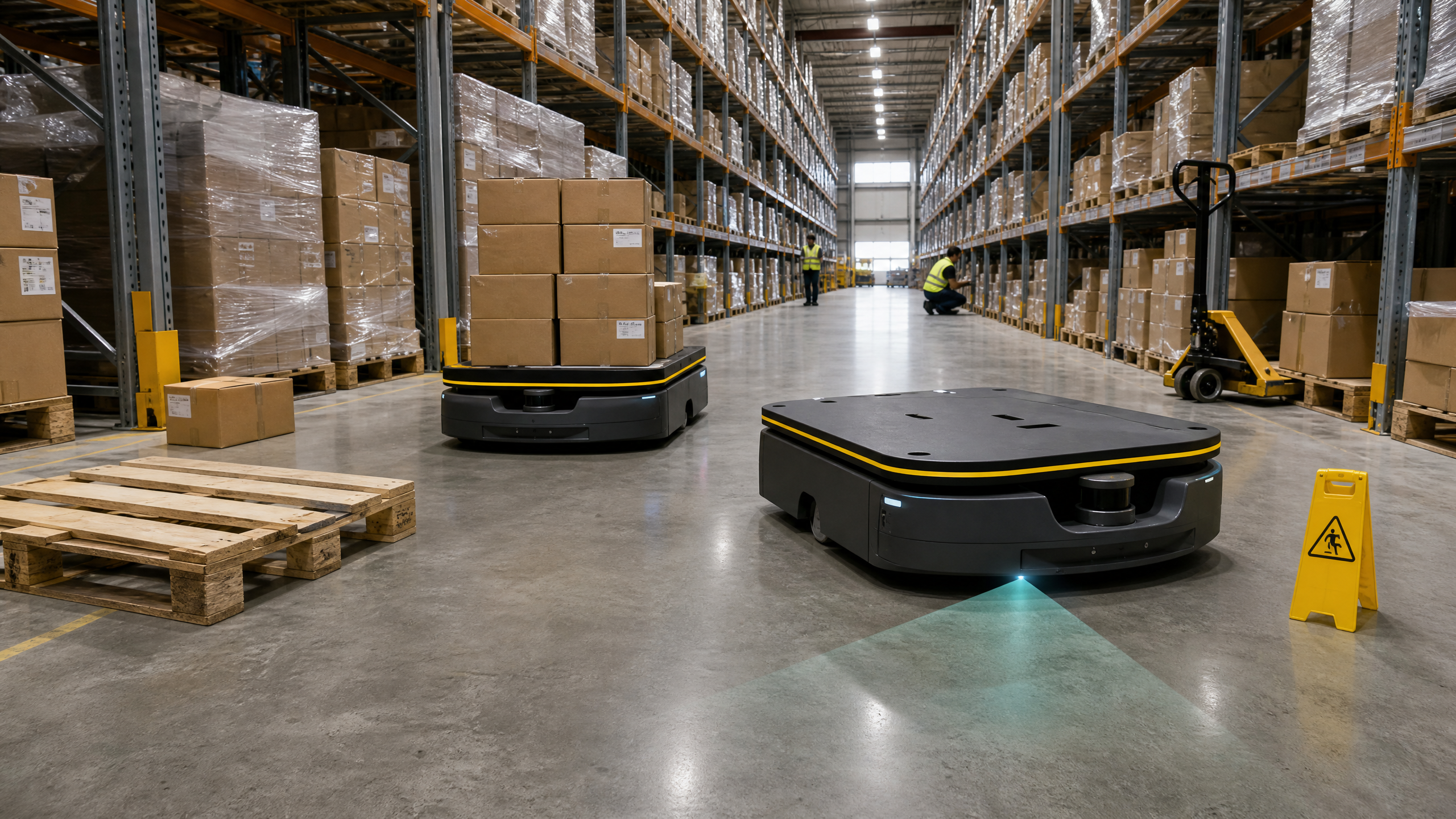
In October 2025 Amazon introduced Blue Jay, a next-generation warehouse system already handling roughly three quarters of its stored item types. Four months later the project was halted and a spokesperson reclassified it as a prototype. The operator of more than a million warehouse robots still could not distinguish a system that worked from a system that was ready until it ran in a live building. Post 7 of our AMR and AGV series introduces the ARPI Capability Readiness Gate Model, which separates the four evidentiary states that vendor roadmaps collapse into the single word can, and pairs it with a Component Cost Pass-Through Test explaining why falling battery, sensor and compute prices do not translate proportionally into a cheaper deployed robot. Peer-reviewed evidence on generalisation failure, the Clopper-Pearson statistics behind pilot success rates, and the move to version 3.0.0 of the VDA 5050 interoperability specification give buyers concrete grounds for specifying, timing and pricing the next generation.
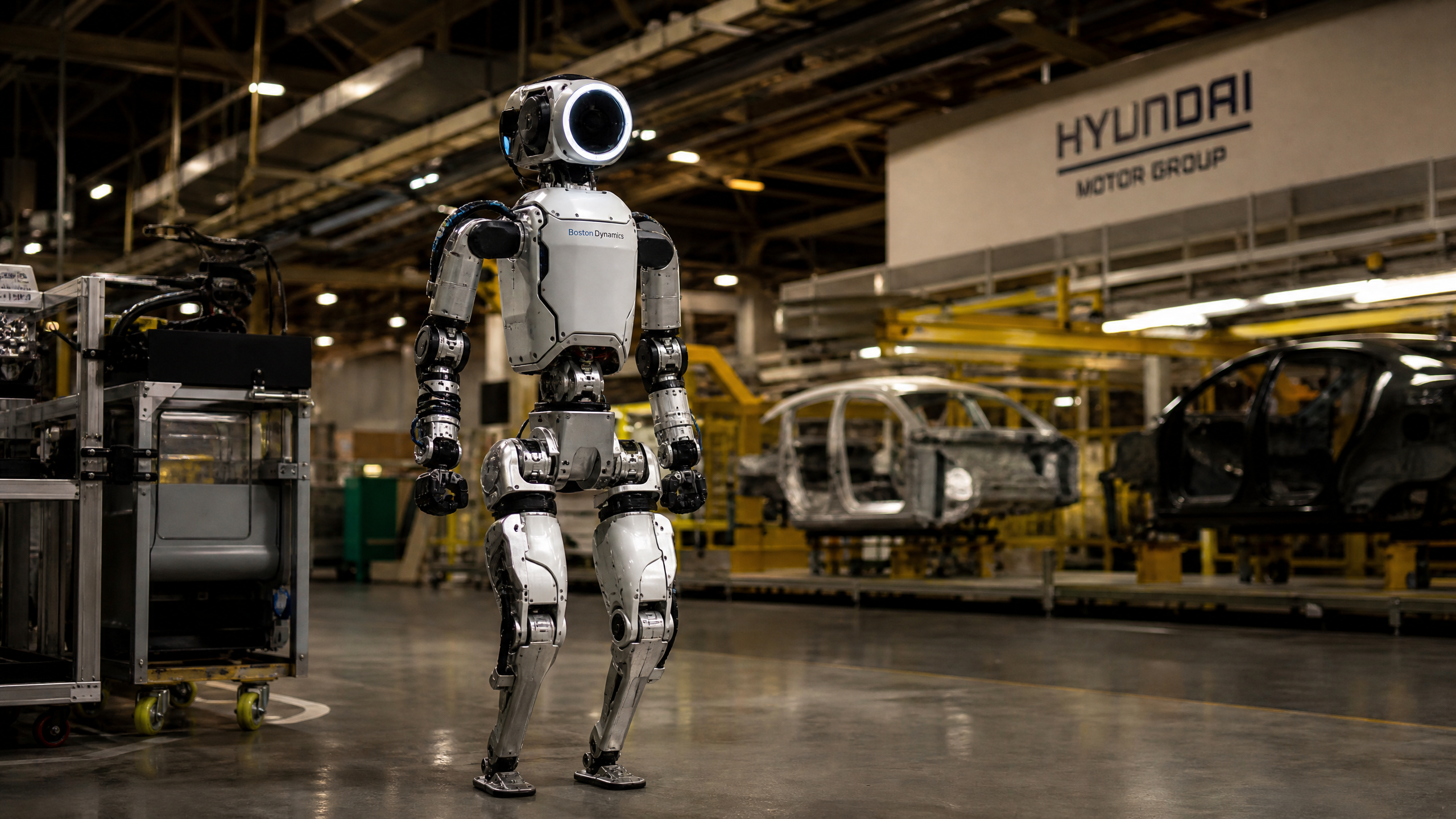
Hyundai Motor Group has completed its full acquisition of Boston Dynamics after SoftBank exercised its put option on the remaining 9.65% stake, making Hyundai the sole owner of the Waltham, Massachusetts robotics company. The move consolidates Hyundai's physical AI strategy, which includes a target of 30,000 robots per year by 2028 at its Georgia Metaplant, a KRW 9 trillion (approximately US$6.24 billion) AI and robotics hub in Saemangeum, and a commitment to 50,000 Nvidia Blackwell GPUs.
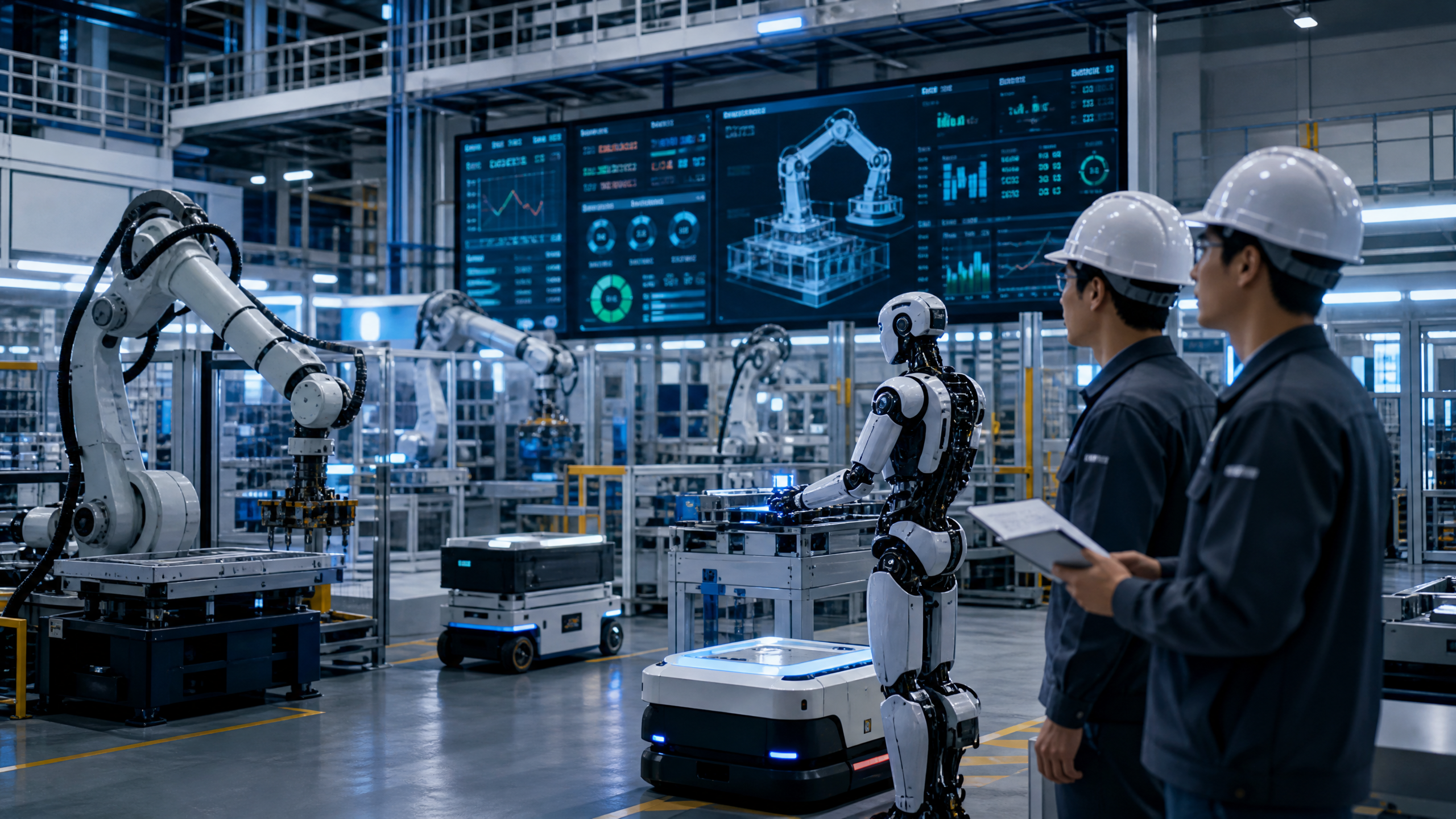
South Korea's four largest IT service conglomerates -- POSCO DX, SK AX, LG CNS, and Samsung SDS -- are each developing proprietary robot operating system platforms designed to serve as the AI brain layer for industrial robot deployments. The race reflects a structural shift in the Korean robotics market, where hardware commoditization is accelerating and the value is migrating to software orchestration, data management, and AI model integration.
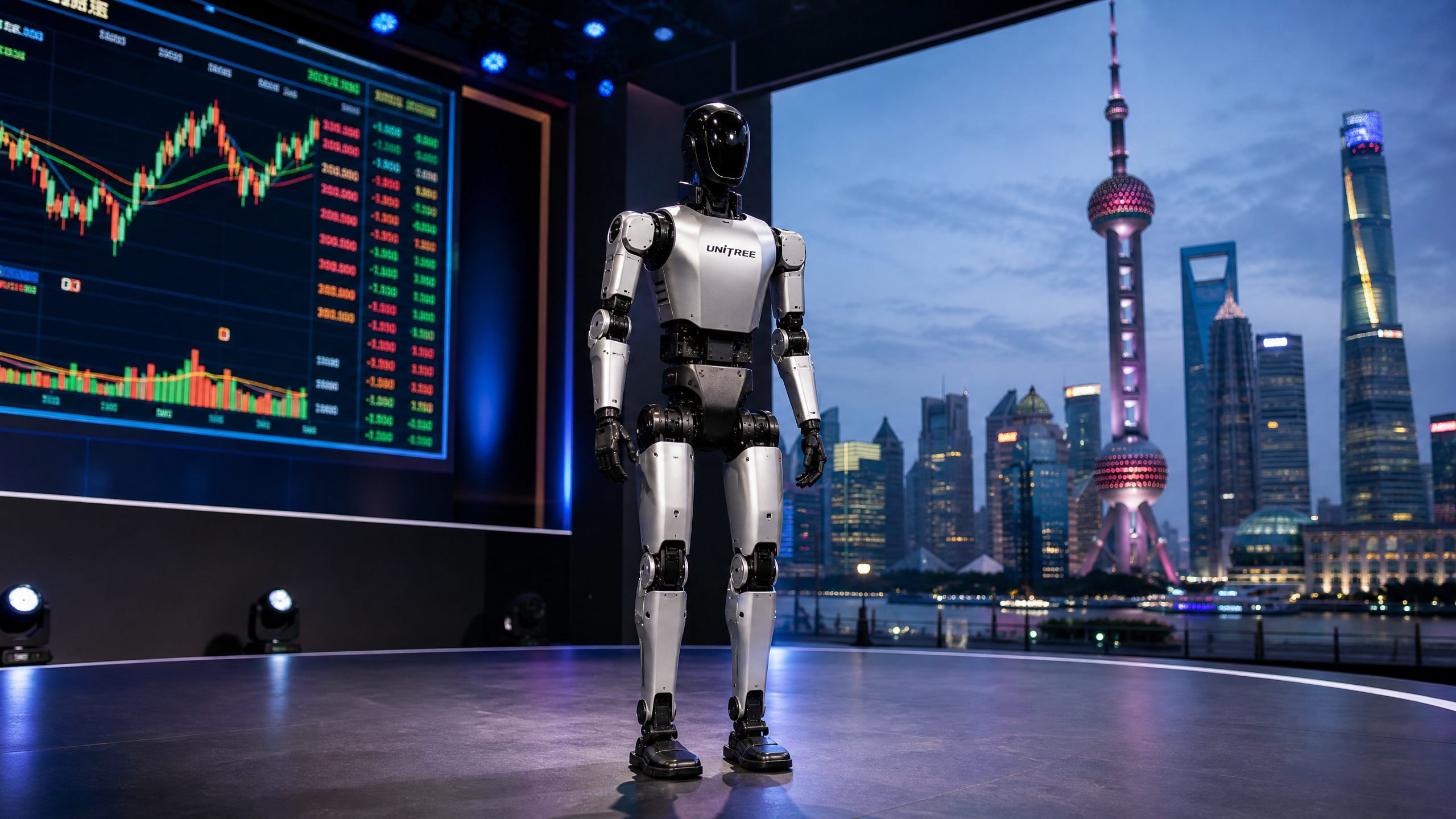
Unitree Robotics opens STAR Market IPO book-building on August 5, 2026, seeking a floor valuation of RMB 42 billion (approximately US$5.85 billion) after completing a record 104-day review process. The company is China's first profitable humanoid robot manufacturer, with RMB 1.2 billion in 2025 revenue and positive net income, setting a pricing benchmark for the wave of humanoid robotics IPOs expected in the next 12 to 18 months.