News and analysis on Asia's robotics industry from our research desk.
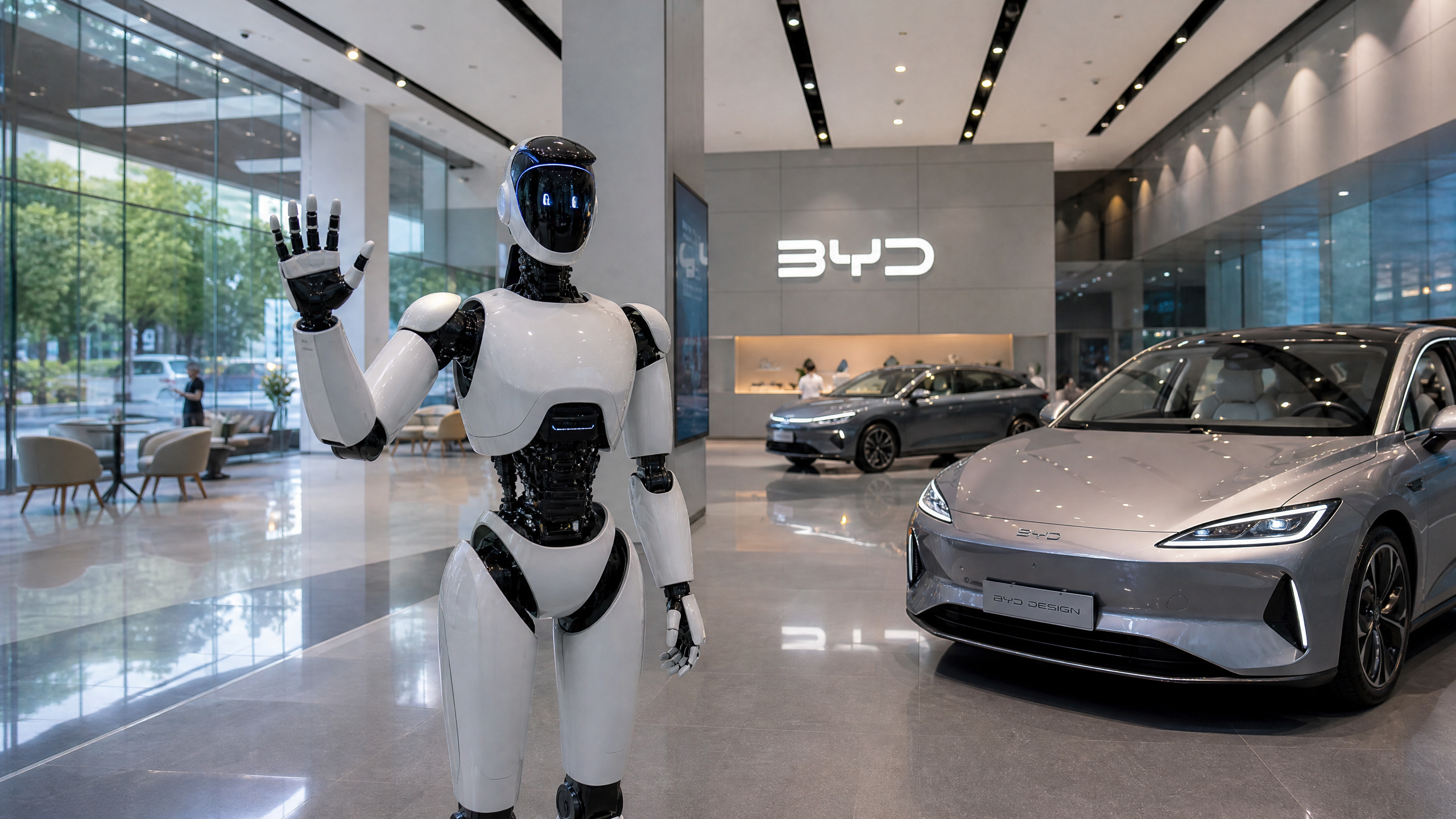
BYD, China's largest electric vehicle manufacturer, will unveil its first humanoid robot at its Di Space experience centres in Zhengzhou this month. The robot is reportedly called Xiao Di, stands 1.61 metres tall, weighs 58.5 kg, and can translate between six Chinese dialects and six foreign languages in real time. The debut comes as BYD's car business faces pressure from China's EV price war, with first-half sales down approximately 16%.
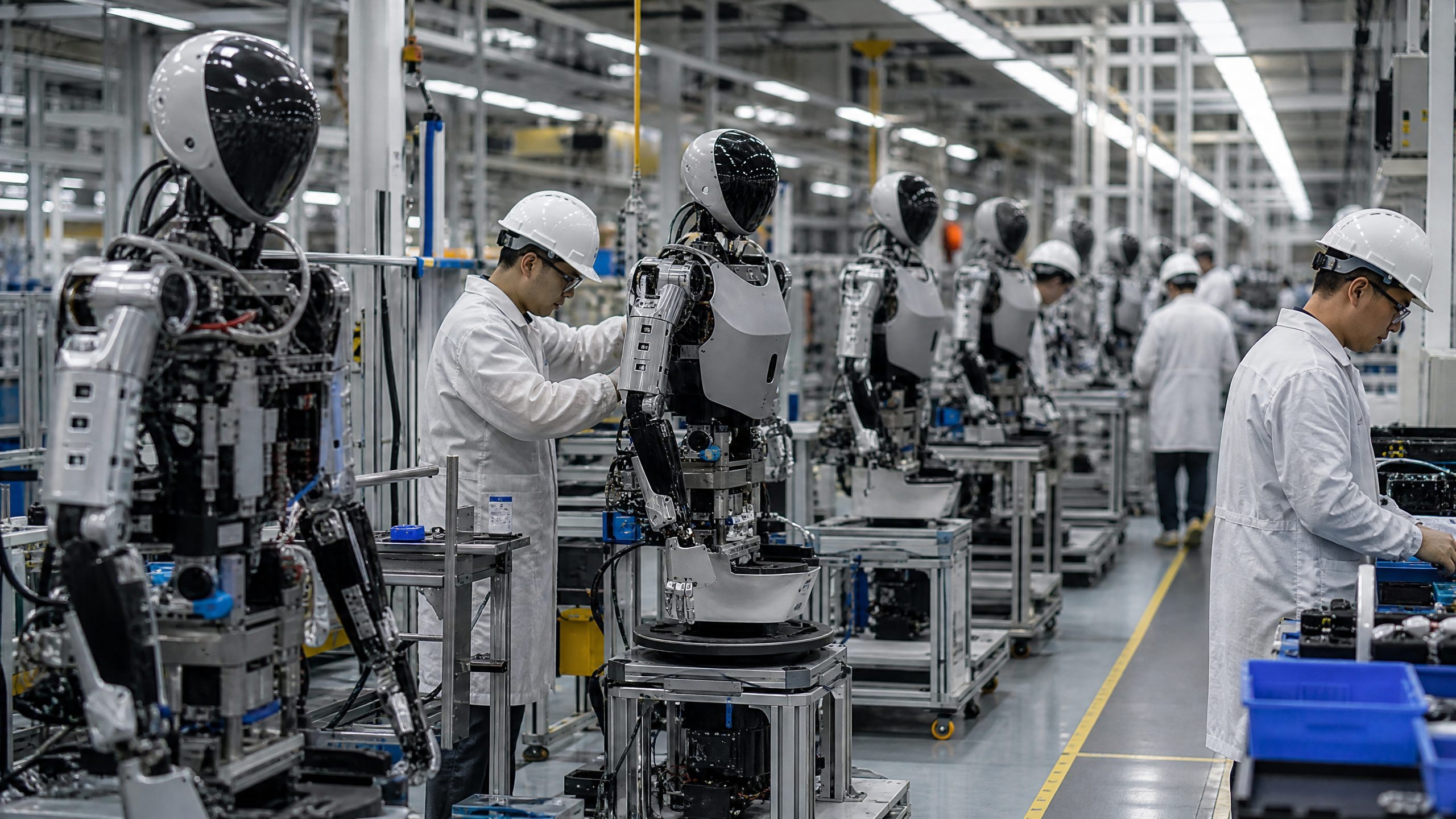
China's humanoid robot industry is on track to produce 100,000 units in 2026, a supply-side achievement that masks a more complex reality: the gap between production milestones and sustainable commercial deployment. A 36Kr analysis of five companies at WAIC 2026 reveals that most current humanoid robot companies lack a genuine moat, and that the real competition -- for data flywheels, AI brain capability, and deployment scale -- has barely begun.
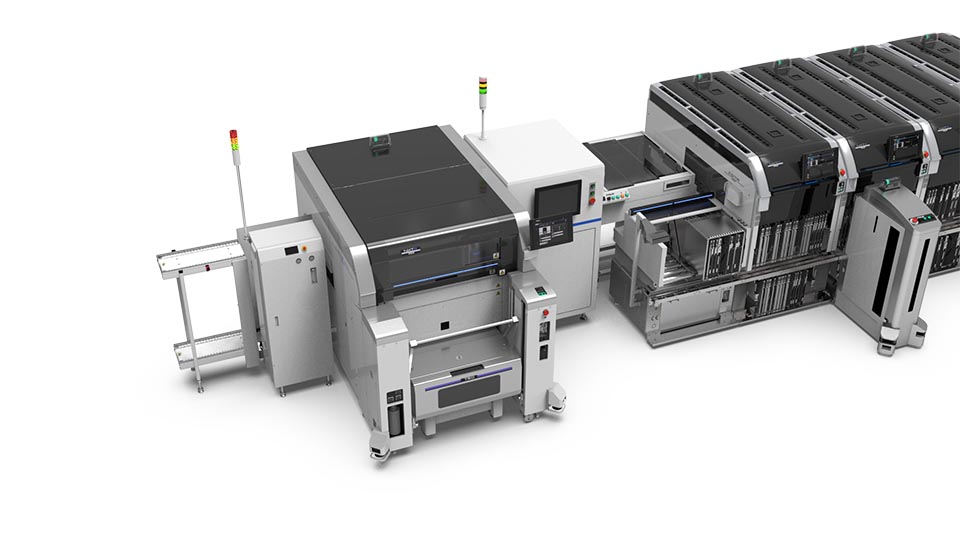
FUJI Corporation achieved industry-first automated mounting of 200mm, 2kg components for AI servers, eliminating manual placement of heavy GPU modules and HBM stacks on production lines.
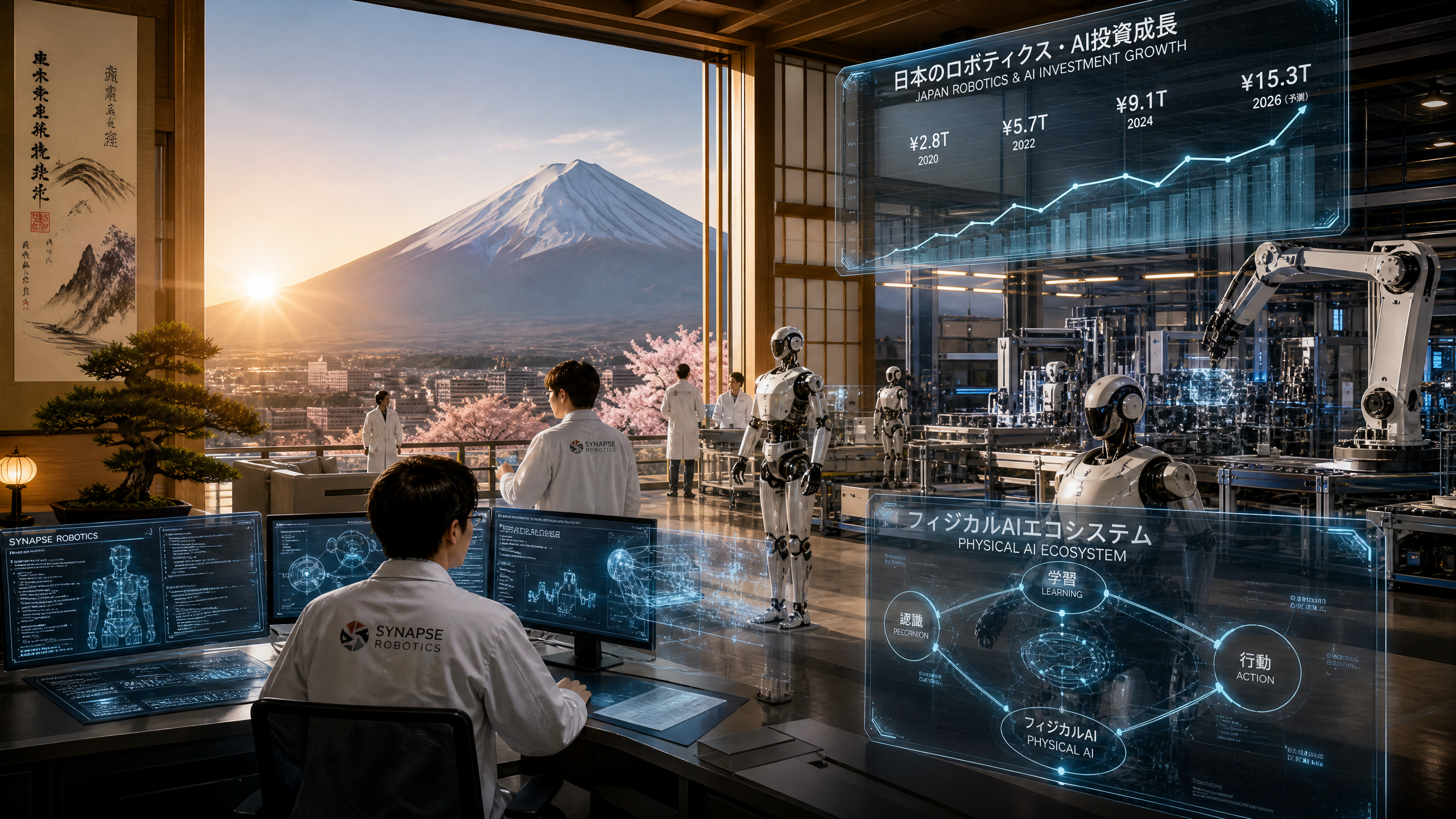
A Nikkei survey of 700+ Japanese firms shows fiscal 2026 capex at JPY 35.67 trillion, up 14.2 percent and an all-time high. NTT and Toyota lead the surge into data centres, AI factories, and chipmaking.
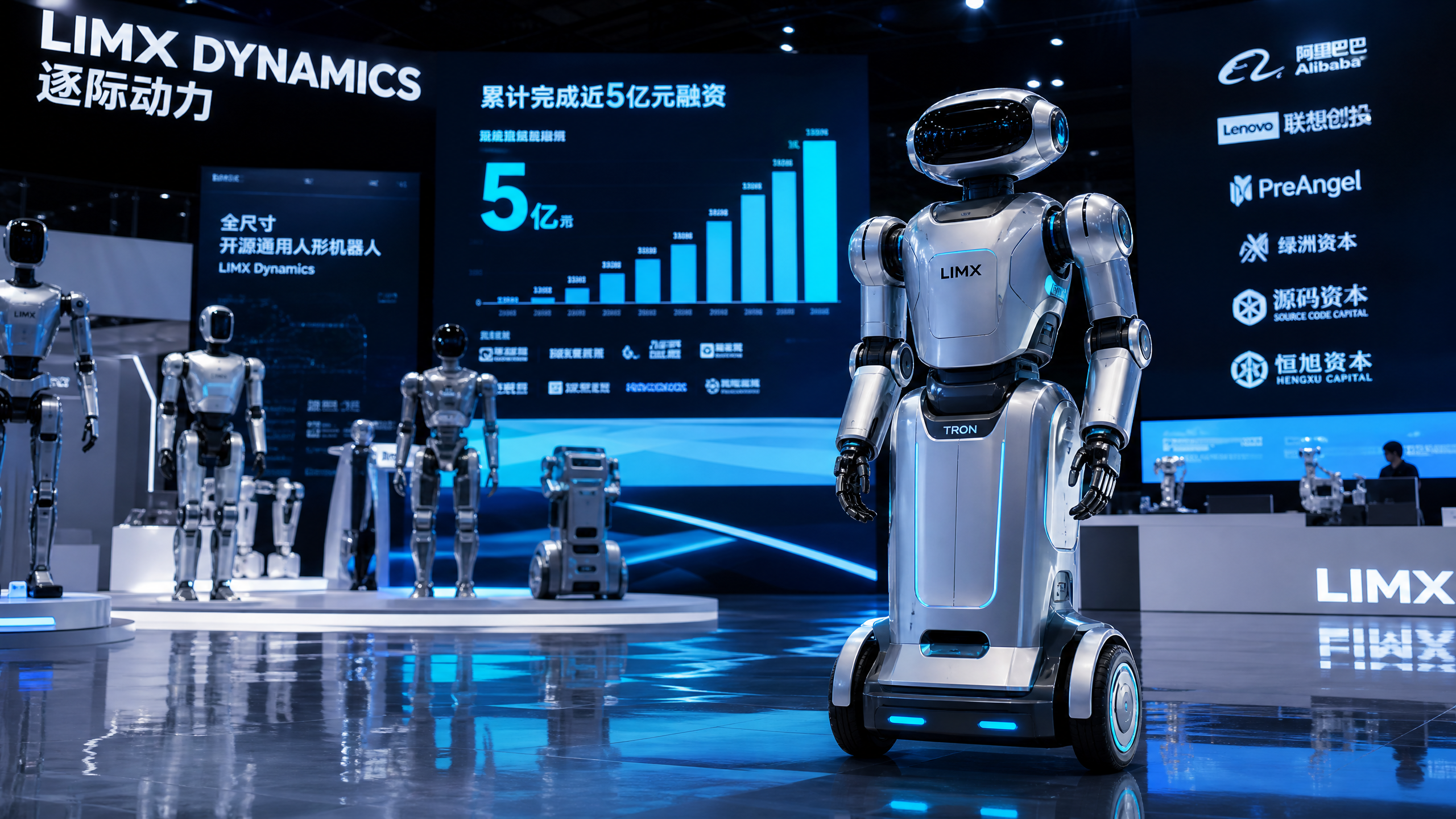
LimX Dynamics closed a US$200 million pre initial public offering round in July 2026, lifting the Chinese embodied artificial intelligence company to a US$2.2 billion valuation. The funding follows an earlier US$200 million raise this year, bringing LimX’s 2026 total to about US$400 million. Capital will scale production for TRON, a multi form robot platform spanning full sized bipedal humanoid Oli and wheeled humanoid Luna. The company showcased both at ChinaJoy 2026 in Shanghai, signaling a push beyond research pilots into paid deployments. The raise underscores a broader Chinese surge in humanoid and embodied platforms, where form factor bets are proliferating and consolidation pressure is building as companies face yield, reliability, and unit cost realities on the road to mass manufacturing.
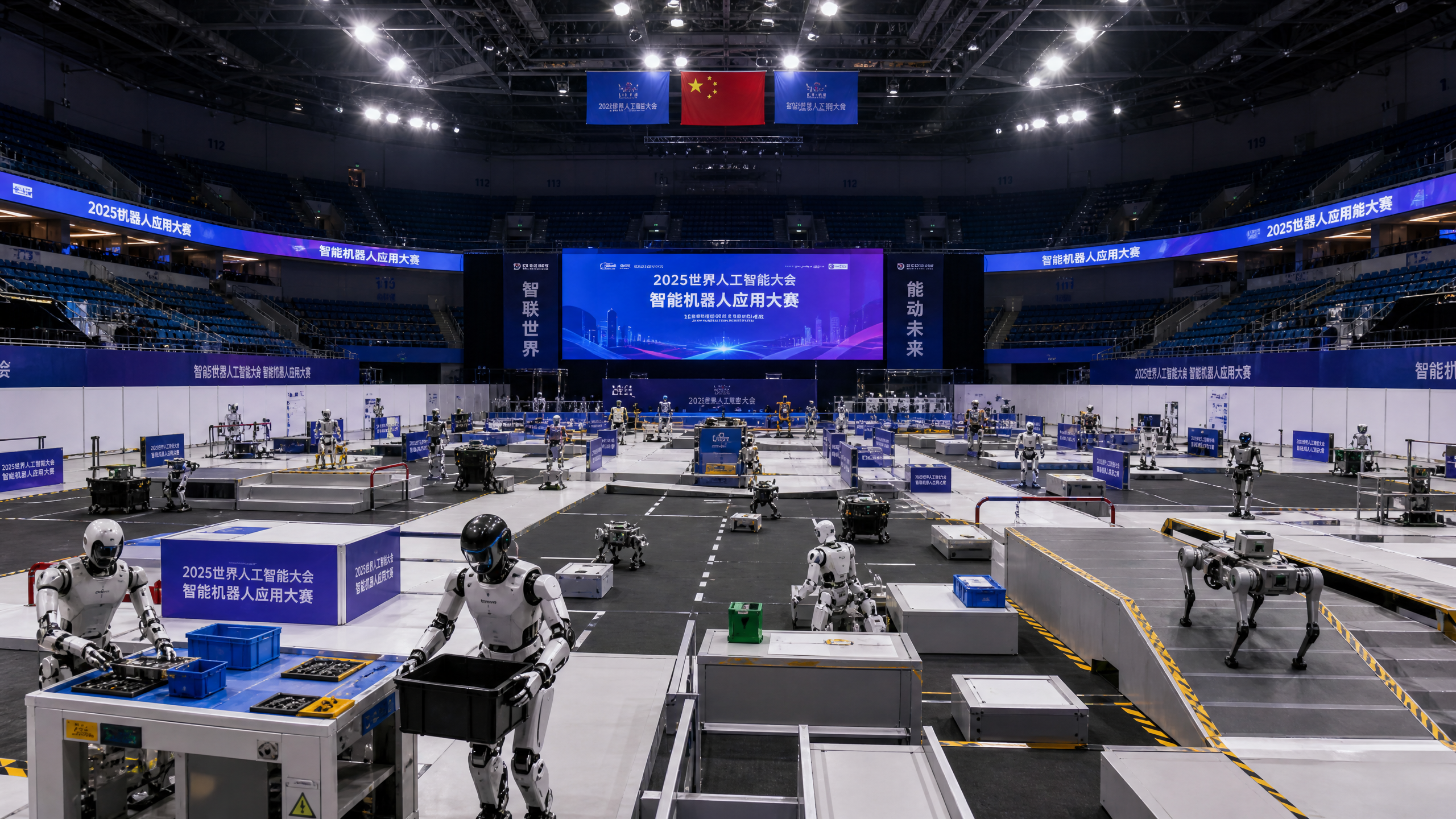
The 28th China Robot and Artificial Intelligence Competition humanoid finals at Beijing’s Shougang Park on August 1 and 2, 2026 moved the needle from showmanship to shop floor credibility. With 350 robots competing, the full size class ran fully autonomous for 50 minutes over slopes and through parts sorting tasks with zero remote control. Lepu Kuafu disclosed eight hours continuous operation, 95.8 percent unstacking success, and an approximate unit cost of RMB 100,000, equal to US$13,800. The headline is not athletic balance. It is industrial autonomy, cycle yield, and cost down. For procurement leaders, the contest framed a pragmatic question. Does a humanoid at RMB 100,000 now pencil in for real shifts, or does integration friction keep payback out of reach.
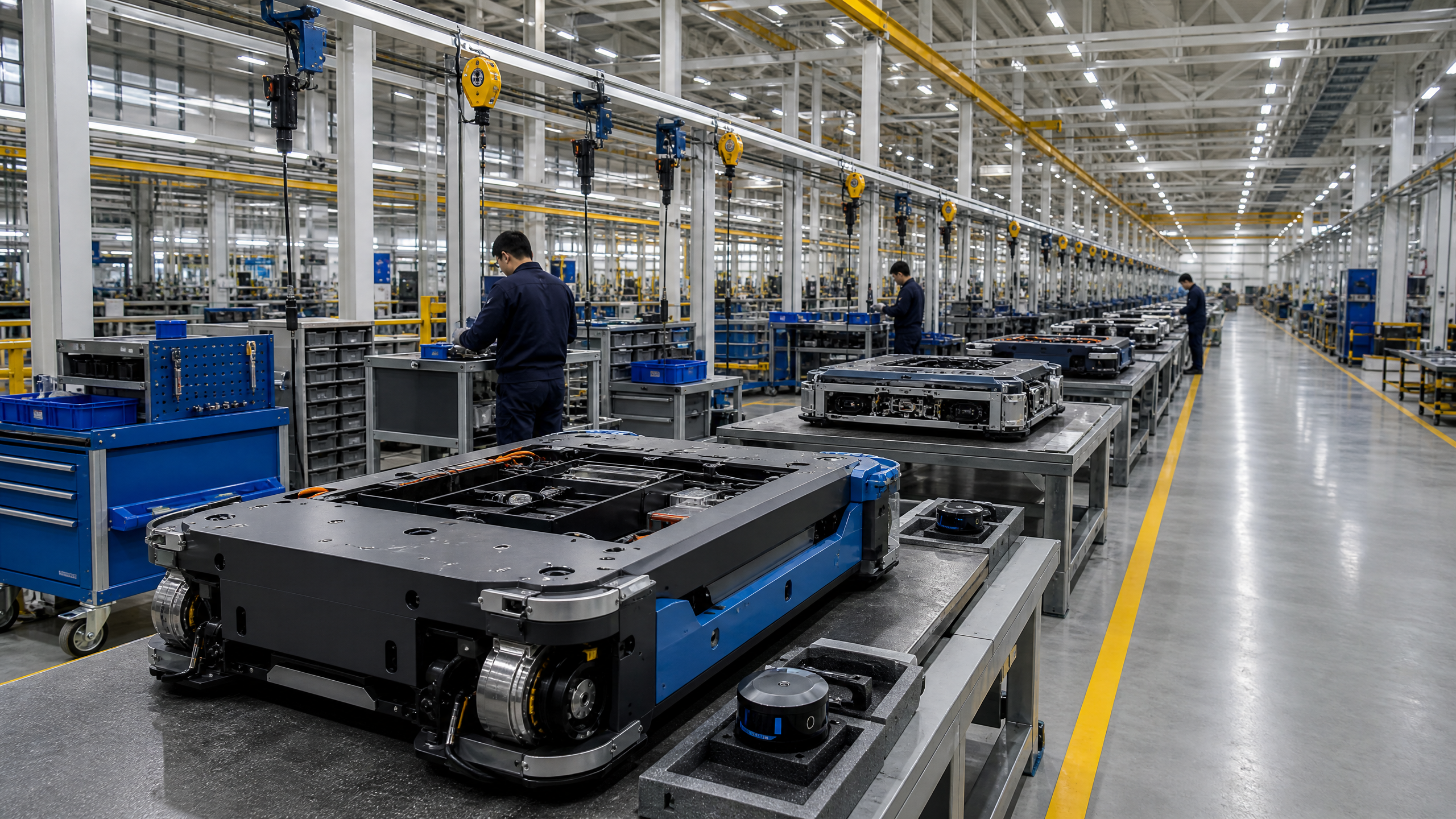
The International Federation of Robotics puts Asia-Pacific at almost 84 percent of intralogistics mobile robot origin. Interact Analysis puts China at 36 percent of mobile robot revenue, falling towards 27 percent by 2030. Both figures are defensible, and the gap between them is not a measurement error but the shape of the industry. Post 6 of our AMR and AGV series introduces the ARPI Production Leadership Layer Model, a five-layer decomposition of the value chain showing that leadership migrates down the stack: Chinese dominance is decisive at vehicle assembly, contested at safety certification and precision components beneath, and weakest at autonomy compute and systems integration above. With China now a net exporter of industrial robots, a pending Section 232 determination, and a rare earth control suspension expiring 10 November 2026, the analysis converts manufacturing geography into five distinct procurement risk types and the supplier questions that surface each one.
The commercial tension in robotics has shifted from the cost of the hardware to the cost of the permission to operate it. With airlines banning humanoids over battery risks and Zoox securing a landmark federal exemption for its robotaxis, the regulatory layer is now the primary determinant of deployment economics.
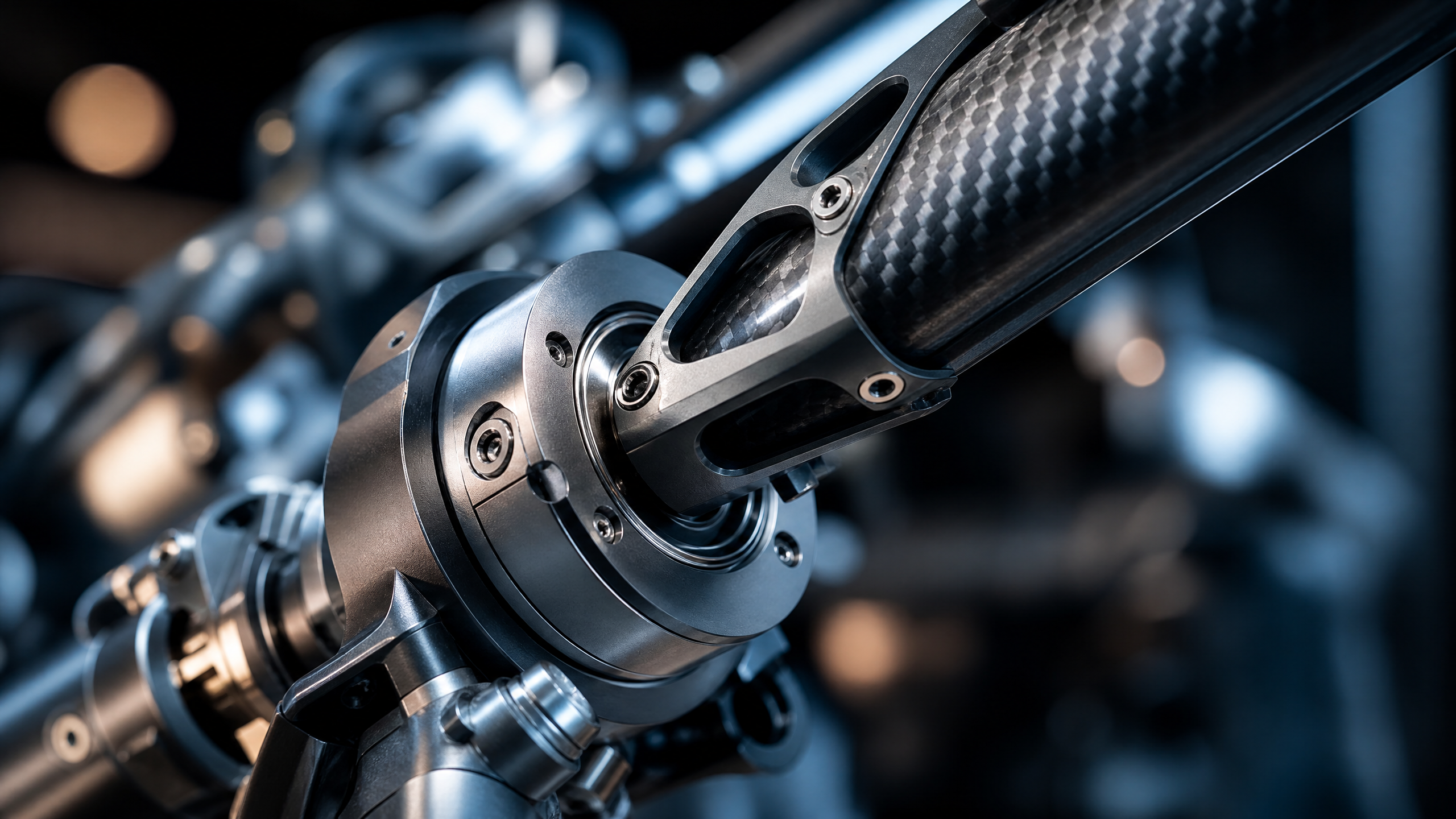
The proliferation of robotic foundation models has exposed the physical limitations of the hardware they control. With a teleoperated humanoid performing surgery and a high-profile stage collapse at Computex, the technical focus has shifted from artificial intelligence reasoning to actuation, simulation transfer, and raw electromechanical reliability.
The exhibition circuit has transformed from a venue for speculative demonstrations into a hard procurement battleground. With IFA Berlin announcing a dedicated humanoid catwalk and Computex Taipei exposing the friction between silicon ambition and physical reliability, convenings are now the primary mechanism for supply chain allocation.
The week ending August 1, 2026, marked a structural shift in robotics financing as infrastructure-scale capital eclipsed traditional venture rounds. With an 845 million dollar acquisition by Procore and a 1 billion dollar Nvidia commitment in Korea, the sector's financial center of gravity has moved from startup deployment to national and industrial infrastructure.
Delta and United Airlines have joined Southwest in banning humanoid and pet-like robots from flying in passenger cabins or checked luggage. The carriers cite significant safety concerns regarding large lithium-ion batteries and potential evacuation hazards as advanced consumer robotics become more prevalent.