News and analysis on Asia's robotics industry from our research desk.
Delta Intelligence, a humanoid foundation model startup founded in January 2026, announced a near-RMB 500 million (US$70 million) angel++ round on July 28, its sixth funding round in six months. Uniquely backed by rival OEMs AgiBot, Leju, and Galaxea plus Lenovo Capital, the company also launched Delta D1, a head-mounted device that records a human worker's first-person vision and whole-body joint trajectories for robot training, accurate to within 2 centimeters.
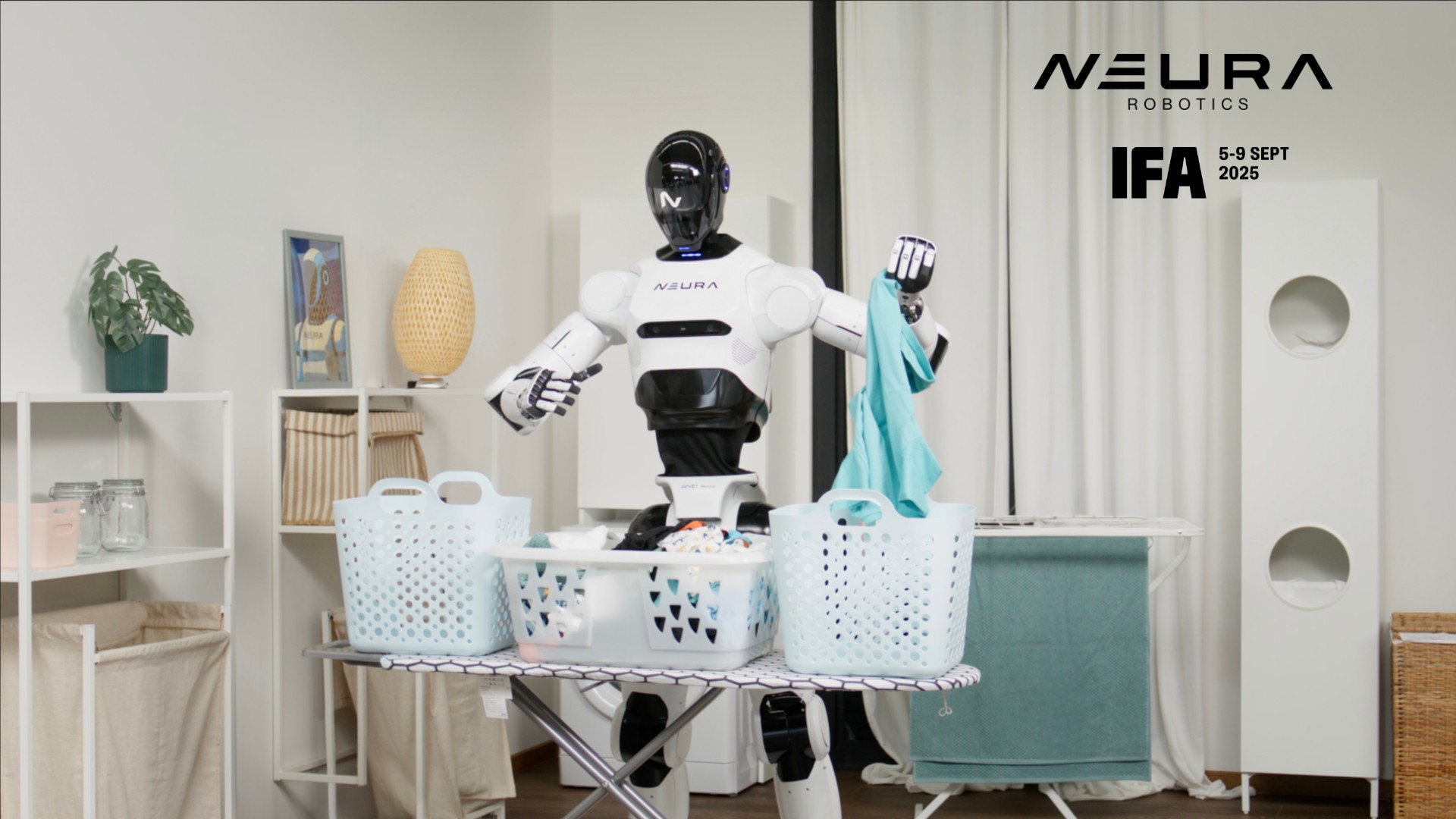
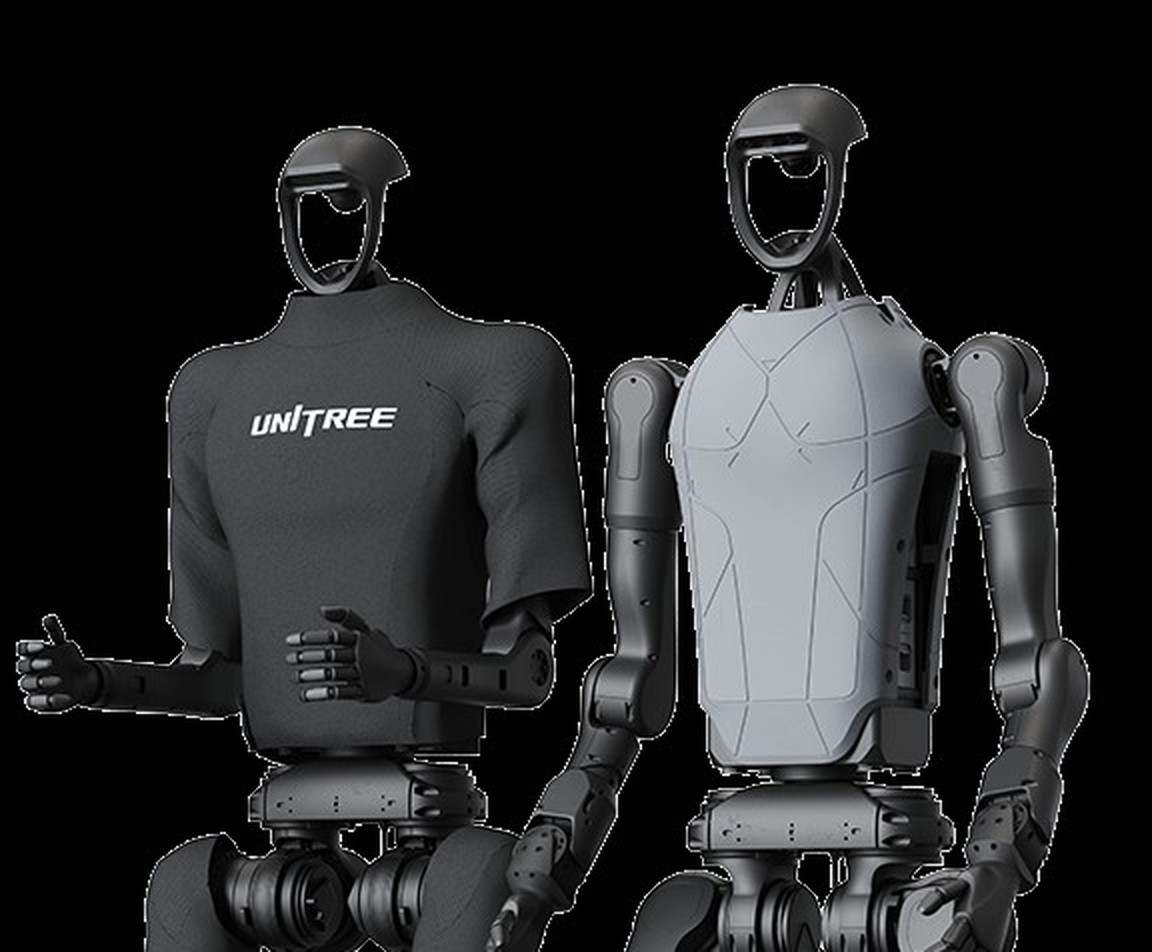
IFA Berlin announced on July 27-28 that its IFA Next innovation zone will host the event's largest-ever humanoid showcase this September 4-8, with around 300 exhibitors from 25 countries and a first-ever "Robots on the Runway" catwalk. The exhibitor list is dominated by Chinese makers, including Unitree, AgiBot, Galbot, and Deep Robotics, days after Washington banned their newest models.
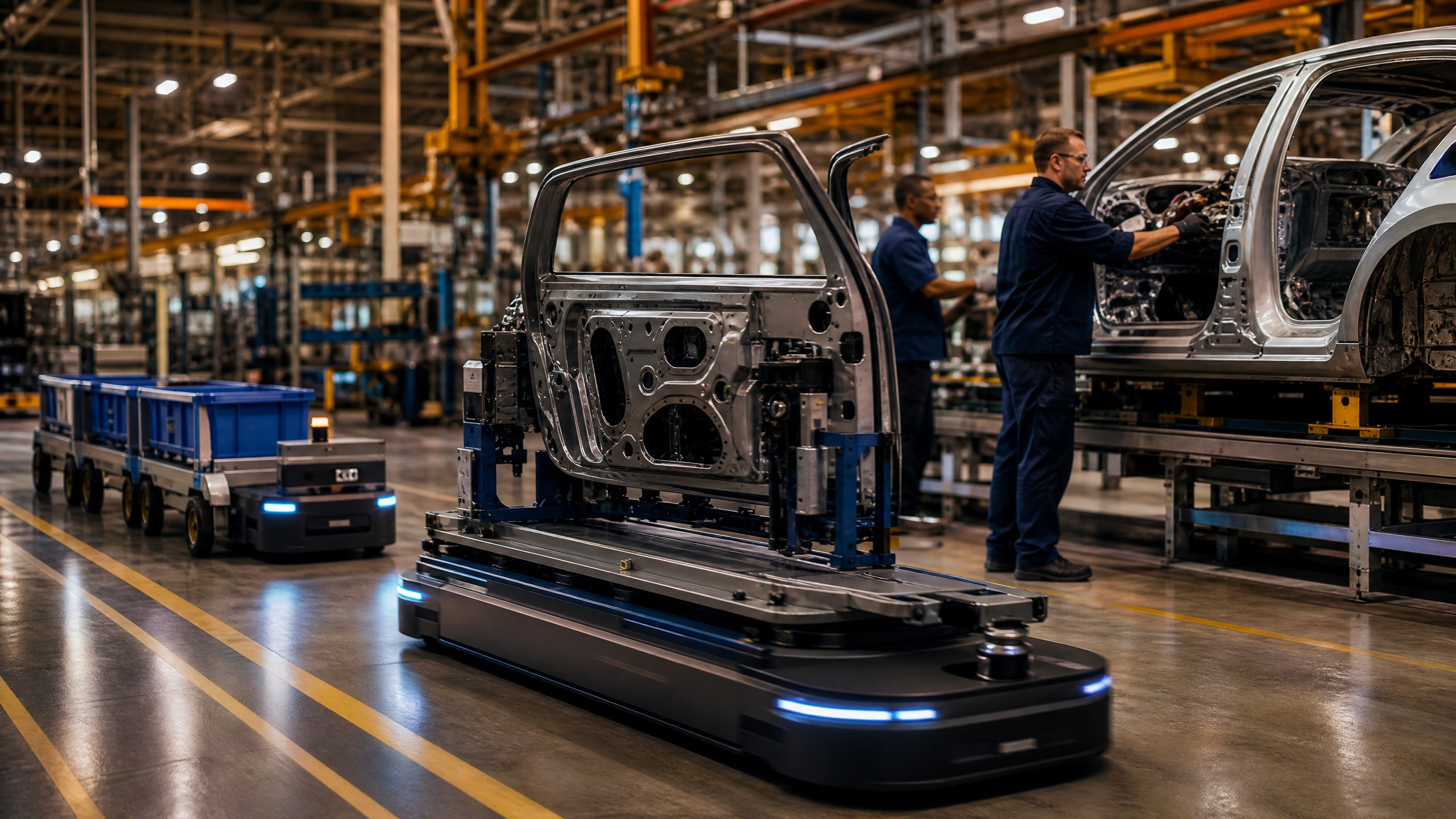
Amazon runs more than one million robots across 300-plus facilities while a family-owned logistics firm is going live with exactly 24, and everything a buyer needs to know sits between those two numbers. Post 3 of our AMR/AGV foundations series maps where mobile robots are actually deployed: the four industries that dominate the verified record, the task patterns that repeat across them, flagship cases from BMW Regensburg to FAW Toyota's 2,000-robot fleet, and an original readiness framework that matches four deployment archetypes to the organisations realistically able to copy them.
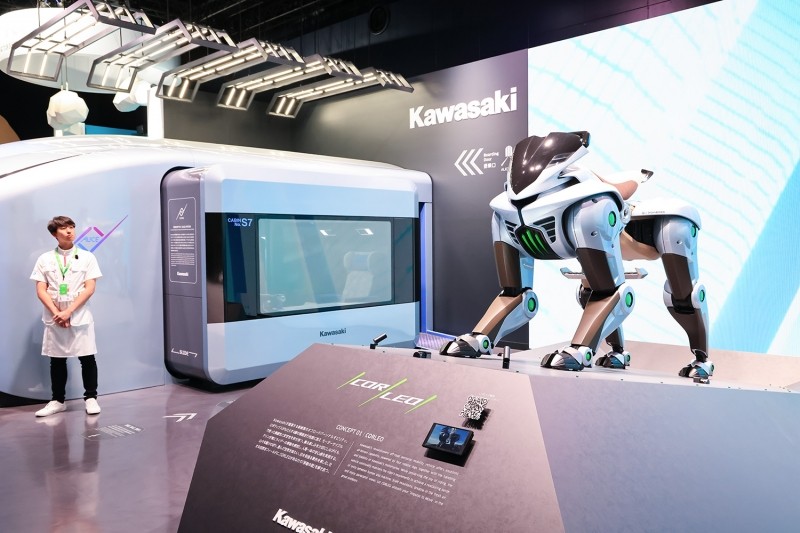
Kawasaki Heavy Industries held its first business briefing for CORLEO, the rideable quadruped robot, on July 28 in Tokyo. The plan calls for a working prototype in 2028, a walking model at Riyadh Expo 2030, and a theme-park-style facility by 2035. CORLEO will have no steering or brakes, reads its rider's body movements like a horse, runs a hydrogen hybrid powertrain, and is trained with Nvidia at Kawasaki's San Jose Physical AI Center.
The FCC on July 28 barred new Chinese humanoid and quadruped robots and connected power inverters from the US equipment authorizations they need to be imported or sold, effective immediately upon publication. Already-authorized models stay legal for now. The move blocks Unitree's planned August North America launch and formalizes the robot trade's split into rival blocs.
The last week of July 2026 marked physical AI's shift from venture funding to infrastructure capex. Nvidia's US$1.01 billion Naver stake, Brookfield's up-to-US$9 billion financing, Japan's PASTEC chip hub, and Korea's US$950 billion framework show states, asset managers, and chipmakers now fund the robot economy, changing what gets built and who captures the value.
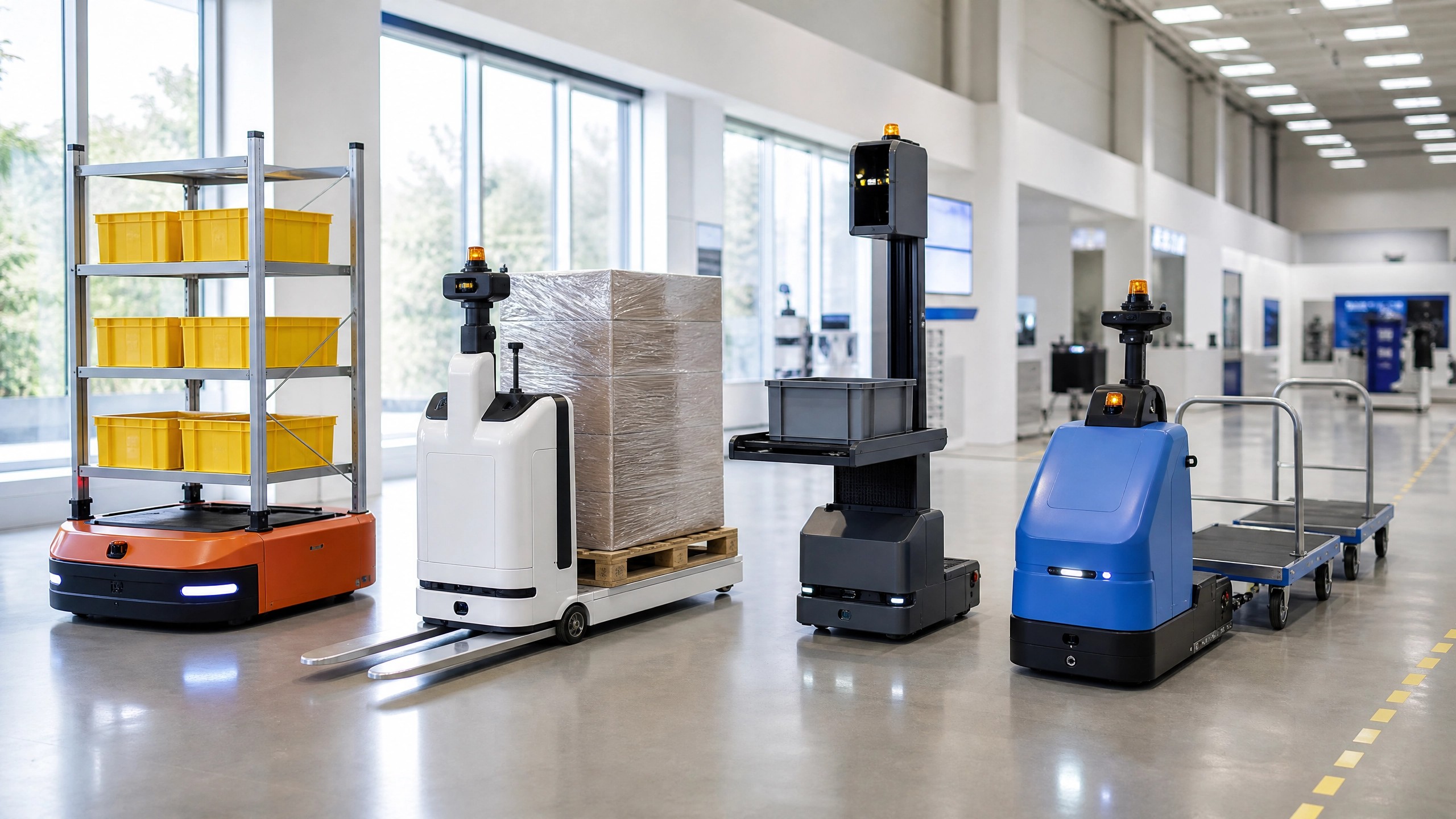
Ninety-six new mobile robot products reached the market in the first half of 2026 alone, and they are not interchangeable. This guide maps the six working classes of AGVs and AMRs that matter to buyers, from tuggers and pallet movers to shelf-carriers, tote-handling robots, and the fast-rising mobile manipulator category, explains how each differs in payload, navigation, and facility demands, and provides an original class selector matrix so procurement teams can shortlist the right vehicle type before talking to a single vendor.
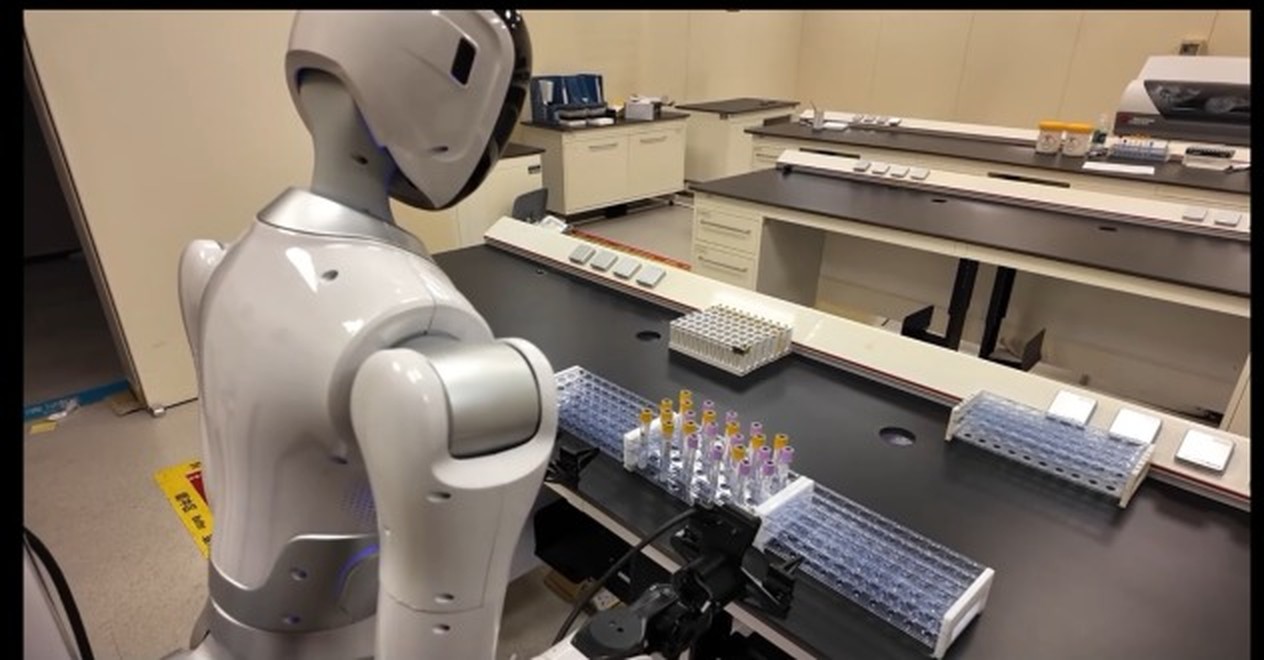
Shenzhen’s Chaowei Dynamics and PKU Healthcare announced cooperation on embodied AI for hospitals: a medical digital asset library reproducing pharmacy sorting and grasping in simulation, enabling consumables-free training. State-media placement (S&T Daily) read as policy signal. The 日前 dating caveat is disclosed in the body.
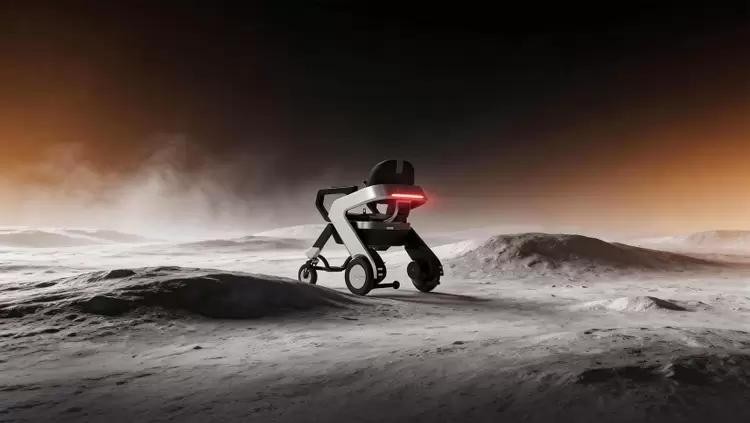
Physical AI company founded by Huawei/Baidu-Apollo veteran Wu Shulin closed several hundred million yuan across angel rounds from CDH VGC, Linear Capital, and SAIC-, CATL-, and BYD-affiliated funds plus Chow Tai Fook. Product: Quorra X5 personal mobility vehicle with autonomous following. Thesis: the autonomous-driving diaspora and auto capital claiming personal mobility as physical AI’s near-term wedge.
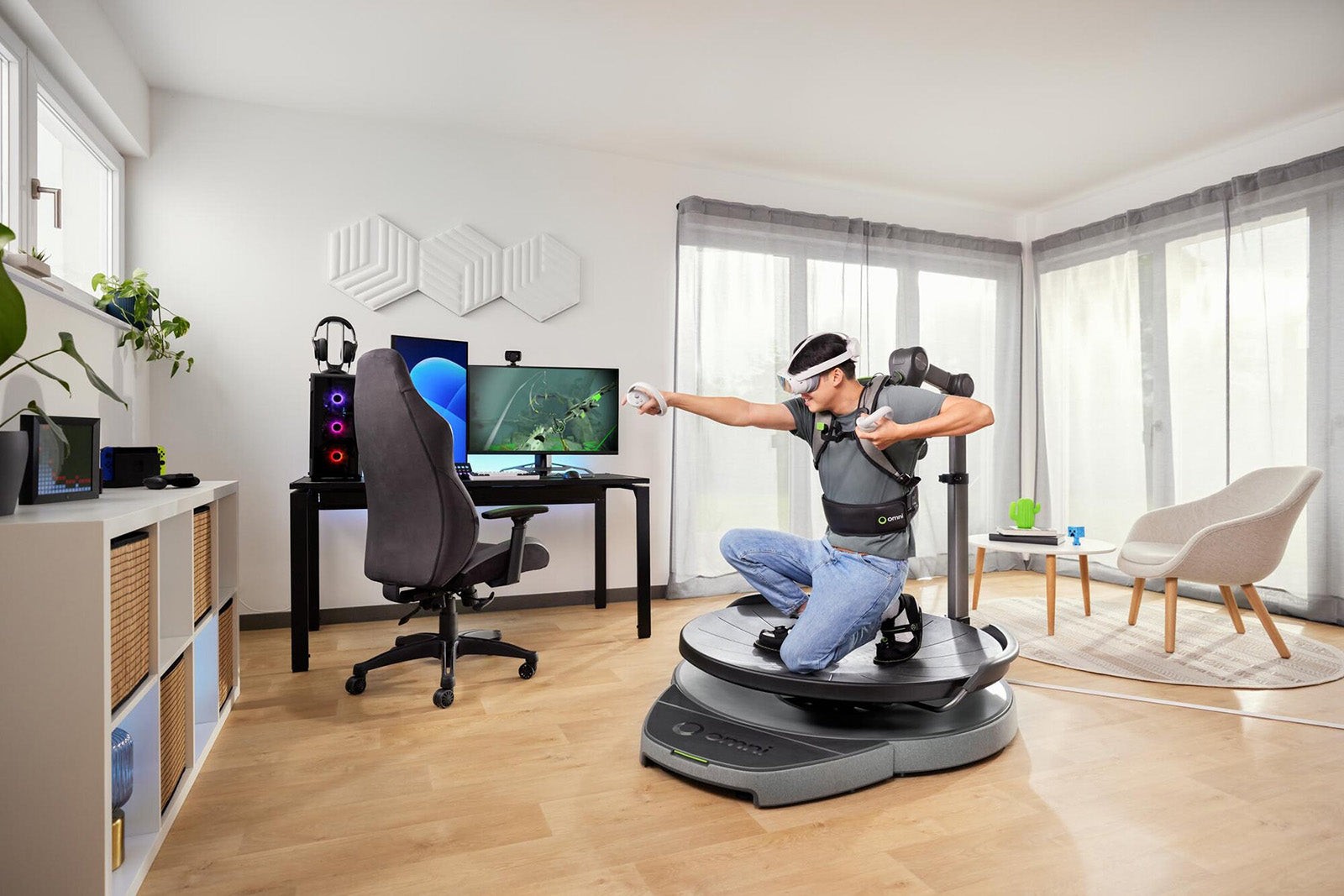
Virtuix disclosed Tesla’s Optimus division bought its first Omni One Enterprise omnidirectional treadmill, positioned for whole-body humanoid teleoperation. Deliberately conservative framing: one unit, seller-disclosed, pilot reading; broker chatter about a Tesla Optimus app excluded. Significance: locomotion training data is becoming a procurement category.
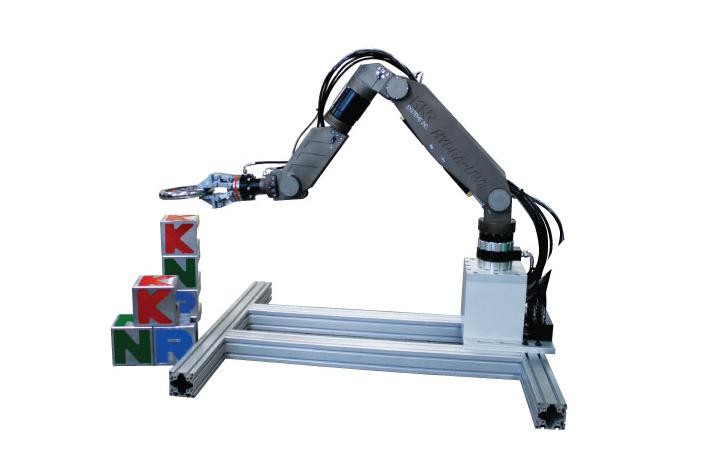
KOSDAQ-listed KNR Systems hit the daily limit after unveiling a hydraulic dual-drive robot hand rated for 300 kilograms of grip, with a Super Humanoid unveiling promised by year-end. Framed as Korea’s contrarian bet on strength over dexterity and as a component play; skepticism applied to unverified load claims.
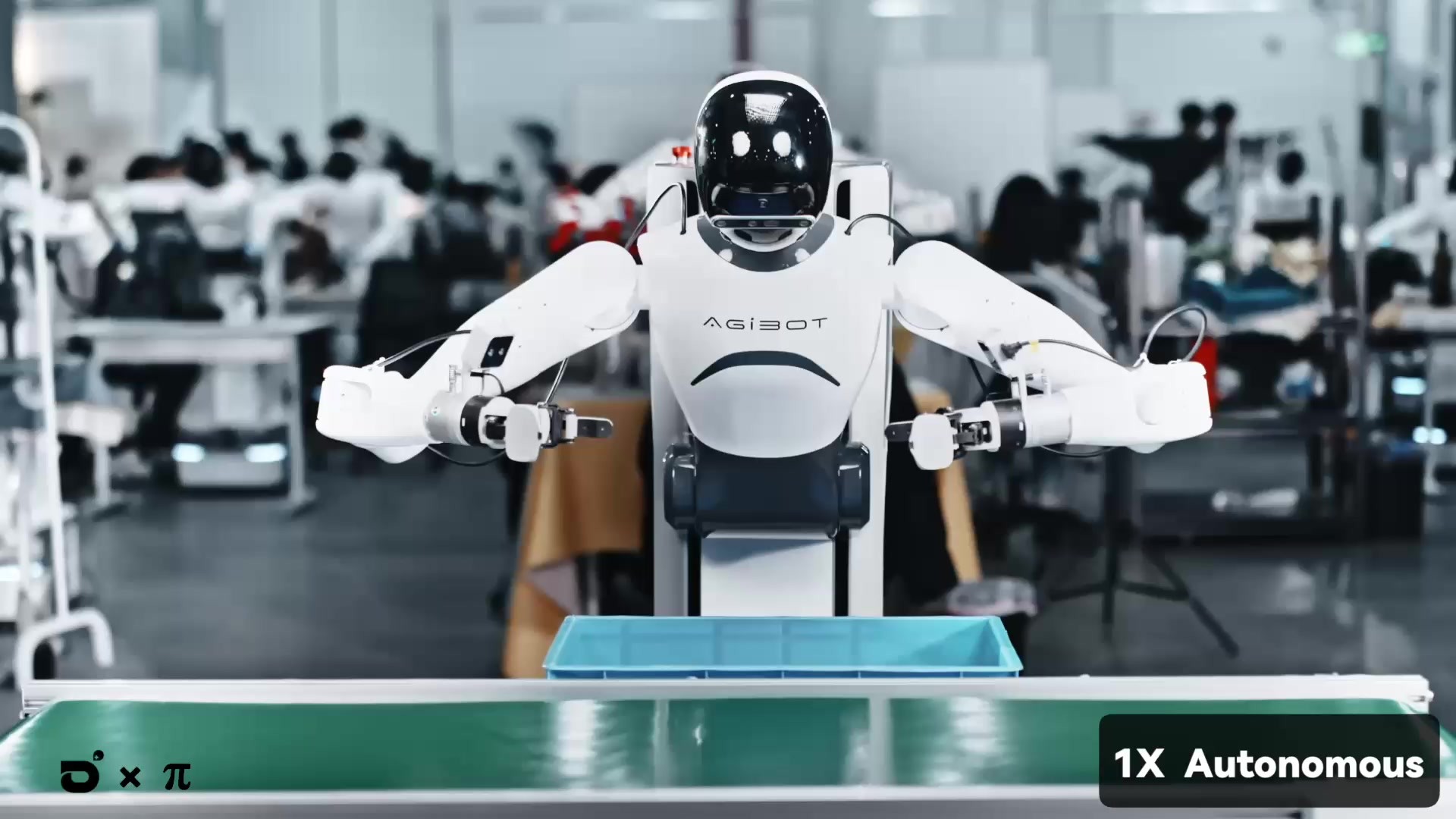
Shanghai Innovation Institute with AgiBot released τ0-VLA, a long-horizon vision-language-action model claiming state-of-the-art results above Google and Physical Intelligence baselines, trained on a claimed 40,115-hour real-robot corpus, released with weights and training recipe. Positioned as embodied AI’s potential DeepSeek moment; adoption metrics (forks, downloads) named as the verification to watch.