News and analysis on Asia's robotics industry from our research desk.
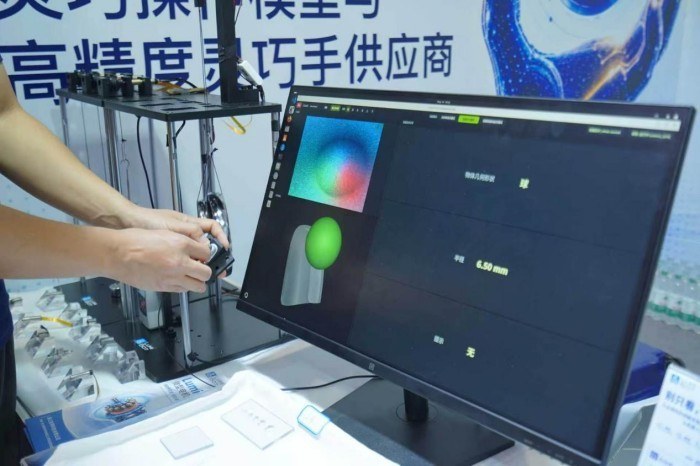
Shiyue Technology, a Hangzhou dexterous-hand startup founded just five months ago, has raised nearly CN¥100 million (about US$14 million) in angel funding co-led by ZWC Partners and Twenty Venture. The company is unusual in a crowded segment for having revenue before its Series A: its Lumi-Dex hands are already shipping, with claims of 5,000-hour continuous operation and full-palm tactile sensing at a cost-controlled price point. In a market where dexterous hands are widely seen as the bottleneck between humanoid demos and productive work, Shiyue’s operating-hours-first positioning is a bet that reliability, not anatomical fidelity, decides which suppliers survive the coming consolidation.
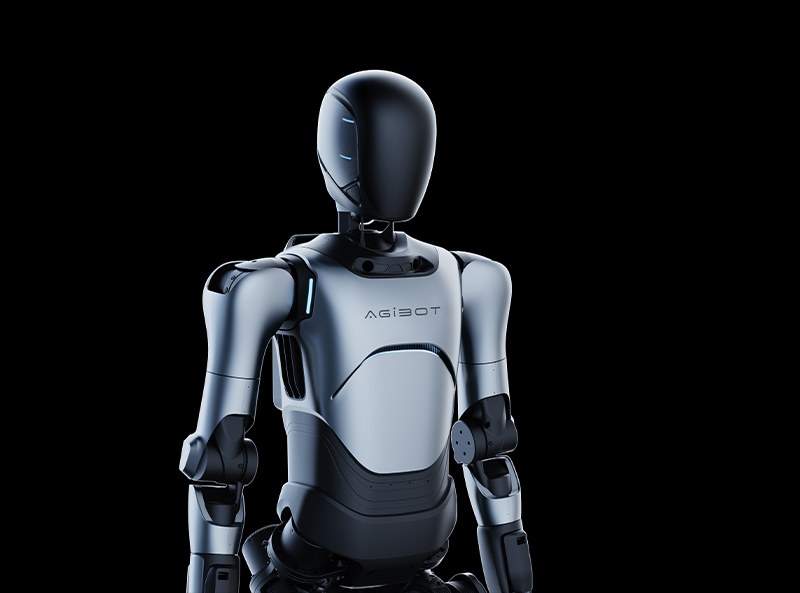
AgiBot, China’s shipment leader in humanoid robots, has engaged Citic Securities, CICC, and Morgan Stanley as sponsors for a Hong Kong initial public offering, according to people familiar with the mandate. The three-bank lineup, including a global bulge-bracket name, signals a listing marketed to international institutions rather than mainland funds alone. A prospectus would deliver something the humanoid sector has never produced: audited disclosure of unit volumes, margins, and customer concentration from its highest-volume player, just as the company targets 40,000 units this year and Washington legislates against Chinese humanoids. The filing that follows will price the entire boom.
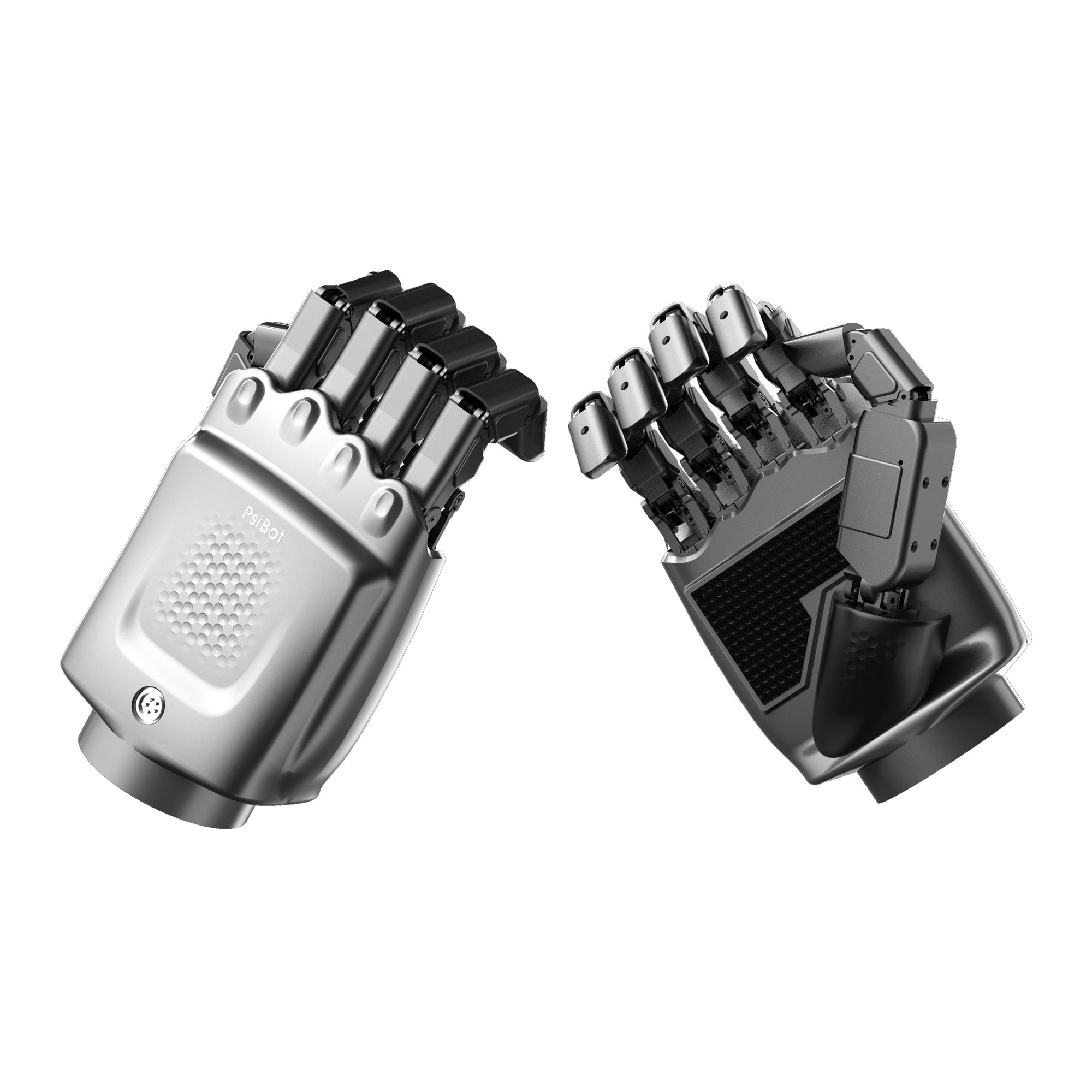
Beijing-based PsiBot has closed a funding round of nearly US$100 million led by automaker Chery, lifting the two-year-old embodied AI model developer to a valuation of about US$1.48 billion and making it China’s newest robotics unicorn. PsiBot builds vision-language-action models, the intelligence layer, rather than robots themselves, and its fifteen-fold valuation jump in roughly a year marks the migration of the sector’s scarcity premium from hardware to models. The round also confirms a structural shift: strategic money from industrial giants is replacing venture capital as the marginal buyer in China’s embodied AI market, with supply chain motives setting the price.
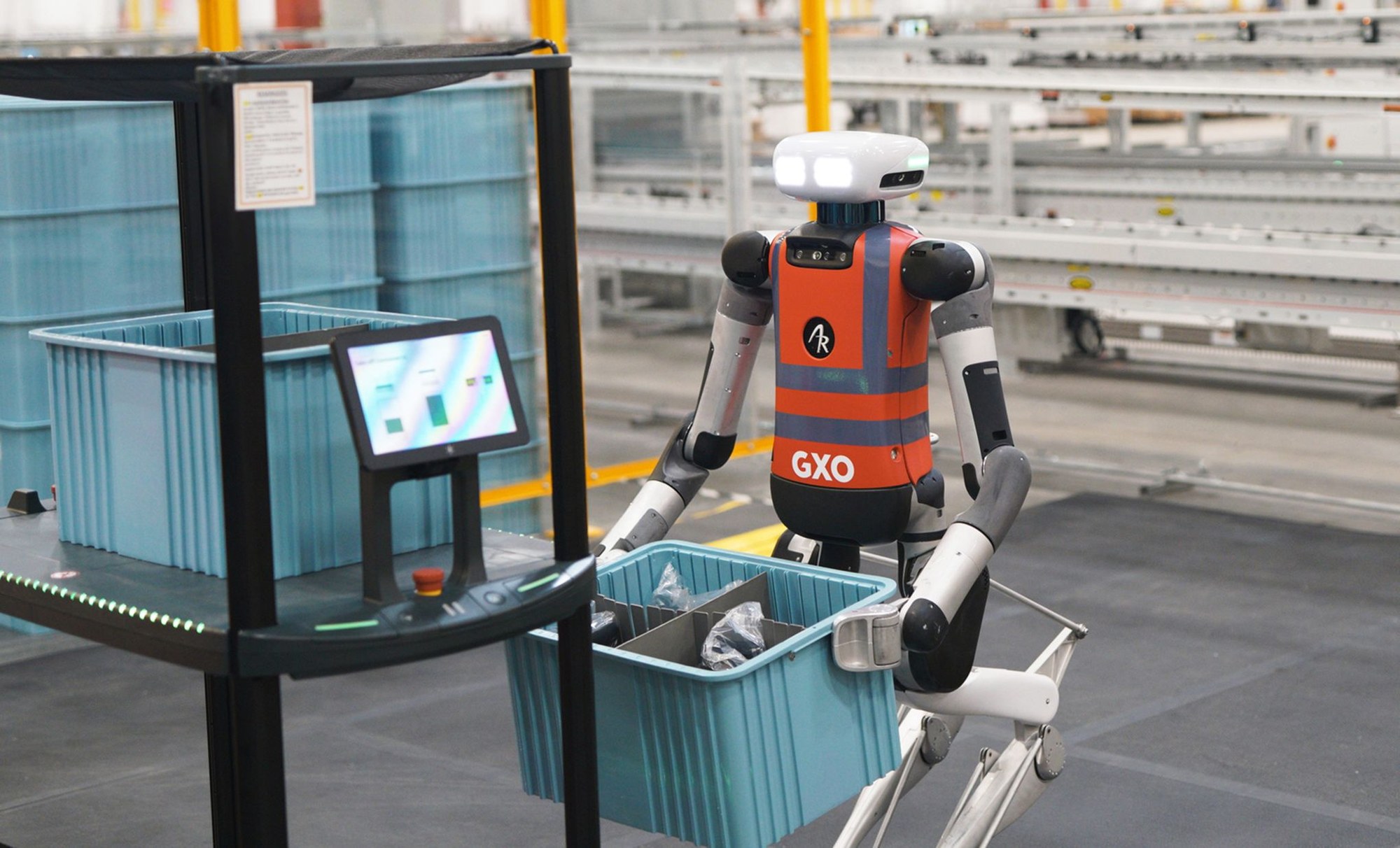
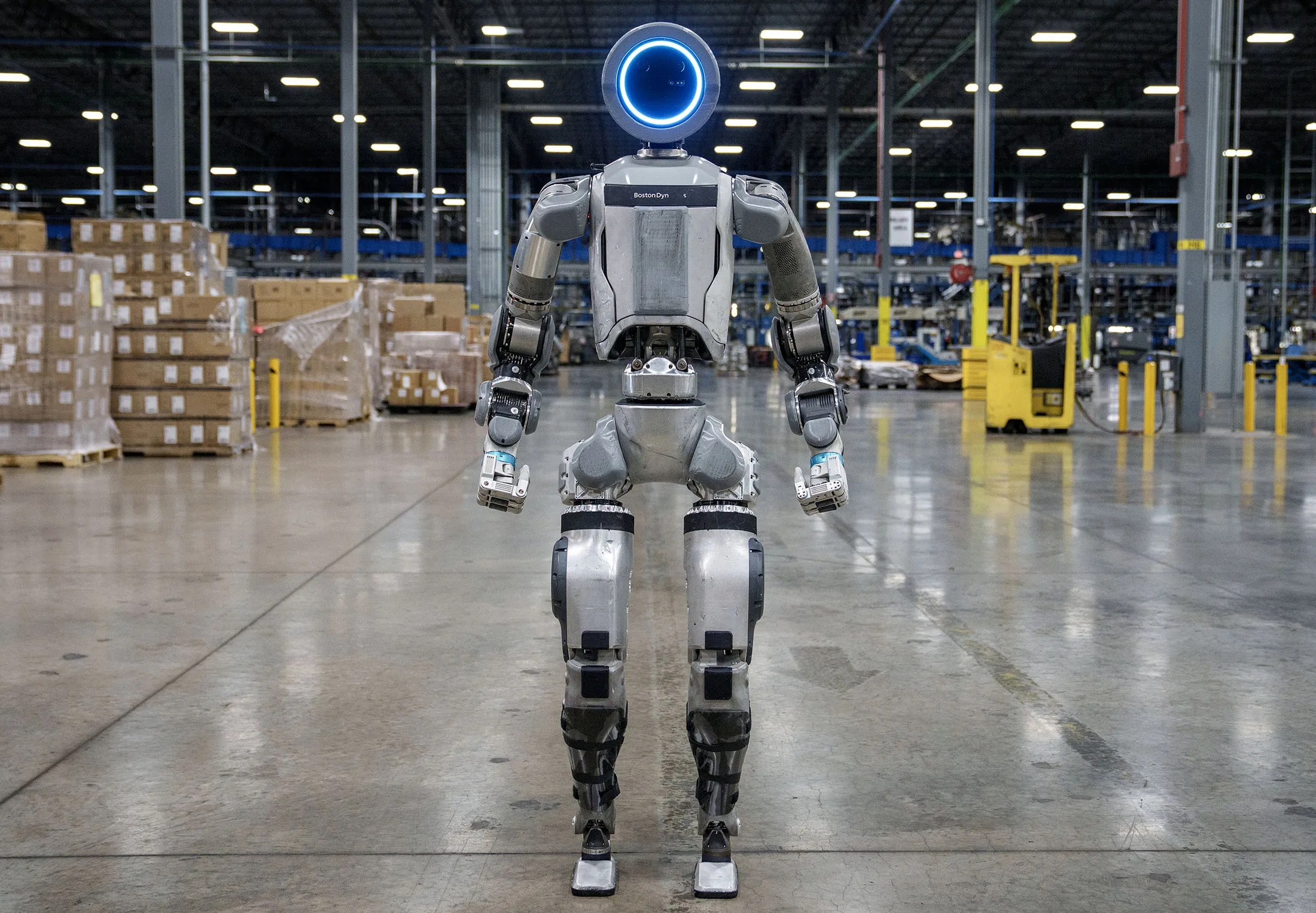
Agility Robotics has appointed Michael Beer, a former Wall Street robotics analyst and Piper Sandler banker, as chief financial officer, the clearest signal yet that its merger with Churchill Capital Corp XI is moving toward completion. The listing would make Agility the first publicly traded American humanoid robot maker, and the coming Form S-4 will give the market its first audited look at humanoid economics: what the robots cost, what they earn, and whether robots-as-a-service revenue from customers like GXO and Schaeffler can anchor a public valuation. Whatever the stock does, the disclosure alone will reset how the entire sector’s claims get priced.
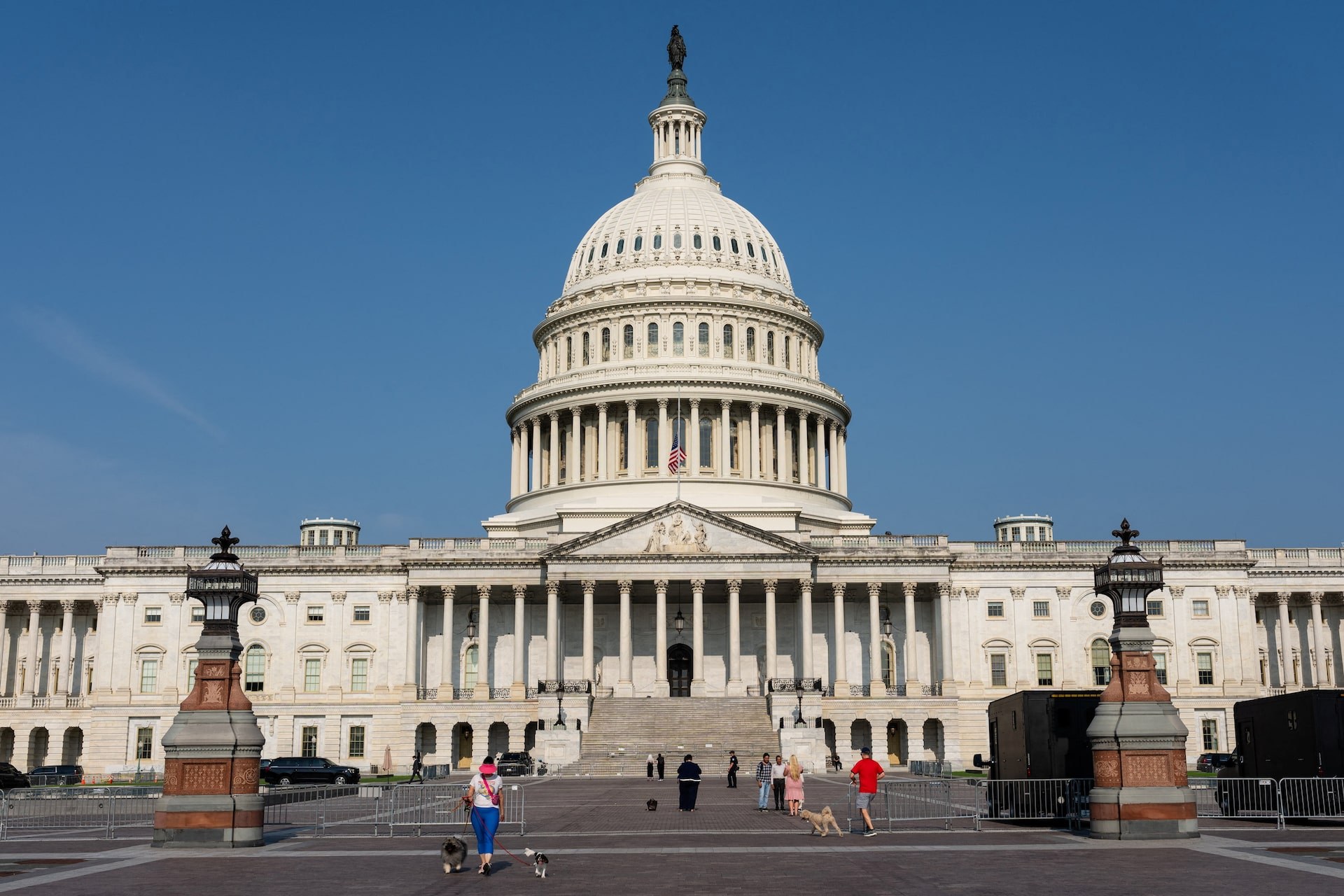
The US House has passed the FY2027 National Defense Authorization Act with Section 163, the first provision in American law to single out humanoid robots as a security category. The measure bars the Pentagon from procuring, leasing, or operating humanoid robotic systems linked to China, Russia, or Iran, while leaving the commercial market untouched. With Chinese manufacturers shipping roughly 80 percent of the world’s humanoids at prices US rivals cannot match, the narrow ban matters less for the contracts it blocks than for the precedent it sets: the drone-restriction playbook has arrived in robotics, and every Chinese robotics prospectus now carries a US regulatory risk factor.
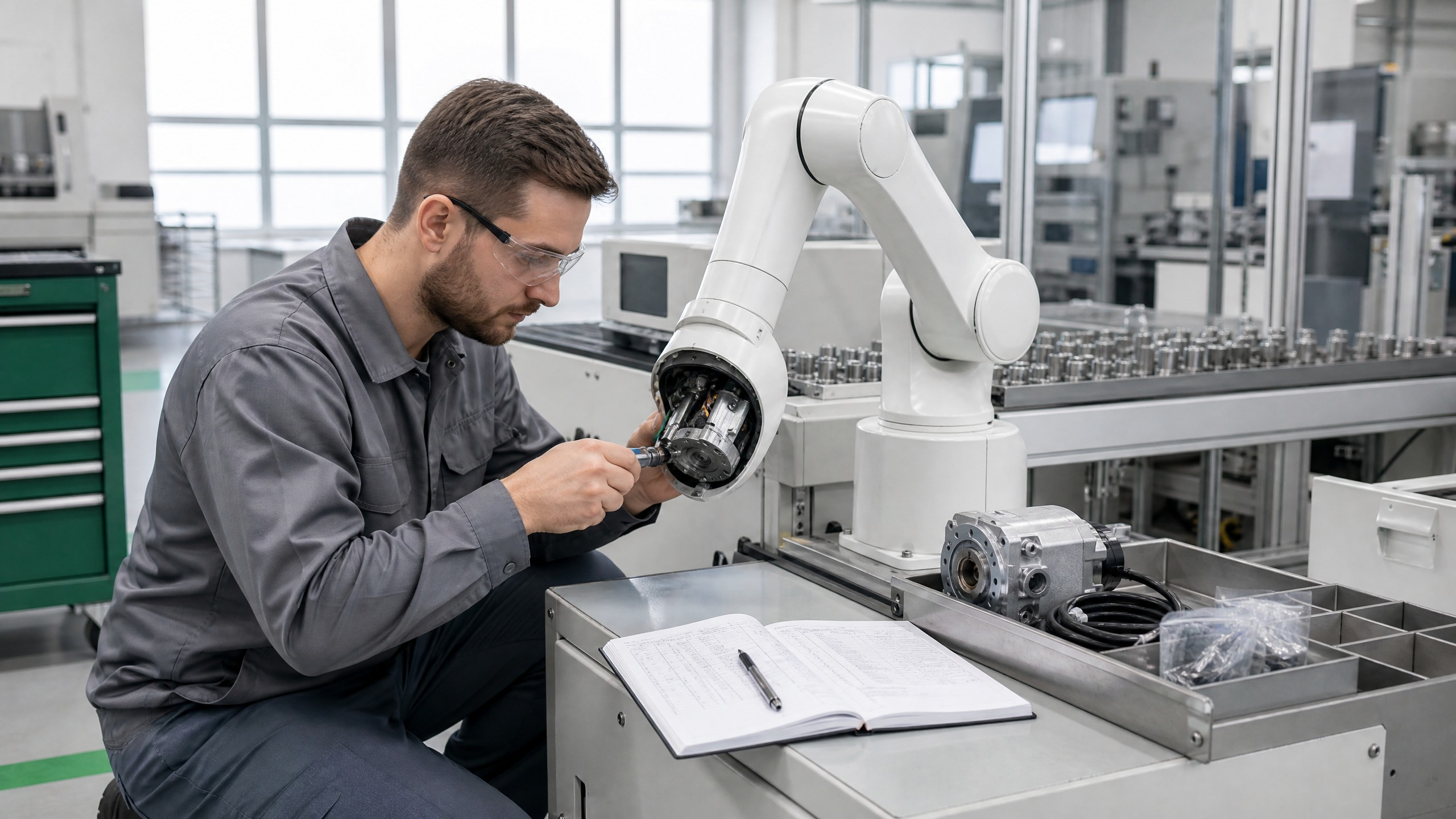
A complete financial picture of cobot ownership beyond the invoice, with all prices explicitly denominated (USD model; RMB and GBP anchors): integration and safety validation under ISO 10218-2:2025, training and wage time, maintenance and spare parts, downtime exposure, depreciation and end-of-life economics, assembled into an original three-scenario five-year total cost of ownership model showing why the sticker price is a minority of the real cost, set against the WAIC 2026 procurement wave.
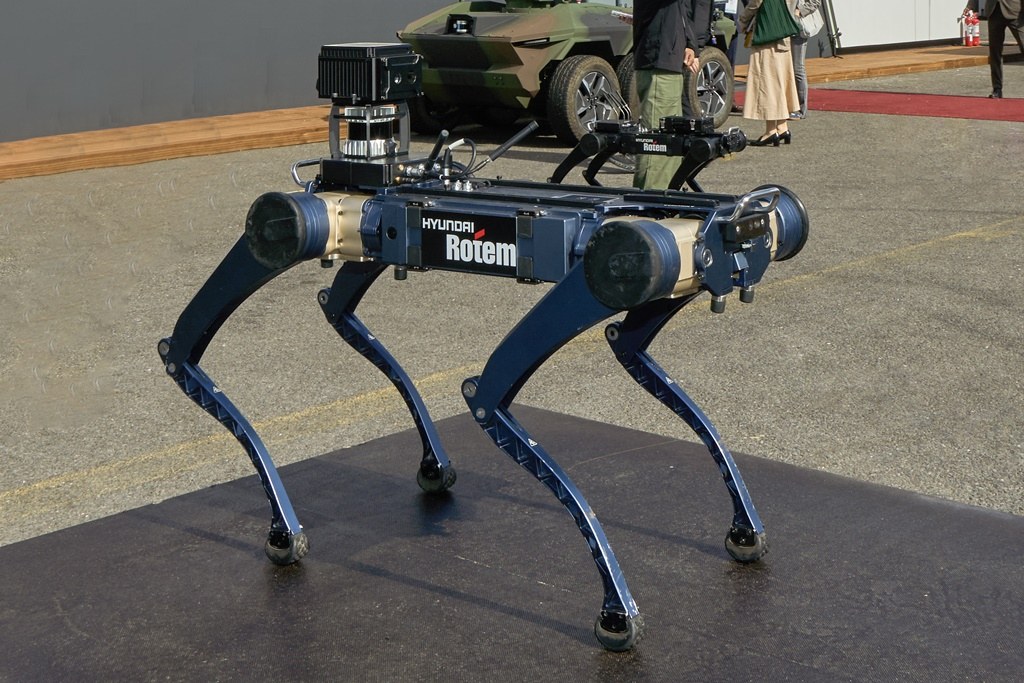
South Korea's robotics shares staged a broad Wednesday surge, with T-Robotics hitting its daily limit and Rainbow Robotics gaining nearly 20 percent, as Samsung's new robotics division and the planned year-end deployment of up to 1,000 RB-01K military robot dogs with the Korean Army converged into a single physical AI narrative.
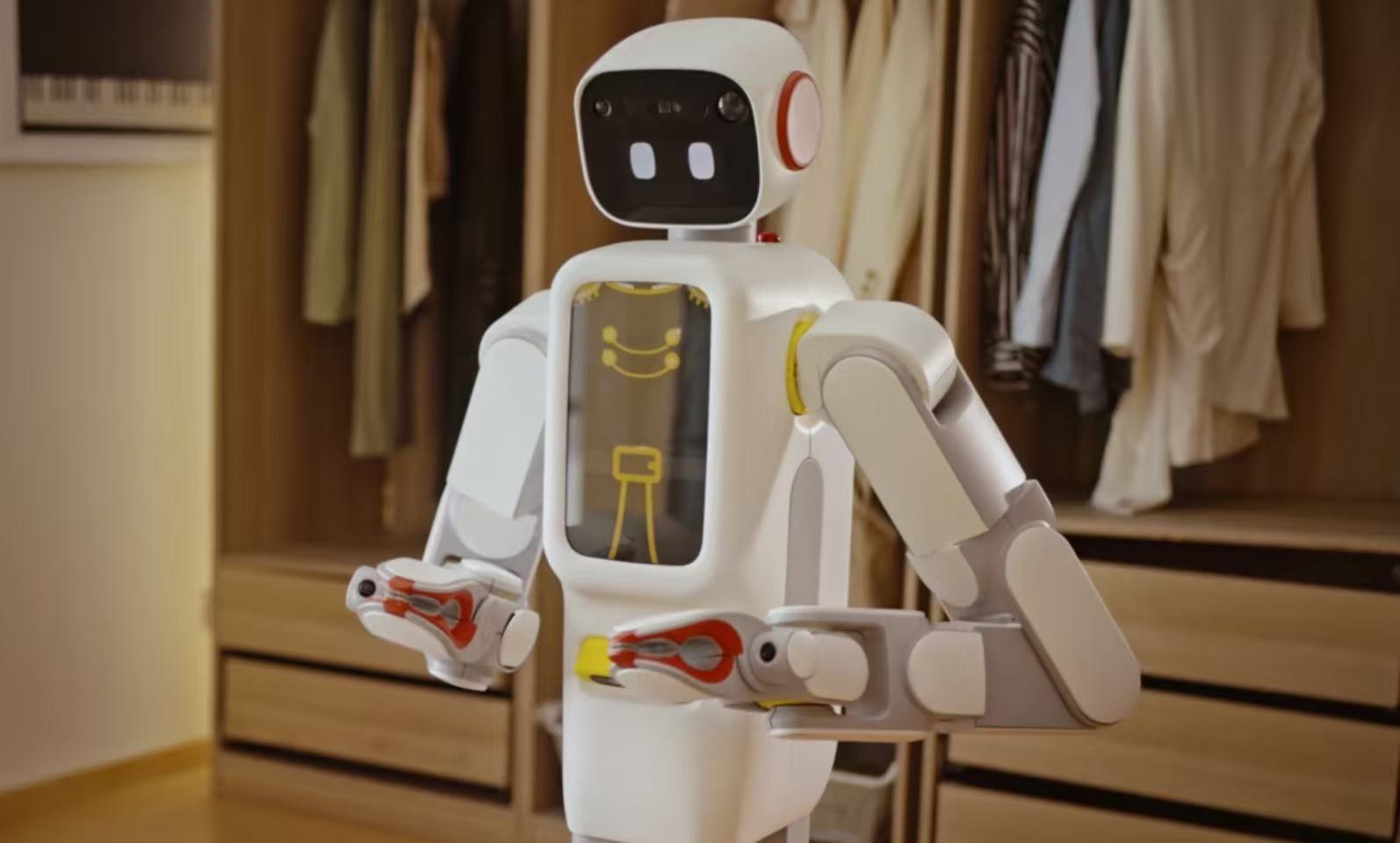
Chinese home robot developer Futuring Robot announced a Pre-A round on July 22 that lifts its cumulative 2026 fundraising to nearly RMB 1 billion, approximately US$140 million, with an internet giant, industrial groups, and consumer brands among the backers. Its F2 household robot now serves more than 500 paying families.
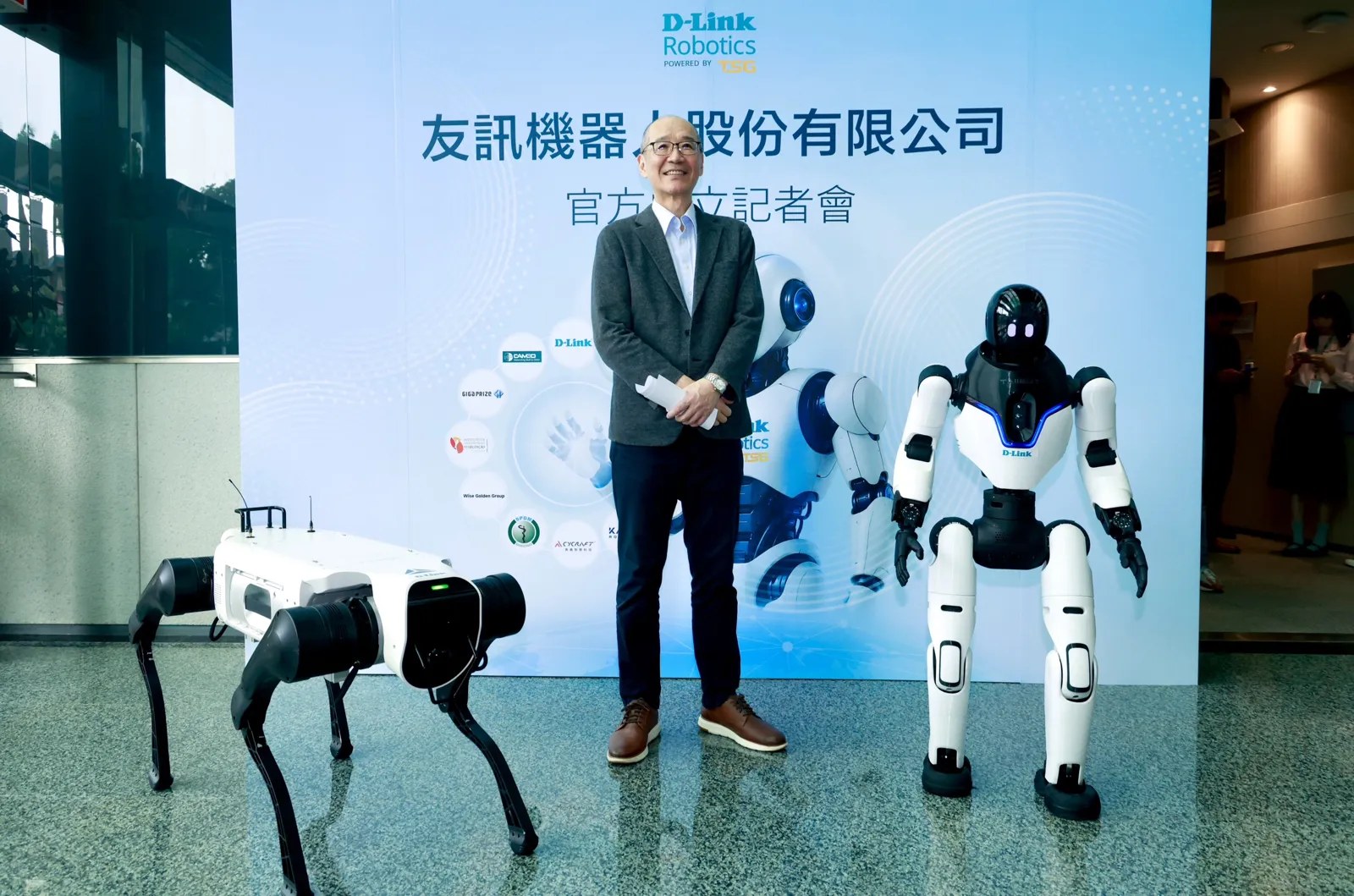
Taiwanese networking equipment maker D-Link has established D-Link Robotics, pairing an ODM manufacturing deal with composites group Swancor to ship quadruped robots by the end of 2026, followed by a self-developed companion robot in the second quarter of 2027, all wrapped in a subscription software business model.
Hyundai Motor has formally stated that its 2028 humanoid robot deployment plan is not on the table in negotiations with striking Korean autoworkers, while management and the union separately review a wage reform designed to stabilize factory incomes in the robot era. The dispute is becoming the world's first labor framework negotiated around humanoid automation.
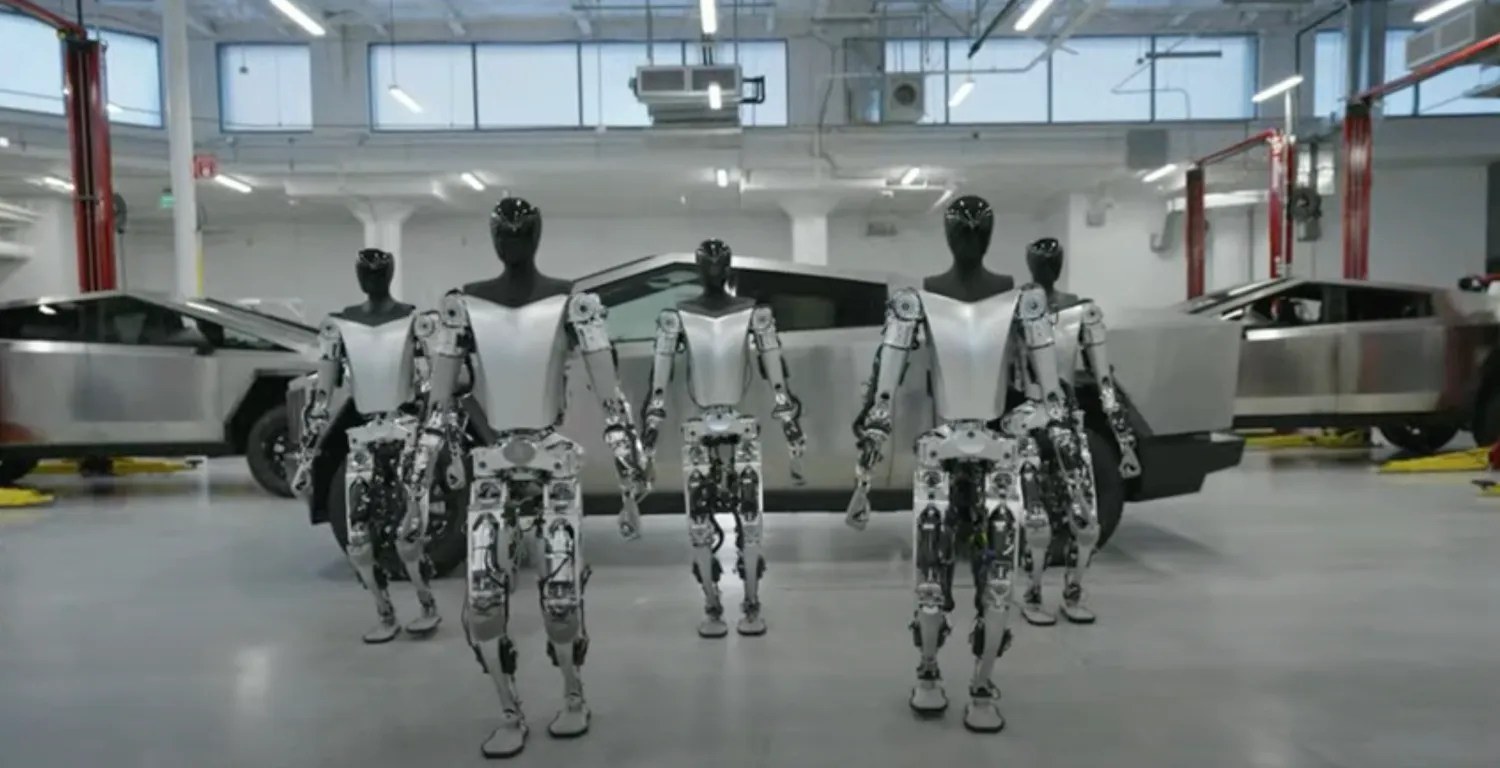
Tesla's second quarter results reaffirmed that Optimus production at Fremont stays on schedule for later this year and revealed a new internal Optimus Academy that will absorb the first production units for training. Capital spending surged 142 percent as investment pivots toward robots, artificial intelligence infrastructure, and autonomous vehicles.
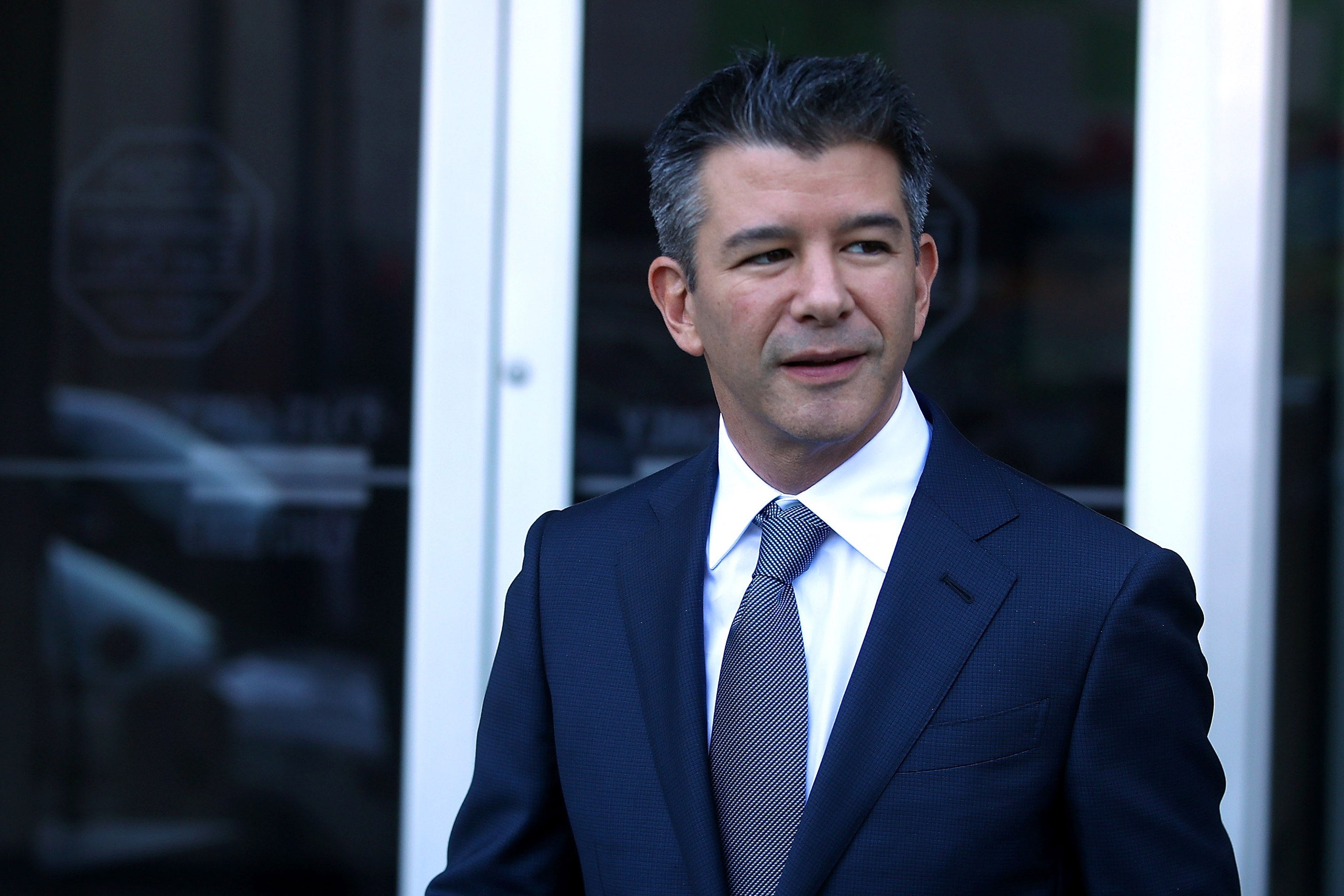
Atoms, the industrial automation venture led by Uber co-founder Travis Kalanick, has closed a US$1.7 billion round led by Andreessen Horowitz, with Uber itself joining the investment. The company plans to build a common robotics platform for logistics, mining, and heavy industry.