News and analysis on Asia's robotics industry from our research desk.
A3 order data shows US automotive robot orders fell 25% in H1 2026 while semiconductor and life-science orders surged, reshaping how vendors should pitch buyers.
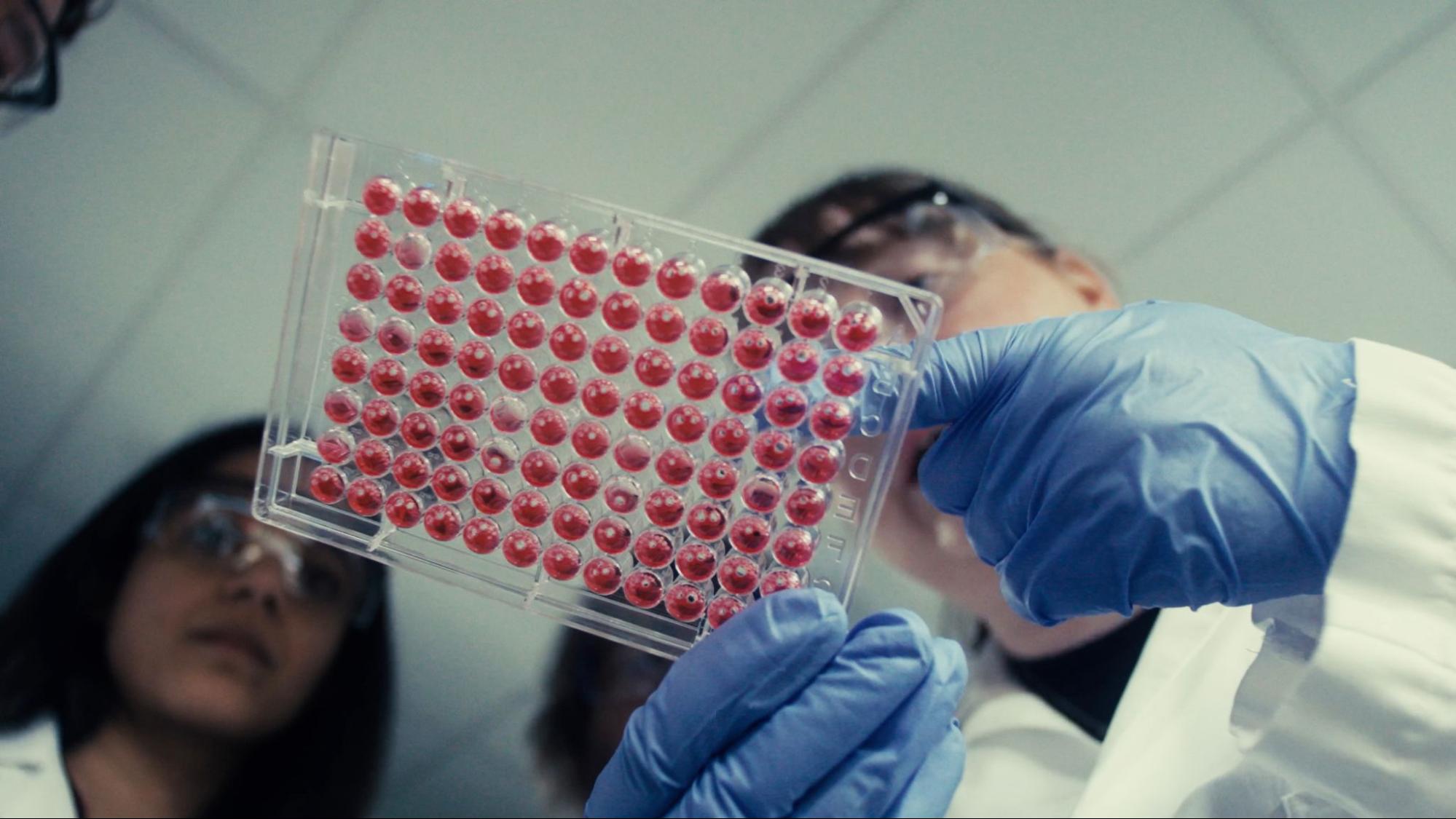
Anthropic released the Model Hardware Standard as a research preview Thursday, a specification letting any AI model discover and safely operate lab and factory hardware, tested with 16 partners including Genentech, Universal Robots, and Hugging Face.
Anthropic's new Model Hardware Standard is being sold as a safety spec for AI-controlled robots, but it launches closed, governed by one company, while the industry's actual functional-safety standard took fifteen years and a multi-stakeholder committee to write.
Teradyne's patent suits against JAKA and Elite Robots aren't really a China-versus-West story. They're the oldest pattern in hardware: the disruptor that won a category on price becomes the incumbent defending it with patents, using a three-year-old pan-EU court that could just as easily be turned against it.
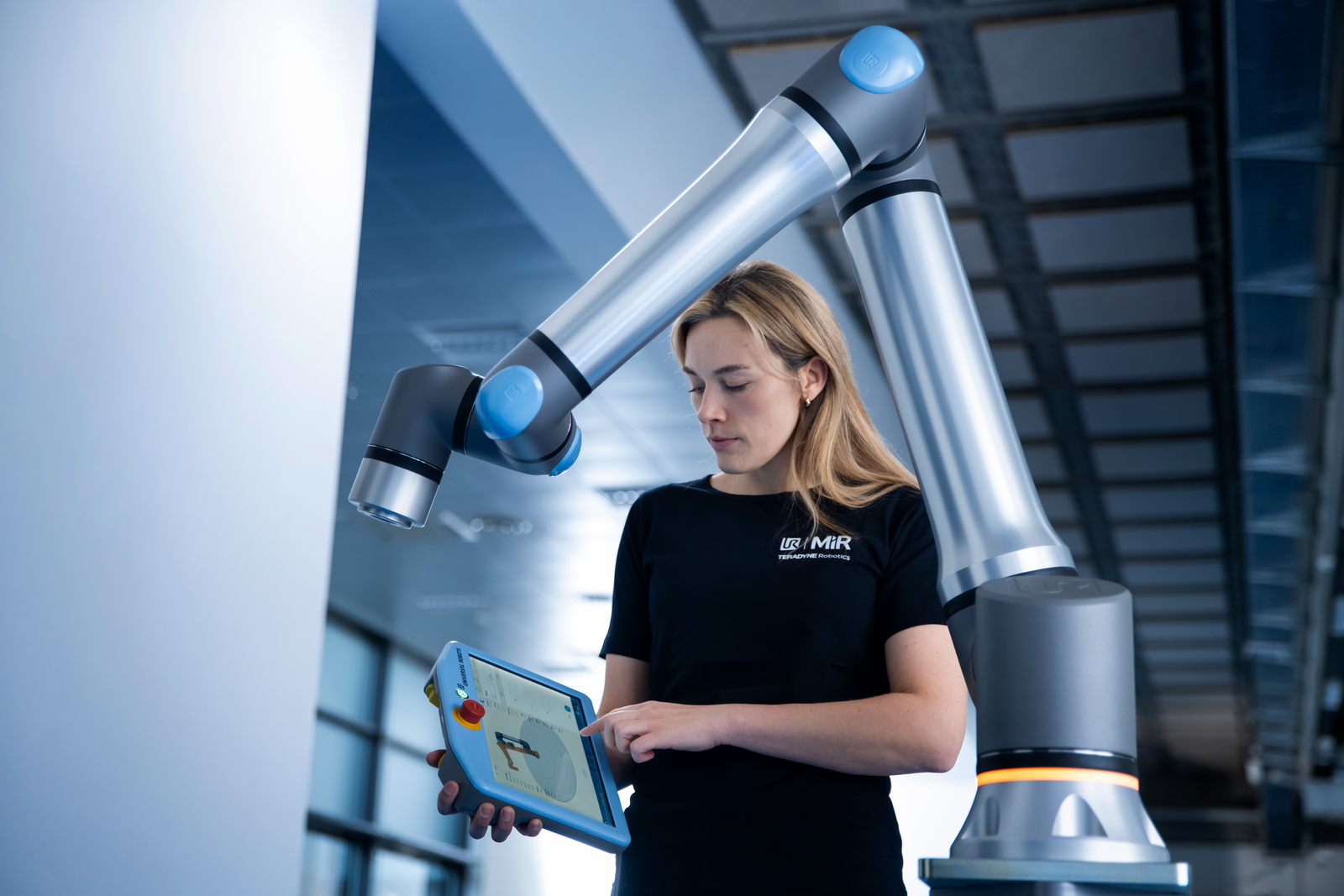
Teradyne Robotics filed a hardware-and-software patent case against JAKA's German unit at the Unified Patent Court in Copenhagen, its second IP action against a Chinese cobot maker in Europe this year.
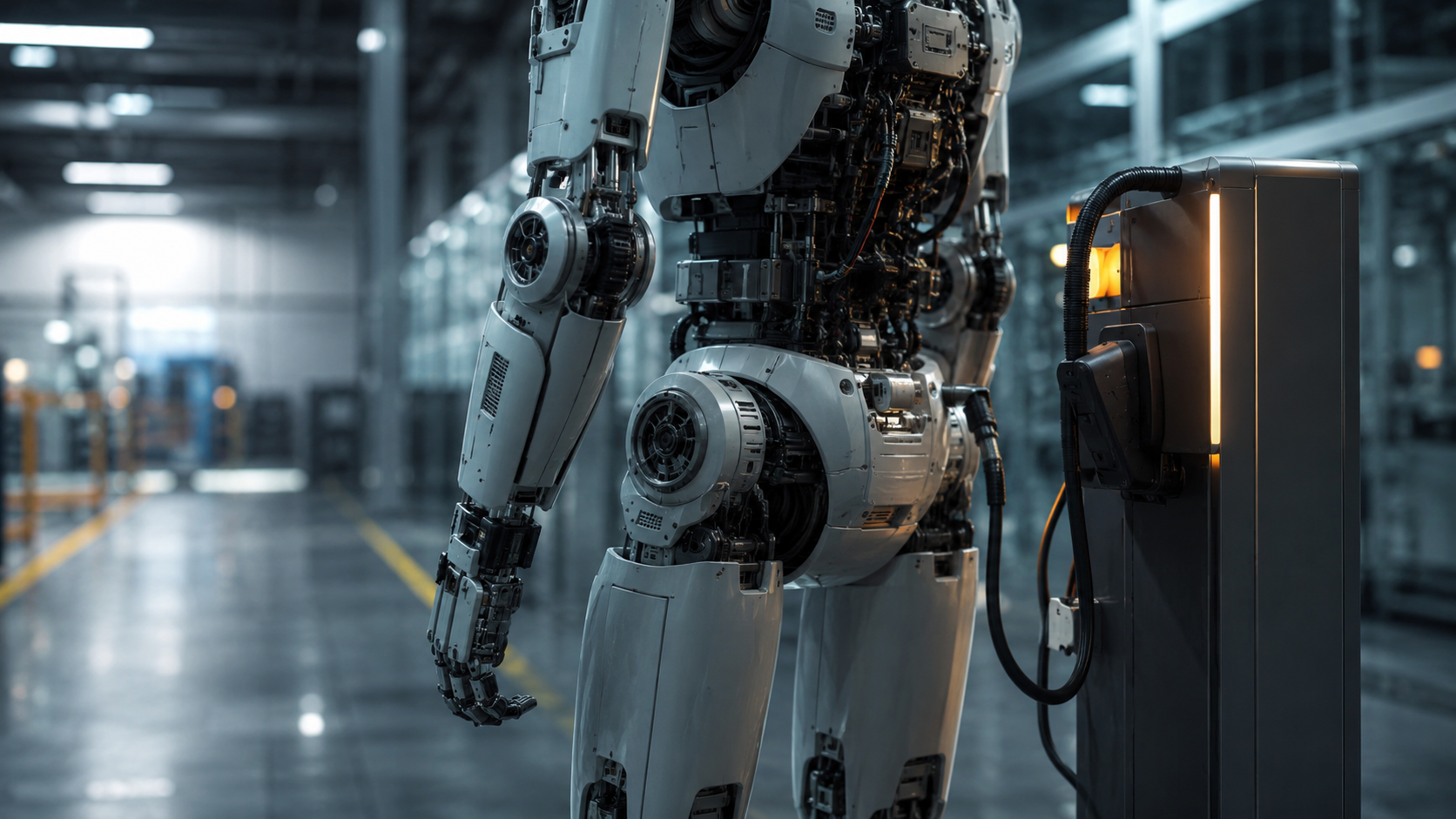
At NASA's Johnson Space Center, operators running the Valkyrie humanoid watch its actuator temperatures. When the legs or torso get too hot, the work stops until they cool. Not the battery — the metal. The humanoid form was copied from a body that sweats. No commercial humanoid does.
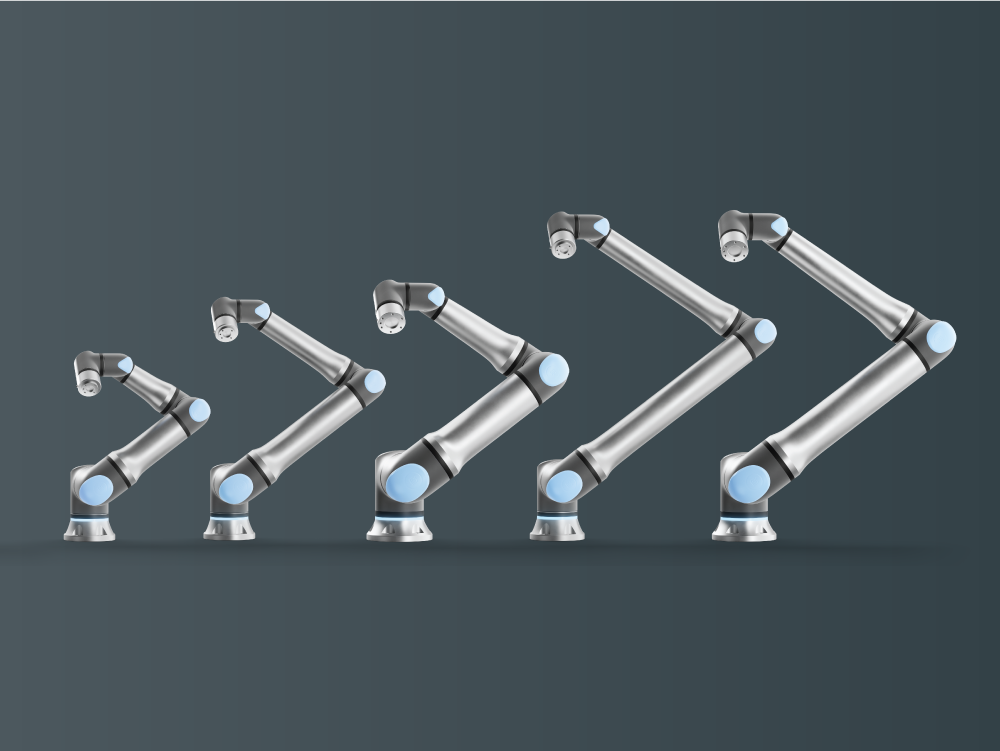
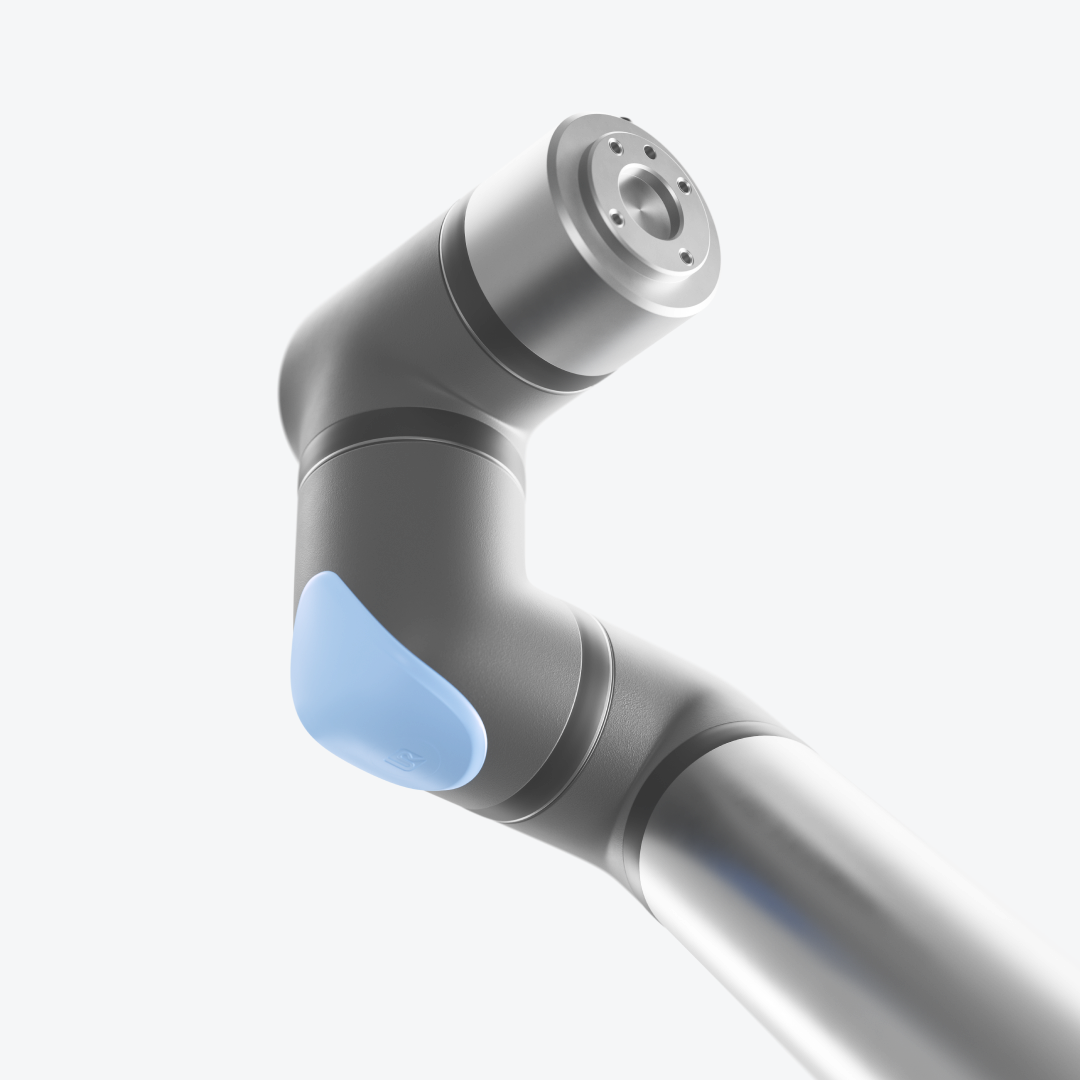
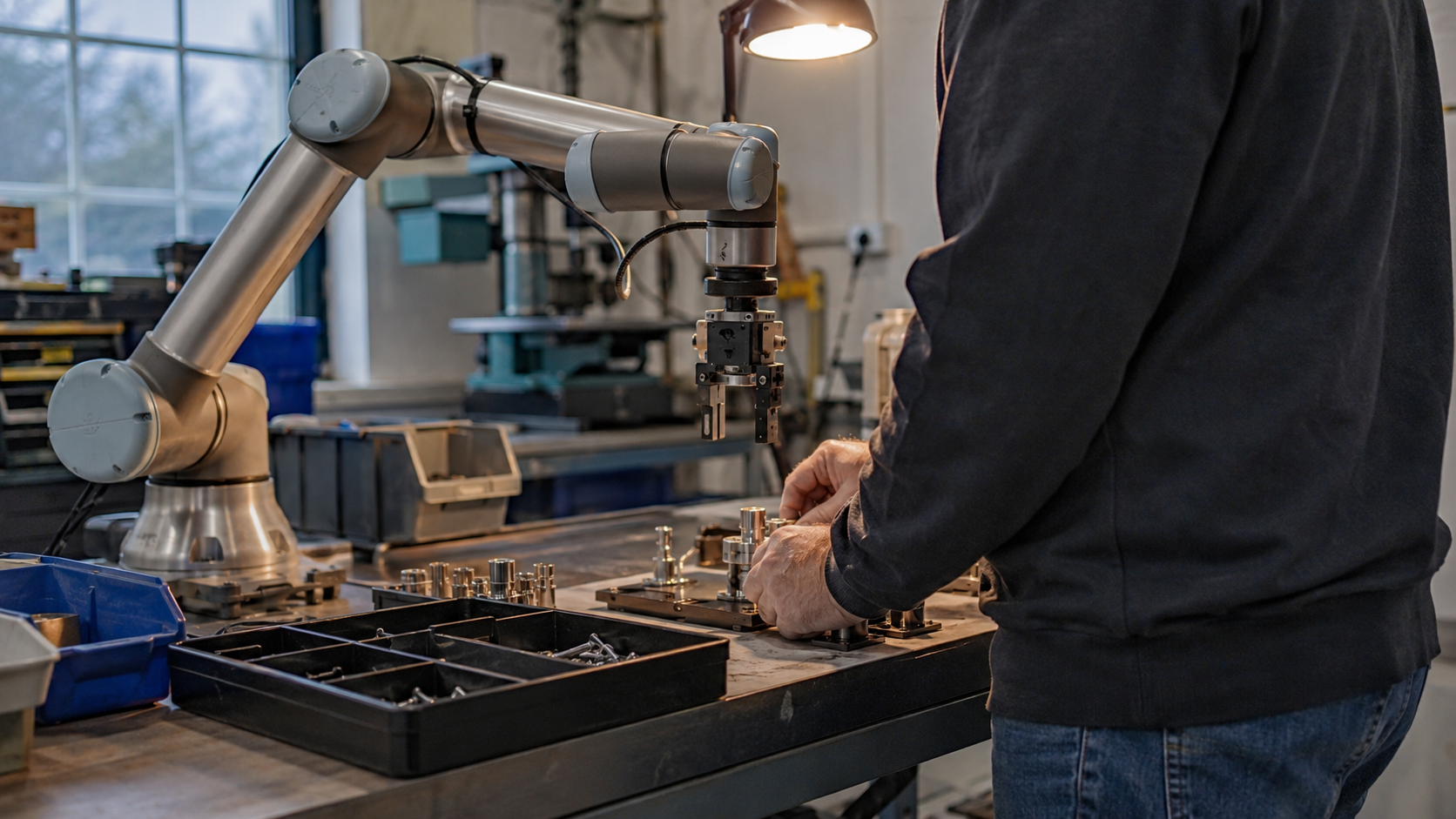
A cobot is not a safer robot. It is a slower one — and the slowness is the safety mechanism. Since April 2025, ISO 10218-2 has treated collaboration as a property of the application, not the machine. Which means the arm in the brochure is not collaborative until someone risk-assesses the tool on the end of it.
At WRC 2026, X-Humanoid, Zoomlion, and Mininglamp/Hikvision all pitched low-code orchestration layers over their robots. The near-term casualty isn't the factory worker, it's the systems integrator whose bespoke engineering work these platforms are built to commoditize.
China’s state assets regulator will launch a Central Enterprise Robotics Innovation Consortium at WRC 2026 and debut a dedicated SOE pavilion. Forty nine central SOEs will present twelve scenarios across heavy industries, signaling direct state backed deployment of humanoid robots as a national testing ground.
The Hangzhou Robot School at Zhejiang University's Robot Research Institute has enrolled an initial cohort of 30 humanoid robots for structured training across industrial, service, security, entertainment, medicine, and arts sectors. The facility uses physical assessments, specialized coursework, and skills certification to standardize humanoid readiness, with a parallel center in Hefei targeting 1,000 robots by 2027.
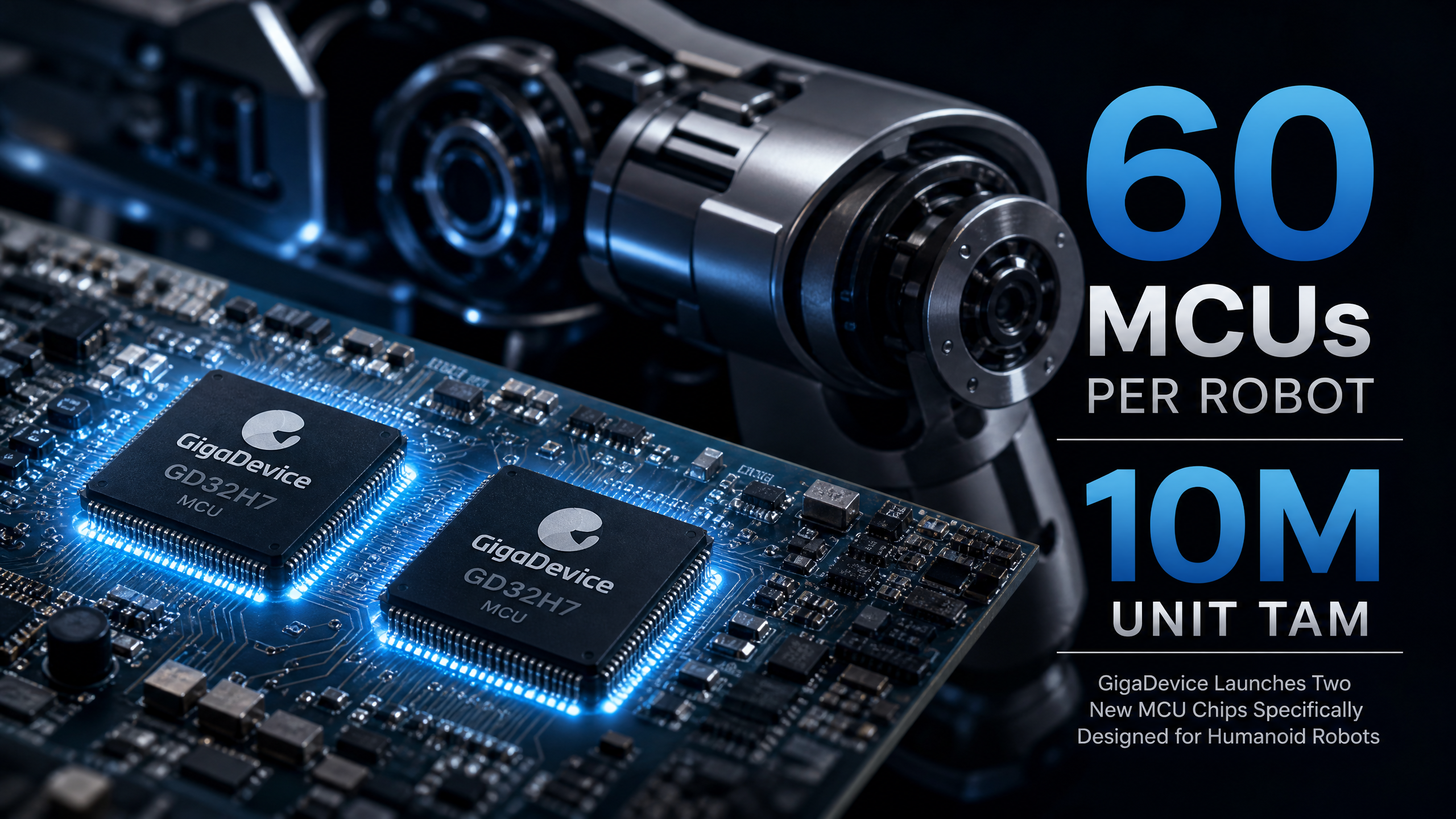
GigaDevice introduced two microcontrollers tailored for humanoids and robot dogs with claims of industrial safety, low power, and EtherCAT timing. The company projects a 2026 global market of more than 10 million MCU units for these robots, with around 60 chips needed per humanoid.
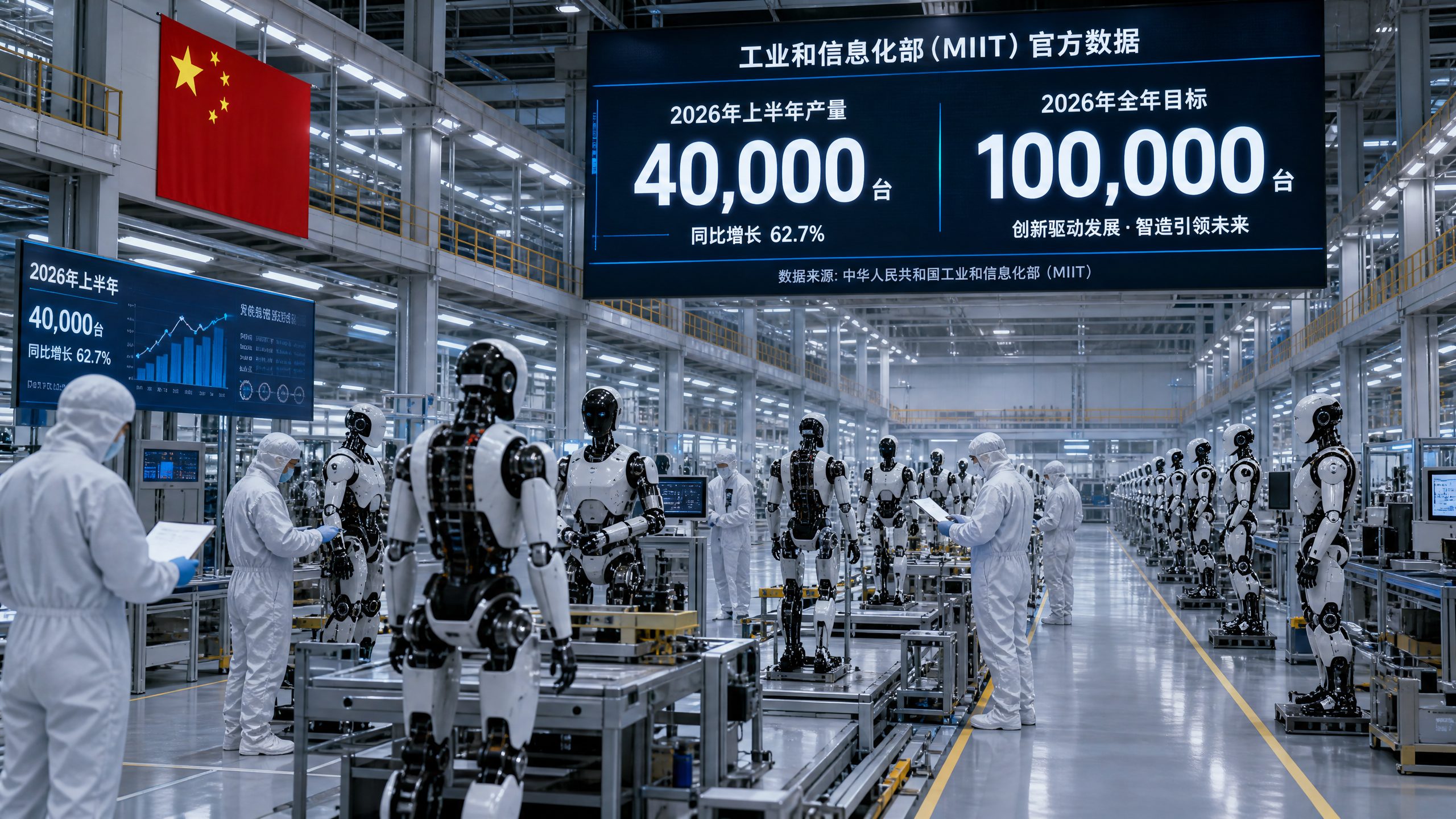
China’s MIIT disclosed that domestic output of humanoid robots topped 40,000 in the first half of 2026, on track to exceed 100,000 for the year. The figures confirm a shift from prototypes to early scale and explain the surge in demand for key precision components across China’s supply chain.