News and analysis on Asia's robotics industry from our research desk.
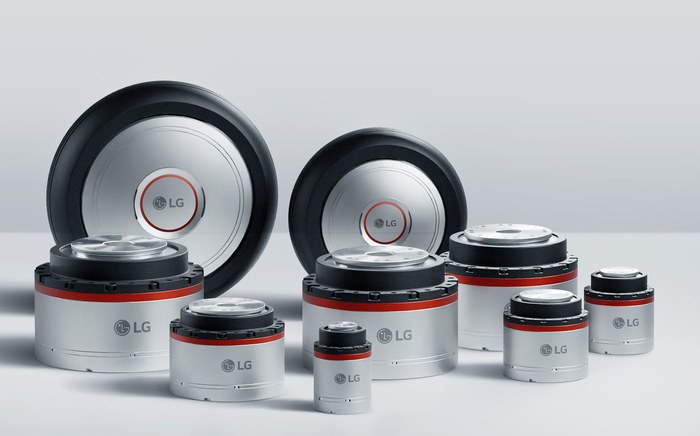
LG Electronics has begun full scale mass production of AXIUM, its robot actuator, several months ahead of schedule at its Changwon plant. The company will install the parts first in its own Cloid home humanoid robot as it races to secure a supply position in the fast growing humanoid robot market.
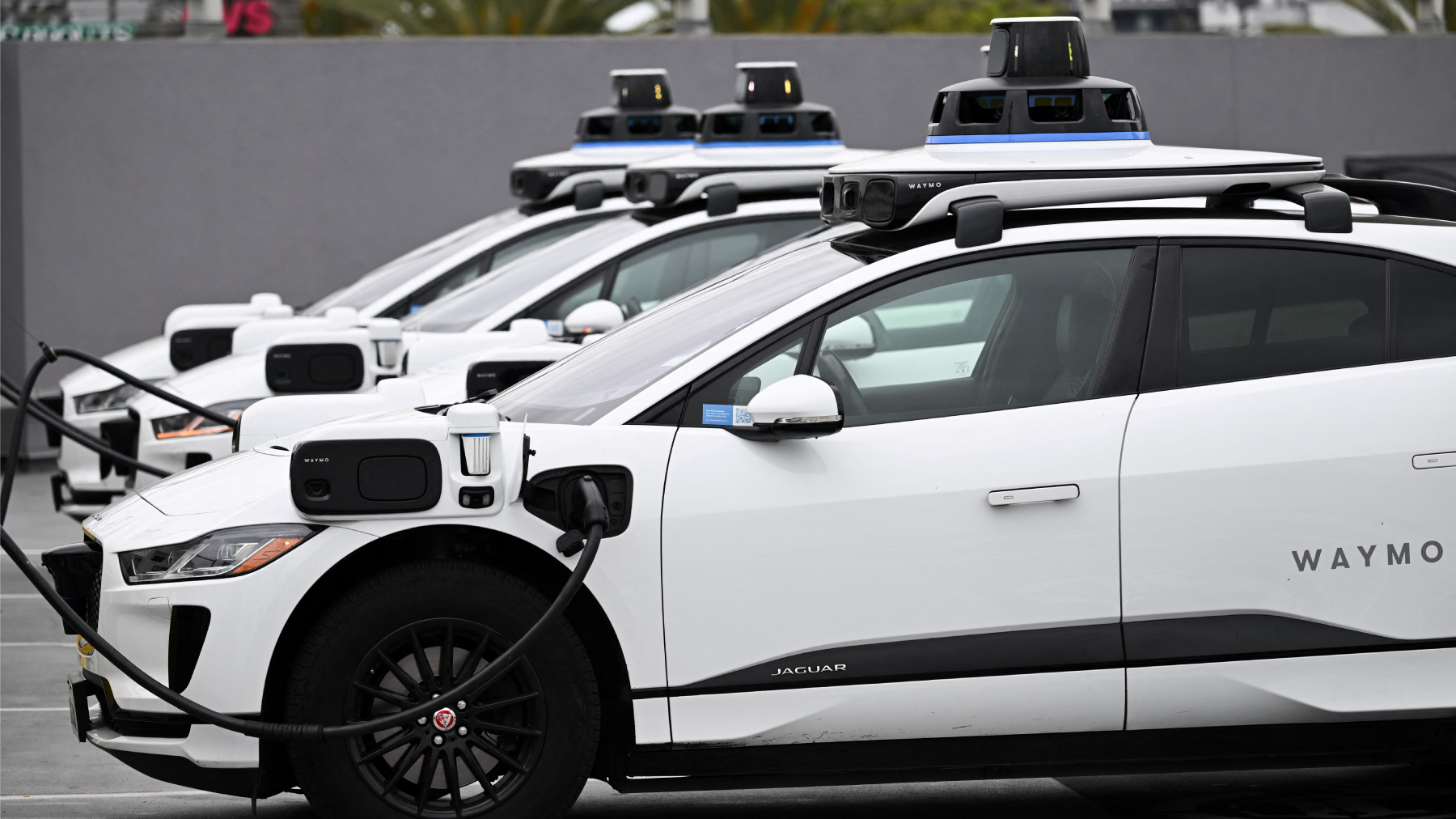
New Jersey's proposed S1677 bill requires autonomous vehicles to use redundant sensor modalities, effectively blocking Tesla's camera-only Robotaxi from operating in the state without hardware changes.
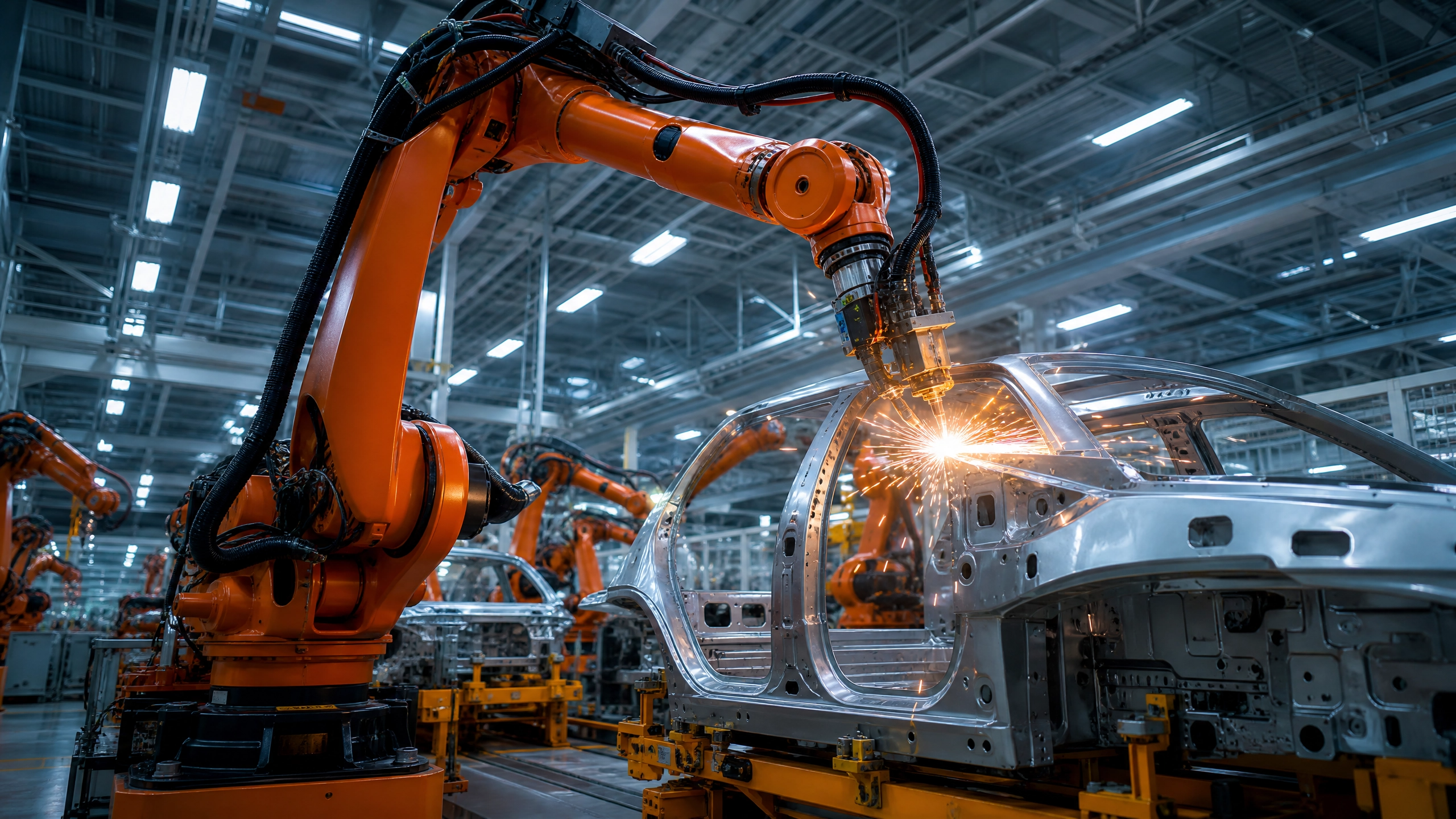
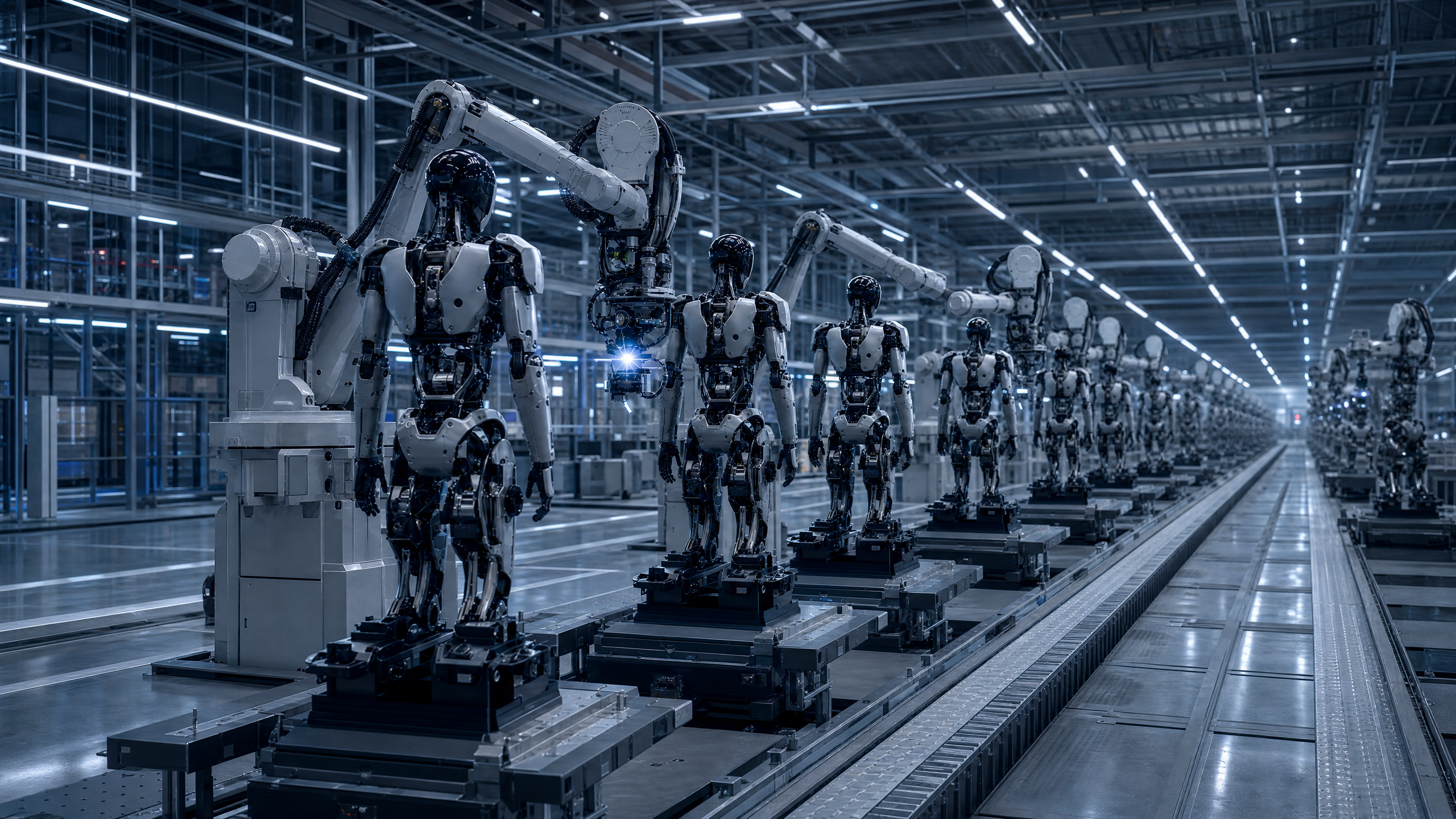
A comprehensive look at how industrial 6-axis robotic arms are deployed across major industries today. Drawing on IFR data, CSIS analysis, and verified factory case studies, this article examines primary industries, specific application examples, large-scale deployments in China and Europe, and the emerging sectors now adopting these arms for the first time.
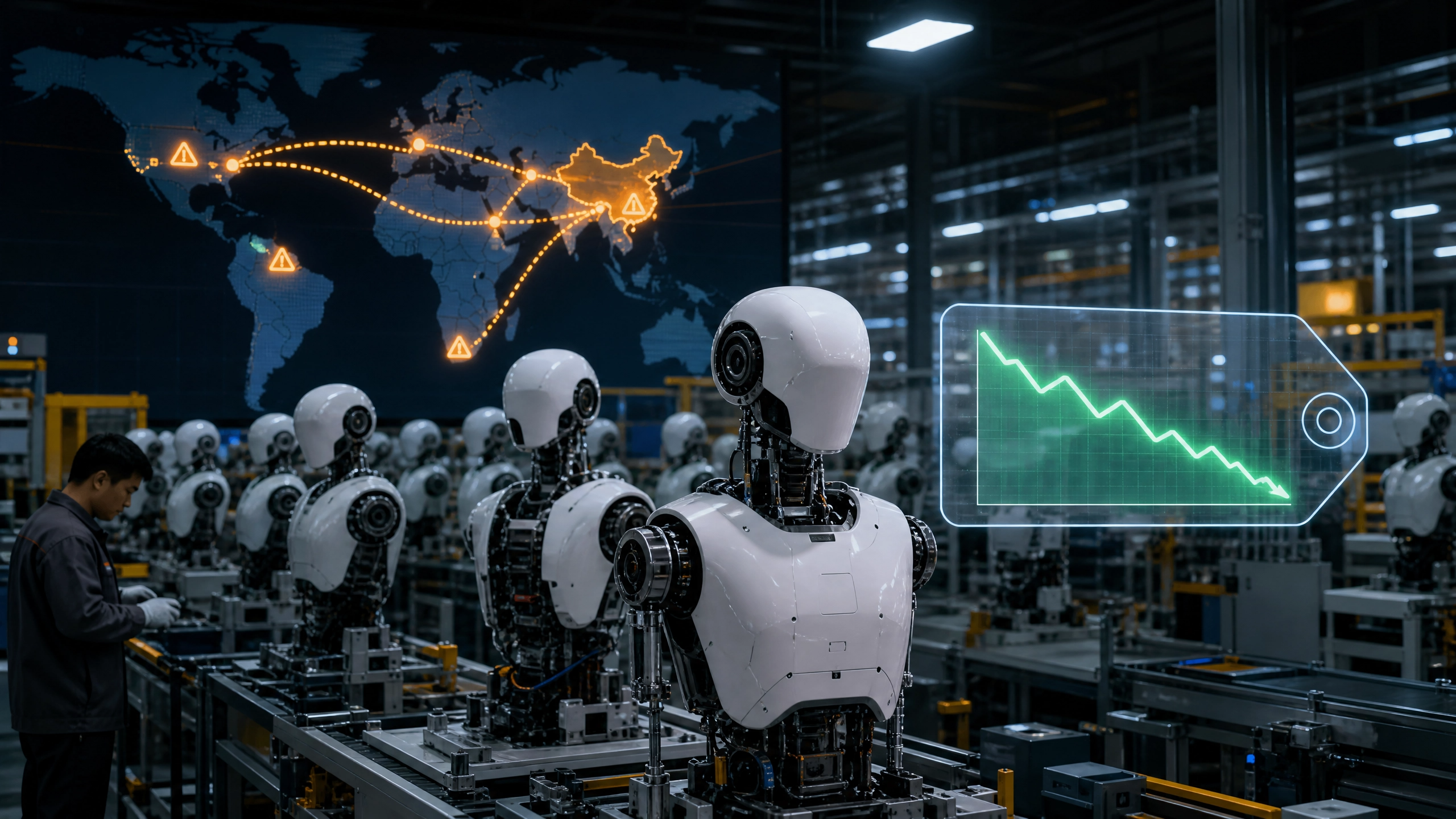
The economics of the Automation, Robotics, and Physical Intelligence (ARPI) sector are currently being shaped by two opposing forces. On one side, geopolitical friction is introducing upstream cost risks, highlighted by China's June 2026 export controls targeting major US rare earth firms. On the other side, domestic Chinese humanoid robot prices are in freefall, dropping 72% year-over-year, driven by aggressive substitution of legacy components with Commercial-Off-The-Shelf (COTS) hybrid architectures and the onset of mass production scale.
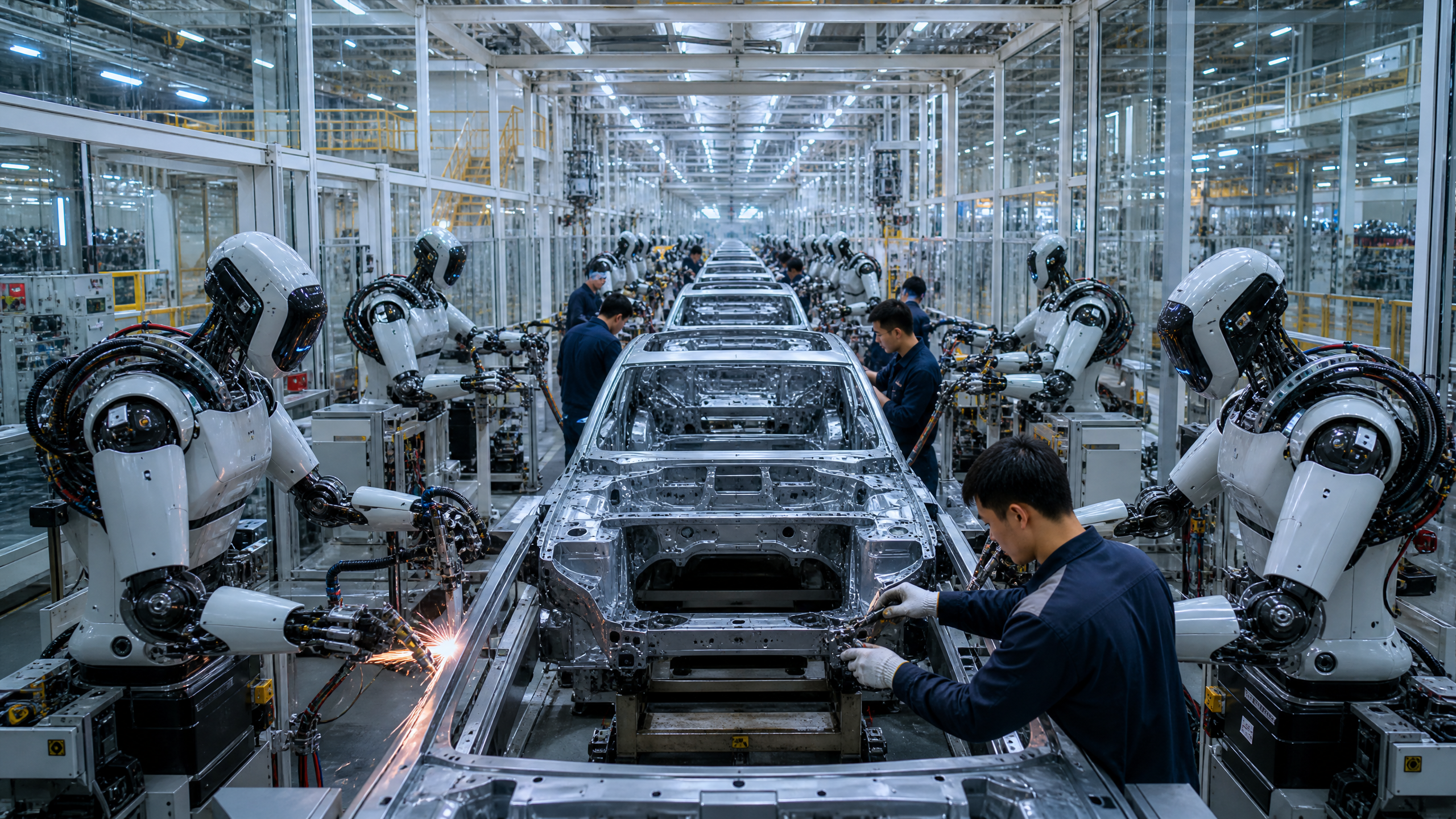
Squeezed by EV price wars, Chinese automakers including BYD, Xpeng, Seres, and Li Auto are moving into humanoid robots, leveraging a 70-percent technology overlap between autonomous driving systems and physical AI. Nearly 20 mainstream automakers globally have entered the sector, though the leap from structured road environments to unstructured physical tasks remains a significant execution challenge.
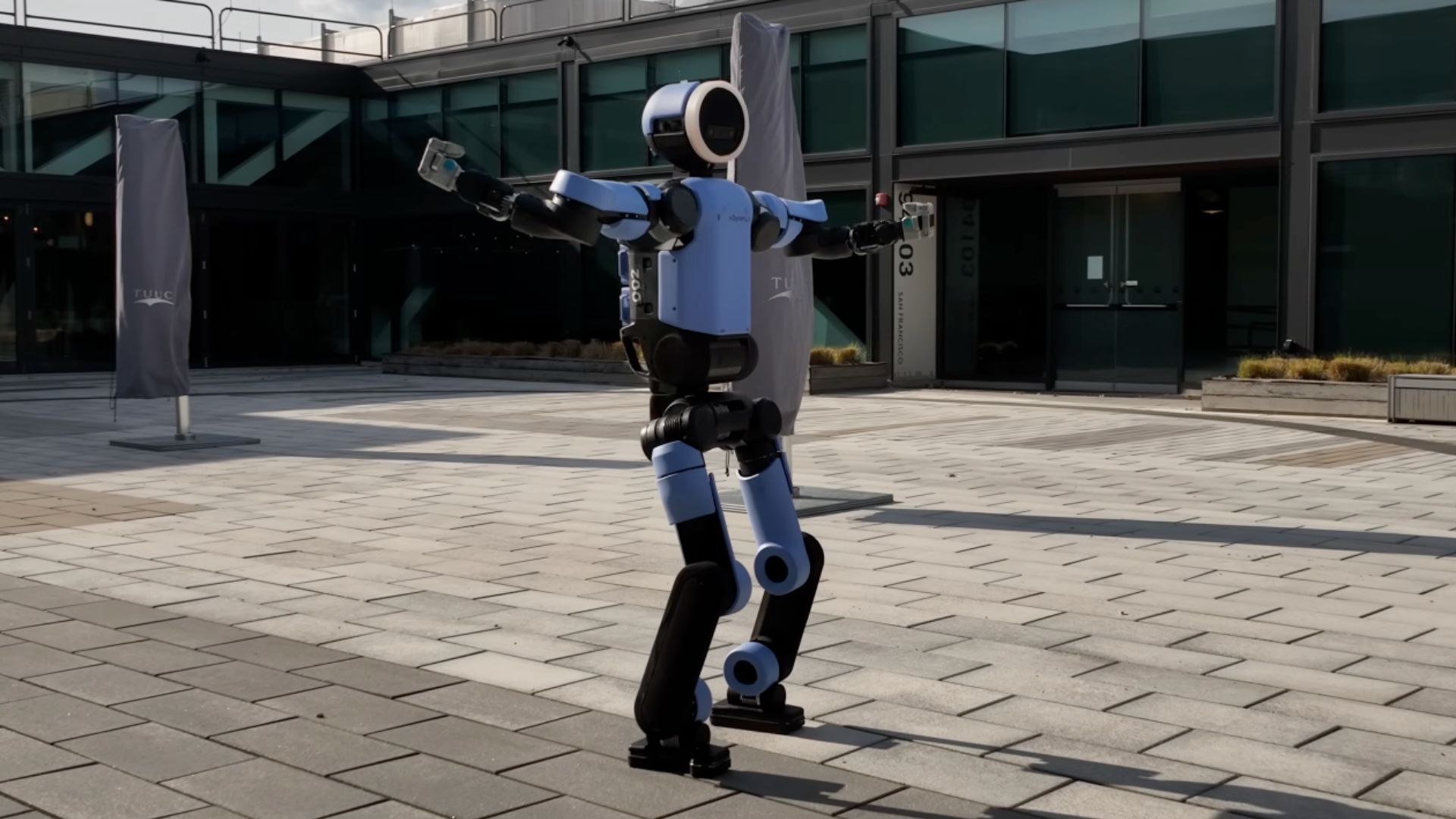
US robotics is moving from demos to deployment, with Boston Dynamics, Faraday Future, and Figure AI leading a mid-2026 surge across industrial and commercial use cases.
Morgan Stanley estimates a humanoid robot built on the Chinese supply chain costs $46,000 to manufacture in 2025–2026, versus nearly $130,000 using non-Chinese components. This teardown breaks down where every dollar goes — and why actuation, not software, is the defining battleground.
Chinese harmonic reducer manufacturers, led by Suzhou Green Harmonic, are undercutting Japanese rivals by 30–40% and capturing a growing share of humanoid robot supply chains. With actuation accounting for 40–56% of total robot BOM cost, the price war in precision reducers is now the single most important cost lever in the global humanoid race.
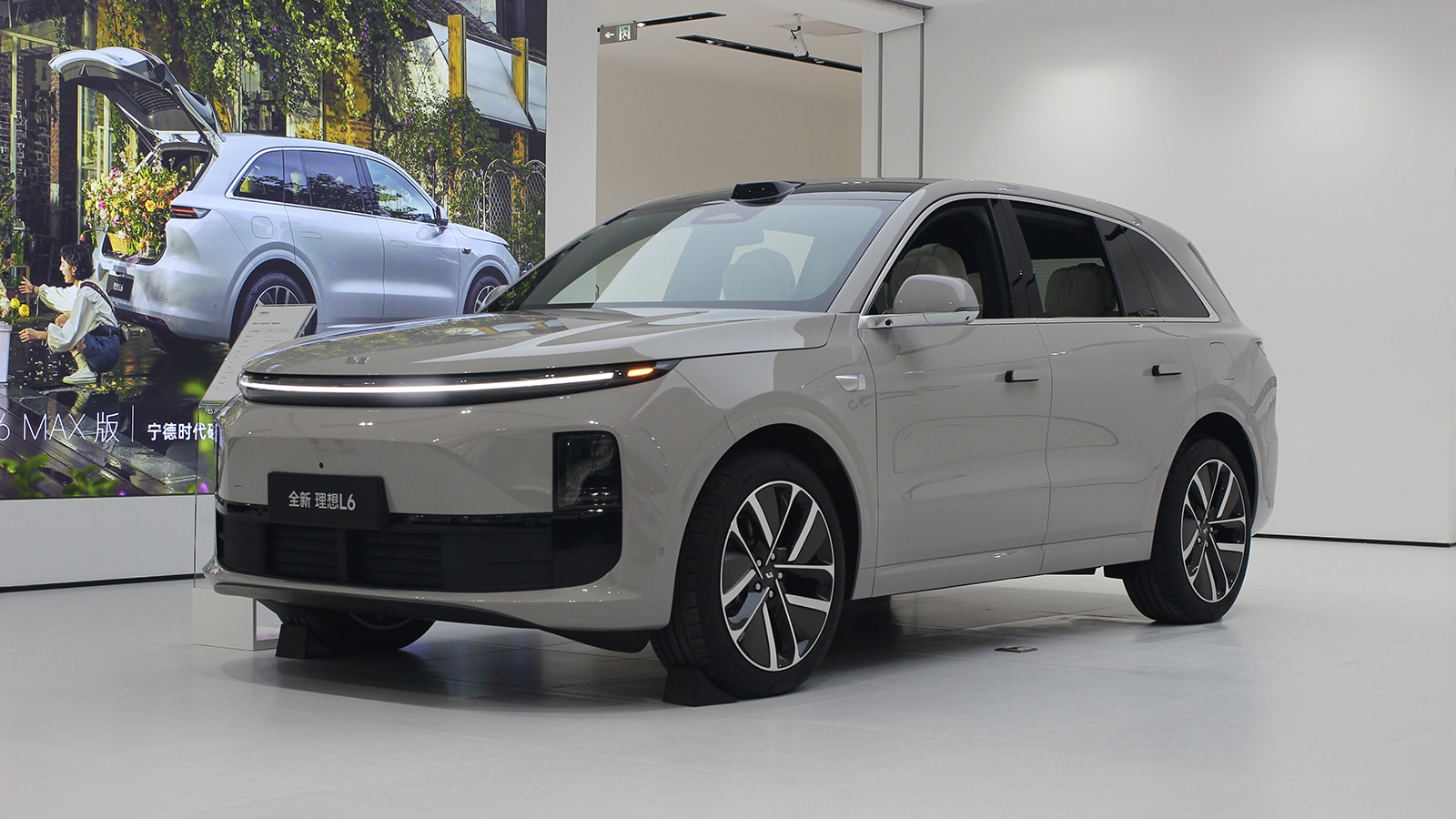
At the recent Livis Day event, Li Auto announced the evolution roadmap for its Mach VLA (Vision-Language-Action) model, targeting deployment to AD MAX users by Q3 2026. With a stated goal of achieving feature parity with Tesla's FSD V14 by Q4 2026, the announcement highlights the deep technological convergence between autonomous driving architectures and the 'brain' infrastructure required for humanoid robotics.
BYD's stock fell when it announced humanoid robots. The world's largest battery manufacturer told the market it was entering a sector where the battery is the most expensive single component — and the shares dropped. The same logic that made BYD the world's largest EV seller applies directly to humanoid robots: own the supply chain, then build the product. The market missed it in EVs. It appears to be missing it again.
Vietnam's richest man is building humanoid robots. Every outlet is calling it a national innovation story. Nobody is calling it what it actually is: the same geopolitical trade that made Vietnam the world's second-largest garment exporter after China, now applied to physical AI. Phạm Nhật Vượng didn't build VinFast by out-engineering Toyota. He built it by being in the right country when Western buyers needed to diversify away from China.