News and analysis on Asia's robotics industry from our research desk.
Carnegie Mellon University researchers deployed snake robots alongside international rescue teams in Venezuela, exposing the critical gap between laboratory demonstrations and the logistical realities of disaster response.
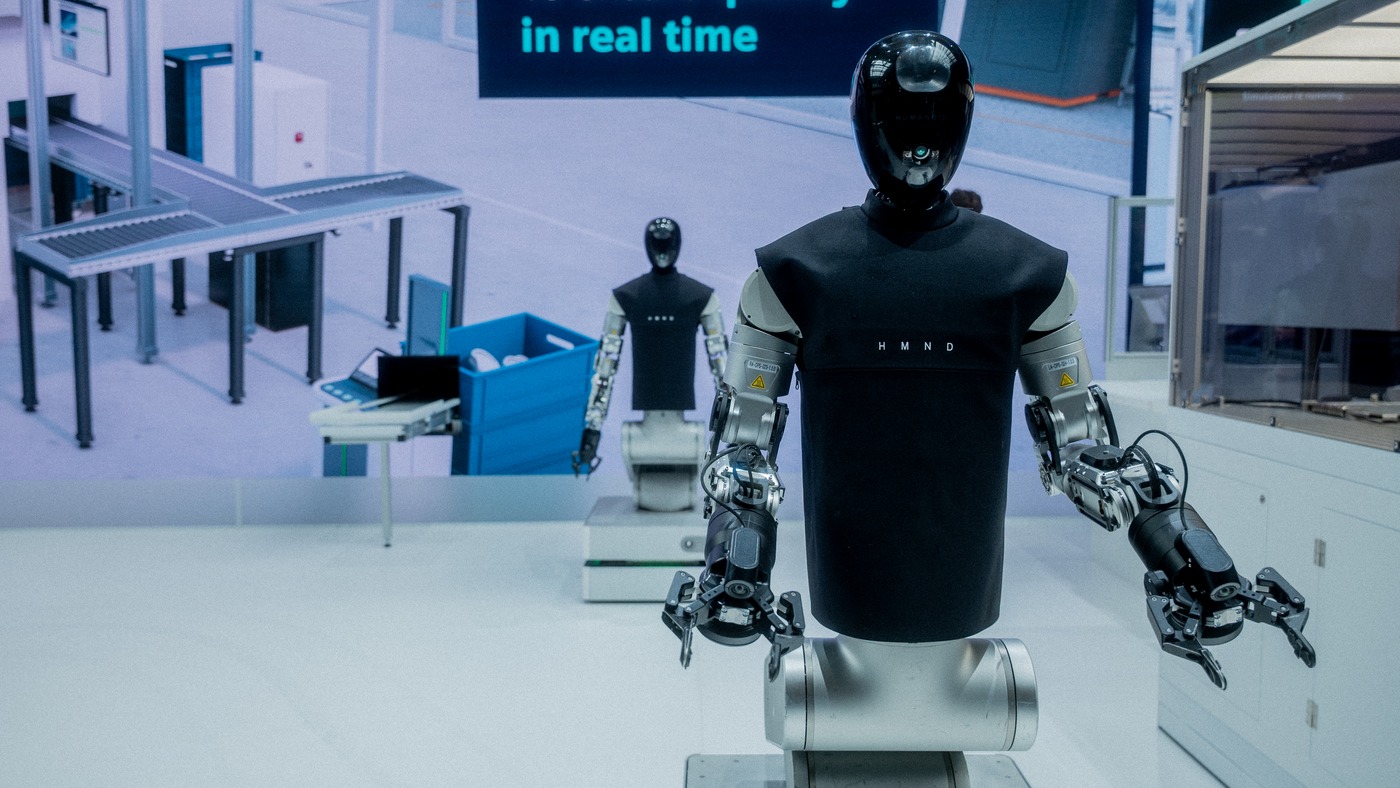
UK-based robotics startup Humanoid has raised US$152 million in a Series A funding round, reaching a US$1.35 billion valuation. The capital will accelerate the mass manufacturing of its wheeled robots and the deployment of its KinetIQ AI stack, with beta deployments scheduled for the fourth quarter of 2026.
Generative Bionics announced Gene.01, a sensorised humanoid with distributed tactile skin and industrial partners. Price and mass production schedule: Not disclosed.
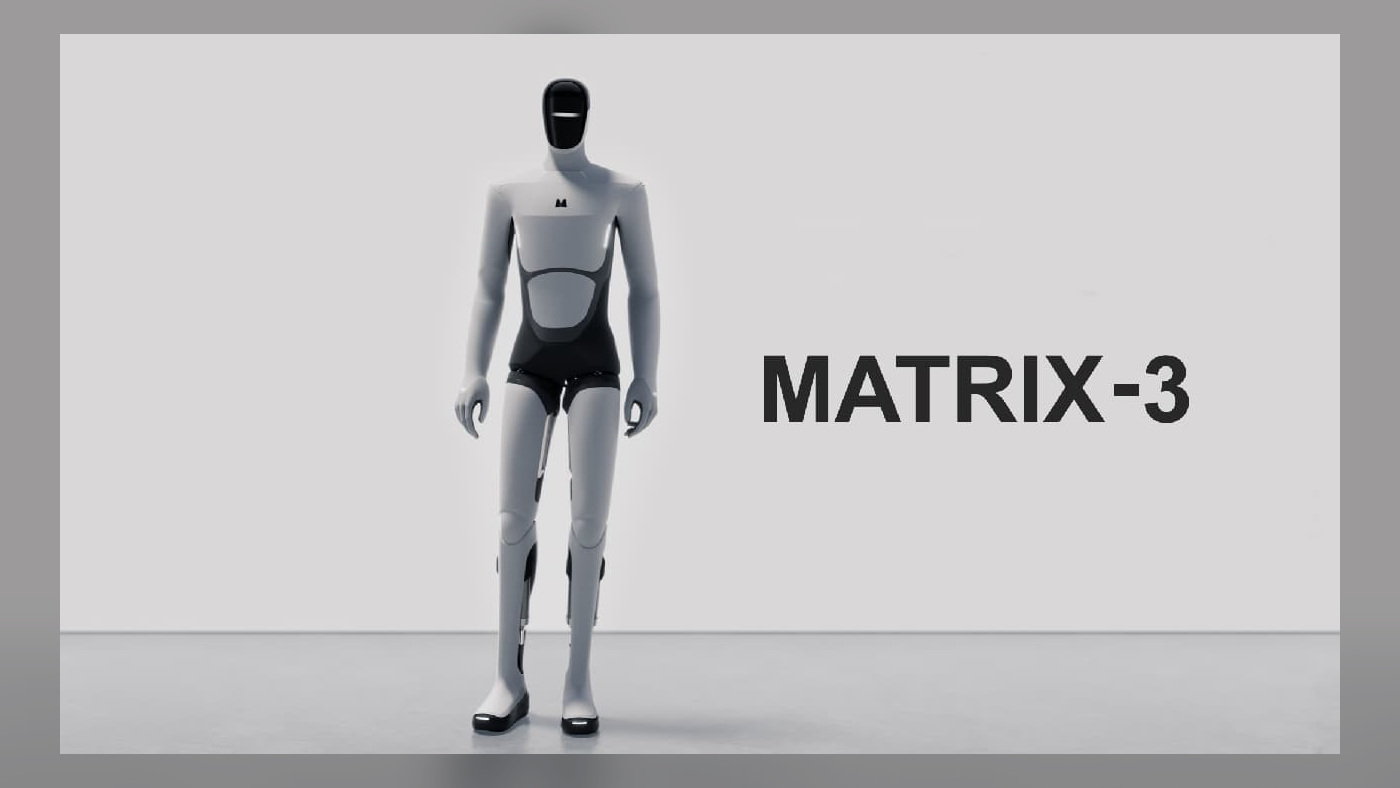
Matrix Robotics used WAIC 2026 to introduce the MATRIX 3 biped, the WAVE foundation model, and a starting price of RMB 580,000. While the company reports roughly 1,000 orders and sets ambitious capacity targets, it must now convert that pipeline into verified deployments to match the scale evidence of its strongest peers.
MIIT’s July 20 directive places manufacturing at the centre of China’s AI programme as Beijing promotes open-source cooperation and international standards. The same scale that could lower technology costs abroad may also intensify pressure on overseas producers.
Blackstone announced a definitive agreement to make a significant investment in FUTRONIC, a high precision actuator supplier serving automotive and industrial robotics. Terms were not disclosed. The move signals a supply chain bet aligned with a company-stated theme that AI is converging with the physical world.
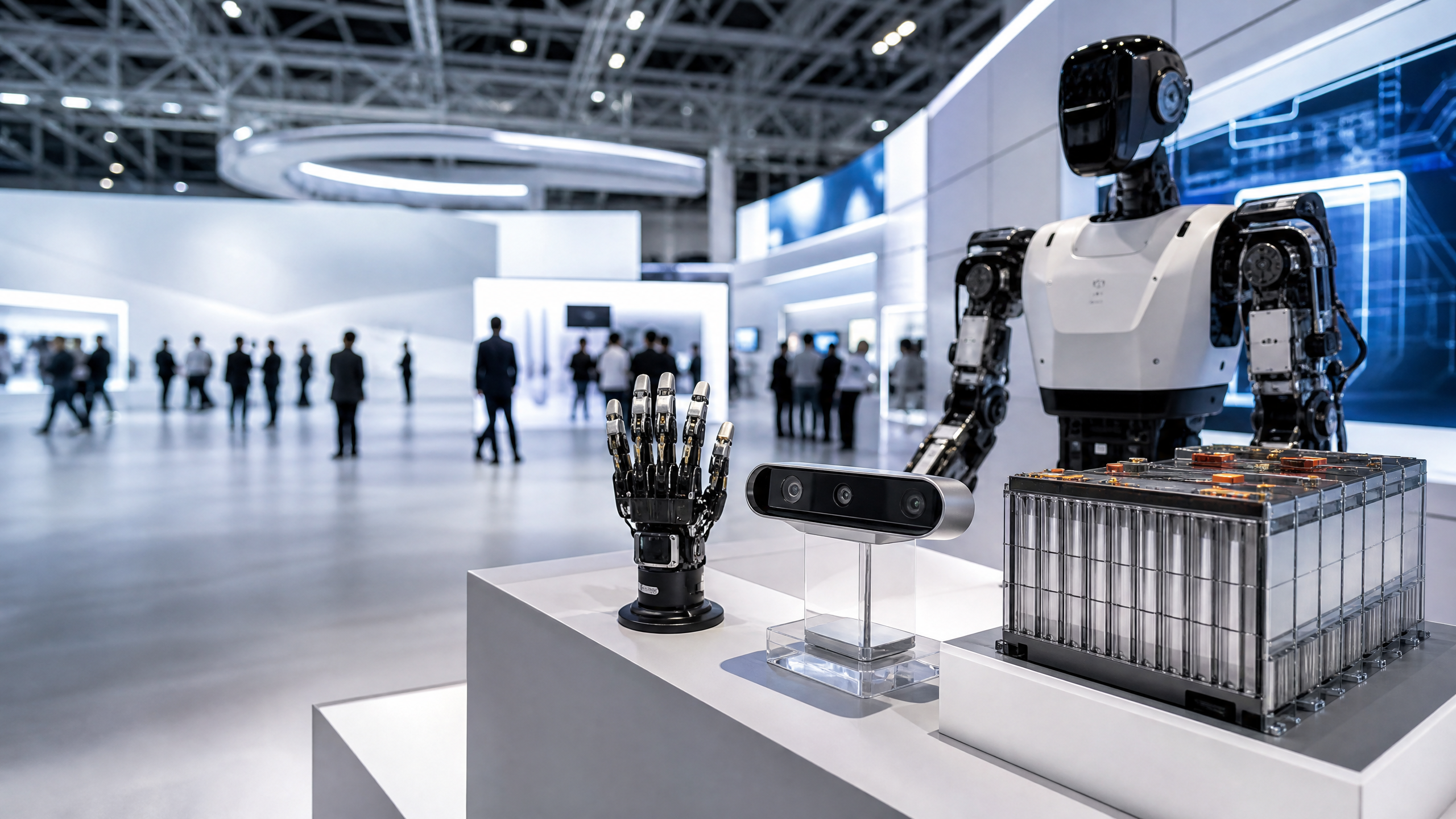
The World Artificial Intelligence Conference (WAIC) 2026 forum highlights how humanoid commercialization depends on integrating reducers, servo systems, dexterous hands, sensors, controllers, and connectors.
At the World Artificial Intelligence Conference (WAIC) 2026, Agibot and Maniformer outlined a physical scaling bottleneck for embodied artificial intelligence (AI), model-data flywheels, and dexterous manipulation.
The National Humanoid Robotics Center emphasizes real-world data collection for embodied artificial intelligence (AI), featuring a Huawei training-field demonstration site and Shanghai pilot-testing finance product.
Samsung Electronics is consolidating its robotics teams into a dedicated organization, reportedly to be named "HX" for Humanoid Experience, aiming to run its own humanoid robots on production lines as early as the second half of 2026.
WAIC 2026 revealed a robotics market whose most important product is no longer a single machine. The conference brought together task specific robot bodies, dexterous manipulation, sensing, batteries, control hardware, and embodied AI software as interdependent parts of a deployable stack. The industry is beginning to standardize the building blocks that can turn advanced robotics from bespoke engineering programs into repeatable industrial products.
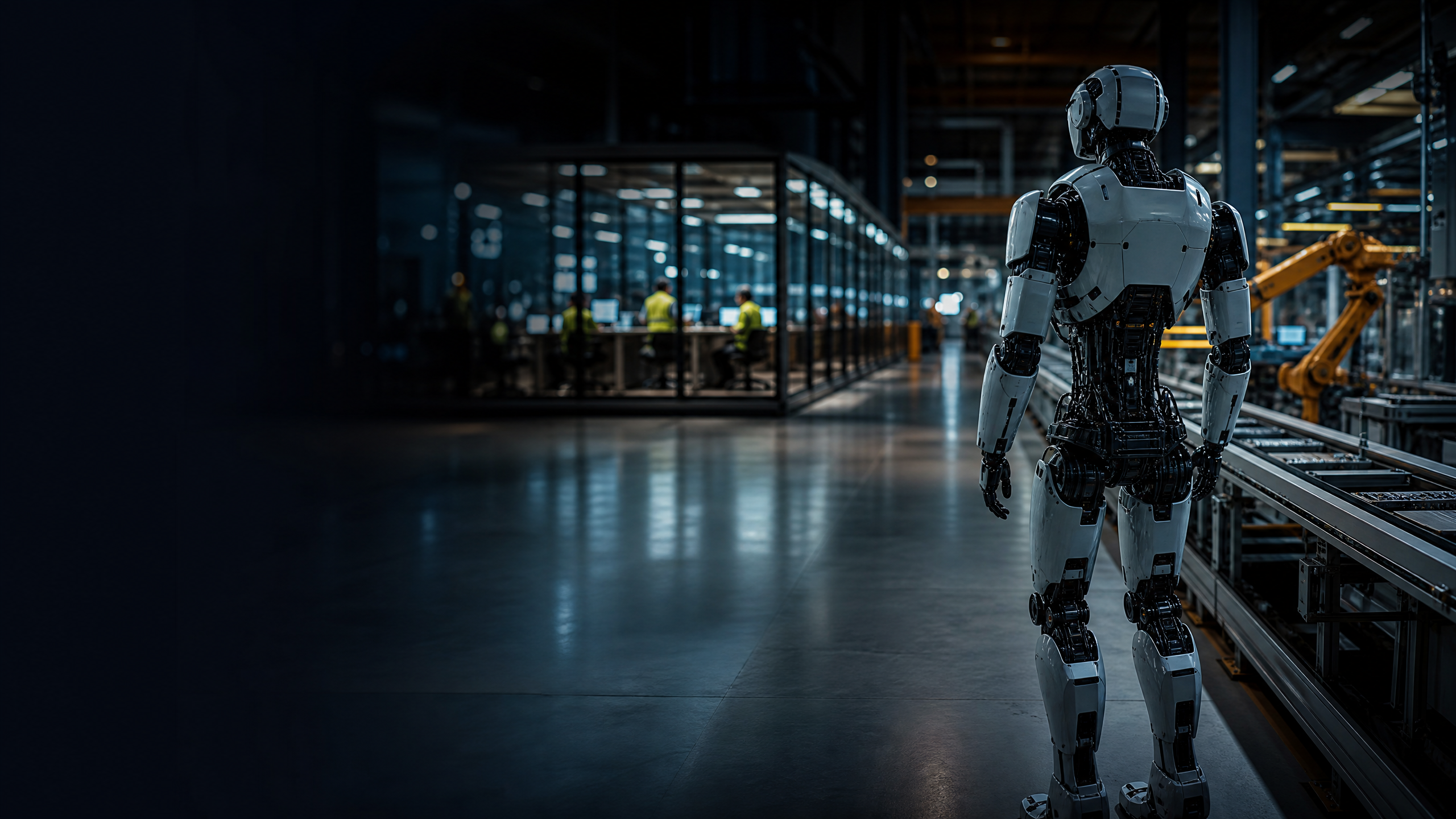
Capital allocation in advanced robotics is shifting from valuation stories to control of factory integration, software capability, and deployment operations. Hyundai's proposed ownership consolidation around Boston Dynamics and Agility Robotics' expansion of its physical AI capacity show that investors now value the operational systems required to make robots perform reliable work. The market is placing an execution premium on firms that can connect a robot platform to repeatable customer outcomes.