News and analysis on Asia's robotics industry from our research desk.
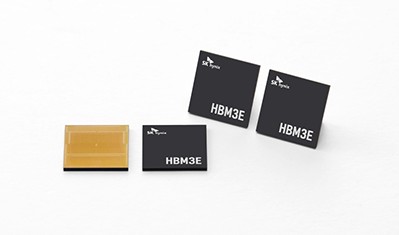
SK Hynix raised $26.5 billion in the largest US equity sale by a foreign company, with 7x oversubscription. The article connects this to the robotics supply chain through HBM (High Bandwidth Memory) chips essential for embodied AI compute. It covers the Yongin cluster funding, Micron's $250B US expansion plan, and why massive upstream investment in AI compute infrastructure has downstream implications for robotics cost curves and capability scaling.
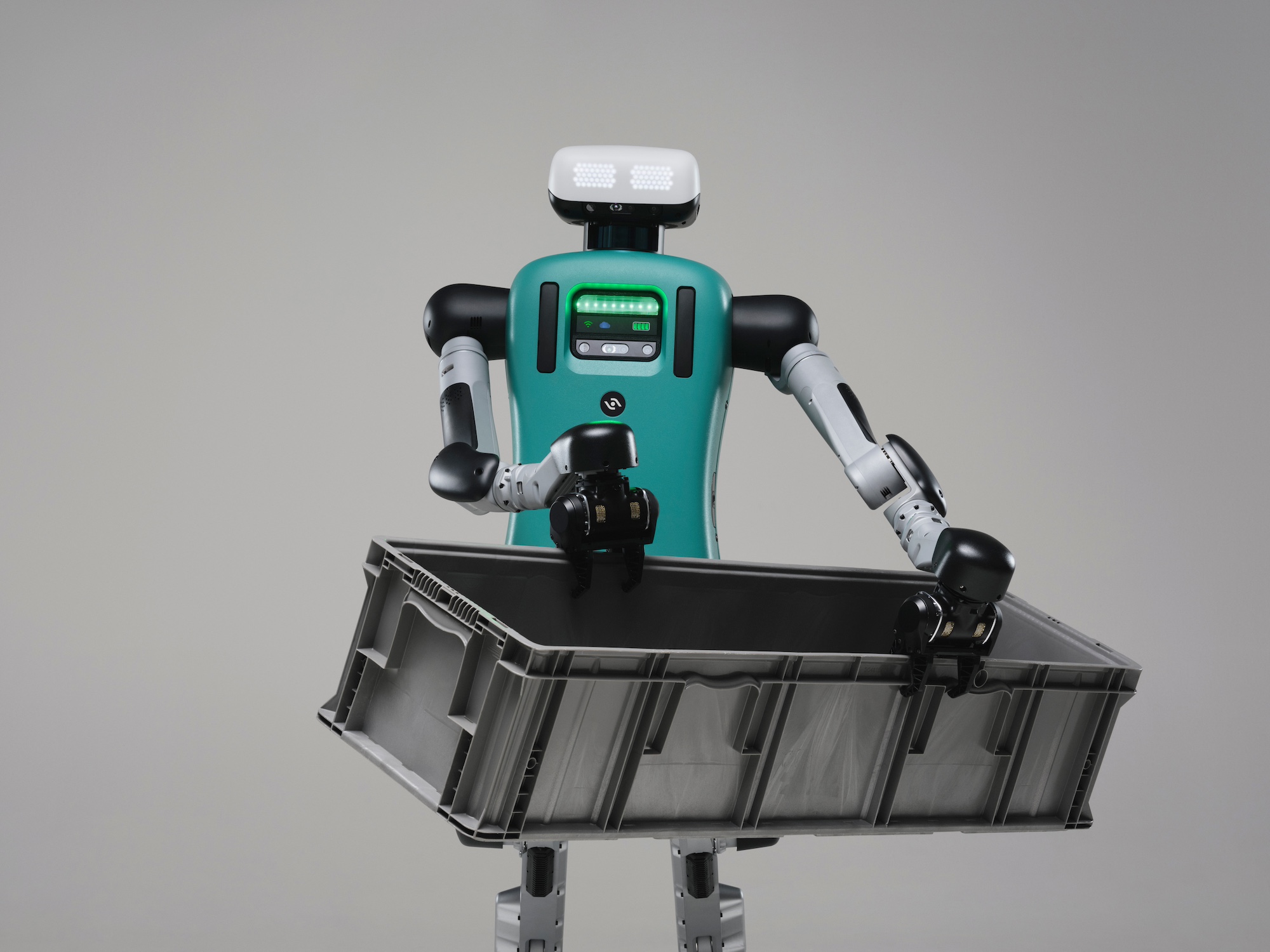
A deep analysis of why safety certification, not technology, is the binding constraint on Agility Robotics' commercial scaling. The Digit robot has logged 65,000 deployment hours with a $300M order book and $37M trailing revenue (implying a 34x P/S multiple at SPAC valuation). The article examines NVIDIA Halos integration, ISO/IEC 17020 inspection requirements, and why the gap between "technically capable" and "certified for fenceless operation" is the real bottleneck for the entire humanoid sector.
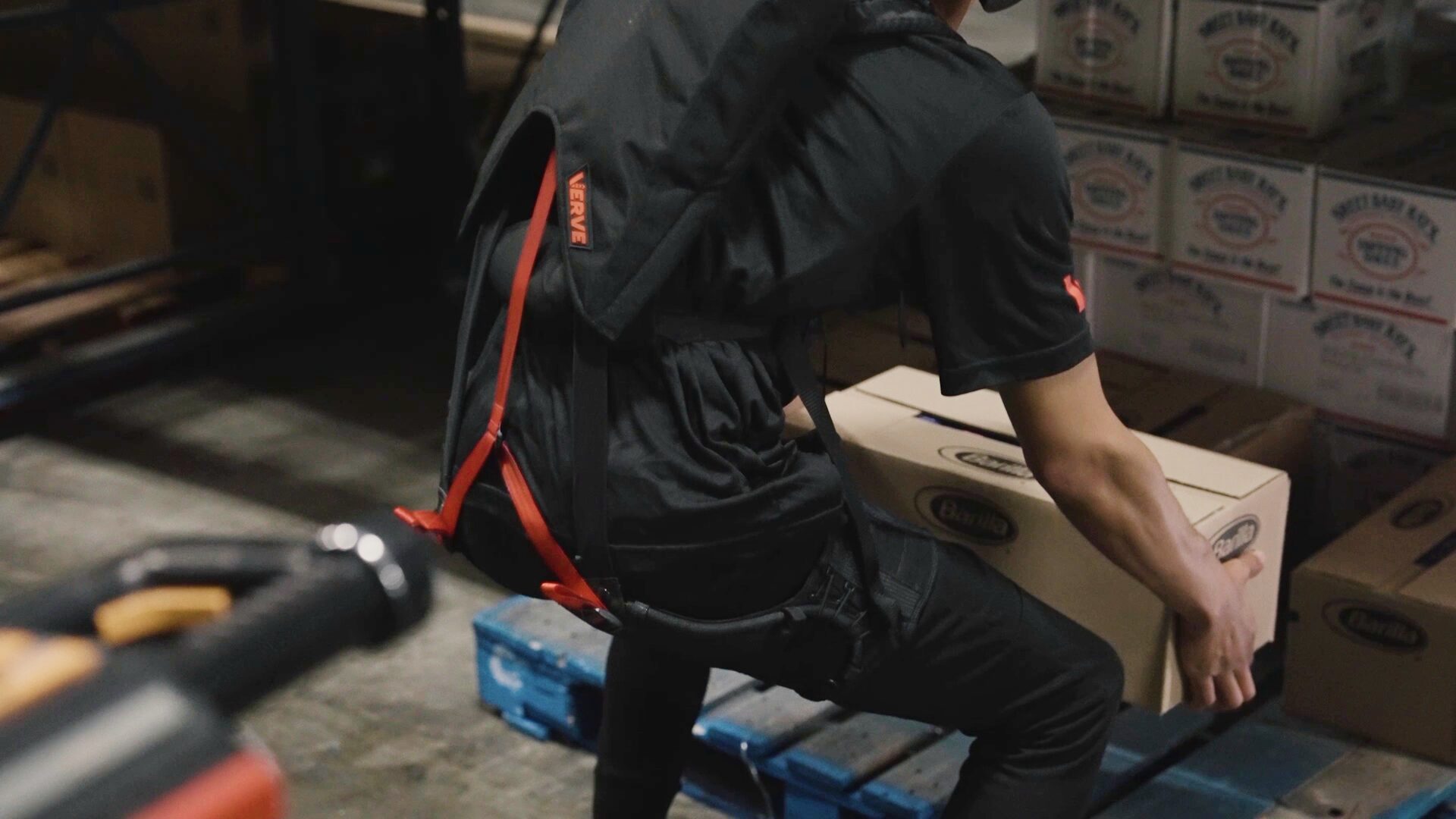
International Airlines Group (British Airways, Iberia parent) invested in Verve Motion, a Harvard University spin-out that makes soft-textile exosuits for baggage handlers. The company has raised $55M+ total. The article covers the biomechanics of repetitive lifting injuries in aviation ground handling, the connected-data platform that tracks worker fatigue, the economics of musculoskeletal injury claims in airlines, and how wearable robotics represents a distinct adoption pathway that bypasses the safety certification barriers facing full humanoid robots.
Chinese research labs and startups released 13 distinct embodied AI foundation models within a single 30-day window (June/July 2026), including BAAI's Wujie Physis, RoboBrain's Orca, Alibaba's Qwen Robot, and CasiaHand Brain Si. The article argues this signals competition has shifted from hardware manufacturing to software ecosystem control. Most models are open source, following the same market-capture playbook used in LLMs. The piece analyzes fragmentation risk, the global competitive response (NVIDIA Isaac, DeepMind, Tesla), and implications for vendor evaluation.
The commercialization of humanoid robots is shifting rapidly from capital expenditure (CapEx) hardware sales to operational expenditure (OpEx) subscription models. This article analyzes the economics of Robot-as-a-Service (RaaS) in 2026, comparing the monthly costs of fleet orchestrators like 1X and Agility Robotics against the fully loaded wages of human labor in logistics and healthcare, identifying the critical crossover points that will trigger mass adoption.
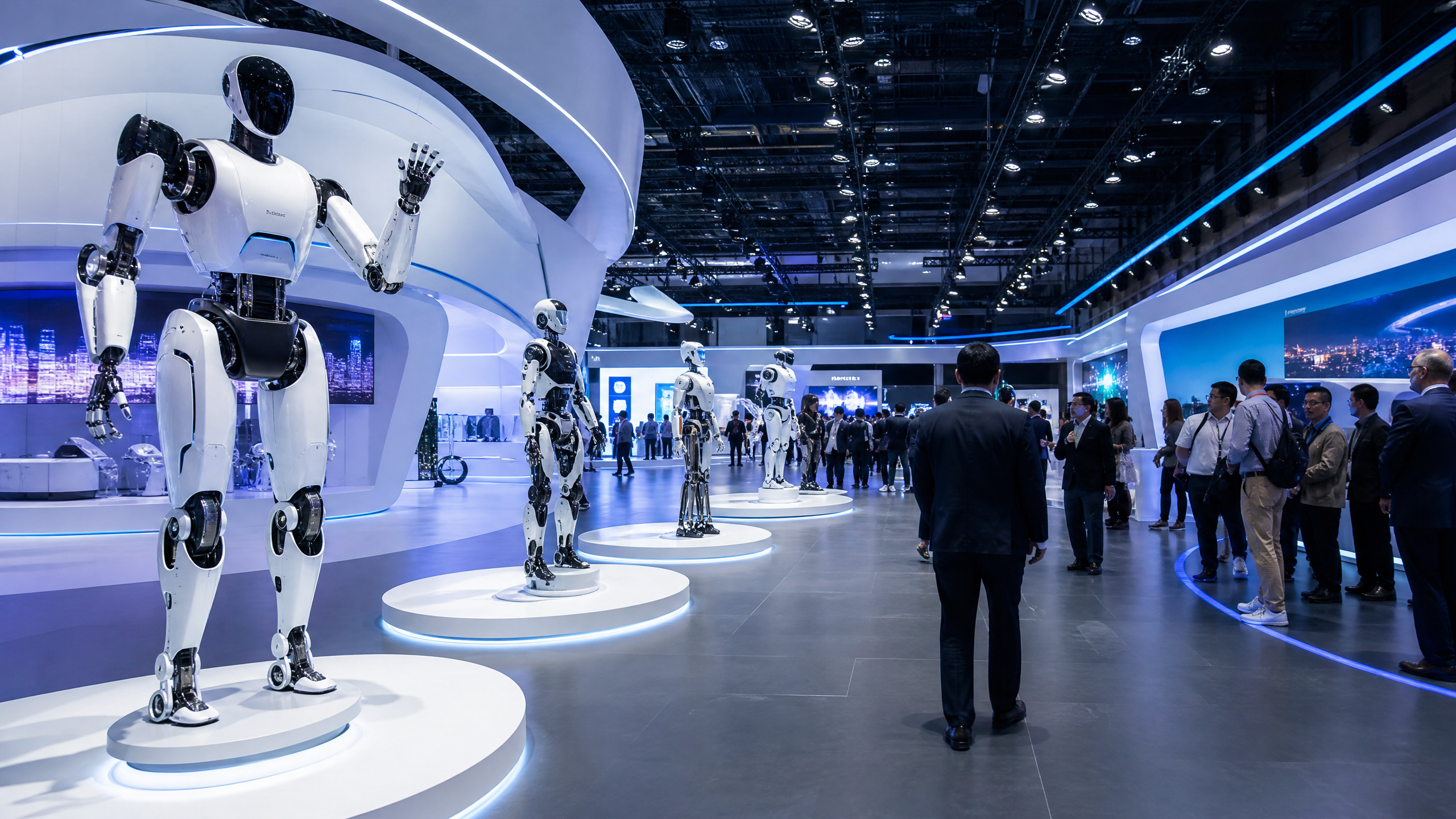
As the 2026 World Artificial Intelligence Conference (WAIC) prepares to open in Shanghai, the pressure on hardware manufacturers to demonstrate functional, world-model-integrated robotics has never been higher. This preview analyzes the expected product debuts, the shift from static displays to embodied AI capabilities, and the strategic implications for the global robotics ecosystem.
The battle for robotics capital in East Asia is intensifying as exchanges vie for the next generation of automation leaders. Hong Kong's Chapter 18C specialist technology pathway has emerged as a dominant force, demonstrated by the recent successful debut of Rokae Robotics. This article compares the listing dynamics across Hong Kong, South Korea, Japan, and Taiwan, analyzing how robotics companies navigate valuation, liquidity, and regulatory environments in 2026.
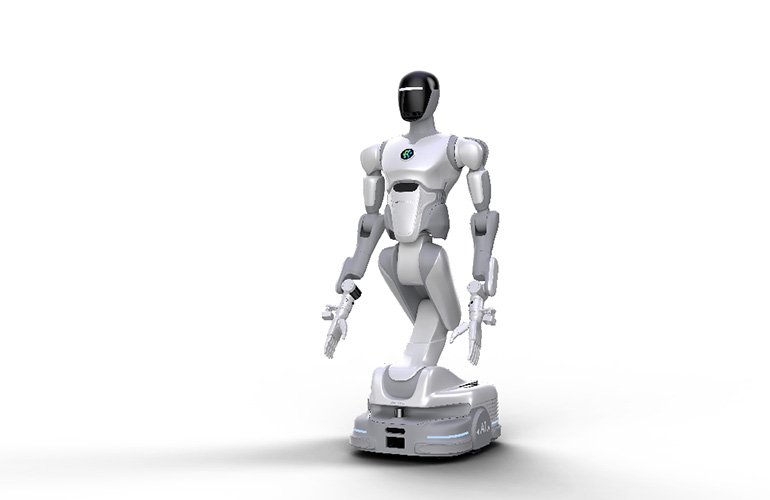
Shenzhen startup AI2 Robotics closed a $735 million round at a $2.8 billion valuation, backed by state funds and industrial giants, as it bets that wheeled humanoid robots can reach factory floors faster than bipedal alternatives.
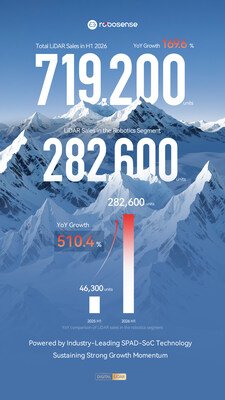
RoboSense reported that LiDAR sales to robotics customers grew 510 percent year over year in the first half of 2026 to 282,600 units, overtaking growth in its traditional autonomous driving business and reinforcing its position as the top robotics LiDAR supplier worldwide.
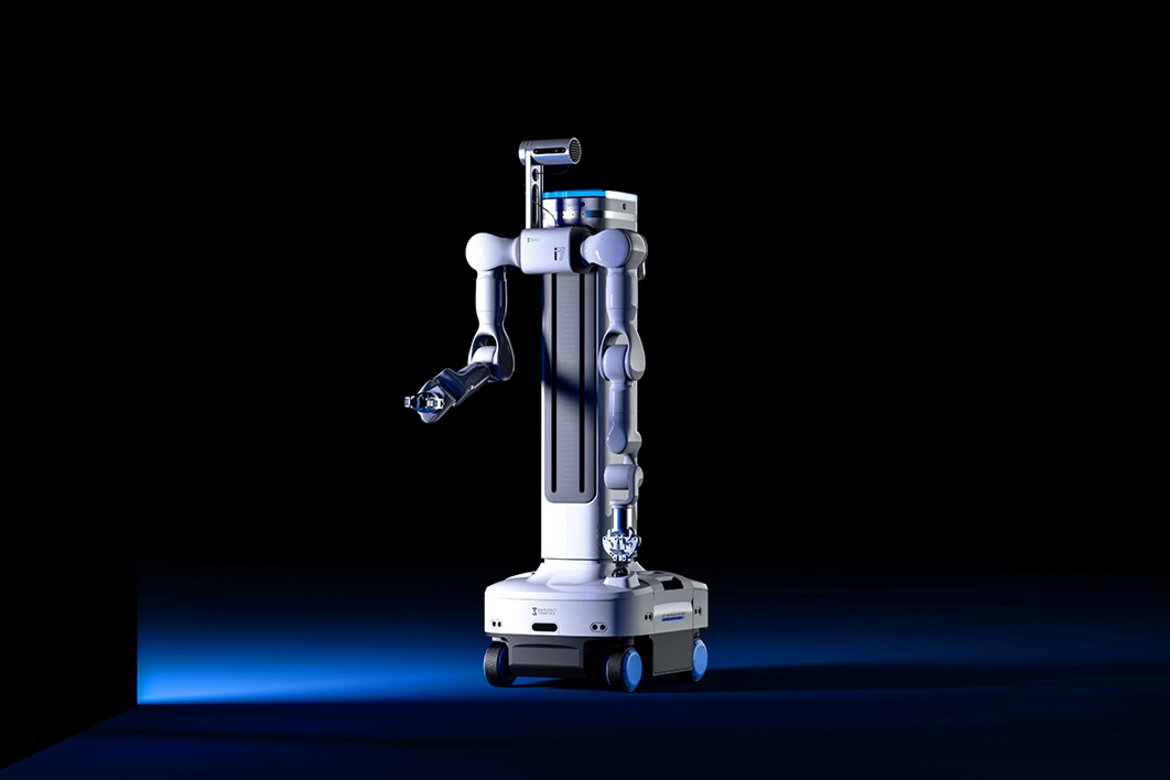
Simplexity Robotics, founded less than a year ago, has delivered its first 100 i7 Pro embodied AI robots to production lines including harmonic reducer maker Leaderdrive, moving from laboratory validation to multi site industrial deployment at an unusually fast pace.
Westlake University spinout Xihu Robotics has closed its third funding round in five months, over 100 million yuan from Henan Investment Group's Huirong Fund, as its O1 humanoid moves from lab demonstrations into logistics inspection and cultural tourism deployments.
Dexmal has launched DM0.5, a 4-billion-parameter embodied foundation model that improves zero-shot robot navigation by 31 percent and cuts fine-tuning costs by 60 percent. The release targets the software bottleneck holding back robot deployment in dynamic commercial spaces.