News and analysis on Asia's robotics industry from our research desk.
Japan's Tokyo Artisan Intelligence has partnered with Malaysia's Oppstar to mass-produce reconfigurable edge AI chips targeting robotics, railways, and factory automation by 2027.
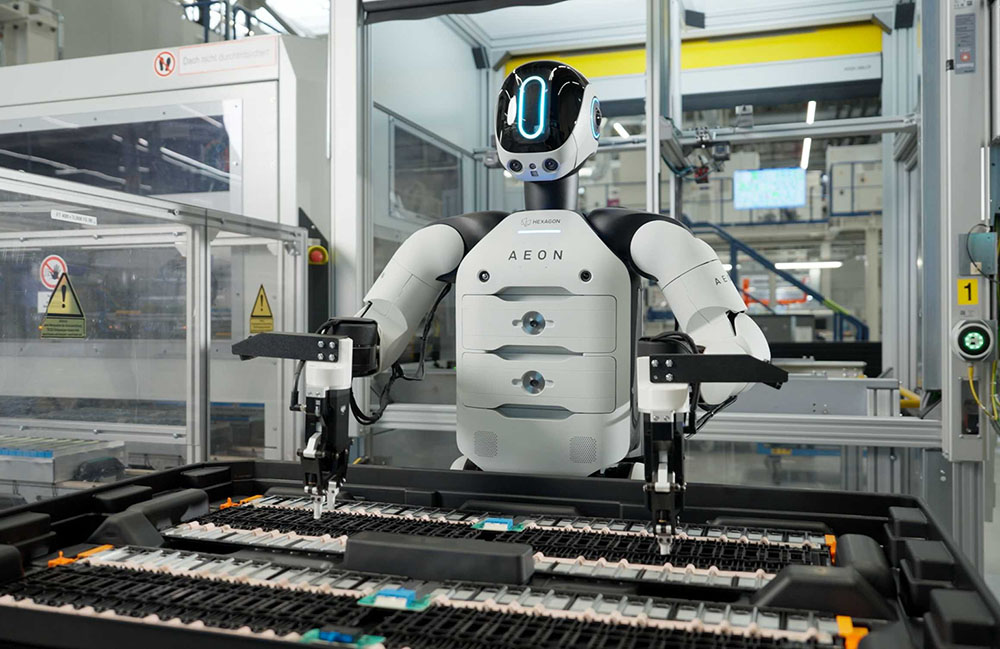
BMW is expanding its physical AI strategy with Figure 03 in Spartanburg while Leipzig tests Hexagon's wheeled AEON humanoid, showing the automaker's multi-robot approach to factory automation.
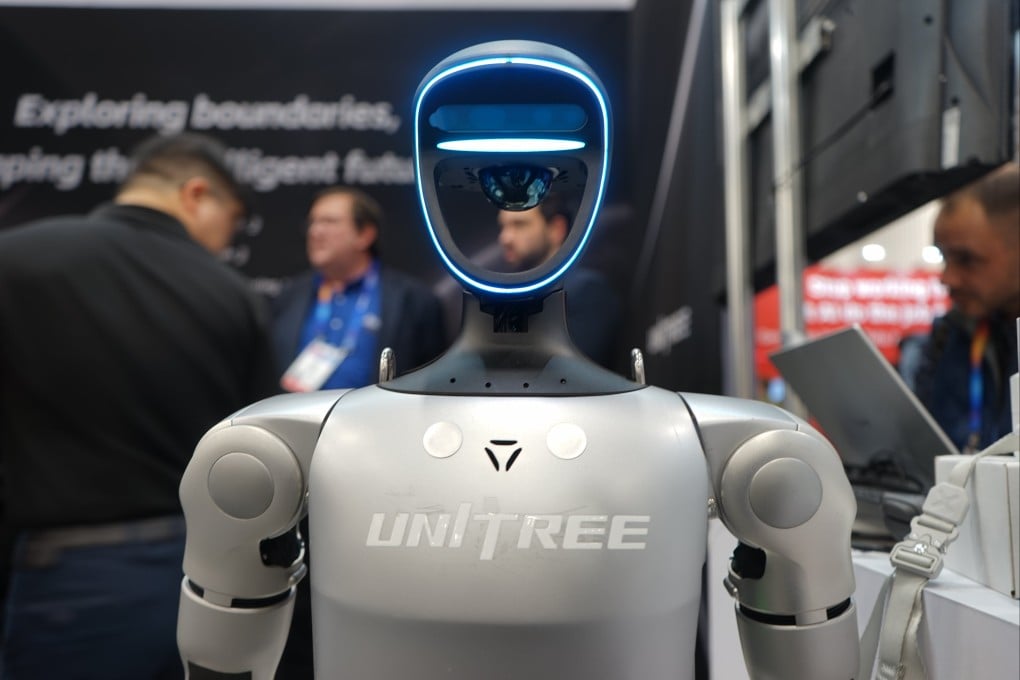
China's humanoid robot sector reached a capital markets turning point in July 2026. Unitree's record-speed IPO registration leads more than 20 companies toward listings while new angel rounds, including Guangxiang Tech's several-hundred-million-yuan raise, show institutional money entering at both ends of the pipeline.
Researchers from NYU and Yann LeCun's startup AMI have developed AdaJEPA, a method that allows Joint Embedding Predictive Architecture world models to adapt to unseen physical environments in milliseconds without catastrophic forgetting.
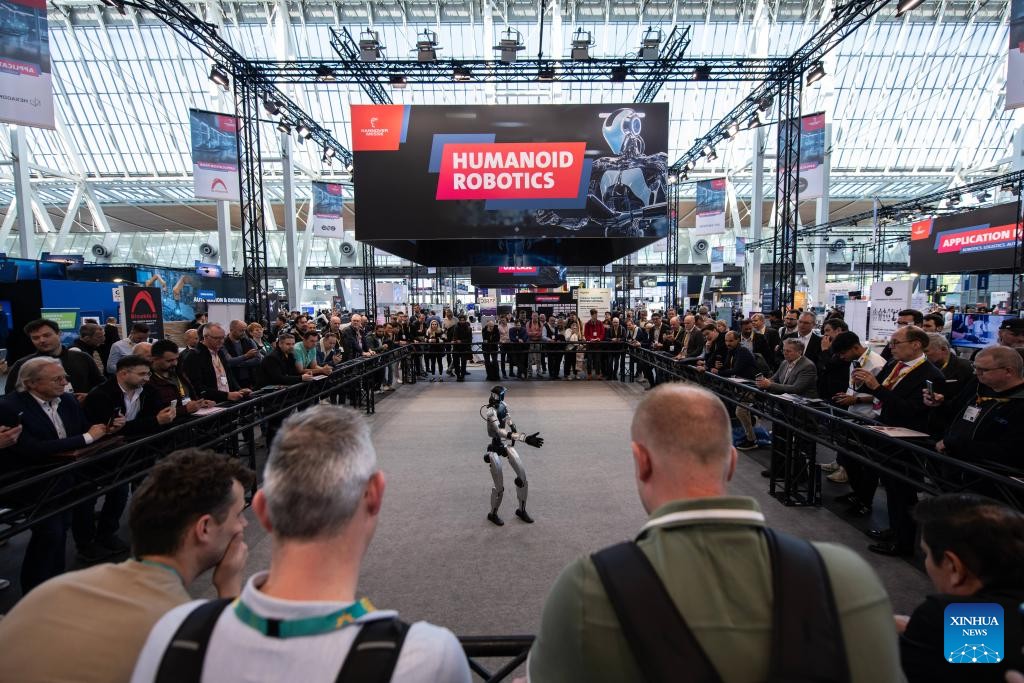
At a Tokyo humanoid robotics summit, Chinese systems outnumbered Japanese ones, exposing Japan's shift from hardware leadership to an urgent race in AI software, shared data, and scale. Japan is responding with AIRoA, a national data platform, and major state-backed investment to deploy 10 million AI-equipped robots by 2040.
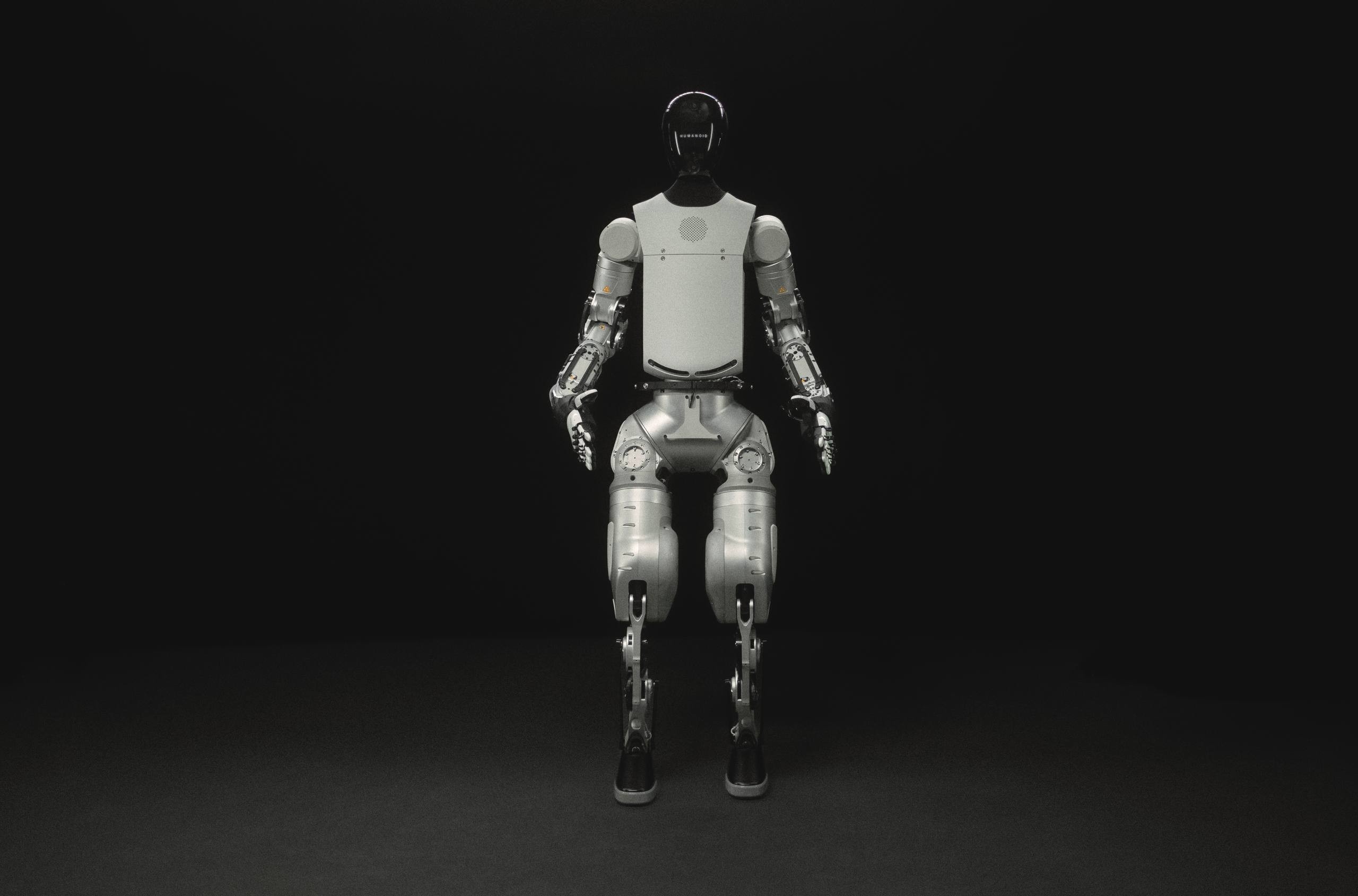
London based robotics company Humanoid has introduced KinetIQ Ascend, a reinforcement learning approach that the company claims pushes bimanual manipulation success rates from 78 percent to 99 percent while operating faster than human demonstration speed.
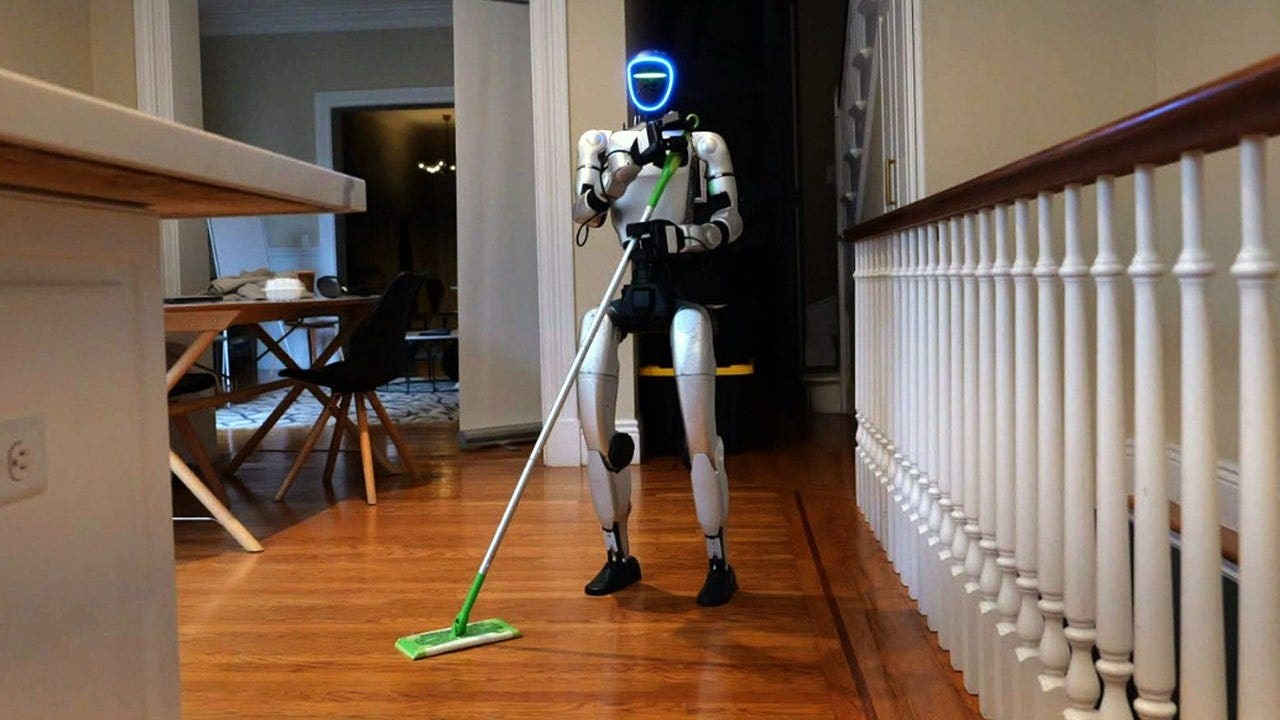
While folding clothes makes for viral demonstrations, the actual economics of bringing a humanoid robot into the home remain prohibitive for the mass market. We break down the $50,000 bill of materials, map the current pricing landscape of purchasable home robots, and analyze the gap between what consumers want, which is heavy lifting work and elder care, and what the market can affordably deliver.
The evolution from LLMs to predictive world models is triggering a cost deflation cycle in robotic intelligence. We analyze the ROI, payback periods, and adoption timelines across the top five AI robotics industries, and what the "silent handover" means for manufacturing arbitrage in Southeast Asia and Europe.
China has engineered an uncontested July and August showcase window with WAIC, WRC, and a dense circuit of embodied AI expos, while Japan, Korea, the US, and Singapore fight for exhibition hub status. The prize is measured in billions of procurement deals, visitor spending, and a new end-to-end exhibition business model.
As the first half of 2026 closes with a record $18.8 billion in global robotics funding, the third quarter pivots from fundraising to delivery. This forward-looking watch examines the upcoming IPO wave, the delivery scorecard for Tesla, Figure, and 1X, and how the $700 billion hyperscaler data centre buildout is squeezing the robotics supply chain.
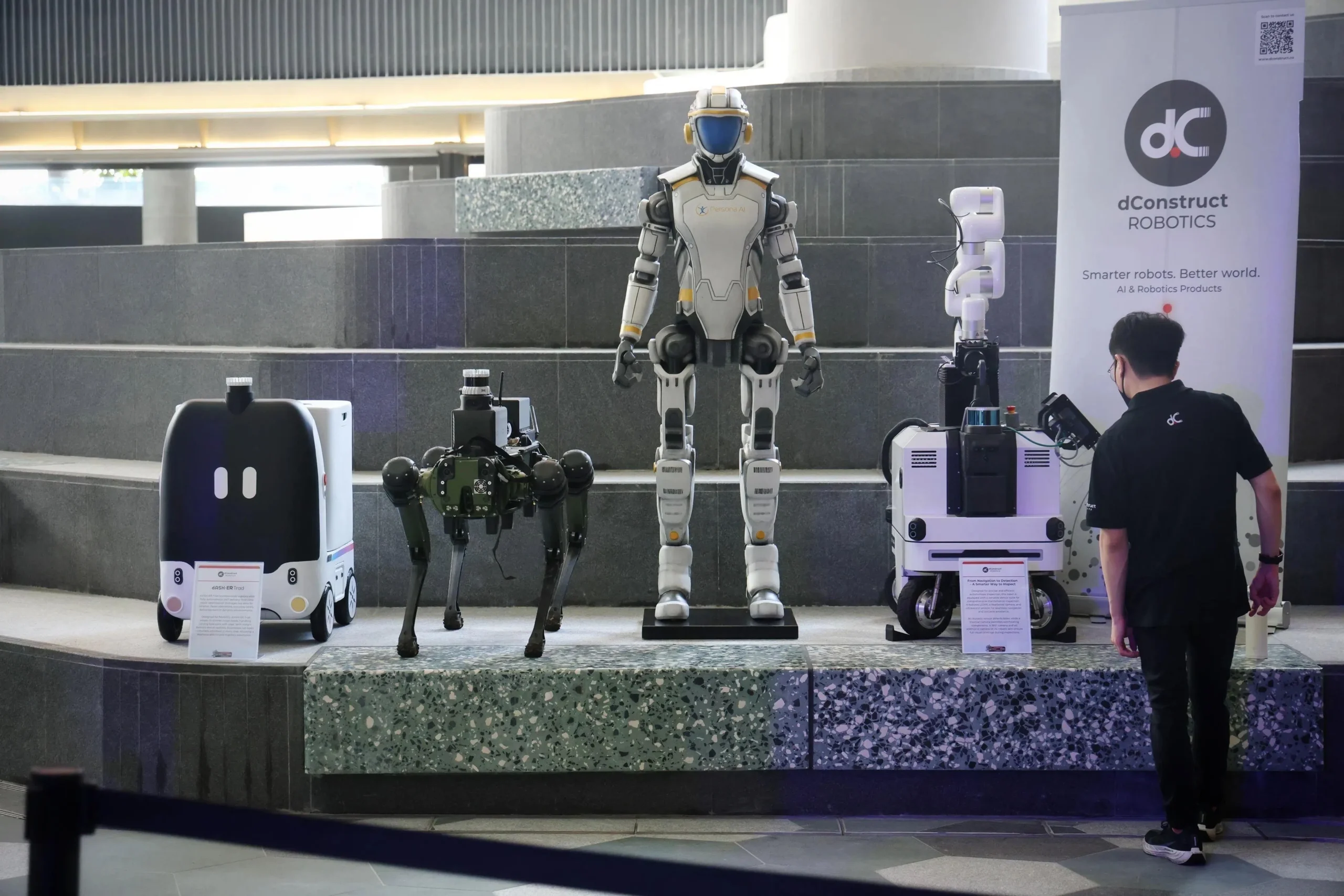
dConstruct Technologies raised $125 million in Series A funding as the standout company from Singapore's RoboNexus robotics accelerator, using its d.ASH platform to power robots in GPS-denied environments.
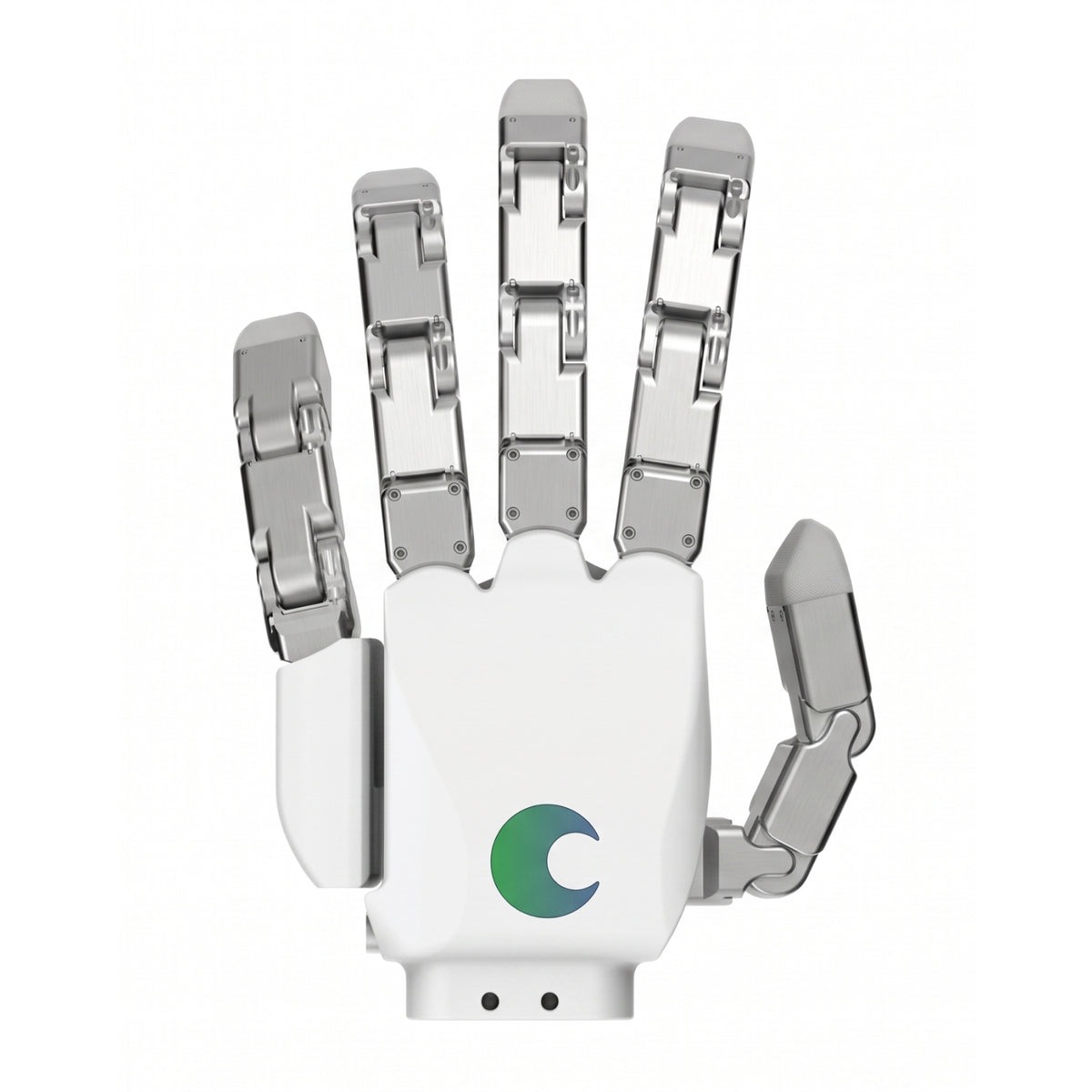
South Korean dexterous hand manufacturer Tesollo has selected KB Securities as its lead underwriter, kicking off the process for a technology-special KOSDAQ listing targeted for 2027. The move marks Korea's first pure-play dexterous hand public listing attempt. This article examines Tesollo's position within the Korean robotics ecosystem, its chaebol research client base, and how its high-degree-of-freedom technology compares to the volume-driven Chinese component market.