News and analysis on Asia's robotics industry from our research desk.
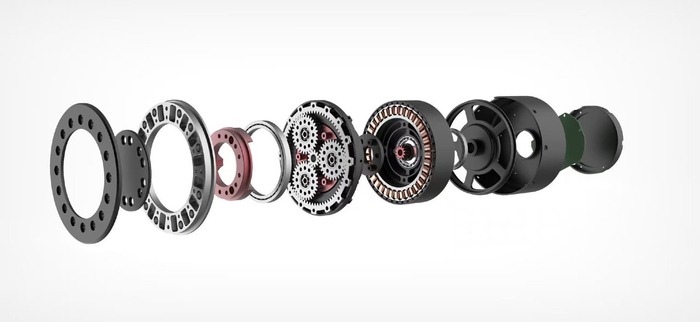
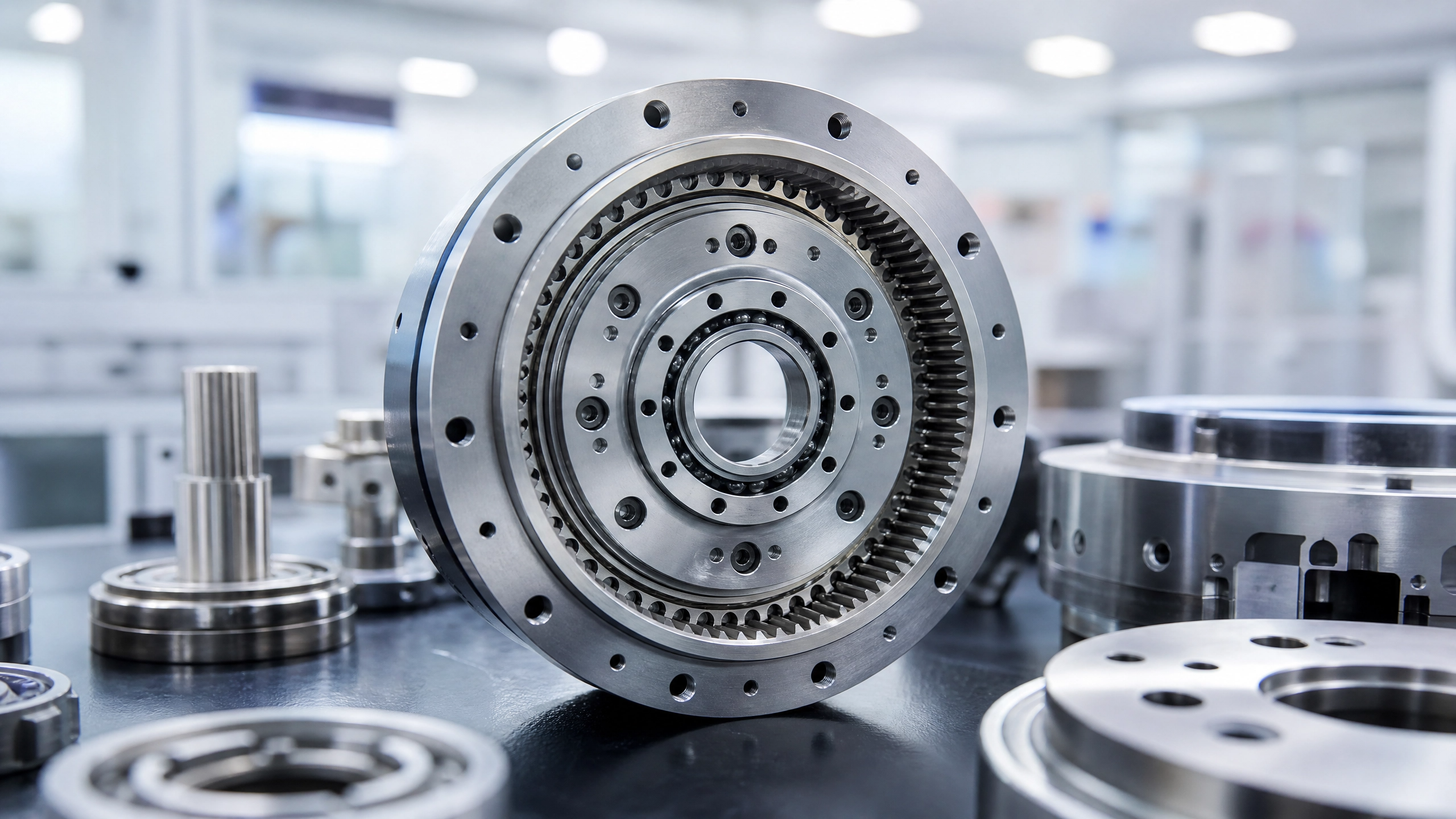
A three year old hardware startup founded by a thirty three year old engineering PhD has closed its seventh funding round in eighteen months, signaling a massive consolidation in the robotics supply chain. Quanzhibo secured an undisclosed A+++ round led by Hillhouse Capital's GL Ventures, with strategic participation from humanoid developer AgiBot and dexterous hand maker LinkerBot. The company is building high torque robot joint modules, the critical electromechanical "muscles" that power physical AI, and has already shipped over 120,000 units in the first half of 2026. This article explains what joint modules are, why they represent the largest cost bottleneck in humanoid robotics, how Quanzhibo's manufacturing approach differs from global incumbents like Harmonic Drive, and what this funding surge signals for the broader physical AI ecosystem.
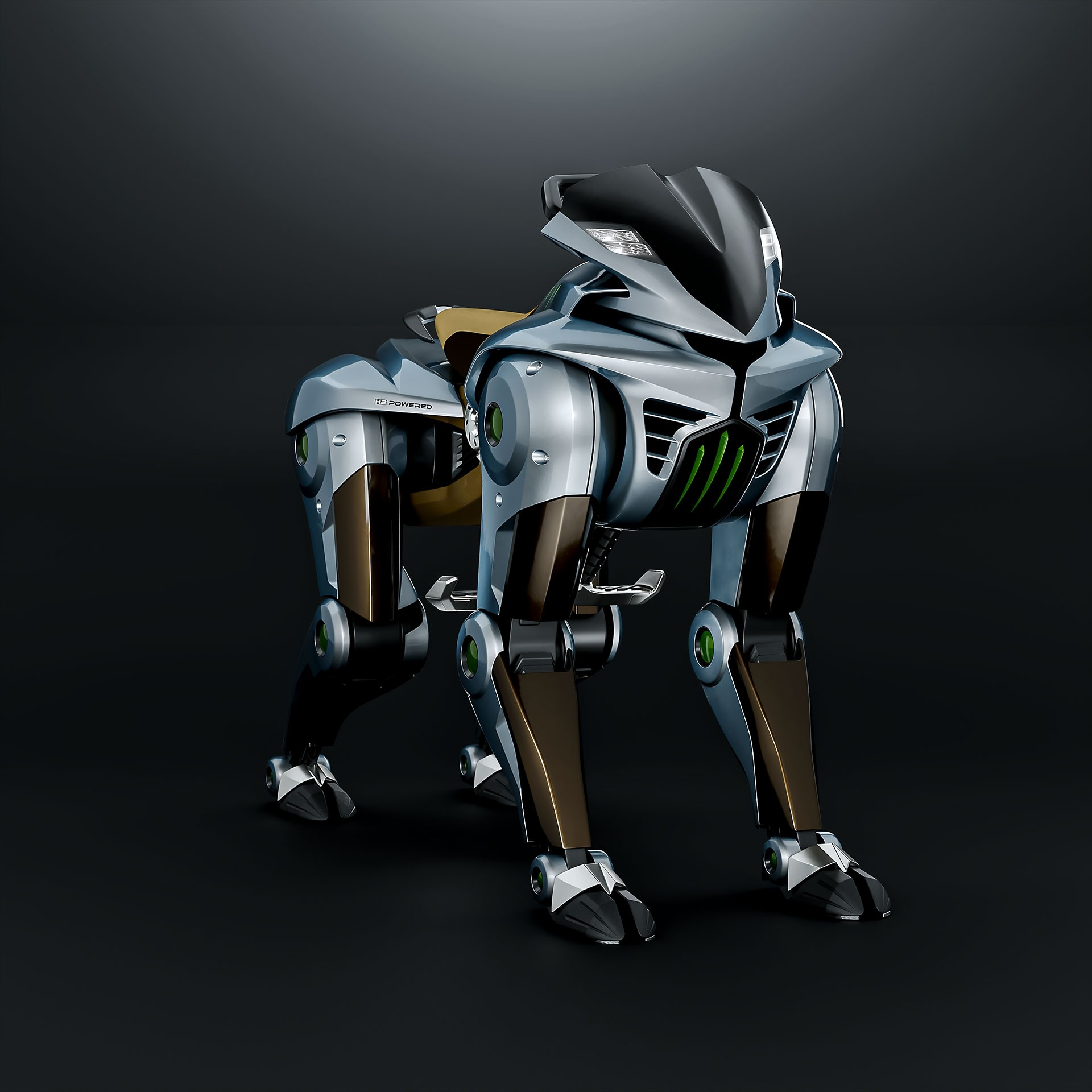
Kawasaki Heavy Industries (KHI) has finalized a ¥193.7 billion ($1.2 billion) capital raise to aggressively expand its production capacity and research footprint. Rather than a general corporate cash infusion, the July 2 board resolution specifically targets two critical global bottlenecks: semiconductor manufacturing robotics and the liquefied hydrogen supply chain, backed by deep investments in physical AI. By utilizing a mix of overseas equity and the world's first Climate Transition Bond, Kawasaki is leveraging ESG capital to secure its position against global robotics competitors and ensure supply chain dominance in the next decade of industrial automation.
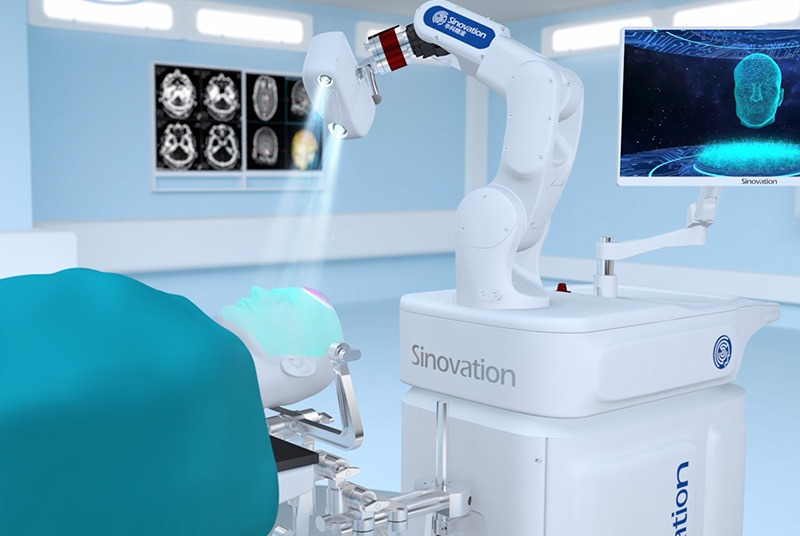
Beijing HuaKe Precision, the company behind the Sinovation SR1 neurosurgical robot, has filed for an IPO on the Shanghai STAR Market to raise about RMB 1 billion. The filing was accepted on June 30, setting the company up to become China's first pure-play neurosurgical robot stock. HuaKe holds a 53.3 percent share of China's neurosurgical robot market, has systems in more than 400 hospitals, and counts global device giant Medtronic as a 3.12 percent shareholder. For hospital buyers and medical device watchers, the prospectus opens a rare window into the real economics of surgical robotics in China.
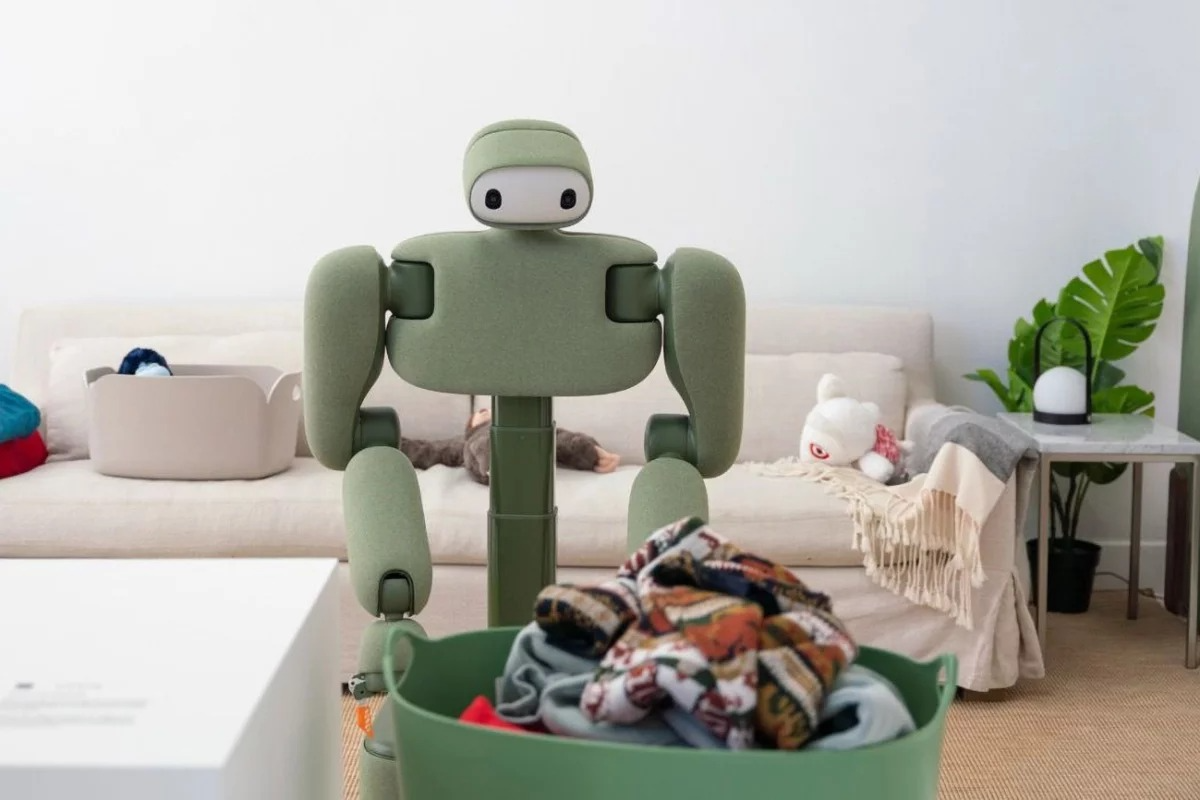
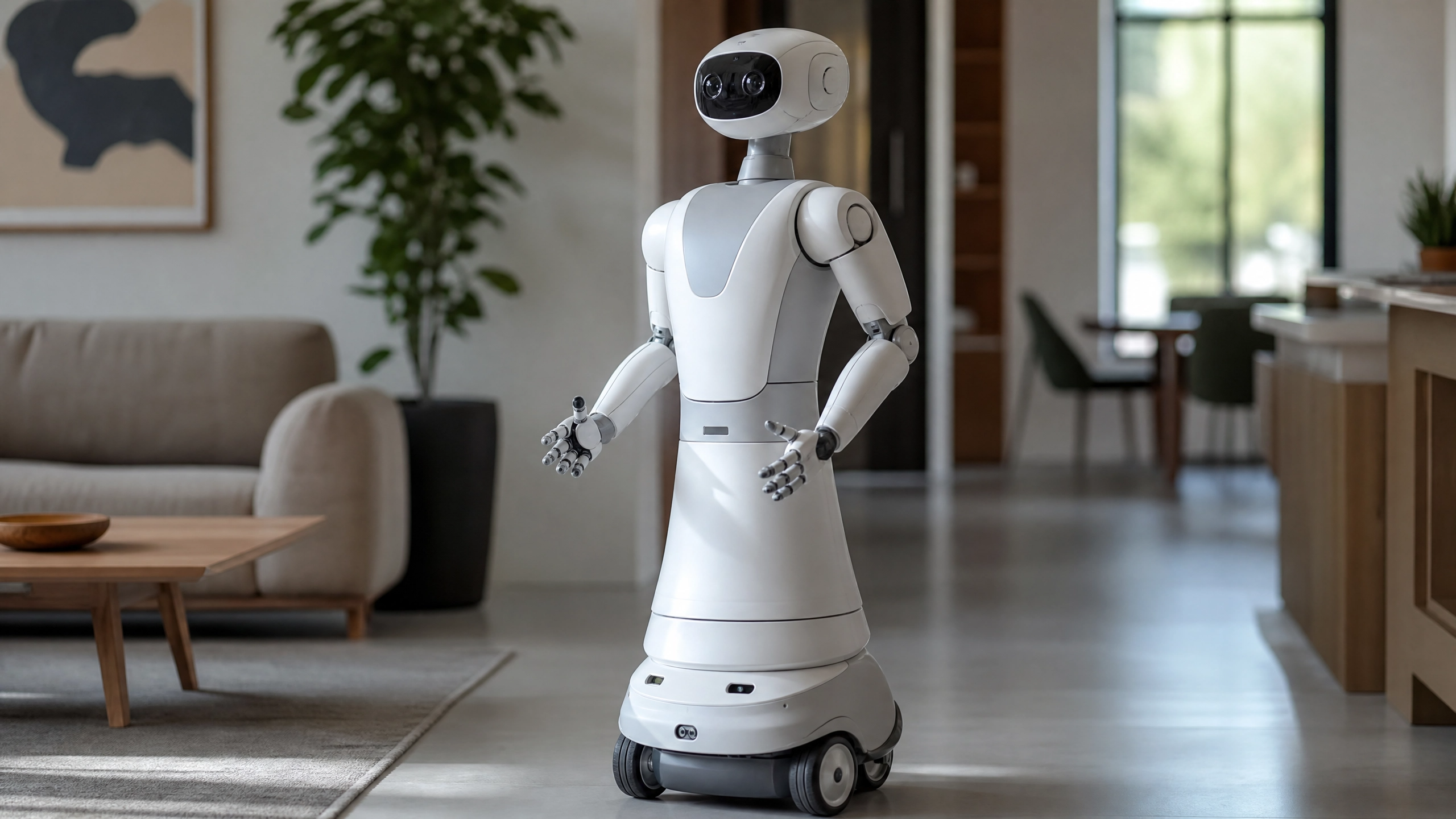
Weave Robotics, a San Francisco startup founded in 2024 by two former Apple engineers, has opened pre-orders for Isaac 1, a mobile home robot that folds laundry, makes beds, and tidies clutter. It costs USD8,000 upfront or USD449 per month, with a USD250 deposit and deliveries starting in California this fall. The company already ships its stationary Isaac 0 laundry robot to paying customers, which makes this one of the most credible tests yet of whether households will pay real money for chore automation.
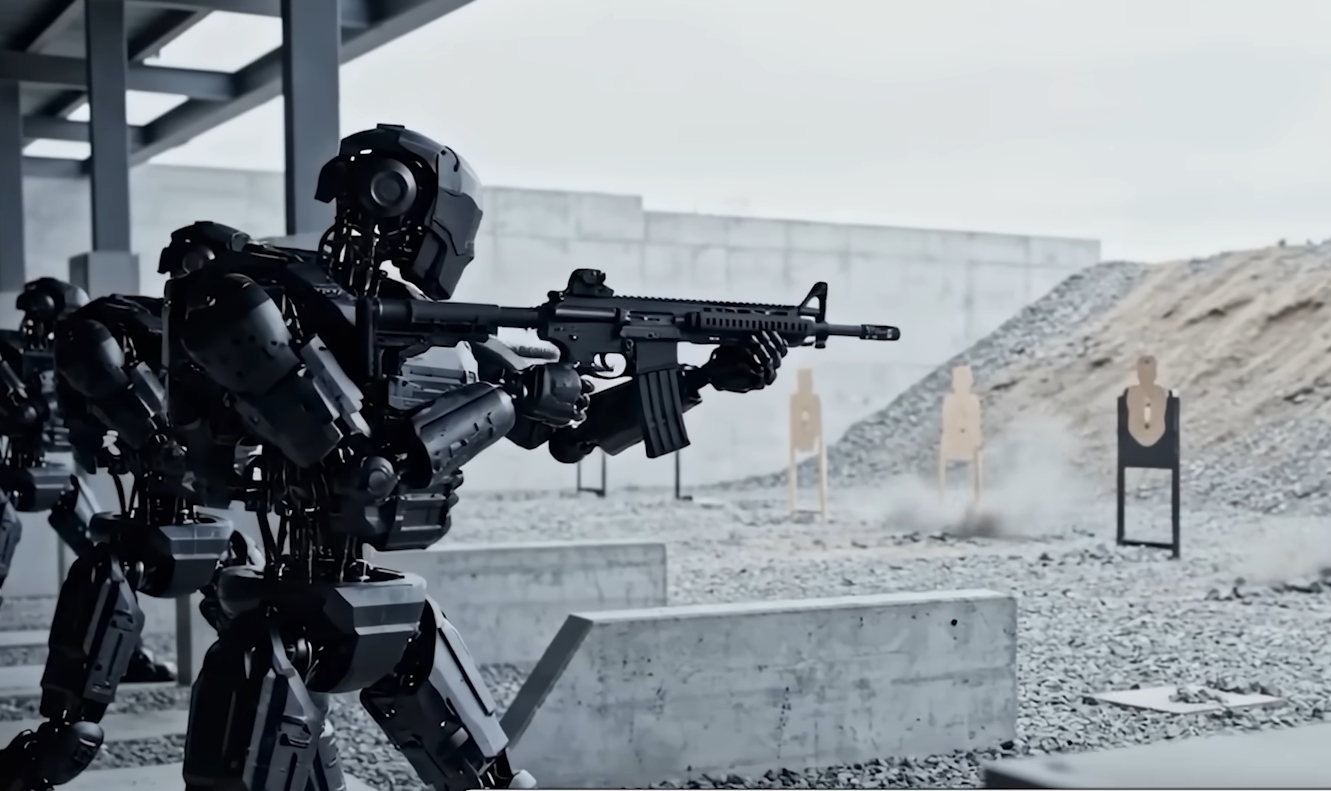
Ukraine's state defense technology cluster Brave1 has launched a grant competition to develop armed humanoid robots for frontline missions, announced by Brave1 CEO Andriy Hrytsenyuk at the Brave1 Advantage event in Kyiv. The goal is to robotize the first line of combat contact and reduce risks to Ukrainian soldiers. Developers will start with simple humanoid platforms and add more advanced capability over time. Unlike the United States and China, this program is aimed purely at defense scenarios. Ukraine has already tested Foundation's Phantom MK-1 humanoid soldier robots, so this competition formalizes a direction the country has been quietly exploring. For the robotics industry, it is an early signal that humanoids are entering the defense procurement pipeline, with all the funding, ethical, and export control questions that follow.
A three-month-old startup founded by a 28-year-old Tsinghua professor has closed one of 2026's most notable seed rounds in China's AI sector. Liqing Intelligence secured several hundred million yuan from an all-star investor roster including Sequoia China, Hillhouse Capital's GL Ventures, and Shunwei Capital. The company is building what it calls 'Physical AI Infrastructure,' a full-stack system combining proprietary data pipelines, a differentiable physics engine, and a native world model designed to train robots across any hardware form factor and any real-world scenario. This article explains what world models are, why they matter across industries from autonomous driving to home robotics, how Liqing's approach differs from global competitors including NVIDIA, Yann LeCun's AMI Labs, and Fei-Fei Li's World Labs, and what the funding surge signals for the broader physical AI ecosystem.
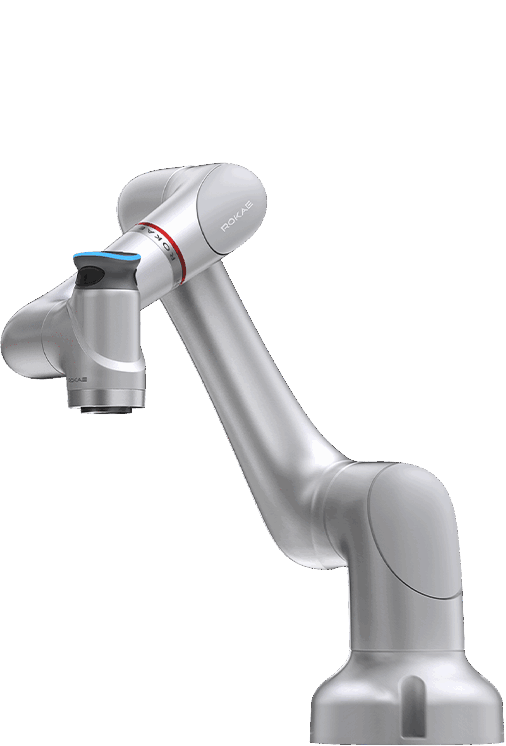
Chinese collaborative robot maker Rokae Robot with 34% of China's market share on cobot has launched its Hong Kong IPO subscription at HKD 38 per share, with listing expected on July 9 under the 18C specialist technology chapter.
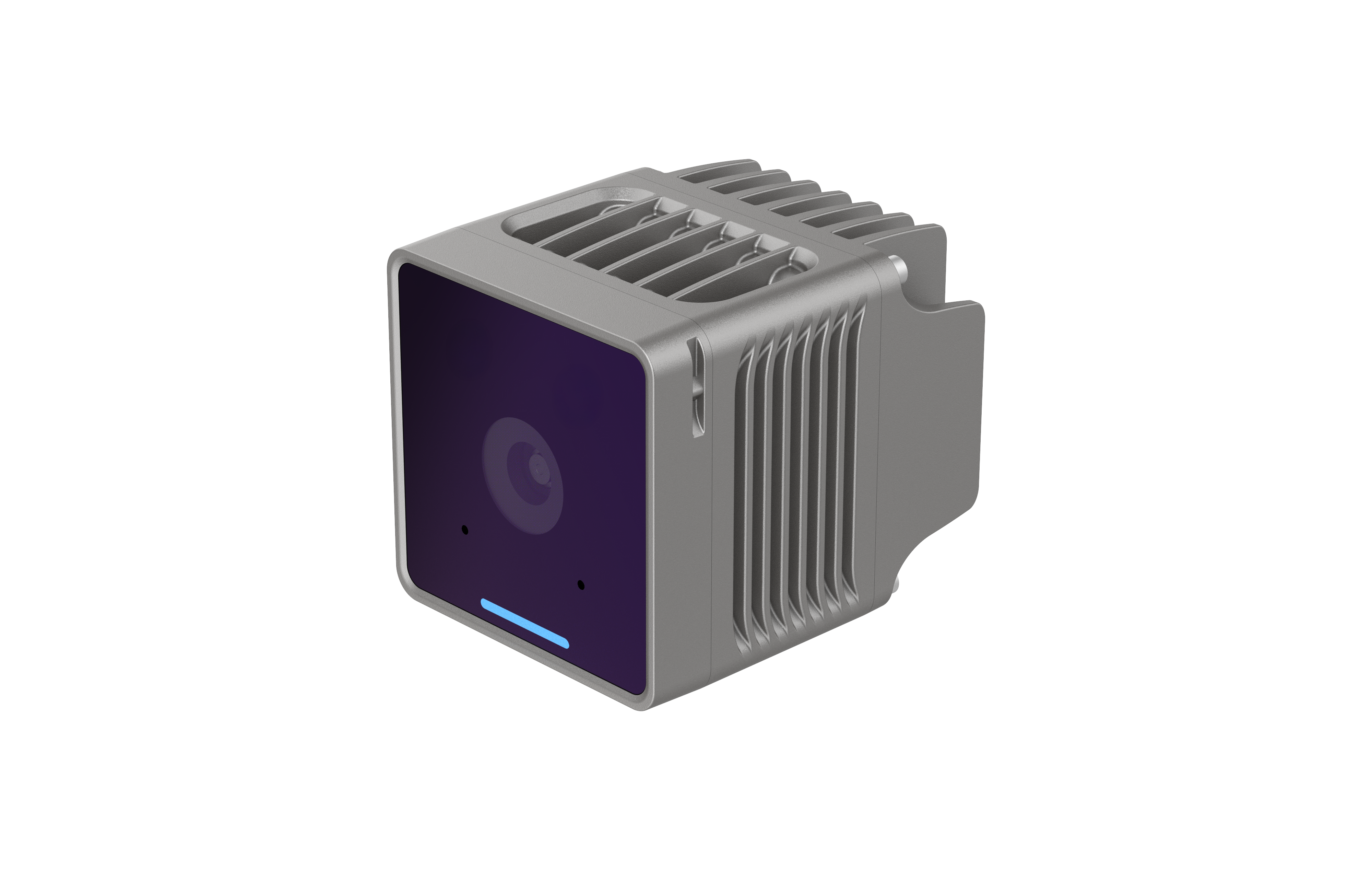
The Denver startup behind OAK cameras closes its first institutional round after seven years of bootstrapping, backed by NVIDIA, Temasek, and Taiwania Capital
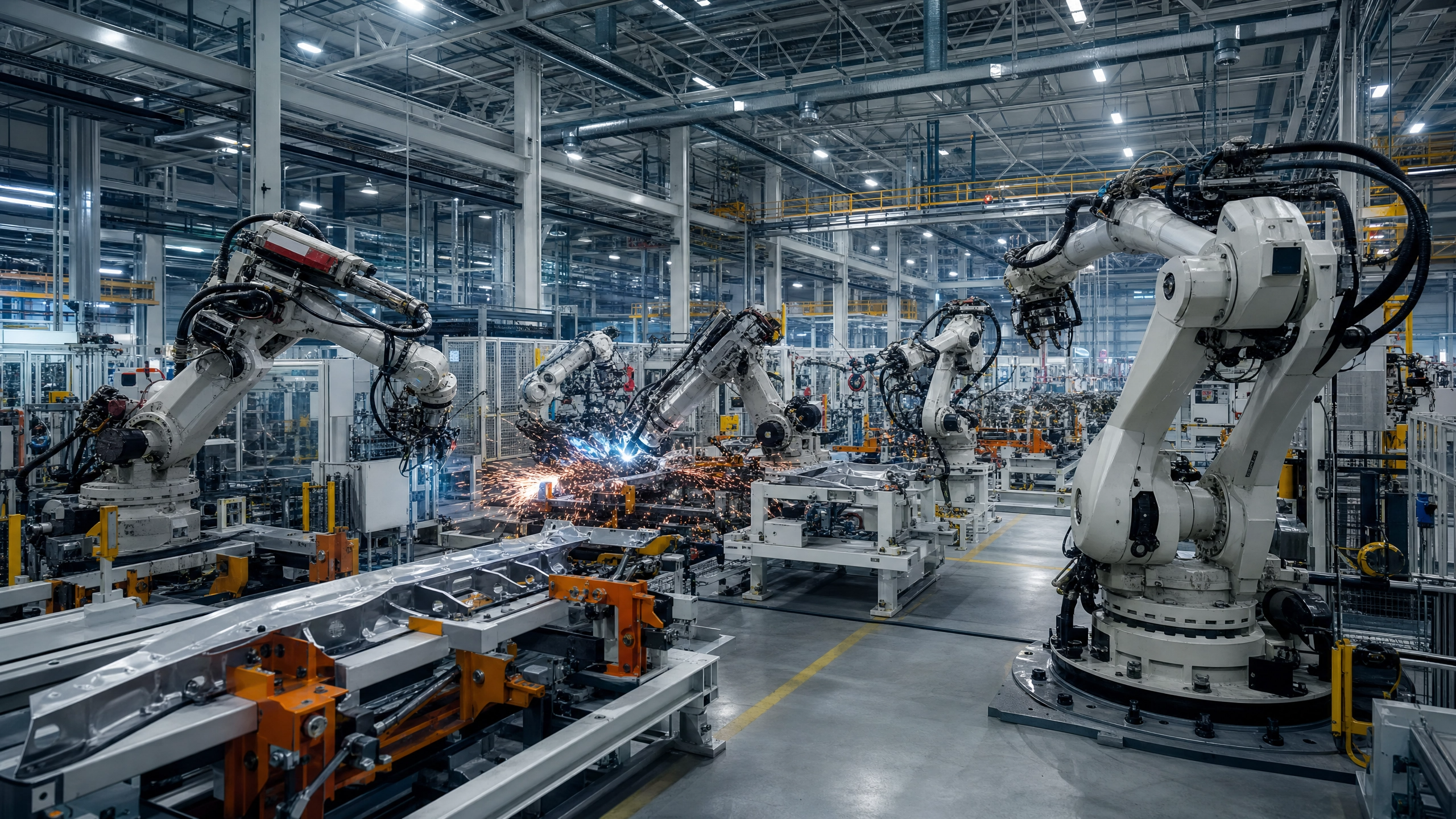
A competitive landscape analysis of the five most influential manufacturers in the global industrial 6-axis arm market, ranked by market share and strategic influence. Covers selection criteria, individual player profiles, the Chinese contender, and two companies gaining ground rapidly.
NVIDIA has officially released its Cosmos 3 physical AI world foundation model and the Isaac GR00T humanoid reference platform at GTC Taipei, directly integrating Chinese robotics hardware like the Unitree H2 Plus.
Precision components manufacturer Laifuharmonic has successfully listed on the Hong Kong Stock Exchange, leveraging the 18C specialist technology rules to become the first dedicated harmonic reducer stock in the HK market.
Astribot has unveiled its new T1 rope-drive wheeled humanoid at ICRA 2026 in Vienna, immediately initiating shipments with an aggressive starting price of RMB 89,900.