News and analysis on Asia's robotics industry from our research desk.
UBTECH launched its UWORLD U1 companion humanoid robot from RMB 119,800 with a target of 10,000 deliveries this year, a volume that would fundamentally change its revenue and its path to profitability.
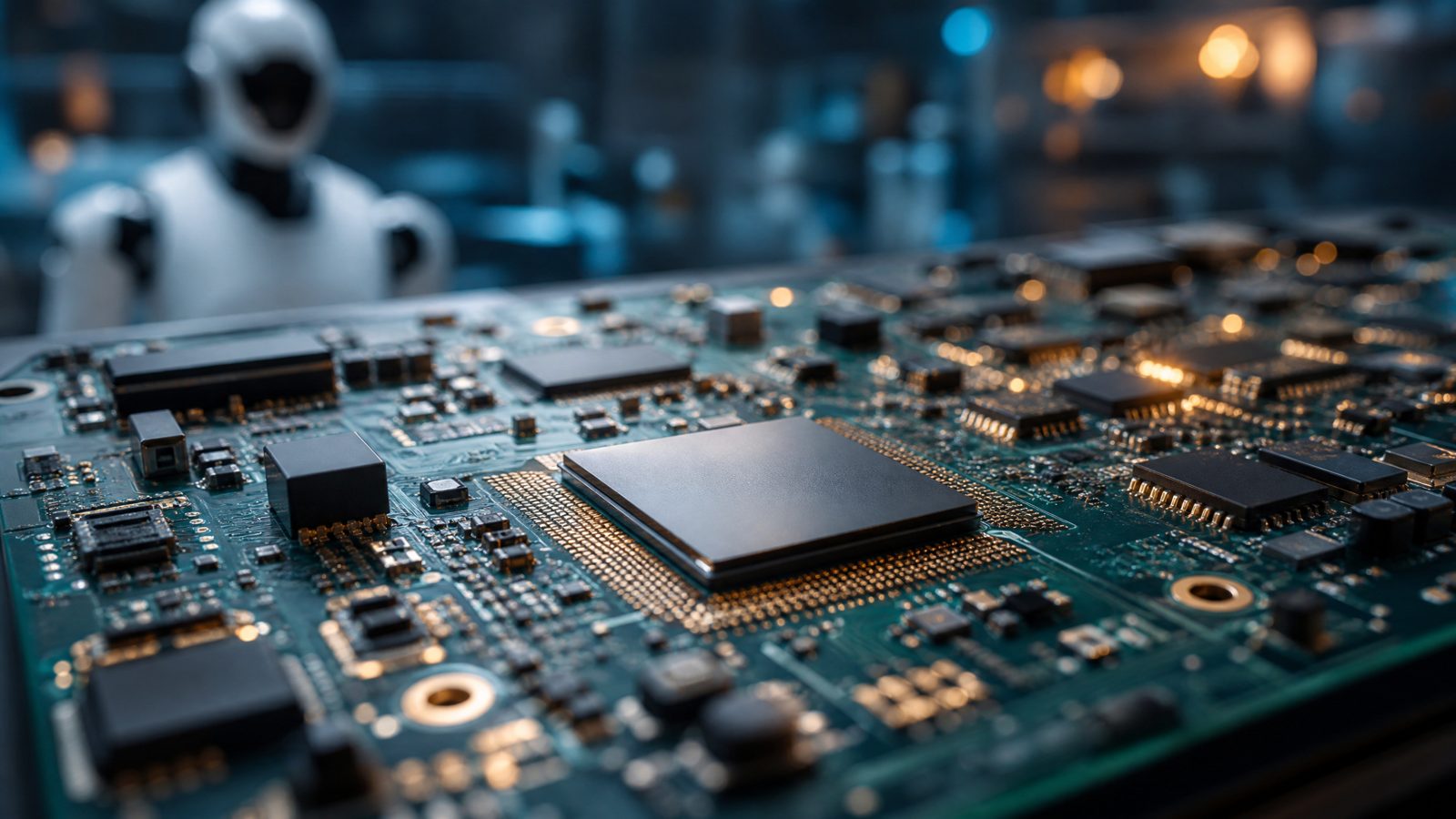
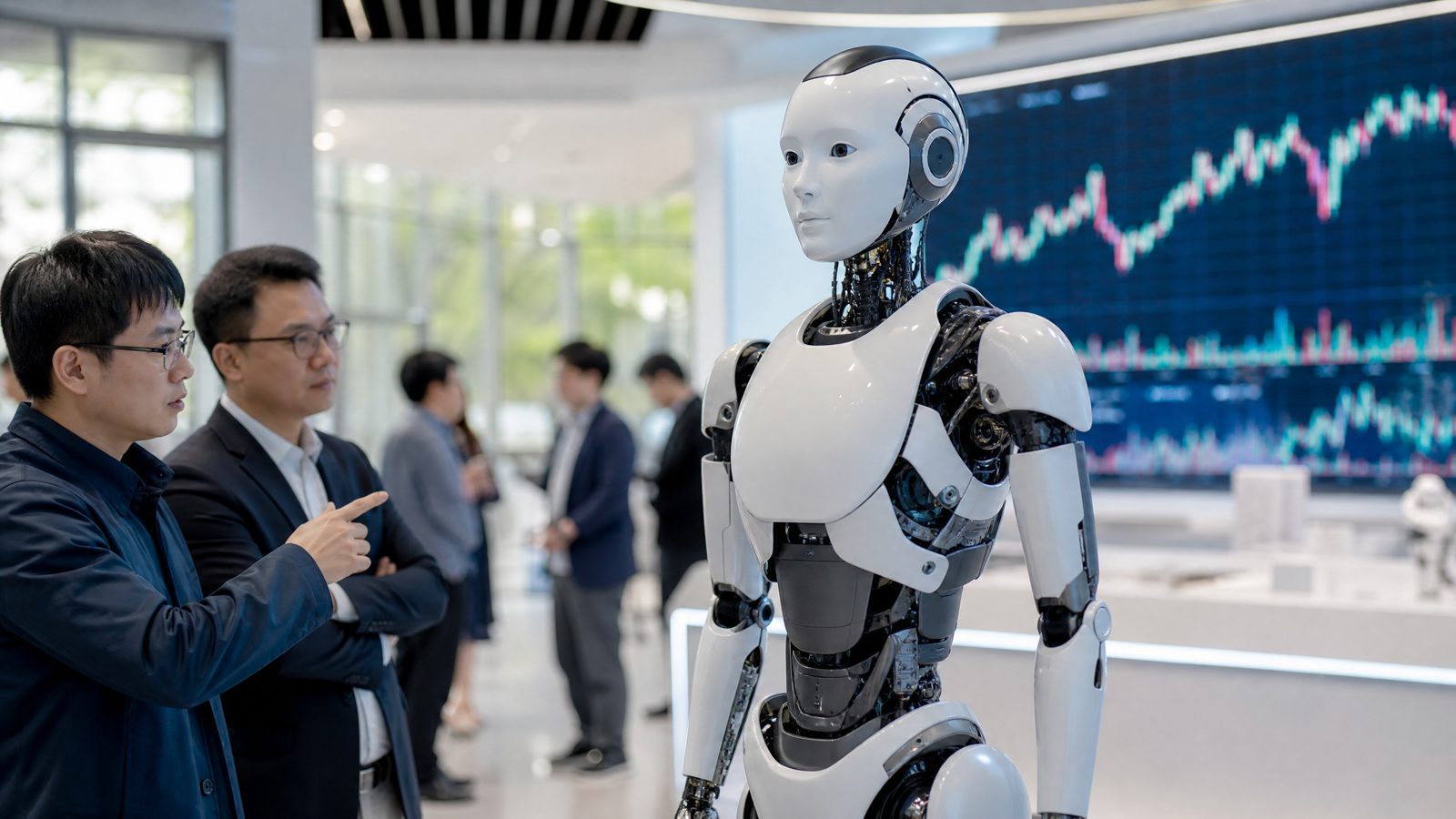
As capital floods into embodied AI, the semiconductor industry is wrestling with core architectural debates. The division between high compute brains and low latency cerebellums, alongside a growing trend of robotics companies developing in house chips, is reshaping the hardware landscape.
Japan is investing up to $6.2 billion in a SoftBank-led consortium to build Noetra, a domestic physical AI foundation model designed for robots, manufacturing, and other real-world tasks.
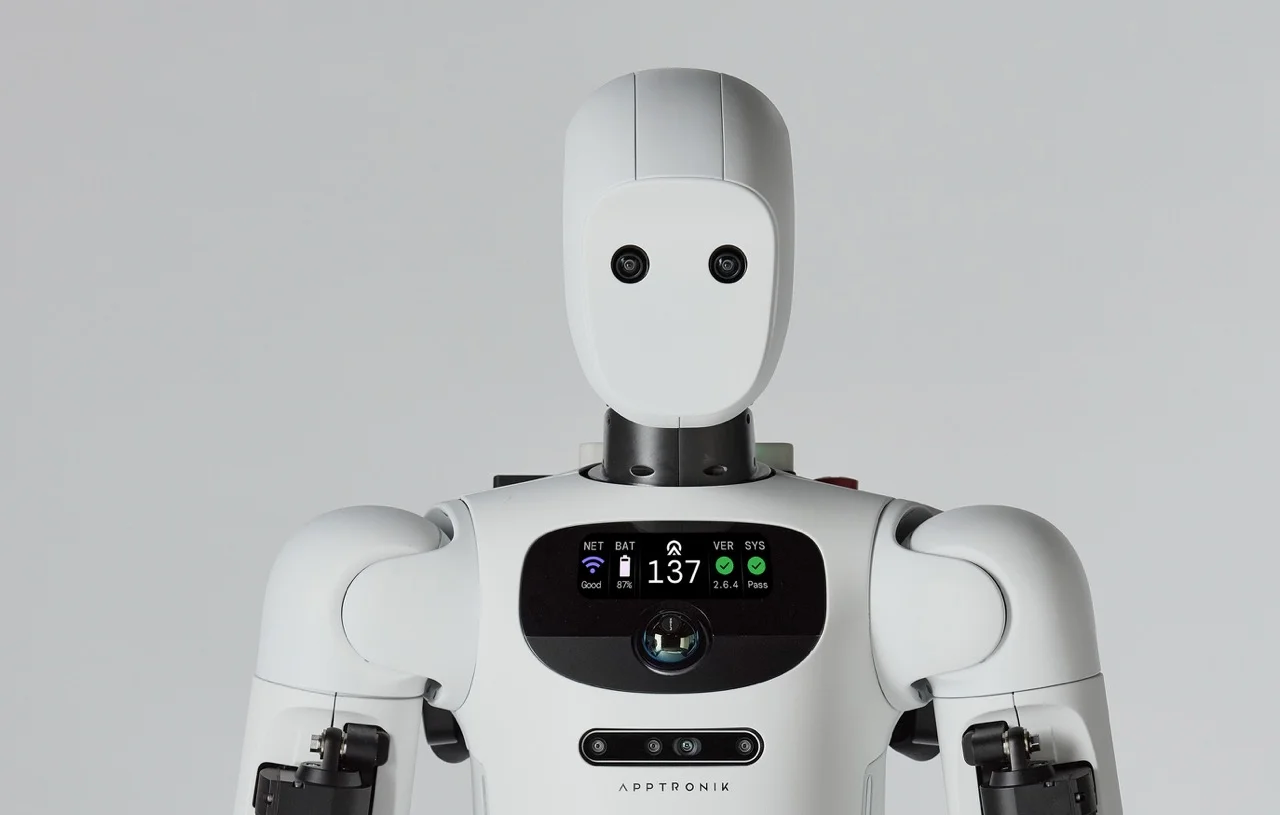
Apptronik has launched Robot Park, a dedicated training facility for embodied AI, alongside the unveiling of its Apollo 2 humanoid robot. The move aims to accelerate the data collection required for general purpose robotic tasks.
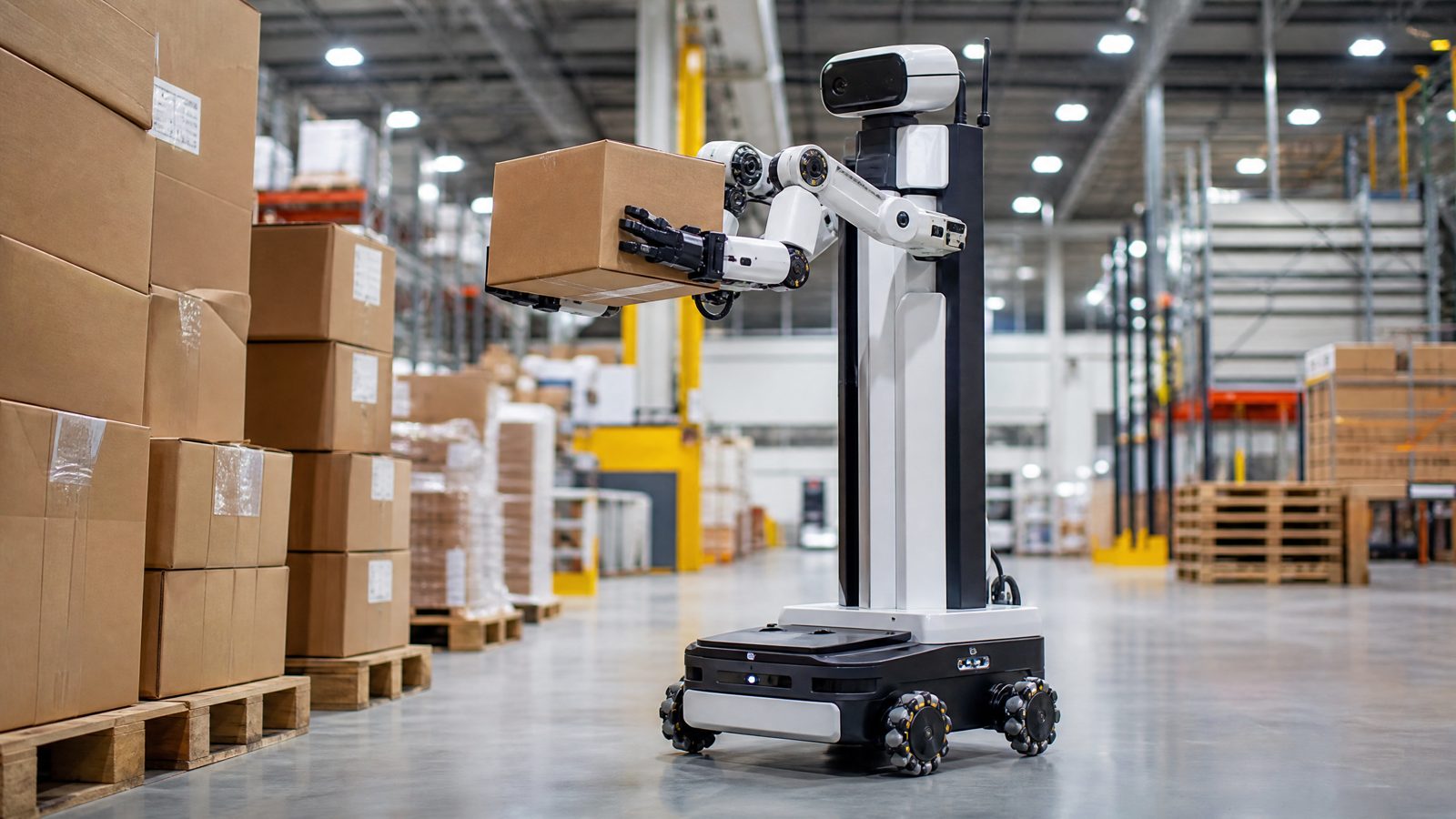
UBTech has globally debuted the Cruzr Y1, a wheeled industrial humanoid robot designed for flexible loading and sorting tasks. Powered by domestic Digua chips and a Vision Language Action algorithm, it targets core manufacturing pain points.
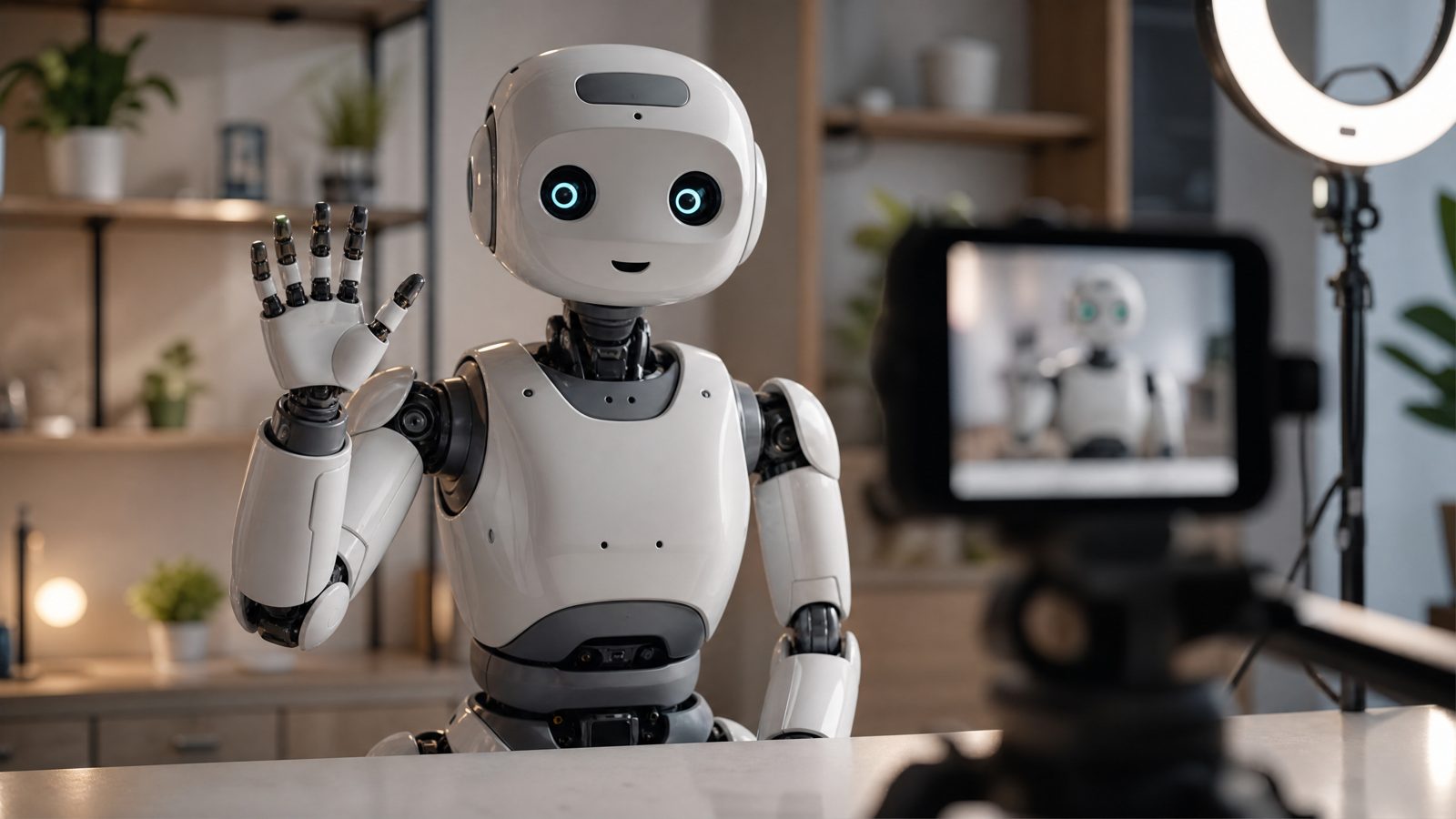
Richtech Robotics has launched a continuous interactive livestream featuring its artificial intelligence powered humanoid robot, ADAM. Powered by NVIDIA Jetson Thor, the platform allows global users to engage in real time conversations, showcasing embodied AI capabilities.
In the first half of 2026, China's embodied AI sector absorbed nearly 44 billion yuan in funding. On June 30, both X Square Robot and AI² Robotics crossed the 20 billion yuan valuation mark, signalling a massive concentration of capital at the intelligence layer.
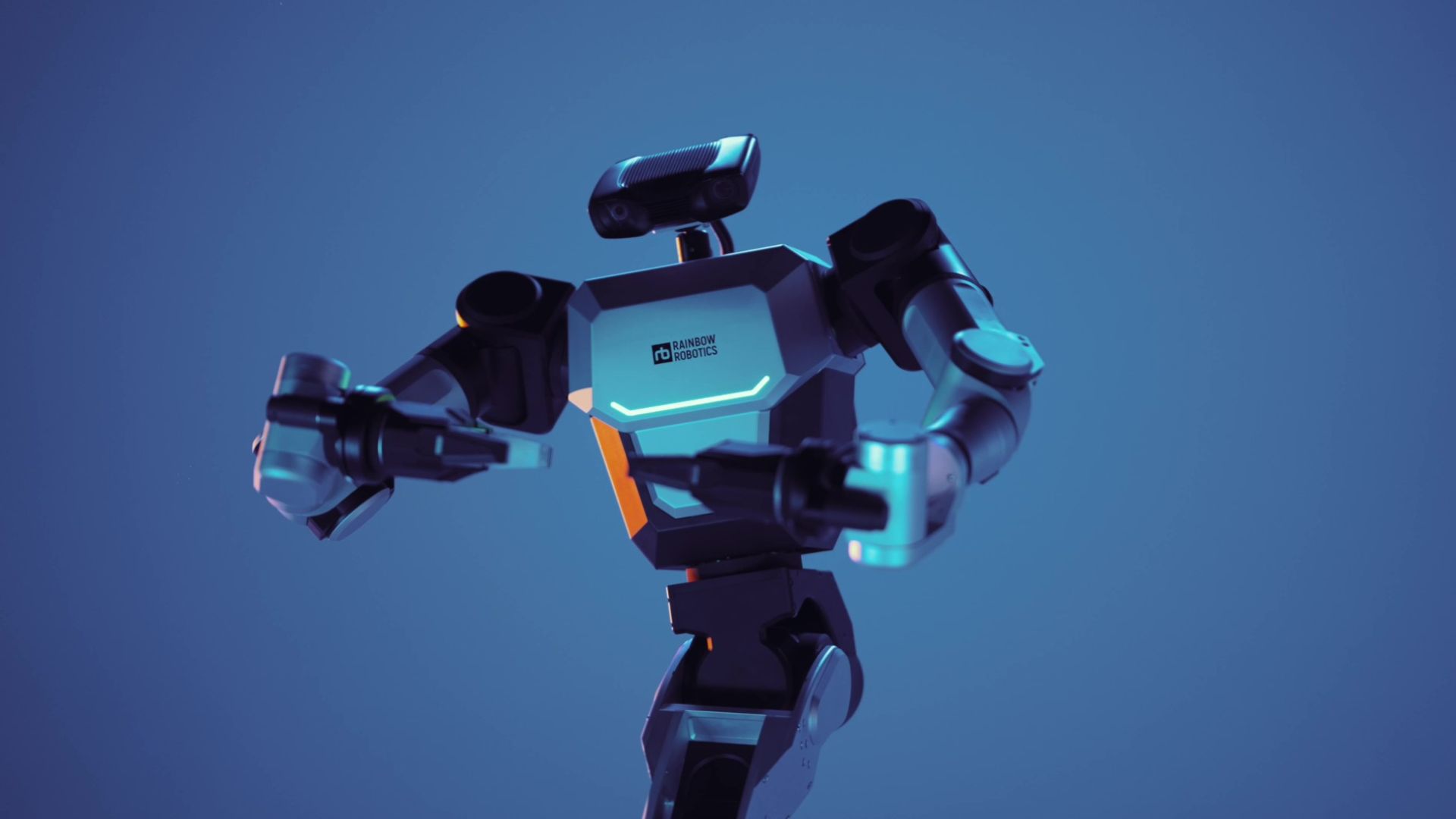
Samsung Research has unveiled Shallow-π, an on-device AI control technology that pushes humanoid robot decision-making to 17.2 Hz — enabling real-time obstacle avoidance and sub-millimetre precision without cloud dependency. Simultaneously, Samsung subsidiary Rainbow Robotics has begun a live warehouse pilot of its RB-Y1 robot inside a Coupang fulfillment centre. Together, the moves signal Samsung's intent to dominate the humanoid robot intelligence layer ahead of its 2030 autonomous factory deadline.
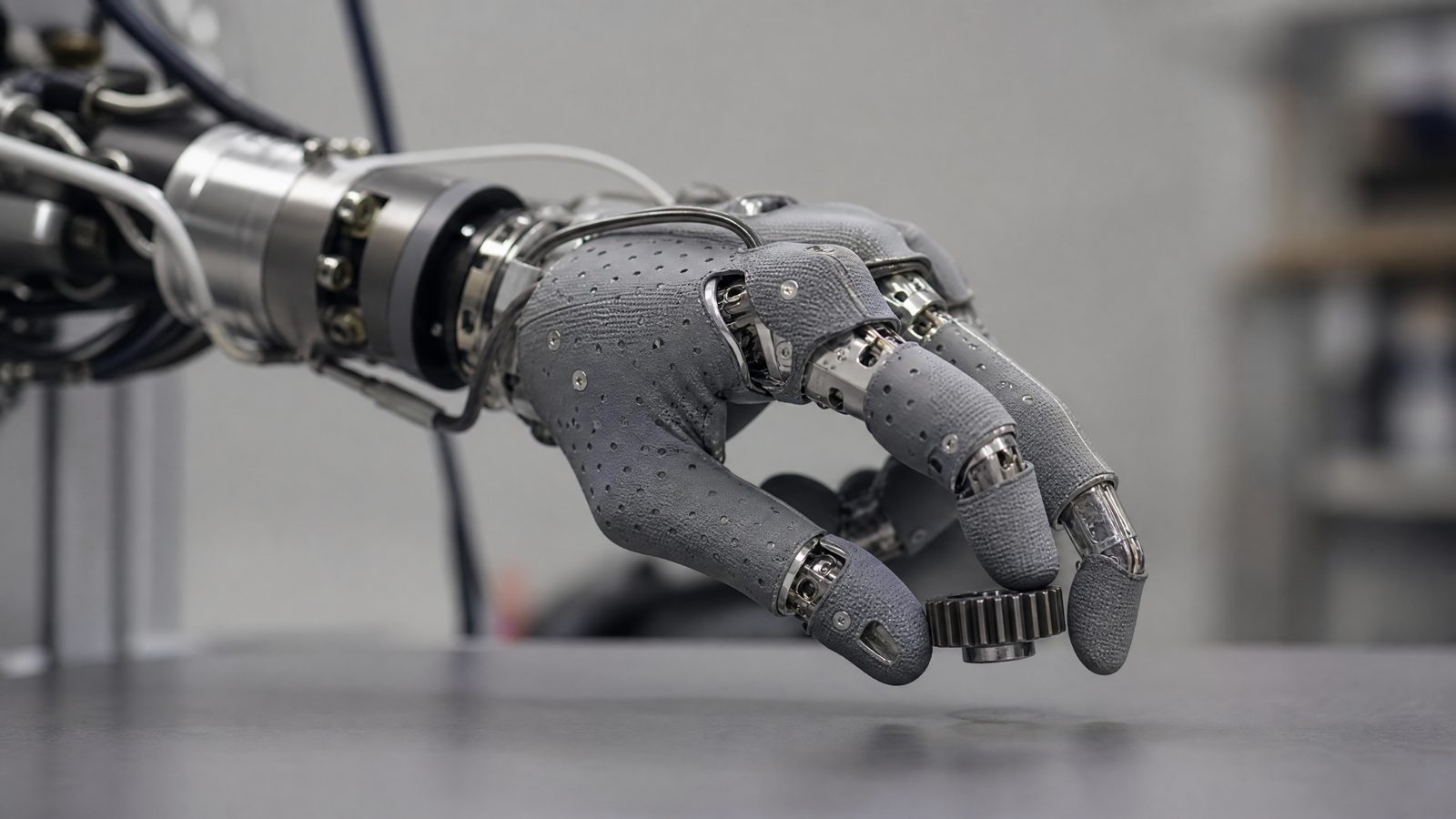
Proception, a robotics startup founded by a former Tesla Optimus engineer, settled a year long trade secret lawsuit with Tesla and announced an 11 million United States dollar seed round on the same day. The company is shipping its first high dexterity robotic hands to researchers and robotics companies, betting that most humanoid makers will buy hands rather than build them.
On June 29, 2026, two Shenzhen embodied artificial intelligence startups, X Square Robot and AI2Robotics, each announced they had reached a valuation near 20 billion yuan, roughly 2.8 billion United States dollars, on the very same day. The coincidence exposes how China's humanoid funding race now rewards announcement speed, and it raises a sharper question about what actually separates these companies on the factory floor.
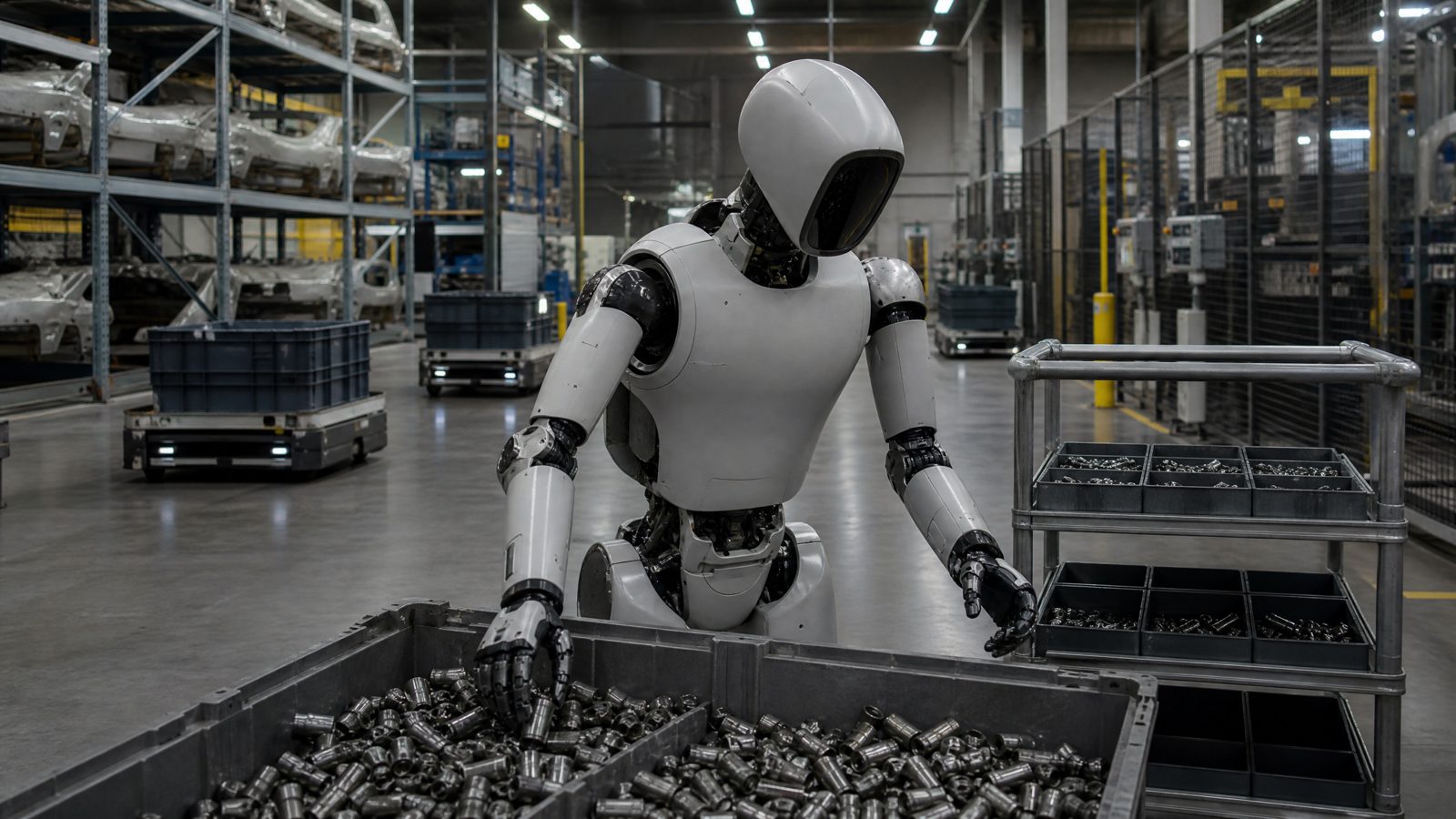
BMW Group will deploy the Figure 03 humanoid robot at its Spartanburg, South Carolina plant for a logistics sequencing task, following an eleven month pilot of the earlier Figure 02 in the body shop. The decision moves humanoid robots from a single proven task into broader assembly and logistics work, and it signals that automotive manufacturers are ready to scale physical artificial intelligence on the floor.
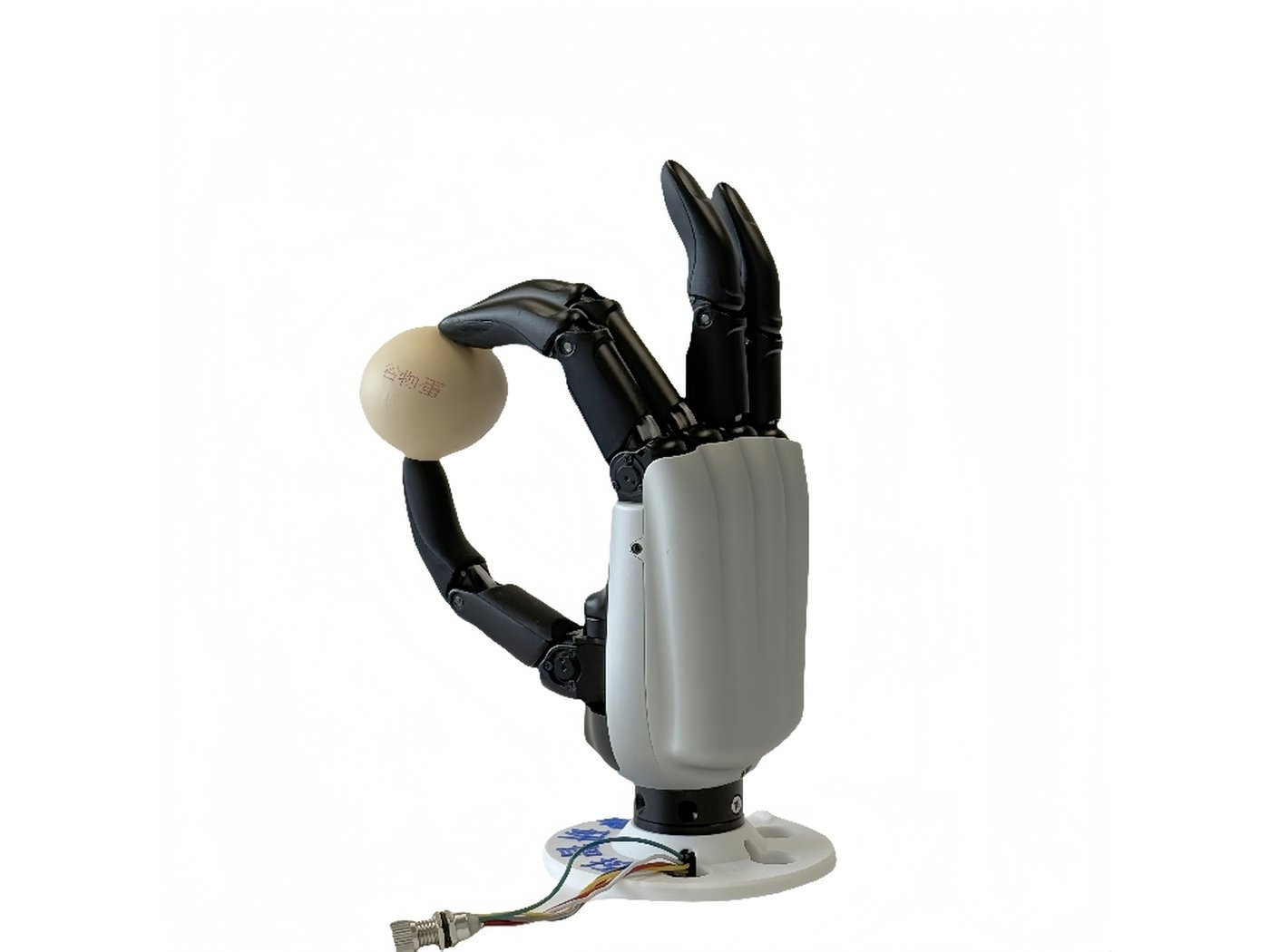
Ruiyan Zhikong supplies dexterous hands to over 50 Chinese embodied AI companies, claiming ~80% market share in high-DoF hands. Its RY-H2 at ~USD 1,380 wins on IP67 waterproofing and 24-hour continuous operation. China's dexterous hand market is forecast to grow 266% in 2026 to 70,270 units.