News and analysis on Asia's robotics industry from our research desk.
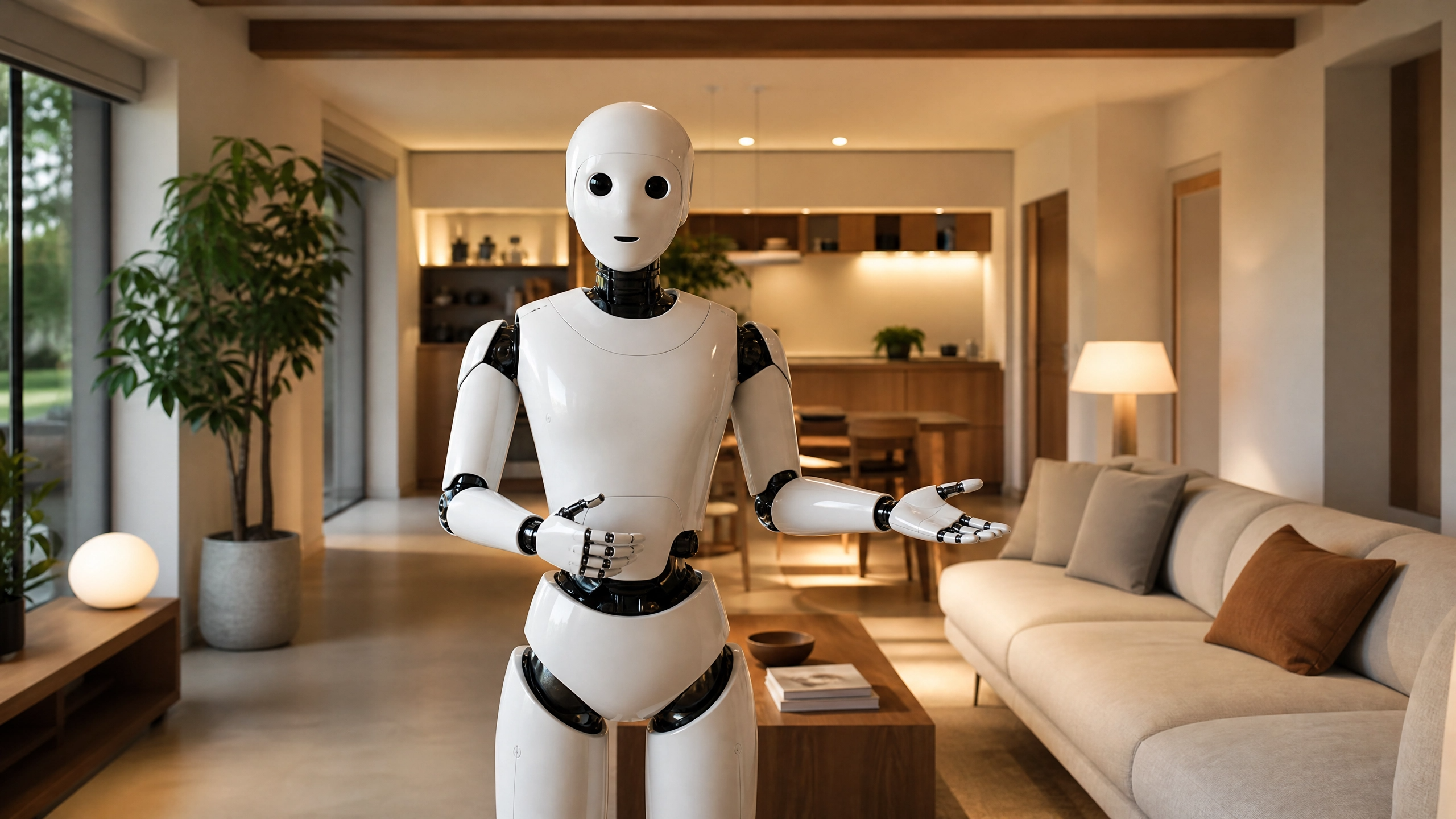
UBTECH's UWORLD U1, marketed as the world's first consumer-grade full-size bipedal humanoid robot, begins shipping on June 30 after securing nearly 4,000 pre-orders in 10 days. The robot is listed as adult-only, priced for the premium consumer market, and features an emotional AI system designed for home companionship. This marks the first time a full-size humanoid robot has entered direct consumer distribution at scale.
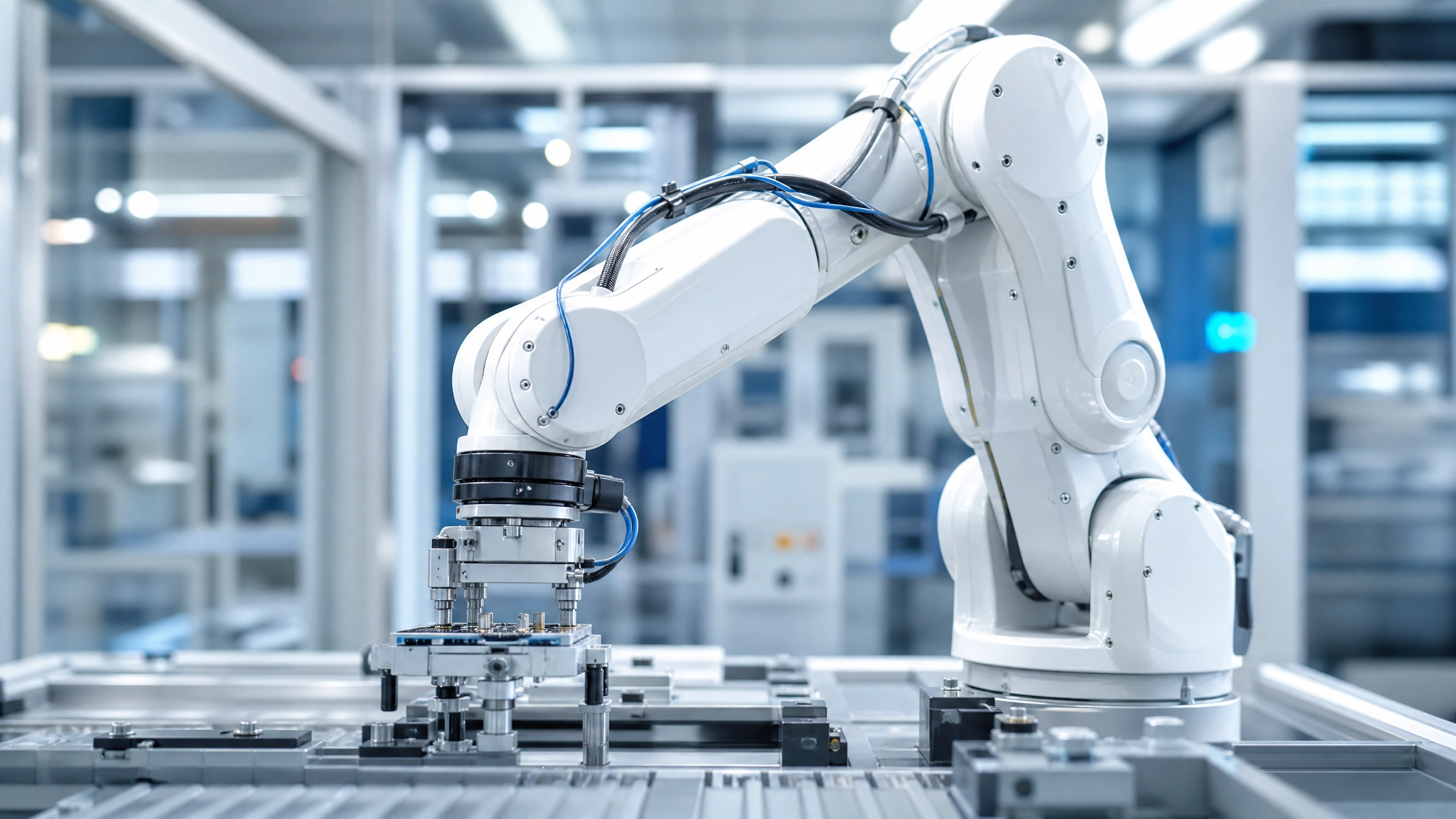
A comprehensive guide for business leaders and non-technical buyers on the mechanics, operational logic, and strategic ROI of industrial 6-axis robot arms, focusing on their role as versatile, programmable assets for reducing production variance.
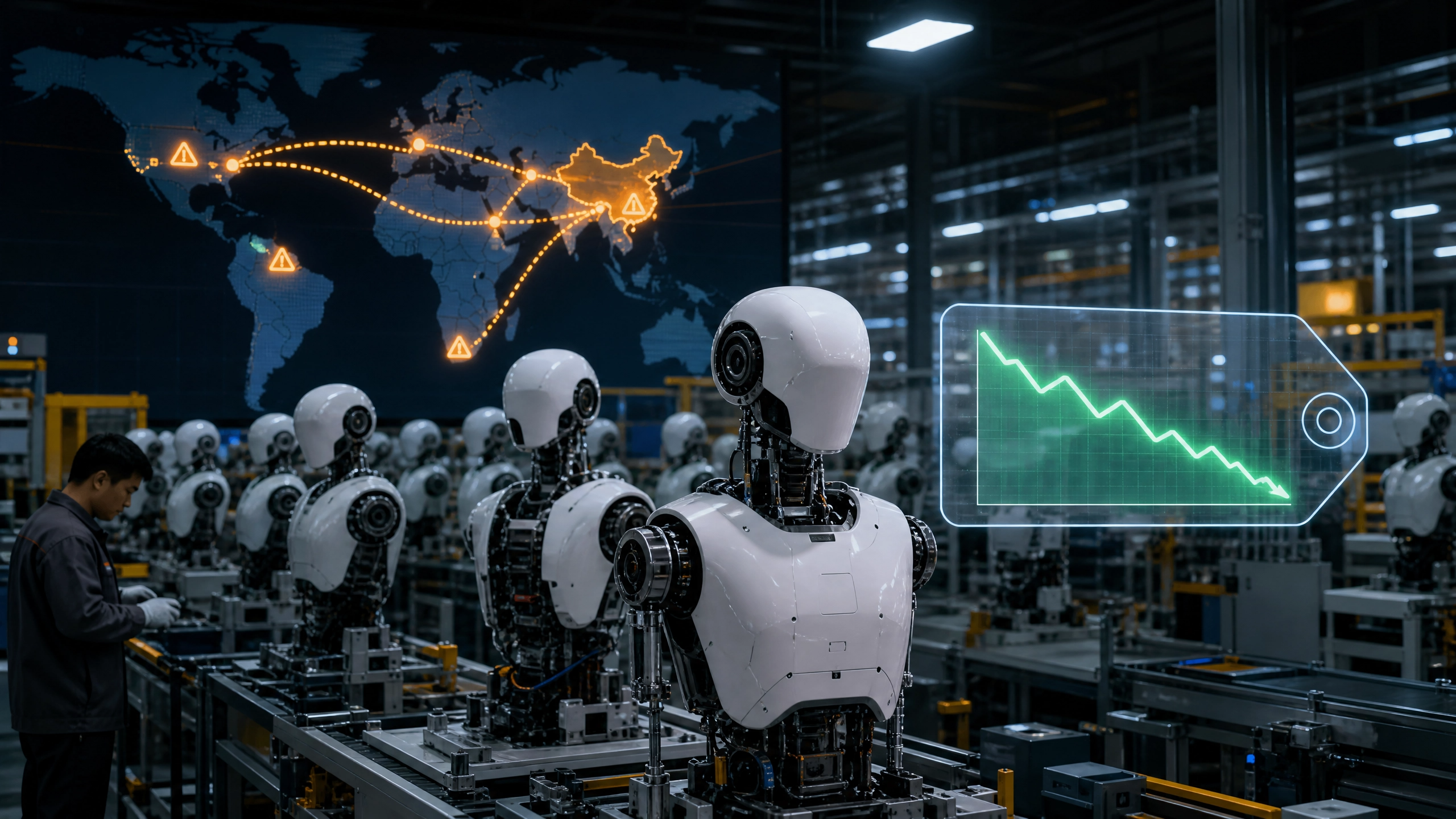
The economics of the Automation, Robotics, and Physical Intelligence (ARPI) sector are currently being shaped by two opposing forces. On one side, geopolitical friction is introducing upstream cost risks, highlighted by China's June 2026 export controls targeting major US rare earth firms. On the other side, domestic Chinese humanoid robot prices are in freefall, dropping 72% year-over-year, driven by aggressive substitution of legacy components with Commercial-Off-The-Shelf (COTS) hybrid architectures and the onset of mass production scale.
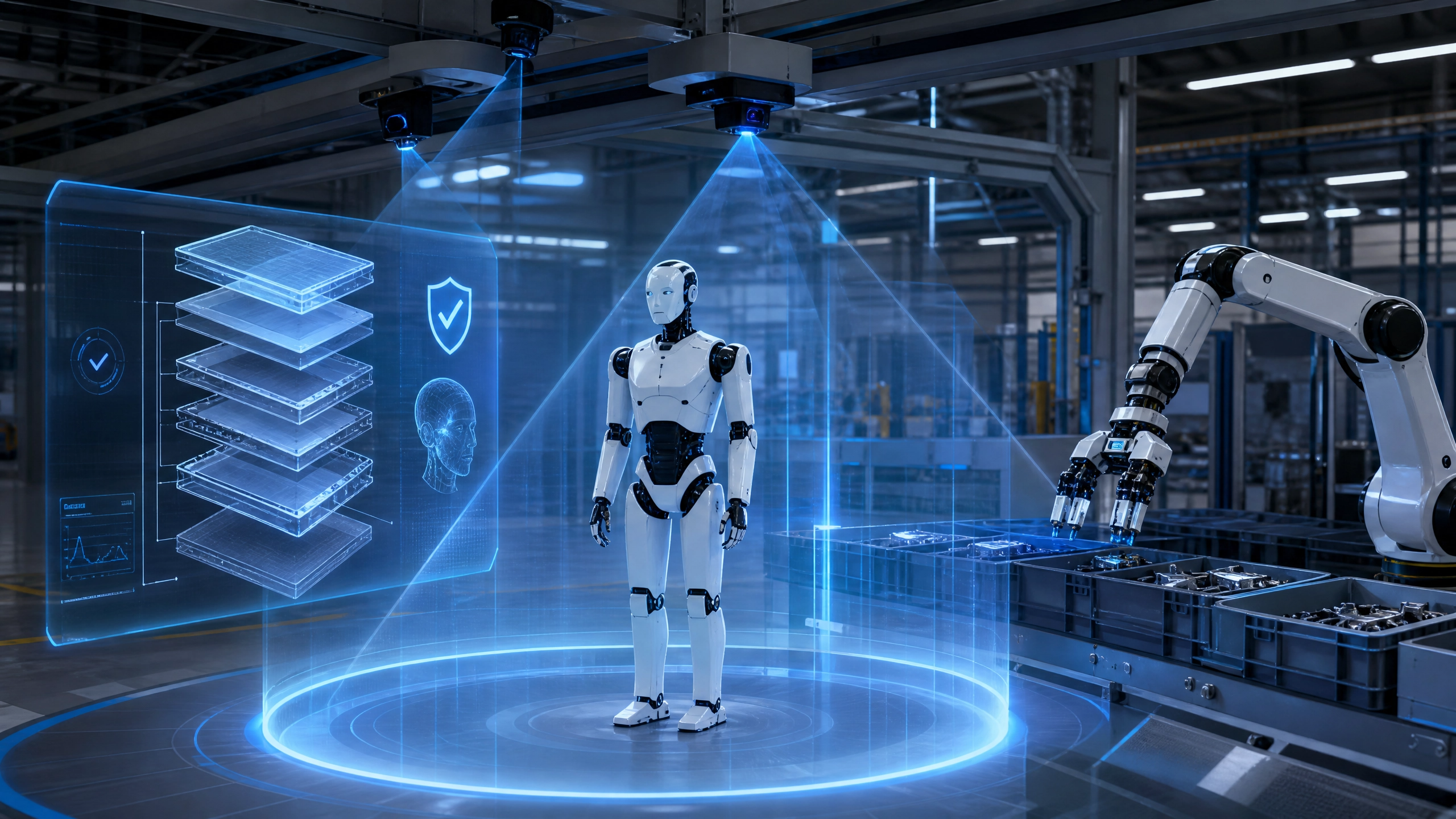
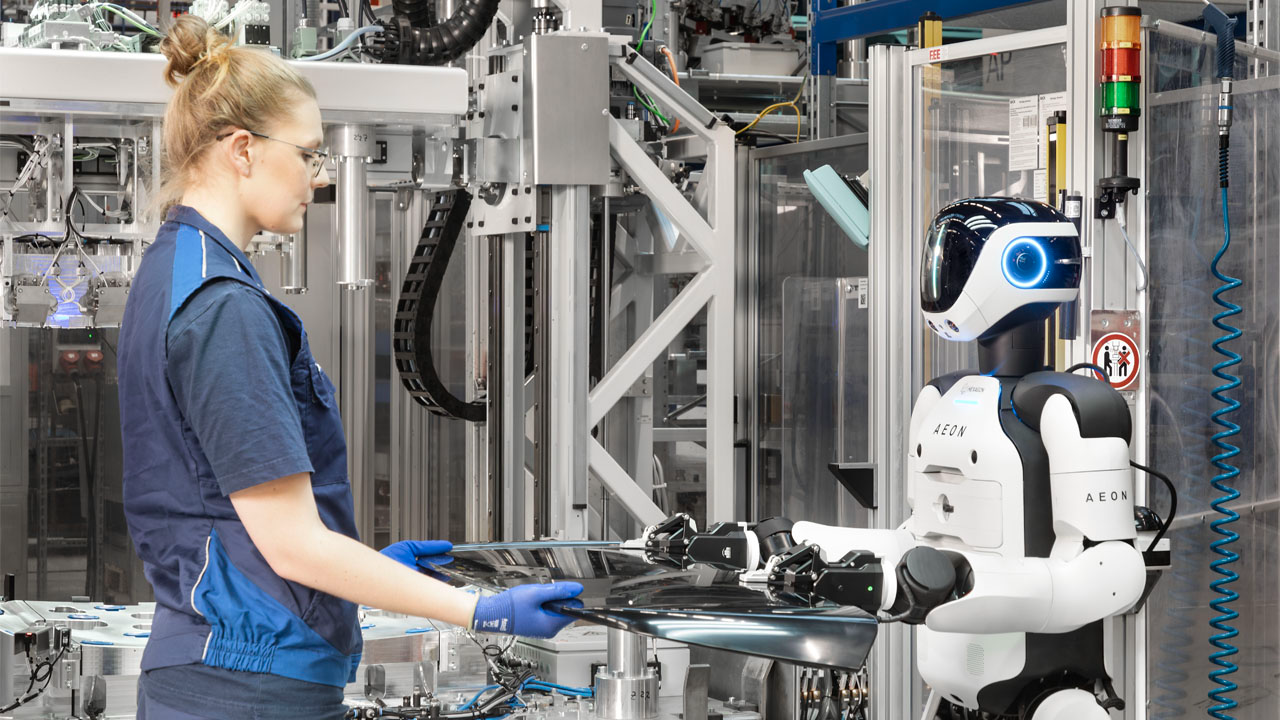
The upcoming week in the Automation, Robotics, and Physical Intelligence (ARPI) sector is defined by two major technological shifts moving from the lab to the factory floor. First, NVIDIA's announcement of Halos for Robotics introduces the industry's first full-stack safety architecture, addressing the critical bottleneck of safe human-robot collaboration. Second, BMW's deployment of the Figure 03 humanoid robot at its Spartanburg plant marks a transition from simple part-loading to complex logistics sequencing, demonstrating the maturation of Vision-Language-Action (VLA) models in real-world industrial environments.
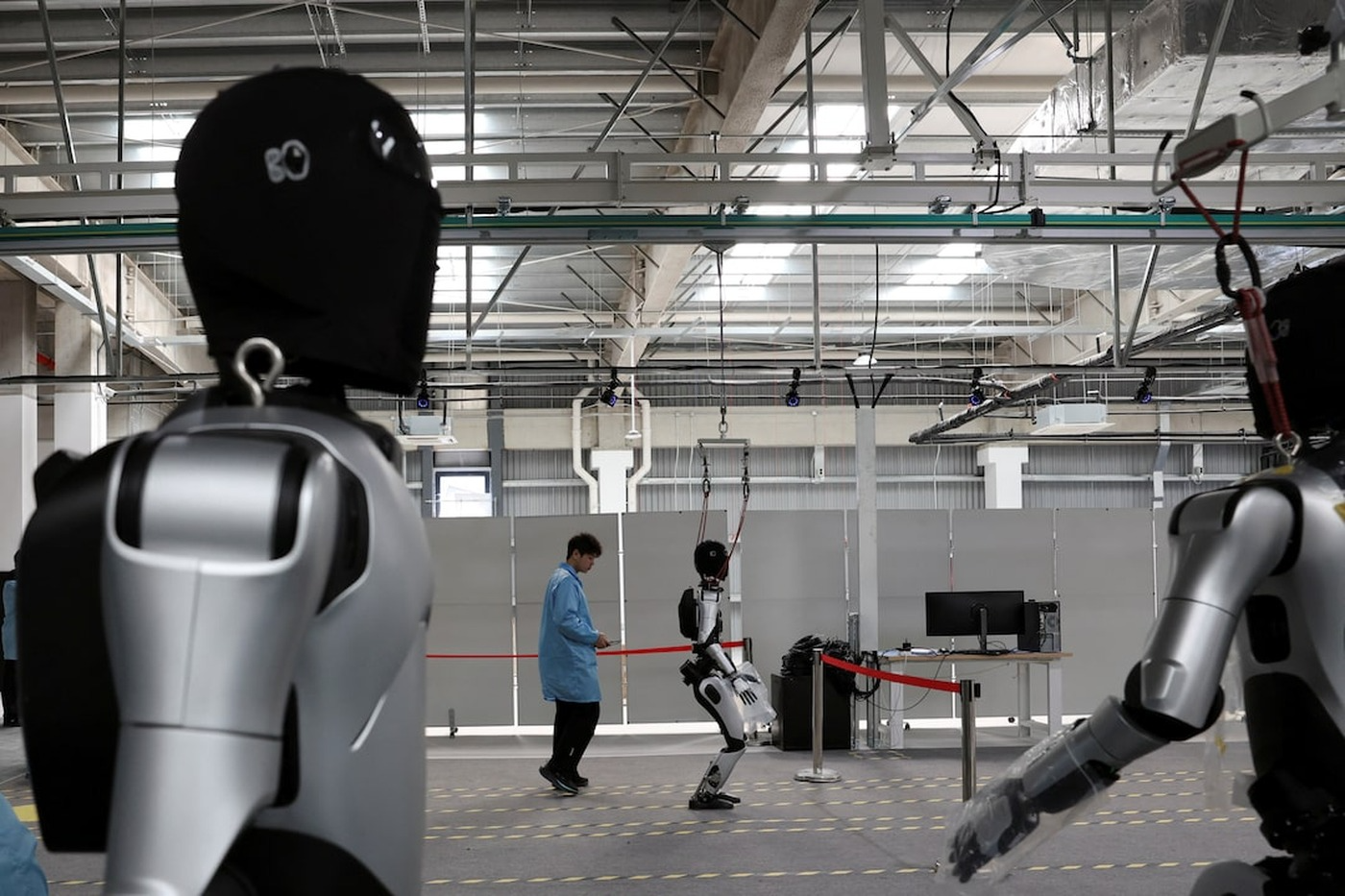
Beijing's X-Humanoid and D-Robotics have confirmed TianGong 3.0 — a 169 cm, 43-DOF general humanoid — will enter mass production in H2 2026, powered by the Xuri S600 chip and WISE KAIWU AI platform. The robot targets factory floors, logistics, and hazardous environments with open interfaces designed to slash deployment costs. It's China's most commercially ambitious humanoid push yet.
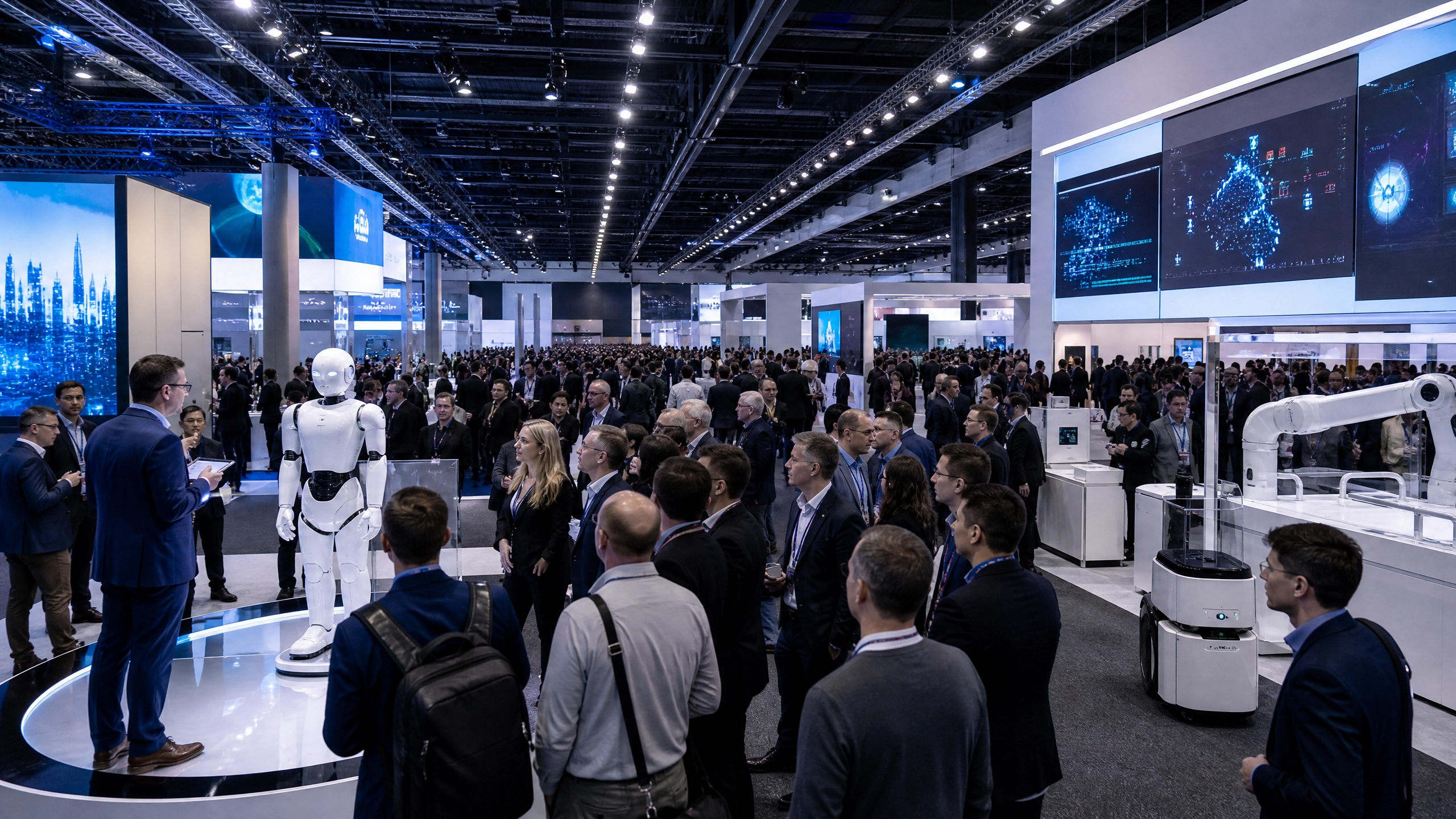
The first half of 2026 saw a record number of robotics and AI exhibitions globally, but the data reveals a complex picture. While shows like Automate in Chicago broke attendance records with over 50,000 visitors and 1,000+ exhibitors, others like Hannover Messe saw a slight dip in overall numbers despite strong AI focus. The emergence of dedicated Humanoid Pavilions signals a shift from hype to deployment, yet rising exhibition costs and a crowded H2 calendar are triggering real concerns about exhibitor fatigue and measurable ROI.
The first half of 2026 marked a historic inflection point for Automation, Robotics, and Physical Intelligence (ARPI) funding. Globally, robotics startups raised an unprecedented $18.8 billion in just six months, eclipsing the $15 billion total for all of 2025. This comprehensive review analyzes 26 major funding events across Q1 and Q2, revealing a decisive shift from early-stage R&D to late-stage commercialization, embodied AI infrastructure, and defense tech. The article also provides a Q3 outlook, highlighting the highly anticipated Unitree Robotics IPO on the Shanghai STAR Market and the broader implications for the physical AI ecosystem.
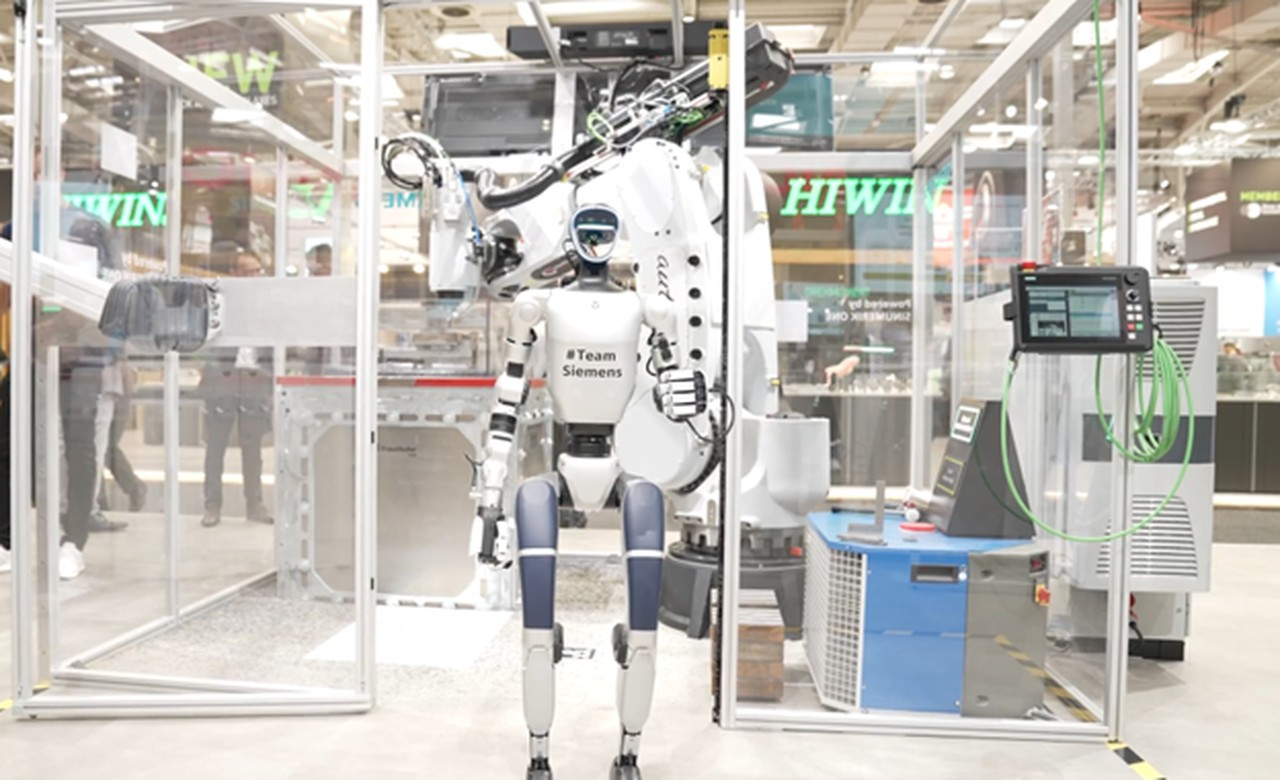
Siemens Digital Industries Software has launched a comprehensive end-to-end solution designed to accelerate the development and manufacturing of humanoid robots. Featuring seamless Unified Robot Description Format (URDF) export from Siemens NX, formerly known as Unigraphics, and advanced validation through Process Simulate, the platform bridges the gap between mechanical design, software training, and factory floor deployment. The solution aims to standardize the fragmented toolchain that has historically slowed the commercialization of physical AI.
A Verband Deutscher Maschinen- und Anlagenbau ("VDMA") survey released at automatica 2026 reveals that 67 percent of German industrial firms plan to adopt humanoid robots within the next five years. Driven by severe labor shortages and the rapid acceleration of China's embodied AI sector, German manufacturers are urgently pushing for faster deployment of physical AI. The data indicates a critical shift in European industrial strategy, moving from traditional automation to flexible, humanoid systems to maintain global competitiveness.
Morgan Stanley has doubled its 2026 forecast for China's humanoid robot shipments to 50,000 units, citing faster than expected commercial verification and strong supply chain feedback. This dramatic upward revision reflects a fundamental shift in the Chinese robotics ecosystem as the industry moves aggressively from the demonstration phase into active commercial deployment.
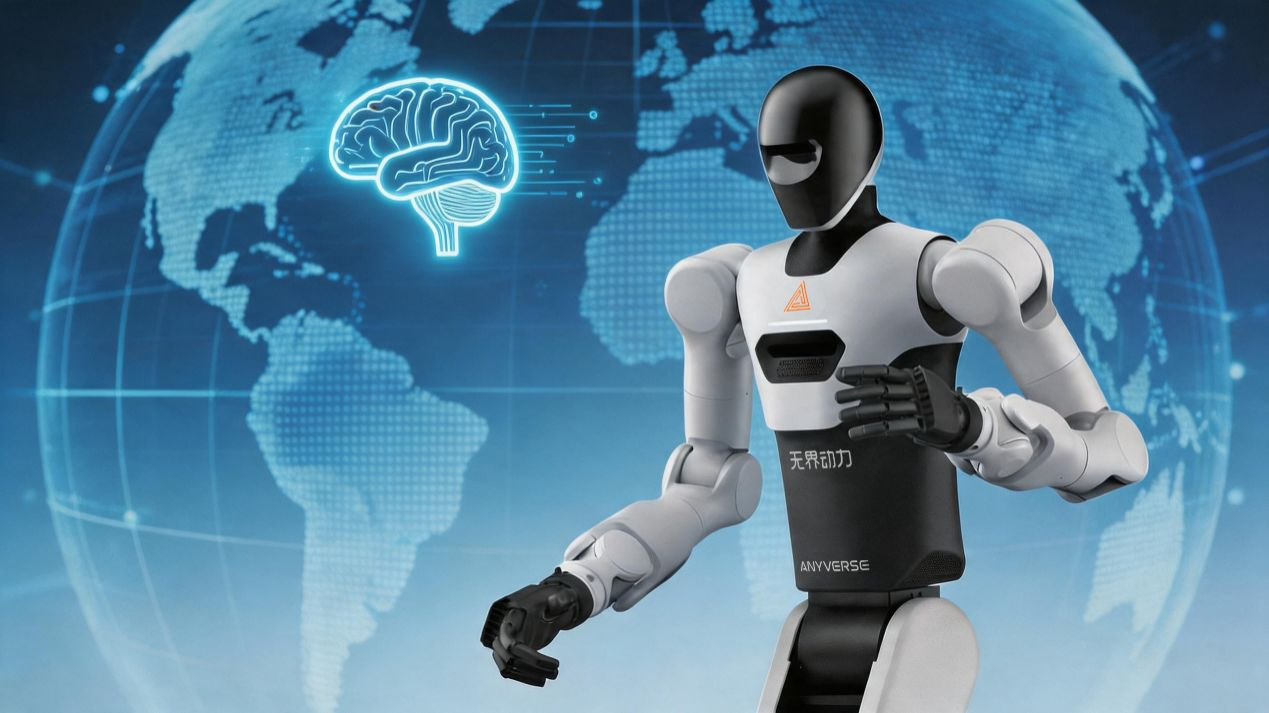
Wujie Power, a Chinese embodied AI startup founded in 2025 by veterans of Horizon Robotics and Li Auto, announced on June 26 that it has completed an angel round of over USD 200 million. The round was led by JD.com-affiliated funds, C Capital, Hony Capital, and Fengyuan Investment, with existing backers Sequoia China and Linear Capital following on. The company has already secured nearly USD 100 million in global orders within its first year, and its second-generation robot K15 has entered mass production. The raise signals growing institutional conviction that the intelligence layer, not the robot body, will capture the most value in the physical AI market.
The launch of the National Pilot Base for Embodied AI Applications in Hangzhou marks a critical shift in China's robotics strategy. Backed by the National Development and Reform Commission (NDRC), the base provides a centralized testing, certification, and scenario demonstration environment for over 50 robotics companies. Through this middle testing phase of hardware development, Beijing is actively accelerating the commercialization timeline for domestic humanoid and embodied AI manufacturers.