News and analysis on Asia's robotics industry from our research desk.
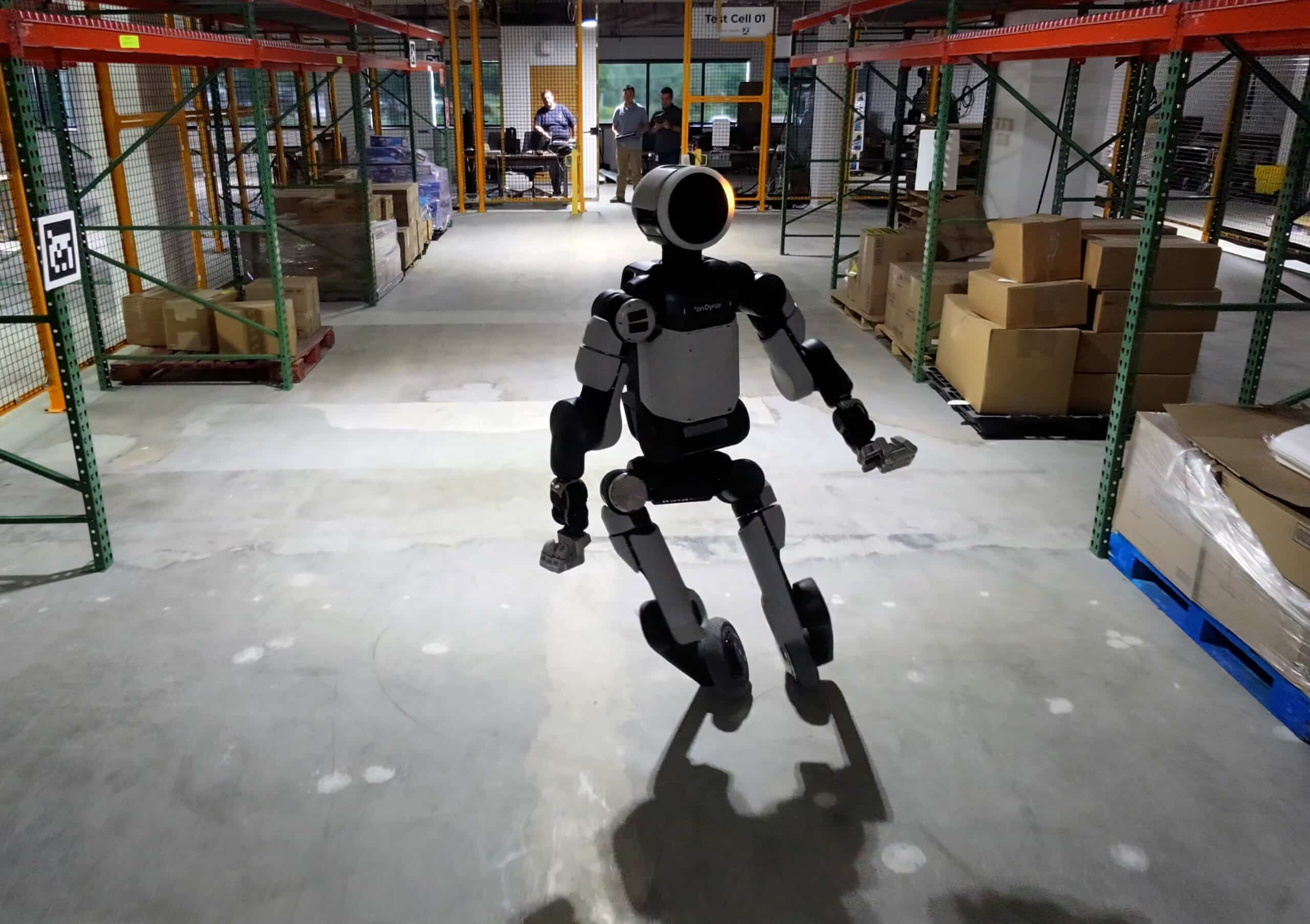
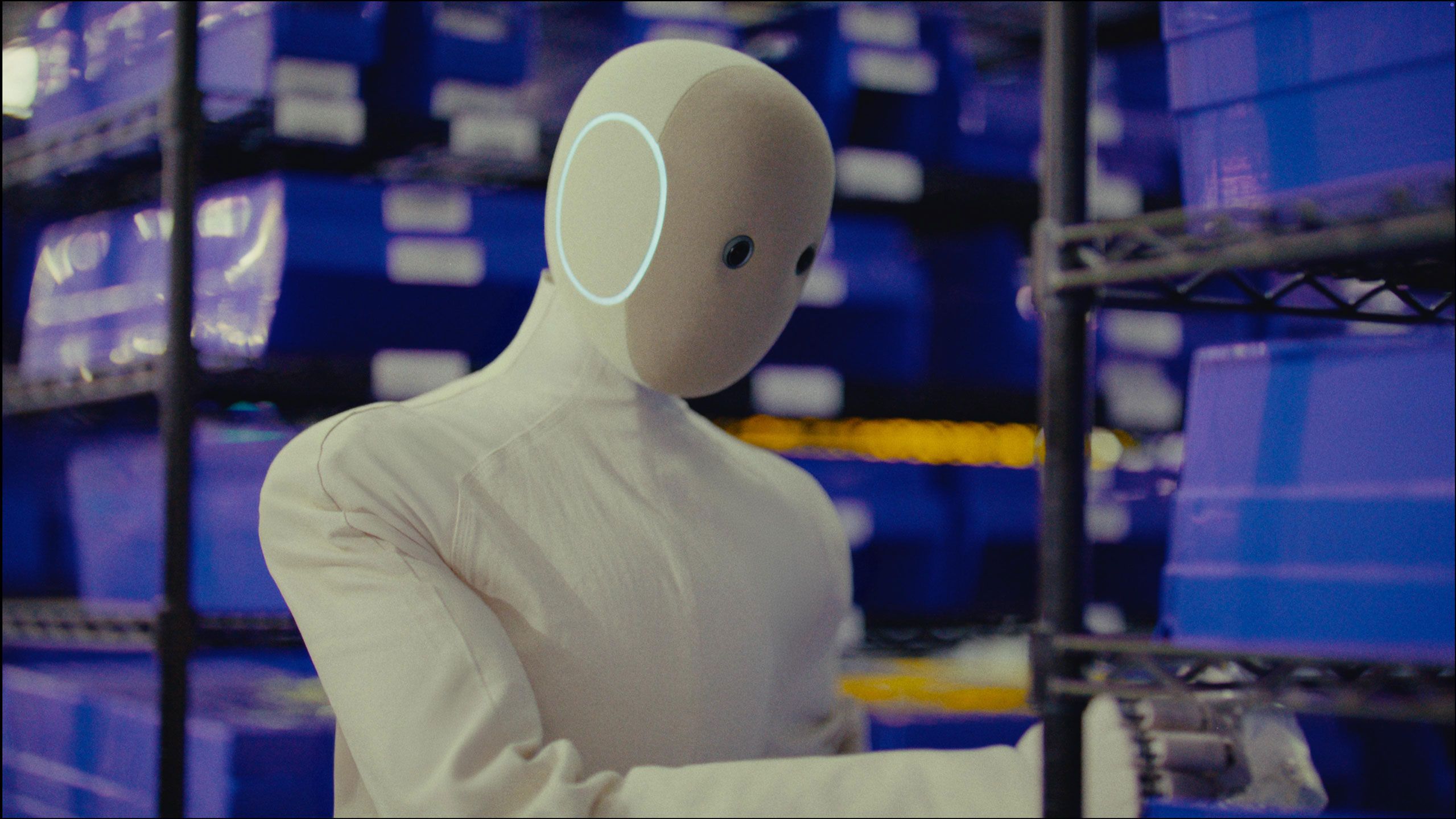
Boston Dynamics bolted scooter wheels onto Atlas's ankles to stress-test the humanoid's actuators with reinforcement learning, a methodology that reveals how the company validates reliability before a customer ever sees a failure.
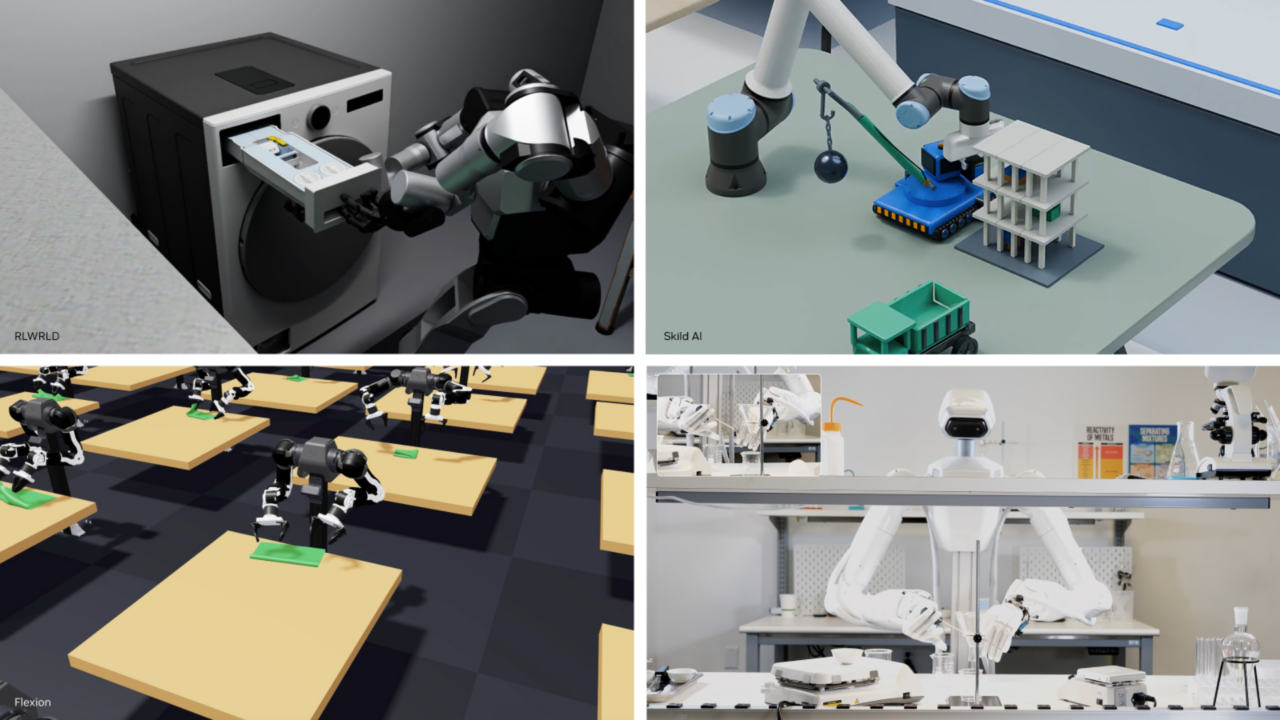
NVIDIA opened GR00T 2, a robot foundation model that learns new tasks from one demonstration, and Isaac Lab 3.0, a faster simulator, giving any robot maker free access to AI once limited to well-funded in-house teams.
PetroChina registered a robotics joint venture with Unitree Robotics and AI startup Fanjie Intelligent Technology, keeping 60% control so its own entity decides which robots are certified for its oil and gas facilities.
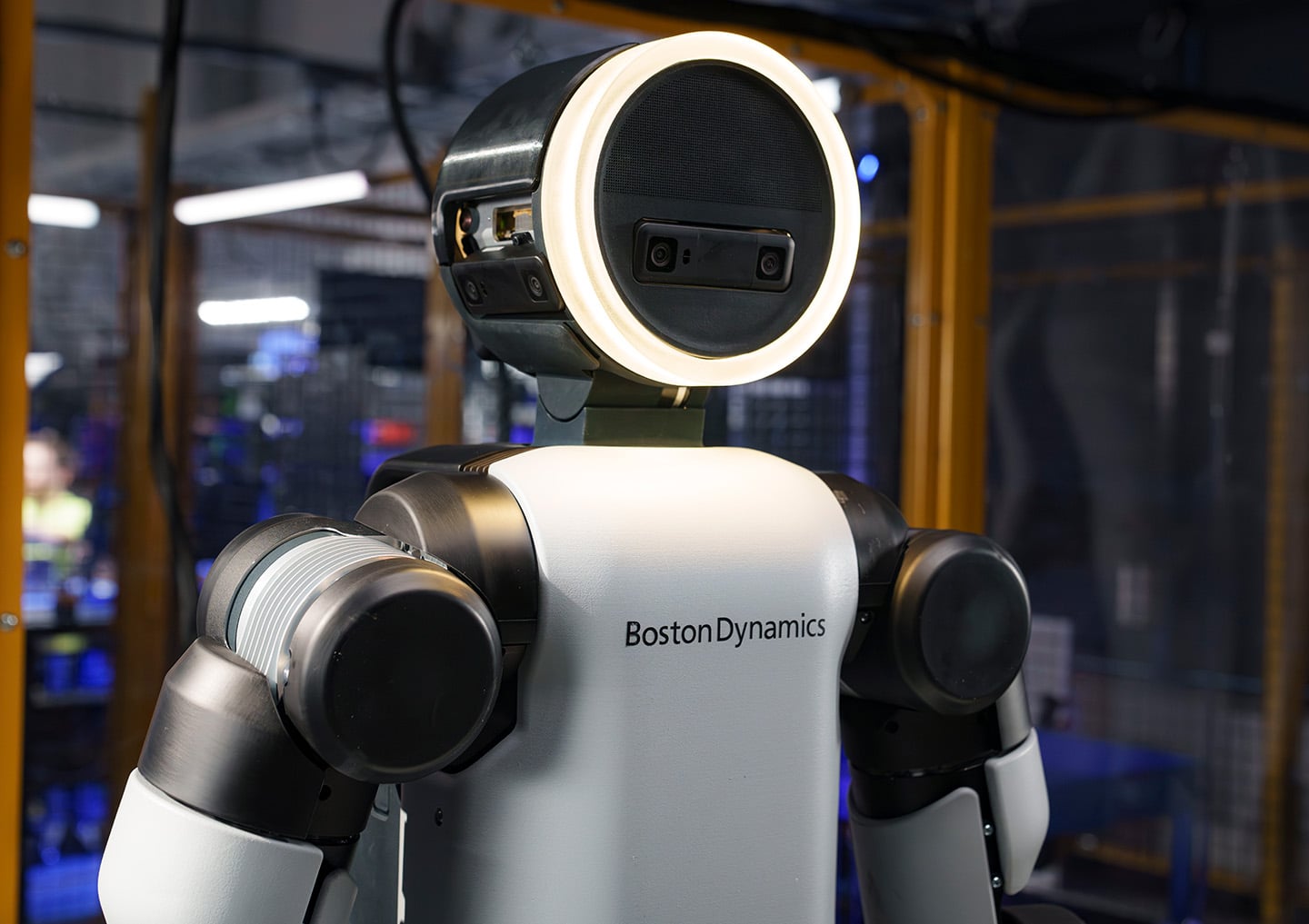
A Korean trade report says Boston Dynamics' Atlas humanoid will run on a 70-cell, 1.3-kWh battery pack led by Samsung SDI, with fast charging over swapping and mass production still not expected before 2028.
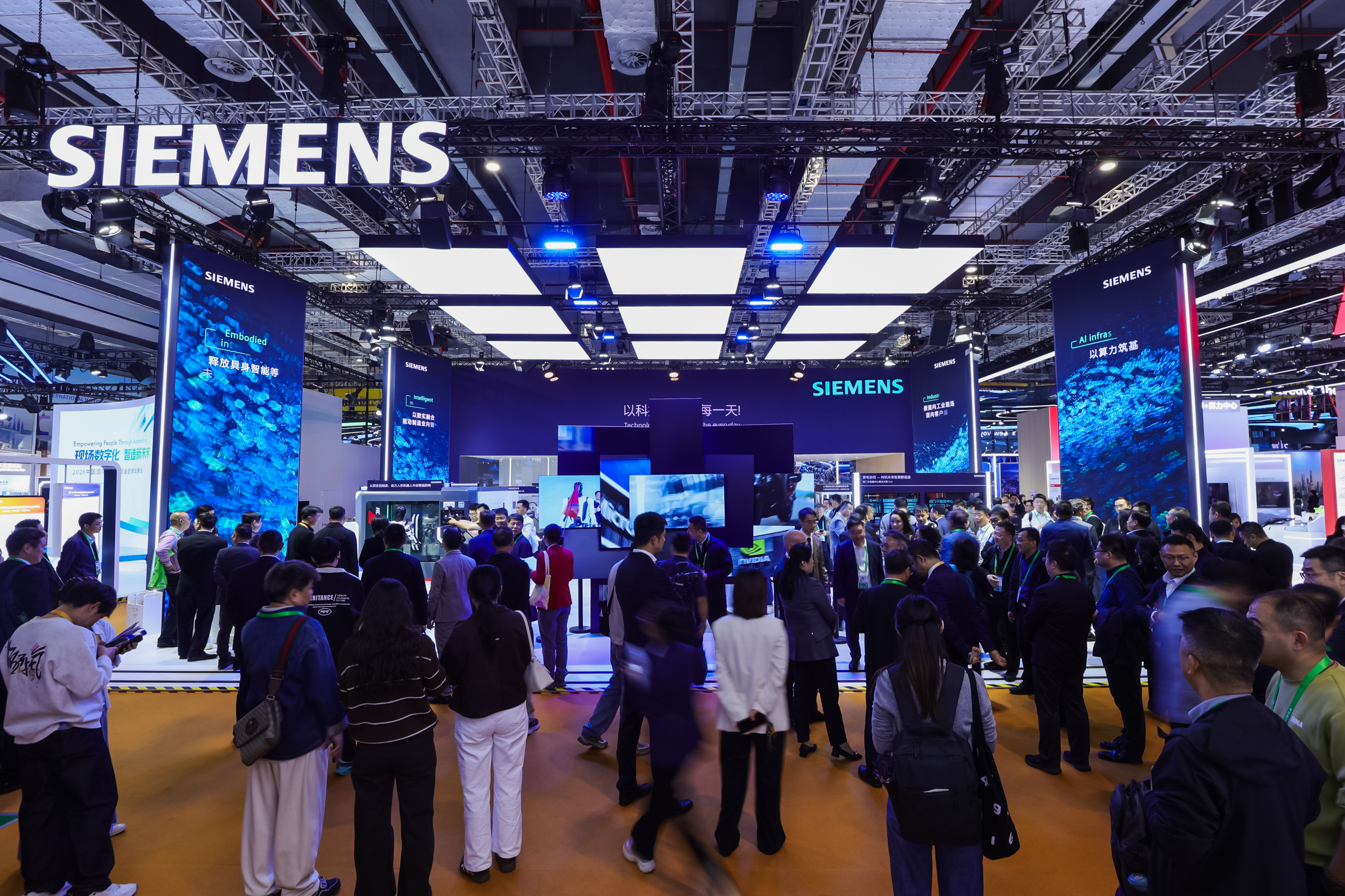
Siemens demonstrated a wheeled humanoid robot tending a CNC machine at this year's China International Import Expo, alongside AI-driven process wins in milk-powder production and auto-parts R&D, and signed roughly 40 new cooperation deals.
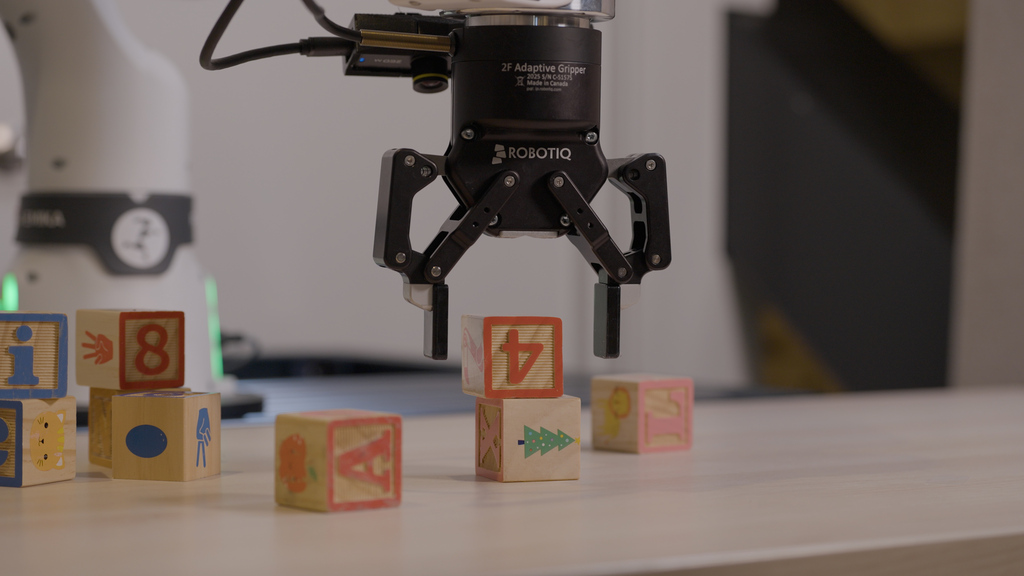
Ai2's own numbers show its generalist, reasoning robot policy solving half of real-world block tasks versus 81% for a narrow specialist model, a benchmark procurement teams should weigh against vendor claims of general-purpose robot intelligence.
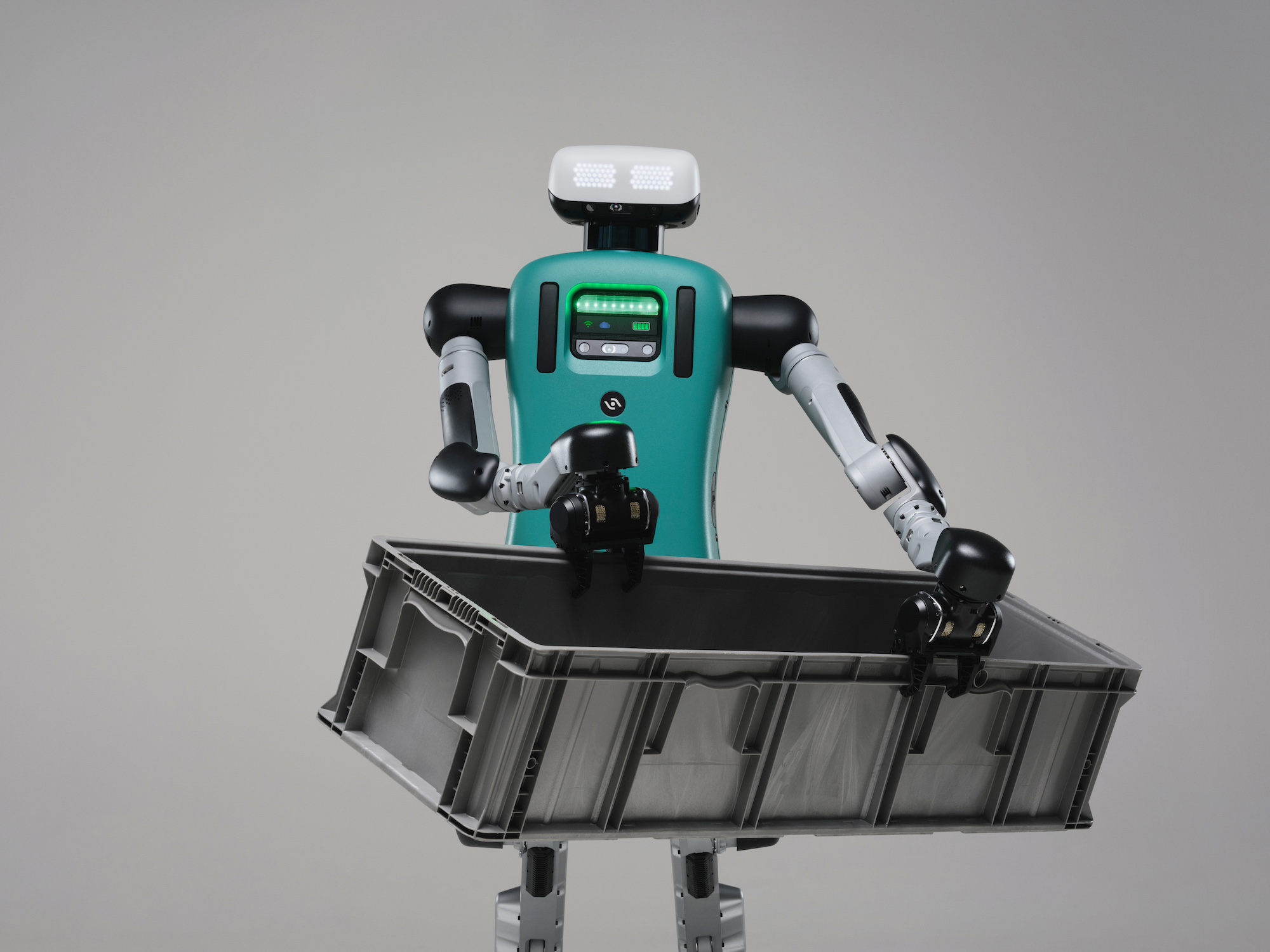
Agility Robotics began trading on Nasdaq as AGLT on November 5, disclosing US$174,000 in first-half 2026 revenue against a US$362 million loss, the first audited unit economics the humanoid-robotics sector has had to show.
Tokio Marine HCC International and Adrian Flux just launched the UK's first home insurance policy for humanoid robots, months before any confirmed home delivery of a humanoid robot anywhere. Measured against China, where insurers underwrote already-deployed commercial robots a year earlier, the UK policy looks less like a response to demand and more like a bet on where the forecast is headed.
Renesas launches a processor that combines four-axis motor control, industrial Ethernet and Linux application processing, with safety software planned for 2027.
Carnegie Mellon researchers unveiled Pixel, a wheeled research robot built for under US$15,000, paired with a learning system that teaches it household tasks from handheld human demonstrations rather than costly teleoperation.
ROBOTWORLD 2026 drew 402 exhibitors from 17 countries to KINTEX in Goyang, but the real signal for buyers is that Qualcomm, NVIDIA, and Advantech paid for conference stage time rather than just booth space, and new exhibitors from India, Bangladesh, and a Canadian delegation widened the floor beyond Korea's usual base.
Unitree CEO Wang Xingxing says GPT-6 lets its humanoids paint and play Chinese chess with zero task-specific training. The chess demo leans on a dedicated chess engine for move selection, and the showcase ran on video, not live.