News and analysis on Asia's robotics industry from our research desk.
Beijing Galaxy General has won a record breaking 236 million RMB state owned enterprise contract to deliver 500 embodied AI robots over 12 months. This tender signals a shift from pilot testing to state backed commercial scaling in China's robotics sector.
The global humanoid robotics market outside of China is bifurcating into hardware and intelligence platforms. While China dominates physical unit shipments, Western nations are competing aggressively on artificial general intelligence for the physical world through Vision Language Action models.
Lightwheel AI has secured a massive 1 billion RMB strategic financing round to accelerate its physical AI data and evaluation infrastructure. The investment highlights a strategic shift: capital is moving from building robot hardware to owning the data layer that trains them.
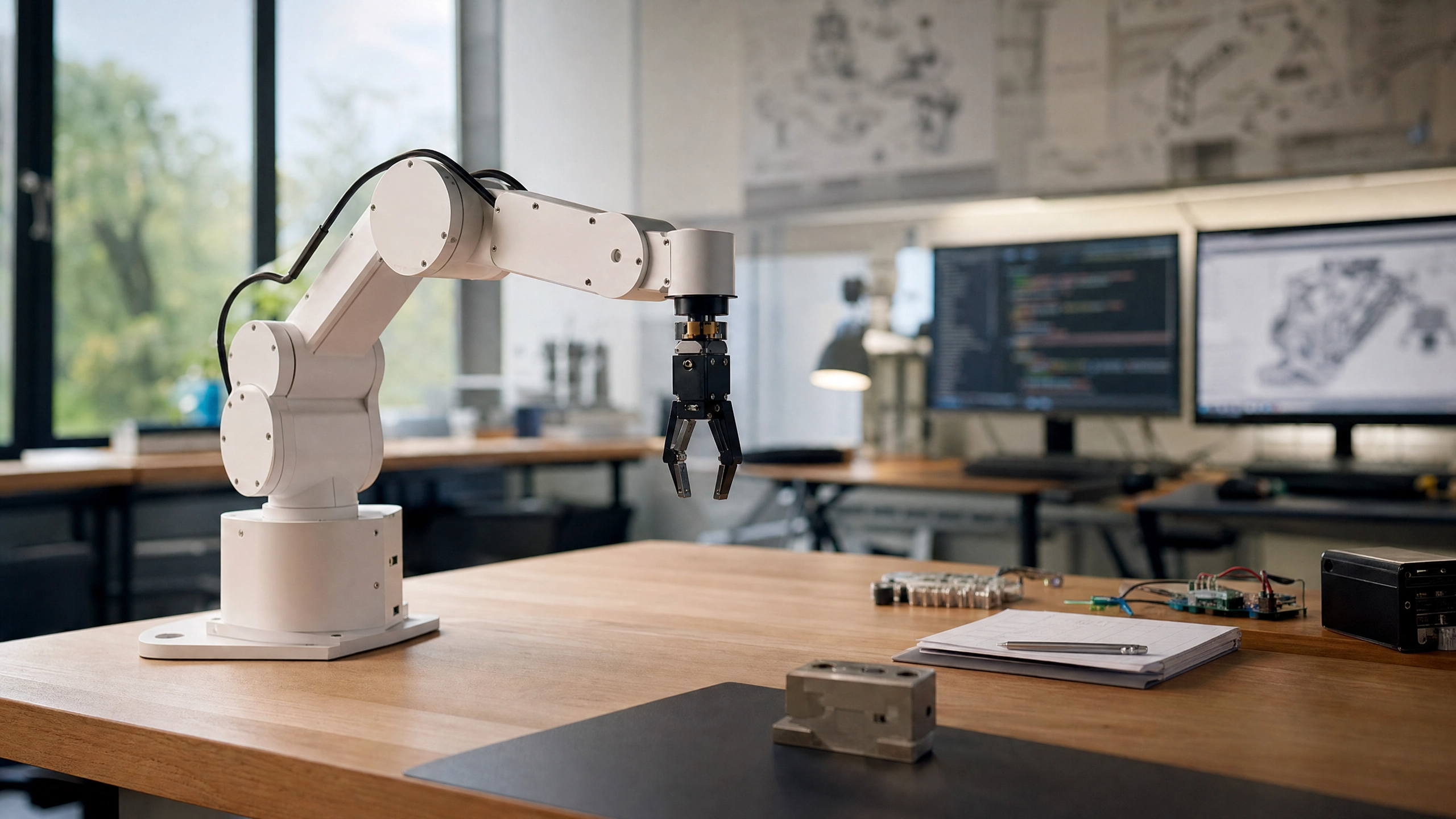
Elephant Robotics has launched the ultraArm P1, a desktop programmable robotic arm that brings industrial grade precision to the educational and research market. This release highlights how Chinese manufacturers are slashing the cost of the hardware infrastructure needed to train embodied AI models.
Chinese robotics startup X Square Robot has open-sourced three embodied AI technologies designed to improve robot intelligence, physical reasoning, and data efficiency. The company believes the industry's main challenge is no longer hardware, but enabling robots to better understand and interact with the real world.
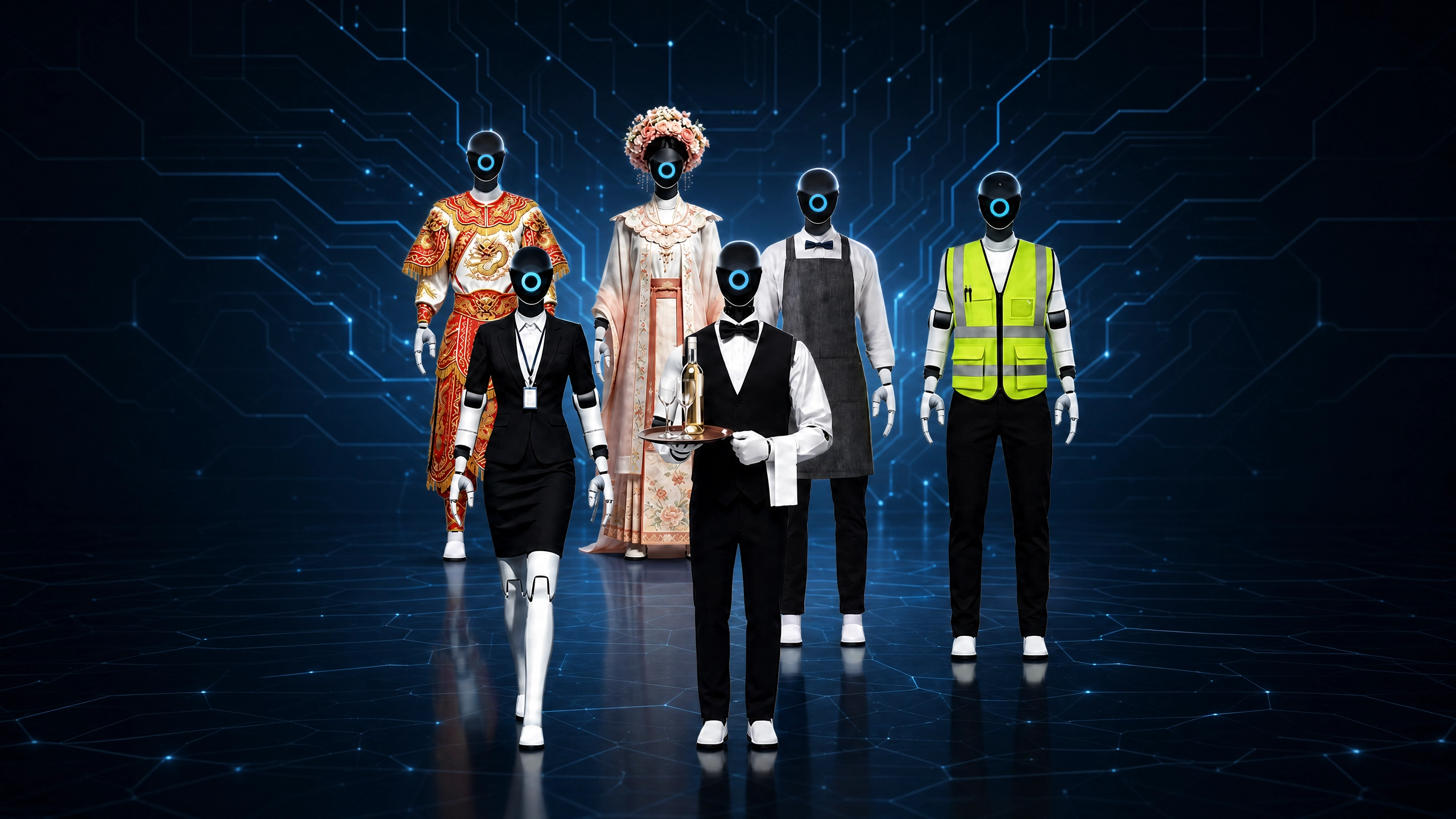
UBTECH has unveiled the Walker C1, its first commercially focused humanoid robot designed for deployment across hotels, shopping malls, tourist attractions, campuses, and urban security environments.
Two policy moves in June 2026 — China's new Mineral Resources Law regulation (effective June 15) and the Ministry of Commerce's "AI Plus Consumption" plan (released June 19) — are pulling the global robotics supply chain in opposite directions. One tightens China's grip on the rare earth and strategic mineral inputs that robots require. The other subsidizes Chinese consumers to buy the robots those minerals help build.
Unitree Robotics cleared its Shanghai STAR Market IPO review in a record 73 days on June 1, 2026, becoming the first humanoid robot developer to list on China's A-share market. The company plans to raise 4.2 billion yuan ($618 million) to fund R&D and manufacturing expansion, despite a 47.7% drop in Q1 2026 net profit as investment spending accelerated.
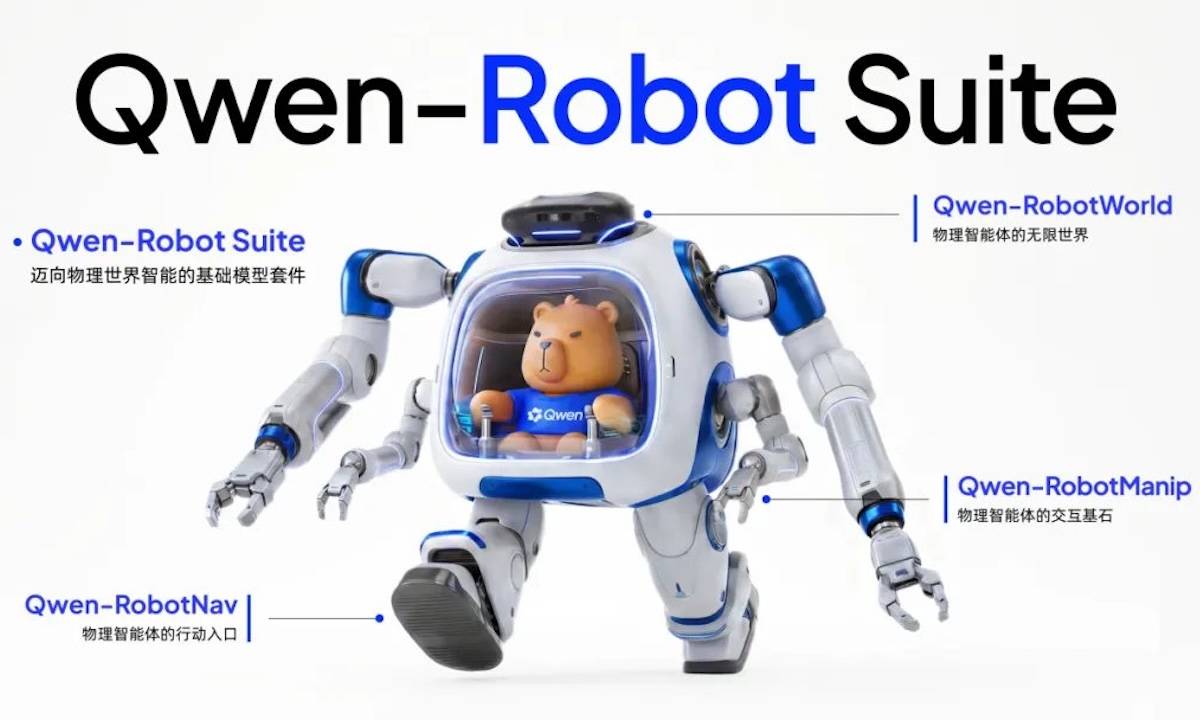
Asia's robotics landscape accelerated sharply in June 2026, led by China's 10,000-robot deployment mandate, Alibaba's Qwen-Robot Suite, Zhiyuan's autonomous ping-pong humanoid, LG's humanoid data factory, and new moves from Vietnam, Singapore, and Hong Kong.
Morgan Stanley estimates a humanoid robot built on the Chinese supply chain costs $46,000 to manufacture in 2025–2026, versus nearly $130,000 using non-Chinese components. This teardown breaks down where every dollar goes — and why actuation, not software, is the defining battleground.
Chinese harmonic reducer manufacturers, led by Suzhou Green Harmonic, are undercutting Japanese rivals by 30–40% and capturing a growing share of humanoid robot supply chains. With actuation accounting for 40–56% of total robot BOM cost, the price war in precision reducers is now the single most important cost lever in the global humanoid race.
This article maps the full landscape explains why the government is treating embodied AI as a national strategic priority, and identifies the four signals (IPO filings, RaaS pricing, component cost trajectories, and secondary market formation) that will determine whether this sector transitions from demonstration to deployment at scale.