News and analysis on Asia's robotics industry from our research desk.
Galaxy General, better known as Galbot, has become one of China’s most watched embodied-intelligence companies. The next test is whether financing, models and demos can translate into repeatable commercial deployment.
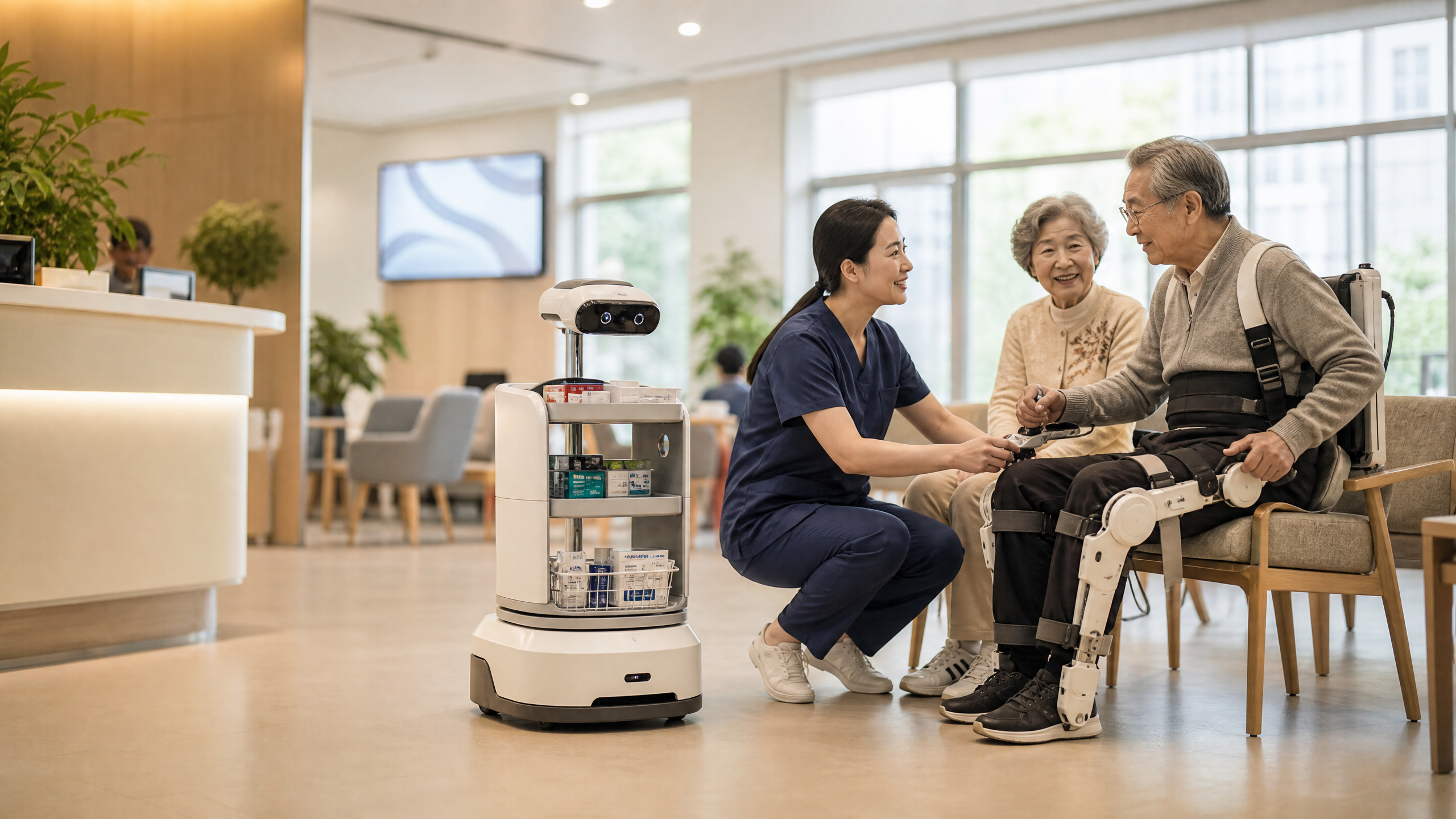
The Nasdaq-listed China services company says a new agreement with Anhui Taihao Intelligent Technology will use its community healthcare and eldercare footprint as real-world validation infrastructure for home and healthcare robots.
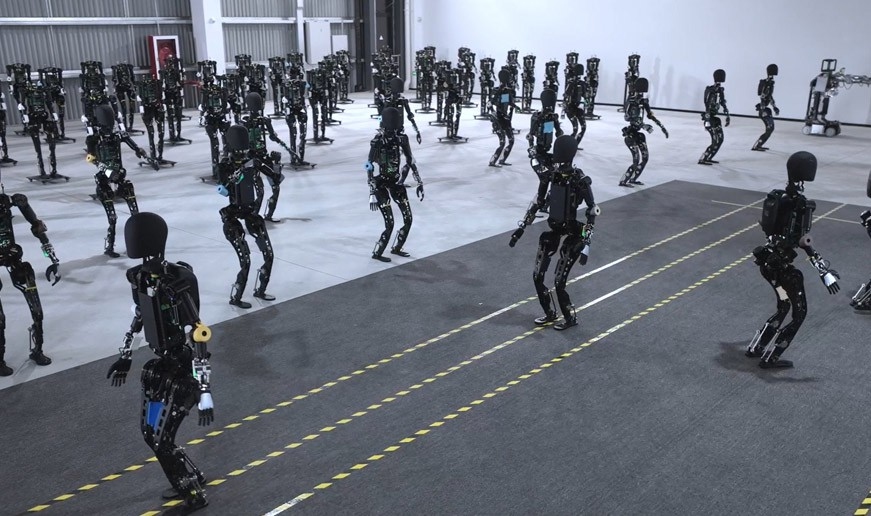
China’s Ministry of Industry and Information Technology and the State-owned Assets Supervision and Administration Commission of the State Council have launched a 2026 field-training drive that asks selected provinces and central state-owned enterprises to open real workplaces for humanoid and embodied-AI robots, with targets for normal deployment, more than 100 high-value scenarios, and ten-thousand-unit scale landing capability by year-end.
China has become the world’s fastest-growing robotics powerhouse, with a $47 billion domestic market in 2024 and 295,000 industrial robots installed, more than any other country. Domestic firms now supply the majority of robots, driven by AI integration and government support for chips, sensors, and software. This surge is reshaping global manufacturing as foreign suppliers lose share, global companies relocate or partner in China, and Chinese robot makers export turnkey automation systems to emerging markets. Analysts say the next frontier will be expansion beyond factories into logistics, service, and eventually eldercare and retail.
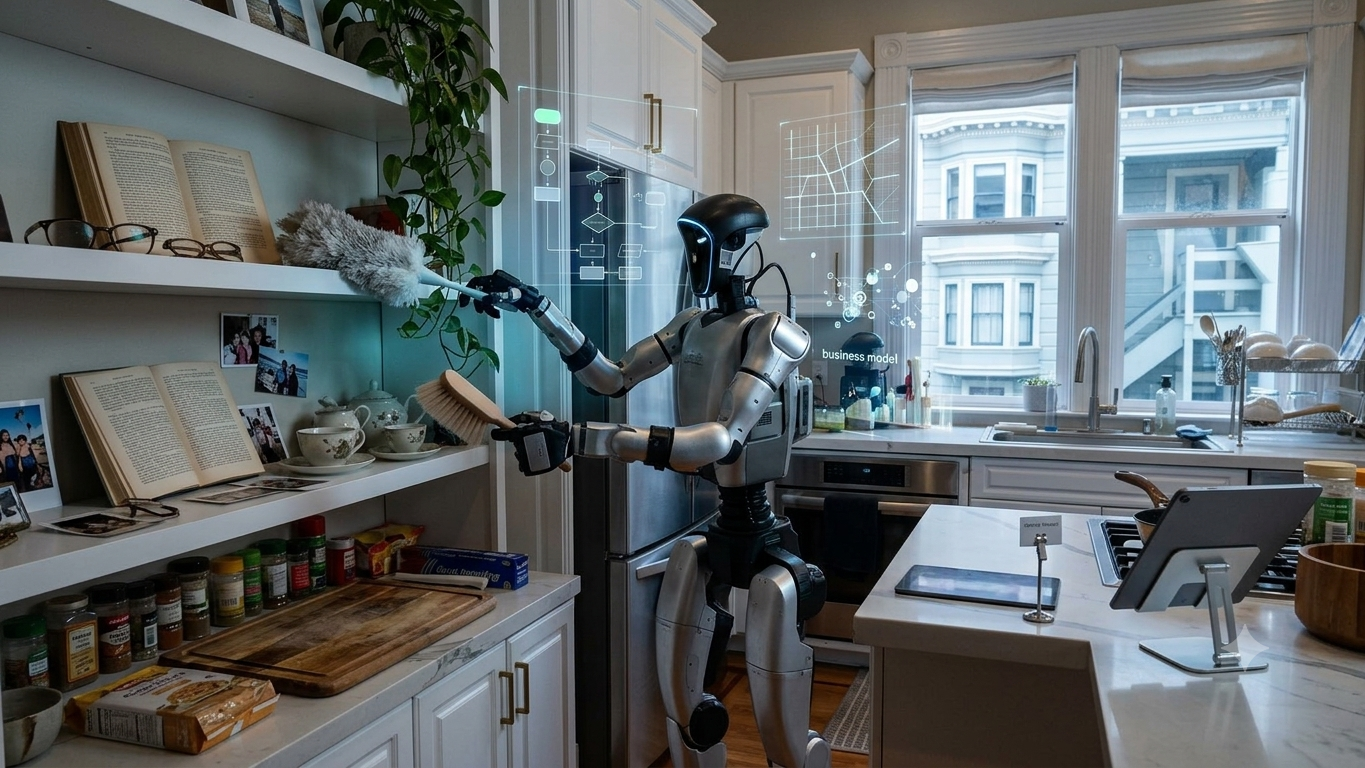
Everyone is covering Gatsby's first robot cleaning as a technology milestone. It is not. A humanoid robot cleaning an apartment is not new; controlled demonstrations have run for years. What Gatsby did on May 14 was prove a business model — iOS app, waitlist, $150 flat fee, real customer, no humans inside. That is an Uber launch. The robot is the car. And the car is not the interesting part.
China is rapidly expanding its robotics industry through strong state support, subsidies, and a policy-driven push into humanoid robots and embodied AI, aiming for highly precise, adaptable automation in factories. This cost advantage is pressuring Western and other Asian manufacturers, accelerating global adoption in sectors like logistics and electronics while raising concerns about long-term supply-chain dependence and competition over robotics standards.
China is rapidly cementing its lead in robotics and embodied AI through strong state support, massive industrial scale, and lower-cost humanoid platforms that can perform complex tasks in real-world settings. The article argues that this momentum is pressuring Western manufacturers and policymakers, as Chinese supply chains drive faster iteration, cheaper systems, and a widening competitive gap, even as global robot adoption continues to grow.
China and Asia are rapidly pulling ahead in robotics, driven by heavy investment, state support, and low-cost manufacturing that is pushing humanoid robots and factory automation into mass production. South Korea leads in robot density, while China is scaling humanoids for warehouse and assembly work, prompting Western investors and policymakers to weigh whether to compete, collaborate, or risk falling further behind.
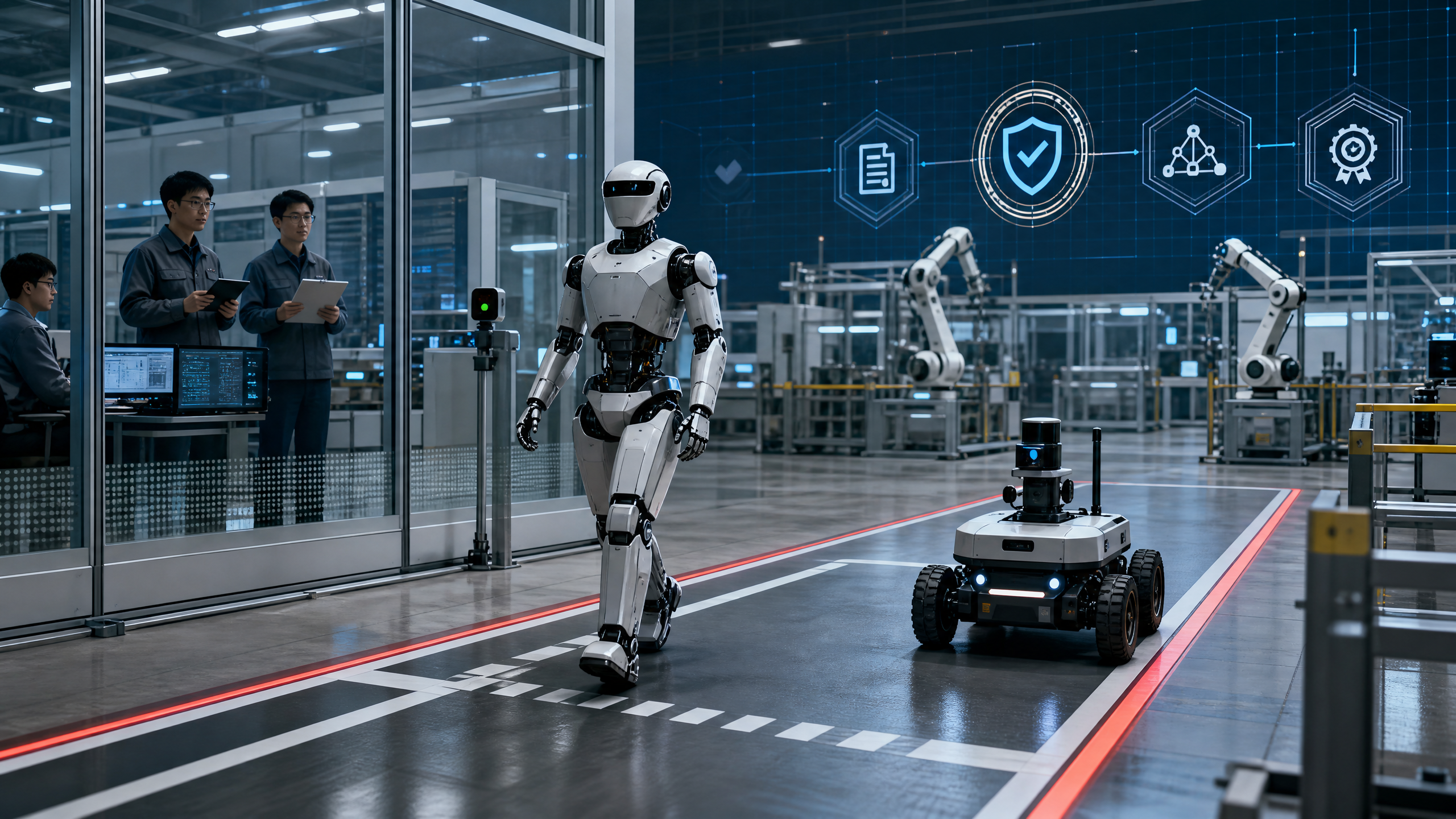
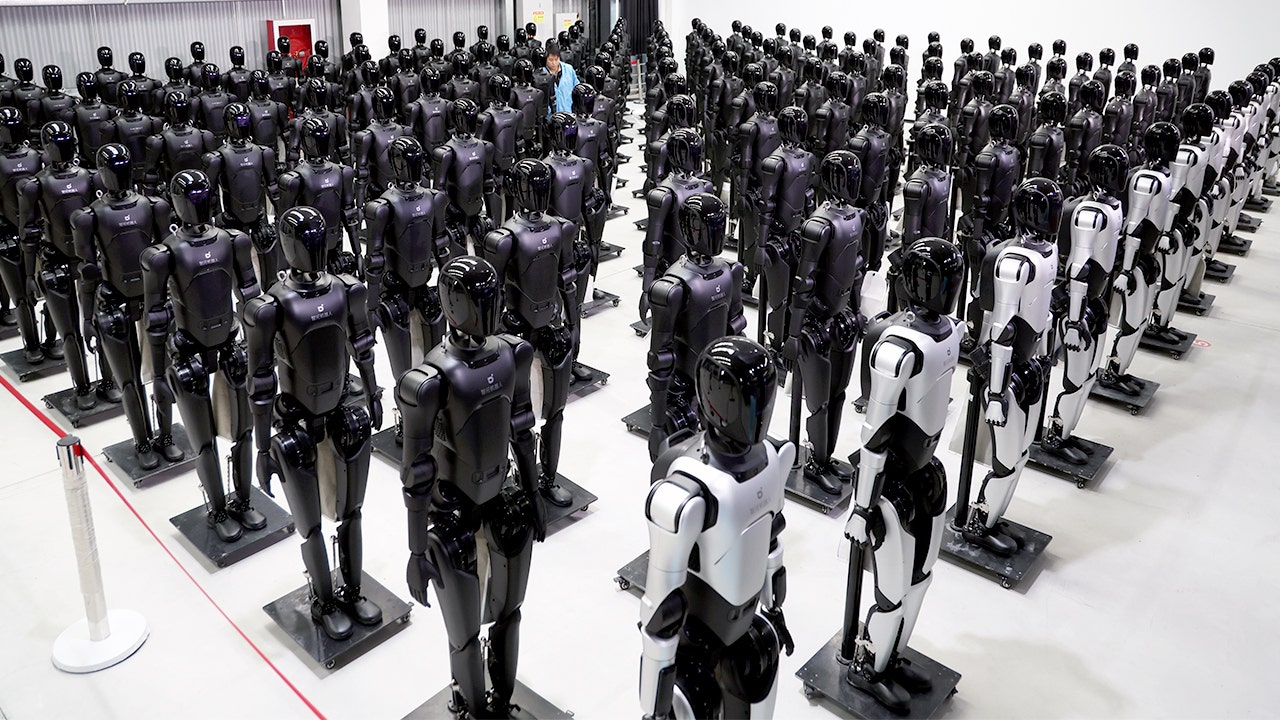
China registered 28,000 humanoid robots in the first week and nobody covered the sentence that explains why that number will keep growing. Every country debating how to govern autonomous robots is watching China mandate an answer. The companies, governments, and standards bodies whose robot governance decisions depend on what framework becomes global are working from an incomplete picture of what Beijing actually launched on 28 May 2026.
China is rapidly solidifying its lead in robotics through heavy state support, vertically integrated supply chains, and large-scale manufacturing that gives it a major cost and speed advantage over Western rivals. The country is now expanding from industrial robots into service and humanoid systems for sectors like logistics and healthcare, but these machines still face reliability and dexterity challenges in real-world use.
Nobody talks about the light delay. It takes radio signals approximately 20 minutes to travel from Earth to Mars one way — which means anything requiring a real-time response on Mars requires something on Mars making decisions. Most space coverage buries it under heroic human mission framing. The engineers and mission planners whose designs depend on getting this right are working from a fundamentally different model than the public narrative that surrounds their work.
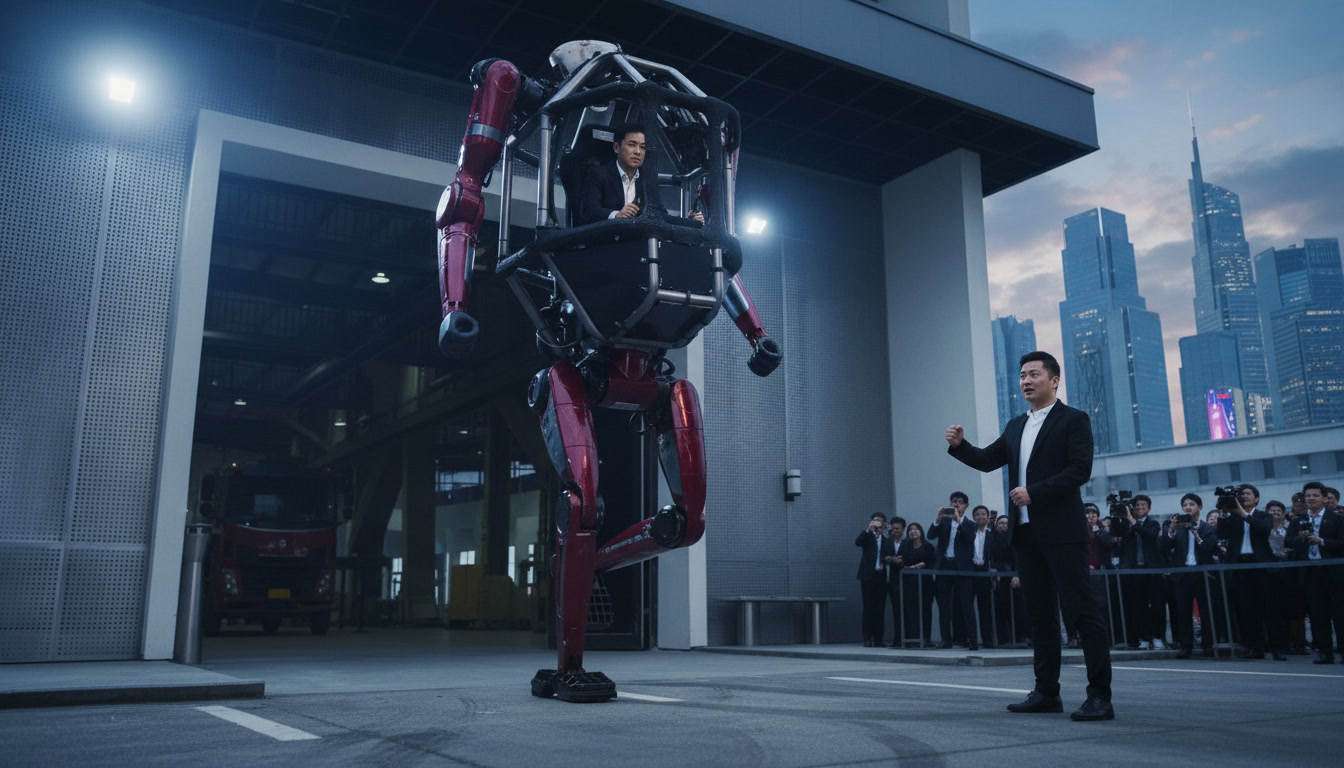
Unitree (宇树) just launched a rideable mecha. The spectacle is deliberate. The signal is underneath it.