News and analysis on Asia's robotics industry from our research desk.
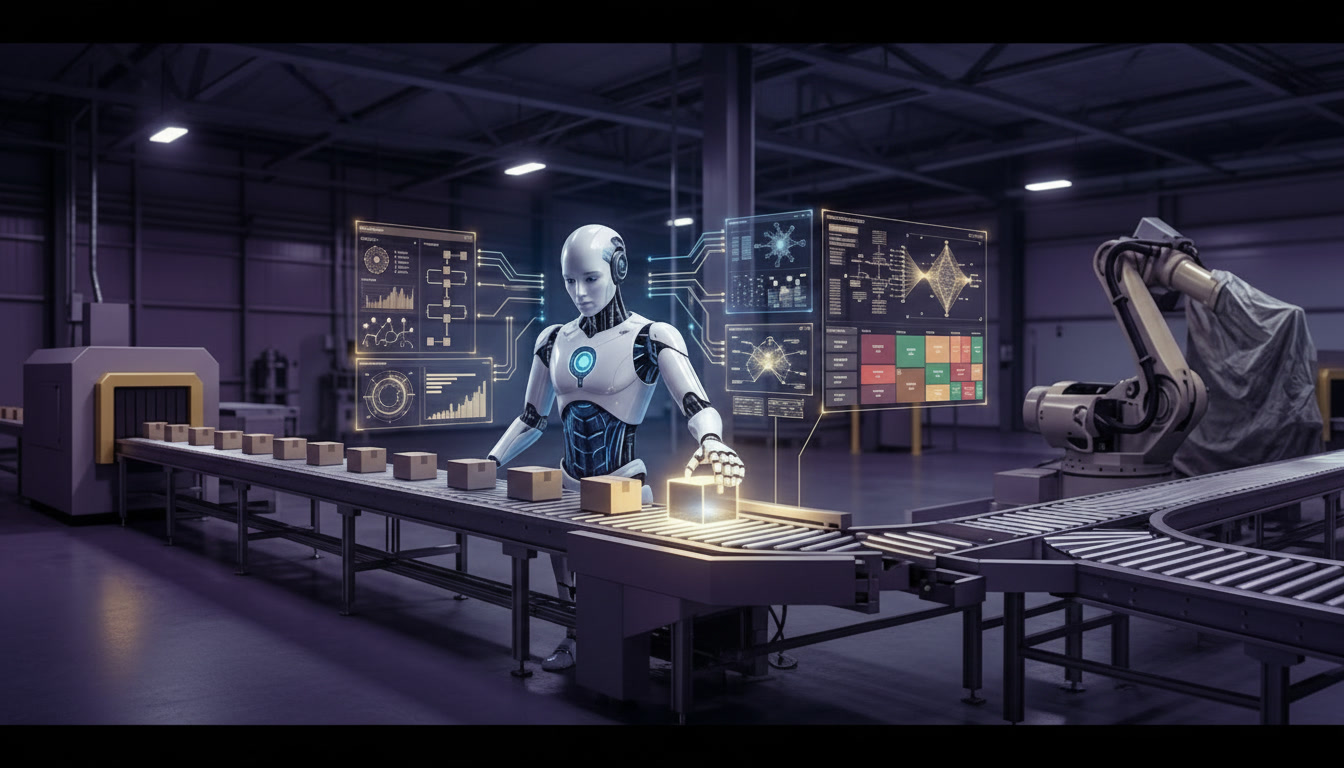
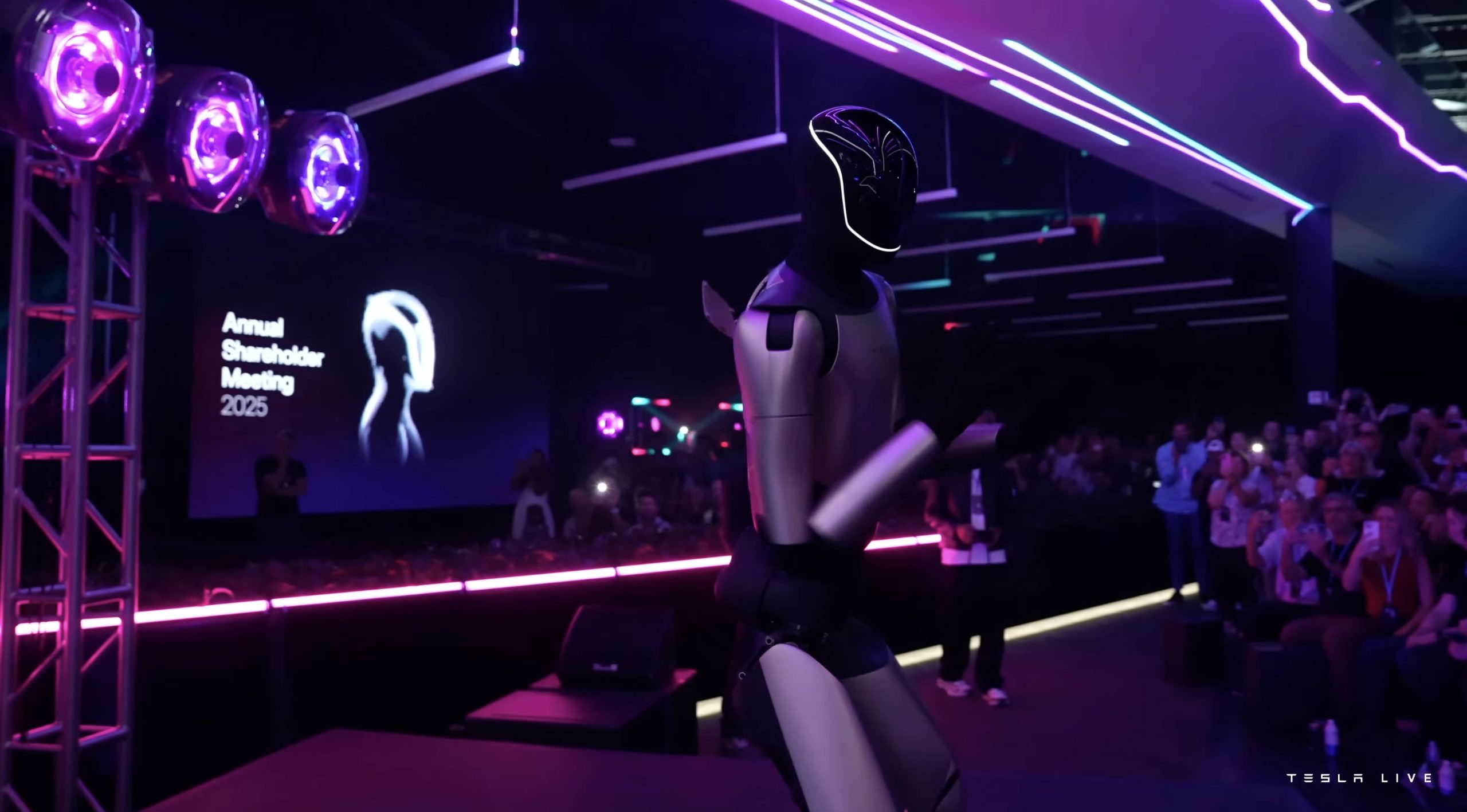
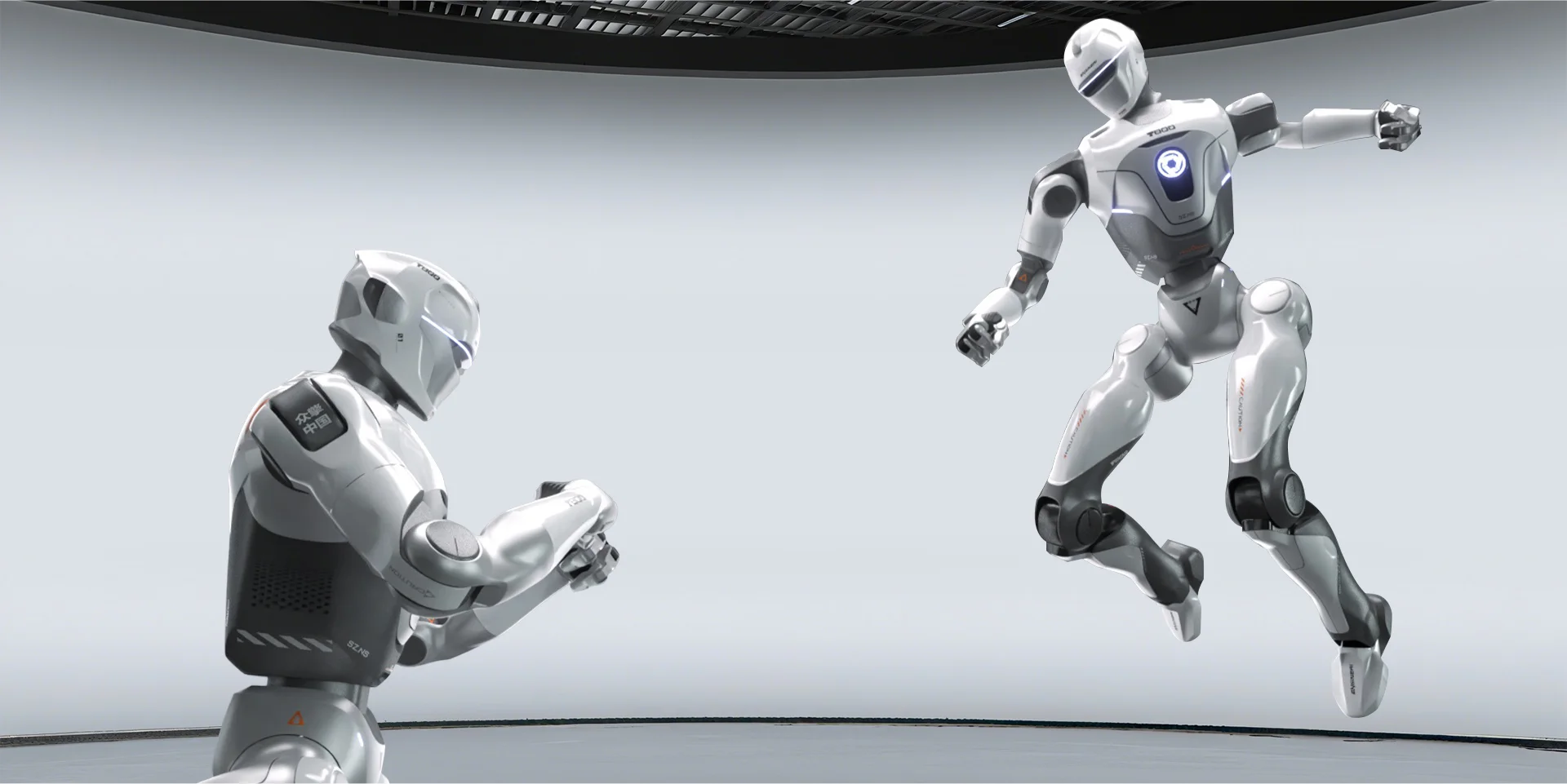
Humanoid robotics is rapidly moving from prototypes to real-world deployment, with China’s EngineAI T800, Tesla’s Optimus, and Unitree’s high-speed robots highlighting a global race to build faster, stronger, and more capable machines. These systems are being aimed at factories, logistics, services, and even home assistance, while newer robots and investments show the field expanding across many industries. Even so, experts warn that major hurdles remain—especially true human-like dexterity and reliable performance in unpredictable environments—so the robotics boom is still balanced between big promise and practical limits.
Every factory manager comparing humanoid robots to industrial arms is asking the wrong question. The two systems were designed around incompatible assumptions about the environment they operate in — and that single distinction explains every apparent advantage and every real failure mode better than any spec sheet comparison. The people whose capital decisions depend on getting this right are overwhelmingly working from a frame that guarantees the wrong answer.
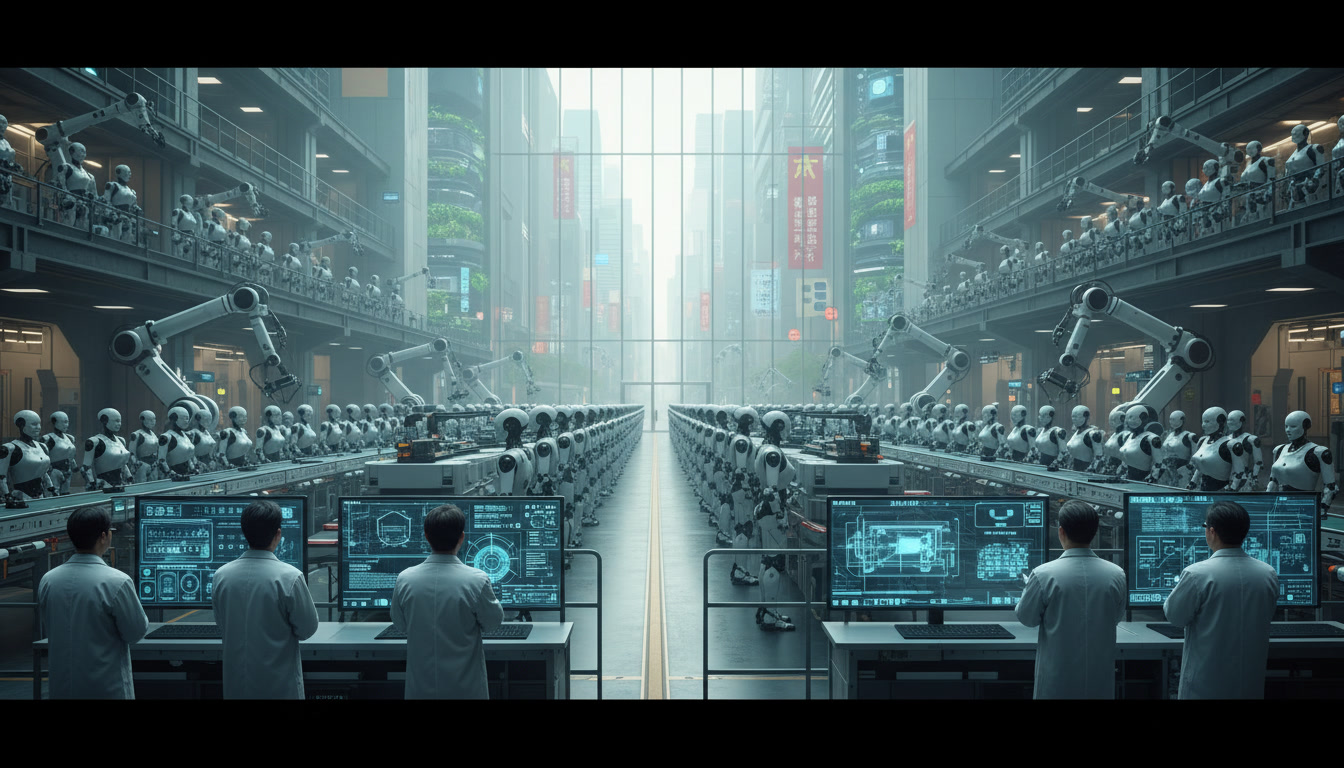
China installed more industrial robots in 2024 than the rest of the world combined. That sentence is true, verifiable, and almost entirely absent from the strategic conversations it should be shaping. The executives restructuring supply chains, the investors pricing robotics exposure, and the policymakers debating export controls are all working from a picture that is simultaneously more alarming and less alarming than what is actually happening.
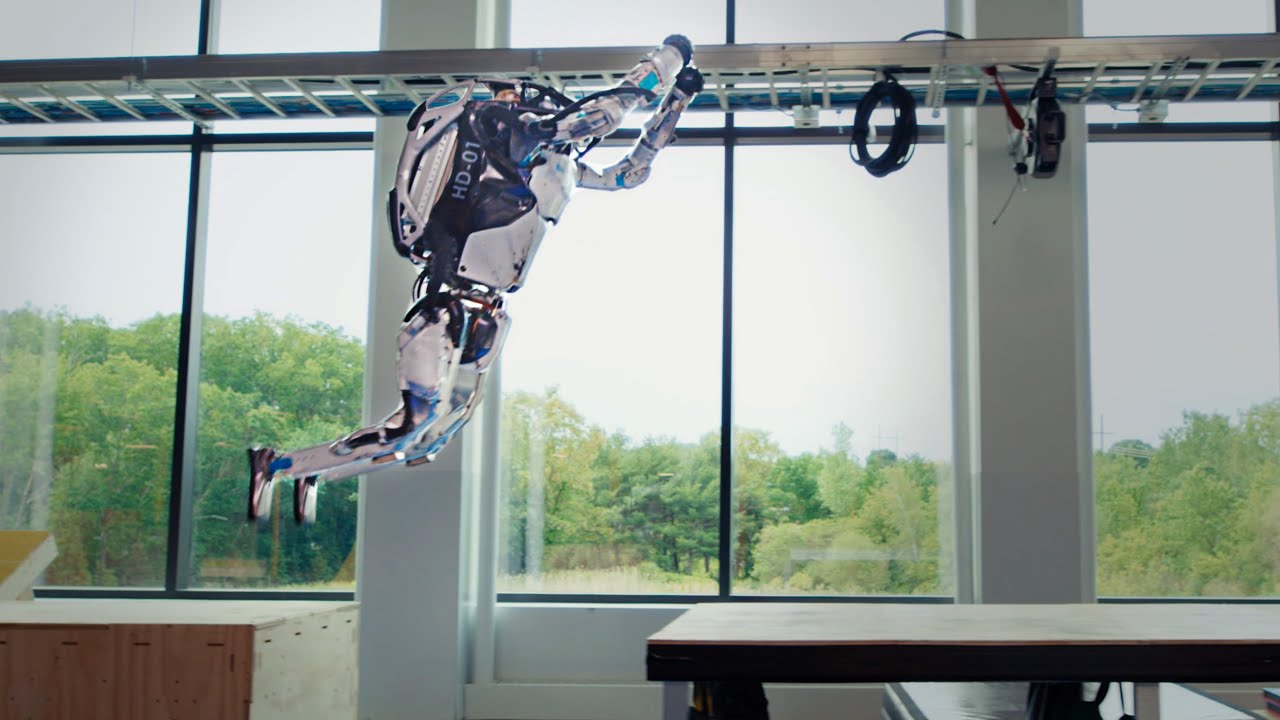
AI-powered humanoid robots are making impressive strides, with Boston Dynamics’ Atlas demonstrating dynamic walking, dexterous manipulation, and parkour-like movement using reinforcement learning and advanced sensor systems. However, experts say widespread real-world deployment is still years away because robots lack the massive, diverse training data needed to reliably adapt outside controlled lab settings.
A robot that can solve a gold-medal mathematics problem cannot reliably pick up an unfamiliar object off a table. Nobody who funds robotics wants to lead with that sentence. But it is the most practically important fact in the entire field — because it explains why robots that dazzle in demos keep disappointing in deployment, and the people whose decisions depend on understanding this gap are often the last ones to be told about it plainly.
The article highlights rapid progress across robotics, including Tesla’s Optimus humanoid efforts, expanding Waymo robotaxis, autonomous delivery bots, and medical robots that improve precision and reduce procedure time. It also notes broader advances in industrial automation, agriculture, deep-sea exploration, and robot swarms, emphasizing that AI-powered robotics could reshape many industries while raising challenges around scaling, regulation, and ethics.
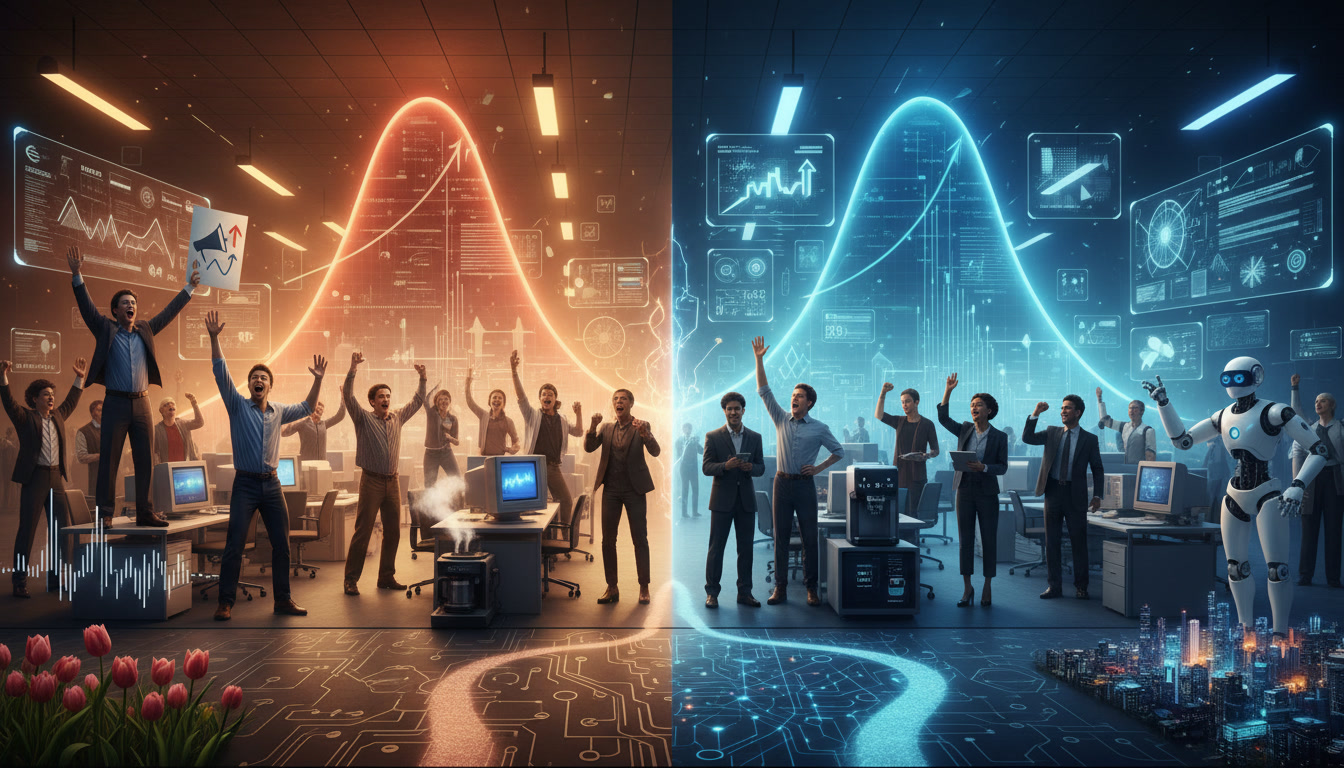
Every bubble in history looked rational from inside it. The people buying Dutch tulip contracts in 1636 thought they were participating in a new luxury market, not a collective delusion. The question for anyone with money, a business, or a pension exposed to the AI robotics wave right now is not whether this feels like a bubble. It is whether this bubble, if it is one, ends like the tulips or ends like the internet.
The article highlights rapid advances in AI-driven robotics, led by China, Tesla, and other companies, including humanoid robots, high-speed quadrupeds, industrial automation, and autonomous military systems. It also covers research breakthroughs that let robots transfer skills across different body types, along with growing adoption in factories, agriculture, logistics, and autonomous driving. Overall, it portrays robotics as moving quickly toward greater versatility and real-world usefulness, while also raising concerns about ethics, safety, regulation, and job displacement.
The article highlights three major robotics themes: serious security flaws that could let hackers hijack commercial robots, skepticism from Rodney Brooks about the current limits of humanoid dexterity training, and Elon Musk’s optimistic prediction that AI and robots could make human work optional within 10–20 years. Overall, it argues that robotics is advancing quickly but still faces major technical and safety hurdles that must be solved before its most ambitious promises can become reality.
The most consequential confusion in the entire AI debate is between a system that sounds self-aware and a system that is. Nobody is explaining the difference clearly. People making policy decisions, investment decisions, and personal decisions about AI are working from a mental model that is either years ahead of the evidence or wilfully ignoring the parts of the evidence that are genuinely unsettling.
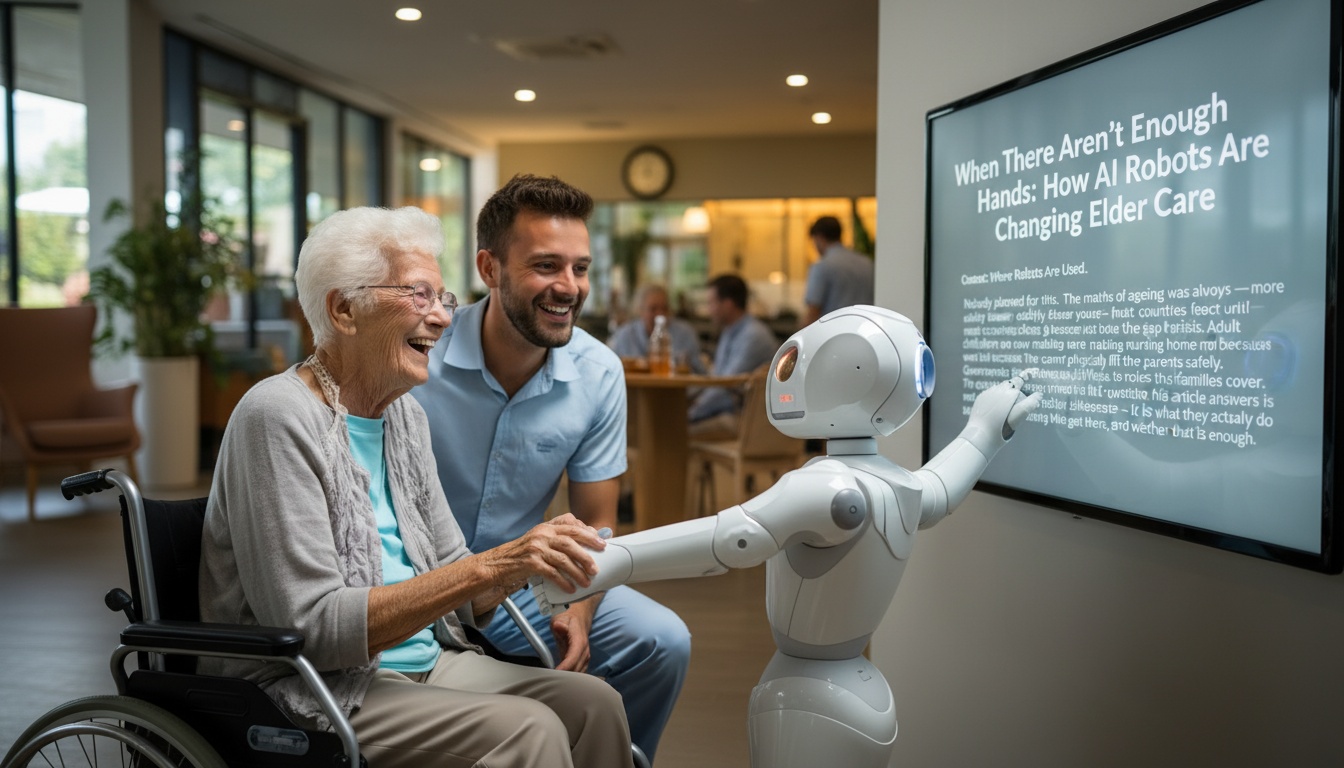
Nobody planned for this. The maths of ageing was always known — more elderly, fewer young, fewer carers — but most countries chose not to act until the gap became a crisis. Adult children are now making nursing home decisions not because they want to but because they cannot physically lift their parents safely. Governments are running out of workers to fill the roles that families cannot cover. The question this article answers is not whether robots belong in eldercare — it is what they actually
The article highlights a rapid surge in humanoid robotics, with systems like EngineAI’s T800 and Tesla’s Optimus moving from prototypes toward real-world factory, service, and home deployments, while companies such as Unitree push performance records and lower-cost access. It also notes that despite major progress in speed, strength, and AI-driven control, humanoids still face serious challenges in achieving reliable human-like dexterity and handling unpredictable tasks.