News and analysis on Asia's robotics industry from our research desk.
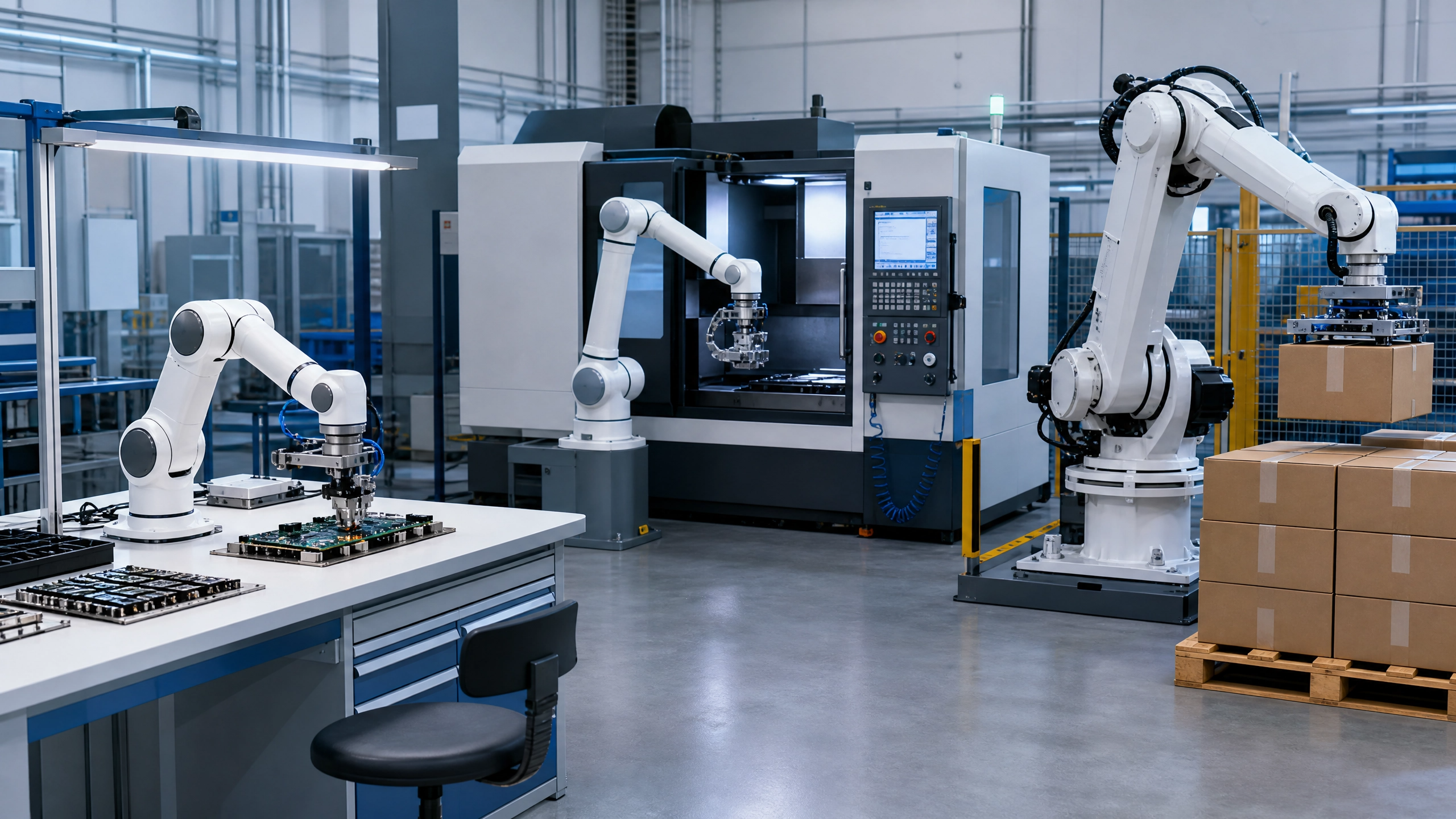
A detailed breakdown of collaborative robot subcategories by payload tier and mobility. This guide helps procurement teams and engineers understand the technical differences between light, medium, heavy, and mobile cobots to make informed capital expenditure decisions in 2026.
General Motors is pushing its supply chain toward near-total automation with a new maturity index, raising concerns among suppliers and labor unions about the future of manufacturing jobs.
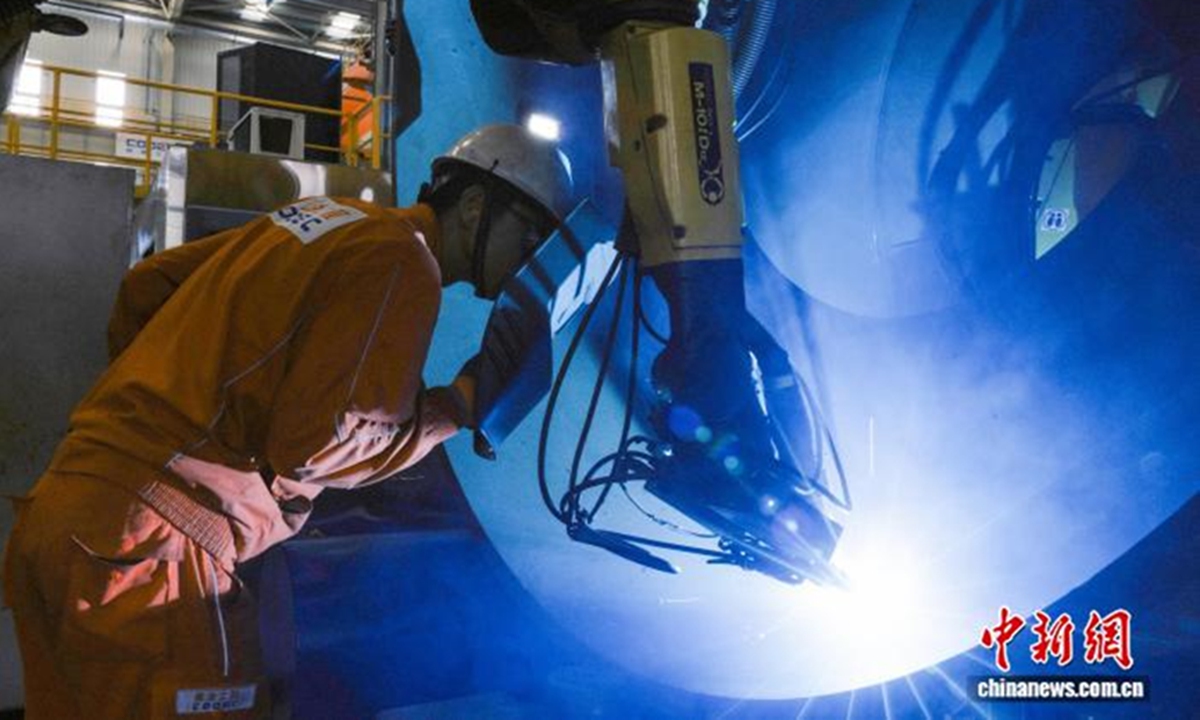
Xinhua reports a Chinese startup has deployed an embodied AI welding robot across 10+ factories in shipbuilding, steel structures, and bridge construction. The system uses 3D vision, force sensing, and real-time path planning to weld complex curved surfaces without pre-programmed trajectories. The article covers the economics (effective hourly cost below 80 RMB vs. 120-180 RMB for human welders), the labor shortage driving adoption, quality improvements (95%+ first-pass inspection rates), and competitive positioning against Path Robotics and Novarc Technologies.
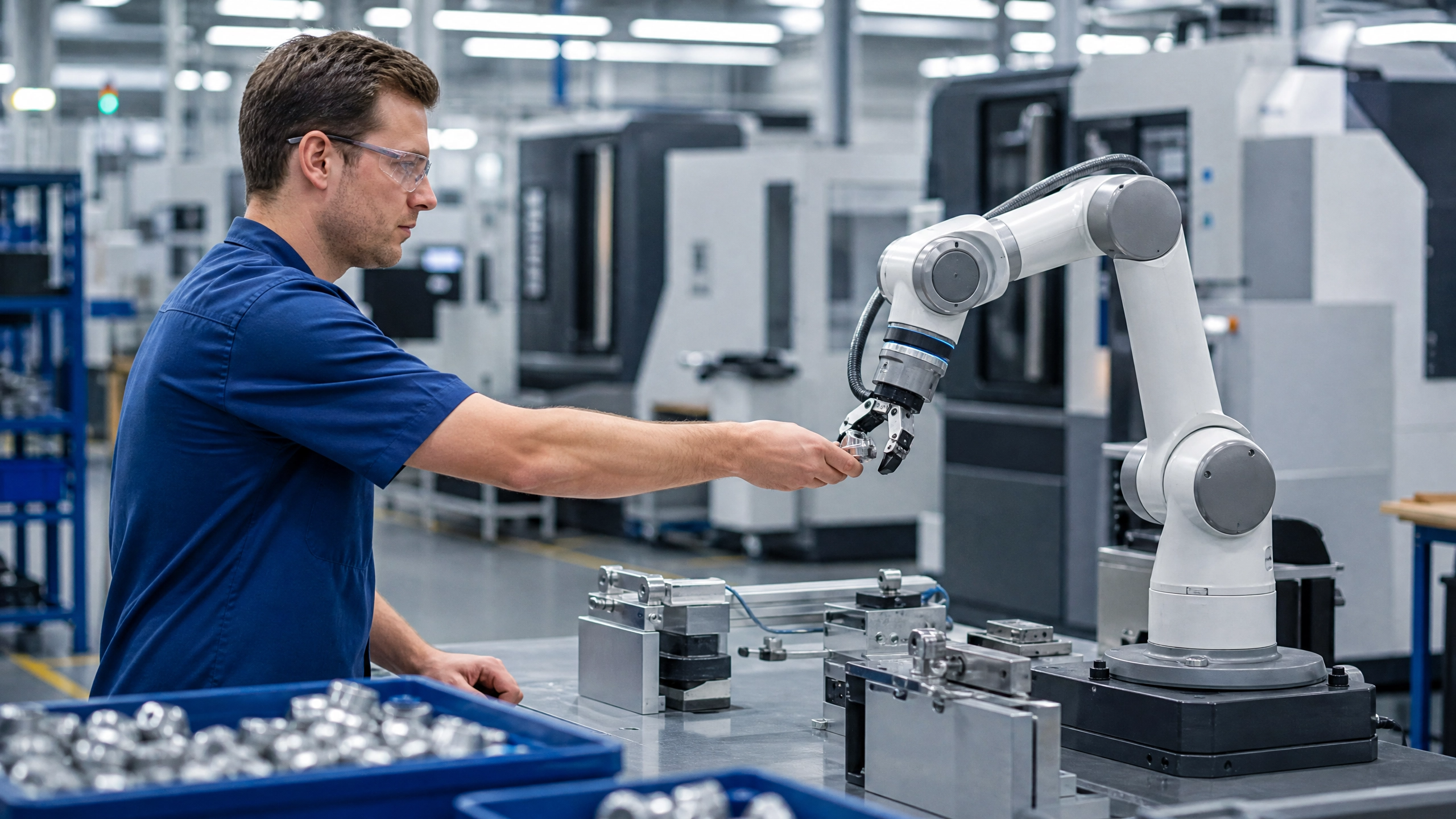
This primer provides a foundational understanding of collaborative robots (cobots), exploring how they work, their key components, and their role in the modern robotics ecosystem. It offers an analytical view of why cobots matter in 2026 for procurement and engineering teams facing labour shortages and high-mix production demands.
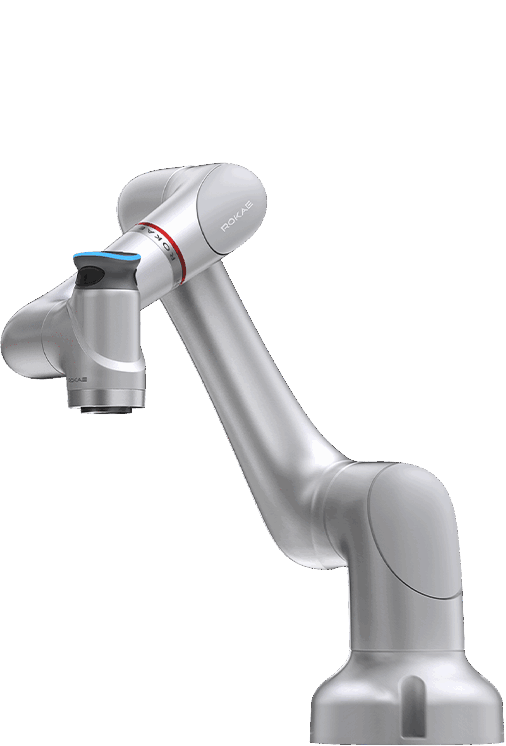
Rokae Robotics made a strong debut on the Hong Kong Stock Exchange under Chapter 18C, rising 15.21 percent on its first trading day. The listing gives China’s flexible collaborative robot leader fresh capital for capacity expansion, embodied AI research and international growth, while also signaling stronger public market confidence in deployable robotics platforms.
UMA unveiled its Northstar humanoid design in Paris on July 7, 2026, signaling Europe’s bid to turn research strength and regulatory rigor into commercial momentum. Founded by former Tesla Autopilot engineer Rémi Cadène and backed by AI scientist Yann LeCun, the company aims at manufacturing and logistics, leveraging open-source efforts like LeRobot and building EU AI Act compliance into the product.
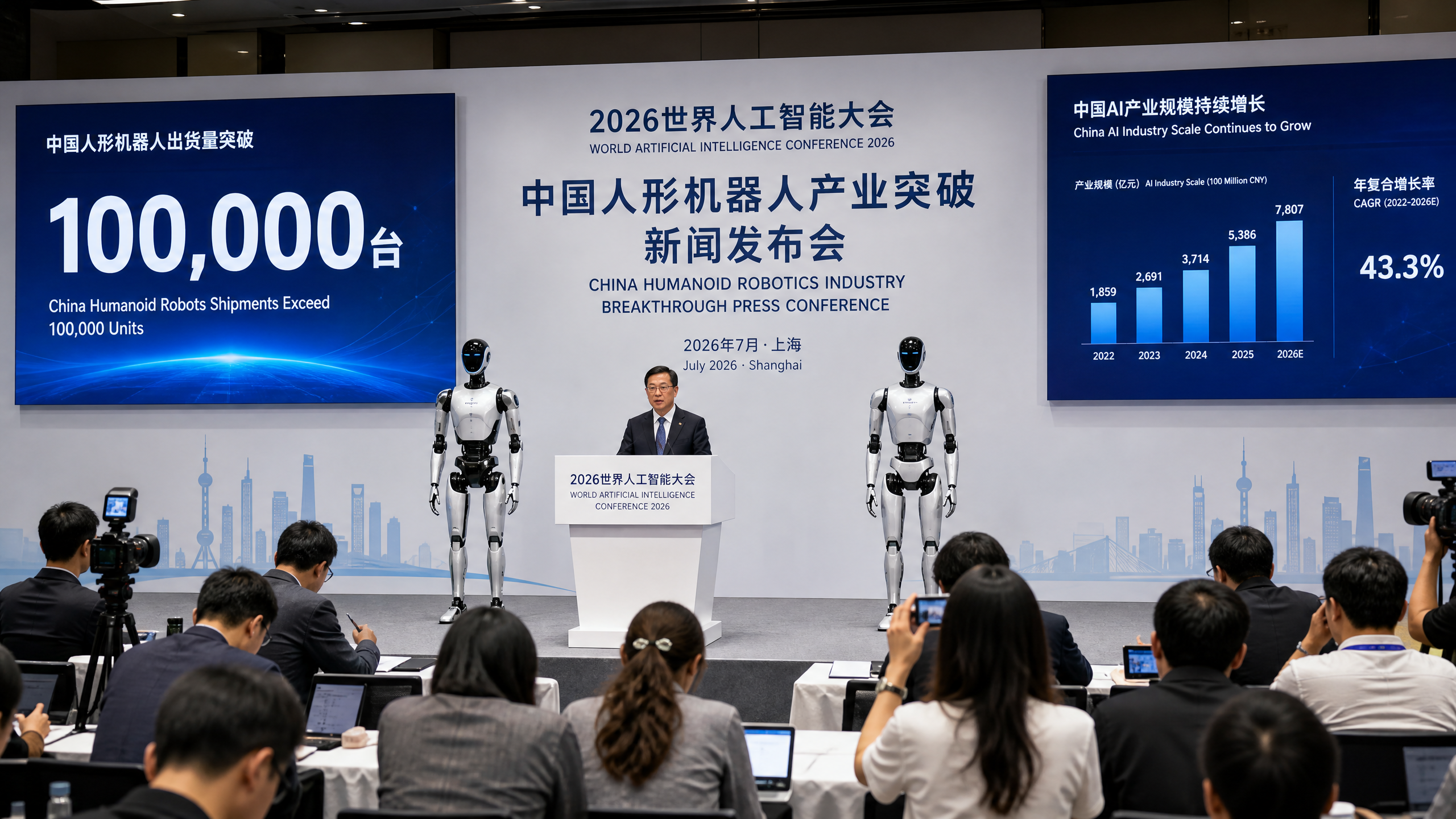
China expects production of humanoid robots to surpass 100,000 units in 2026, a senior MIIT official said at a July 7 briefing in Shanghai ahead of the World Artificial Intelligence Conference. The outlook is anchored in a policy mix of nearly 200 relevant standards, a large open source developer base on AtomGit with 11 million users, and an accelerating state backed AI investment fund.
The evolution from LLMs to predictive world models is triggering a cost deflation cycle in robotic intelligence. We analyze the ROI, payback periods, and adoption timelines across the top five AI robotics industries, and what the "silent handover" means for manufacturing arbitrage in Southeast Asia and Europe.
Chinese collaborative robot maker Rokae Robot with 34% of China's market share on cobot has launched its Hong Kong IPO subscription at HKD 38 per share, with listing expected on July 9 under the 18C specialist technology chapter.
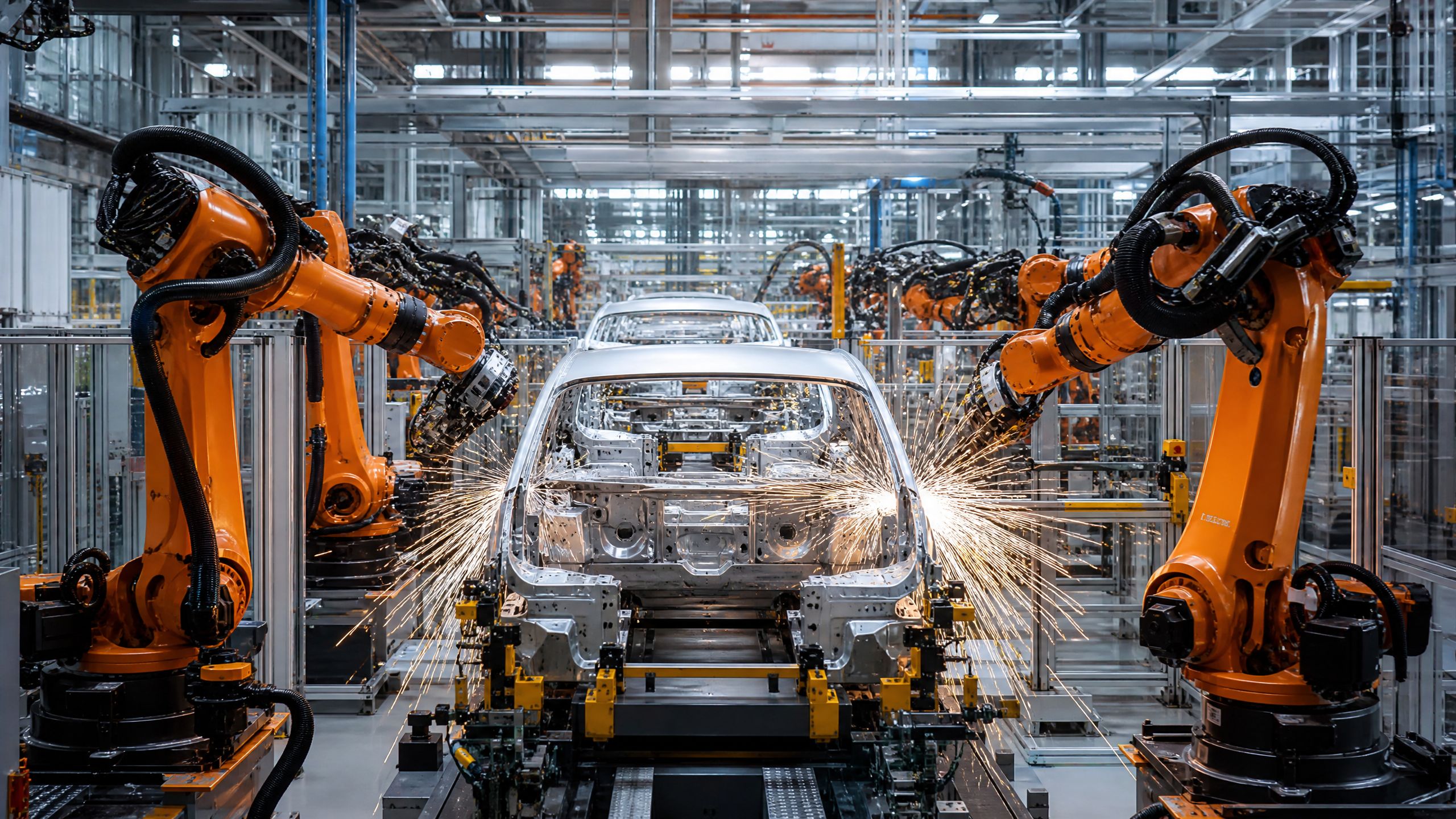
A competitive landscape analysis of the five most influential manufacturers in the global industrial 6-axis arm market, ranked by market share and strategic influence. Covers selection criteria, individual player profiles, the Chinese contender, and two companies gaining ground rapidly.
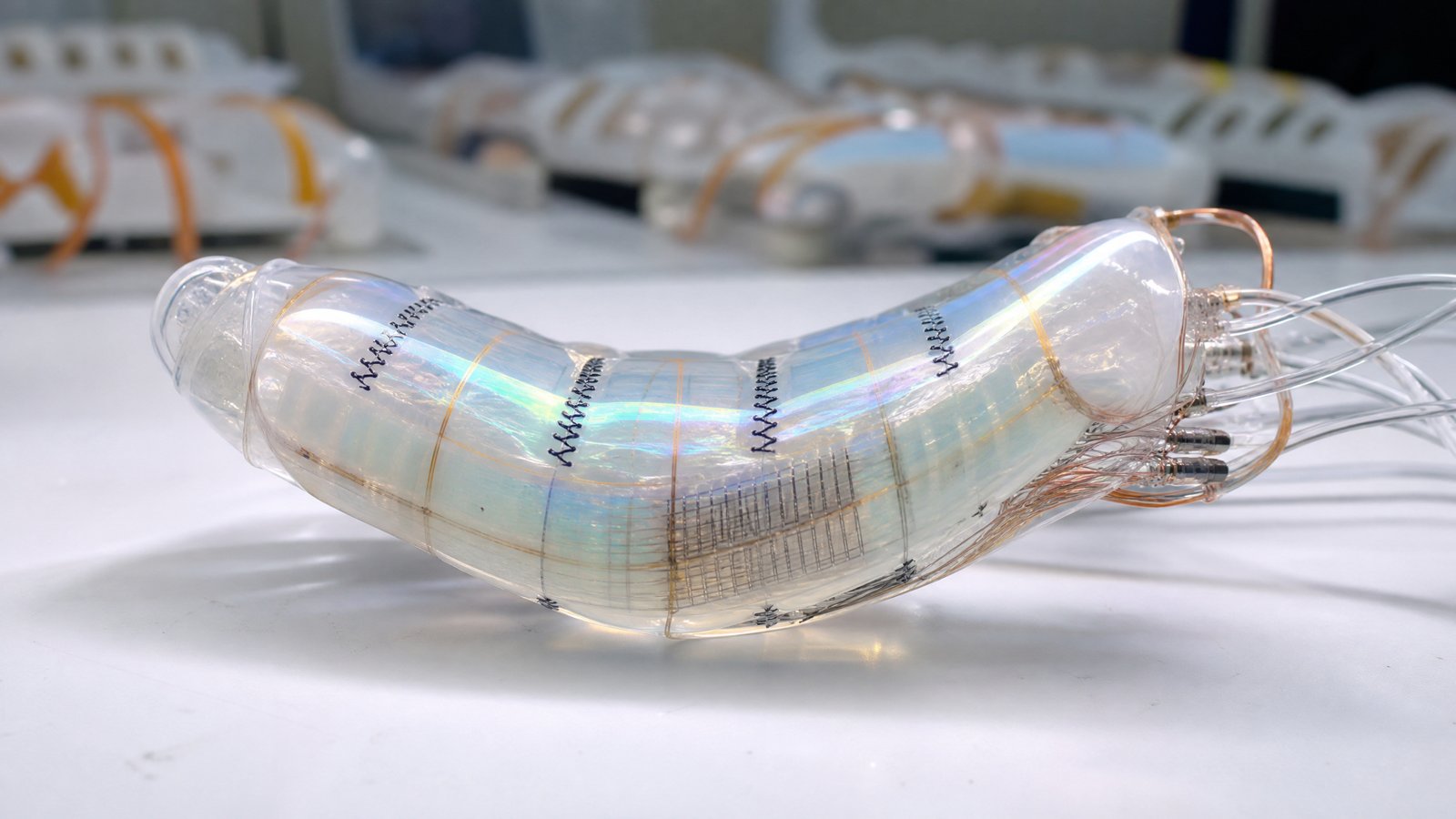
London startup morph has emerged from stealth with soft robotic cells that embed sensing and adaptive control directly into deformable materials, starting in healthcare before expanding to automotive and industrial safety.
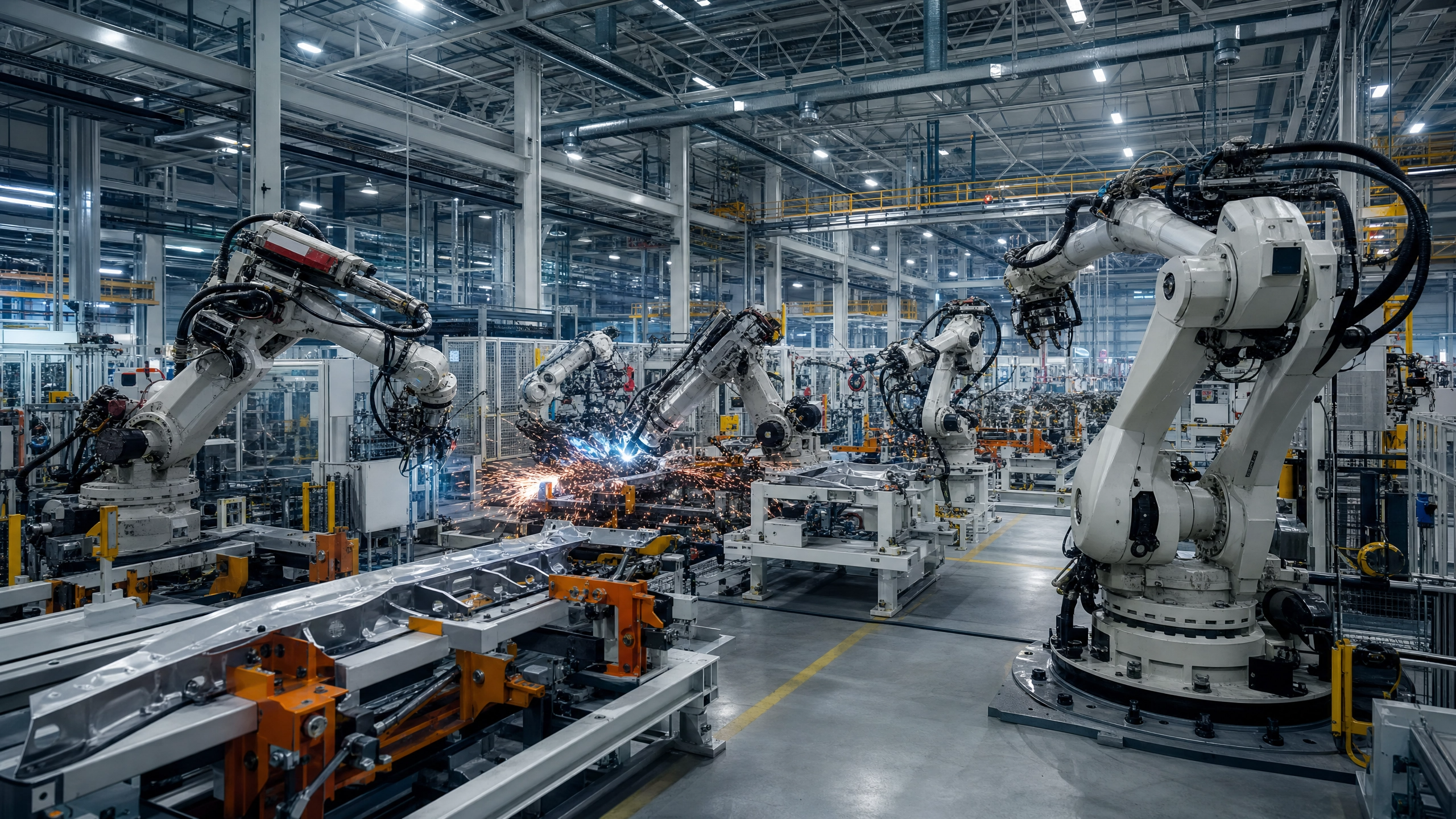
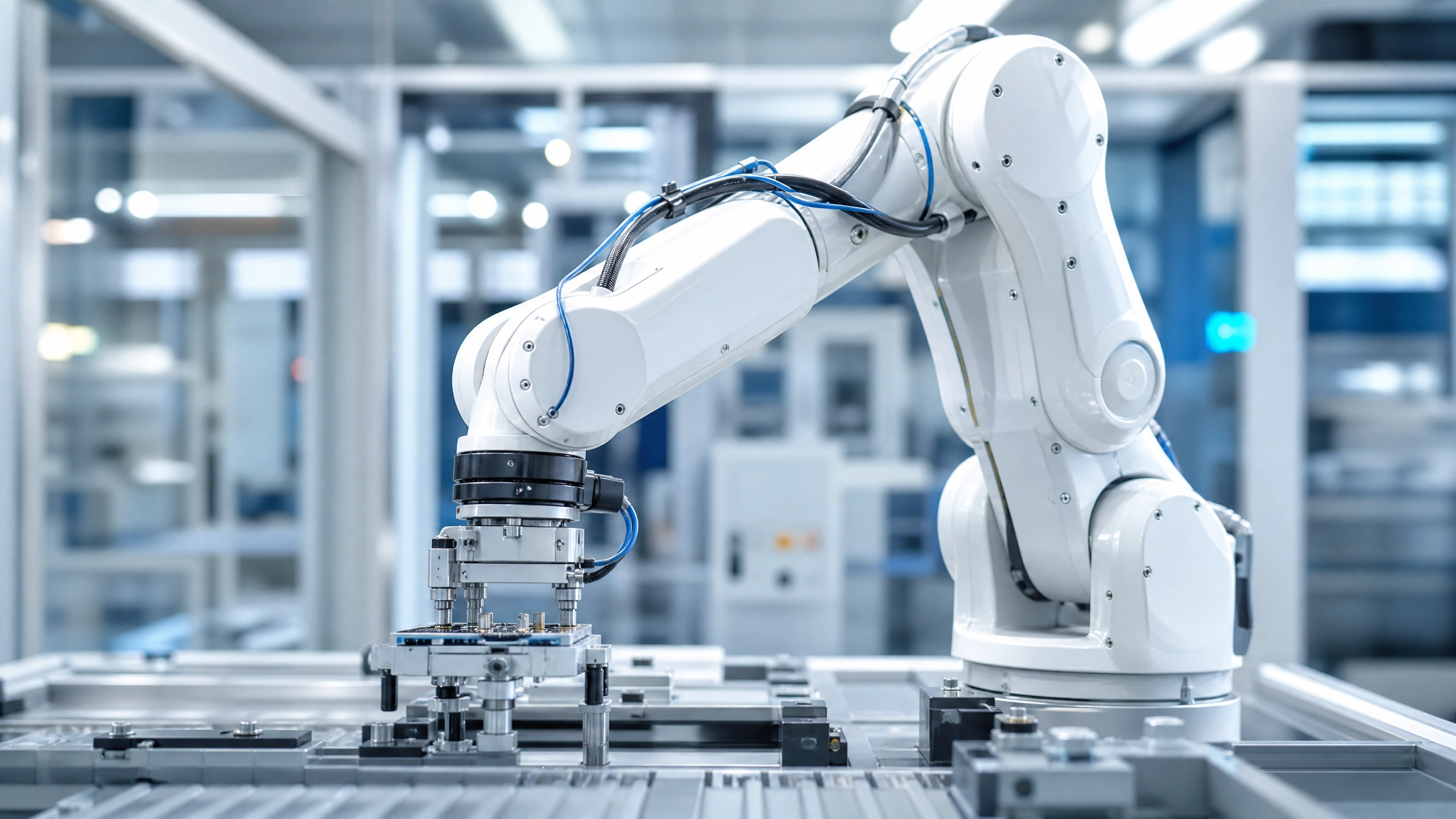
A comprehensive guide for business leaders and non-technical buyers on the mechanics, operational logic, and strategic ROI of industrial 6-axis robot arms, focusing on their role as versatile, programmable assets for reducing production variance.