News and analysis on Asia's robotics industry from our research desk.
Luxonis has launched the OAK 4 FFC, a board-level vision computer that connects up to five camera modules for humanoids and drones, pairing self-calibrating multi-camera perception with robotics-grade connectivity at startup-friendly prices.
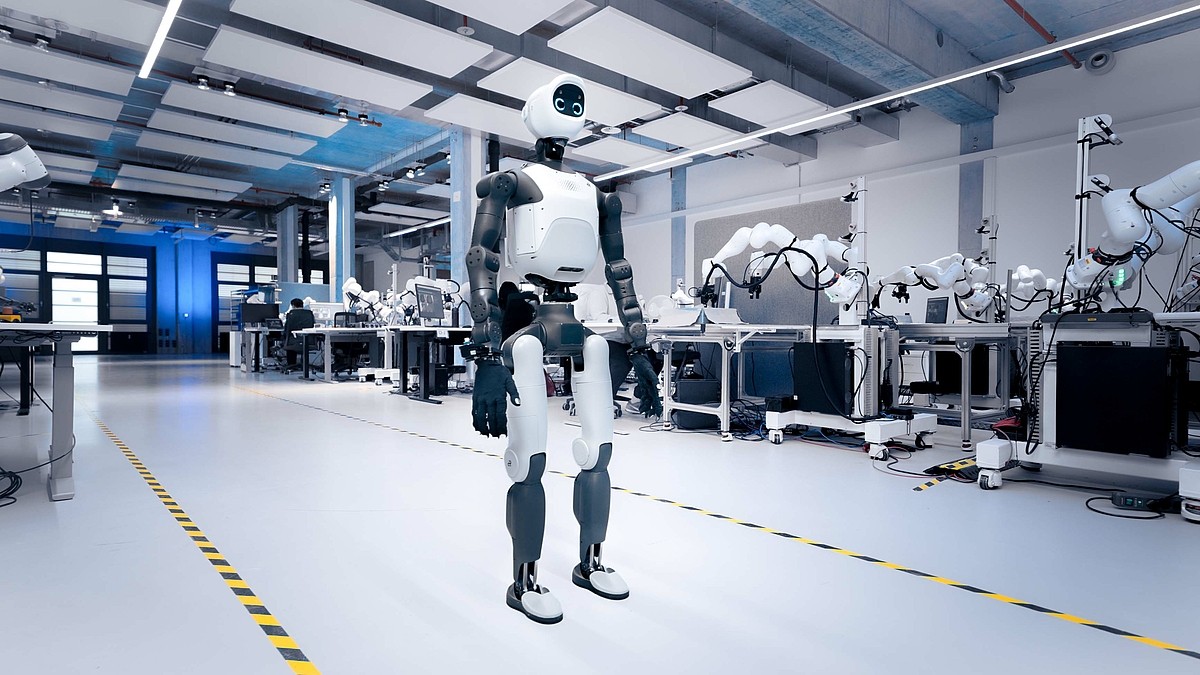
Electronic Times named Atlas mass-production suppliers. The companies have not confirmed the awards.
Beijing Humanoid's open robot dataset passed 50 million downloads, and the latest 10 million took 18 days.
Realbotix opened reservations for 250 planned Echo social robots. Hardware, metered AI plans and optional local vision have separate prices; U.S. delivery is expected in the second half of 2027.
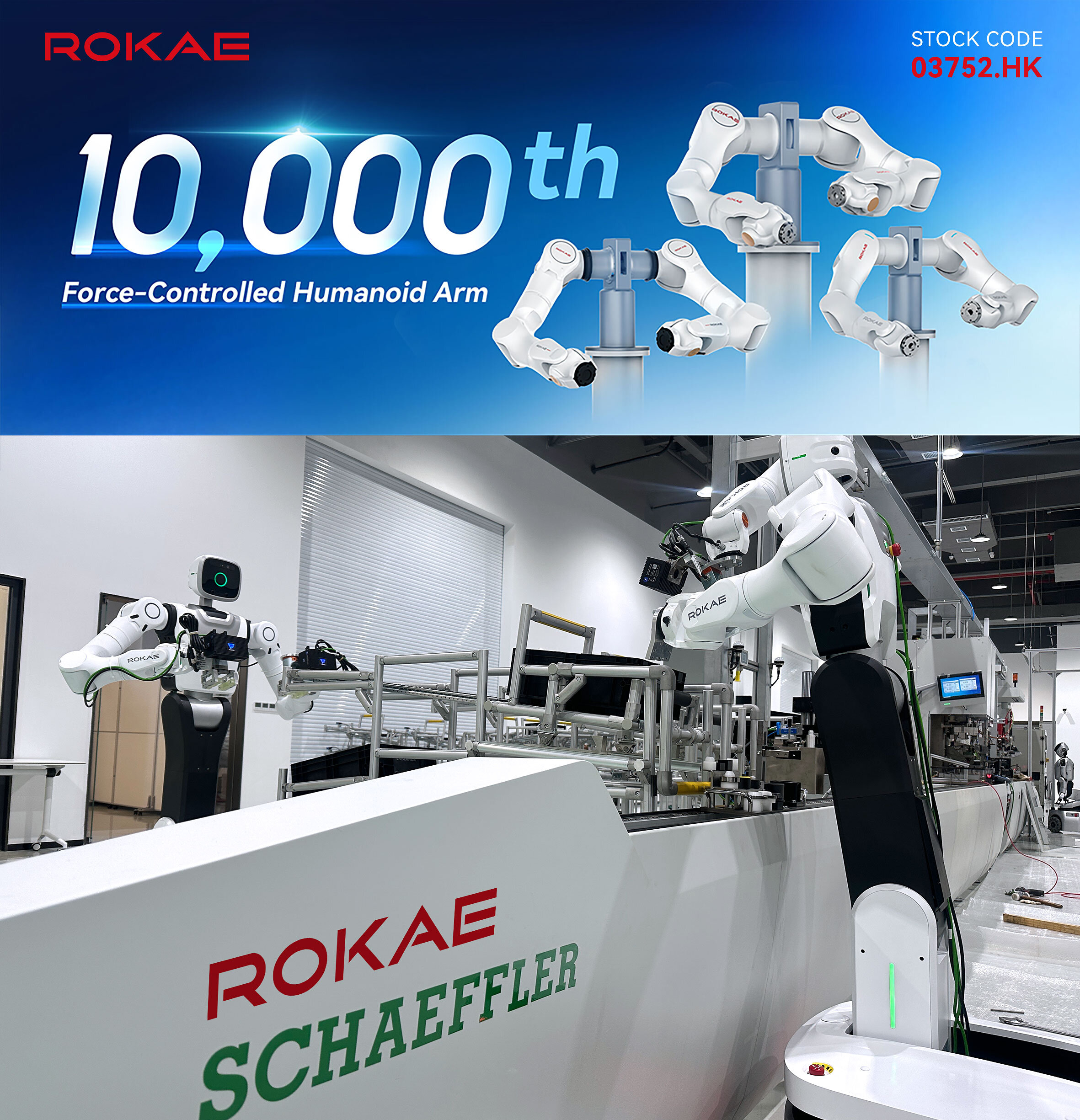
ROKAE has delivered its 10,000th humanoid force-controlled arm, with five of its Helios robots now assembling components inside Schaeffler's Taicang factory in China.
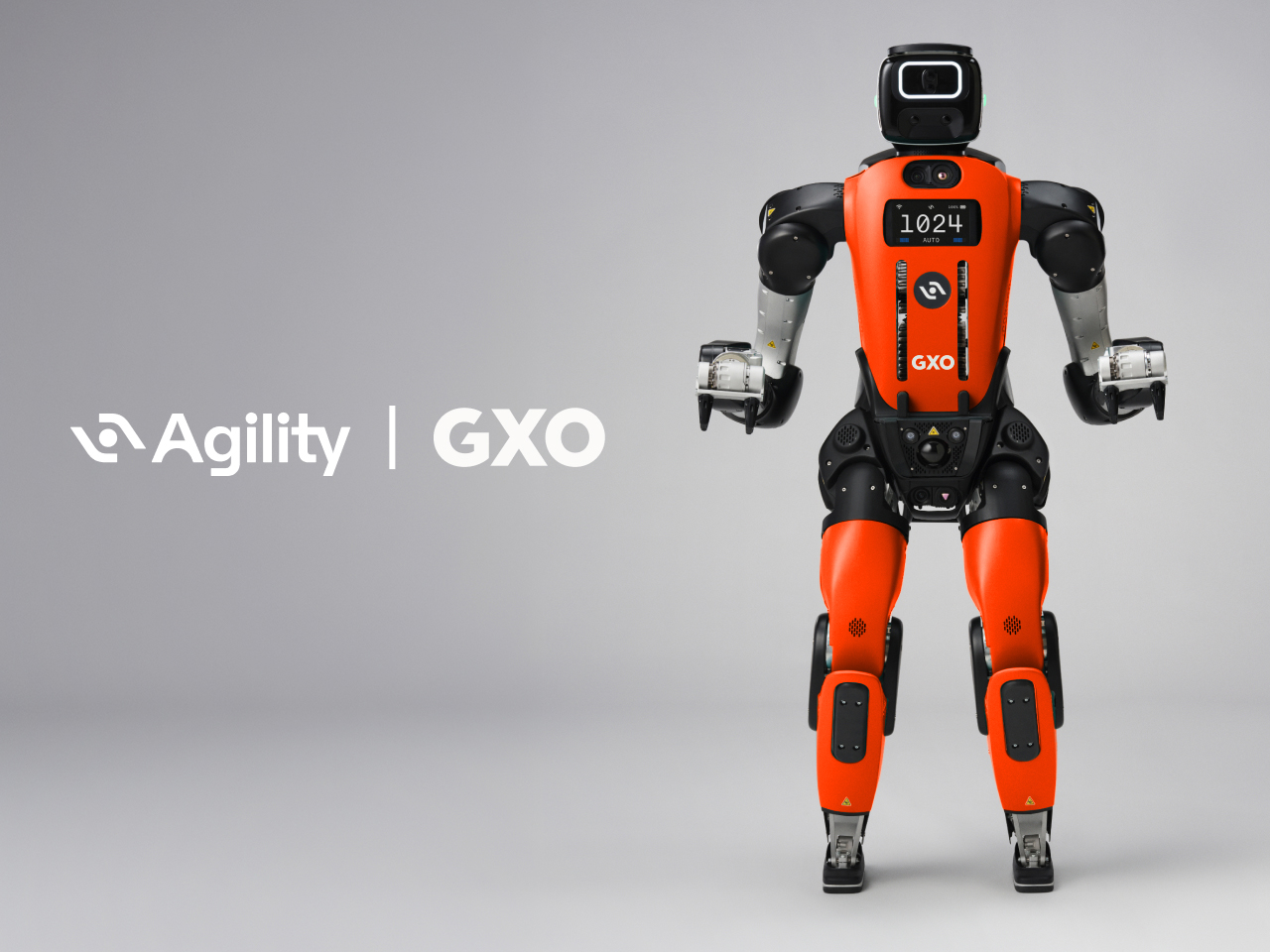
GXO and Agility Robotics are adding humanoid deployments at two U.S. warehouses, with a planned migration from Digit 4 to Digit 5 starting in 2027.
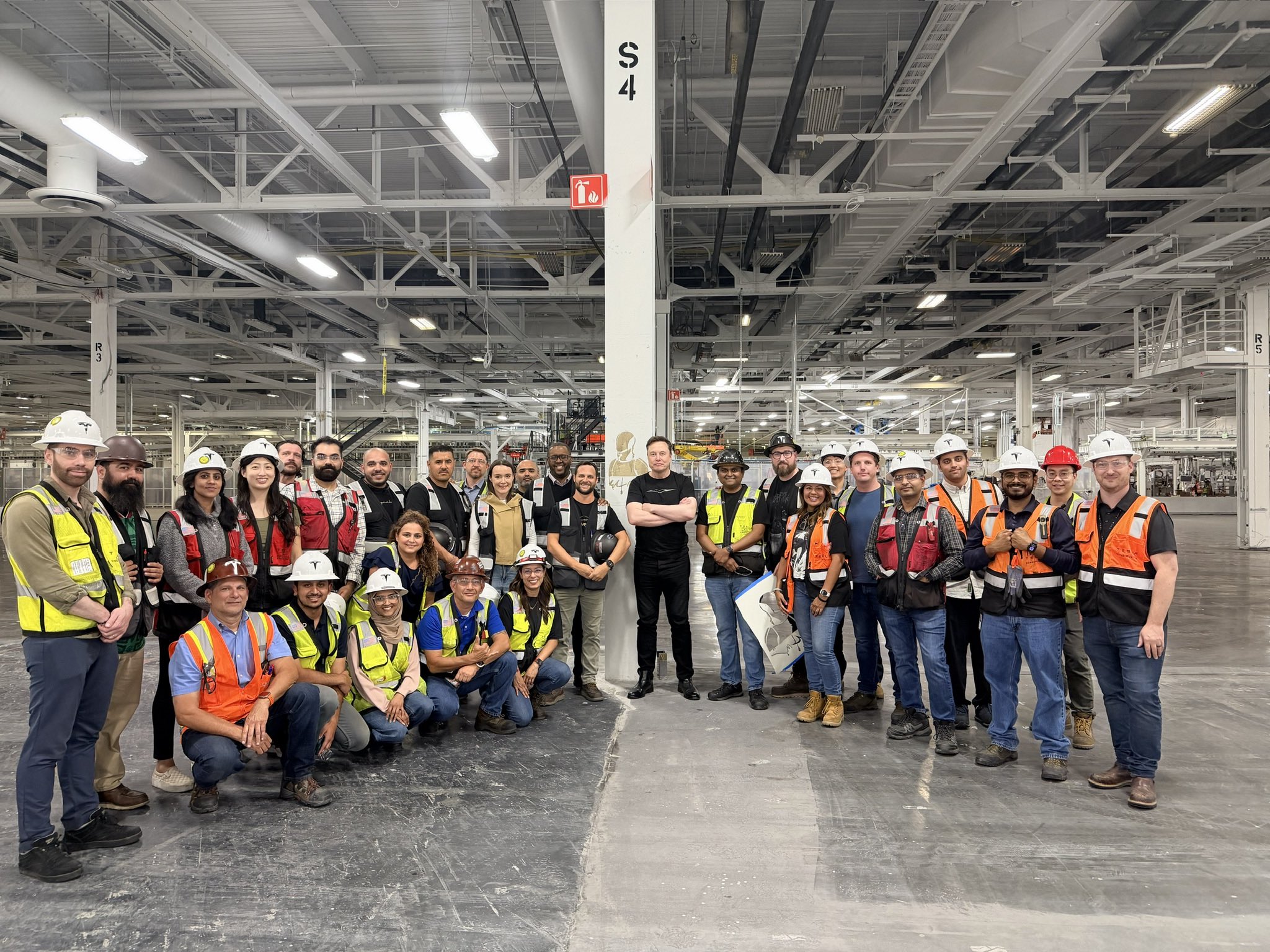
Tesla started building Optimus humanoid robots on a converted Fremont, California production line on October 21, 2026, the same day it reported Q3 net income down 43 percent to US$787 million on nearly flat revenue of US$28.04 billion. Executives called the ramp early and bumpy, with a target of 20,000 units per week by the end of 2027, a pace that would require compressing years of typical manufacturing learning curve into about fourteen months.
Wang Xingxing shortened his embodied-AI timeline to one or two years and defined success as about 80 percent of tasks in 80 percent of unfamiliar settings.
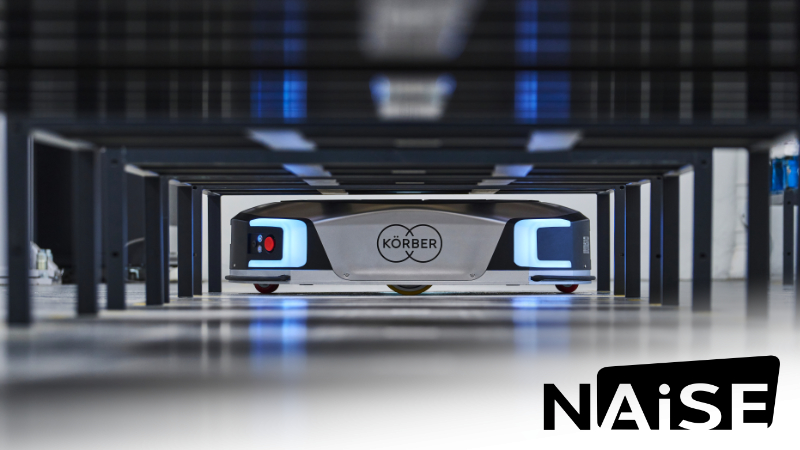
Korber announced on October 22, 2026, that it is taking a minority stake in NAiSE, a self-funded German fleet management software company whose platform coordinates AGVs, AMRs and manually driven industrial trucks from different manufacturers under one control layer. NAiSE's founders stay in operational management, and both companies say they plan to extend the vendor-neutral approach into new intralogistics use cases, including humanoid robotics.
Figure AI told employees its Figure 04 humanoid has reached design lock while CEO Brett Adcock disclosed a weekly data bill north of US$8 million and a plan to double compute capacity, teasing a Helix 3.0 model with no benchmark yet attached.
Three American robotics startups, Lightberry (Lumi), Tuesday Labs (Voxel) and Dynamic Creatures (Hugo), have each built humanoid products on top of Unitree's G1 chassis rather than engineering their own hardware, with varying degrees of public disclosure about the underlying platform. The pattern lets startups skip years of mechanical engineering but concentrates supply chain risk in a single Chinese supplier, a tradeoff this article examines through each company's own statements and a regulatory window that may be narrowing for modified foreign-made chassis.
A single day of NVIDIA GTC Berlin announcements shows European robotics firms building almost entirely on American chip platforms. Only the one deepest in American investment capital, Generative Bionics with AMD, called it sovereignty; the other seven building on NVIDIA's stack did not need to.