News and analysis on Asia's robotics industry from our research desk.
OrionStar Robotics unveiled a new line of compact commercial cleaning robots at Building Maintenance & Clean Expo 2026 in Tokyo, targeting narrow aisles and tight spaces that larger cleaning robots cannot reach.
Avride's trade-press milestone of one million U.S. robot deliveries has no traceable primary source, the opposite of Serve Robotics' SEC-filed count and Starship Technologies' dated newsroom figures, exposing an industry that has never agreed on what a completed delivery even is.
Sixteen new mobile robots launched in China in October 2026 as humanoid procurement bids fell 46 percent month over month, together mapping a market shifting toward narrower, purpose-built hardware over general-purpose platforms.
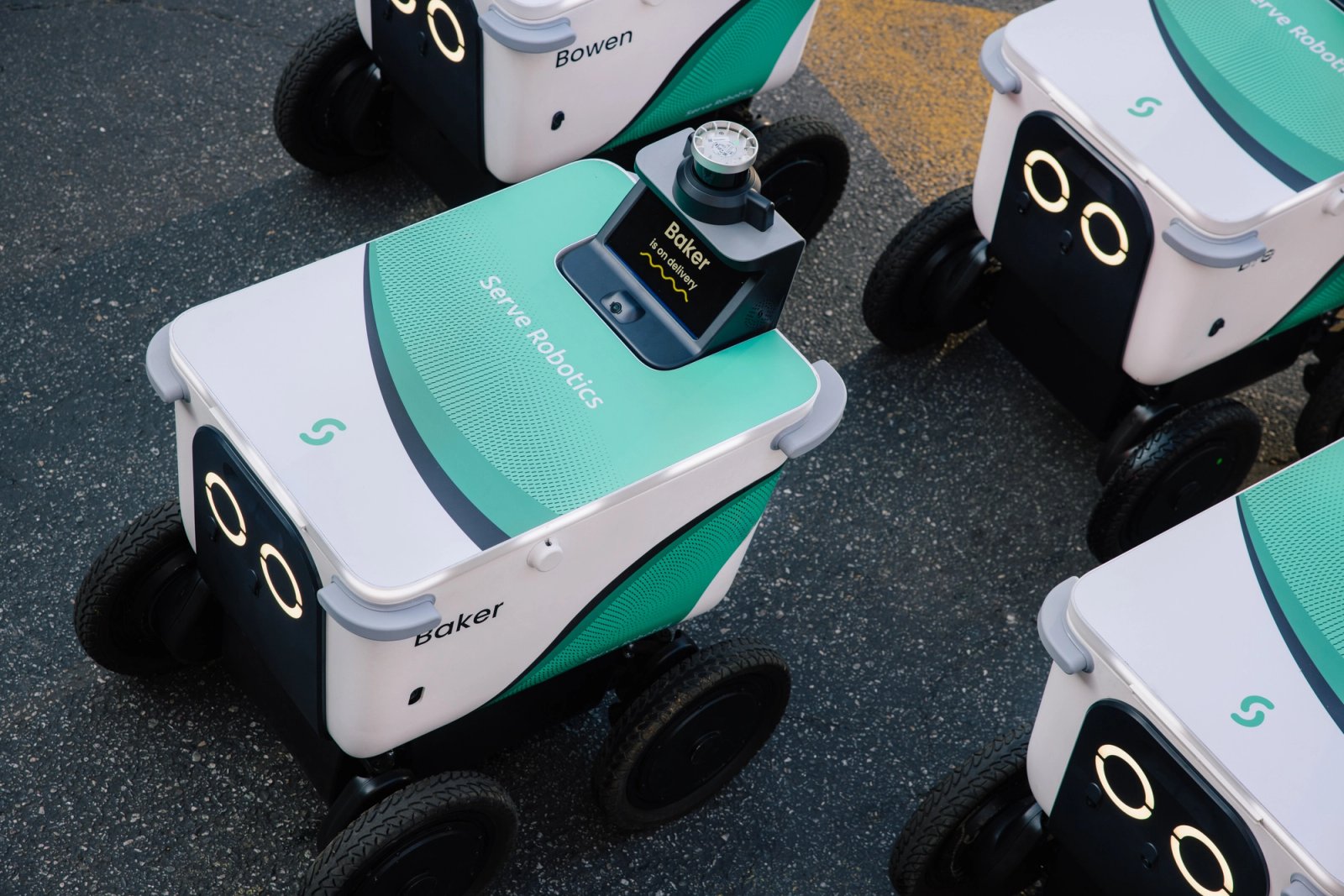
Serve Robotics is opening the connectivity and data infrastructure behind its sidewalk delivery fleet to outside robot makers, starting with a construction-site autonomy customer, as it looks for a second revenue line beyond food delivery.
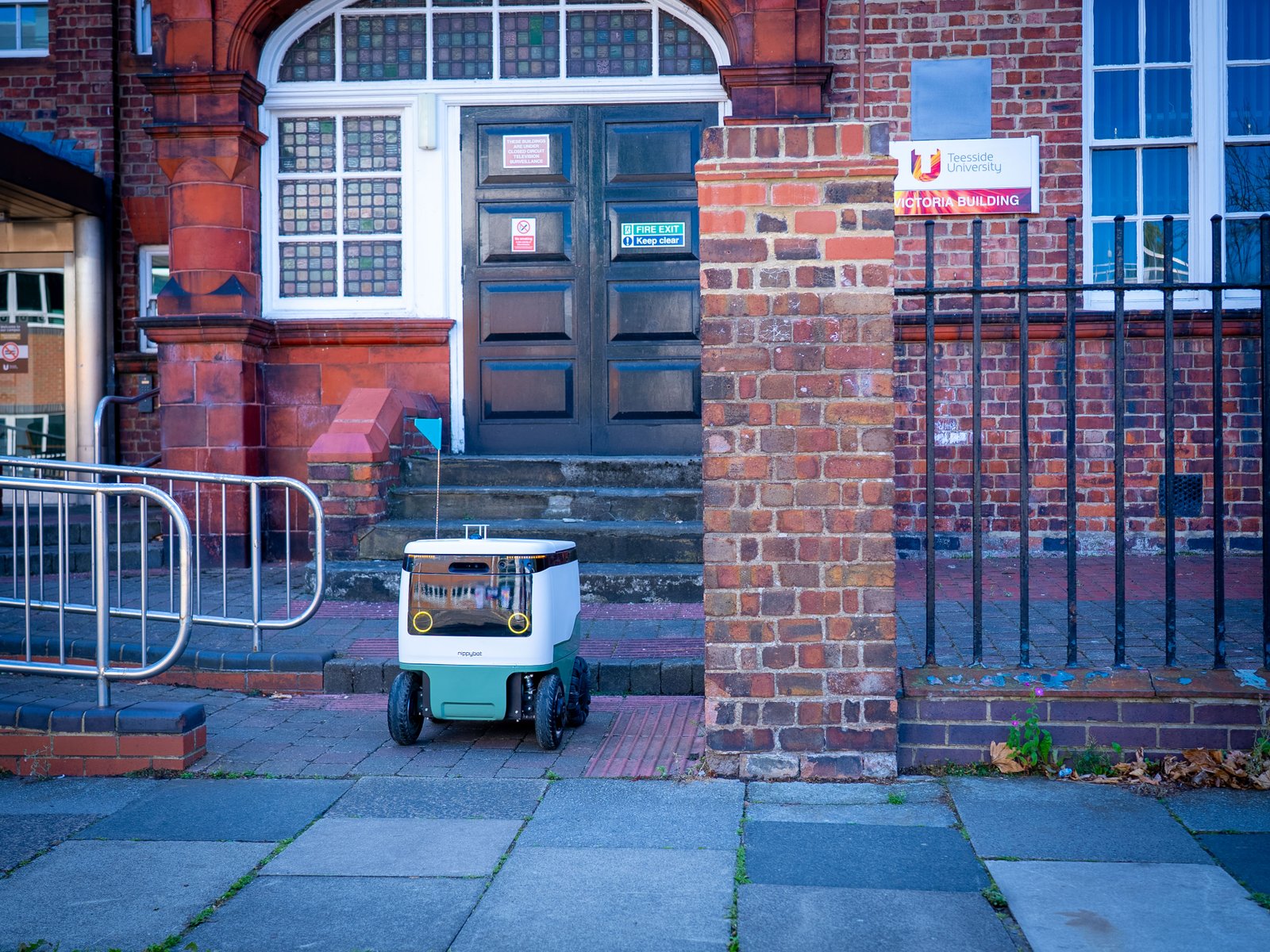
Middlesbrough startup Nippybot has closed an undisclosed angel round to expand its controlled-site delivery robot beyond its Teesside University test deployment, though it has not named investors or disclosed terms.
Luxonis has launched the OAK 4 FFC, a board-level vision computer that connects up to five camera modules for humanoids and drones, pairing self-calibrating multi-camera perception with robotics-grade connectivity at startup-friendly prices.
FORT Robotics, the Philadelphia-based safety infrastructure company behind the Wireless E-Stop Pro, secured approximately US$20 million in new commitments on October 22, 2026, split between a Tiger Global-led financing and a PIPE tied to its pending business combination with Newbury Street II Acquisition Corp. The combined company, expected to list on Nasdaq as FROB, has more than US$50 million in committed combination capital and serves over 600 customers including Agility Robotics, Zoox and Google DeepMind.
Two former colleagues in Nvidia's robotics orbit are debating when robotics gets its 'ChatGPT moment.' Four unrelated events from the same week, a Micron earnings call, a Chinese technical standard, a Symbotic acquisition, and a Hong Kong training ground, suggest the debate itself is asking the wrong question.
A new CMRA industry report finds that 20 mega-rounds captured 93% of the roughly US$1.19 billion raised by mobile robotics companies through Q3 2026, with Hong Kong IPOs supplying 40% of all disclosed funding.
NVIDIA's October 14 announcement of a US$250 million, five-year commitment to UK AI safety research is a compute donation, not cash, routed through NVIDIA's own Cloud Partners and reference tools to labs at Oxford, UCL, and Imperial College London whose work explicitly covers robotics and physical AI safety. This column argues that funding safety research with the donor's own infrastructure, rather than cash, creates a structural dependency that cash grants do not, and that no government has yet set a precedent requiring multi-vendor compute diversity before accepting this kind of in-kind AI safety donation.
Orbbec unveiled its compact 24-channel MH24 LiDAR at the Canton Fair, targeting lawnmowers, delivery robots and AMRs. Its integration claims still require robot-level acceptance testing.
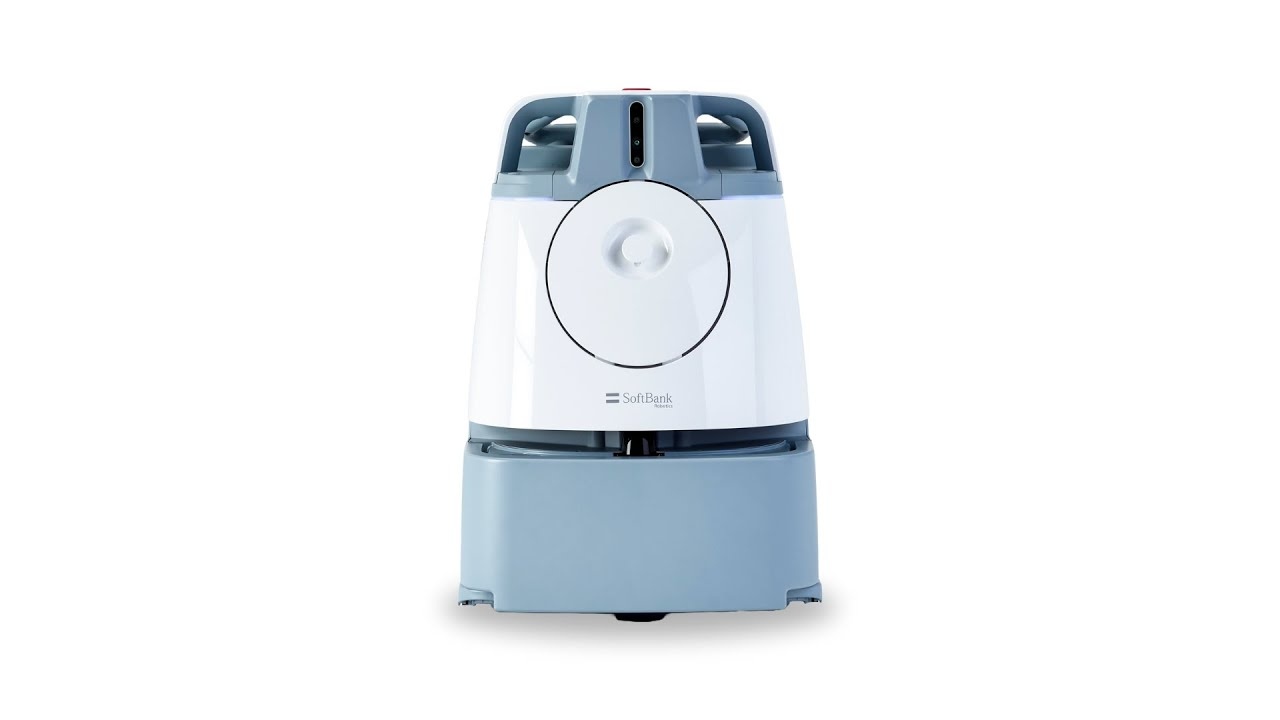
SoftBank Robotics Singapore and SJ Integrated Solutions signed an MoU to jointly build software that manages service robots as part of everyday building operations, piloting first at SJ Campus in Singapore.