News and analysis on Asia's robotics industry from our research desk.
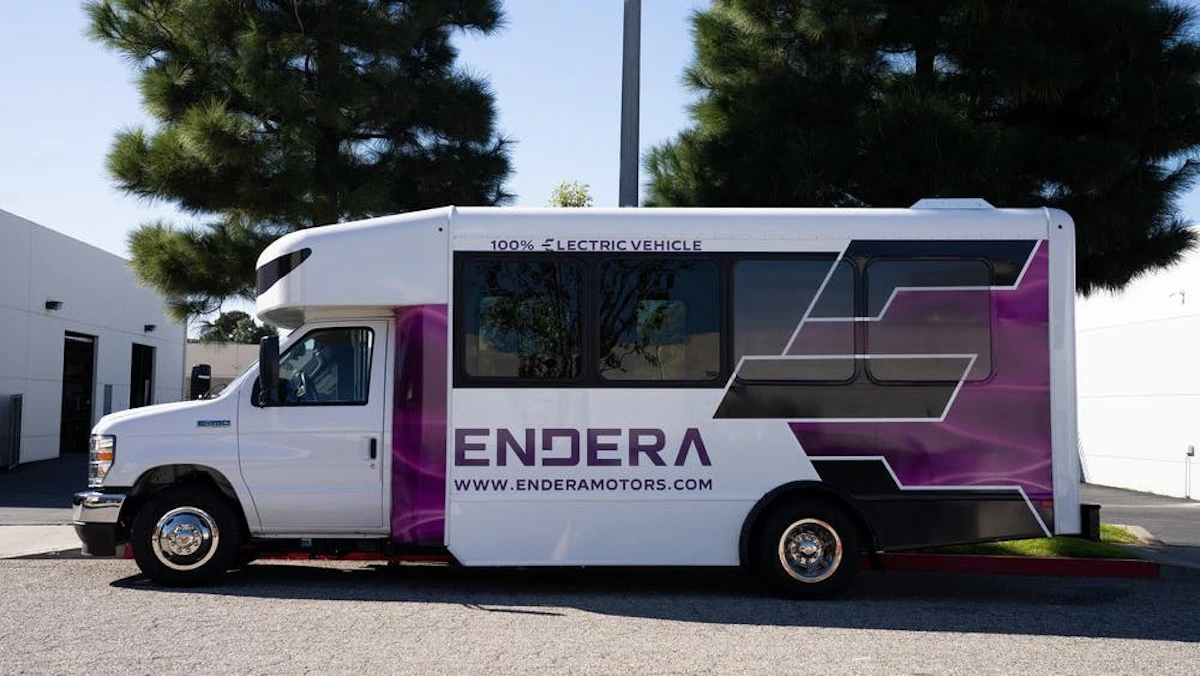
Imagry and Endera will sell what they call the first Buy America-compliant autonomous buses and shuttles, letting transit agencies tap federal funds without a Buy America waiver.
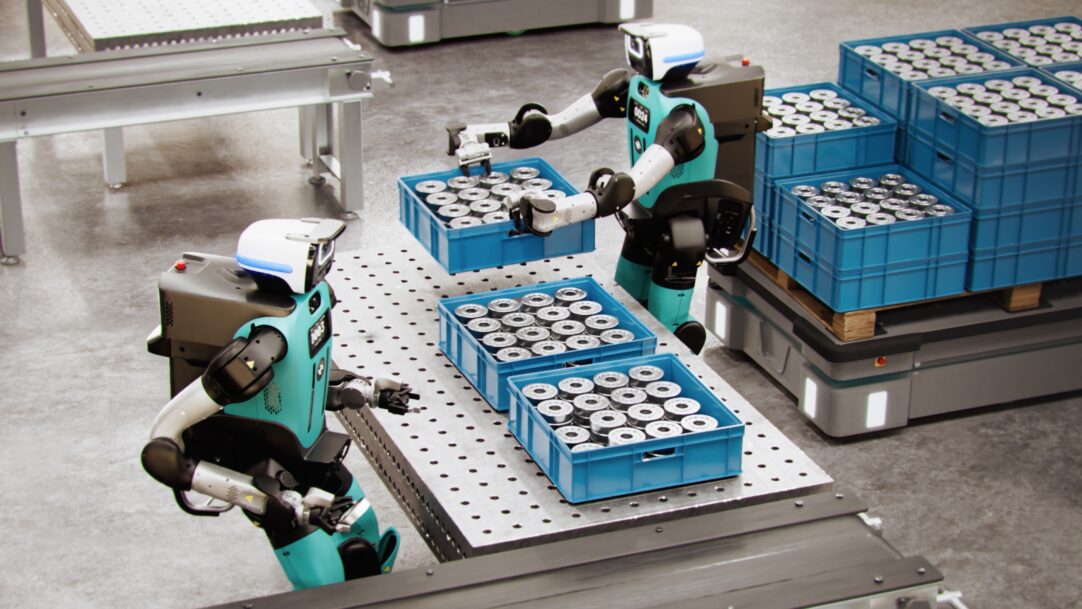
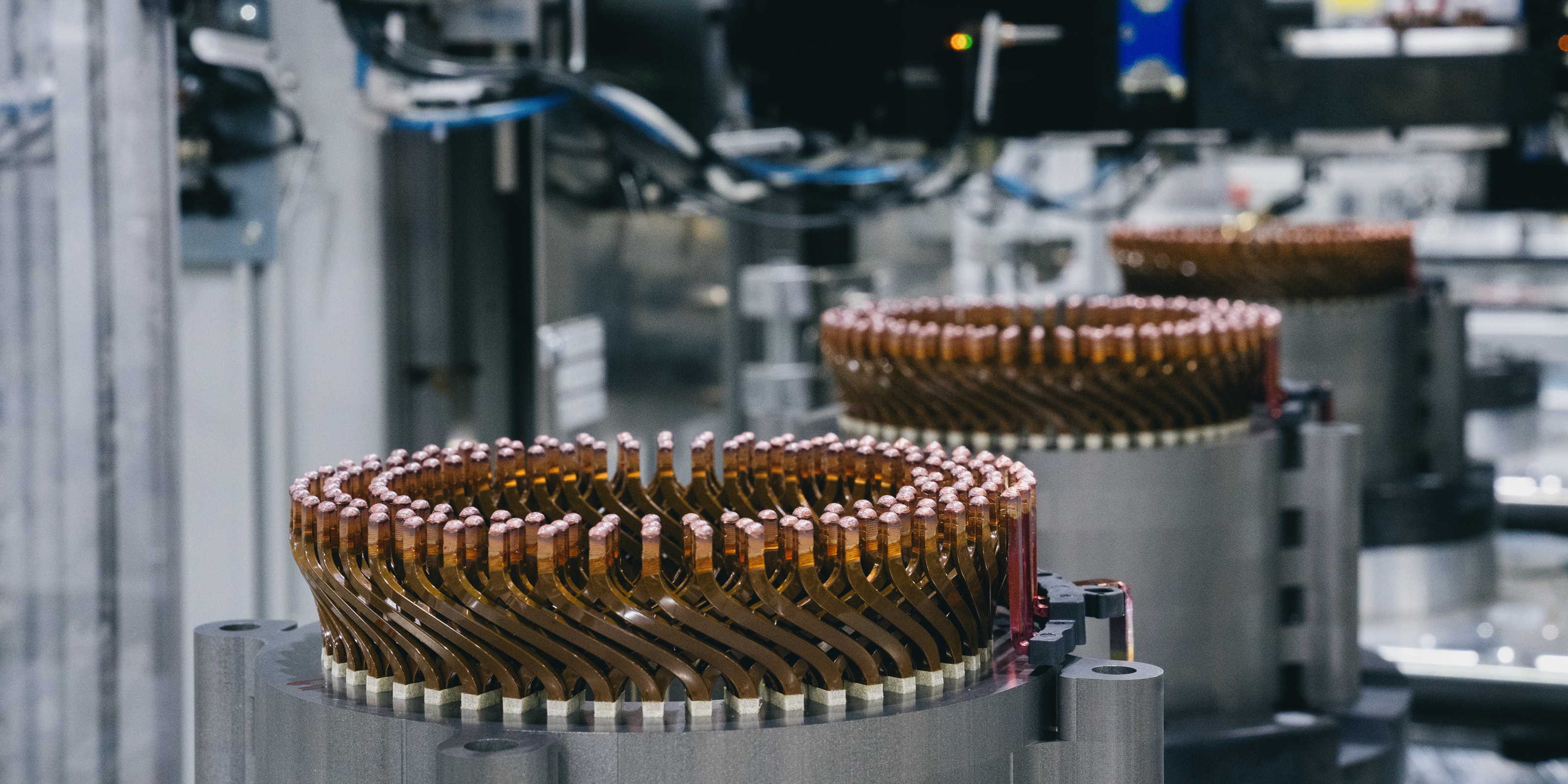
IDTechEx forecasts the humanoid robot battery market growing to US$850 million by 2037, arguing swap-pack demand, not robot unit counts, will drive most of that growth as Agility, XPENG, and Figure pursue three different battery strategies.
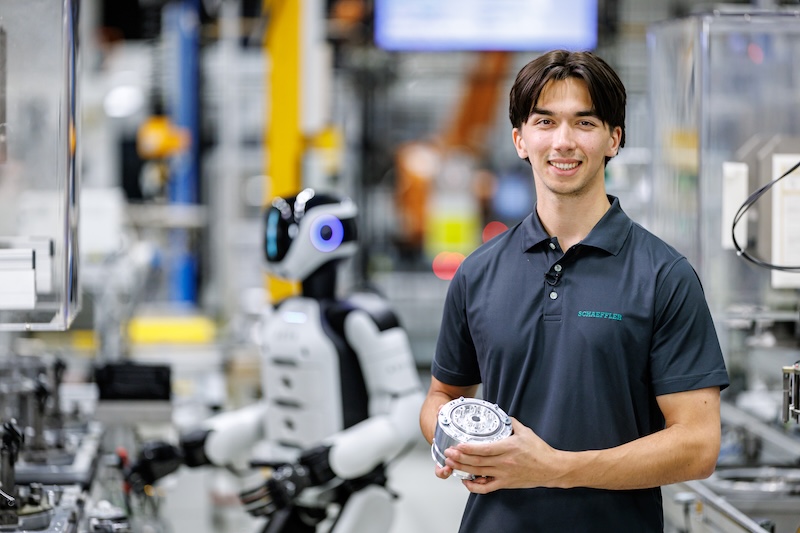
Schaeffler disclosed a net 3,460 job cuts across Europe alongside nine-month results showing its humanoid robotics order book has grown to about €400 million, with the company naming robotics and defense as growth areas to offset the reductions.
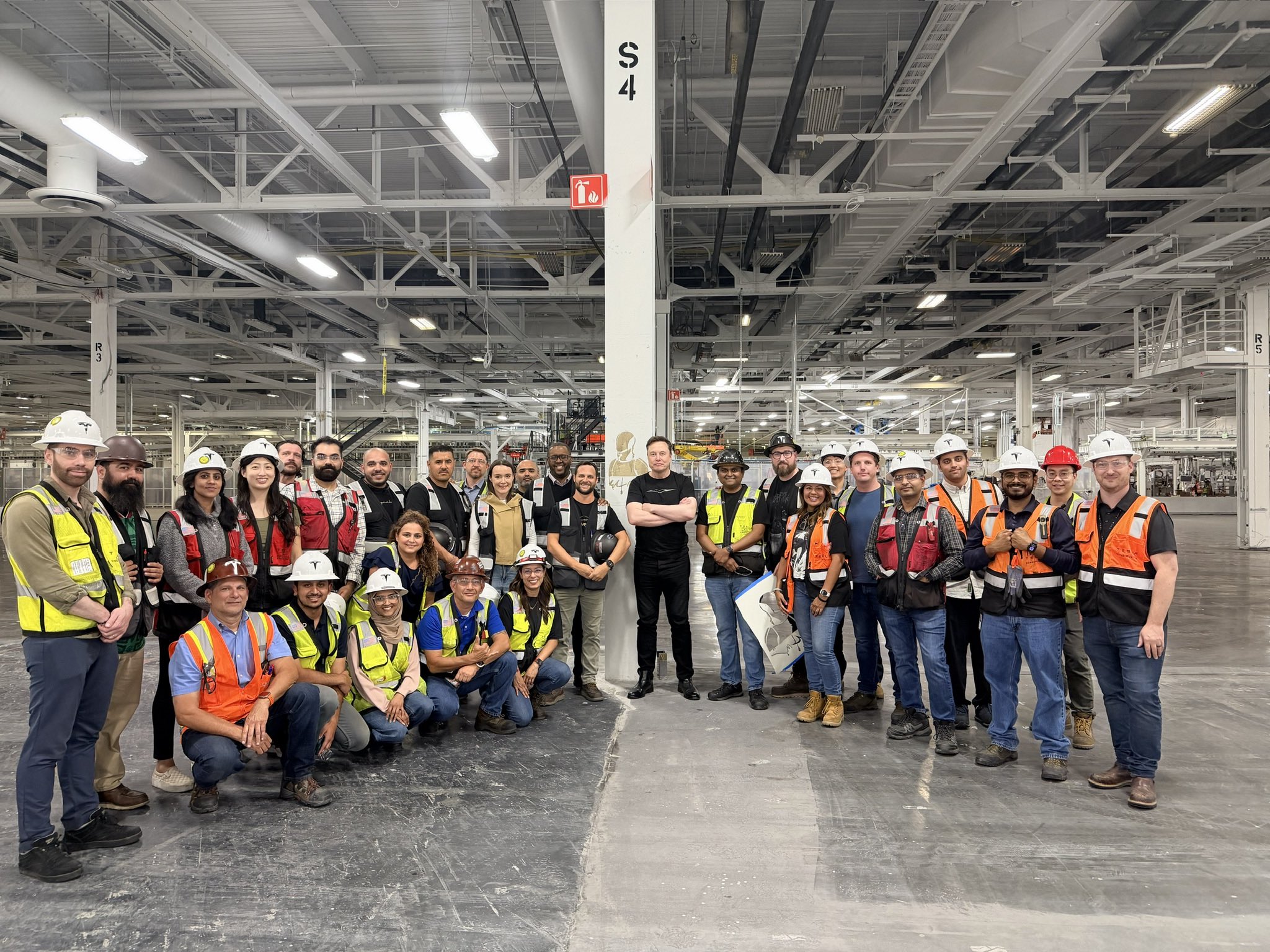
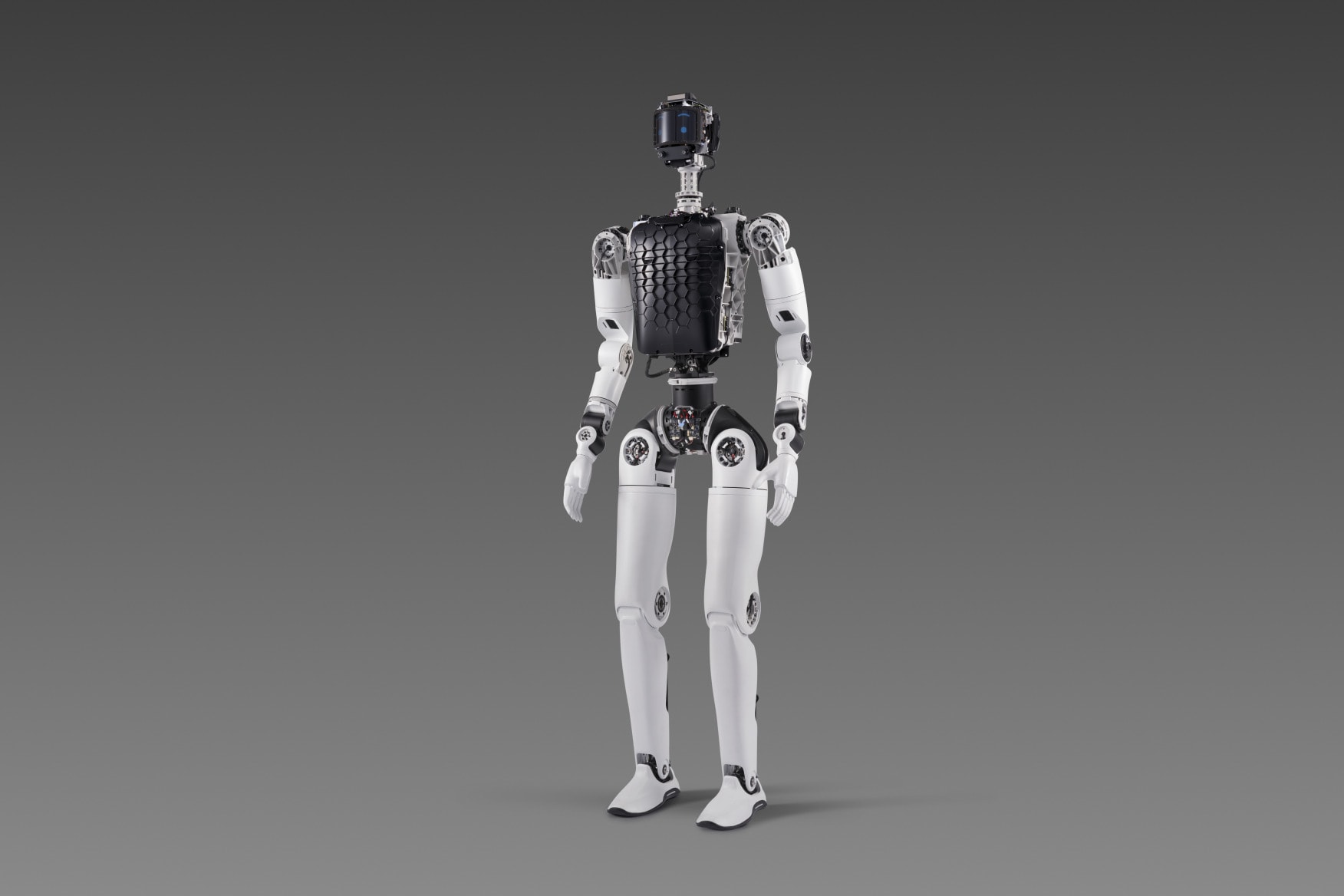
Tesla started building Optimus humanoid robots on a converted Fremont, California production line on October 21, 2026, the same day it reported Q3 net income down 43 percent to US$787 million on nearly flat revenue of US$28.04 billion. Executives called the ramp early and bumpy, with a target of 20,000 units per week by the end of 2027, a pace that would require compressing years of typical manufacturing learning curve into about fourteen months.
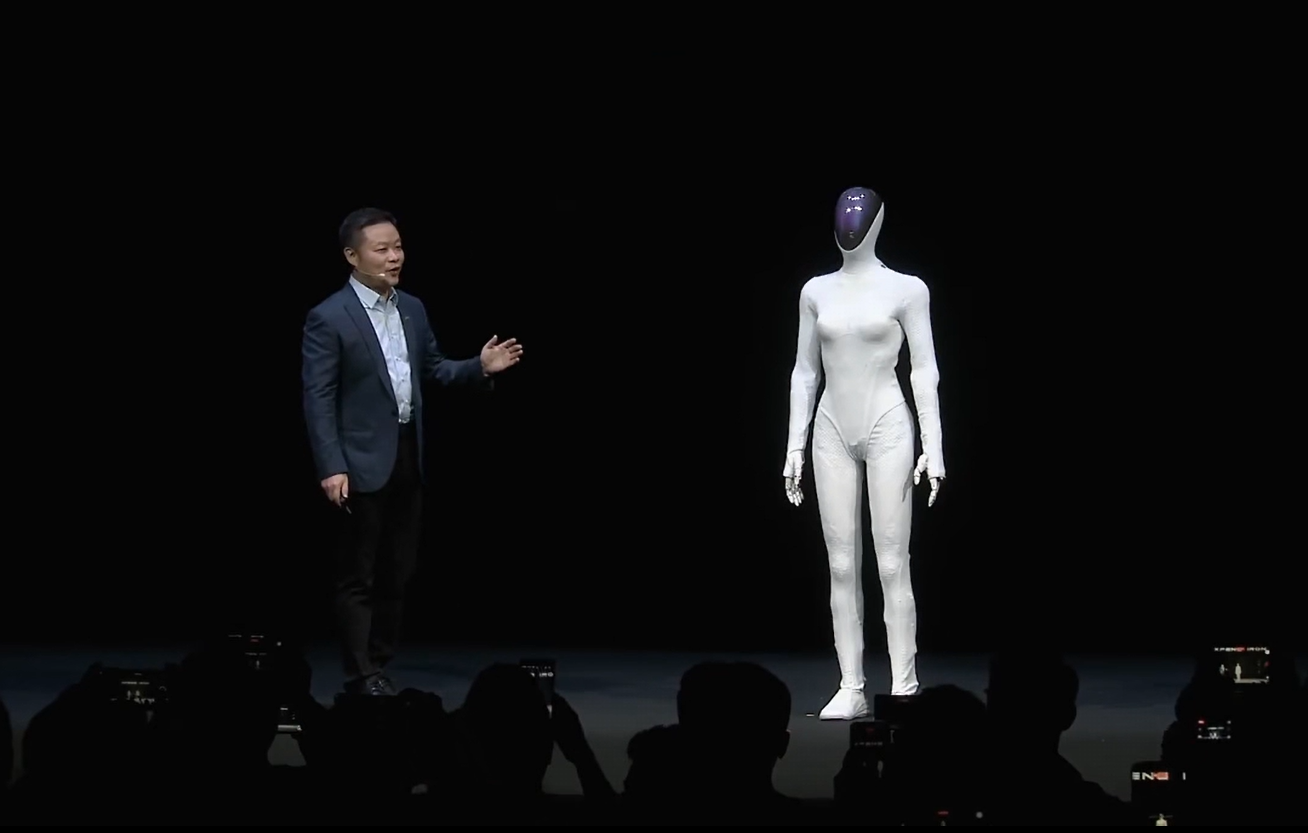
XPeng demonstrated a gesture-interaction test in which its IRON humanoid re-evaluates visual input every 0.2 seconds, switching between a handshake, fist bump, and high-five, though the company has not disclosed end-to-end response latency or success rates.
Noetix Robotics, the Beijing-based maker of the sub-US$1,400 Bumi humanoid, has confidentially filed for a Hong Kong IPO seeking several hundred million US dollars, Bloomberg reported on October 22, 2026, with a listing possible as early as 2027. The company raised 1 billion yuan in March 2026 in a round led by a CATL-affiliated investment platform, and would join a crowded 2026 field of Chinese robotics IPO filers including Excelland, RoboTechnik and YOUIBOT.
Mind Robotics, the industrial robotics venture Rivian CEO RJ Scaringe founded alongside his car company, named former Ford, Apple and Tesla engineering executive Doug Field as president, signaling a move from research into scale-up with Rivian as its first customer and live training environment.
China's October 9 "New Quality Productive Forces" policy splits robotics into near-term and future-industry tracks, subsidizing both manufacturer R&D and buyer adoption while the NDRC warns against the same overbuilding that hit solar, battery, and EV sectors.
Itochu and Aioi Nissay Dowa are jointly developing an insurance product for driverless taxi operators, targeting US sales by fiscal 2027, as robotaxi fleets scale faster than insurance built for autonomous risk.
Seven weeks after the FCC added foreign-made robots to its national-security Covered List, the only two device families cleared for exemption are a Swedish lawn mower maker and an Indian warehouse-robot startup, not the Chinese humanoid producers the rule is widely assumed to target, exposing a gap between the policy's framing and its actual early effect on buyers and vendors.
Faraday Future unveiled nine new robots and opened sales of its US$89,900 Futurist humanoid at a September 19 launch event, its clearest bid yet to prove a decade-long pivot from failed EV maker to robotics vendor can work.
Horizon Robotics shipped its 15 millionth Journey smart-driving chip into a FAW-Volkswagen ID. AURA T6, with data showing it now holds over 50 percent of China's domestic ADAS chip market.