News and analysis on Asia's robotics industry from our research desk.
Beijing-based Zhongke Fifth Era (FIVEAGES) said on November 24 that its Jiling wheeled humanoid obtained a full EU industrial CE set from SGS, including machinery, radio, EMC, ISO 13849 functional safety and EN 18031 cybersecurity, plus collaborative-safety evaluation that the company says allows fence-free work in European plants.
Four months after its Hong Kong Stock Exchange debut, ROKAE Robotics has started work on a parallel mainland listing, as its shares drift back near their issue price and its humanoid-arm segment grows revenue fast on thin margins.
Nine robotics companies announced funding rounds between November 16 and November 22, 2026. The largest disclosed round was more than US$27 million for Arcanus Aerial Systems. This week's funding highlights a strong focus on embodied AI, humanoid robot components, and medical robotics, alongside inv
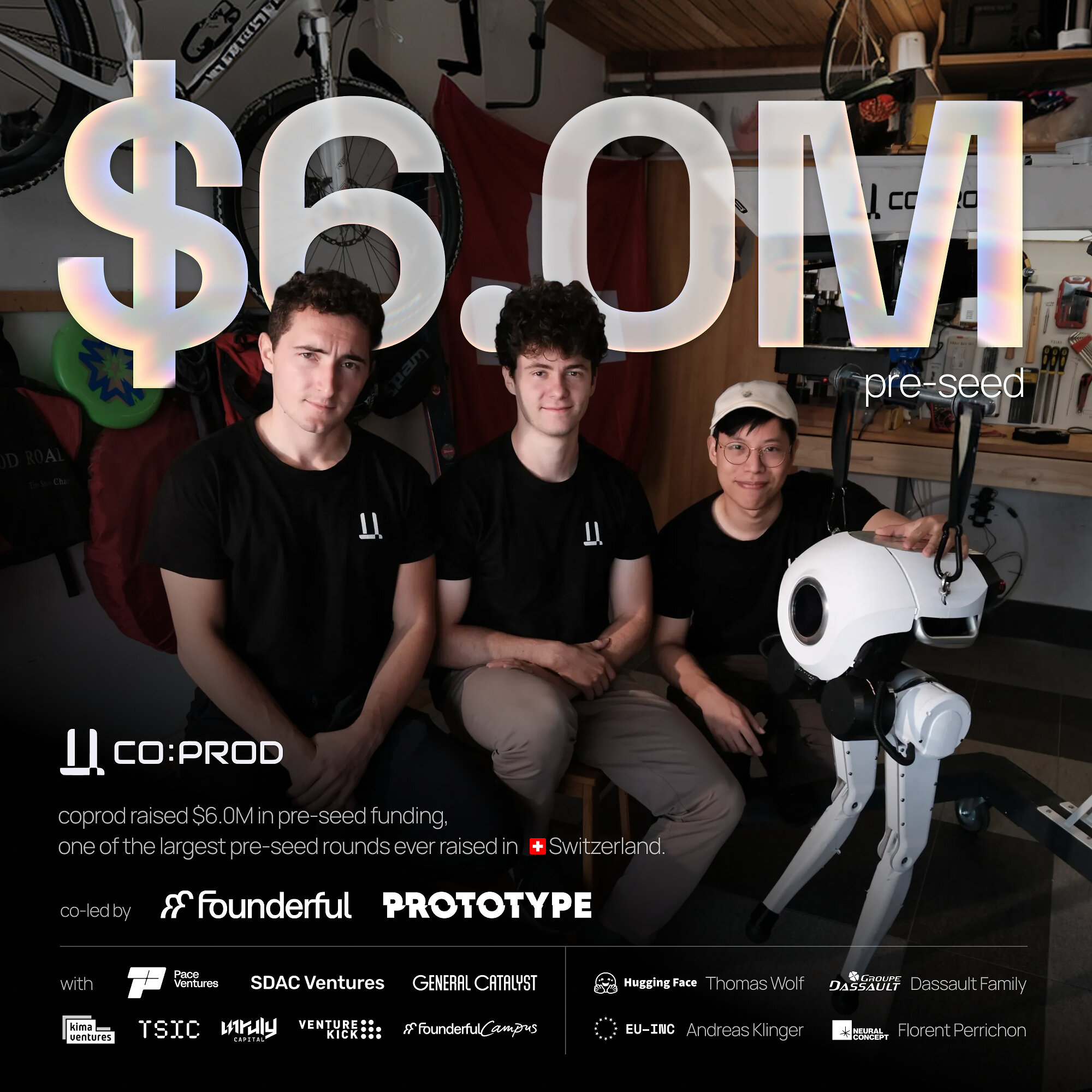
Lausanne-based coprod closed a US$6 million pre-seed round led by Founderful and PROTOTYPE to sell modular, EtherCAT-based robot hardware that cuts the cost and time of rebuilding robot components after a prototype fails.
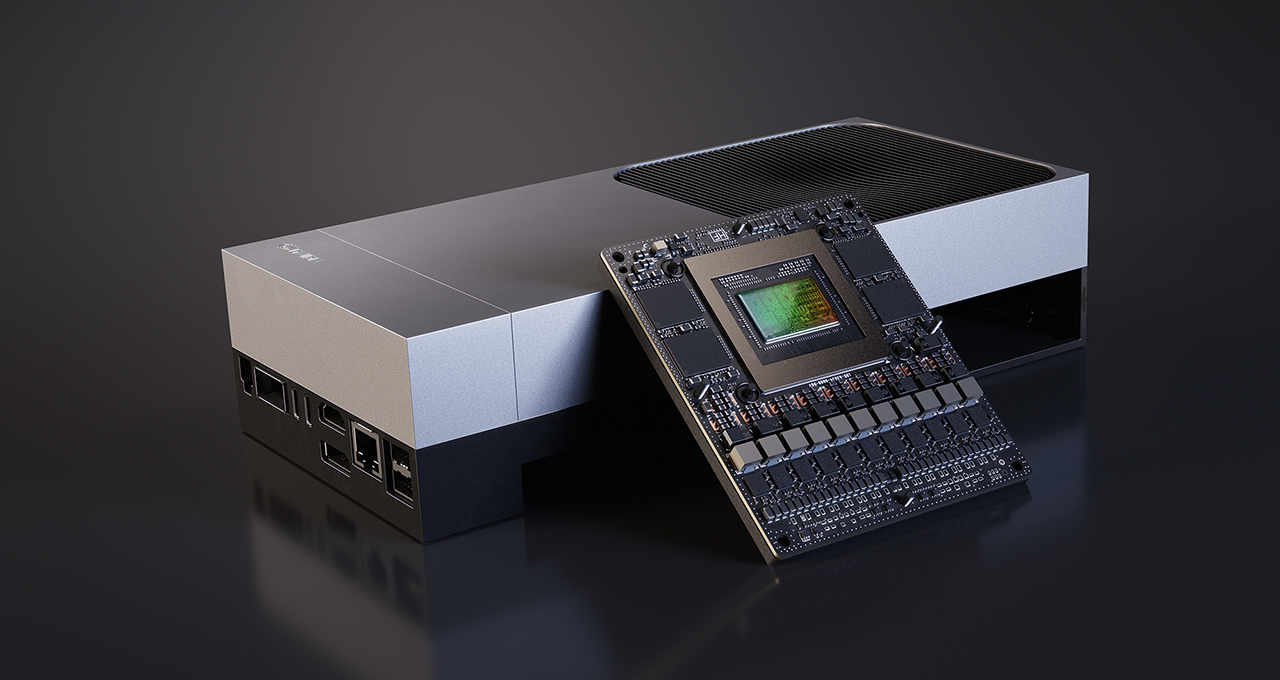
NVIDIA's board voted unanimously to reinstate Jensen Huang as president and CEO after an 11-day gap tied to a national security inquiry, while standing up a permanent export-control oversight committee that robotics buyers should watch more closely than the leadership vote itself.
A US$60.7 billion robotics investment figure for 2026 has been circulating in trade coverage, credited to F-Prime Capital's State of Robotics report. The only document F-Prime has actually published says something different, and two other major trackers, ABI Research and Crunchbase, each report their own, entirely different totals.
OpenAI's November 2026 decision to fold its robotics team into its research organization is the third reorganization of that effort in six years, not the vote of confidence the company's own statement claims. This column traces the 2020 wind-down, the 2024 rebuild via a Figure partnership that Figure itself ended in 2025, and argues the real lesson is for buyers: a model lab's commitment to robotics is a diligence question, not a given.
A Beijing simulation-engine developer and a Shanghai-incubated data platform say China's race to collect robot training data is producing volume, not usability, and most of it fails on contact with real hardware.
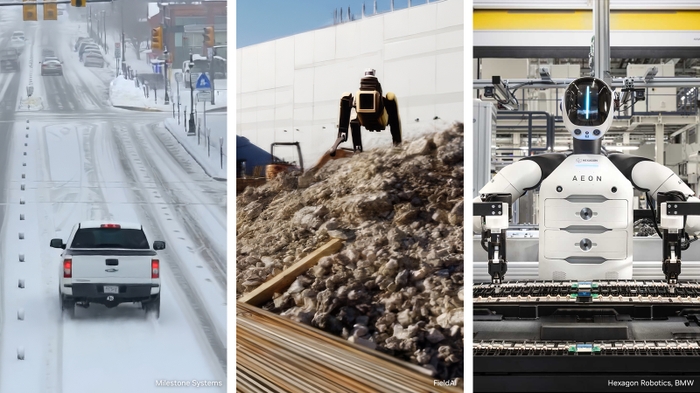
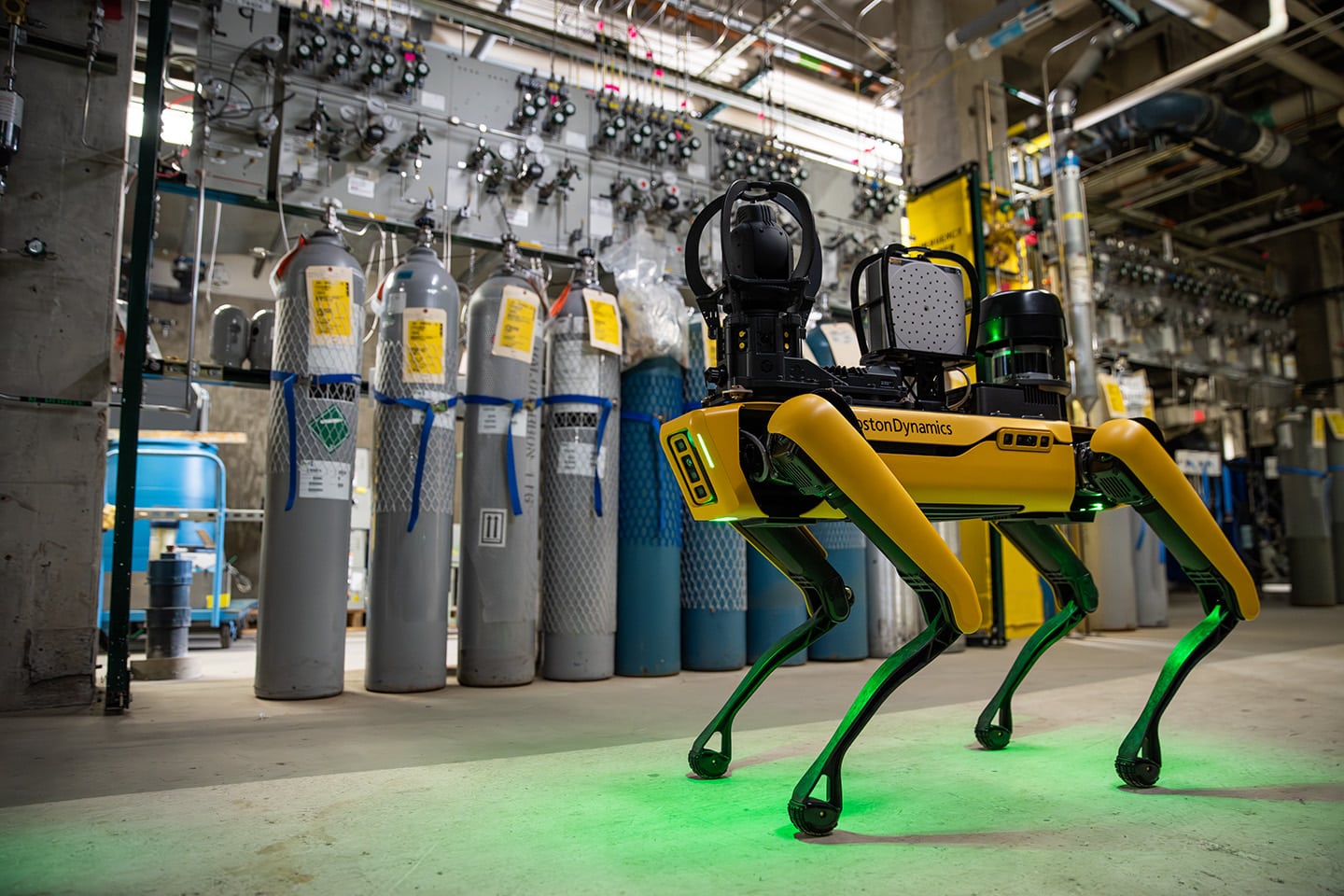
A new Boston Dynamics deal expands Spot's chip-fab inspections and sets up 2027 Atlas testing at GlobalFoundries, but neither robot has been let anywhere near the cleanroom floor where wafers actually move.
Beijing has hit Japan's tourism, seafood, and rare-earth trade over Taiwan, but Chinese service-robot makers OrionStar, Pudu, Keenon, and Unitree keep expanding in Japan unimpeded, a carve-out that tracks whose revenue is at stake, not diplomatic symbolism.
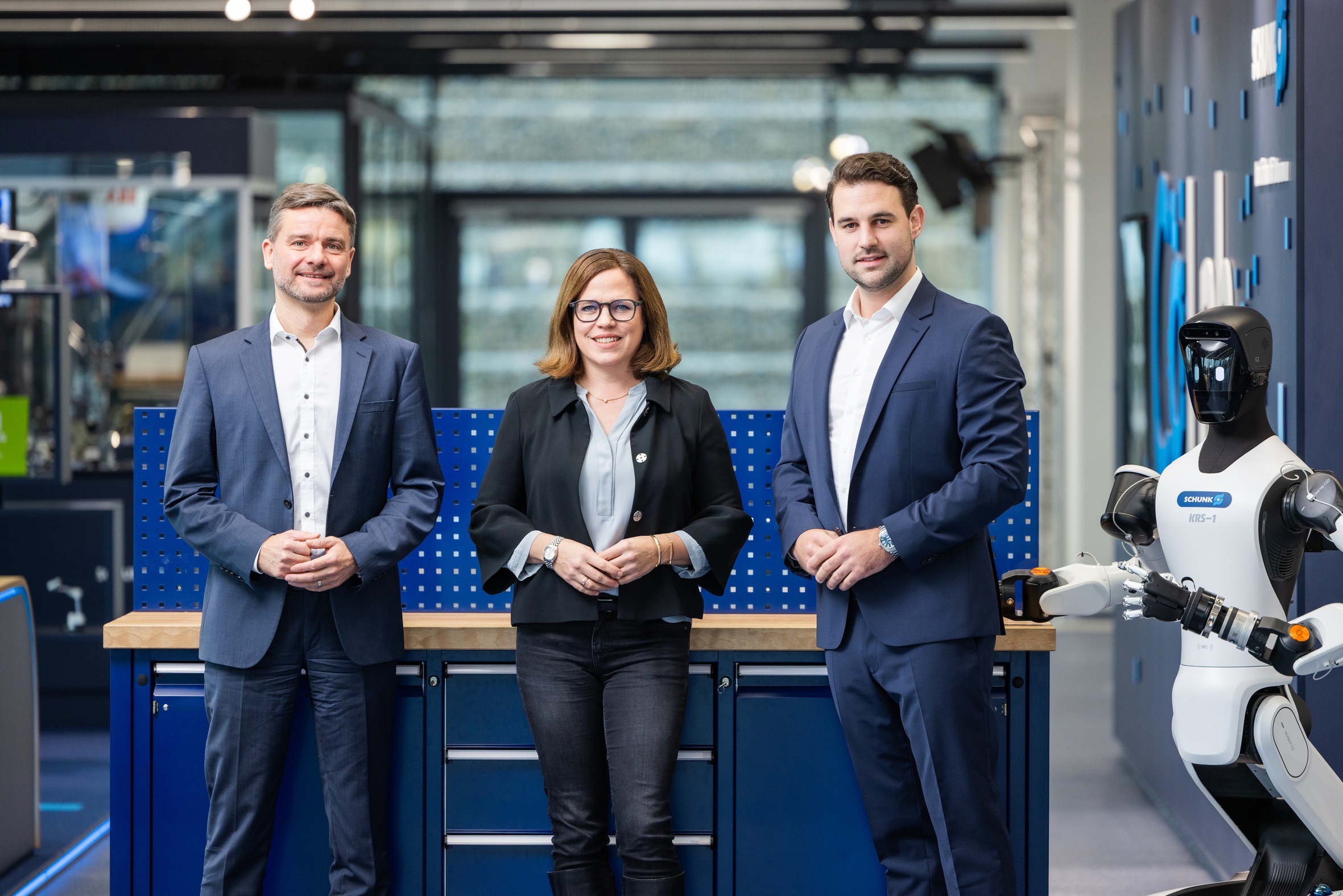
SCHUNK renamed its humanoid robot-hand spinoff TACTILIA Robotics, betting Europe can supply the one component most humanoid makers still build in-house.
Genesis AI just raised US$500 million and Schunk spun off its gripper business into its own company. Both bets say the same thing: the real fight in humanoid robotics is over the hand, not the whole robot, and buyers signing multi-year contracts are about to feel the difference.