News and analysis on Asia's robotics industry from our research desk.
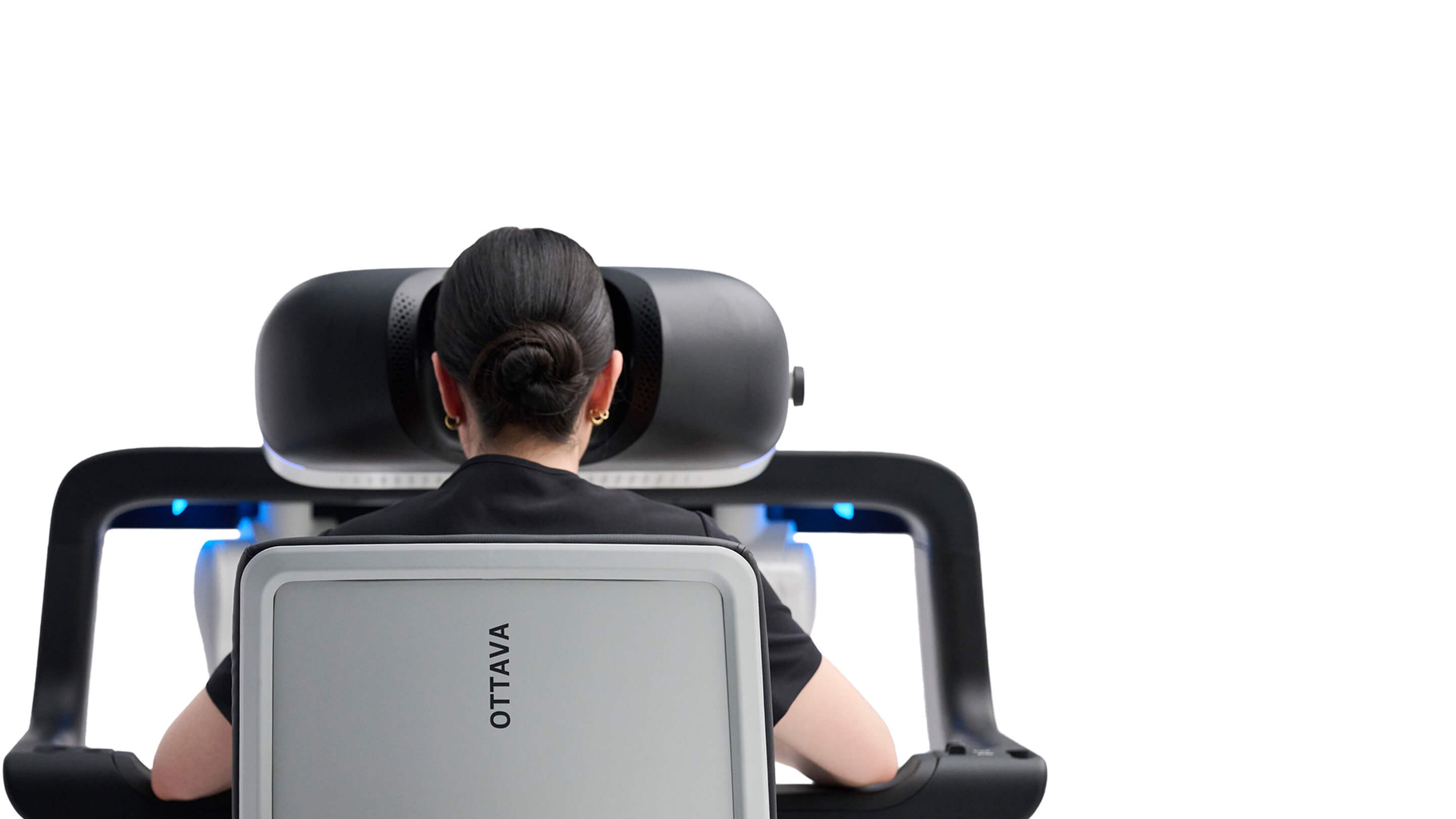
Johnson & Johnson's first commercial OTTAVA installation, arriving days after Medtronic's Hugo cleared FDA review, turns surgical robotics from a one-vendor market into a genuine three-way contest with Intuitive Surgical's da Vinci.
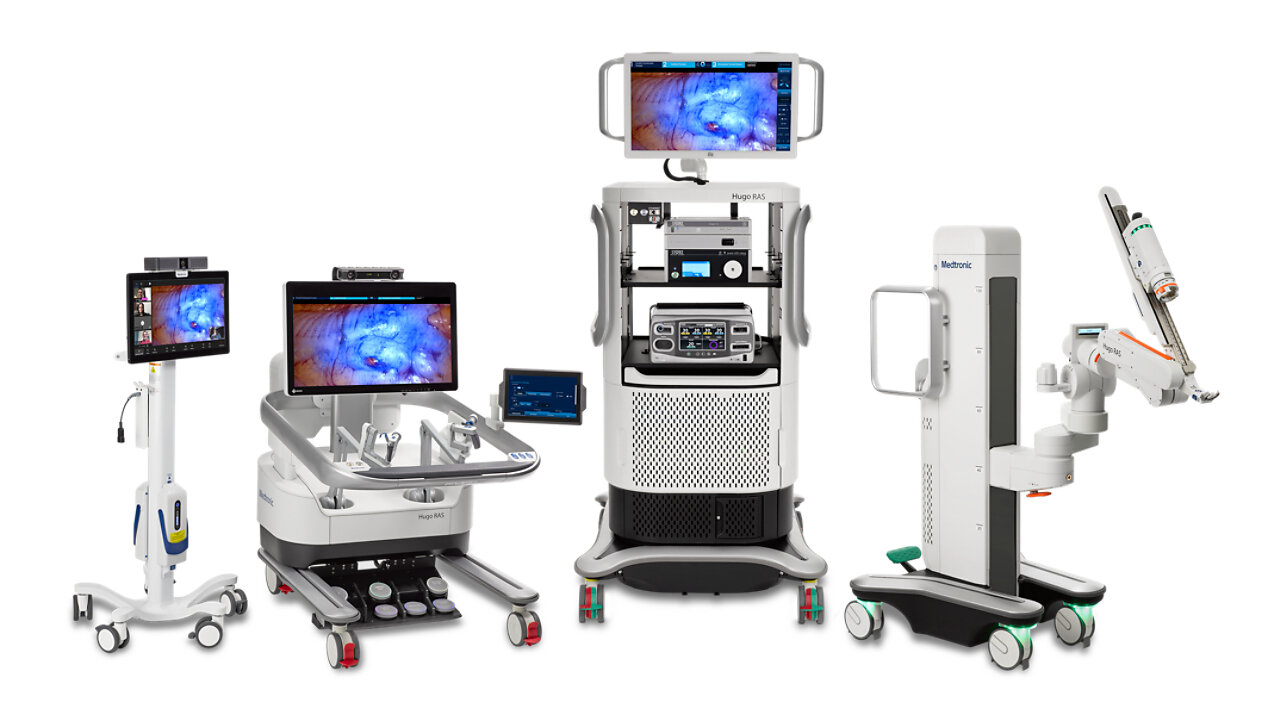
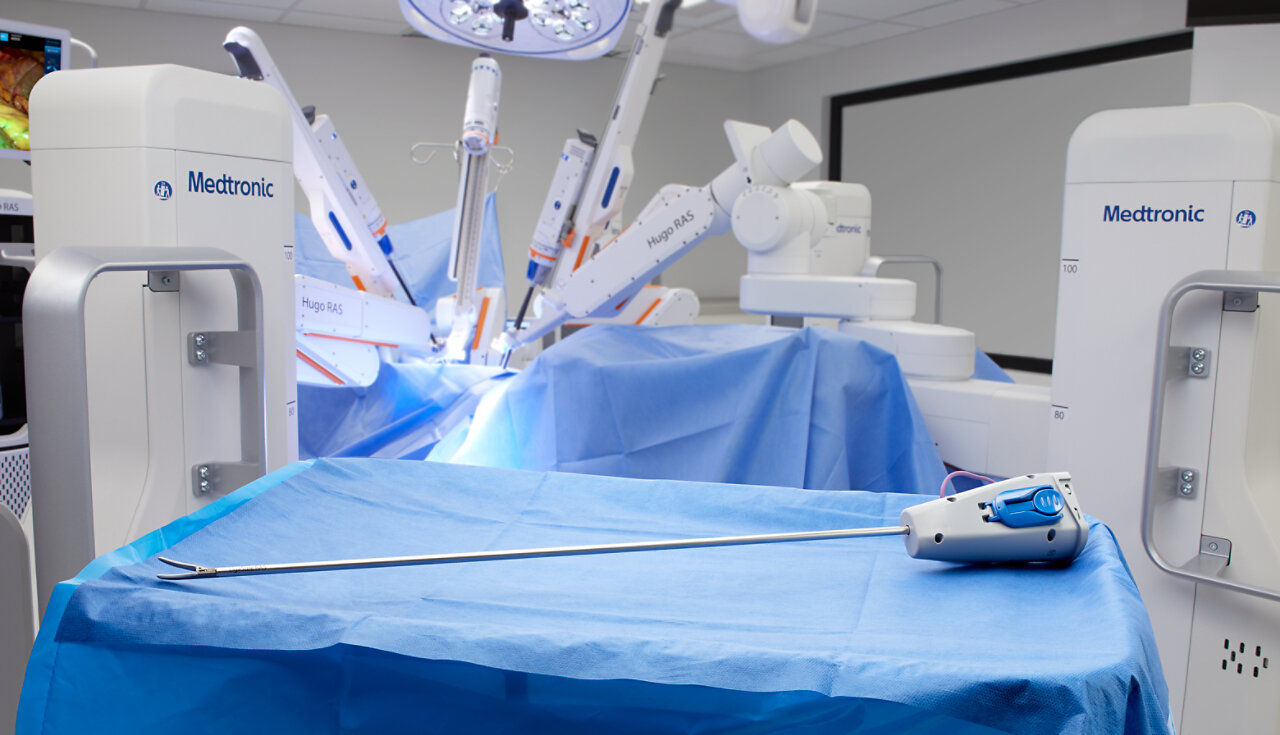
The FDA cleared Medtronic's Hugo robotic-assisted surgery system for general surgery procedures including cholecystectomy, hernia repair, gastric bypass, appendectomy and bowel resection, expanding it beyond urology into a caseload worth about 3.5 million U.S. surgeries a year.
Remedy Robotics raised US$62 million for its N1 telesurgery catheter system, aiming to bring stroke thrombectomy to hospitals with no specialist on-site through low-latency robotic control.
India’s robots earn their money in sewers, warehouses and solar parks, and the humanoids are still in pilots. Demand is real: India is now the world’s sixth-largest market for industrial robots. The gap is real too, since 85 to 90% of robot component value is imported. India’s edge is in local problems, software, service and trust.
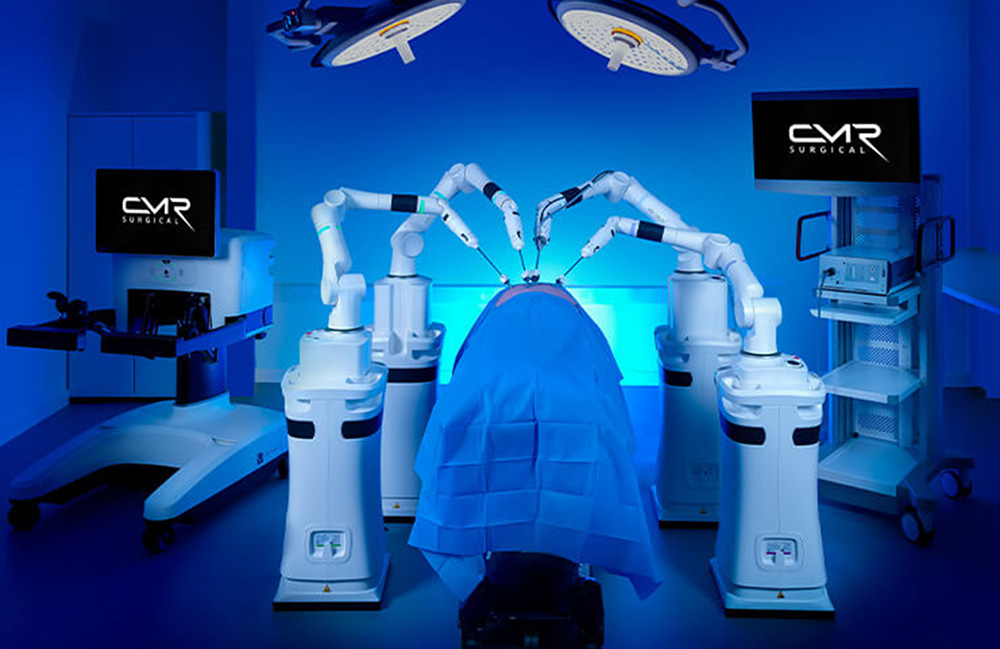
Stryker is investing US$400 million in CMR Surgical, gaining an exclusive option to acquire the rest of the company and exclusive U.S. sales rights for its Versius soft-tissue surgical robot.
AutoStore's cancelled treasury shares pushed its private equity backer THL over a 25 percent disclosure threshold this week, the kind of capital-return move almost no other robotics company can currently afford, and what that gap reveals about which parts of the industry already generate real cash.
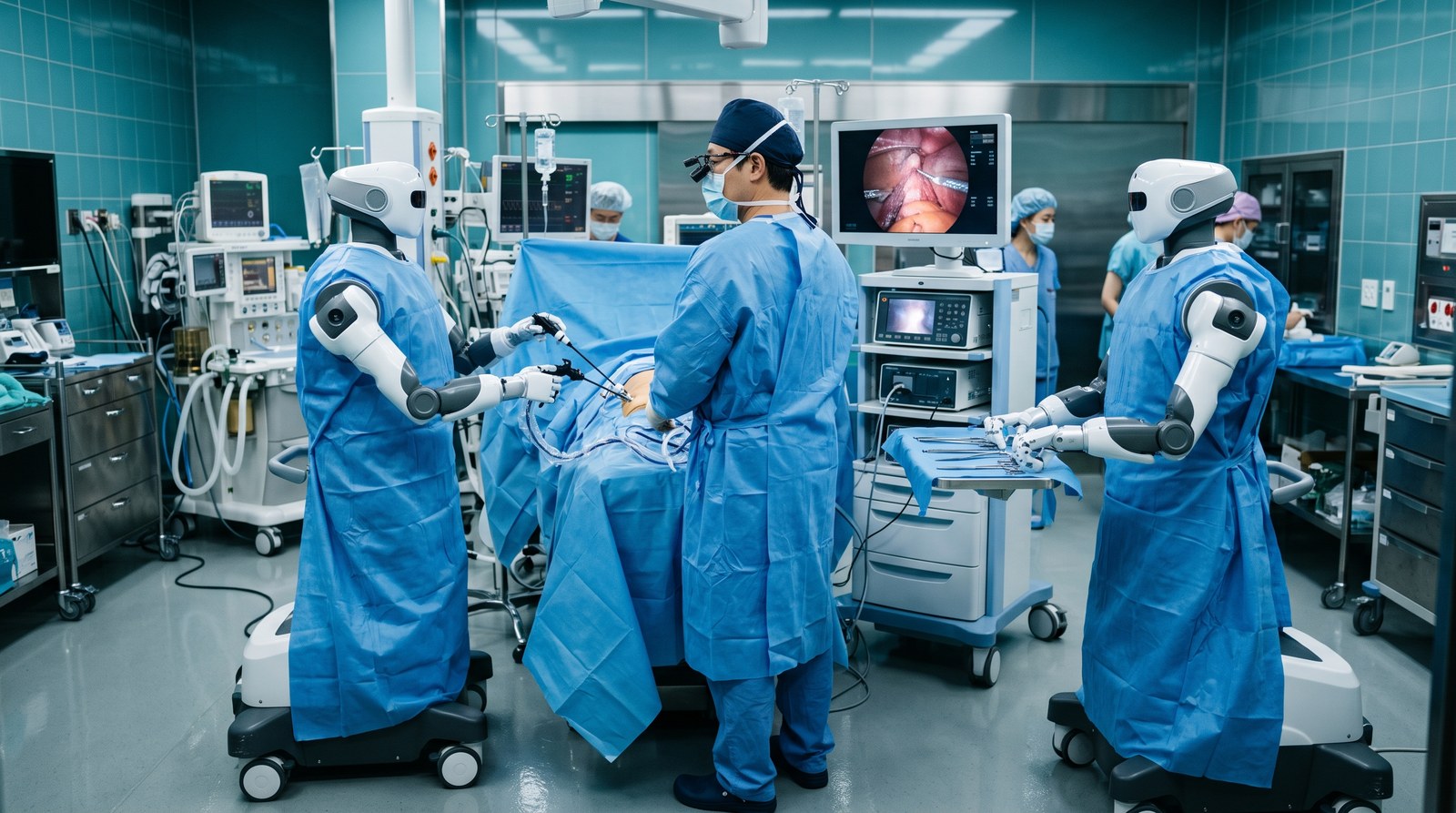
Samsung Medical Center put two humanoid robots beside a single surgeon for a ten-minute gallbladder procedure, a deliberate bet that hospitals will buy assistance rather than autonomy.
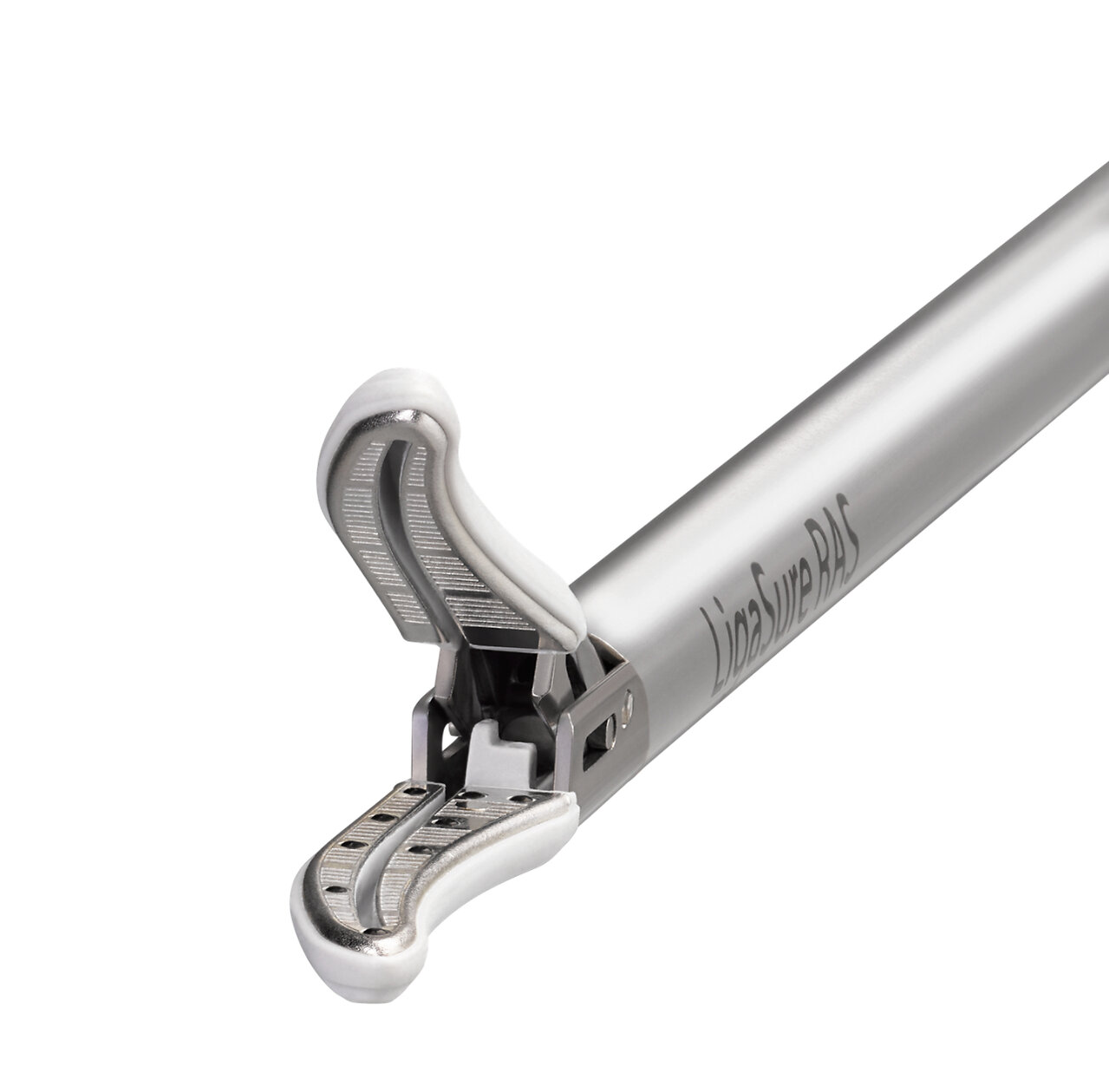
Medtronic won FDA clearance for the LigaSure RAS Maryland instrument on its Hugo surgical robot, its first robotic vessel-sealing tool, though the US approval still trails what Hugo already supports internationally.
Medtronic's latest Hugo clearance covers one instrument for one U.S. specialty, four years after the platform launched abroad. Across surgical robotics, FDA clearance now proceeds one procedure at a time, and it's made the United States the last major market platforms reach with full capability.
A €155 million surgical-robotics acquisition by Enovis and a €100 million VC fund from Jungheinrich, announced a day apart, show European industrials choosing to control robotics capability directly rather than wait on outside capital.
Lupin Dental raised €15 million (US$17.5M) in a Series A led by Fynveur to scale its supervised robotic system for veneer tooth preparation, backed by a real 12-patient accuracy study, though the device isn't yet cleared for sale in the EU or US.
A University of Alberta preprint describes CRESSim-Neo, a GPU engine that unifies tissue, fluid, and suture simulation for surgical robot learning, aimed at the data bottleneck slowing automated surgical sub-tasks.