News and analysis on Asia's robotics industry from our research desk.
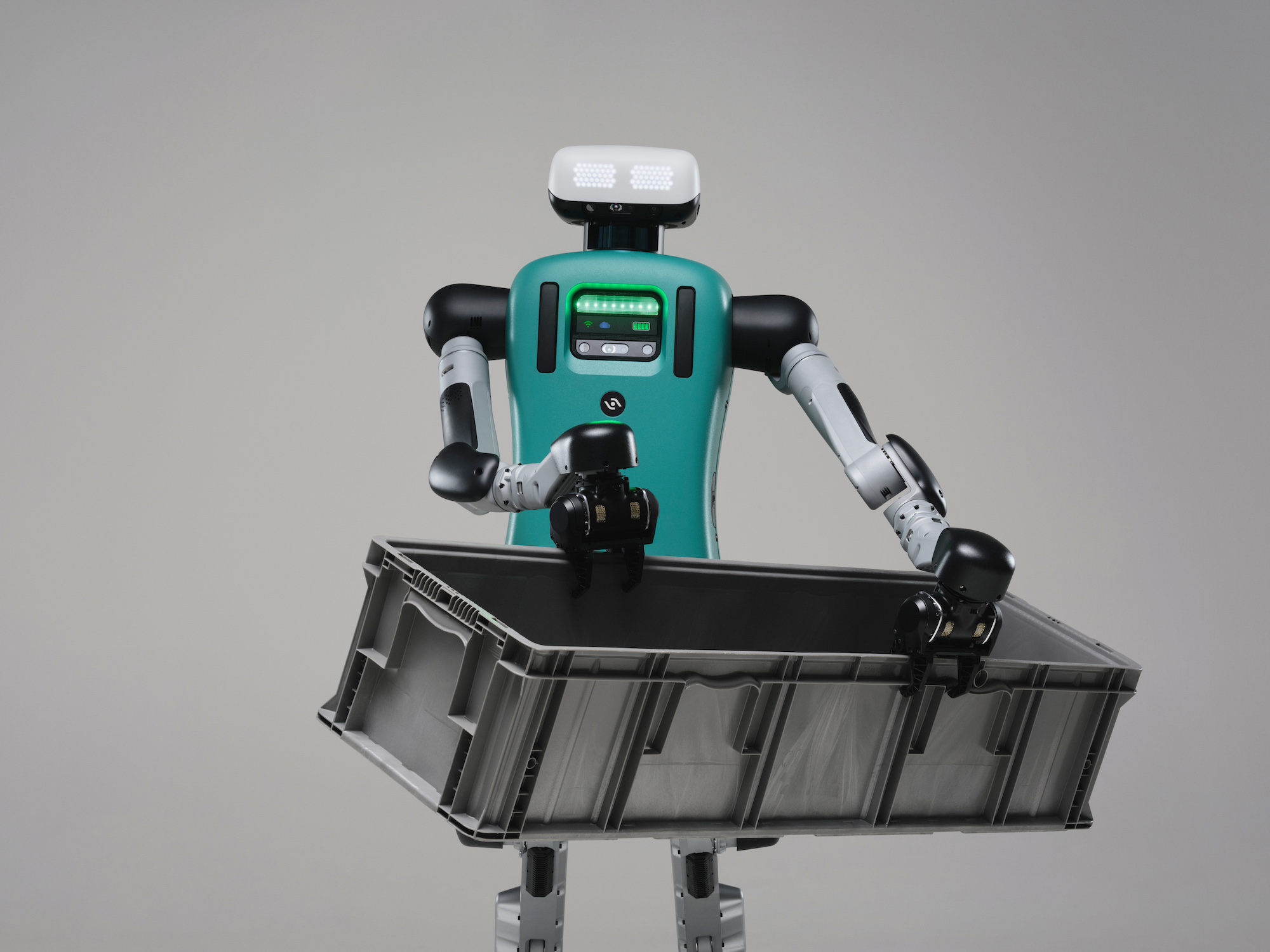
Dexterity, not locomotion or model size, is physical AI's real bottleneck in 2026, because per-action success rates compound across a workflow; ANYbotics, Agility Robotics and Starship Technologies show how matching a robot's capability to the minimum a job requires, and building recovery into the system, is what actually clears that math.
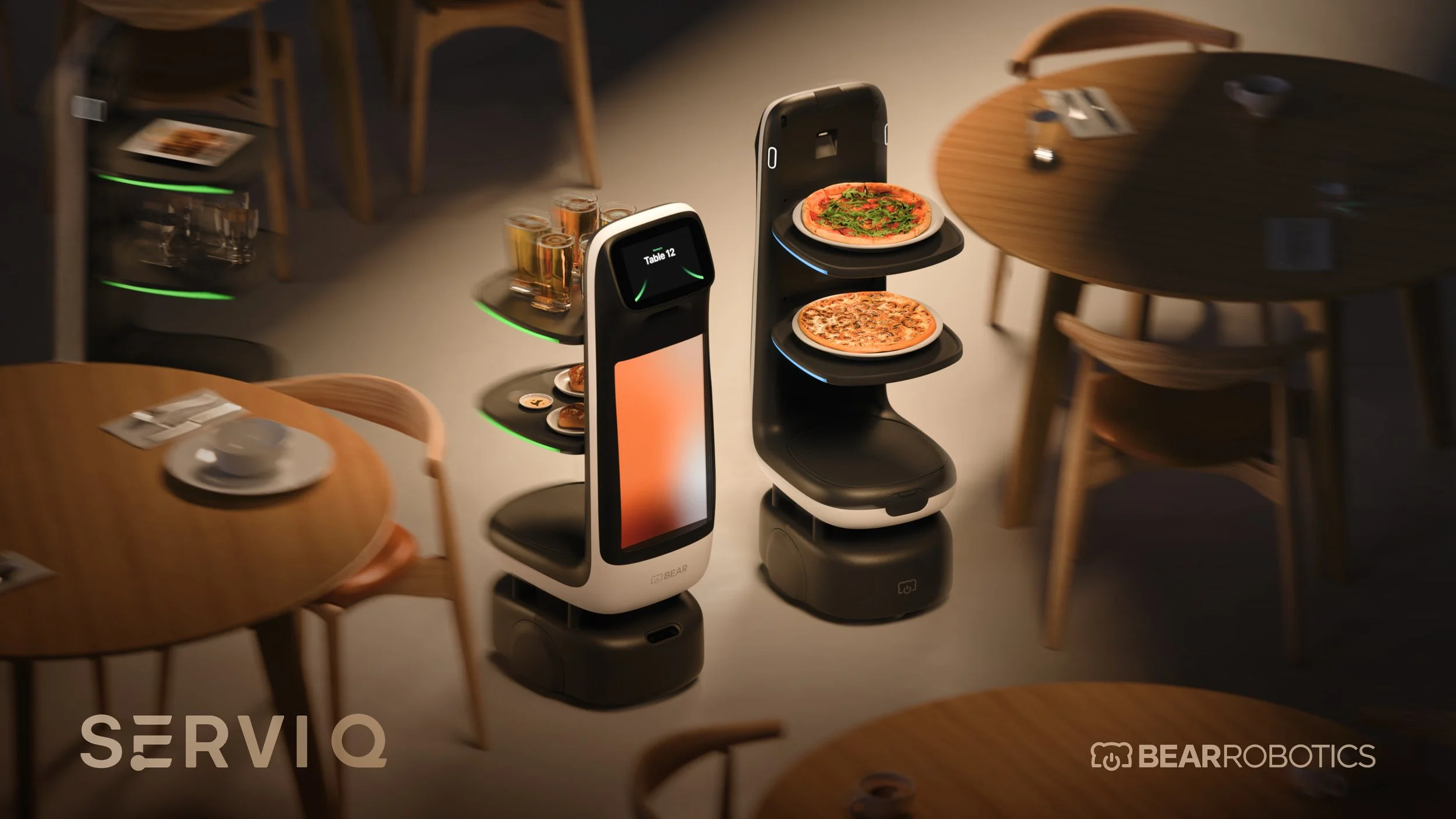
Japan's Specified Skilled Worker quota for restaurant jobs is nearly capped at 50,000. Days after the government moved to pause new approvals, SoftBank Robotics and Bear Robotics launched a narrow-aisle delivery robot built for the same venues, and the timing says more about immigration policy than a demographic labor shortage.
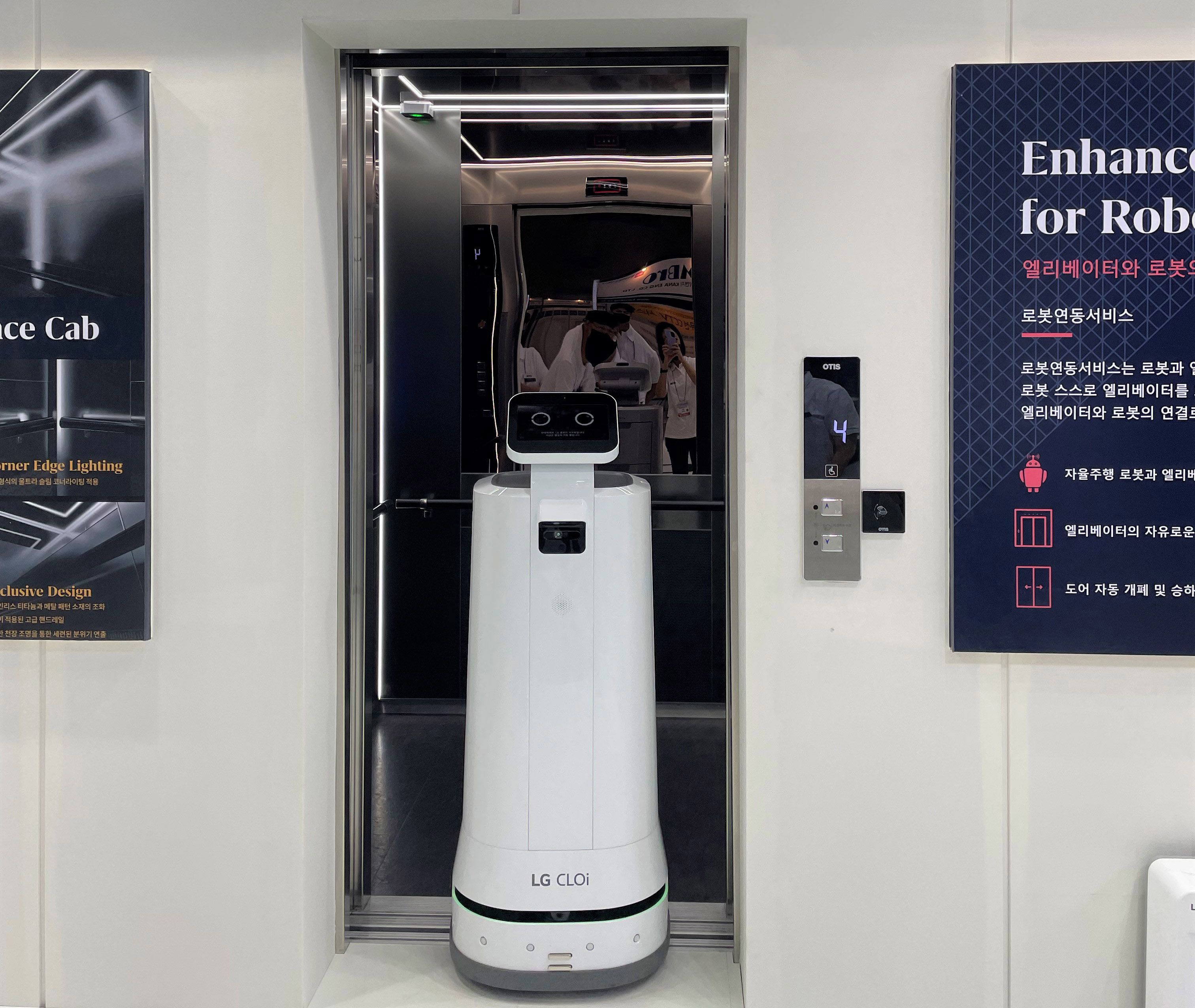
South Korea's new special act promises a standardized way for robots to enter apartment buildings and call elevators, but Otis, KONE and Schindler already built three incompatible proprietary APIs for that exact handshake years earlier, and only Singapore has tried to write a neutral cross-manufacturer standard for it.
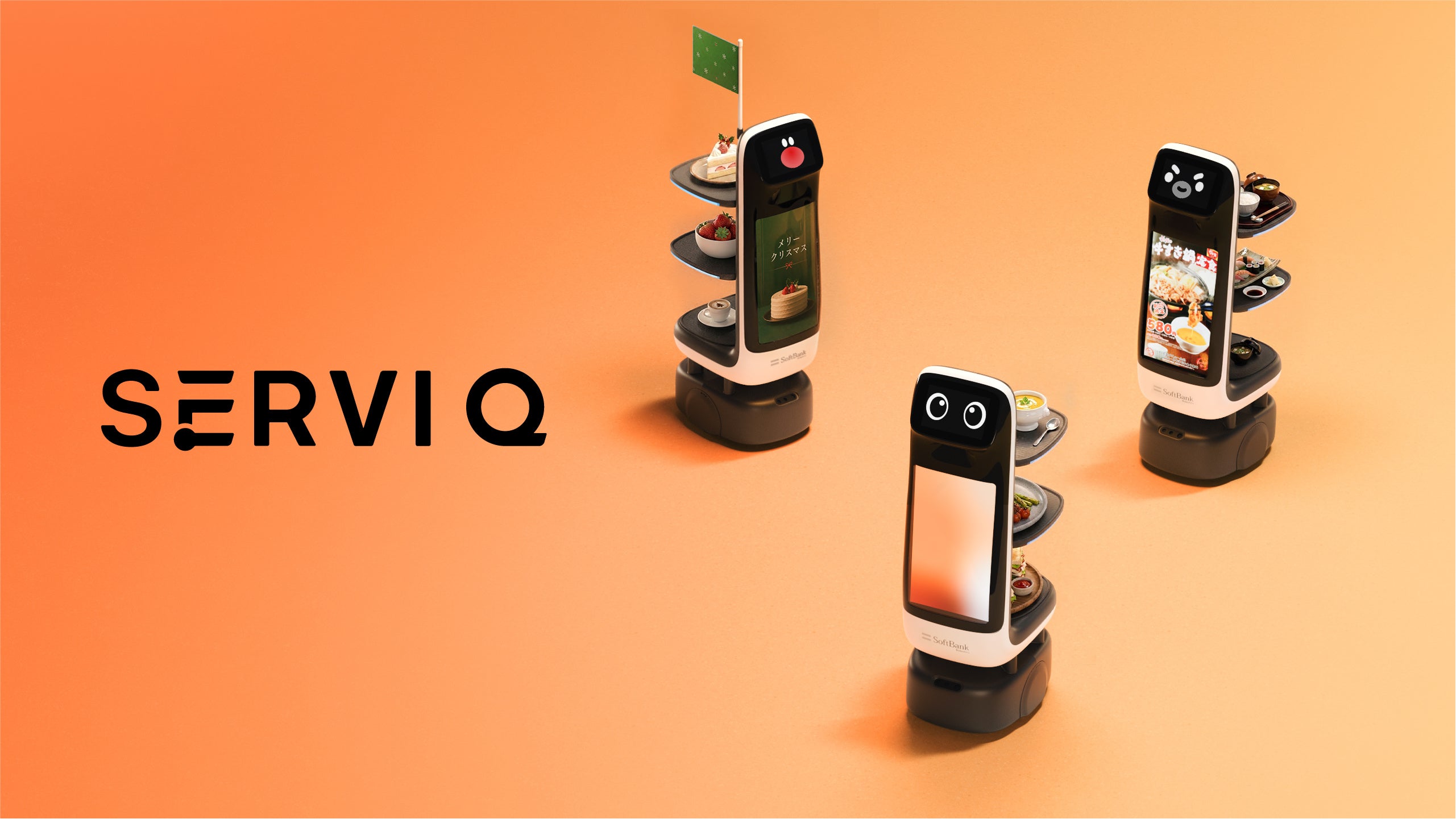
SoftBank Robotics and Bear Robotics put the Servi Q delivery robot on sale in Japan, a 35-centimeter-wide, tray-carrying machine built to fit 45-centimeter aisles and drive in reverse, aimed at narrow restaurants, hotels and care facilities that standard-width robots cannot enter.
A government-drafted bill from Rep. Han Byung-do would let Korean apartment buildings adopt delivery, parking and security robots under one national framework, replacing rules scattered across four separate laws.
Seyond Inc., the Sunnyvale, California LiDAR maker formerly known as Innovusion, said it will showcase its sensing portfolio, including the robotics-specific Hummingbird D1R sensor, at IROS 2026 in Pittsburgh, positioning the hardware for warehouse, healthcare, delivery, and humanoid robot deployments as the sensor market shifts from automotive to robotics volume.
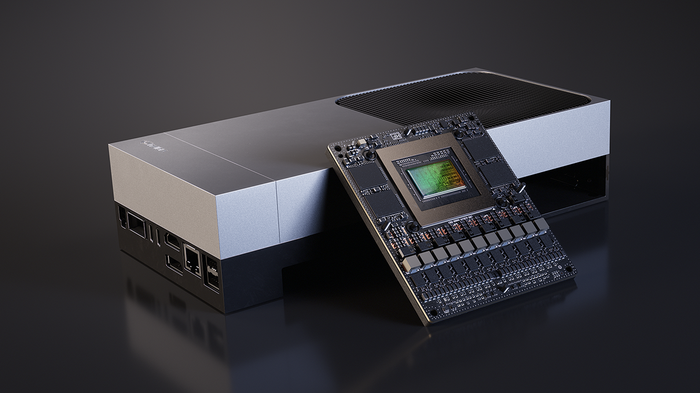
NVIDIA's own account of its automotive partnerships shows nearly 30 robotaxi and AV companies, from Uber and Waymo to Pony.ai and Tesla, now building on its compute and simulation stack as the industry consolidates around shared infrastructure ahead of a projected US$400 billion 2035 market.
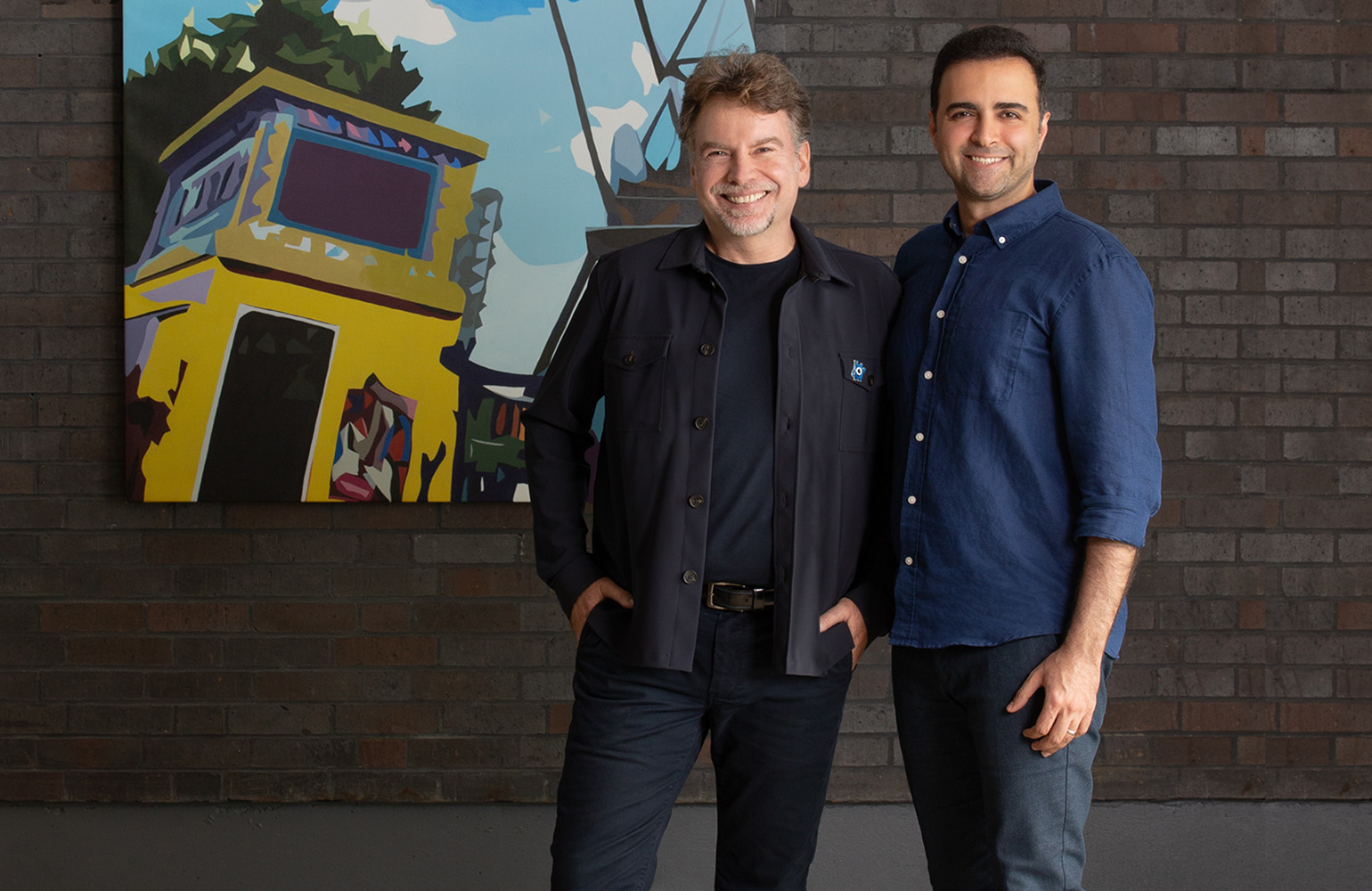
Dynamic Creatures emerged from stealth as Boston Dynamics' official entertainment and hospitality partner, building mobile character robots for hotels, theme parks, and museums, backed by founder Marc Raibert and led by two Boston Dynamics veterans.
Excelland Robotics priced a richly oversubscribed Hong Kong IPO on Monday, but its prospectus also shows three straight years of losses and a thin cash cushion, the numbers procurement teams should read past the subscription hype.
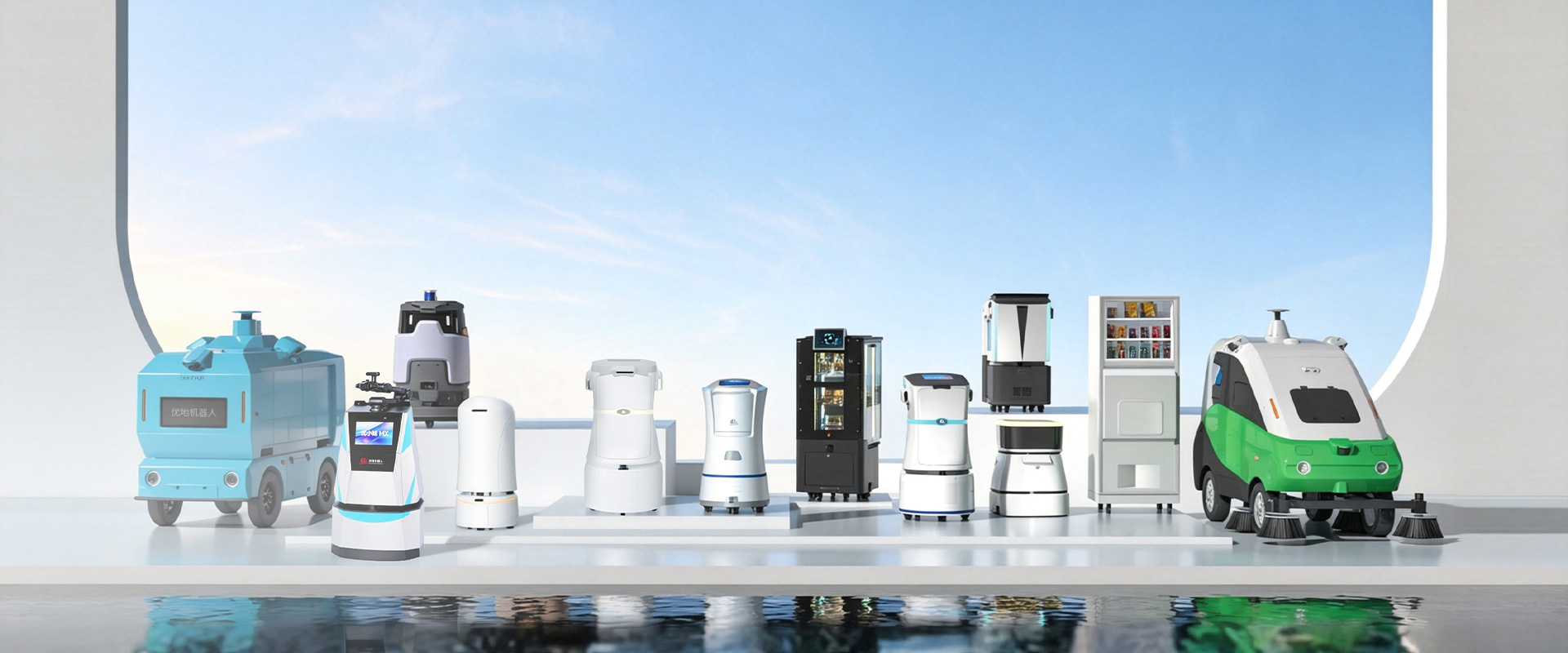
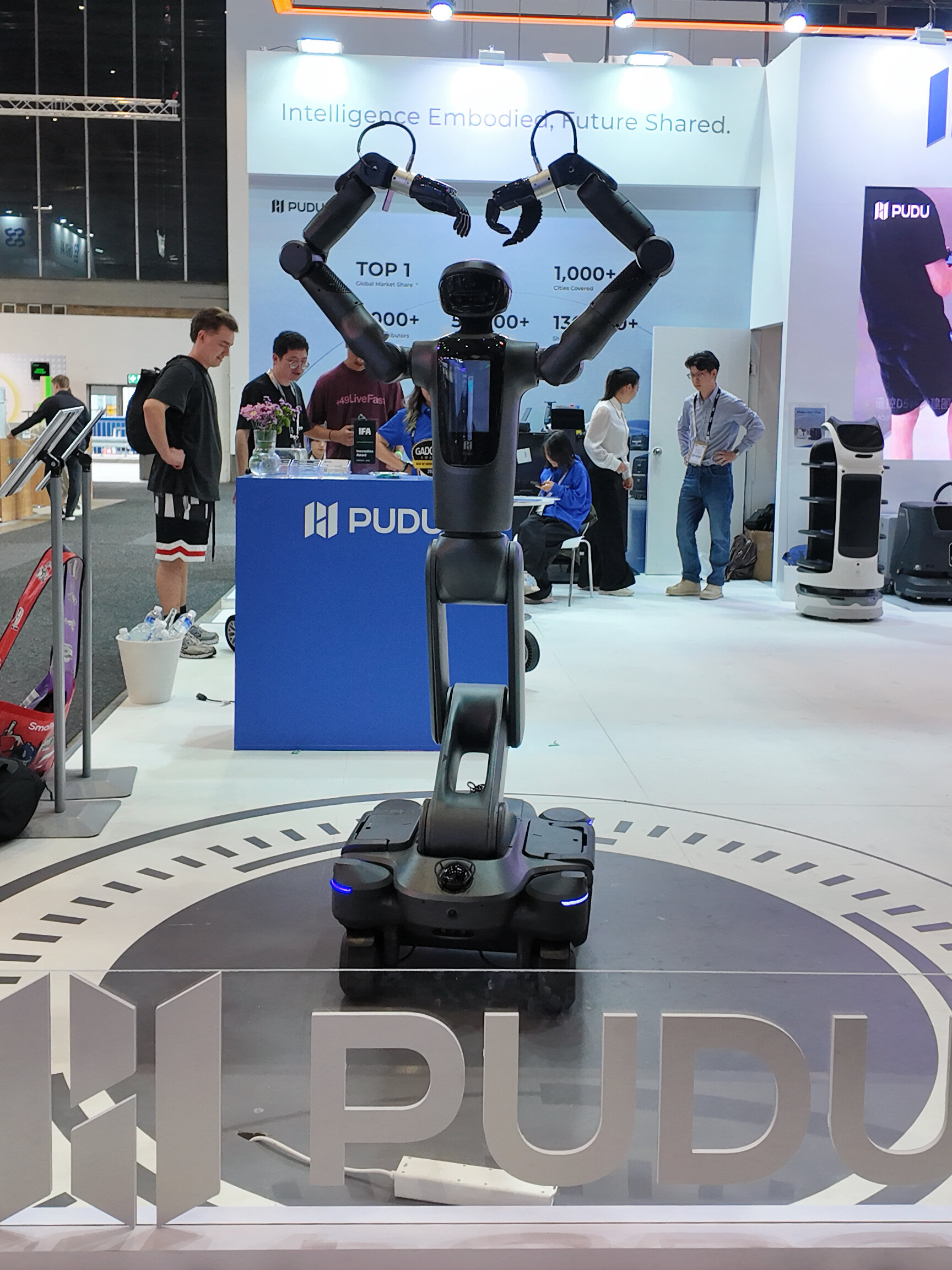
Pudu Robotics brought its D7 semi-humanoid to Europe for the first time, using its 130,000-unit commercial robot base to make a broader case for embodied AI.
A University of Alberta preprint describes CRESSim-Neo, a GPU engine that unifies tissue, fluid, and suture simulation for surgical robot learning, aimed at the data bottleneck slowing automated surgical sub-tasks.
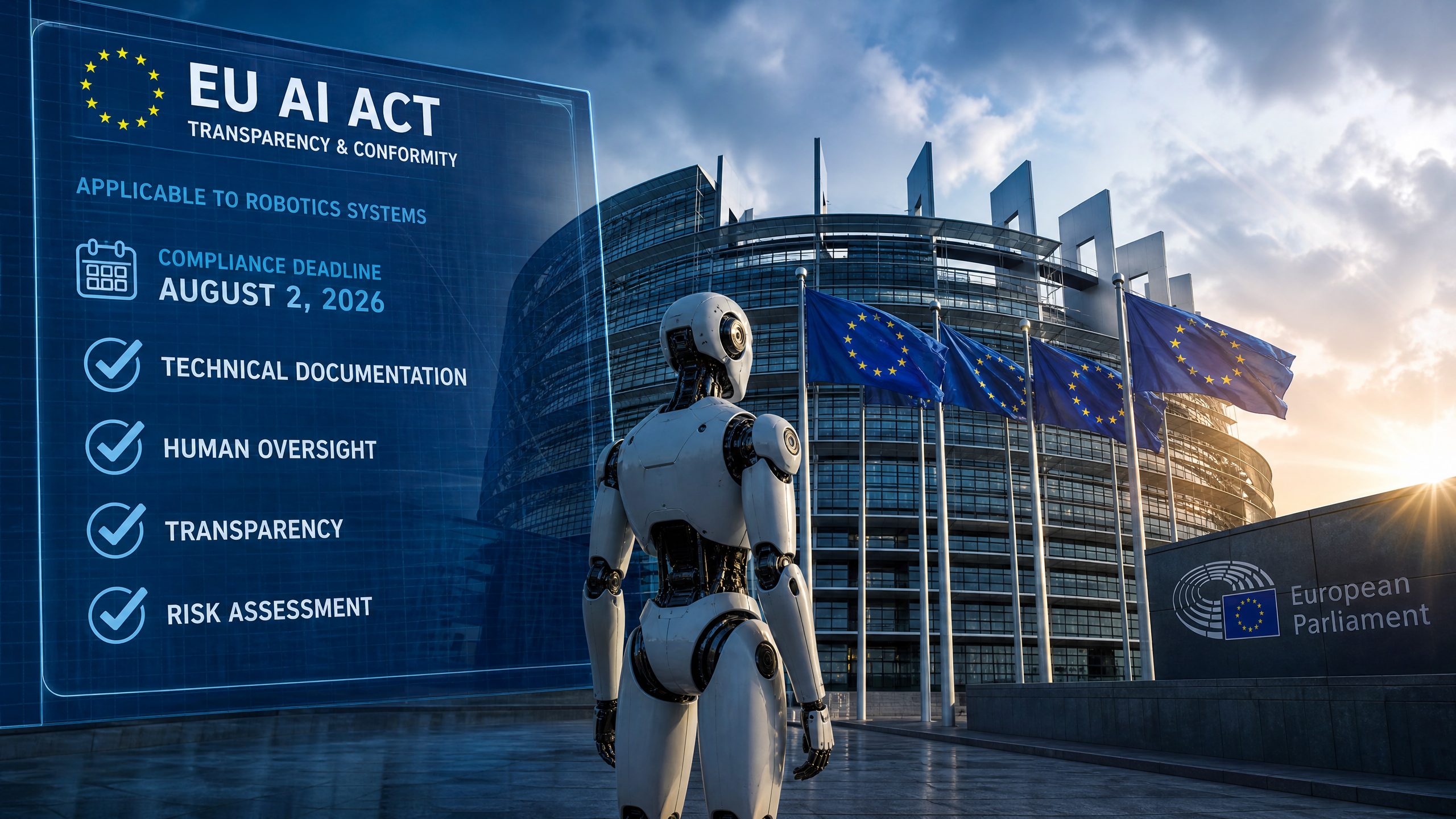
The European Union's AI Act transparency and conformity assessment obligations entered full force in August 2026, extending to robotics and autonomous systems classified as high-risk AI. Robot manufacturers selling into the EU market must now maintain technical documentation, implement human oversight mechanisms, and register high-risk systems in the EU database. The rules apply to any company selling robots in the EU regardless of where the company is headquartered.