News and analysis on Asia's robotics industry from our research desk.
XPENG commissioned an automated humanoid production line and showed an IRON unit walking off after assembly. The milestone turns a July manufacturing plan into operating infrastructure, while customer economics remain unproven.
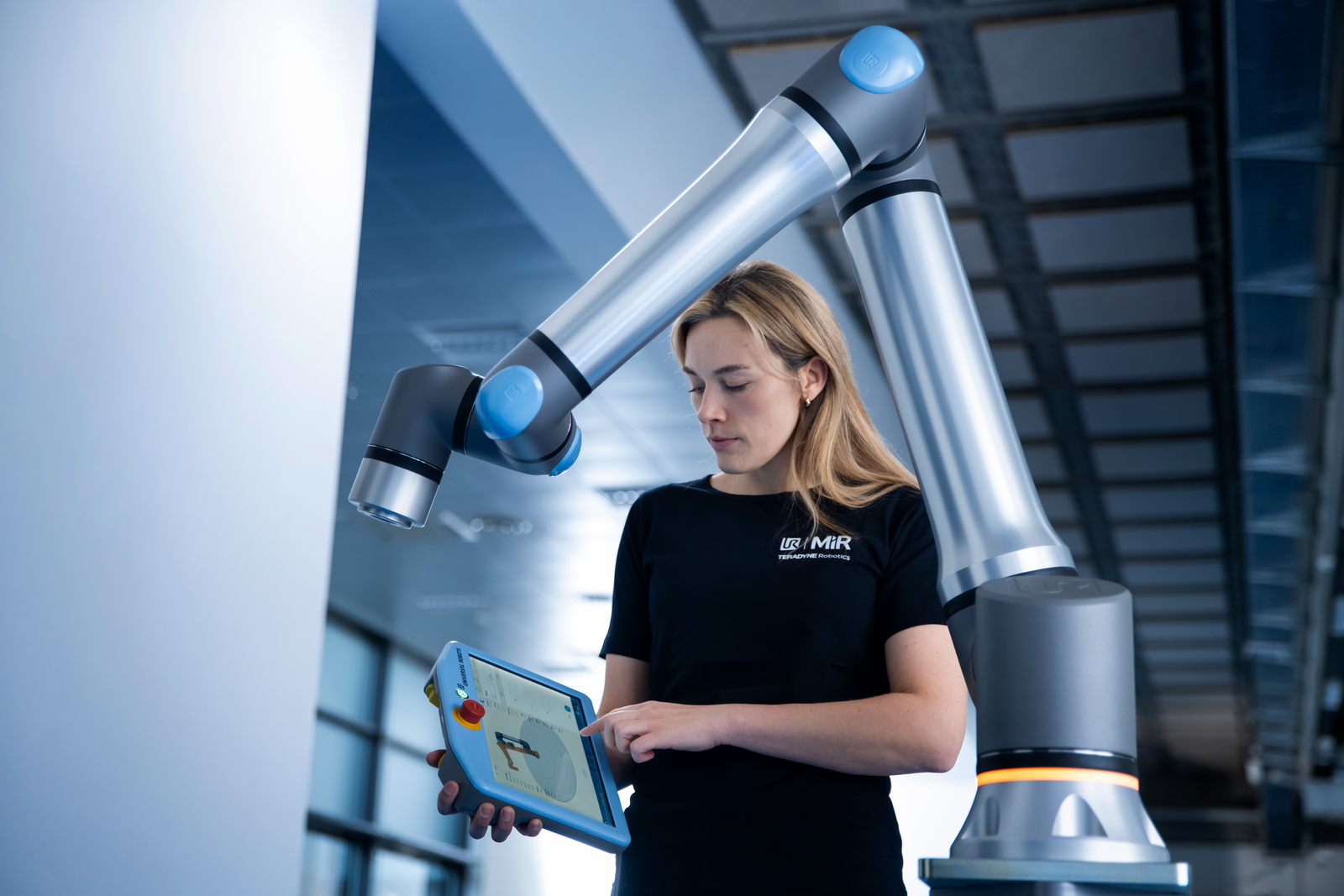
Teradyne Robotics filed a hardware-and-software patent case against JAKA's German unit at the Unified Patent Court in Copenhagen, its second IP action against a Chinese cobot maker in Europe this year.
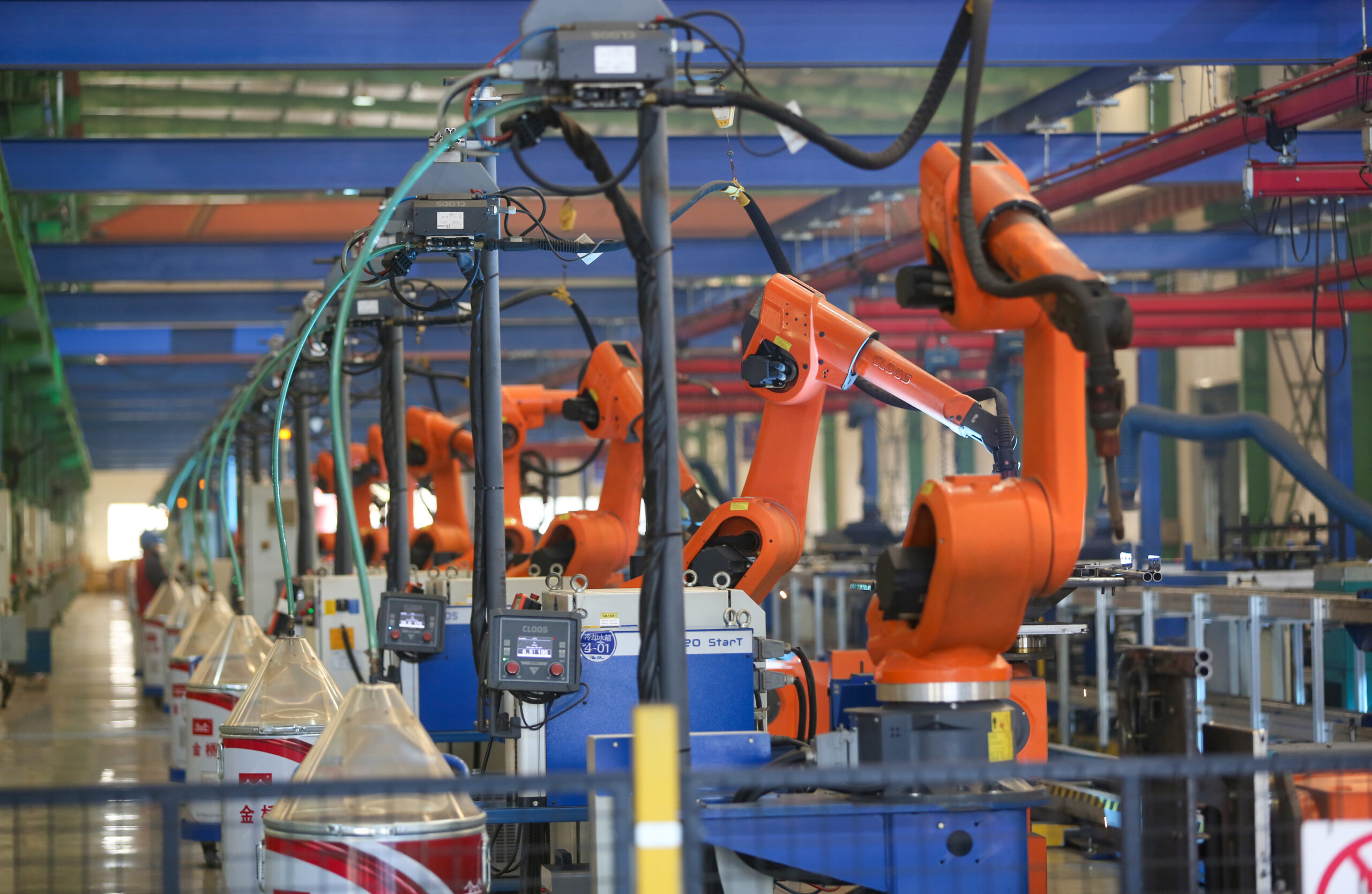
Taipei based think tank DSET warns of a whole of nation industrial push by Beijing in advanced robotics and physical artificial intelligence, drawing parallels to earlier electric vehicle and drone strategies while highlighting regional sourcing vulnerabilities.
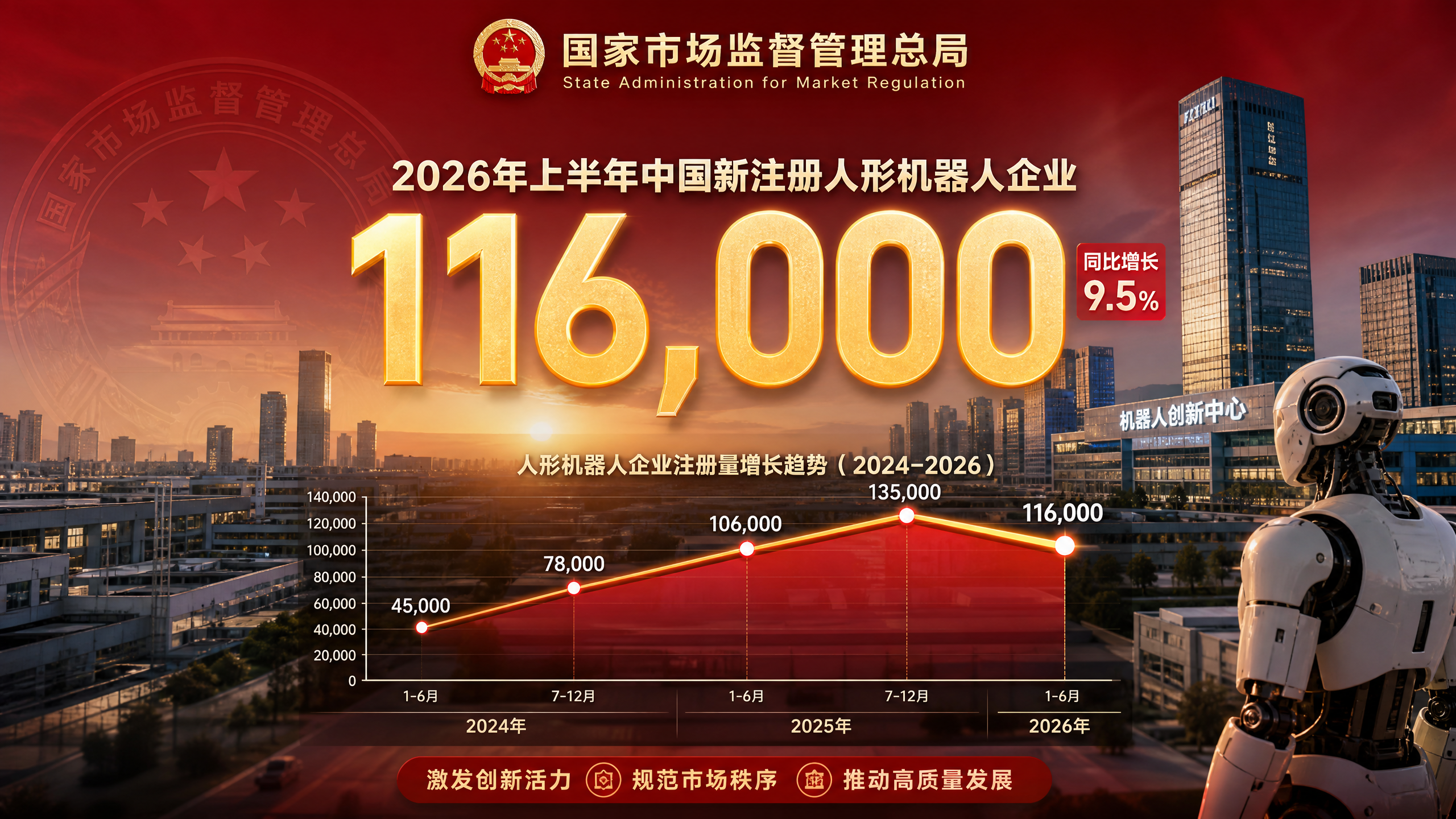
China’s market regulator logged 116,000 new humanoid robot enterprises in the first half of 2026 as funding surpassed the total for all of 2025. Shipments are projected to climb to 38,000 units this year, signaling a shift from research projects to the first wave of mass production.
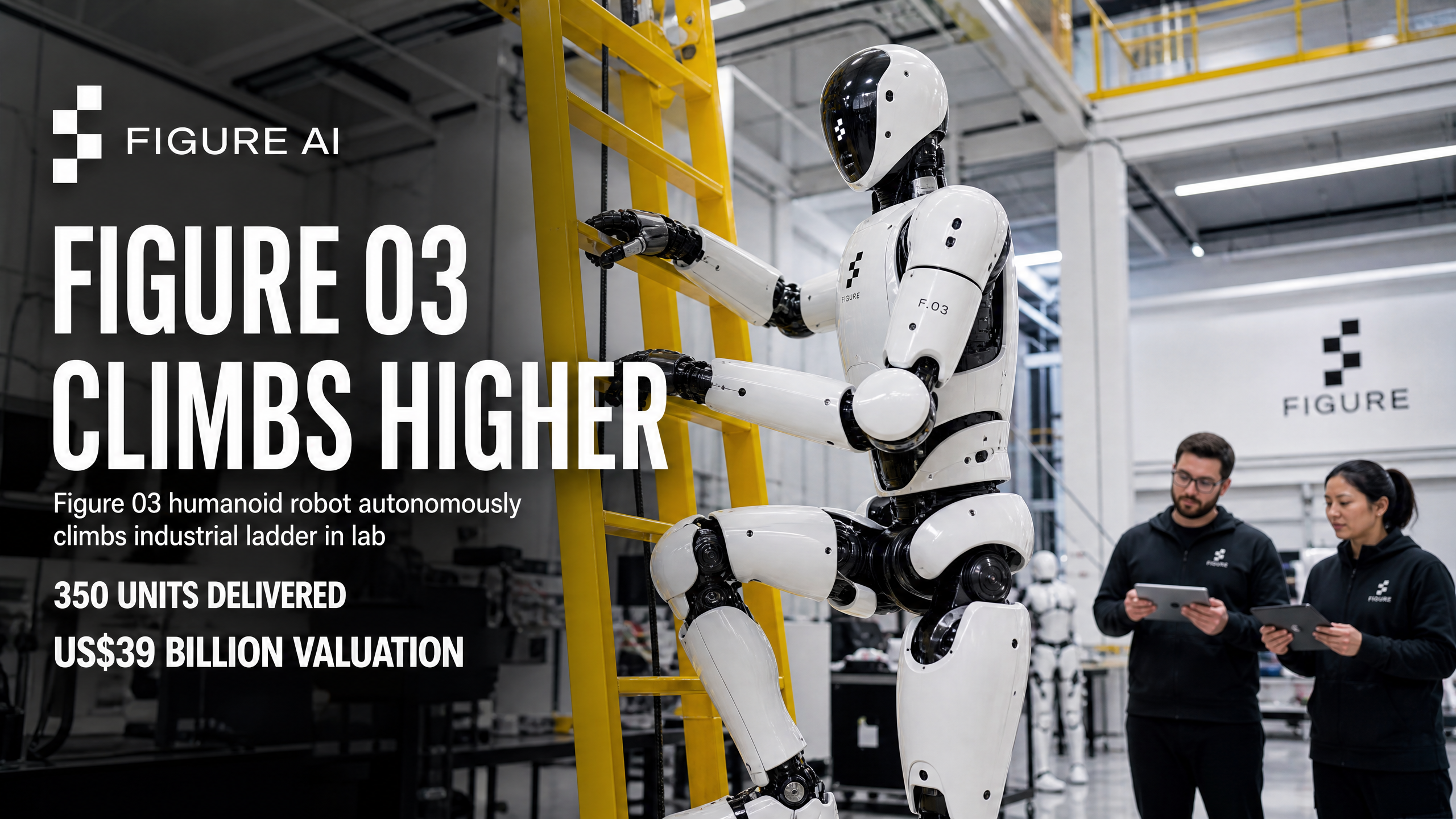
Figure AI shared a lab video of its Figure 03 robot autonomously climbing an industrial ladder and reported more than 350 units delivered as production scaled to one per hour. The Series C valuation stands near US$39 billion, signaling investor conviction in humanoid robotics as the company moves from demos to low volume production.
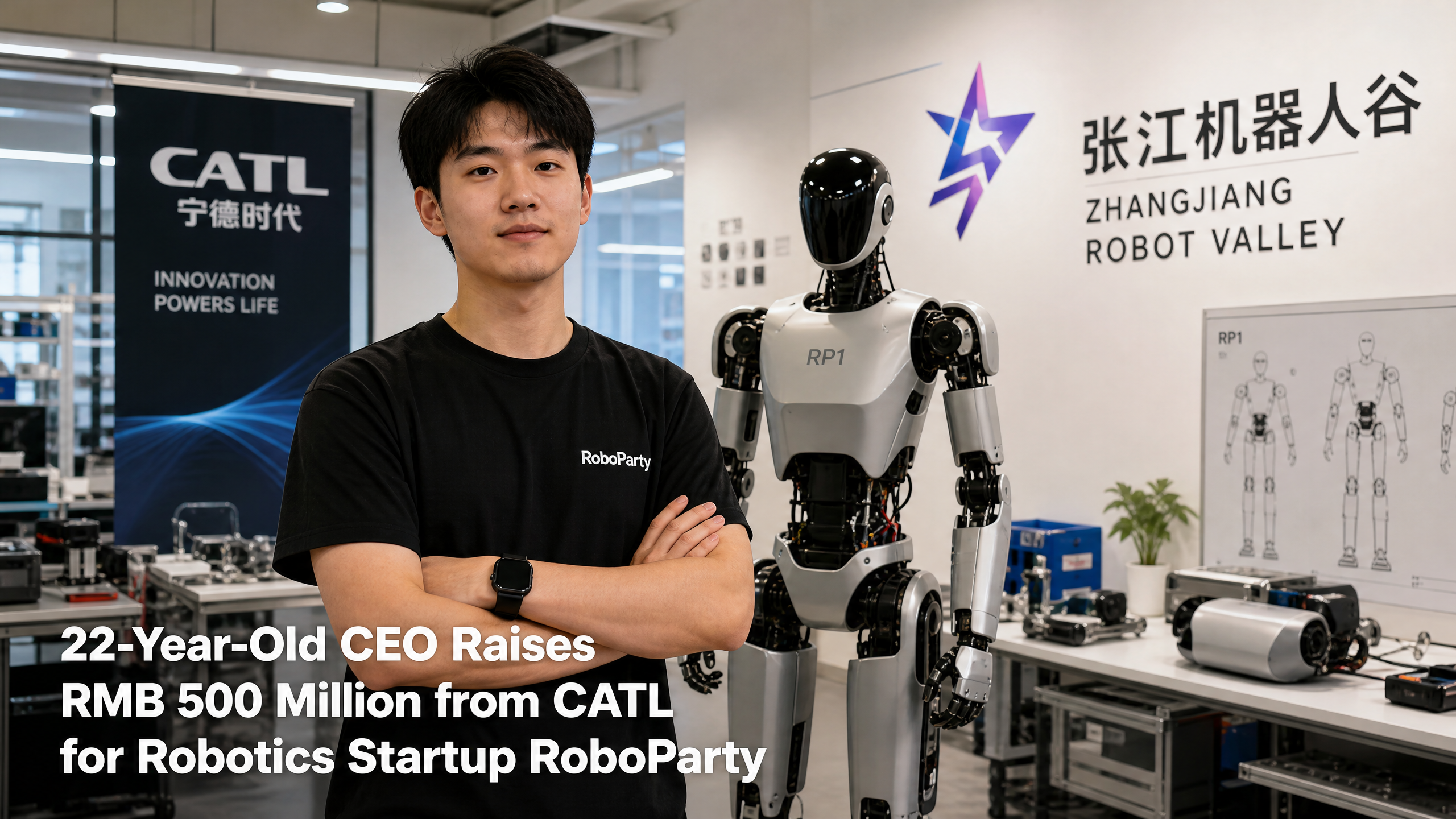
RoboParty closed Angel plus plus and pre A rounds totaling nearly RMB 500 million, with CATL exclusively investing in the latest round. The 22 year old founder targets a first robot launch in late 2026 as the startup moves its team to Shanghai’s Zhangjiang Robot Valley.
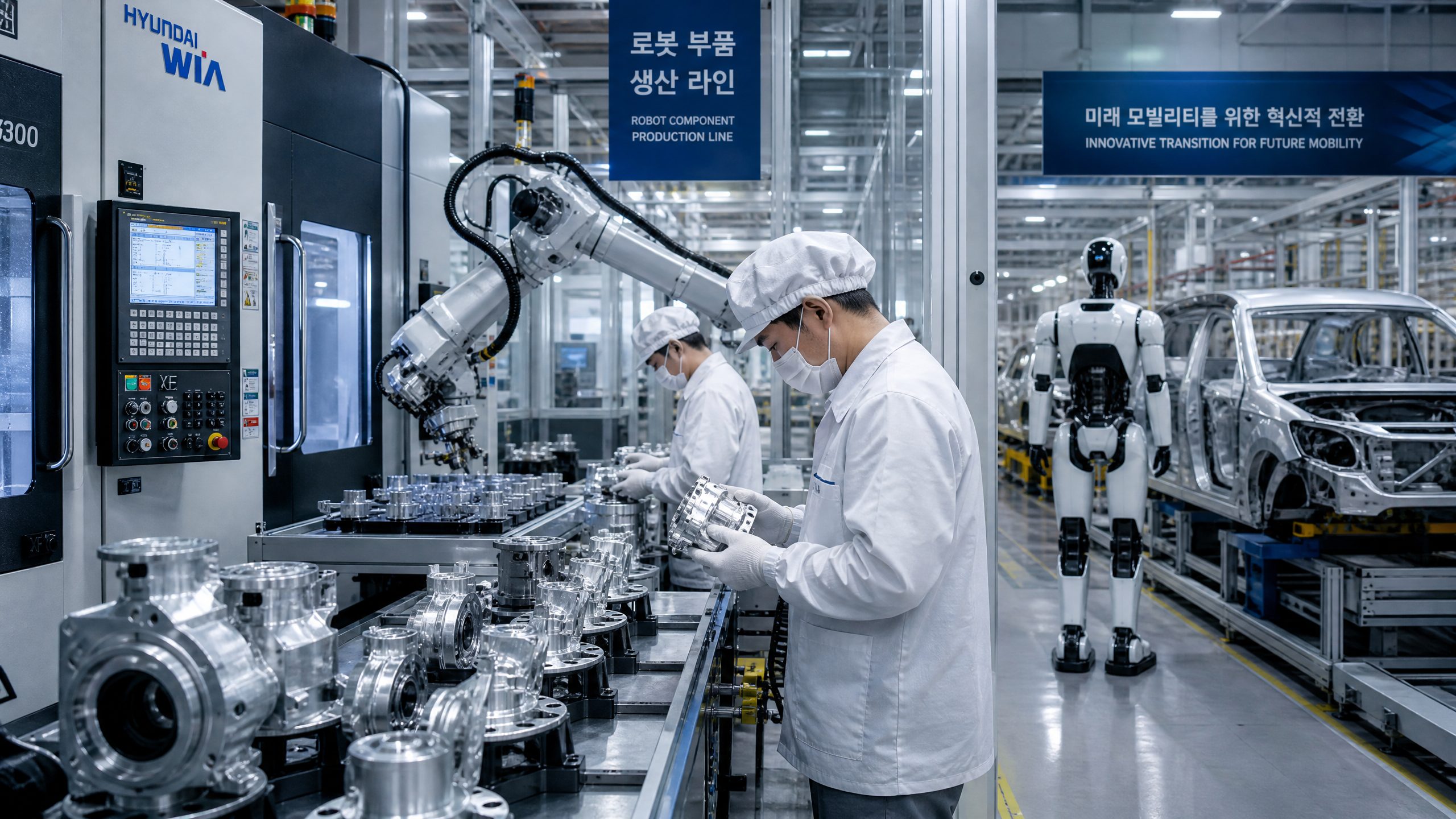
Halla Cast, SL, and Samhyun are pivoting from automotive to robot component manufacturing as the US FCC ban on Chinese humanoid and quadruped robots creates a supply gap in the North American market. Goldman Sachs projects Korea will produce 74,000 humanoid robots by 2030, representing 30 percent of global output.
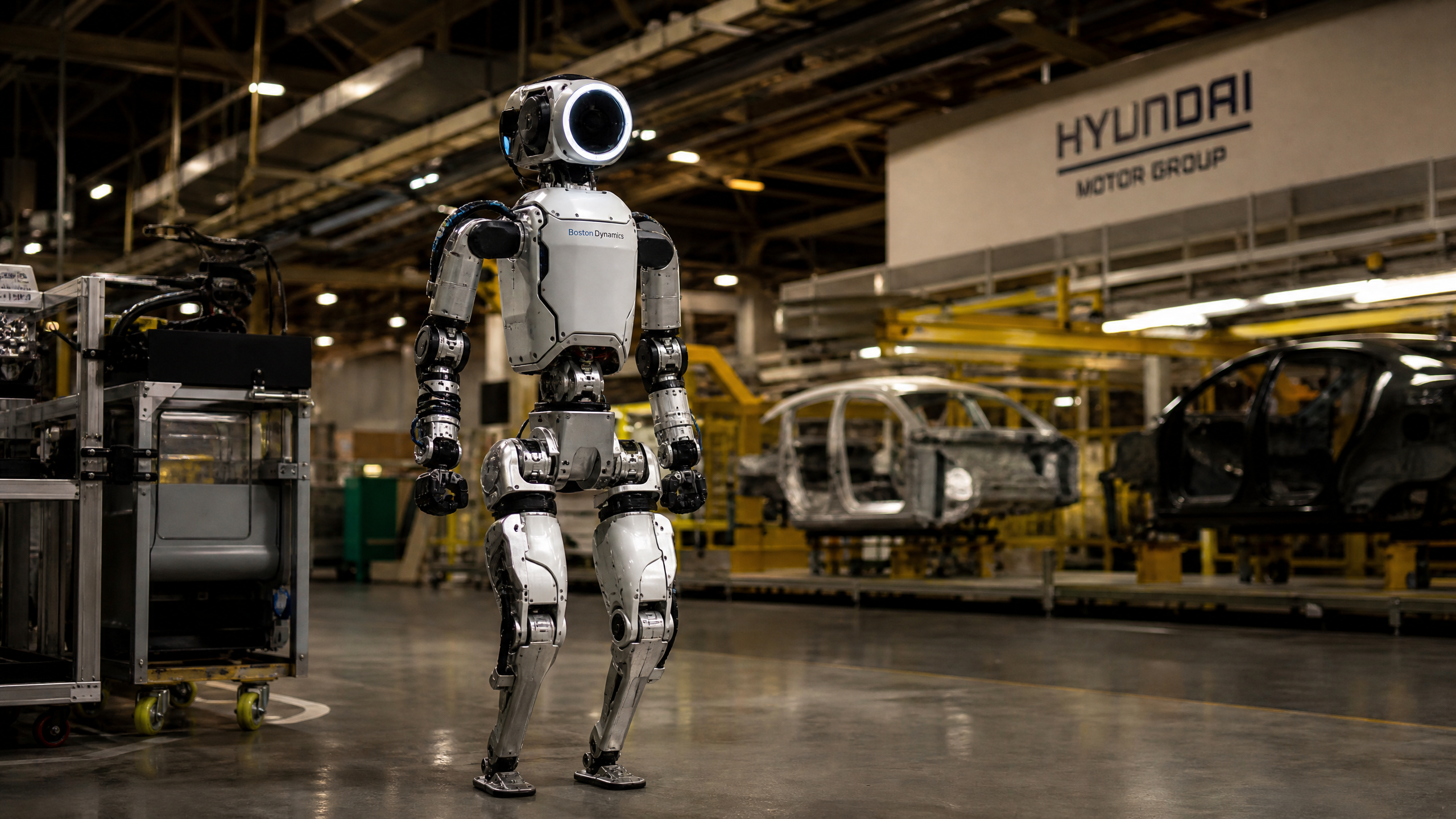
Hyundai Motor Group has completed its full acquisition of Boston Dynamics after SoftBank exercised its put option on the remaining 9.65% stake, making Hyundai the sole owner of the Waltham, Massachusetts robotics company. The move consolidates Hyundai's physical AI strategy, which includes a target of 30,000 robots per year by 2028 at its Georgia Metaplant, a KRW 9 trillion (approximately US$6.24 billion) AI and robotics hub in Saemangeum, and a commitment to 50,000 Nvidia Blackwell GPUs.
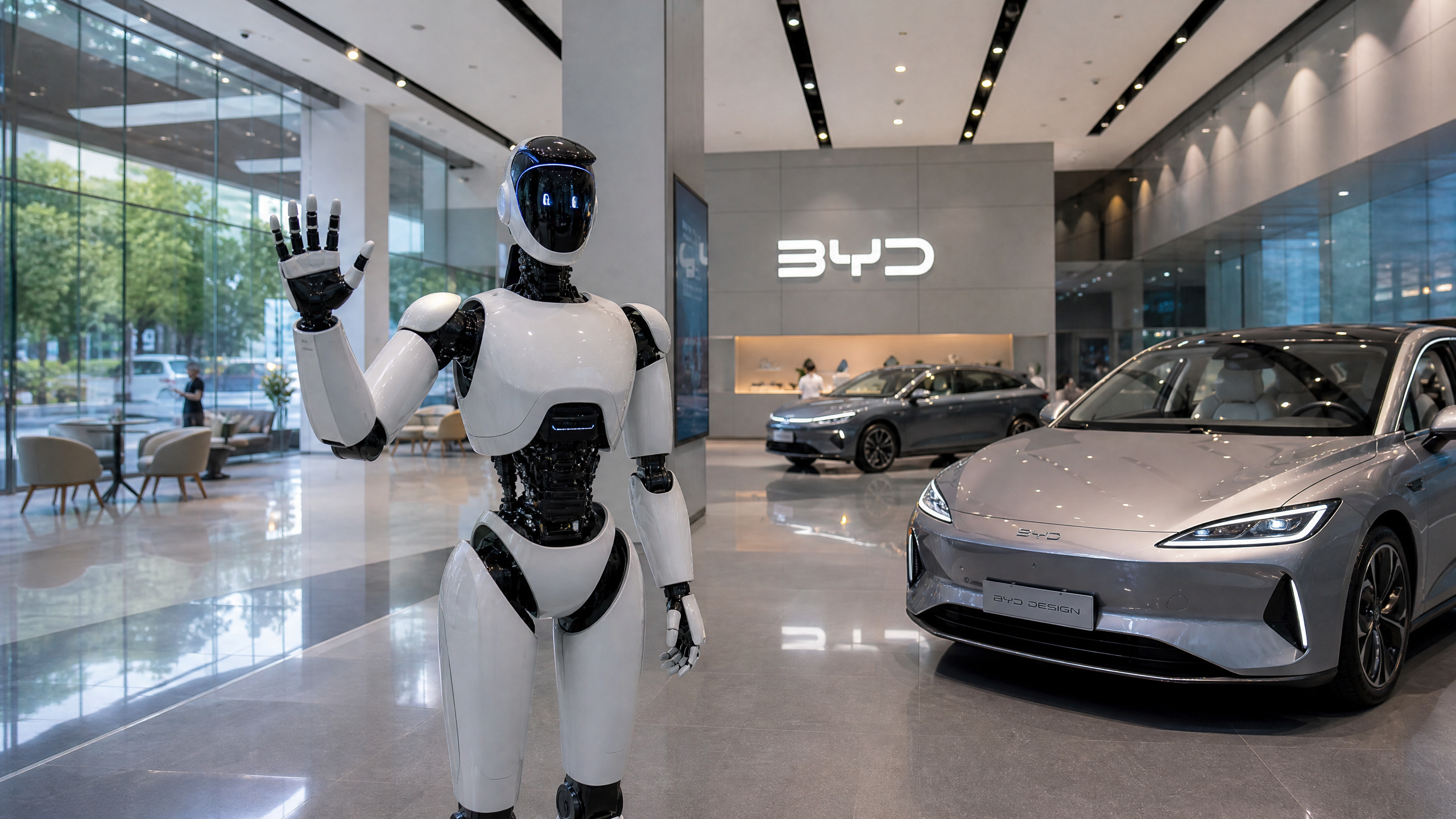
BYD, China's largest electric vehicle manufacturer, will unveil its first humanoid robot at its Di Space experience centres in Zhengzhou this month. The robot is reportedly called Xiao Di, stands 1.61 metres tall, weighs 58.5 kg, and can translate between six Chinese dialects and six foreign languages in real time. The debut comes as BYD's car business faces pressure from China's EV price war, with first-half sales down approximately 16%.
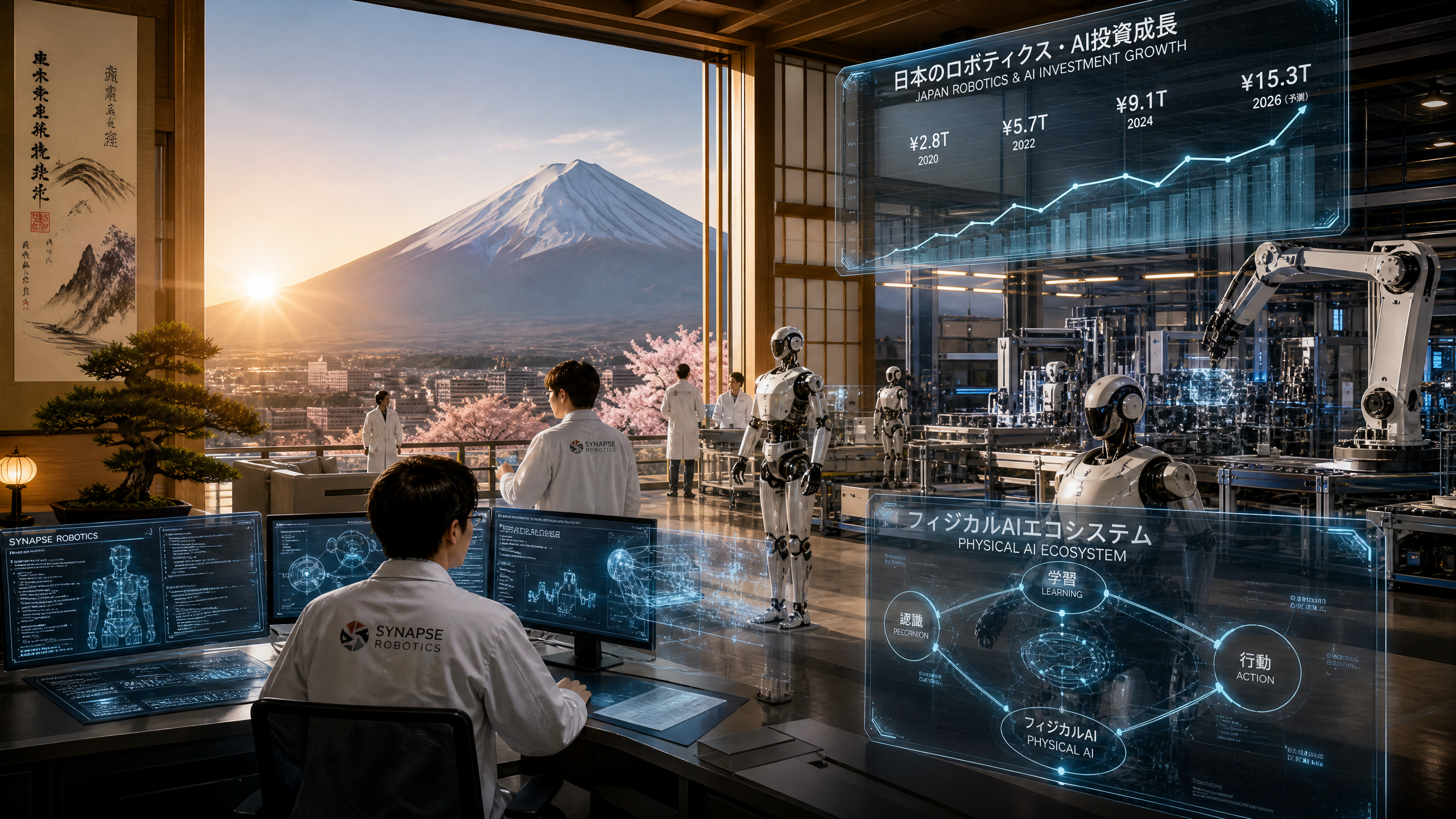
A Nikkei survey of 700+ Japanese firms shows fiscal 2026 capex at JPY 35.67 trillion, up 14.2 percent and an all-time high. NTT and Toyota lead the surge into data centres, AI factories, and chipmaking.
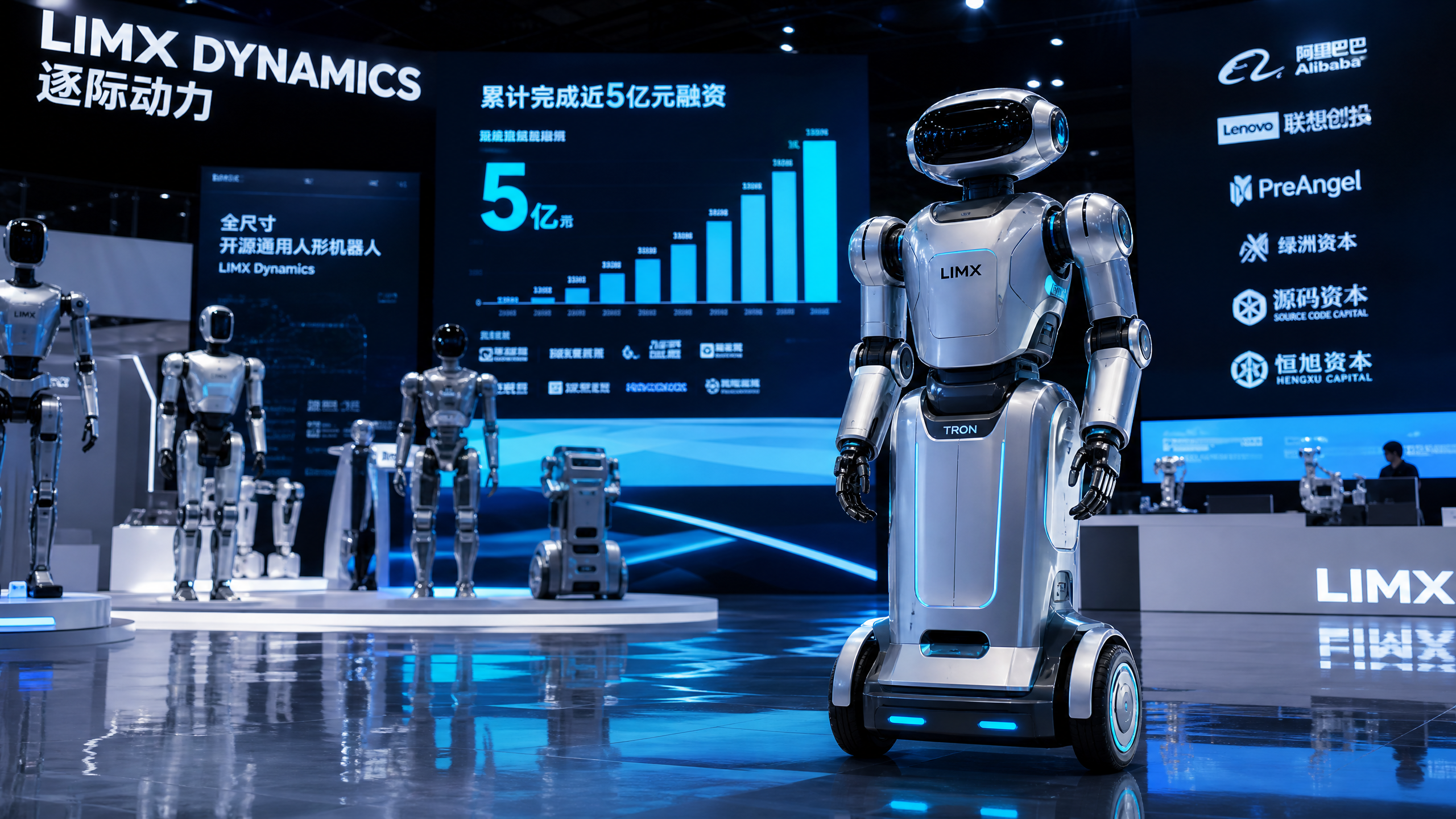
LimX Dynamics closed a US$200 million pre initial public offering round in July 2026, lifting the Chinese embodied artificial intelligence company to a US$2.2 billion valuation. The funding follows an earlier US$200 million raise this year, bringing LimX’s 2026 total to about US$400 million. Capital will scale production for TRON, a multi form robot platform spanning full sized bipedal humanoid Oli and wheeled humanoid Luna. The company showcased both at ChinaJoy 2026 in Shanghai, signaling a push beyond research pilots into paid deployments. The raise underscores a broader Chinese surge in humanoid and embodied platforms, where form factor bets are proliferating and consolidation pressure is building as companies face yield, reliability, and unit cost realities on the road to mass manufacturing.
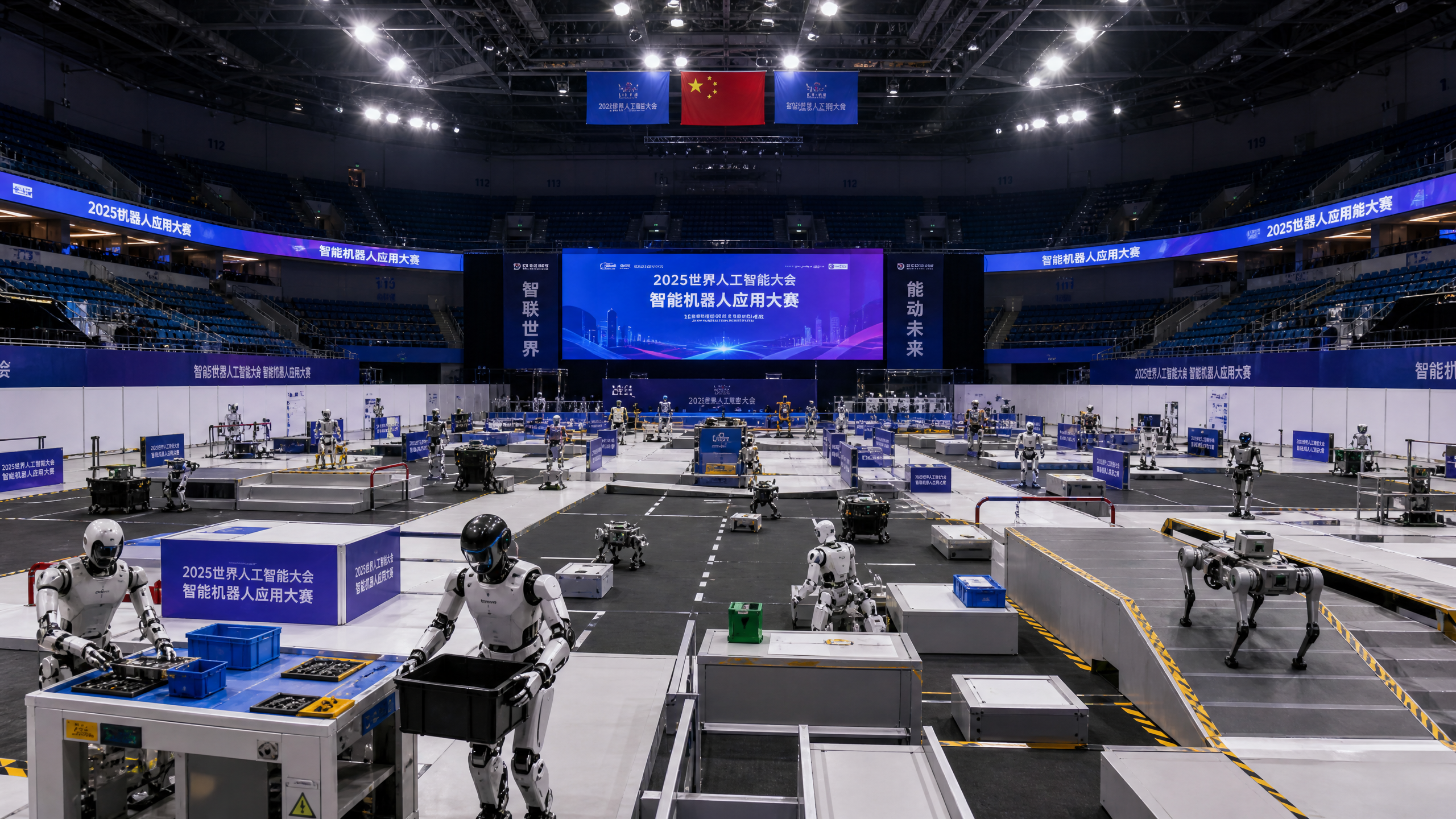
The 28th China Robot and Artificial Intelligence Competition humanoid finals at Beijing’s Shougang Park on August 1 and 2, 2026 moved the needle from showmanship to shop floor credibility. With 350 robots competing, the full size class ran fully autonomous for 50 minutes over slopes and through parts sorting tasks with zero remote control. Lepu Kuafu disclosed eight hours continuous operation, 95.8 percent unstacking success, and an approximate unit cost of RMB 100,000, equal to US$13,800. The headline is not athletic balance. It is industrial autonomy, cycle yield, and cost down. For procurement leaders, the contest framed a pragmatic question. Does a humanoid at RMB 100,000 now pencil in for real shifts, or does integration friction keep payback out of reach.