News and analysis on Asia's robotics industry from our research desk.
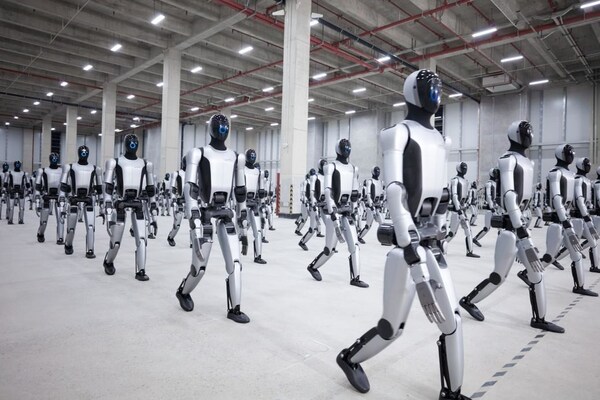
Non-binding framework agreements let Chinese humanoid-robot startups publicize huge notional order totals with no committed volume or payment behind them, a financing-illusion pattern illustrated by Nanjing Wujing Future Power Technology's gap between a RMB110 million angel round and a nearly RMB1 billion framework-order headline.
MassRobotics is building a dedicated marine-robotics testing facility at the Boston Fish Pier, giving resident startups direct harbor access ahead of a planned 2028 opening.
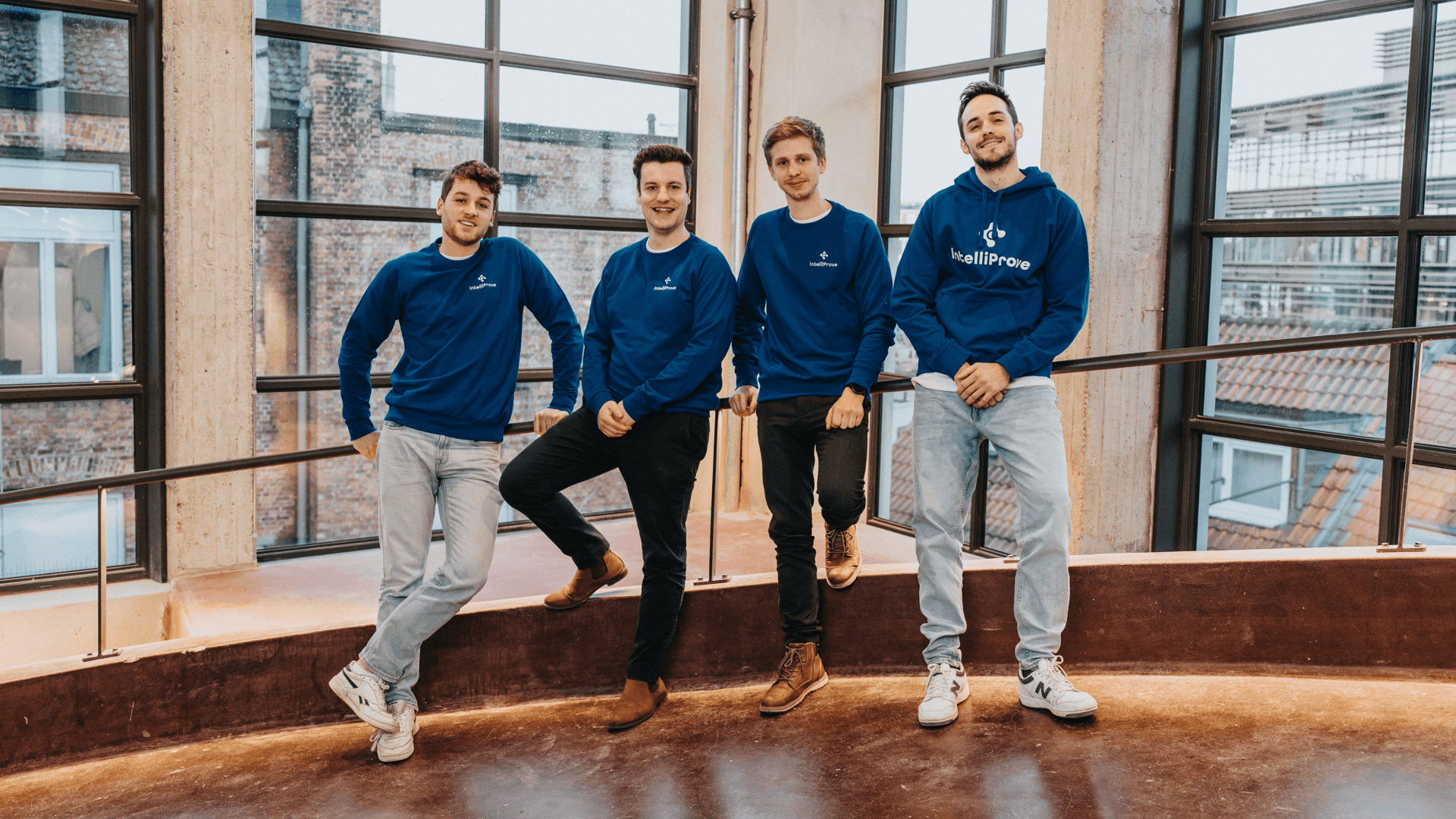
Belgian health-tech startup IntelliProve raised a EUR2.7 million seed round led by Miles Ahead to extend its camera-based vital-signs technology beyond smartphones and into humanoid robots.
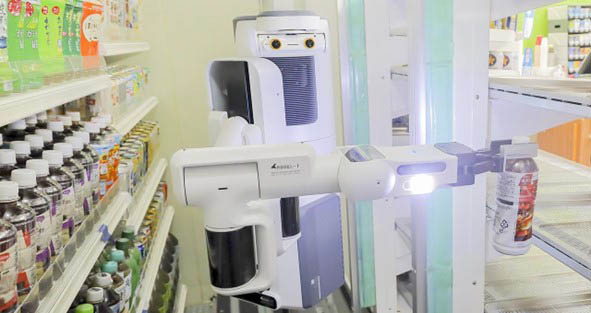
Telexistence begins a phased nationwide rollout of its AI-driven TX GHOST robot across FamilyMart convenience stores in January 2027, extending a beverage-restocking program the companies have run since 2020.
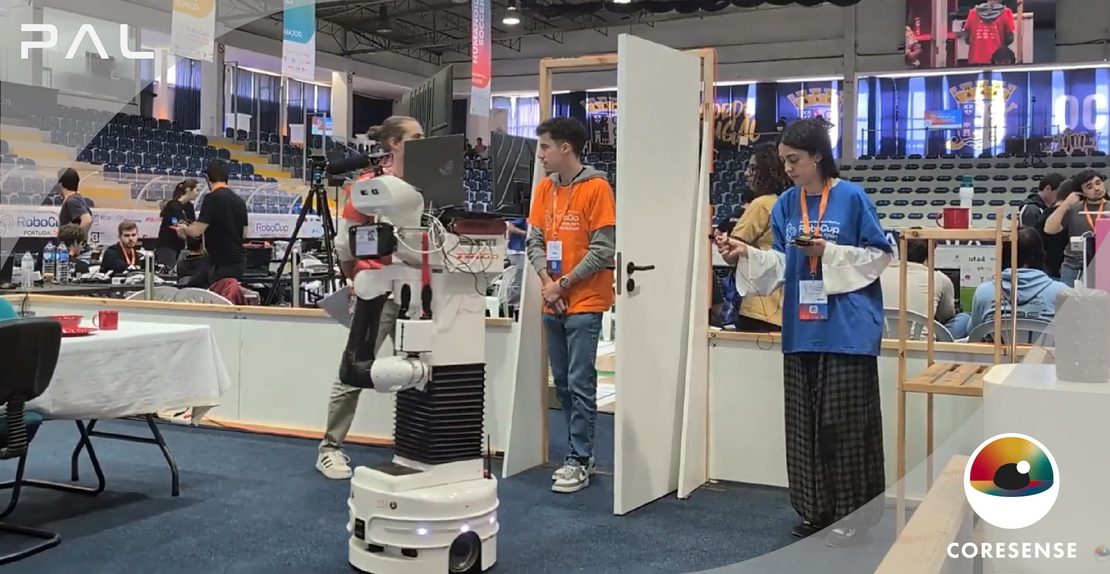
PAL Robotics used its TIAGo platform to test CoreSense, an EU-funded robot-awareness architecture, but the explainability research is still open-source and not yet a shipping PAL product.
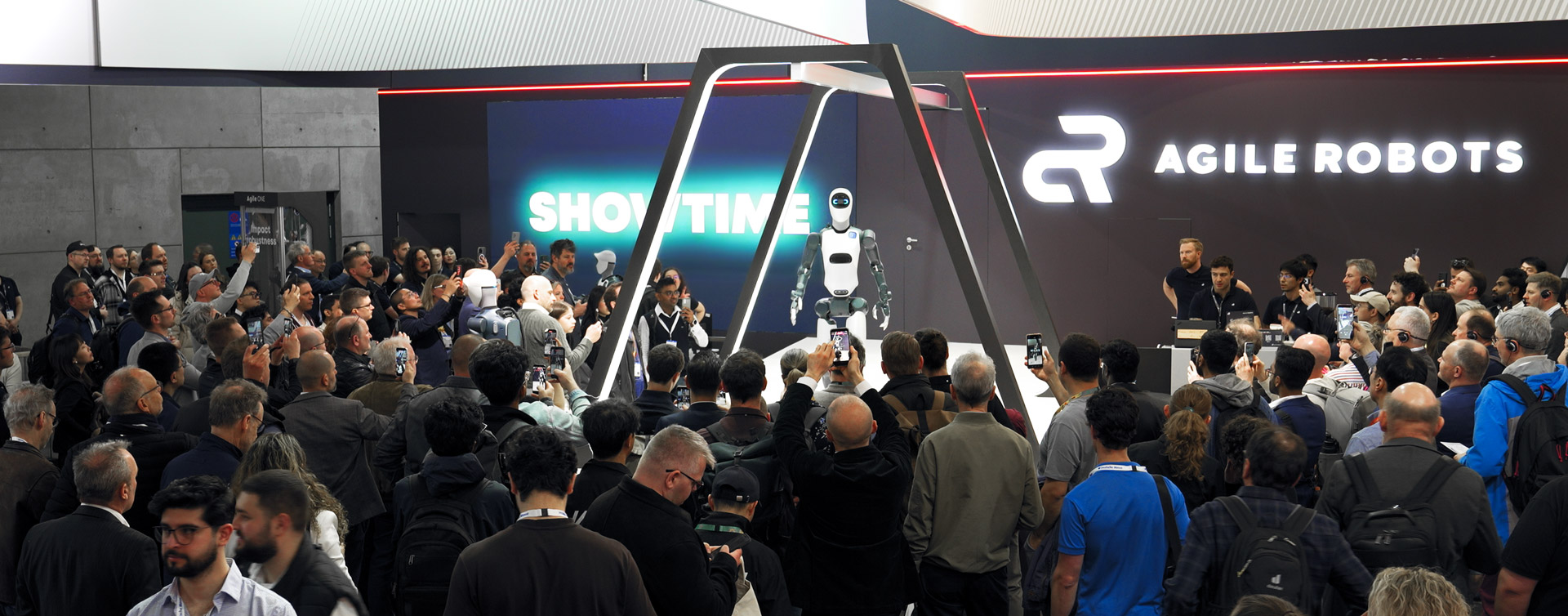
Six robotics companies announced funding rounds between November 11 and November 17, 2026. The largest round was US$500 million raised by Agile Robots. This week saw significant investment across industrial automation, medical robotics, and critical component development, with several companies se
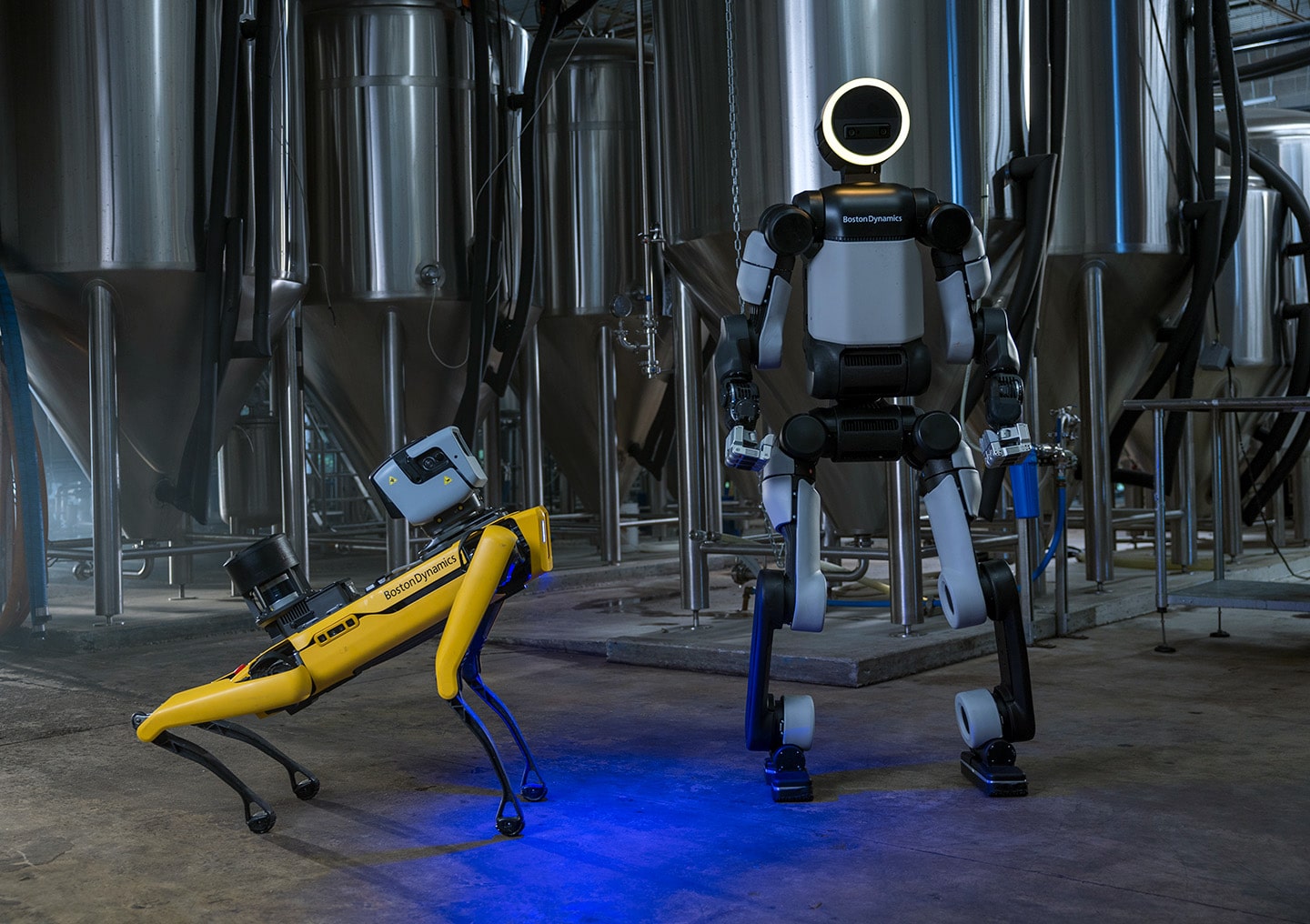
Boston Dynamics and GlobalFoundries are expanding their four-year robotics partnership, with GF set to become the first non-automotive company to test the Atlas humanoid robot starting in early 2027. The move builds on a Spot quadruped deployment that has logged over 90,000 inspections across GF's global fabs, including a Singapore site with a 99% mission success rate.
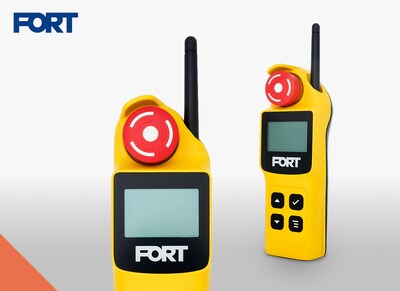
FORT Robotics disclosed US$12.5 million in revenue and a cut valuation in its SEC filing ahead of a Nasdaq SPAC merger, revealing both fast growth and a going-concern warning for the robotics safety vendor.
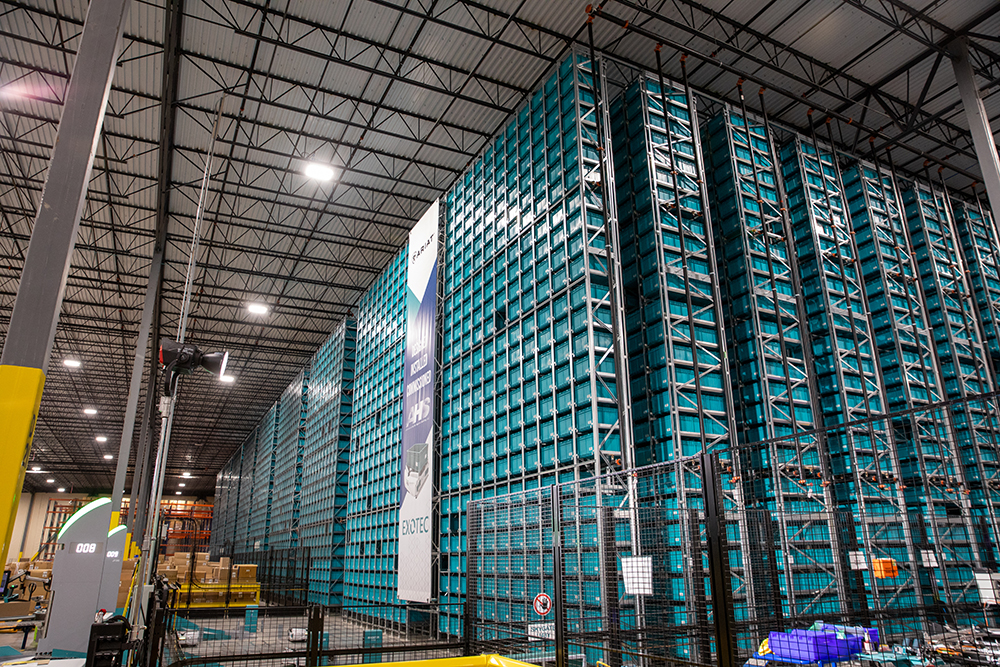
A 2024 CNIL fine against Amazon previews the EU AI Act's real near-term compliance fight in warehouse robotics: not robot safety certification, but the task-allocation and worker-scoring software riding on top of the robots.
Zipline just tripled its valuation to $21.5 billion in ten months, with Alphabet's Wing chasing the same Walmart account behind it. The real driver wasn't the decade both companies spent proving drone delivery in hard markets. It was restaurant-delivery speed and a retail contract.
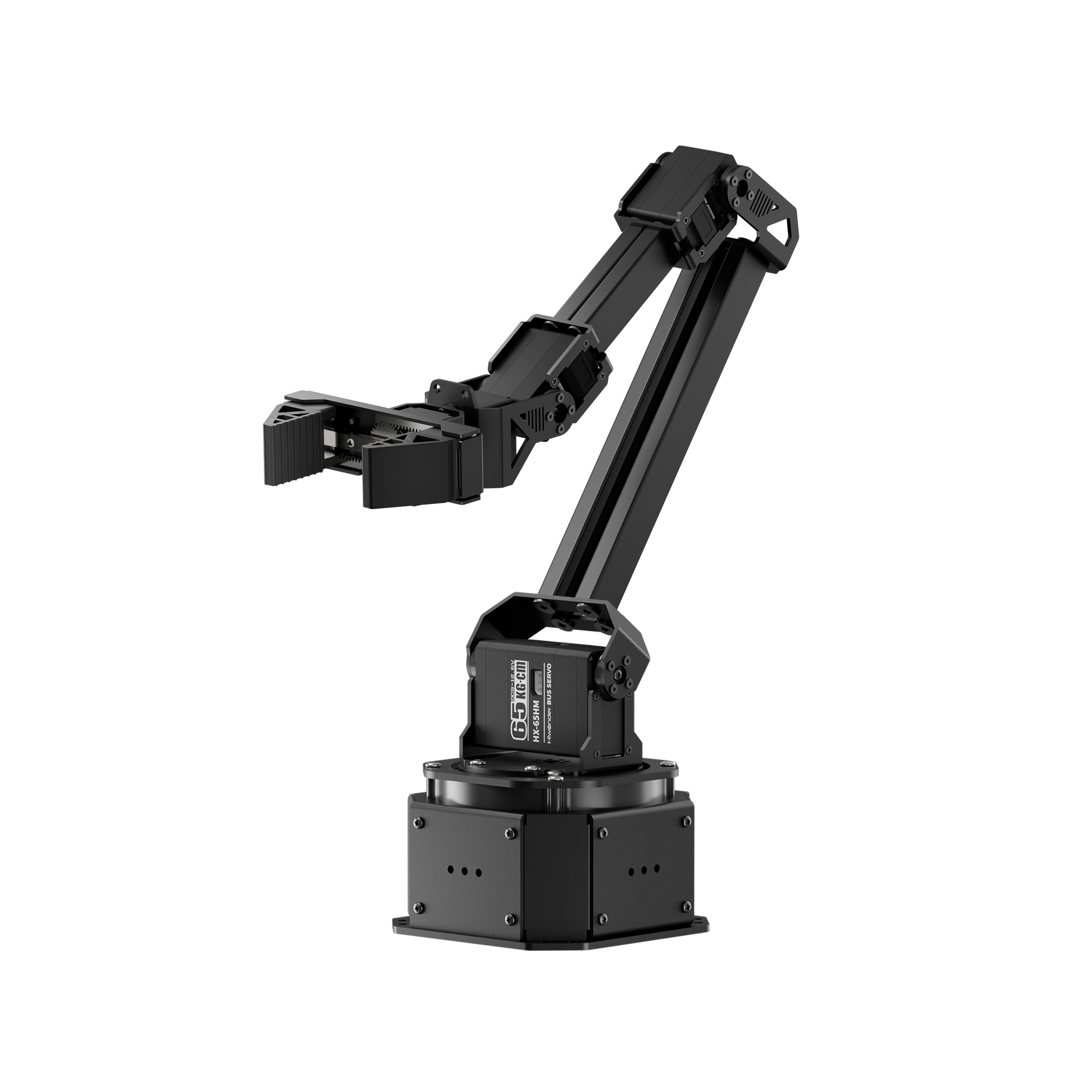
A new third-party benchmark shows OpenAI's GPT-6 Astra and rival frontier models can now pilot a robot arm with zero task-specific training, but at roughly 100 times the cost and speed of a human, leaving purpose-built robot foundation models from Physical Intelligence, Figure, Google DeepMind, and NVIDIA as the only commercially rational buy for production deployments today.
Agile Robots' new US$500 million round lands on top of a pattern already visible in Skild AI's three funding rounds and Figure AI's two: SoftBank and NVIDIA keep appearing as investors in nominally rival humanoid makers, while SoftBank simultaneously buys ABB's robotics division and exits Boston Dynamics. China's November block on the ABB deal shows even that concentrated capital has limits.