News and analysis on Asia's robotics industry from our research desk.
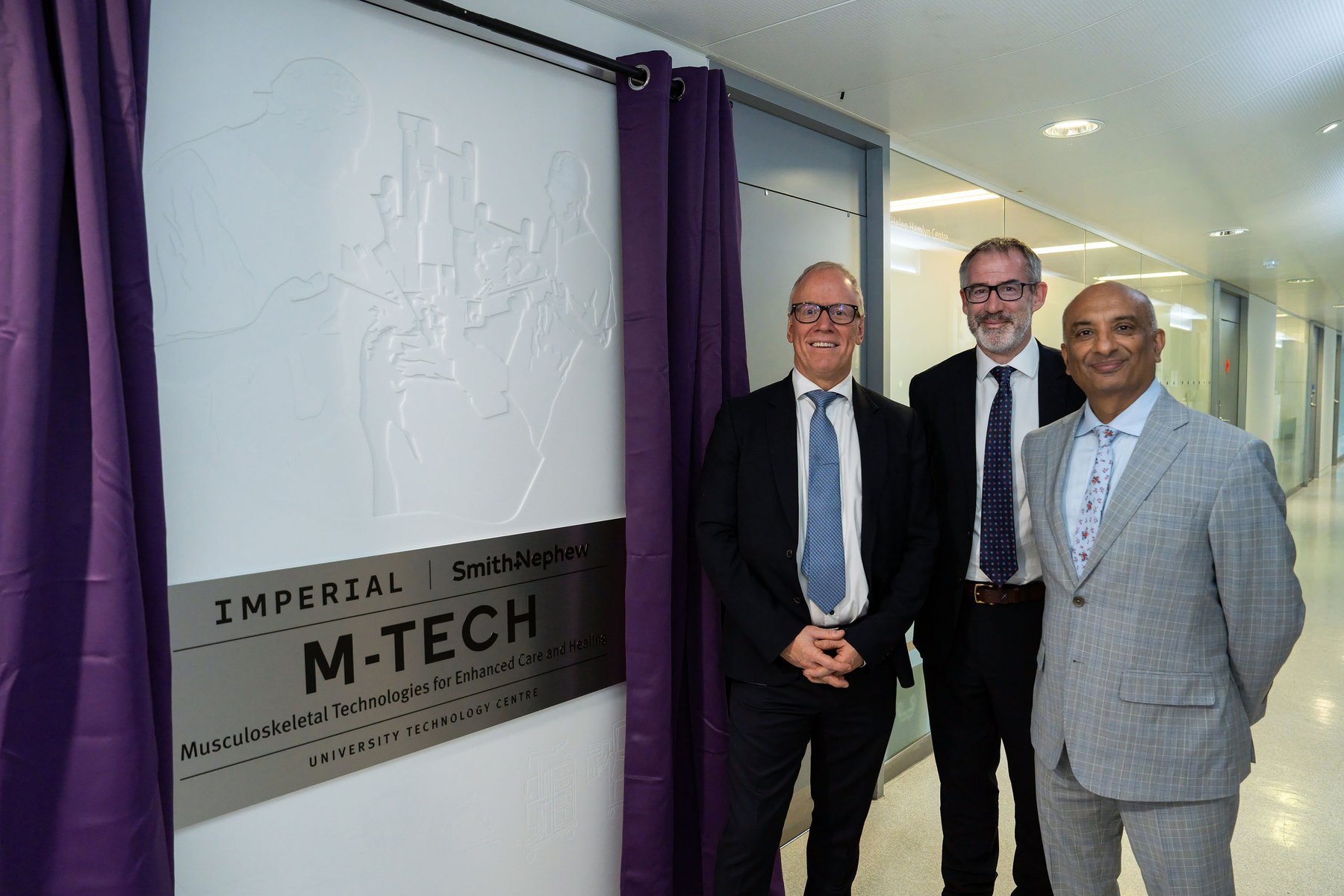
Imperial College London and Smith+Nephew launched a five-year university technology centre to move computer-vision and sensing research into less invasive musculoskeletal robotic surgery.
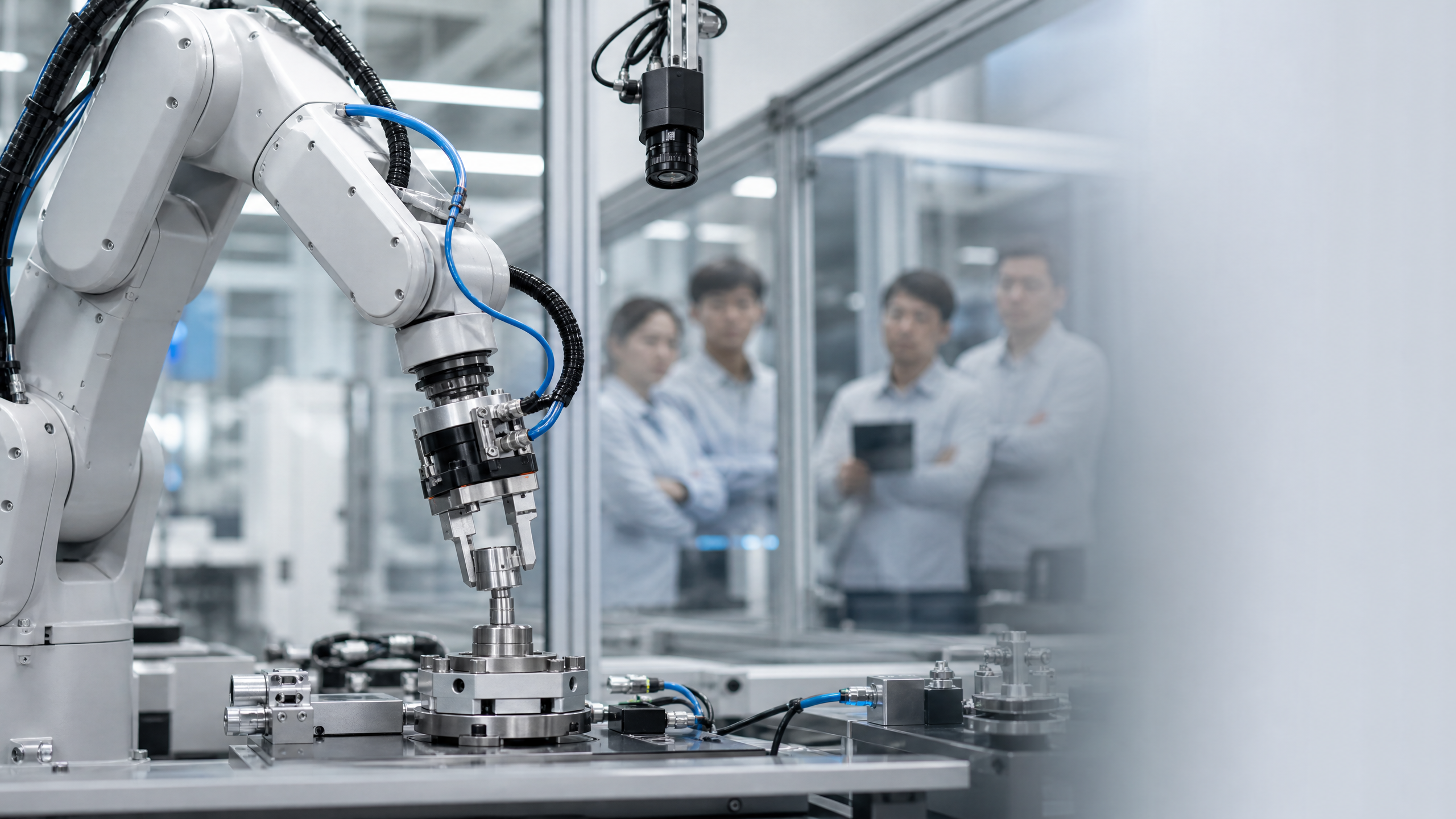
The 2026 China Artificial Intelligence Plus Innovation and Entrepreneurship Challenge concluded in Changzhou with an embodied-intelligence robot taking the intelligent-manufacturing first prize. Beijing-based Wanjing Qianxun combined an end-to-end vision-language-action model with high-precision force-control joints. The event attracted 337 applications and gives winners access to incentives, computing support and local test scenarios. The award signals policy support for manufacturing-focused AI, not yet commercial proof of the winning robot.
The 2026 World Robot Conference will run August 19 to 23 in Beijing with more than 300 exhibitors, over 2,000 exhibits, and at least 150 product debuts. A new application program will place mass produced humanoids and dexterous hands with external teams for real world trials.
The proliferation of robotic foundation models has exposed the physical limitations of the hardware they control. With a teleoperated humanoid performing surgery and a high-profile stage collapse at Computex, the technical focus has shifted from artificial intelligence reasoning to actuation, simulation transfer, and raw electromechanical reliability.
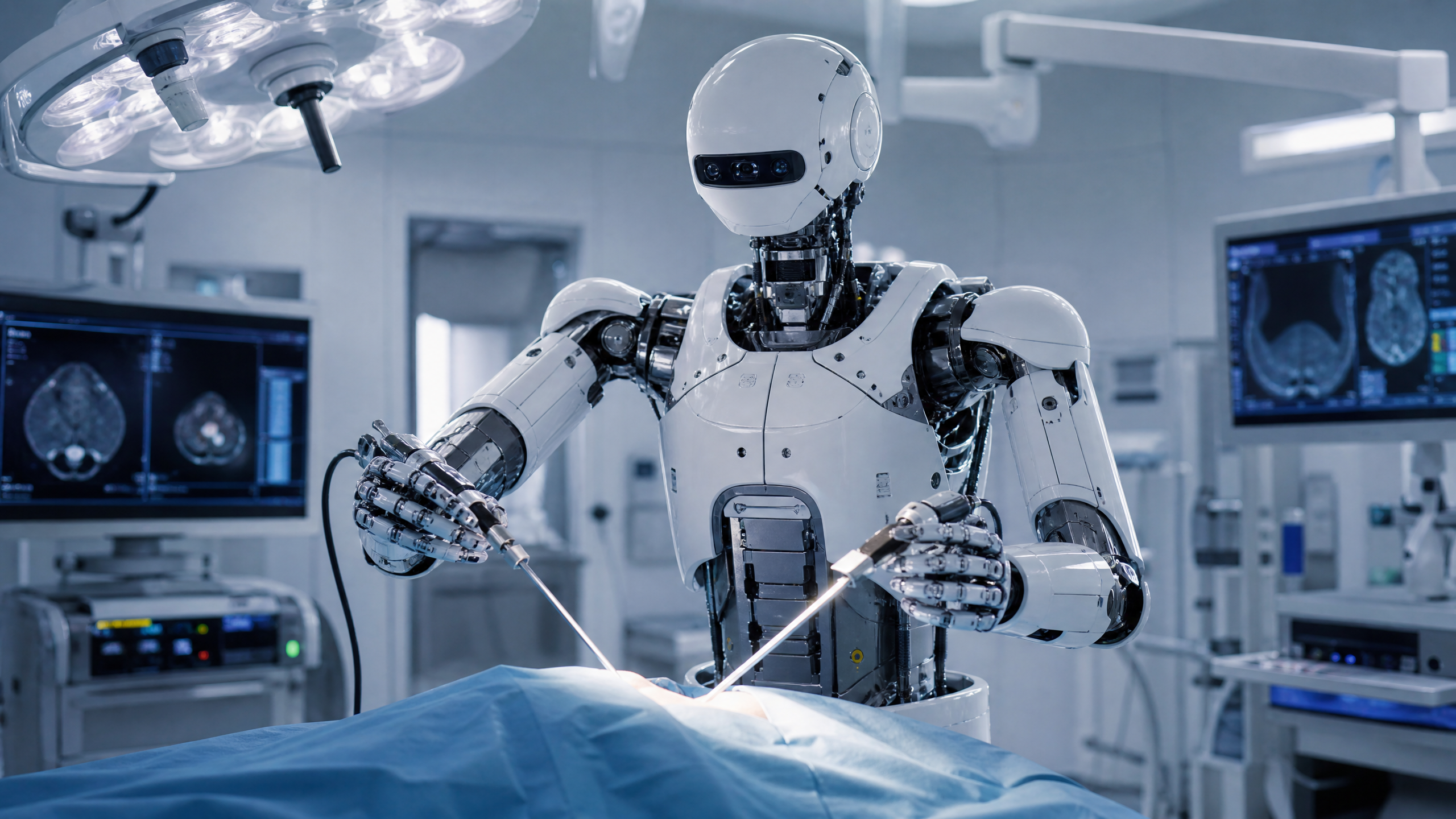
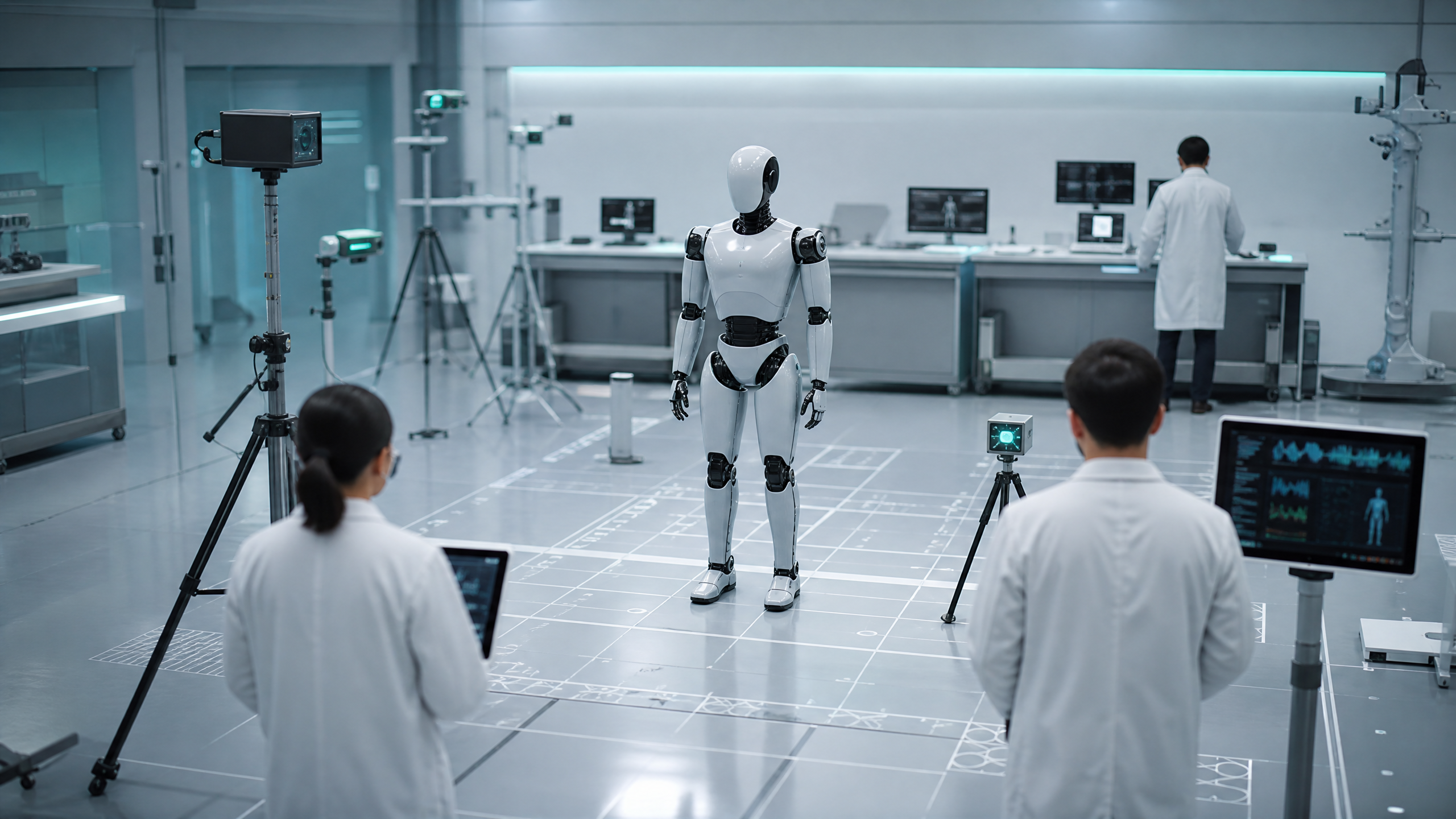
A research team at UC San Diego has successfully used a teleoperated humanoid robot to perform laparoscopic gallbladder removal in pigs, as highlighted in Nature Medicine on July 31, 2026. The research demonstrates the feasibility of using general-purpose humanoid morphology with standard surgical instruments for complex procedures, challenging the dominance of purpose-built surgical robots like Intuitive Surgical's Da Vinci system and potentially enabling surgical access in standard operating rooms without specialized equipment.
July 2026 produced more robot foundation models than any prior month, and the technical center of gravity shifted in response: the scarce layer is no longer models or data but evaluation, certification, and standards. China's MIIT convened its humanoid standardization plenary and stood up a data working group, Europe's ISO 10218:2025 transition began sorting prepared vendors from unprepared ones, and a wave of benchmarks emerged to measure what the model flood actually delivers. The trust layer is becoming the product.
Surgical robotics just lost one of its most hyped startups to bankruptcy in the same week the premium market gained its first credible second supplier in a generation. This analysis maps the consolidation economics deciding who survives, China's parallel game, and a practical evaluation framework for hospitals entering the duopoly era.
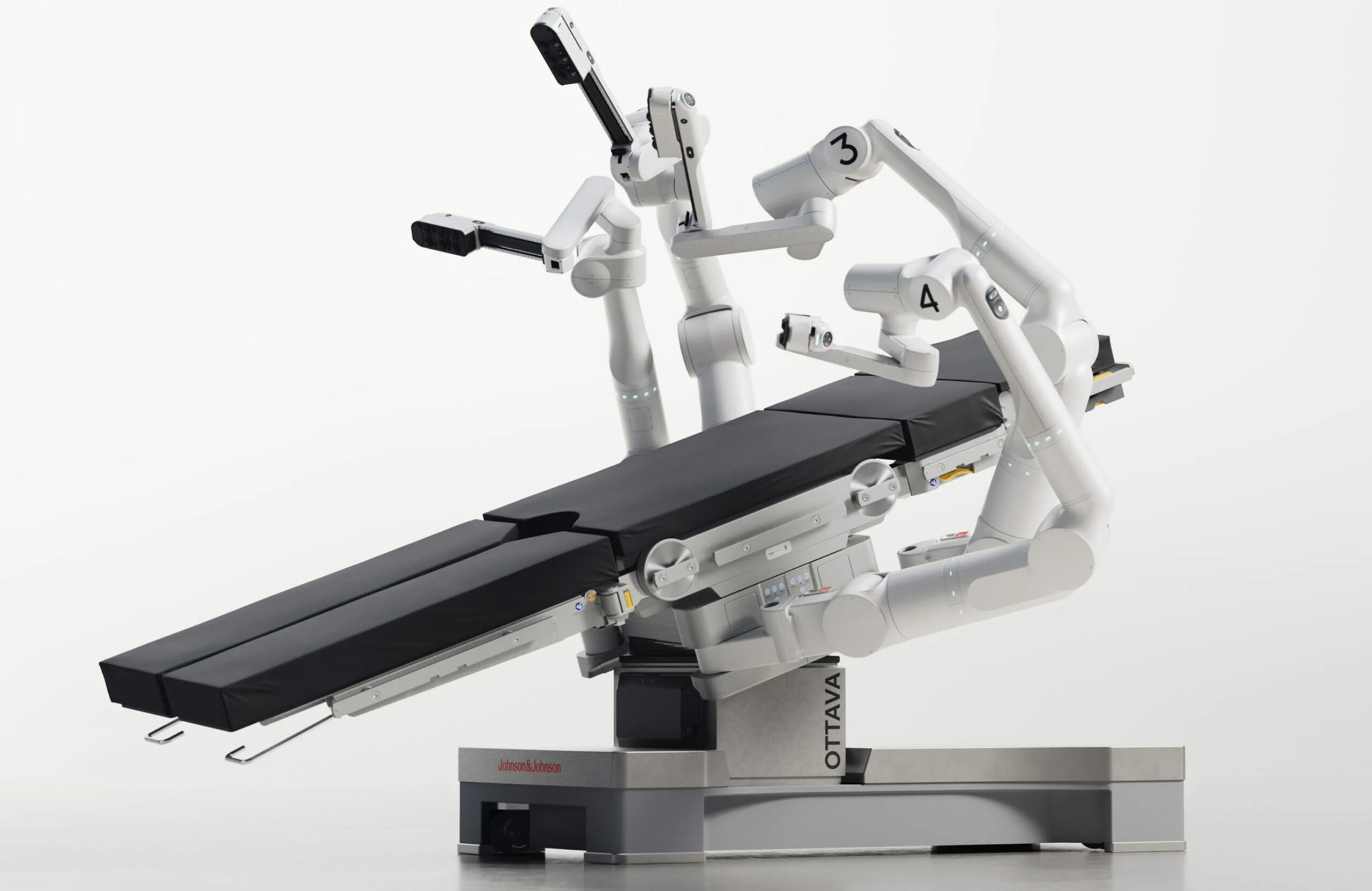
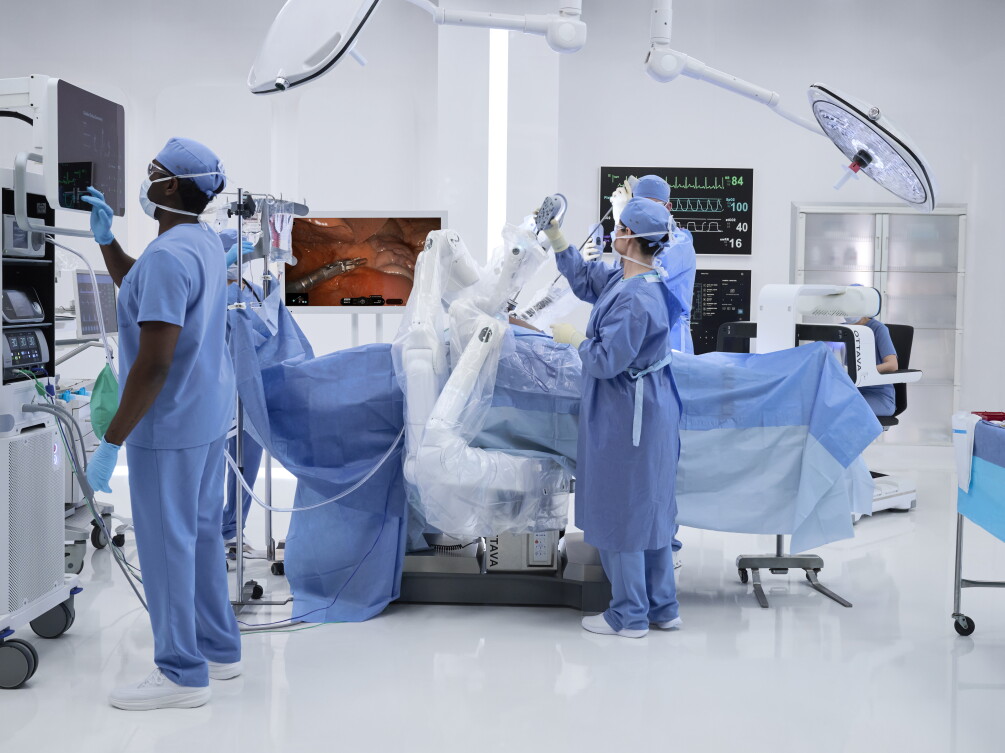
The United States Food and Drug Administration has granted De Novo authorization to Johnson & Johnson's OTTAVA Robotic Surgical System, the first soft tissue surgical robot with arms built directly into the operating table, clearing it for ten general surgery procedures and setting up the first serious architectural challenge to Intuitive Surgical's long-standing dominance.
Blackstone announced a definitive agreement to make a significant investment in FUTRONIC, a high precision actuator supplier serving automotive and industrial robotics. Terms were not disclosed. The move signals a supply chain bet aligned with a company-stated theme that AI is converging with the physical world.
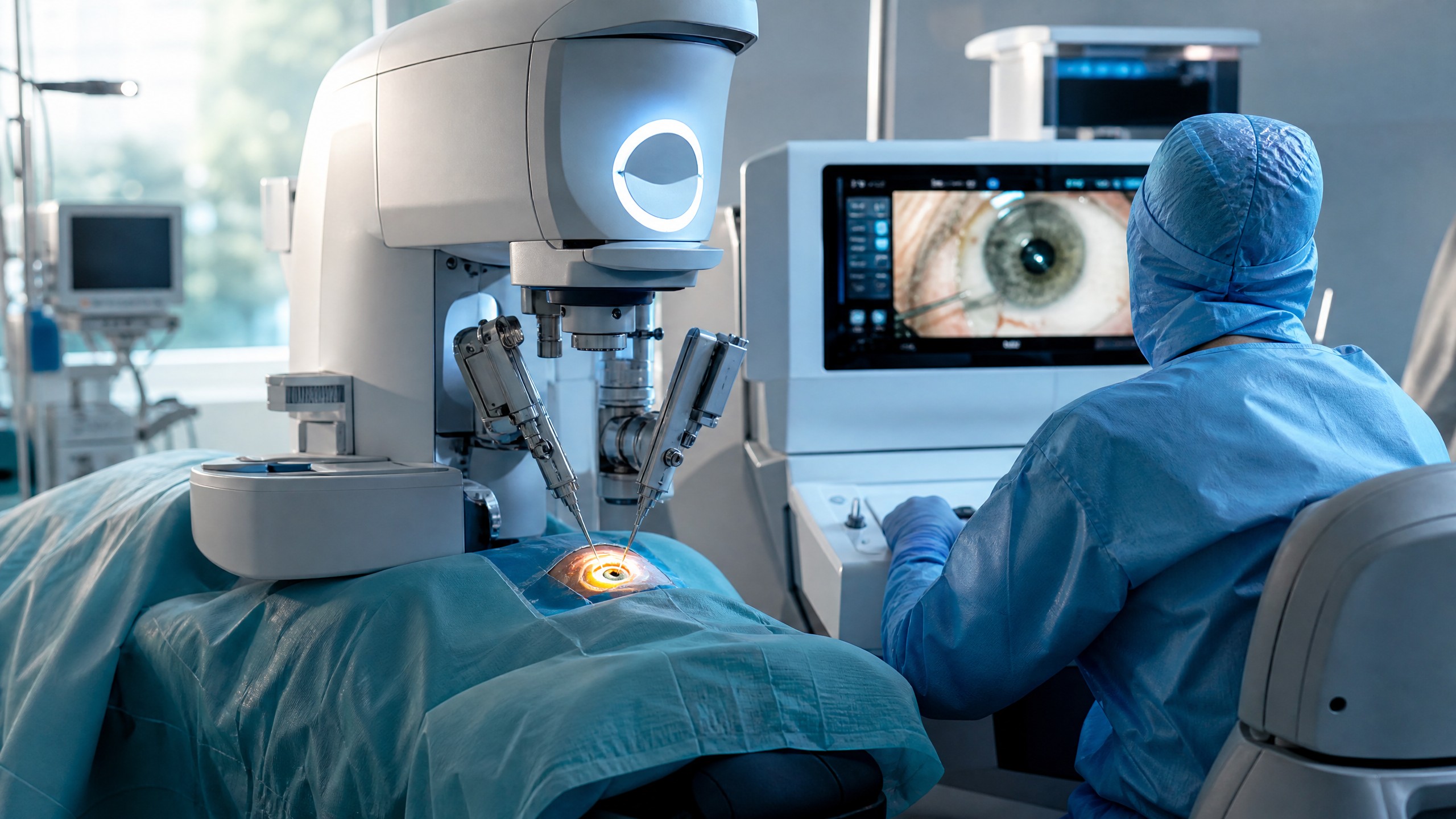
ForSight Robotics has achieved a historic milestone by completing the world's first fully robotic cataract surgery on a human patient using its JASPER platform, addressing critical surgeon shortages, consistency challenges, and ergonomic strain in ophthalmology. The procedure marks a major step for robotic microsurgery, although it should be understood as robot-assisted surgery under surgeon control rather than independent AI autonomy.
Engineers and surgeons at UC San Diego report the first successful use of teleoperated humanoid robots to perform live surgery, with a five foot, 27 kilogram robot named Surgie completing a gallbladder removal in a preclinical trial published in Nature.
The evolution from LLMs to predictive world models is triggering a cost deflation cycle in robotic intelligence. We analyze the ROI, payback periods, and adoption timelines across the top five AI robotics industries, and what the "silent handover" means for manufacturing arbitrage in Southeast Asia and Europe.