News and analysis on Asia's robotics industry from our research desk.
The article says 2026 is a turning point for robotics, driven by Physical AI, IT/OT convergence, and rapid growth in humanoid and industrial robots across manufacturing, warehousing, logistics, and other sectors. It highlights major advances like AI-powered autonomy, edge AI vision, bin-picking, and drone inventory systems, alongside big industry moves from companies such as Tesla, Amazon, and Hyundai. Overall, it argues that robotics is shifting from narrow automation to adaptable, collaborative machines that can work in human environments and boost productivity. While challenges like ethics and energy use remain, the article presents 2026 as the start of robotics becoming widespread in everyday life and business.
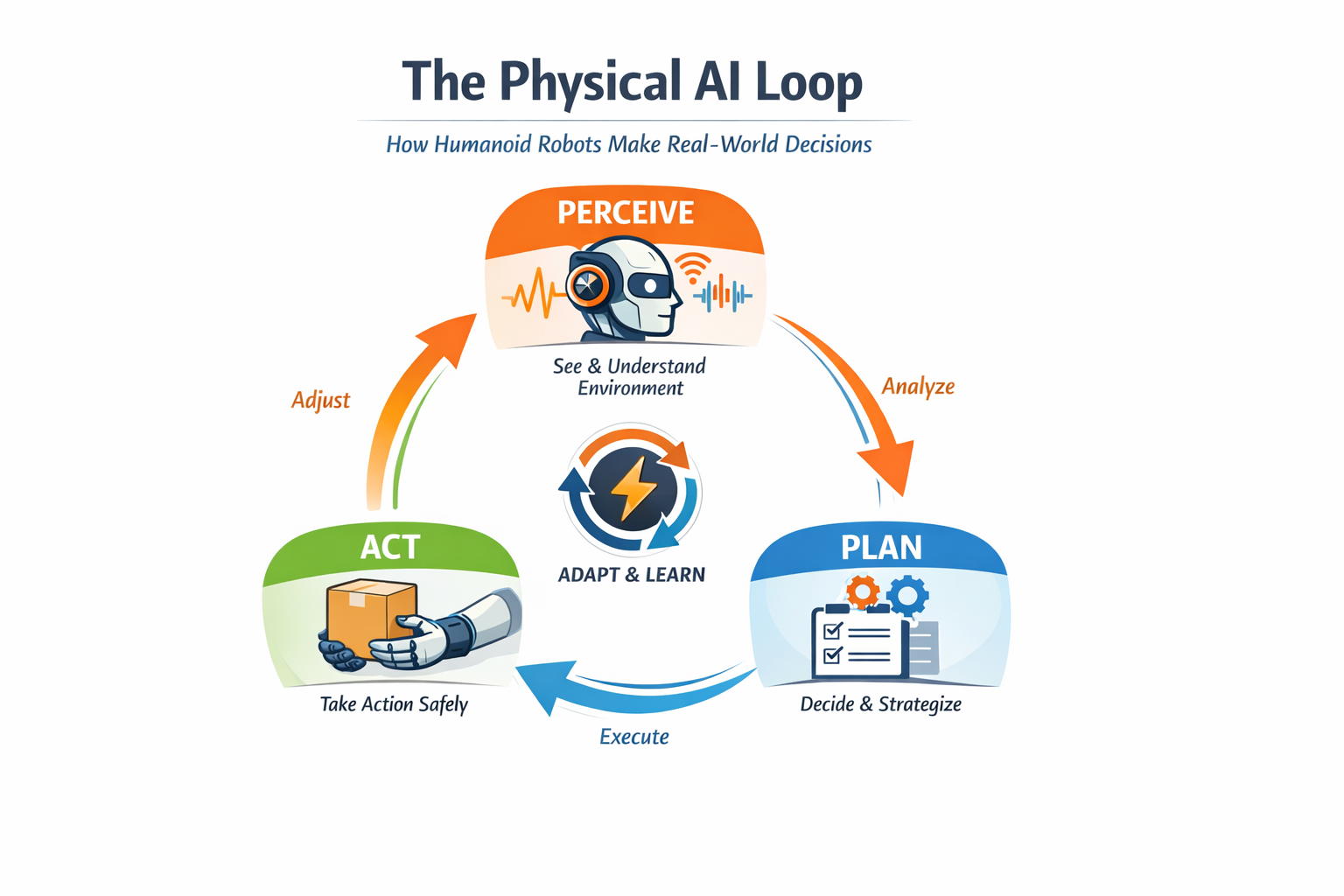
Humanoid robots are no longer just lab experiments. In 2026, powered by Physical AI, they are entering real-world pilot programs across industries. This shift marks the beginning of a new era where machines can perceive, reason, and act in dynamic environments—bringing us closer to practical, everyday robotics.
Most people think AI is about chatbots and spreadsheet tools. It isn't any more. The moment AI gained a physical body, the consequences stopped being digital and started being real. That shift affects manufacturers, warehouse workers, surgeons, and city planners right now. The question nobody is answering clearly enough is: what exactly changed, and what does it mean for the world you're already operating in?
The article highlights rapid advances in robotics, from agile humanoid robots moving toward mass production and home use to biohybrid and biodegradable designs that could improve sustainability and medical applications. It also shows how AI is making robots more autonomous and useful in tasks like farming, navigation, and surgery, while reminding readers that real-world deployments still face reliability and safety challenges.
The history of how 18th-century clockmakers created the first known humanoid robots
China’s humanoid robots did not appear at a New Year gala to entertain. They appeared to normalize presence.
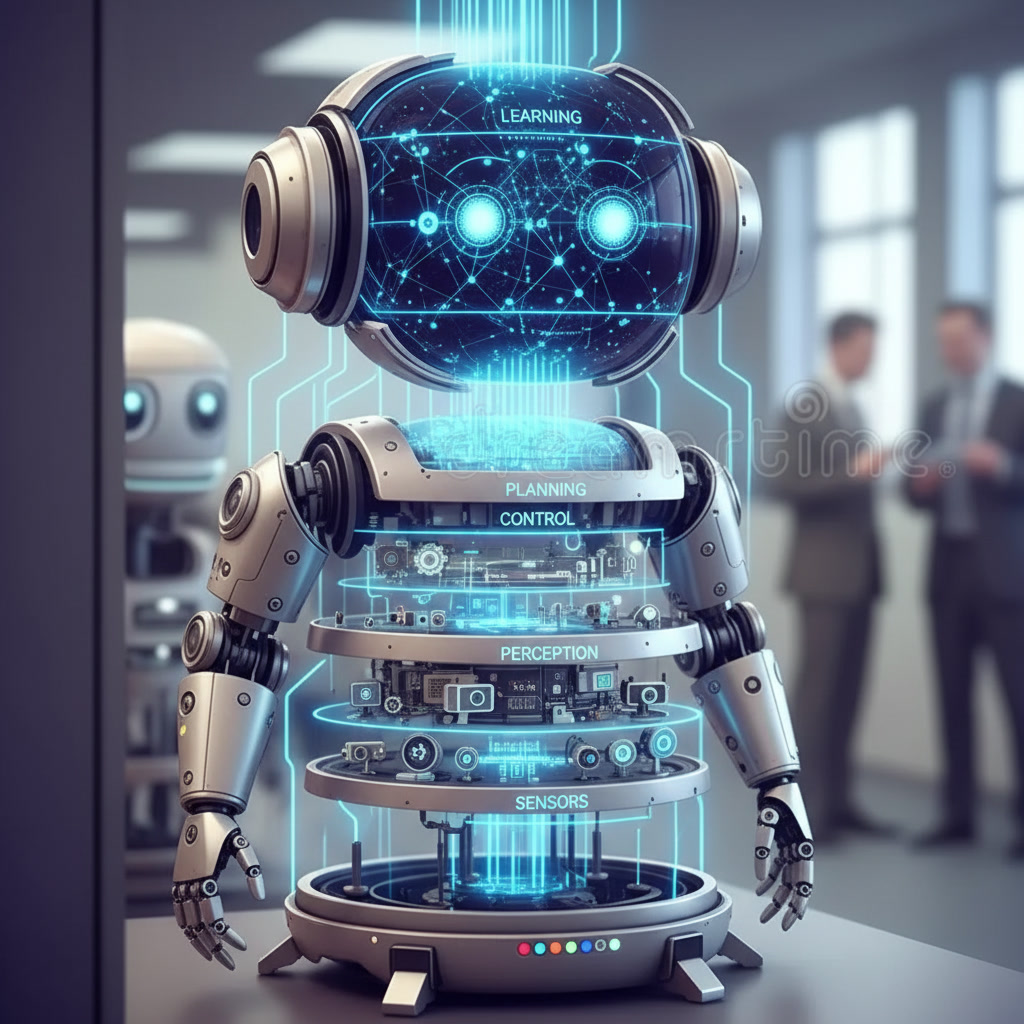
Every viral robotics demo you have ever seen was filmed in a controlled environment with people you didn't notice offscreen. Real deployment looks completely different. The people most misled by the gap between what robots do in demos and what they do in the field are the executives, procurement officers, and policymakers making multi-million-dollar decisions based on the wrong mental model. The question this article answers is the one the demos never do: what is actually happening inside the system, where does it break, and why does that gap between the demo and the deployment exist at all?
The industries running on AI robotics right now are not the ones in the demos. They are the ones with labour shortages, safety constraints, and operations that cannot afford to stop. The people whose decisions depend on knowing where robots are actually deployed — procurement officers, operations managers, investors, and policymakers — are regularly working from an outdated map. The question this article answers is not where robots might go. It is where they already are, why those industries adopted first, and what that pattern tells you about where they will appear next.